
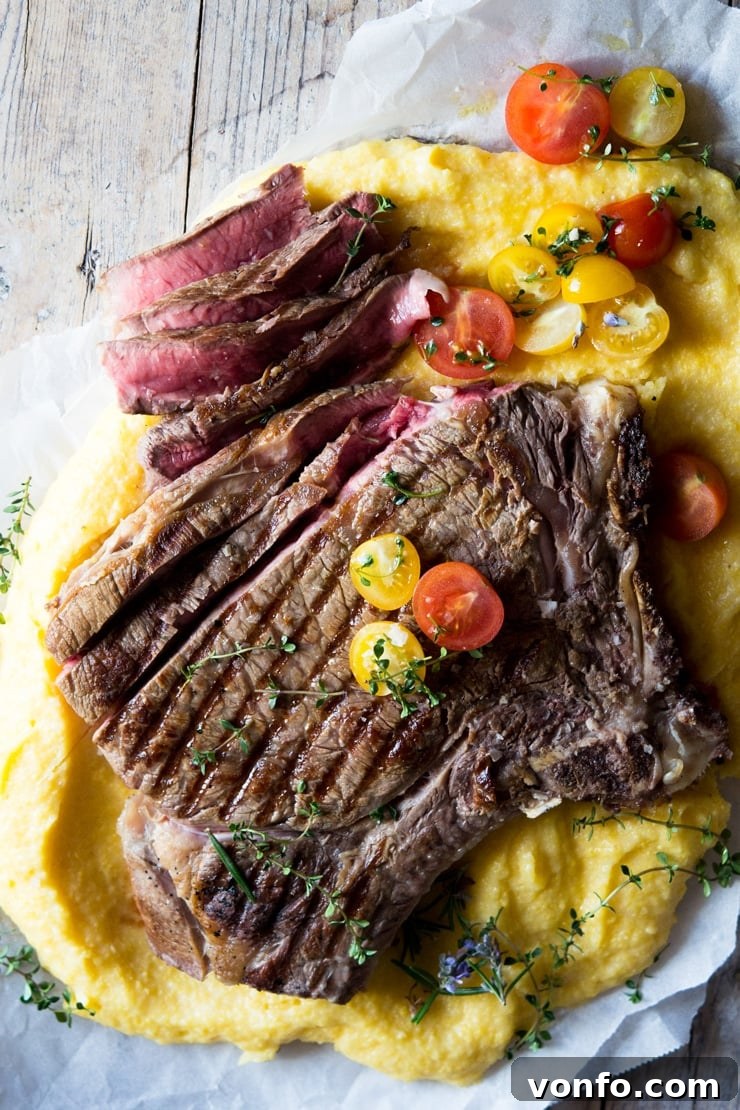
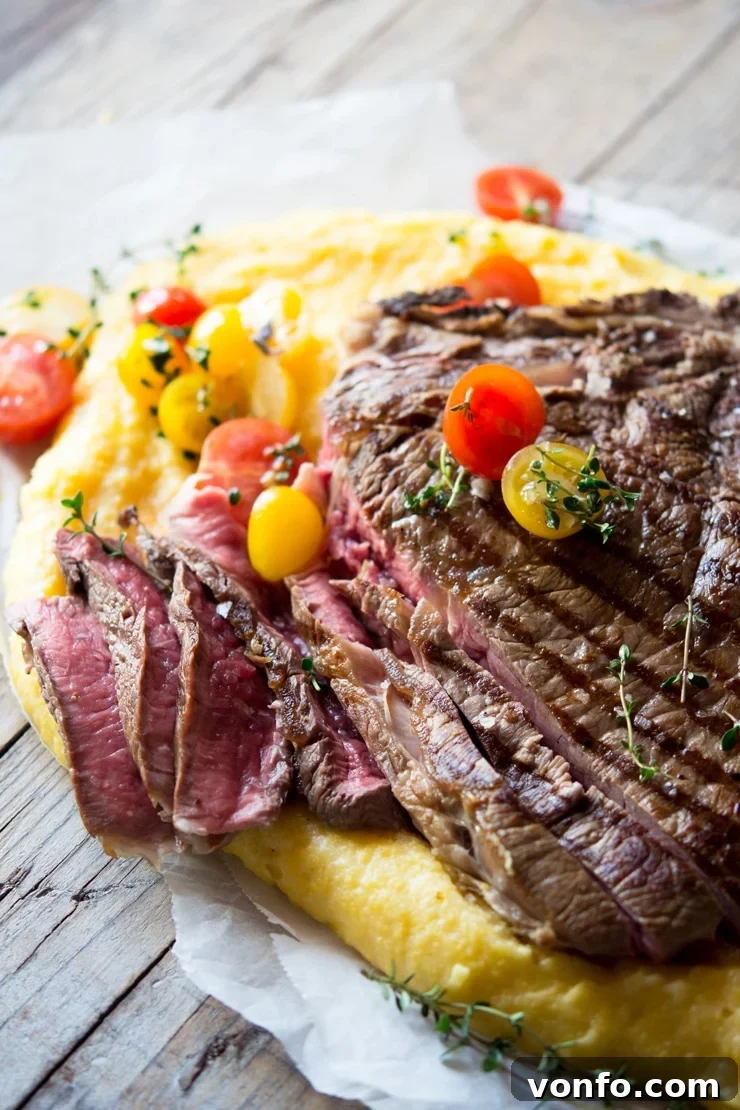
Experience the unparalleled delight of a chargrilled Porterhouse steak, famously known as Bistecca alla Fiorentina or Florentine steak. This isn’t just a meal; it’s a culinary journey to the heart of Tuscany, offering arguably the most delicious steak you’ll ever savor. Prepared with elegant simplicity, seasoned only with salt and a whisper of olive oil, this steak is authentically perfect, consistently cooked rare to achieve its legendary juicy tenderness.
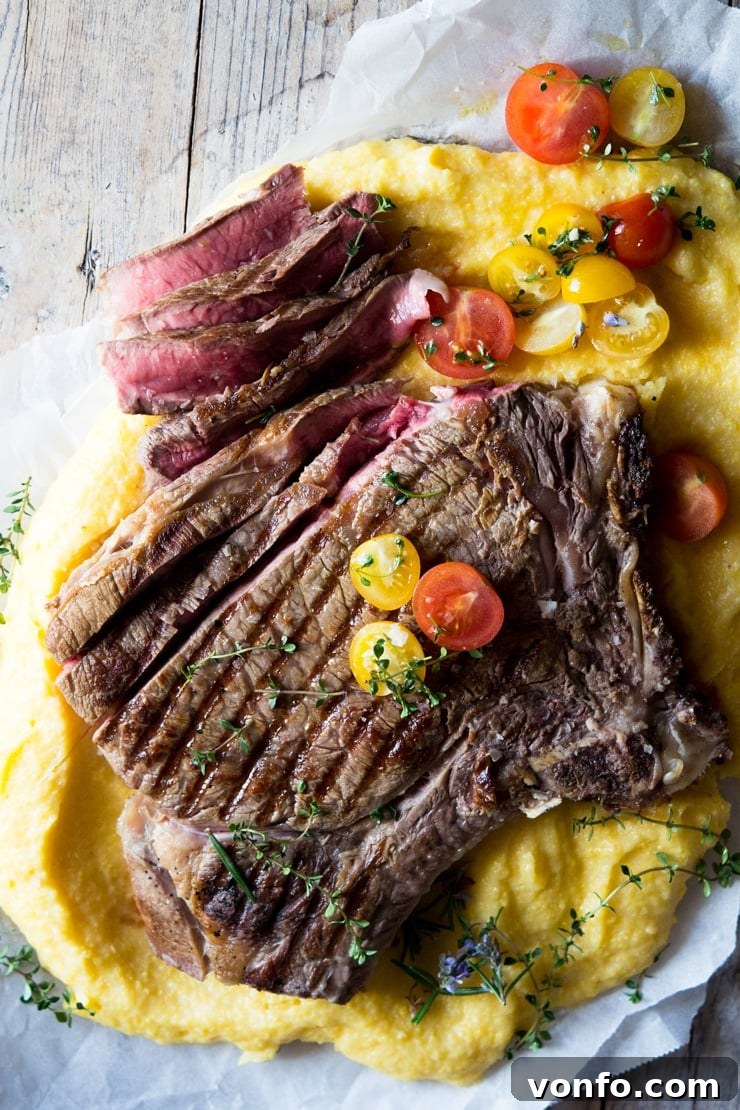
Bistecca alla Fiorentina: Mastering the Art of Florentine Steak
Before the enchanting call of Italy became my everyday reality, a magnificent cut of fillet steak was reserved solely for life’s special moments—a birthday celebration, an intimate date night. But since making Italy my home, my perspective on what constitutes a truly exceptional steak has been forever transformed. Now, whenever a craving for steak strikes, my unwavering choice is this magnificent beast: Bistecca alla Fiorentina, a culinary icon that embodies the very essence of Tuscan dining.
If your travels ever lead you to the captivating city of Florence, consider it a culinary imperative to order this steak. However, be forewarned: this isn’t a dish for those who prefer their steak well-done. In Florence, the preparation of Bistecca alla Fiorentina is a sacred ritual, and you will not be given a choice in how it’s cooked. Attempting to request anything other than rare is futile, perhaps even met with a polite suggestion to seek dining elsewhere. The Florentines, with their deep respect for culinary tradition, are uncompromising when it comes to their cherished steak, insisting on a perfect, melt-in-your-mouth rare.
Many people hesitate at the thought of a rare steak, often imagining a plate awash with “blood.” Let me assure you, that crimson liquid is not blood but myoglobin, a protein responsible for the meat’s red color and a key contributor to its rich flavor and juiciness. And rest assured, a properly prepared Florentine steak, when allowed its crucial resting period, will never leave your plate swimming in juices, preserving the integrity of any accompanying creamy polenta or roasted vegetables.
The Essential Step: How to Achieve a Perfectly Juicy Steak (No “Blood” on Your Plate!)
The secret to a succulent, flavorful steak with no unwanted juices spilling onto your plate is incredibly simple, yet often overlooked: **let it rest!** This is the golden rule, the cardinal principle of steak cookery. Any cut of meat, especially a thick, high-quality steak like a Bistecca alla Fiorentina, must be allowed to rest adequately after cooking before it is sliced.
During the intense heat of grilling, the muscle fibers of the steak contract, pushing the delicious internal juices towards the center. If you cut into the steak immediately, these juices, under immense pressure, will flood out onto your cutting board and plate, leaving your steak dry and less flavorful. By allowing the steak to rest, typically for at least 5 to 10 minutes (depending on its thickness), the muscle fibers relax, and the juices are reabsorbed and evenly redistributed throughout the meat. This crucial step results in a steak that is incredibly tender, bursting with flavor, and, most importantly, retains all its delicious moisture internally.
Transfer your perfectly rested steak to a serving plate or carving board, and you’ll find that any residual juices are minimal, rich, and concentrated, ready to be savored rather than wasted. It truly makes all the difference, transforming a good steak into an unforgettable one.
Top Tips for Crafting an Authentic Florentine Steak
To recreate the magic of Bistecca alla Fiorentina in your own kitchen, attention to detail is paramount. Follow these expert tips for an authentic and exceptional result:
- Thickness is Key: A true Florentine steak must be generously thick-cut. Aim for at least 1-2 inches (2.5-5 cm), but ideally, a thickness of “three finger-widths” is preferred. This substantial size is essential for developing a perfectly charred crust while keeping the interior gloriously rare and tender.
- Uncompromising Quality: The foundation of an outstanding Bistecca alla Fiorentina is the meat itself. Traditionally, this steak is made from Chianina beef, a prized Italian breed renowned for its lean muscle, low fat content, and exquisite flavor. If Chianina is unavailable, opt for the highest quality, well-marbled Porterhouse or T-bone steak you can find, ideally dry-aged for enhanced tenderness and depth of flavor.
- Olive Oil, Used Sparingly: Apply olive oil very lightly to your steak. Choose a mild-flavored extra virgin olive oil to avoid imparting a strong flavor that could overshadow the natural taste of the beef. Its purpose is primarily to help with searing and prevent sticking, not to season.
- Season with Salt, and Only Salt (initially): The authentic Florentine method dictates seasoning solely with high-quality coarse sea salt (such as Maldon sea salt flakes). Pepper is traditionally omitted before grilling as it can burn at the high temperatures required, imparting a bitter taste. If desired, a touch of freshly cracked black pepper can be added after resting.
- Bring to Room Temperature: Remove your steak from the refrigerator at least 30-60 minutes before cooking. A room-temperature steak cooks more evenly, ensuring the center reaches the desired rare doneness without overcooking the exterior.
- Achieve Maximum Heat: Your griddle pan or grill must be screaming hot—smoking hot, to be precise—before the steak touches the surface. Traditional Florentine steaks are cooked over scorching hot wood embers, so replicate this intensity as much as possible for that signature char and crust.
Crafting Your Florentine Steak (Bistecca alla Fiorentina) – Step-by-Step Guide
Follow these precise steps to create a show-stopping Bistecca alla Fiorentina:
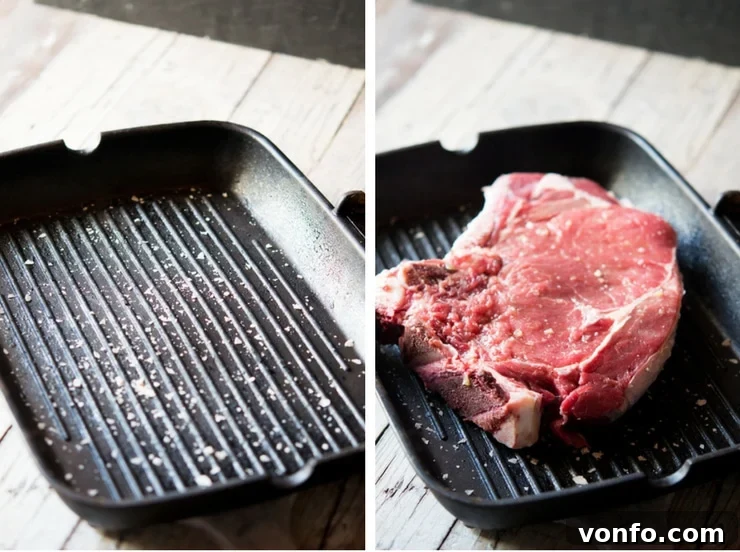
- **Preheat Your Grill:** Place a heavy-bottomed griddle pan (or prepare your outdoor grill) over high heat until it is smoking hot. You can optionally sprinkle a few sea salt flakes directly onto the pan – this helps create an extra crust.
- **Prepare the Steak:** Pat the steak completely dry with paper towels to encourage a crisp crust. Season generously with a pinch of sea salt flakes on each side. Very lightly rub a minimal amount of mild olive oil over the seasoned surfaces.
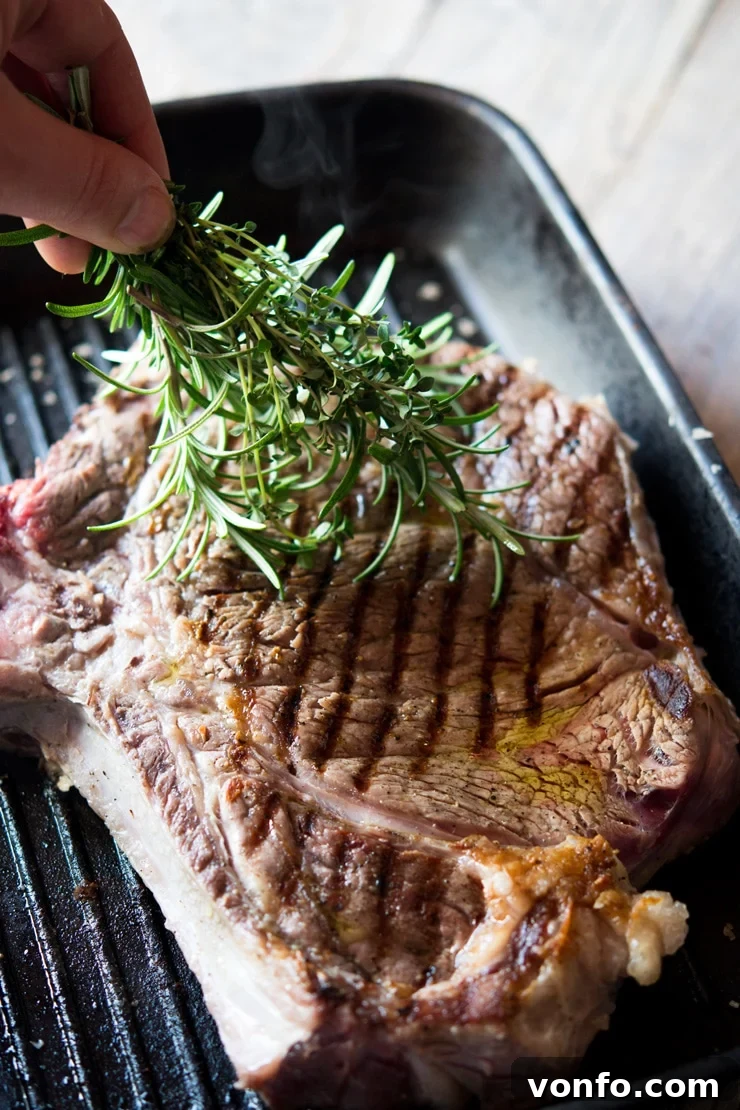
- **First Sear (Side 1):** Carefully place the steak on the smoking hot griddle. Sear undisturbed for 3 minutes. You should see a deep, dark char and a beautiful crust forming on the outside. Resist the urge to move it prematurely.
- **Second Sear (Side 2):** Using sturdy kitchen tongs, flip the steak to the other side. Sear for another 3 minutes. These timings are ideal for a 1-inch (2.5 cm) thick steak, yielding a perfect rare interior. Adjust cooking times for thicker cuts (see below).
- **Searing the Bone (for Thicker Cuts):** For thicker Porterhouse or T-bone steaks, it’s crucial to sear the bone side as well. Using kitchen tongs, stand the steak upright on its bone and cook for a few minutes. This ensures even heat distribution and a thorough cook around the bone, which can otherwise act as a heat sink.
Variations: Adding a Subtle Herbaceous Touch
While the traditional method emphasizes the pure flavor of the beef, there’s always room for subtle enhancements. If you wish to introduce a gentle herbaceous note without straying too far from authenticity, consider this variation:
Create a simple “herb brush” by tying together a few sprigs of fresh thyme and rosemary. As you turn the steak on the griddle pan, use this herb brush to lightly anoint the steak with a touch more olive oil (if needed) and gently press the herbs against the hot meat. This imparts a delicate yet delicious herby aroma and flavor that complements the richness of the beef beautifully.
Porterhouse vs. T-Bone: Understanding Your Cut
Both Porterhouse and T-bone steaks are bone-in cuts that feature two distinct types of meat: a tenderloin (fillet) on one side of the bone and a strip steak (sirloin) on the other. The key difference lies in the size of the tenderloin.
- **T-Bone:** Contains a smaller section of the tenderloin.
- **Porterhouse:** Features a much larger tenderloin section (at least 1.25 inches thick at its widest point), earning it the moniker “king” of T-bones.
For Bistecca alla Fiorentina, a Porterhouse is generally preferred due to its more generous tenderloin, offering a greater diversity of texture and flavor in each impressive cut. However, a high-quality T-bone will also yield excellent results and is a perfectly acceptable choice for this recipe.
Perfect Pairings: Exquisite Ways to Serve Your Florentine Steak
A Bistecca alla Fiorentina is a dish that commands attention, and its accompaniments should complement, not overpower, its magnificent flavor. Here are some traditional and delicious ways to serve your steak:
- Family-Style Carving: The most authentic way to serve is to present the whole, rested steak on a large wooden chopping board. Carve it into thick slices right at the table, allowing guests to help themselves to the perfectly rare, juicy pieces. This creates an engaging and communal dining experience.
- Creamy Polenta: The smooth, comforting texture of creamy polenta provides a delightful contrast to the steak’s robust flavor and firm chew. It’s a classic Italian pairing that soaks up any remaining steak juices beautifully.
- White Bean Mash with Rosemary and Lemon: A quintessential Tuscan side dish, white bean mash (or cannellini beans) is incredibly simple yet flavorful. Its earthy notes and creamy texture are a fantastic counterpoint to the richness of the beef.
- Italian Green Beans in Tomato Sauce: Another beloved Florentine accompaniment, tender green beans simmered in a light, fresh tomato sauce add a vibrant, slightly acidic balance to the meal.
- Simple Green Salad: A crisp, fresh green salad, dressed lightly with good quality olive oil and a hint of vinegar, offers a refreshing palate cleanser that cuts through the richness of the steak.
- Griddled Ciabatta with Garlic and Beans: Lightly grill slices of ciabatta bread, rub them with a raw garlic clove, and serve alongside your steak, perhaps topped with a simple bean salad. The bread is perfect for soaking up any precious meat juices.
- Classic Potato Wedges: For a more universally appealing and comforting side, perfectly seasoned and crispy potato wedges are always a winning choice.
Achieving the Perfect Rare: Florentine Steak Cooking Times
These cooking times are a guide for achieving a glorious rare doneness, the traditional way to enjoy Bistecca alla Fiorentina. Remember to adjust based on your grill’s heat and desired doneness.
- 1 inch (2.5cm) thick steak: Approximately 3 minutes per side.
- 1.5 inch (3.5-4cm) thick steak: Approximately 4 minutes per side.
- 2 inch (5cm) thick steak: Approximately 5 minutes per side.
Always remember to include the crucial resting time after cooking, as detailed above, for the most tender and juicy results.
We hope you’ll embark on this culinary adventure and try making this authentic Florentine steak (Bistecca alla Fiorentina). If you do, please share your experience in the comments below! We love hearing from our community. You can also follow us on FACEBOOK, TWITTER, INSTAGRAM, and PINTEREST for more delicious recipes and cooking inspiration!
Florentine Steak – Bistecca Alla Fiorentina
By Emily
Florentine Steak A.K.A Bistecca Alla Fiorentina. A delicious, juicy, rare steak cooked in the simplest way possible!
Ingredients
- 1 Porterhouse or T-bone steak (1-2 inches/2.5-5cm thick)
- 1 pinch sea salt flakes
- 1/2 tbsp mild olive oil
Instructions
- Heat up a griddle pan until smoking hot. Optionally, sprinkle over some sea salt flakes.
- Season the steak with a pinch of salt on each side and very lightly rub over some olive oil. Place the steak on the hot grill and sear on one side for 3 minutes. It should be charred and have a nice crust on the outside.
- Turn it around and fry it again for another 3 minutes. These cooking times are for a 1-inch sized steak. See notes below for more suggested cooking times for various thicknesses.
- **Tip:** For thicker steaks, you will need to sit the steak upright on the bone for a few minutes to sear that too. Hold it using a pair of kitchen tongs.
Notes
How To Stop Juices Running From My Steak?
- It’s simple: let it rest! No meat should be cut into straight away without resting. The juices will flood out, and the meat will dry up. This is the number one rule when cooking a steak. Let it rest for at least 5 minutes before transferring it to the serving plate.
- You’ll end up with the most delicious, juicy, and flavorful steak and no excess liquid on your plate.
Top Tips When Making A Florentine Steak:
- It has to be thick cut. At least 1-2 inches/2.5-5cm, but even better if you can get it 3 finger-widths thick.
- Get the best, highest quality meat possible. The traditional beef used for Florentine steak is Chianina Beef.
- Use olive oil sparingly and use a mild one to avoid flavoring the meat with the oil.
- Season your steak only with salt (no pepper traditionally).
- Bring your steak out of the fridge in advance; it should be near room temperature before cooking.
- Make sure your griddle pan is smoking hot before placing the steak on top. Traditionally, this steak is made on a wood-fired grill, so it should be as hot as possible!
Variations – Try Adding Some Herbs:
- While traditional Florentine steak is minimally seasoned, you might want to introduce subtle herb flavors.
- Create a herb brush with some thyme and rosemary sprigs and brush the steak as you turn it on the griddle pan. This will give a subtle but delicious herby flavor to the steak.
Florentine Steak Cooking Times (for a rare steak):
- 1 inch (2.5cm) steak: around 3 mins each side for rare
- 1.5 inch (3.5-4cm) steak: around 4 mins each side
- 2 inch (5cm) steak: around 5 mins each side
Ways To Serve Your Florentine Steak:
- Serve the steak whole on a large chopping board, cut into slices to let people help themselves.
- Serve with creamy polenta.
- White bean mash is always a great side to steak.
- Green beans in tomato sauce, another Florentine dish and a great side.
- A salad is always a good choice.
- Griddled ciabatta bread rubbed with garlic and beans.
- Good old-fashioned potato wedges can never go wrong.
Nutrition
Protein: 35 g |
Fat: 25 g |
Saturated Fat: 10 g |
Cholesterol: 95 mg |
Sodium: 111 mg |
Potassium: 525 mg |
Calcium: 10 mg |
Iron: 3.4 mg
Nutrition information is automatically calculated, so should only be used as an approximation.