
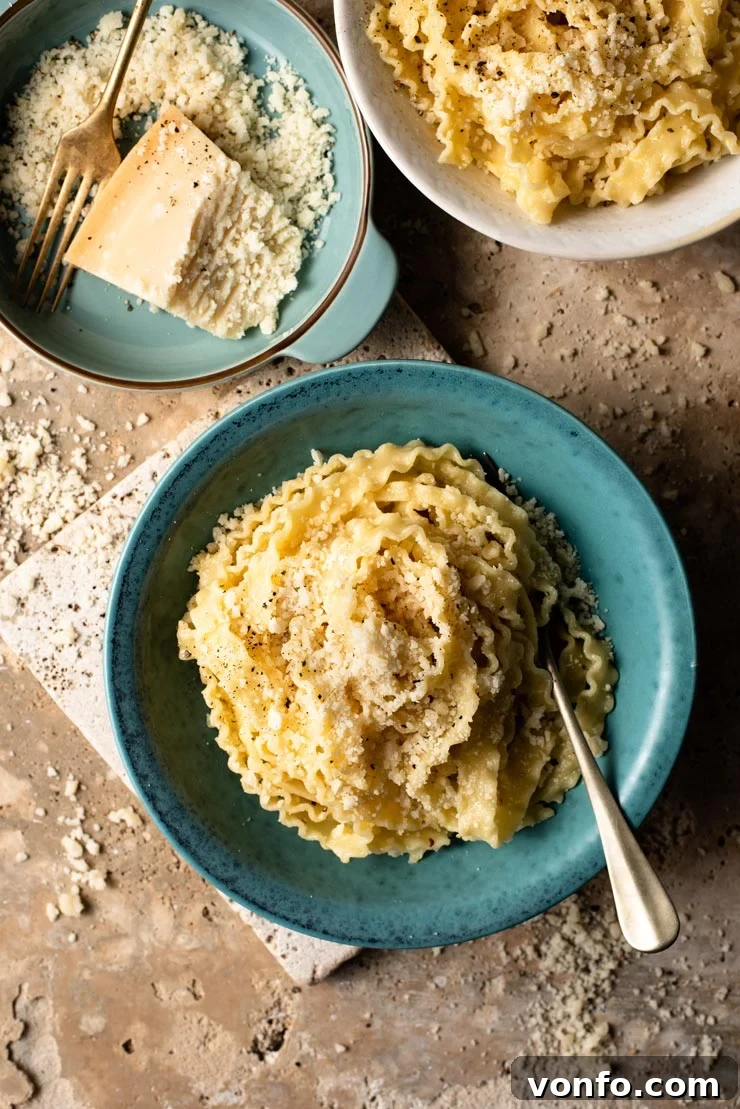
The Ultimate Easy Parmesan Pasta: A 15-Minute Italian Comfort Food Classic
There are few dishes that evoke such universal comfort and satisfaction as a perfectly prepared pasta, especially when it’s drenched in the rich, salty goodness of Parmesan cheese. This recipe for The Ultimate Parmesan Pasta is a testament to simplicity, proving that sometimes, the fewest ingredients yield the most profound flavors. Imagine tender pasta ribbons, coated in a luscious blend of butter, aromatic olive oil, freshly ground black pepper, and generous amounts of exquisite Parmigiano Reggiano. It’s an incredibly straightforward comfort food recipe that demands just 15 minutes of your time, making it an ideal choice for busy weeknights or whenever a craving for authentic Italian taste strikes.
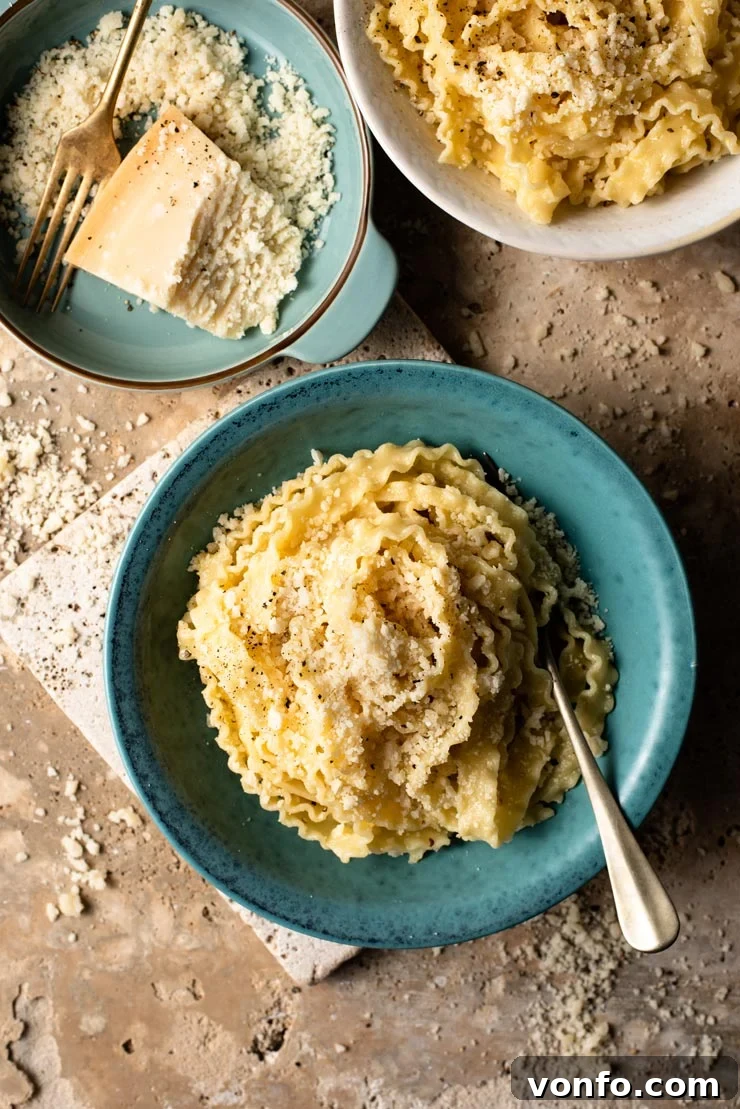
An Unforgettable Italian Experience: Parmesan Pasta in Italy
My journey to perfecting this simple Parmesan pasta recipe began with one of the most memorable meals I’ve ever had, a rustic pasta dish served in the heart of Italy. It wasn’t a Michelin-star restaurant experience, but a humble trattoria that showcased the magic of traditional Italian cooking. I was served beautiful ribbons of mafalde pasta directly from a colossal wheel of Parmigiano Reggiano. The chef, with two forks, expertly scraped the cheese from the inside of the wheel, creating a cascade of fresh, crumbly Parmesan that enveloped every strand of the steaming hot pasta. This direct interaction with the cheese wheel ensured that the pasta was coated not just in melted cheese, but also in glorious, slightly unmelted crumbs, delivering an unparalleled texture and flavor explosion.
Hello, best freaking cheesy pasta I’ve ever tasted! The experience was truly incredible. The robust, salty, and buttery notes of the premium Parmigiano Reggiano, combined with perfectly cooked al dente pasta ribbons, created a symphony of flavors that has been etched in my culinary memory ever since. This authentic Italian method instantly became my go-to for cheesy pasta, and I discovered it’s surprisingly easy to recreate at home – even without a giant cheese wheel. The secret lies in understanding the quality of ingredients and a few simple techniques.
How to Master the Ultimate Parmesan Pasta: A Step-by-Step Guide
Creating this delicious Parmesan pasta is less about complex culinary skills and more about precise execution and quality ingredients. Here’s how to achieve perfection:
Step 1: Preparing Your Pasta and Parmesan
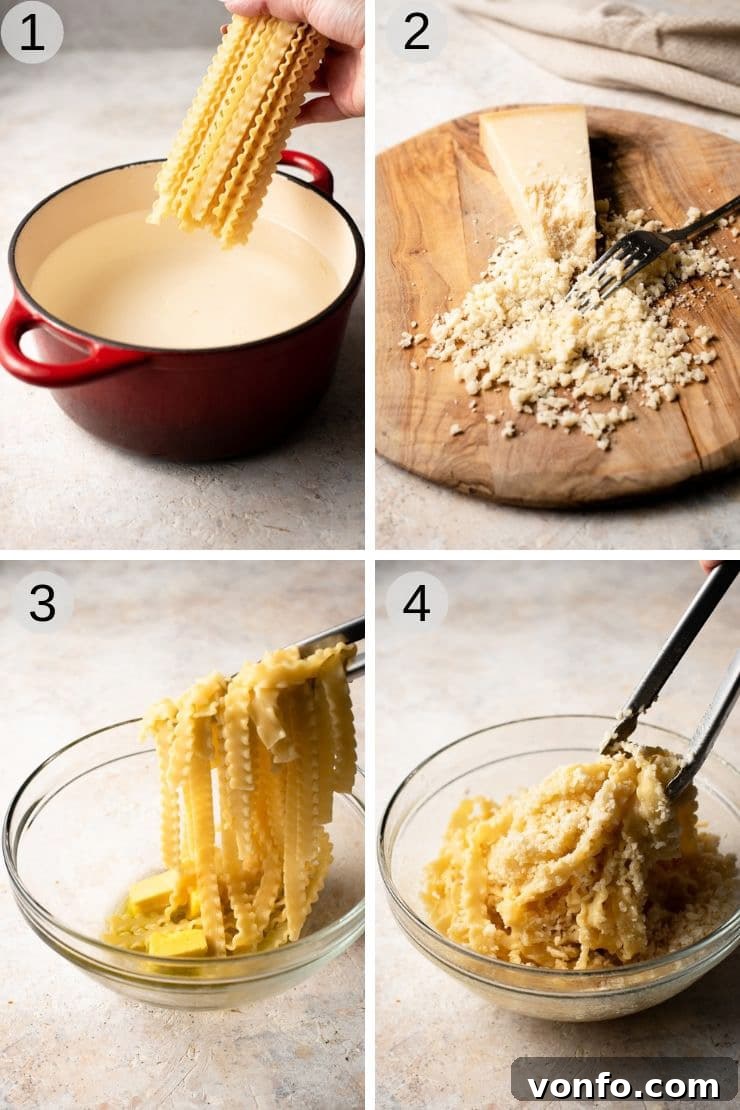
First, bring a large pot of generously salted water to a rolling boil. The salt in the pasta water is crucial; it seasons the pasta from within, adding a fundamental layer of flavor that cannot be replicated later. Add your chosen pasta shape (mafalde is wonderful, but other long strands work beautifully) and boil according to the package instructions until it reaches that coveted al dente stage – firm to the bite, not mushy. While your pasta cooks, take the time to prepare your Parmigiano Reggiano. Using a fork, grate the parmesan to resemble large, coarse crumbs. Don’t worry about uniformity; some larger crumbs are desirable as they add to the textural delight of the final dish. This specific grating method is key to replicating the Italian experience, allowing some cheese to melt into a creamy sauce while other pieces retain their form, providing bursts of intense cheesy flavor.
Step 2: Combining Fats and Pasta
In a large mixing bowl, add the butter and a good quality olive oil. Once the pasta is perfectly al dente, do not drain it completely in a colander. Instead, transfer the pasta directly from the boiling water to the bowl using a spaghetti spoon or tongs. This technique is vital because it carries over a small amount of starchy pasta water, which is a magical ingredient in itself. This starchy water helps to emulsify the butter and oil, creating a silky, glossy sauce that clings beautifully to the pasta. It adds an incredible depth of flavor and helps the sauce come together seamlessly.
Step 3: Creating the Creamy Parmesan Coating
Toss the hot pasta thoroughly in the butter and olive oil mixture until every ribbon is completely coated and the butter has fully melted. The residual heat from the pasta will quickly melt the butter and warm the olive oil. Once the butter and oil have formed a luscious base, add your coarsely grated Parmigiano Reggiano. Continue to toss the pasta, ensuring the cheese is evenly distributed. You’ll notice some of the cheese melting into a creamy sauce, while those larger crumbs will remain semi-solid, providing delightful pockets of salty, chewy Parmesan. Finally, add a generous pinch of freshly ground black pepper. The peppery kick is not just for flavor; it perfectly cuts through the richness of the cheese and butter. Serve immediately and savor every bite of this simple yet sophisticated dish.
Selecting the Perfect Cheese: Parmigiano Reggiano vs. Pecorino
When it comes to crafting this exquisite pasta, the choice of cheese is paramount. I wholeheartedly recommend using genuine Parmigiano Reggiano, not just any regular Parmesan or Pecorino. Authentic Parmigiano Reggiano, often hailed as the “King of Cheeses,” boasts an incredibly high-quality flavor profile. It delivers the perfect balance of salty, nutty, and distinctly buttery notes that this pasta truly needs to shine. Its complex flavor is a result of a meticulous aging process and strict regional regulations.
While you certainly *could* use Pecorino Romano if you’re inclined, I find its flavor profile to be a bit too salty and sometimes overly sharp for this particular preparation. Pecorino Romano, made from sheep’s milk, has a more pungent, piquant taste compared to the milder, more nuanced, and richer cow’s milk Parmigiano Reggiano. For a dish where the cheese is the star, investing in high-quality Parmigiano Reggiano makes all the difference, elevating a simple butter and cheese pasta into a truly gourmet experience.
Planning Ahead and Storing Leftovers
One of the fantastic aspects of this Parmesan pasta recipe is its versatility and how surprisingly well it holds up. The good news is that this pasta dish is still incredibly delicious even when eaten cold. This is largely because the unique grating method ensures that not all of the cheese completely melts, leaving delightful little chunks and crumbs that contribute to its texture and flavor even at room temperature. I’ve often prepared this dish specifically for a quick and satisfying lunch on the go, or packed it for picnics. It’s a fantastic alternative to traditional cold pasta salads.
If you plan to store leftovers, simply transfer the cooled pasta into an airtight container and refrigerate. It’s best enjoyed within 1-2 days for optimal freshness and texture. When serving cold, you might find that the pasta has tightened up slightly. A small drizzle of fresh olive oil can help to loosen it up and refresh its flavors before eating. Avoid reheating in a microwave if possible, as it can cause the cheese to separate and the pasta to become rubbery. If you absolutely must reheat, do so gently on the stovetop with a splash of water or broth to help re-emulsify the sauce.
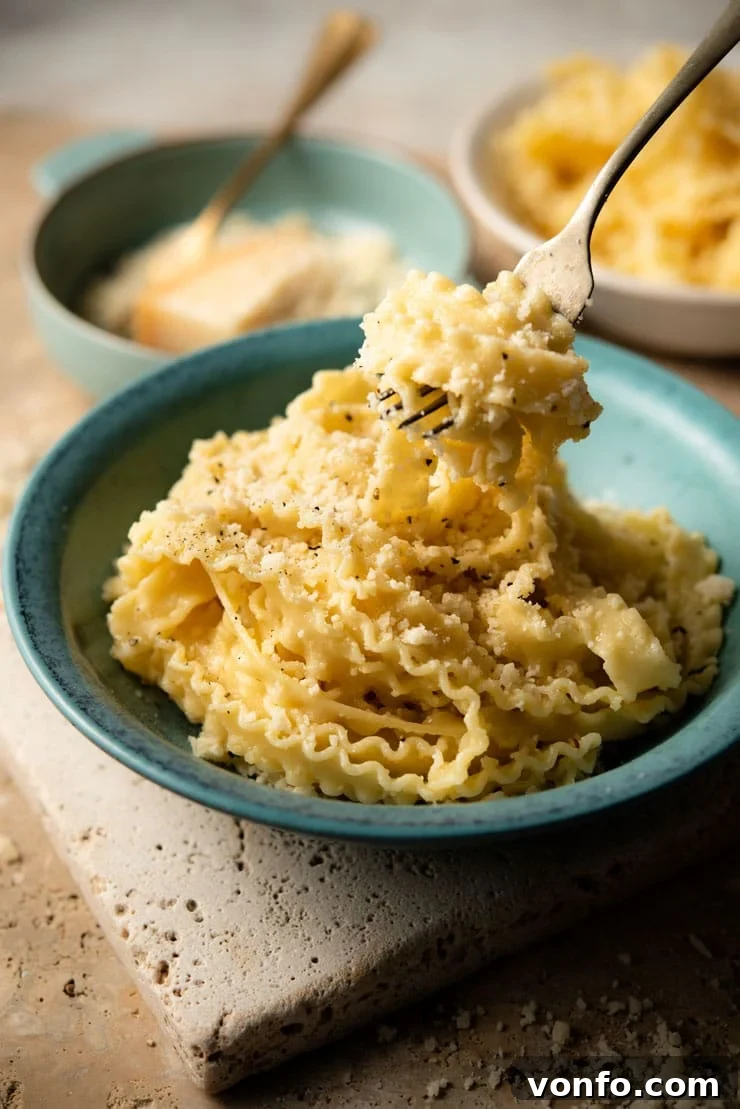
Essential Tips for Crafting This Recipe Perfectly
While the recipe itself is straightforward, a few key techniques can transform it from good to truly exceptional, allowing you to capture that authentic Italian trattoria flavor right in your own kitchen:
- Embrace the Starchy Pasta Water: Rather than fully draining the pasta in a colander, use a spaghetti spoon or tongs to transfer it directly from the boiling pot to your mixing bowl. This carries over a small amount of starchy pasta water, which is your secret weapon. This liquid is rich in starch released from the pasta during cooking, acting as a natural emulsifier. It helps to bind the butter, olive oil, and cheese together, creating a smooth, creamy, and cohesive sauce that clings beautifully to every strand of pasta, rather than just pooling at the bottom of the bowl.
- The Art of Coarse Grating: This is a game-changer! As shown in the step-by-step photos, grate the Parmigiano Reggiano with a fork to create coarse crumbs. This method results in varying sizes of cheese particles. When tossed with the hot pasta, some of the cheese will melt down, forming a creamy, velvety sauce, while the larger crumbs will soften but retain their shape, providing incredible textural contrast and pockets of intense, salty cheese flavor. This is exactly how it was served to me in Italy, and it truly makes the recipe 10 times better, delivering the ultimate cheesy hit with every mouthful.
- Black Pepper is Non-Negotiable: Don’t underestimate the power of freshly ground black pepper. It’s not merely a seasoning; it’s an essential component that balances the richness of the cheese and butter. The pungent, peppery kick cuts through the decadent creaminess, adding a layer of complexity and preventing the dish from feeling too heavy. Always use freshly ground pepper for the most vibrant flavor.
- Choose the Right Pasta Shape: While Mafalde pasta ribbons (with their unique ruffled edges) are fantastic for catching the sauce, any long pasta shape will work wonderfully. If Mafalde isn’t available, opt for tagliatelle, fettuccine, pappardelle, or even classic spaghetti. These shapes provide ample surface area for the butter, oil, and cheese to cling to, ensuring a satisfyingly coated bite every time.
- Serve Immediately: This pasta dish is best enjoyed right after it’s prepared. The heat of the pasta helps to melt the cheese and create the luscious sauce. While delicious cold, the optimal experience is undeniably when it’s fresh and warm.
Delicious Variations and Serving Suggestions
While this Parmesan pasta is perfection in its simplest form, it also serves as an excellent base for subtle enhancements. To introduce a gentle aromatic note, you can briefly sauté a finely minced garlic clove in the olive oil before adding the hot pasta. For those who enjoy a touch of heat, a pinch of red pepper flakes tossed in at the end can provide a delightful kick. Fresh herbs, such as finely chopped parsley or chives, can also be sprinkled over the top just before serving for a burst of freshness and color.
This rich and satisfying pasta pairs wonderfully with a light side. A crisp green salad with a simple vinaigrette offers a refreshing counterpoint to the creamy pasta. Crusty Italian bread is also a must-have for soaking up any leftover sauce, ensuring not a drop of that cheesy goodness goes to waste. A glass of crisp white wine, like a Pinot Grigio or Sauvignon Blanc, would complement the flavors beautifully.
More Simple Pasta Recipes You Might Like:
- Farfalle pasta with pancetta, chili and garlic
- Bucatini with roasted red pepper cream sauce
- Speck and mushroom pappardelle
Recipe: Easy Parmesan Pasta with Butter and Pepper
Ingredients
- 13 oz (380g) mafalde pasta ribbons (or other long pasta shape)
- 1 cup (100g) Parmigiano Reggiano cheese, coarsely grated with a fork
- 1/2 tbsp unsalted butter
- 1 tbsp extra virgin olive oil
- 1 generous pinch freshly ground black pepper
- Salt for pasta water
Instructions
- Bring a large pot of heavily salted water to a rolling boil. Add the pasta and cook according to package directions until al dente.
- While the pasta cooks, coarsely grate the Parmigiano Reggiano with a fork to create large crumbs; it’s perfectly fine to have some larger pieces.
- In a large mixing bowl, combine the butter and olive oil.
- Once the pasta is al dente, use a spaghetti spoon or tongs to transfer it directly from the boiling water to the bowl with the butter and olive oil. Allow a small amount of starchy pasta water to come along with the pasta; this will help emulsify the sauce.
- Toss the pasta immediately in the butter and olive oil until it’s completely coated and the butter has melted, forming a glossy base.
- Add the coarsely grated Parmigiano Reggiano to the pasta. Toss vigorously and continuously until the cheese is evenly distributed and has started to melt into a creamy sauce, with some delightful chunks remaining.
- Finish with a generous pinch of freshly ground black pepper. Toss one final time and serve hot immediately.
Notes
- Removing the pasta with a spaghetti spoon or tongs instead of draining completely allows a little pasta water to carry over, which is essential for emulsifying the sauce and adding extra flavor.
- Grating the Parmigiano Reggiano with a fork to create coarse crumbs, as shown in the step-by-step photos, results in a superior texture. Some cheese melts, while some stays in delicious little chunks, giving you the ultimate cheesy experience, just like in Italy!
- Freshly ground black pepper is a must; its peppery kick beautifully cuts through the richness of the cheese and butter.
- If Mafalde pasta is unavailable, long pasta shapes like tagliatelle, fettuccine, or spaghetti are excellent alternatives for this recipe.
Helpful Information for All Recipes
- I always use extra virgin olive oil in all of my recipes unless stated otherwise, as its superior flavor enhances every dish.
- When using canned or jarred tomatoes of any kind, I highly recommend Cirio or Mutti brands for their consistent quality, fresh taste, and vibrant color, ensuring the best results and flavor in your cooking.
- All vegetables are assumed to be medium-sized unless specifically stated otherwise in the ingredient list.
- All recipes are meticulously tested and developed using a fan (convection) oven, so cooking times may vary slightly if using a conventional oven.
- Find out more about how nutrition is calculated and why it should only be used as an approximation.
- Check out our must-have Italian Pantry Staples to keep your kitchen stocked for authentic Italian cooking.
- You can also find all our recommended Essential Kitchen Tools for Italian Cooking to help you prepare delicious meals with ease.
Nutrition Information
Nutrition information is automatically calculated and should only be used as an approximation.
Calories: 484 kcal | Carbohydrates: 70g | Protein: 21g | Fat: 13g | Saturated Fat: 6g | Cholesterol: 21mg | Sodium: 419mg | Potassium: 228mg | Fiber: 3g | Sugar: 3g | Vitamin A: 240IU | Calcium: 315mg | Iron: 1.4mg
Did You Try This Recipe?
If you’ve had the pleasure of trying this Easy Parmesan Pasta or any other recipe from our blog, please don’t hesitate to share your experience in the comments below! I truly love hearing from you and learning about your culinary adventures. You can also FOLLOW ME on FACEBOOK, INSTAGRAM, and PINTEREST to discover more delicious food ideas and keep up with what I’m cooking up next.