
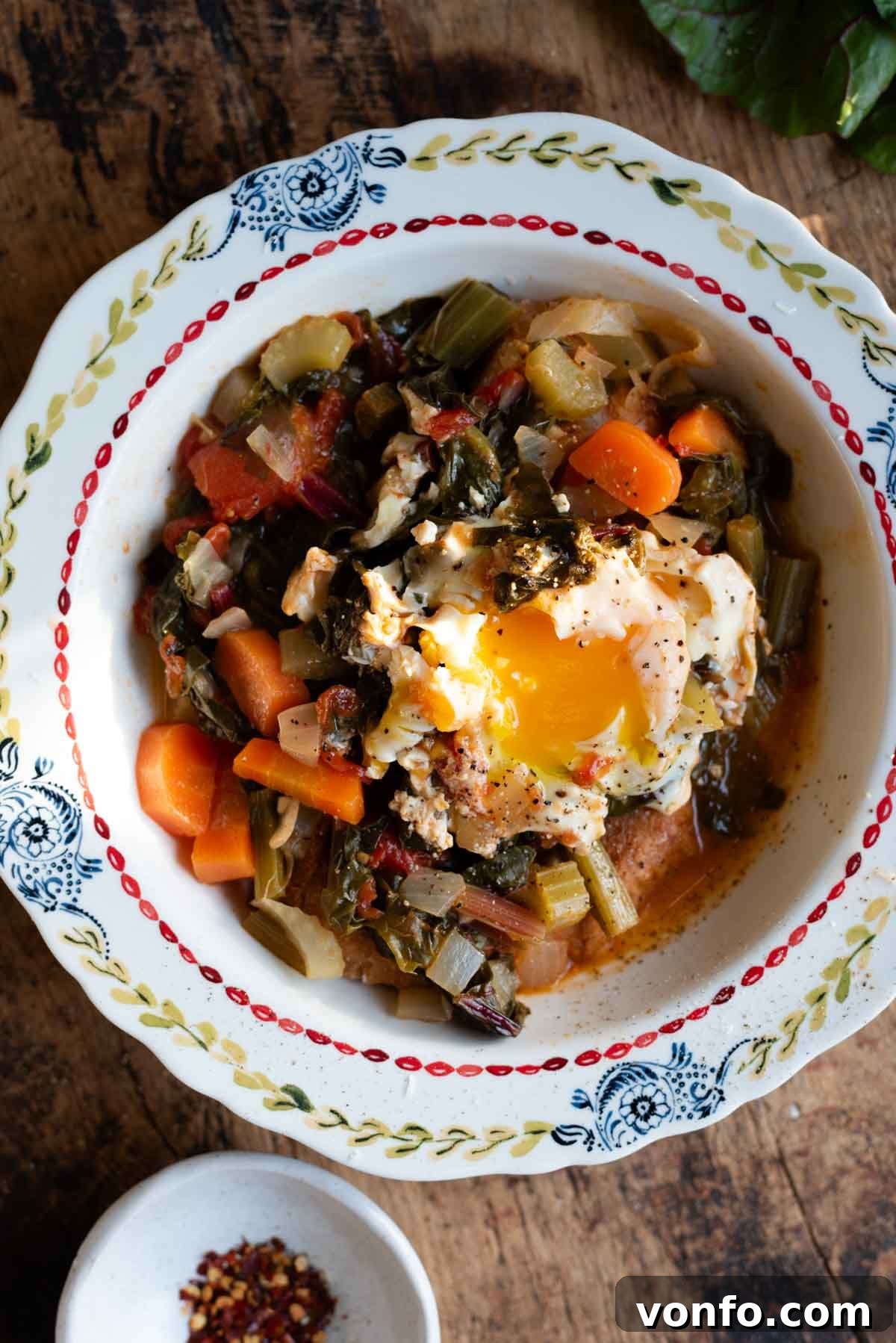
Acquacotta: The Quintessential Tuscan Vegetable Soup with Poached Eggs
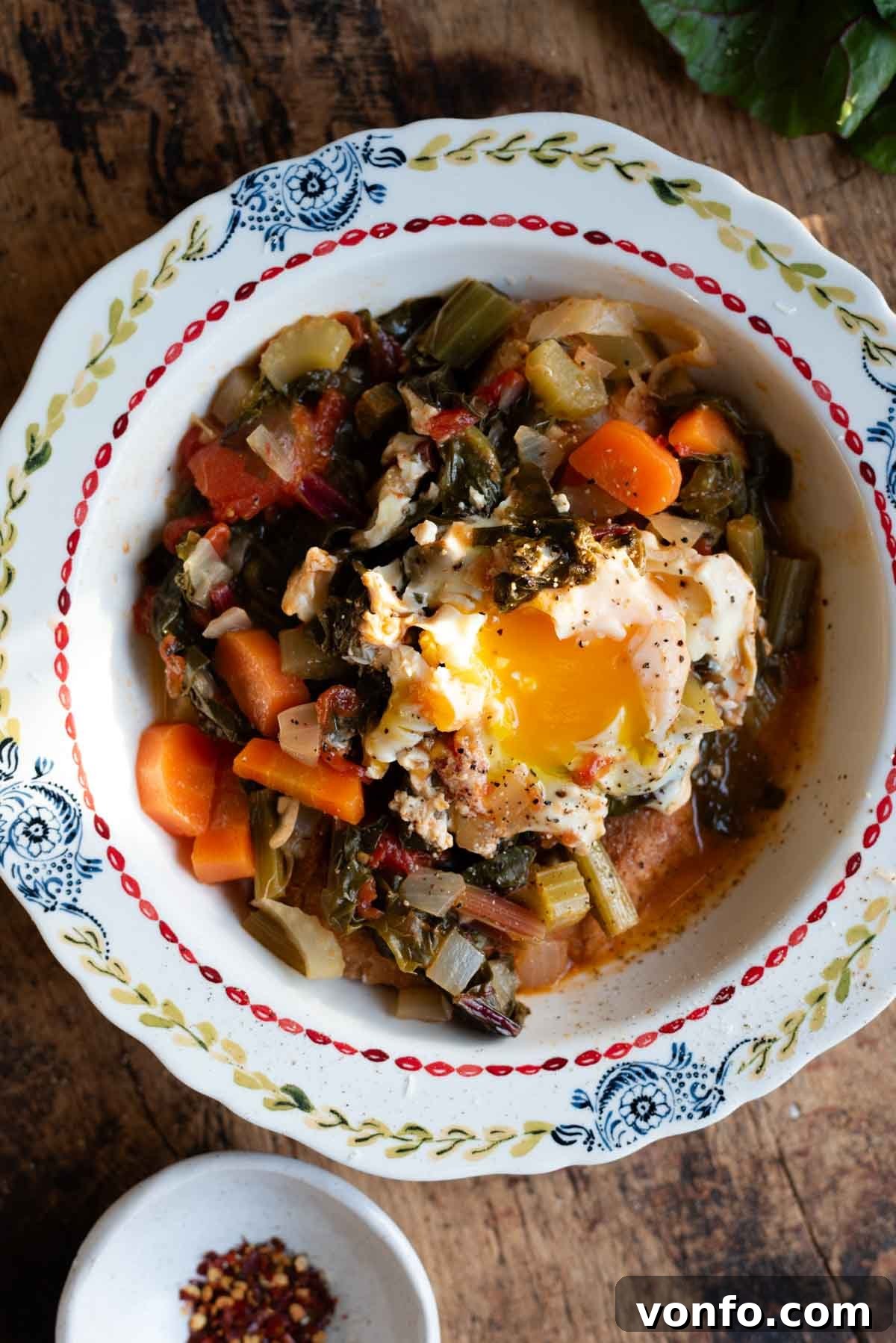
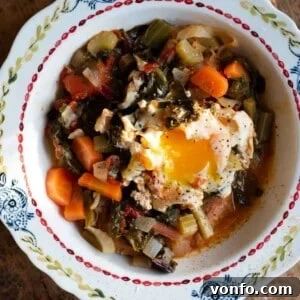
Acquacotta is much more than just a soup; it’s a culinary journey to the heart of Tuscany, embodying the region’s rich history and philosophy of ‘cucina povera’—the art of transforming humble, seasonal ingredients into something truly extraordinary. This traditional Tuscan soup, meaning “cooked water,” features a symphony of fresh vegetables, lovingly ladled over toasted crusty bread and a generous sprinkle of Pecorino cheese, crowned with a perfectly poached egg. It’s a testament to simplicity, wholesomeness, and undeniably delicious flavors.
The Enduring Charm of ‘Cucina Povera’
Acquacotta stands as a shining example of ‘cucina povera,’ or “poor man’s food.” This culinary philosophy, born out of necessity and ingenuity, is about making the most of whatever ingredients are available, often transforming basic staples into deeply nourishing and incredibly satisfying meals. Far from being a derogatory term, ‘cucina povera’ celebrates resourcefulness, seasonality, and the profound depth of flavor that can be achieved with simple, honest food. It’s a way of cooking that respects ingredients and minimizes waste, a practice that resonates deeply even in today’s modern kitchens.
Historically, Acquacotta was the sustenance of outdoor workers in the rugged La Maremma area of Tuscany. Cowboys and shepherds, often away from home for extended periods, would gather seasonal vegetables, cook them in water over an open fire, and serve the broth over stale bread and hard Pecorino cheese. This simple, hearty meal provided the energy needed for their demanding days, proving that great food doesn’t require complexity or expensive ingredients.
What I find particularly captivating about Acquacotta is its ability to deliver comfort and satisfaction through its wholesome ingredients. It’s a dish that warms the soul and satisfies the palate, reinforcing the idea that some of the best culinary experiences are found in the most straightforward preparations.
Traditional Roots vs. Modern Adaptation: Our Acquacotta Recipe
While the essence of Acquacotta remains true to its humble beginnings, culinary practices evolve. Traditionally, the vegetables for Acquacotta were added directly to plain water and slowly simmered, resulting in a delicately flavored broth that truly highlighted the freshness of the greens and other produce. This minimalist approach was characteristic of the era and the lifestyle of those who created the dish.
In our contemporary kitchen, we’ve embraced a slightly enhanced approach to deepen the flavor profile, without straying too far from its rustic charm. We opt to sauté a classic soffritto (a foundational mix of aromatic vegetables) in olive oil before adding the main ingredients. This step adds an extra layer of richness and complexity that we believe elevates the soup, while still maintaining its simple character.
Furthermore, instead of just water, we choose to use vegetable stock. This is a common modern adaptation that significantly boosts the umami and overall depth of the soup, complementing the soffritto beautifully. While traditionalists might prefer the purer, lighter flavor of water, our version offers a more robust and comforting experience, reflecting how Italian home cooks often adapt age-old recipes to enhance taste and texture.
Ingredient Notes: Crafting Your Perfect Acquacotta
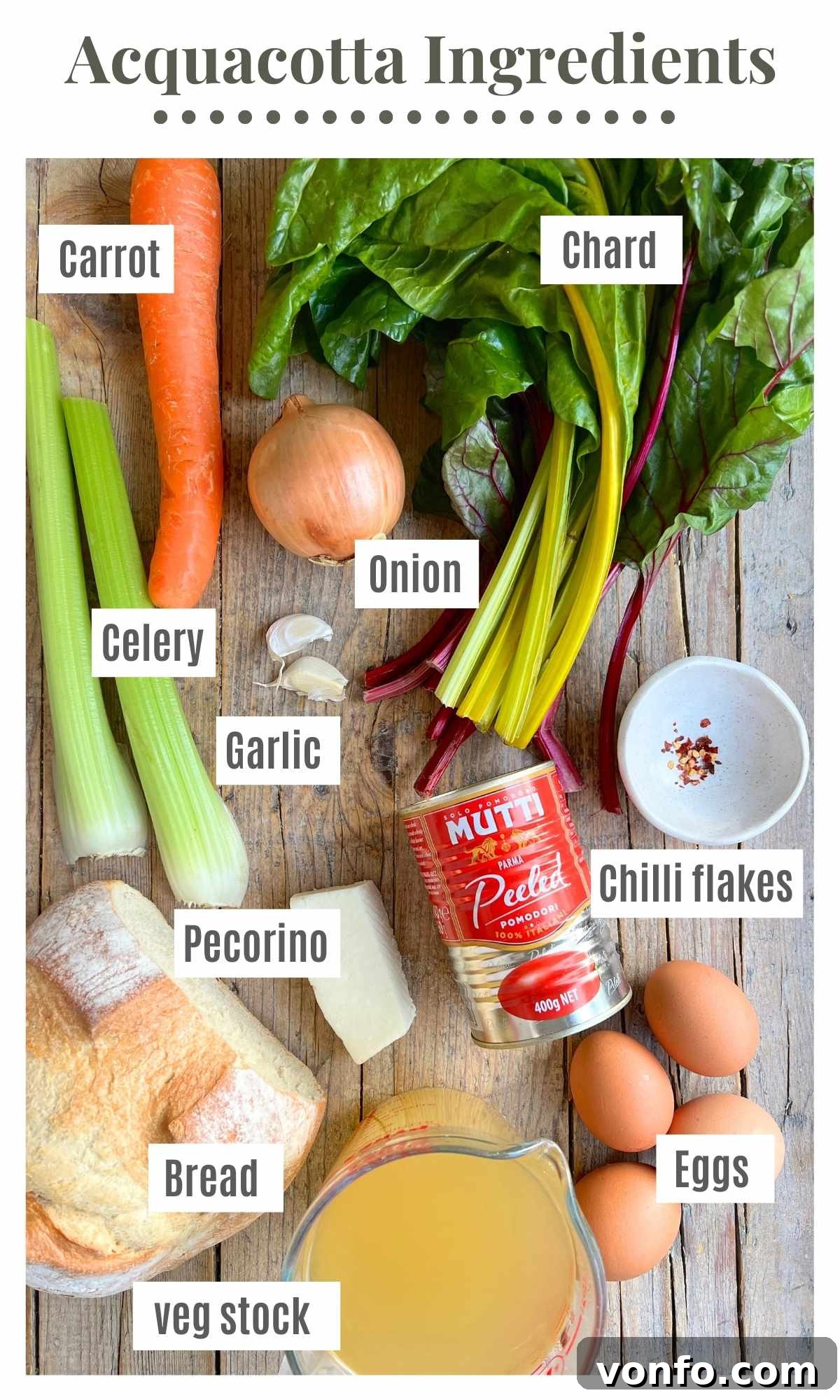
The beauty of Acquacotta lies in its flexibility and reliance on fresh, seasonal ingredients. Here’s a closer look at the components that make this soup truly special:
- Soffritto (Carrot, Celery, Onion, Garlic): The aromatic foundation of our Acquacotta. While some traditional recipes omit carrots or use varying ratios, we find that a balanced mix of finely chopped carrot, celery, and onion, along with minced garlic, creates a wonderfully fragrant base. Feel free to adjust the quantities based on your preference; if you’re not a big fan of celery, for instance, you can use less. The key is to sauté these gently until softened, allowing their natural sweetness to develop before adding other ingredients.
- Greens (Chard, Spinach, Kale, Cavolo Nero): Seasonal greens are paramount in Acquacotta. I often use rainbow chard because of its vibrant color and earthy flavor, and it’s readily available. However, this is where you can truly embrace seasonality. Feel free to substitute with whatever fresh, leafy greens are in season in your region. Spinach offers a milder taste, kale provides a slightly bitter edge, and cavolo nero (Tuscan kale) brings an authentic Italian touch with its robust texture and flavor. Don’t be afraid to mix and match! Ensure they are thoroughly washed and roughly chopped.
- Tomatoes (Canned Plum Tomatoes or Fresh): Acquacotta is not meant to be a heavily tomato-dominated soup; the tomatoes are there to add a subtle tang and a hint of sweetness, not to overpower the other vegetables. For this reason, we recommend draining canned plum tomatoes before adding them to avoid an overly acidic or watery result. If fresh tomatoes are in season and ripe, diced fresh tomatoes can also be used for a brighter flavor. A small dollop of tomato paste can further enhance the tomato essence without adding excessive moisture.
- Chilli Flakes: A tiny pinch of chilli flakes adds a very subtle warmth and kick, enhancing the overall flavor without making the soup spicy. This is entirely to taste; if you prefer no heat, feel free to omit them. For those who love a bit more zing, a more generous sprinkle can be added.
- Vegetable Stock: As mentioned, we choose vegetable stock over plain water for a richer, more flavorful soup. A good quality vegetable stock forms a comforting backdrop for the fresh vegetables. If you only have water, consider adding a bouillon cube or a bay leaf and some dried herbs to impart more flavor.
Expert Tips for Your Acquacotta
Mastering Acquacotta is about understanding its core principles and adapting them to your taste. Here are some invaluable tips to ensure your soup is a resounding success:
Enjoy Acquacotta Year-Round
While many associate hearty soups with cold weather, Acquacotta, much like its Tuscan cousins Pappa al Pomodoro and Ribollita, is incredibly versatile. It can be enjoyed piping hot during autumn and winter, offering deep comfort. However, don’t shy away from serving it “just warm” during the spring and summer months. Its fresh vegetable base makes it surprisingly refreshing, especially when paired with lighter, seasonal greens. This adaptability makes it a truly year-round dish.
The Importance of Crusty Bread
Stale bread is a hero of ‘cucina povera’ and absolutely essential for an authentic Acquacotta experience. The soup is traditionally spooned over thick slices of day-old bread, which readily soak up the flavorful broth, adding texture and body to the dish. If you don’t have stale bread on hand, simply toast fresh slices until they are firm and slightly crisp. Artisanal white bread, sourdough, or even a good country loaf work wonderfully. The bread isn’t just a garnish; it’s an integral part of the soup’s structure and taste.
Creative Variations and Additions
Acquacotta is wonderfully forgiving and open to interpretation. Don’t hesitate to experiment with additions and variations:
- Herbs: Fresh basil added at the end provides a burst of fragrant freshness, complementing the tomatoes beautifully. Parsley, either stirred in or used as a garnish, also works exceptionally well. Consider a sprig of rosemary or thyme during the simmering stage for a deeper, aromatic note.
- Vegetables: If you have potatoes that need using up, they make a fantastic, starchy addition, thickening the soup slightly and adding substance. Other seasonal vegetables like zucchini, bell peppers (especially red or yellow for sweetness), green beans, or even wild mushrooms can be incorporated depending on what’s available and your preference. Root vegetables like parsnips or turnips can also add an interesting depth during colder months.
- Legumes: For a more substantial meal, a handful of canned cannellini beans or chickpeas added during the last 15-20 minutes of simmering can boost protein and fiber, making it an even heartier dish.
- Cheeses: While Pecorino Romano is traditional for its sharp, salty flavor, freshly grated Parmesan cheese can be used as an alternative for a milder, nuttier profile.
Make Ahead and Storage Tips
Acquacotta is an excellent candidate for meal prep. The entire soup (without the eggs) can be prepared in advance and stored in an airtight container in the refrigerator for 1-2 days. The flavors often deepen and meld beautifully overnight. When ready to serve, gently reheat the soup on the stove. For the best experience, we highly recommend poaching the eggs fresh just before serving each portion. This ensures the yolks are runny and the whites are tender, providing that perfect creamy richness to each bowl.
Frequently Asked Questions About Acquacotta
Yes, you can absolutely prepare the entire soup in advance. The flavors tend to improve over time. Store it in an airtight container in the refrigerator for 1-2 days. However, do not add the poached eggs until you are ready to serve, as they are best enjoyed fresh.
Leftover soup, without the poached eggs, can be stored in the fridge for 1-2 days. Reheat it gently on the stove over medium-low heat until warmed through. We strongly recommend poaching fresh eggs for each serving rather than reheating pre-poached eggs, to maintain their delicate texture and runny yolk.
Crusty white bread, ideally day-old or stale, is traditional and works best. Sourdough, a rustic country loaf, or a good Italian white bread will all absorb the broth beautifully, adding a wonderful texture to the soup. If your bread isn’t stale, simply toast it until firm.
The soup base itself is vegetarian. To make it vegan, simply omit the Pecorino cheese and the poached eggs. Ensure you are using a vegan vegetable stock. The dish will still be incredibly flavorful and satisfying, focusing on the fresh produce.
Explore More Authentic Tuscan Recipes
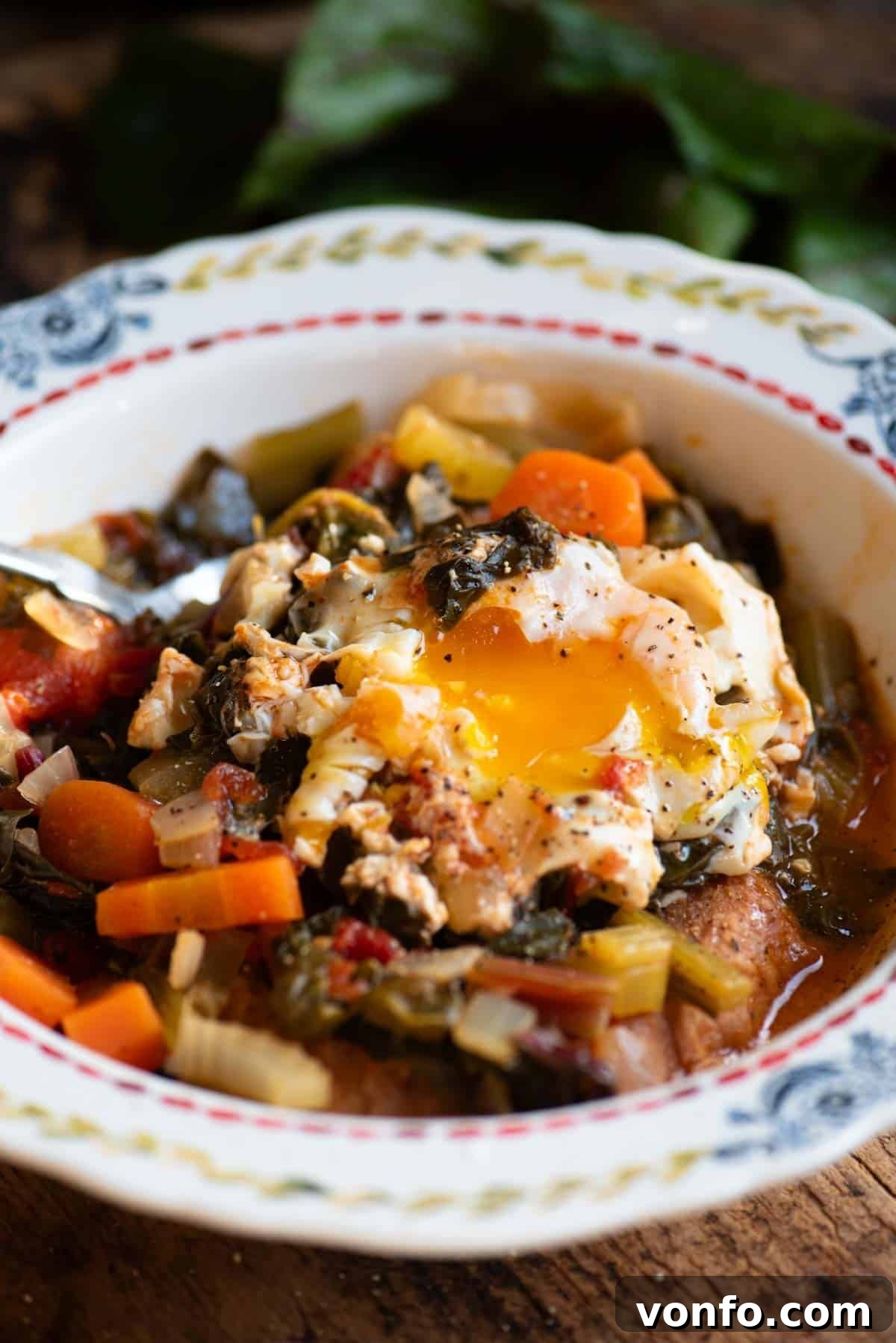
Tuscany’s culinary landscape is vast and incredibly diverse, brimming with simple yet profoundly flavorful dishes. If you’ve enjoyed the rustic charm of Acquacotta, you’ll love delving deeper into the region’s gastronomic treasures. We proudly offer regional categories dedicated to sharing authentic recipes from every corner of Italy. Find more of our carefully curated Tuscan recipes here, and bring the true taste of Italy into your home kitchen.
Soups
Pappa al Pomodoro (Italian Bread Soup)
Soups
Carabaccia (Tuscan Onion Soup)
Soups
Ribollita – Tuscan Vegetable Soup
Mains
Trippa Finta (Fake Tripe in Tomato Sauce)
If you’ve tried this Acquacotta recipe or any other recipe on our blog, we would love to hear from you! Don’t forget to rate the recipe and share your thoughts in the comments below. Your feedback truly helps us and other home cooks. You can also follow us on Facebook, Instagram, and Pinterest, or sign up for our Newsletter to discover more of our delicious Italian food creations.
Acquacotta Maremmana (Tuscan Vegetable Soup with Poached Eggs)
By Emily
15 mins
1 hr 5 mins
1 hr 20 mins
4 servings
Print Recipe
Ingredients
- 2 cloves garlic, finely chopped
- 1 white onion, chopped
- 2 celery stalks, chopped
- 1 large carrot, chopped
- 7 oz (200g) rainbow chard or other seasonal greens (spinach, kale, cavolo nero), washed and roughly chopped
- 14 oz (400g) canned plum tomatoes, drained (Mutti recommended)
- 4 large eggs, for poaching
- 1 pinch chilli flakes (or to taste)
- 3 ¾ cups (900ml) vegetable stock
- 4 slices crusty white bread
- Pecorino cheese, freshly grated, for serving
- Salt and black pepper, to taste
- Olive oil, extra virgin, for cooking and drizzling
Instructions
Prep Work
- Chop the carrot, celery, and onion into medium-sized chunks and place them in a bowl. Finely chop the garlic and set it aside separately. Wash and roughly chop your chosen greens or chard, then set them aside. Drain the canned plum tomatoes and prepare your vegetable stock according to package instructions or from scratch.
To Make the Soup
- Heat 2 tablespoons of olive oil in a large, heavy-bottomed pot or Dutch oven over medium heat. Once the oil is shimmering, add the chopped onion, carrot, and celery. Sauté gently, stirring occasionally, until the vegetables are softened and translucent, which should take approximately 10 minutes.
- Add the finely chopped garlic, chilli flakes, and a good pinch of salt and freshly ground black pepper to the pot. Continue to sauté for another 30-40 seconds, being careful not to burn the garlic. The aromas should be wonderfully fragrant.
- Next, add the chopped chard or other greens to the pot. Stir them through the sautéed vegetables until they begin to wilt slightly. Then, add the drained plum tomatoes, breaking them up with the back of a spoon, and pour in the vegetable stock. Bring the mixture to a gentle simmer.
- Once simmering, reduce the heat to low, leaving the pot uncovered. Allow the soup to cook for approximately 45 minutes. This slow simmer allows the flavors to meld beautifully and the vegetables to become tender, developing the rich broth. Taste and adjust seasoning with salt and pepper as needed.
- About 5 minutes before the soup is ready to serve, toast the slices of crusty bread. For each serving, place one slice of toasted bread at the bottom of your individual serving bowls. Drizzle each piece of bread with a little extra virgin olive oil and sprinkle generously with freshly grated Pecorino cheese.
- When the soup has finished simmering, reduce the heat to its lowest setting. Gently crack each egg directly into the simmering soup, spacing them out so they don’t stick together. Cover the pot with a lid and let the eggs poach gently in the hot soup for 6-7 minutes, or until the whites are set and the yolks are still runny (adjust cooking time based on desired yolk consistency).
- Once the eggs are perfectly poached, carefully place one egg on top of the toasted bread and cheese in each bowl. Ladle a generous amount of the vegetable soup over and around the egg. Finish with another small pinch of salt and pepper directly on the egg, and a final drizzle of olive oil, if desired. Serve immediately and enjoy this comforting Tuscan masterpiece.
Notes
- This recipe is incredibly versatile. Feel free to adapt it with whatever seasonal vegetables you have on hand or prefer, such as zucchini, bell peppers, or even potatoes for a heartier texture.
- The soup base (without the eggs) can be prepared in advance and stored in the fridge for 1-2 days. For the best flavor and texture, we strongly recommend poaching the eggs fresh just before serving each portion.
- For a deeper flavor profile, consider using homemade vegetable stock.
Helpful Info for All Recipes
- I always use extra virgin olive oil in all of my recipes unless stated otherwise. Its robust flavor is integral to authentic Italian cooking.
- When I use canned or jarred tomatoes of any kind, I consistently choose Cirio or Mutti brands for the best results, vibrant color, and authentic Italian flavor profile.
- All vegetables are medium-sized unless specified otherwise in the recipe instructions.
- All recipes are meticulously tested and developed using a fan (convection) oven to ensure consistent results.
- Find out more about how nutrition is calculated on our site, providing transparency for your dietary planning.
- Check out our must-have Italian Pantry Staples to stock your kitchen for delicious Italian meals.
- You can also find all our Essential Kitchen Tools for Italian Cooking to equip yourself for culinary success.
Nutrition Information (Approximate)
Carbohydrates: 45g |
Protein: 15g |
Fat: 6g |
Saturated Fat: 2g |
Polyunsaturated Fat: 2g |
Monounsaturated Fat: 2g |
Trans Fat: 0.02g |
Cholesterol: 164mg |
Sodium: 713mg |
Potassium: 629mg |
Fiber: 4g |
Sugar: 8g |
Vitamin A: 5955 IU |
Vitamin C: 29mg |
Calcium: 132mg |
Iron: 5mg
Nutrition information is automatically calculated and should be used as an approximation. Factors such as exact ingredient brands, preparation methods, and serving sizes can affect the nutritional values.