
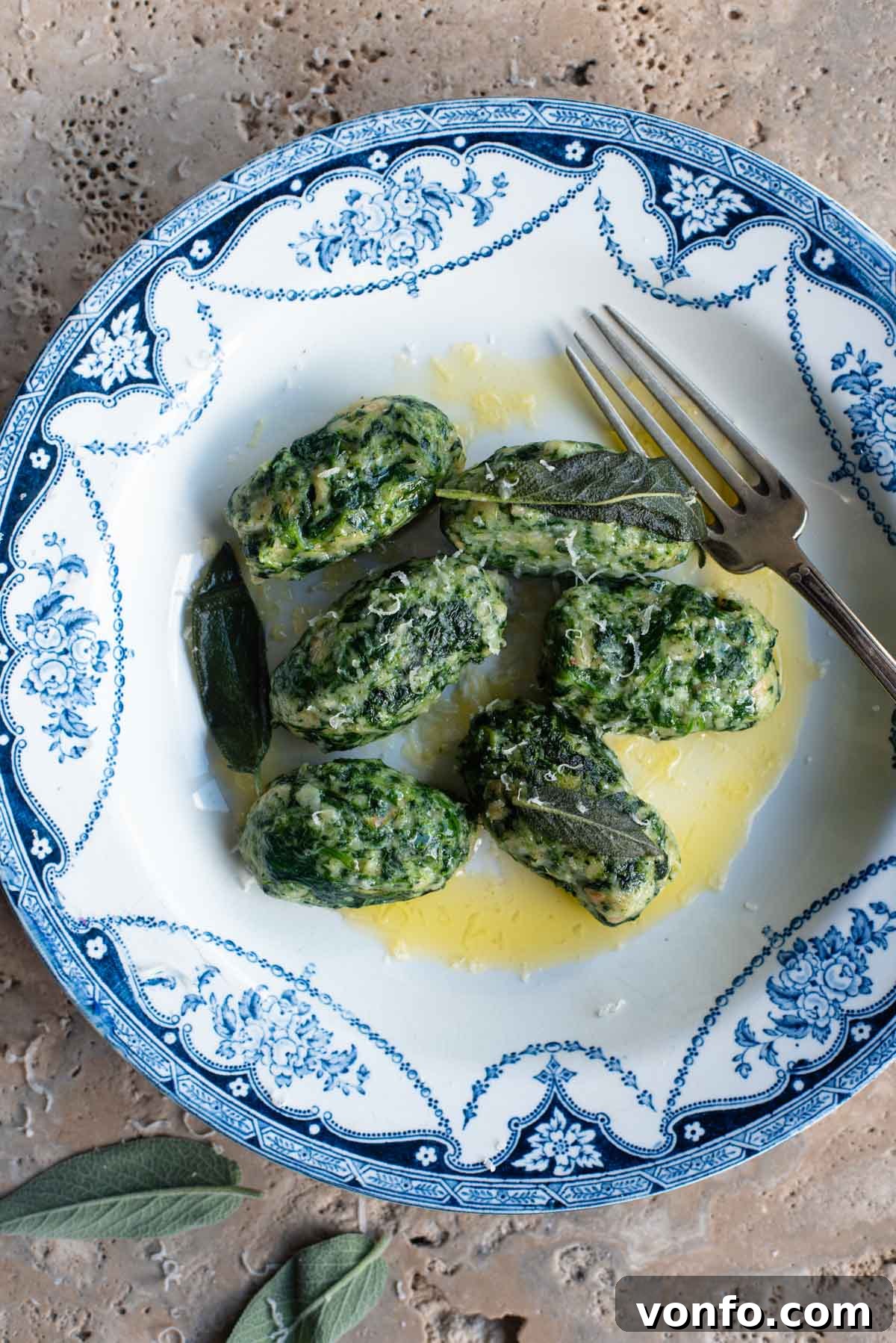
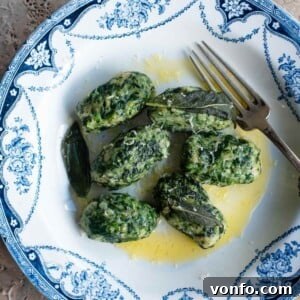
Strangolapreti are delectable bread and spinach dumplings, a true culinary gem originating from the picturesque Trentino-Alto Adige region of Italy. These savory dumplings, crafted from simple ingredients like leftover stale bread, fresh spinach, and rich cheese, are traditionally served in a fragrant sage and butter sauce. They represent the epitome of comforting Italian cuisine, offering a taste of tradition in every tender bite.
The Intriguing History and Name of Strangolapreti: “Priest Stranglers”
The name Strangolapreti translates quite literally to ‘Priest Stranglers’, a rather dramatic moniker for such a comforting dish. These traditional bread and spinach dumplings, often likened to gnocchi, are a staple from the stunning mountainous region of Trentino-Alto Adige in Northern Italy. This area, known for its breathtaking Dolomites and unique cultural blend of Italian and Austrian influences, boasts a culinary heritage rich in hearty, resource-conscious dishes, and Strangolapreti is a prime example.
There are several theories attempting to explain the origins of this intriguing name, each weaving a tale that offers a glimpse into historical Italian life. One of the most compelling narratives dates back to the Middle Ages, during a feudal system known as the Mezzadria.
Under the Mezzadria system, impoverished farming families would inhabit and cultivate land owned by wealthy landlords, including various religious orders and priests. The arrangement dictated that the landowner was entitled to a portion—theoretically half—of the produce harvested by these families. However, in practice, these families often found themselves left with precious little, sometimes virtually nothing, after the landlord’s share was collected. This created immense hardship and resentment among the working populace.
It was customary for these farming families to also provide a meal for the landowners upon their arrival to collect their dues. Imagine the frustration: after toiling tirelessly day in and day out, cultivating fruits, vegetables, grains, olives for oil, grapes for wine, and tending livestock, these families were frequently left in destitution, yet still compelled to serve their often-greedy landlords. The name “Priest Stranglers” is believed to have originated from this deep-seated resentment, humorously suggesting that the gluttonous priests would consume them too quickly, perhaps choking on them.
Beyond the amusing anecdote, this story highlights the ingenuity of peasant cooking. Strangolapreti is a dish born of necessity and resourcefulness, cleverly transforming leftover stale bread—a common and inexpensive ingredient—into a satisfying and nutritious meal. This tradition of maximizing ingredients and minimizing waste is a hallmark of authentic Italian regional cuisine, making Strangolapreti not just a dish, but a culinary testament to history and resilience.
Why You’ll Love Making Strangolapreti at Home
Strangolapreti isn’t just a delicious meal; it’s a celebration of traditional Italian values: simplicity, flavor, and sustainability. Here’s why this recipe deserves a spot in your kitchen:
- Sustainable Cooking: It’s an excellent way to repurpose stale bread, reducing food waste and giving old bread a delightful new life. This embodies the Italian principle of cucina povera, or “poor kitchen,” where humble ingredients are transformed into extraordinary dishes.
- Rich and Comforting Flavors: The combination of earthy spinach, savory cheese, and the delicate texture of the dumplings, all coated in a simple yet aromatic sage and butter sauce, creates a deeply satisfying and comforting meal perfect for any season.
- A Taste of Northern Italy: Bringing Strangolapreti to your table offers a genuine taste of Trentino-Alto Adige. It’s a chance to explore the rustic, hearty flavors that define the cuisine of this unique Italian region.
- Surprisingly Simple to Make: Despite their sophisticated name and traditional roots, these dumplings are quite straightforward to prepare. The process is enjoyable and results in a dish that tastes like it came from a nonna’s kitchen.
- Versatile Serving Options: While traditionally served with butter and sage, Strangolapreti can be paired with various sauces or broths, offering flexibility and catering to different tastes.
Below, you’ll find the complete recipe, including detailed notes on ingredients, step-by-step instructions with accompanying photos (for visual guidance), expert tips, and delightful serving suggestions. The full printable recipe is also provided in the dedicated recipe card section.
Key Ingredients for Authentic Strangolapreti
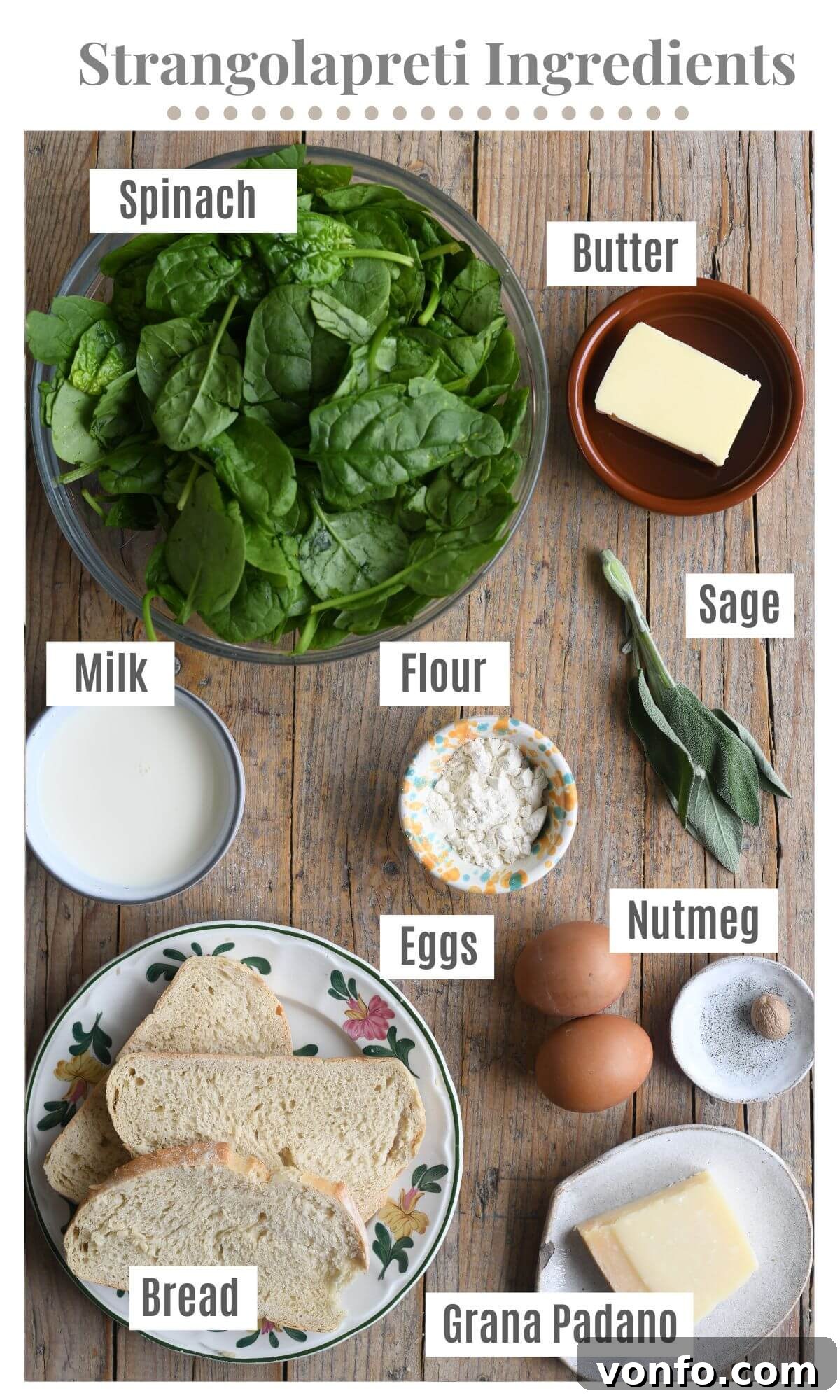
Ingredient Notes and Expert Substitutions
- Stale Bread: This is the cornerstone of Strangolapreti. For the best texture and flavor, use stale, crusty white bread such as a day-old baguette, ciabatta, or country loaf. Stale bread absorbs the milk without turning mushy, providing the necessary structure for the dumplings. Fresh bread contains too much moisture and will make your dumplings heavy and difficult to form. Remember to tear it into chunks before processing it into fine crumbs for optimal absorption.
- Spinach: Fresh spinach is preferred for its vibrant color and fresh taste. You’ll need a generous amount, as it wilts down significantly. Ensure you thoroughly squeeze out all excess water after wilting and rinsing; this is crucial for the consistency of your dumpling mixture. Too much moisture will result in a sticky, unmanageable dough.
- Grana Padano Cheese: This hard, granular Italian cheese adds a wonderful salty, umami depth to the dumplings. Its flavor is robust but not overpowering. For an equally delicious alternative, you can certainly use Parmigiano Reggiano, known for its nutty and complex profile, or even Pecorino Romano for a sharper, more pungent note. Always grate your cheese fresh yourself; pre-grated cheeses often contain anti-caking agents that can alter the texture and flavor of your dish.
- Milk: Whole milk is typically used for a richer dough, but lower-fat milk varieties will work just as well without significantly compromising the final result. The milk helps to soften the stale breadcrumbs, binding them together into a cohesive mixture.
- Eggs: Eggs act as a binding agent, helping to hold the dumplings together and provide a tender texture. Use large eggs for consistency.
- All-Purpose Flour: A small amount of all-purpose flour helps to bind the mixture and provides structure. The exact amount might vary slightly depending on the moisture content of your bread and spinach, so it’s best to add it gradually.
- Nutmeg: A pinch of freshly grated nutmeg is a classic addition to spinach and cheese dishes in Italian cuisine. It enhances the overall flavor profile with its warm, subtle spice, without being dominant.
- Unsalted Butter and Fresh Sage: For the traditional sauce, quality unsalted butter and fresh sage leaves are essential. The butter, gently browned with sage, creates a simple yet incredibly aromatic and flavorful coating that complements the dumplings perfectly.
- Salt and Pepper: Season generously to taste.
- Semola (Fine Semolina): Used for dusting, semola helps prevent the formed dumplings from sticking to your work surface or plate before cooking. It provides a slight toothsome quality when cooked.
Crafting Strangolapreti: A Step-by-Step Guide
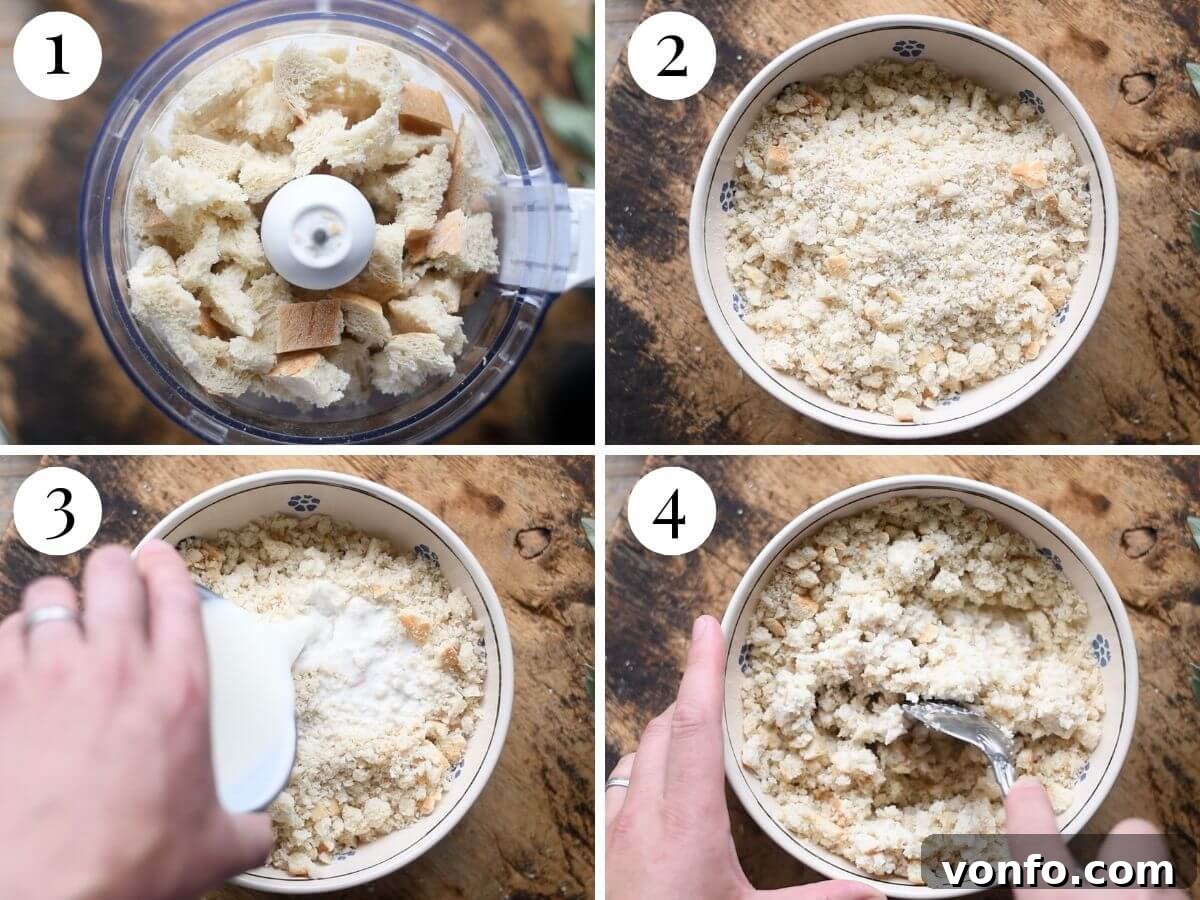
- Prepare the Breadcrumbs: Begin by tearing your stale bread into rough chunks. Transfer these pieces into a food processor and pulse until you achieve fine, consistent breadcrumbs. Once processed, transfer the breadcrumbs to a large mixing bowl. Pour the milk over them and stir gently to ensure all crumbs are moistened. Set this mixture aside to allow the bread to fully absorb the milk, softening for about 10-15 minutes, while you prepare the spinach. The breadcrumbs should be uniformly damp but not soggy.
- Wilt the Spinach: Place the fresh spinach in a large pan or pot over medium-low heat. Add just one tablespoon of water to the pan (this helps create steam and prevents burning) and cover with a lid. Allow the spinach to wilt down completely, which typically takes only a couple of minutes. Stir occasionally to ensure even cooking. The spinach will dramatically reduce in volume as it wilts, becoming tender and dark green.
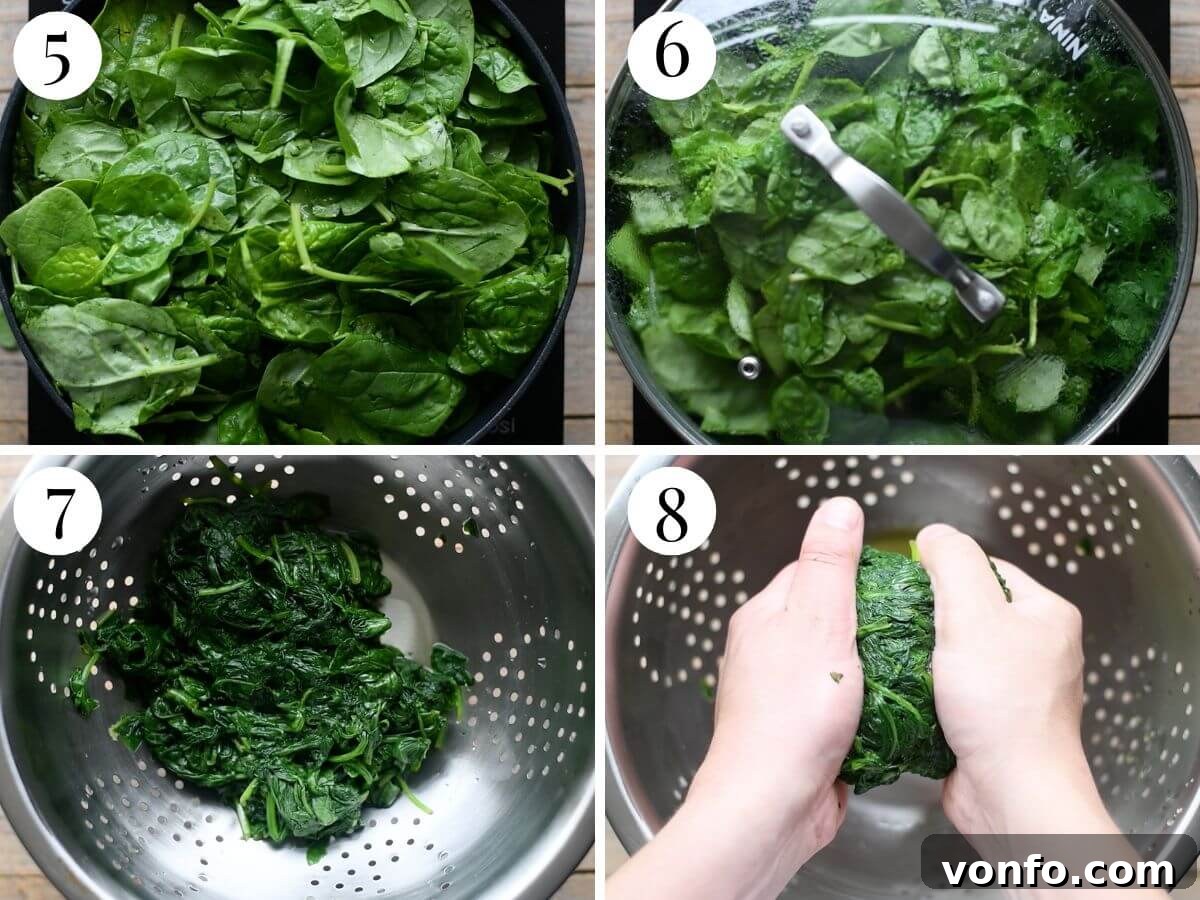
- Rinse, Drain, and Chop Spinach: Immediately transfer the wilted spinach to a colander and rinse it thoroughly under cold running water until it has cooled down completely. This cools the spinach rapidly, preserving its vibrant color and stopping the cooking process. The most critical step here is to squeeze out as much water as humanly possible from the spinach. Excess water is the enemy of firm dumplings; wrap the spinach in a clean kitchen towel or use your hands to firmly wring it out until it is as dry as you can get it. Once dry, transfer the spinach to a chopping board and finely chop it.
- Form the Strangolapreti Mixture: Add the finely chopped spinach to the bowl with the milk-soaked breadcrumbs. Incorporate the large eggs, freshly grated Grana Padano cheese, all-purpose flour, a pinch of nutmeg, and season generously with salt and black pepper. Mix all the ingredients thoroughly until they are well combined and form a cohesive, slightly sticky dough. The mixture should be pliable enough to shape but not overly wet. If it feels too wet, add an extra tablespoon of flour at a time until the desired consistency is reached (refer to the “Recipe Tips” section for guidance on consistency).
- Shape the Dumplings: Sprinkle a generous amount of semola (fine semolina) onto a large plate or baking sheet. This will prevent the dumplings from sticking. Dip your hands in water to dampen them – this is essential as the mixture is sticky and wet hands will prevent it from adhering to your palms. Take a walnut-sized portion of the mixture and gently roll it between your wet palms to form an oval or cylindrical dumpling, about 1-1.5 inches in length. Place the shaped dumpling onto the semola-dusted plate.
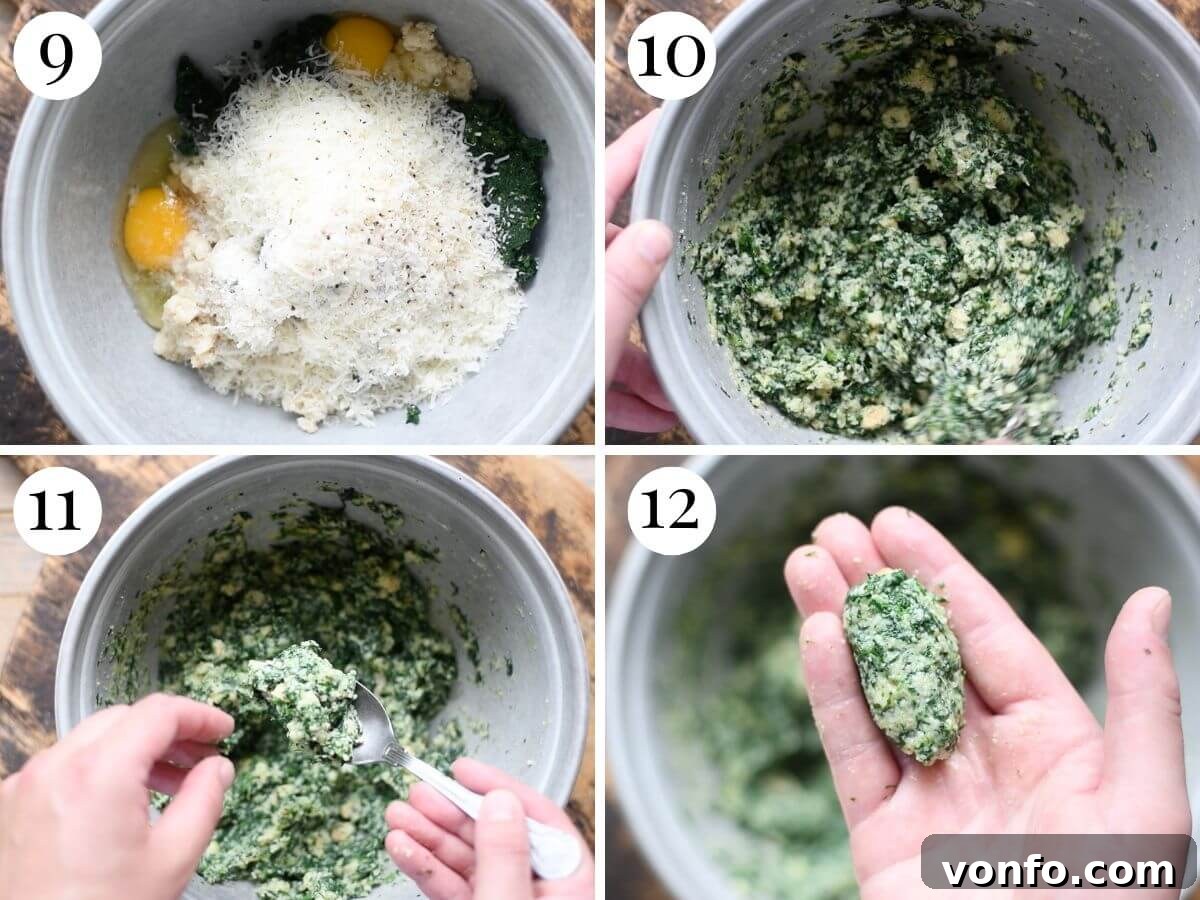
- Continue Shaping: Continue shaping the Strangolapreti until all the mixture is used up. Remember to re-wet your hands periodically as they become sticky. You should yield approximately 24-26 dumplings.
- Prepare the Sauce and Cook the Dumplings: Bring a large pot of salted water to a rolling boil for cooking the Strangolapreti. Simultaneously, in a large frying pan, melt the unsalted butter over medium-low heat. Add the fresh sage leaves to the melting butter and let them gently infuse and crisp slightly. Once the water is boiling, carefully add the formed Strangolapreti to the pot. Depending on the size of your pot, you may need to cook them in two batches to avoid overcrowding, which can lower the water temperature and make them stick.
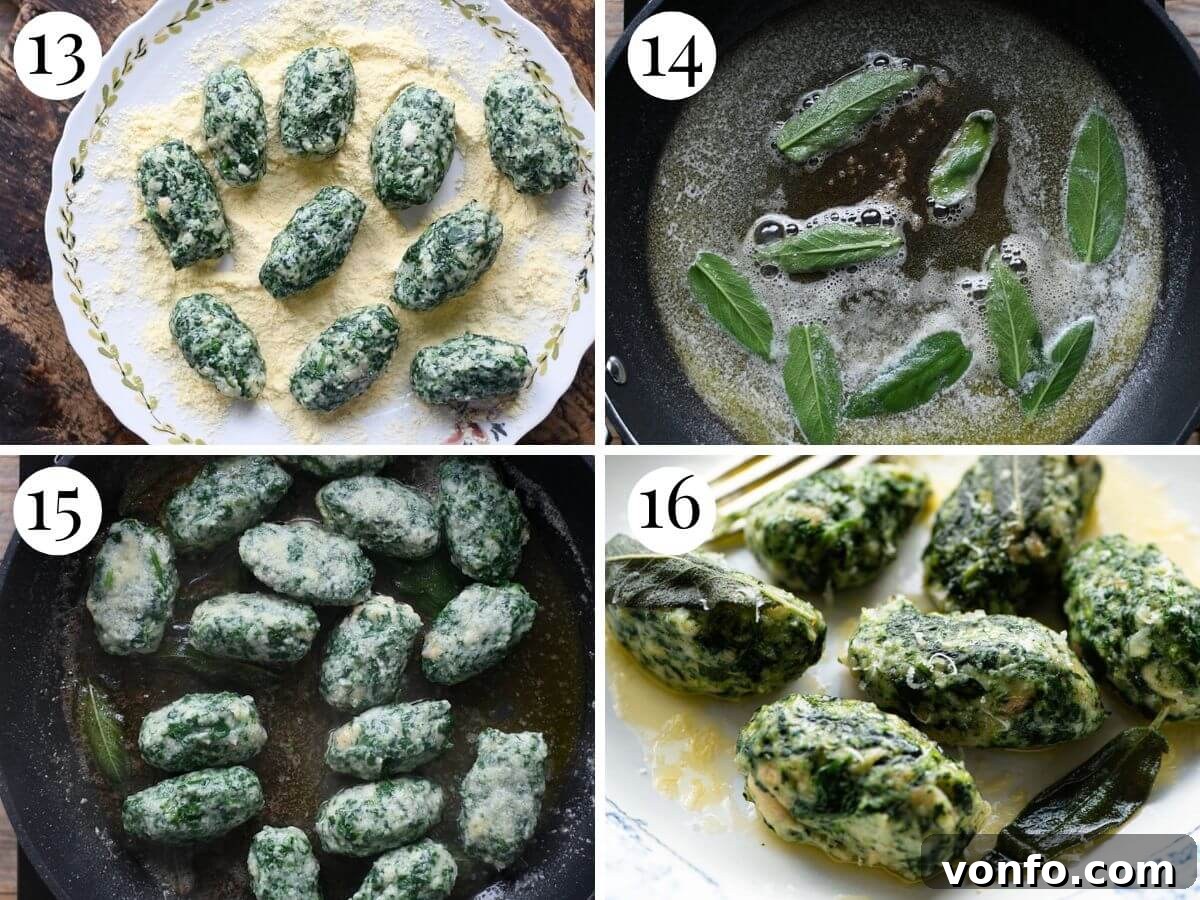
- Serve Immediately: The Strangolapreti are ready when they float to the surface of the boiling water. This usually takes only 2-4 minutes, indicating they are cooked through. Using a slotted spoon, transfer the cooked dumplings directly from the boiling water into the pan with the sage and butter sauce. Gently toss the Strangolapreti in the fragrant sauce for 1-2 minutes, ensuring they are beautifully coated. Serve them hot in individual bowls, garnished with an extra grating of fresh Grana Padano or Parmigiano Reggiano cheese for an added touch of richness.
Essential Recipe Tips for Perfect Strangolapreti
- Achieving the Right Consistency: The dumpling mixture should be soft, sticky, but ultimately easy to shape with wet hands. If, after mixing, it feels too wet or loose to form into dumplings, add more all-purpose flour, one tablespoon at a time, mixing well after each addition. Be cautious not to add too much flour, as this can result in heavy, dense, and chewy dumplings. The ideal texture allows for easy shaping while retaining its form during cooking. This balance heavily depends on the moisture content of your bread and how well you squeezed the spinach.
- The Magic of Wet Hands: This simple trick is a game-changer when shaping the sticky dough. Keeping your hands damp prevents the mixture from sticking to them, allowing for smooth and easy dumpling formation. You’ll likely need to re-wet your hands several times throughout the shaping process, so keep a bowl of water nearby.
- Don’t Overcrowd the Pot: When boiling the Strangolapreti, resist the urge to cook too many at once. Overcrowding can lower the water temperature, causing the dumplings to cook unevenly or, worse, stick together and fall apart. Cook them in batches if necessary, ensuring they have enough space to float freely.
- Test a Dumpling: If you’re unsure about the consistency of your mixture before cooking a whole batch, try boiling just one dumpling first. If it holds together perfectly, you’re good to go. If it breaks apart, add a little more flour to the mixture. If it’s too tough, you might need to add a tiny splash more milk (though this is less common).
- Storage Before Cooking: If you’re preparing the dumplings in advance, lay them out on a plate or tray generously dusted with semola. Ensure they don’t touch each other. Cover loosely with plastic wrap and refrigerate for up to 24 hours. The semola prevents sticking and helps them dry slightly, making them firmer for cooking.
Absolutely! You can prepare the dumpling mixture up to 1-2 days in advance. Store it in an airtight container in the refrigerator. If you plan to shape the dumplings ahead of time (up to 1 day before cooking), arrange them on a tray generously dusted with semola to prevent them from sticking. Cover the tray loosely with plastic wrap and keep it refrigerated. This preparation makes them a fantastic option for entertaining or for quick weeknight meals.
Leftover Strangolapreti are wonderfully versatile. Store any cooked dumplings in an airtight container in the fridge for 2-3 days. To reheat, gently warm them in a frying pan with a little extra butter and fresh sage leaves until heated through. Alternatively, they can be baked gratin-style with a simple tomato sauce and cheese, or even added to a light broth for a different comforting meal.
Yes, Strangolapreti freeze beautifully! After shaping, arrange the raw dumplings in a single layer on a semola-dusted baking sheet and freeze until solid (this prevents them from sticking together). Once frozen, transfer them to a freezer-safe bag or container. They can be stored for up to 2-3 months. When ready to cook, boil them directly from frozen; they may require an extra minute or two of cooking time compared to fresh dumplings.
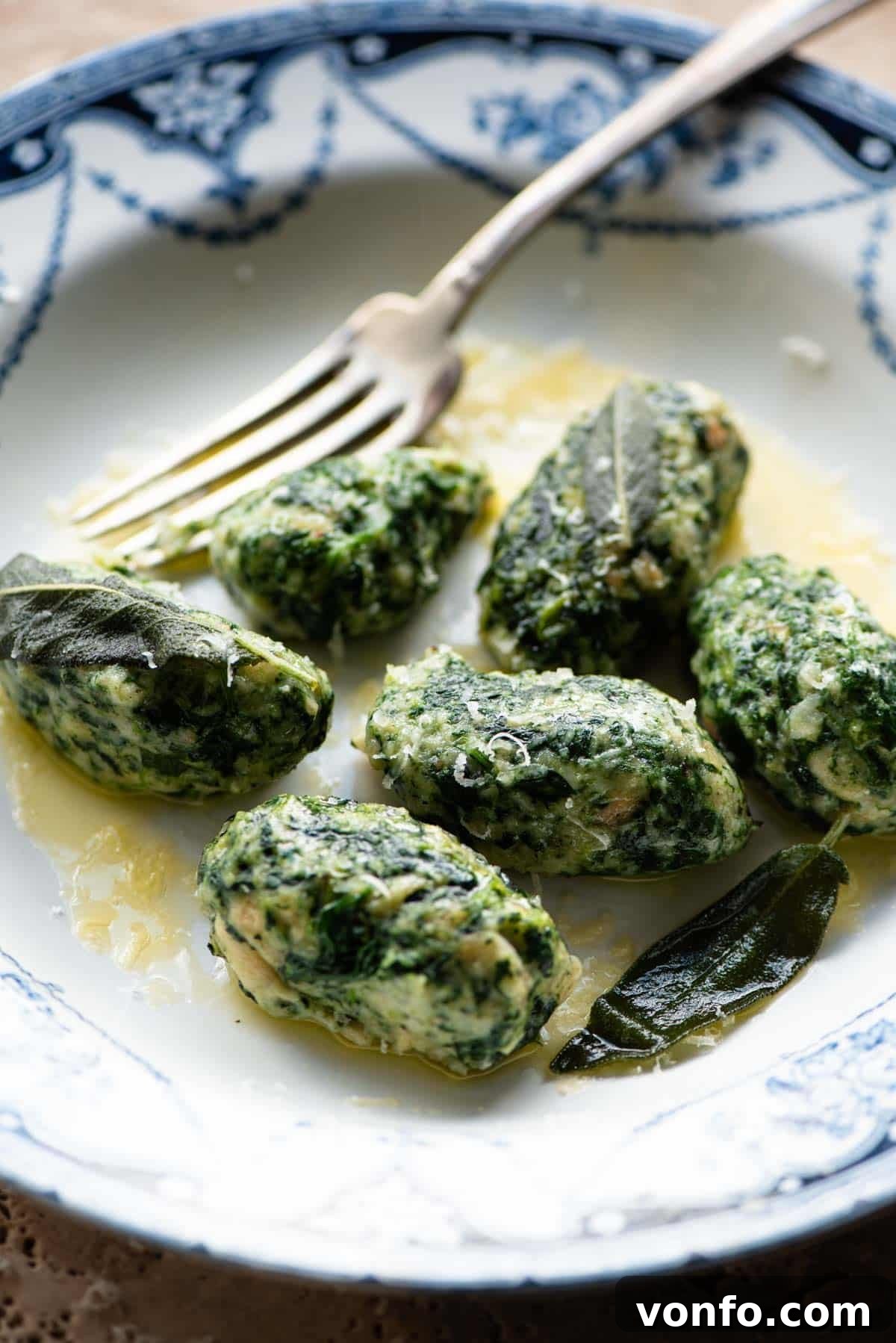
Delightful Serving Suggestions for Strangolapreti
While the classic sage and butter sauce is undeniably exquisite and highlights the delicate flavors of the Strangolapreti beautifully, these versatile dumplings offer a myriad of other delicious serving possibilities:
- Classic Sage and Butter Sauce: This remains the quintessential pairing. The browned butter lends a nutty aroma, while the fresh sage infuses an earthy, aromatic note that perfectly complements the spinach and cheese in the dumplings. It’s a simple preparation that allows the quality of the ingredients to shine.
- Hearty Chicken Broth: For a truly traditional and deeply comforting experience, especially during the colder autumn and winter months, serve your Strangolapreti in a rich and steaming chicken broth. Simply add the freshly cooked dumplings directly into the hot broth, and once they float to the top, your nourishing soup is ready to be enjoyed. A sprinkle of fresh parsley and extra grated cheese makes it even more inviting.
- Gratin-Style with Béchamel: For a richer, more indulgent dish, consider serving Strangolapreti gratin-style. Layer the cooked dumplings in an oven-safe dish with a velvety homemade Béchamel sauce. Top generously with more grated Grana Padano or Parmigiano Reggiano, then bake until golden brown and bubbly. This method creates a crispy, cheesy crust with tender dumplings underneath.
- Decadent Parmigiano Cream Sauce: Elevate your Strangolapreti with a luscious Parmigiano cream sauce, similar to the one often served with mushroom ravioli. This sauce is incredibly easy to make, typically involving heavy cream, butter, and a generous amount of freshly grated Parmigiano. While undeniably rich, a small amount goes a long way in coating the dumplings with luxurious flavor.
- Simple Tomato Sauce: For a lighter, yet still incredibly flavorful option, a fresh homemade tomato sauce or a quick cherry tomato sauce can be a wonderful accompaniment. The acidity of the tomatoes provides a lovely contrast to the richness of the dumplings.
Explore More Delicious Italian Dumpling & Gnocchi Recipes
If you’ve enjoyed the delightful experience of making and tasting Strangolapreti, you’re sure to love these other fantastic Italian dumpling and gnocchi recipes. Each offers a unique flavor profile and a taste of Italy’s diverse culinary landscape:
Gnocchi
Gnocchi alla Sorrentina
Gnocchi
Beetroot Ricotta Gnudi in Sage & Butter
Gnocchi
Homemade Potato Gnocchi – Step by Step
Gnocchi
Gnocchi Carbonara
If you’ve had the pleasure of trying this Strangolapreti recipe or any other delightful dish from our blog, we would love to hear from you! Please don’t hesitate to rate the recipe and share your experience in the comments section below. Your feedback truly brightens our day! You can also connect with us and discover more of our delicious food creations by following us on Facebook, Instagram, and Pinterest. For weekly culinary inspiration delivered straight to your inbox, consider signing up for our Newsletter!
Step-by-step photos above for visual guidance
Many of our recipes include detailed step-by-step photos, helpful tips, and tricks to ensure perfect results on your first try!
Strangolapreti (Spinach and Bread Dumplings)
No ratings yet
By Emily
40 minutes
10 minutes
50 minutes
4
servings (makes around 24-26 dumplings)
Pin Recipe
Print Recipe
Equipment
-
Food processor
-
Large pan or pot with lid
-
Colander
-
Large mixing bowl
-
Chopping board and knife
-
Large frying pan (for sauce)
-
Slotted spoon
Ingredients
- 17.5 oz (500g) fresh spinach
- 8.8 oz (250g) stale white crusty bread, (yields about 4 cups of breadcrumbs)
- ¾ cup (200ml) whole milk
- 2 large eggs
- 1 scant cup (60g) Grana Padano cheese, (freshly grated, or Parmigiano Reggiano/Pecorino Romano)
- 2 tablespoons all-purpose flour (plus up to 2-3 extra tablespoons if needed for consistency)
- 1 pinch freshly grated nutmeg
- 6 tablespoons (75g) unsalted butter
- 8-10 fresh sage leaves
- Salt and freshly ground black pepper, (to taste)
- Semola (fine semolina), (for dusting, to prevent sticking)
Instructions
-
1. Tear the stale bread into small, manageable chunks and process them into fine, uniform breadcrumbs using a food processor. Transfer these crumbs into a spacious mixing bowl. Pour the milk over them and stir gently to ensure they are all evenly moistened. Let this mixture sit for 10-15 minutes to allow the bread to fully absorb the milk and soften. This is crucial for the dumpling’s texture.
-
2. While the bread soaks, add the fresh spinach to a large pan or pot set over medium-low heat. Add 1 tablespoon of water, then cover the pan with a lid. Allow the spinach to wilt completely, stirring occasionally, which typically takes just a few minutes. The spinach will reduce significantly in volume.
-
3. Transfer the wilted spinach to a colander and rinse it thoroughly under cold running water until it has cooled down completely. This stops the cooking process and helps set the color. Next, and this is a vital step, squeeze out as much water as physically possible from the spinach. Excess moisture will make your dumpling mixture too wet. You can use your hands or a clean kitchen towel for this. Once drained, finely chop the spinach on a cutting board.
-
4. Add the finely chopped, well-drained spinach to the large mixing bowl containing the milk-soaked breadcrumbs. Crack in the large eggs, add the freshly grated cheese, all-purpose flour, a pinch of nutmeg, and season generously with salt and black pepper. Mix all the ingredients together thoroughly until they are well combined and form a cohesive, slightly sticky dough. The mixture should be pliable enough to shape. If it feels excessively wet, incorporate an additional 1-2 tablespoons of flour, one at a time, until the desired consistency is achieved.
-
5. Lightly dust a large plate or baking sheet with semola (fine semolina) to prevent sticking. Dampen your hands with water – this technique is key for easily shaping the sticky dough. Take a walnut-sized portion of the mixture and gently roll it between your wet palms into an oval or cylindrical shape, approximately 1 to 1.5 inches long. Place each formed dumpling onto the semola-dusted surface.
-
6. Continue shaping the Strangolapreti until all the mixture is used up. Remember to re-wet your hands periodically as they become sticky. You should yield approximately 24-26 dumplings.
Bringing it all together
-
7. Once all your Strangolapreti are assembled, bring a large pot of generously salted water to a rolling boil. At the same time, prepare the sage and butter sauce.
-
8. In a large frying pan, melt the unsalted butter over medium-low heat. Add the fresh sage leaves and allow them to gently sizzle and infuse their aroma into the butter. The butter should brown slightly, creating a rich, nutty flavor. Keep this pan warm.
-
9. Carefully add the Strangolapreti to the boiling water. Avoid overcrowding the pot; you may need to cook them in two batches, depending on the size of your pot, to ensure even cooking and prevent sticking.
-
10. The dumplings are cooked when they float gracefully to the top of the water, typically taking only 2-4 minutes. Once they float, use a slotted spoon to transfer them directly from the boiling water into the frying pan with the warm sage and butter sauce. Gently toss the Strangolapreti in the sauce for 1-2 minutes, ensuring each dumpling is beautifully coated. Serve immediately in warm bowls, topped with an extra grating of fresh cheese for an authentic finish.
Video
Notes
- Mixture Consistency: The key to perfect Strangolapreti is a dough that is sticky but firm enough to hold its shape when rolled with wet hands. If your mixture feels too wet and difficult to form, add flour one tablespoon at a time until it’s manageable. Conversely, if it’s too dry and crumbly, add a tiny splash of milk. Avoid excessive flour, as it can lead to dense, heavy dumplings.
- Serving Variations: While the sage and butter sauce is classic, don’t limit yourself! On a chilly day, serving Strangolapreti in a warm, clear chicken broth is a traditional and comforting alternative. Explore other options like a light tomato sauce or a rich cheese cream sauce for a delightful twist.
- Stale Bread is Best: Using truly stale bread is non-negotiable for this recipe. It absorbs moisture without disintegrating, providing the structural integrity needed for tender dumplings. If your bread isn’t quite stale, you can lightly toast slices in the oven to dry them out, then cool before processing.
Helpful Info for All Our Recipes
- We consistently use extra virgin olive oil in all our recipes unless explicitly stated otherwise, for its superior flavor and health benefits.
- For the finest results and authentic flavor, when a recipe calls for canned or jarred tomatoes of any variety, we highly recommend using premium Italian brands such as Cirio or Mutti.
- All vegetables specified in our recipes are assumed to be medium-sized unless an alternative size or weight is clearly indicated.
- Every recipe featured on our blog has been thoroughly tested and developed using a fan (convection) oven, which may require slight temperature or time adjustments for conventional ovens.
- Curious about the nutritional aspects? Find out more about how nutrition information is calculated for our recipes.
- Stock your kitchen like an Italian chef! Check out our guide to must-have Italian Pantry Staples.
- Equip yourself for authentic Italian cooking with our list of Essential Kitchen Tools for Italian Cooking.
Nutrition
|
Carbohydrates: 11g
|
Protein: 11g
|
Fat: 8g
|
Saturated Fat: 3g
|
Polyunsaturated Fat: 1g
|
Monounsaturated Fat: 3g
|
Trans Fat: 0.01g
|
Cholesterol: 247mg
|
Sodium: 171mg
|
Potassium: 813mg
|
Fiber: 3g
|
Sugar: 3g
|
Vitamin A: 12036IU
|
Vitamin C: 35mg
|
Calcium: 214mg
|
Iron: 4mg
Nutrition information is automatically calculated, so should only be used as an approximation.
Did you try this recipe?
We’d love to hear your feedback! Leave a comment below!