
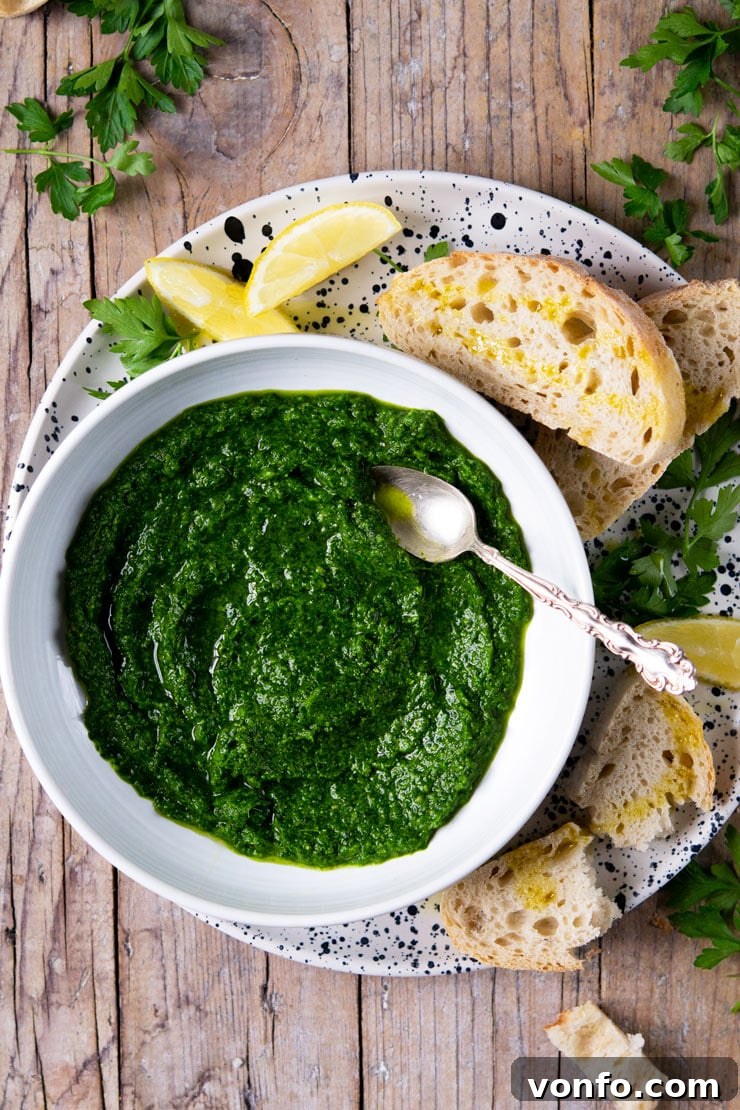
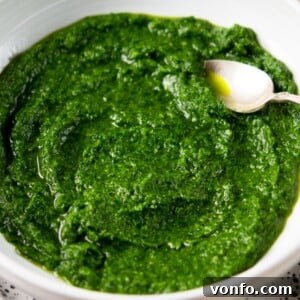
Welcome to the ultimate guide for crafting the most vibrant and intensely flavorful parsley pesto. This incredibly easy recipe uses just a handful of simple ingredients and comes together in a mere two minutes, transforming your meals with an burst of freshness. Far beyond a simple pasta sauce, this versatile green condiment can elevate everything from grilled fish and roasted chicken to fresh salads, savory sandwiches, or even serve as a delightful dip for your favorite crudités. It’s truly the easiest way to infuse your dishes with a ton of aromatic flavor!
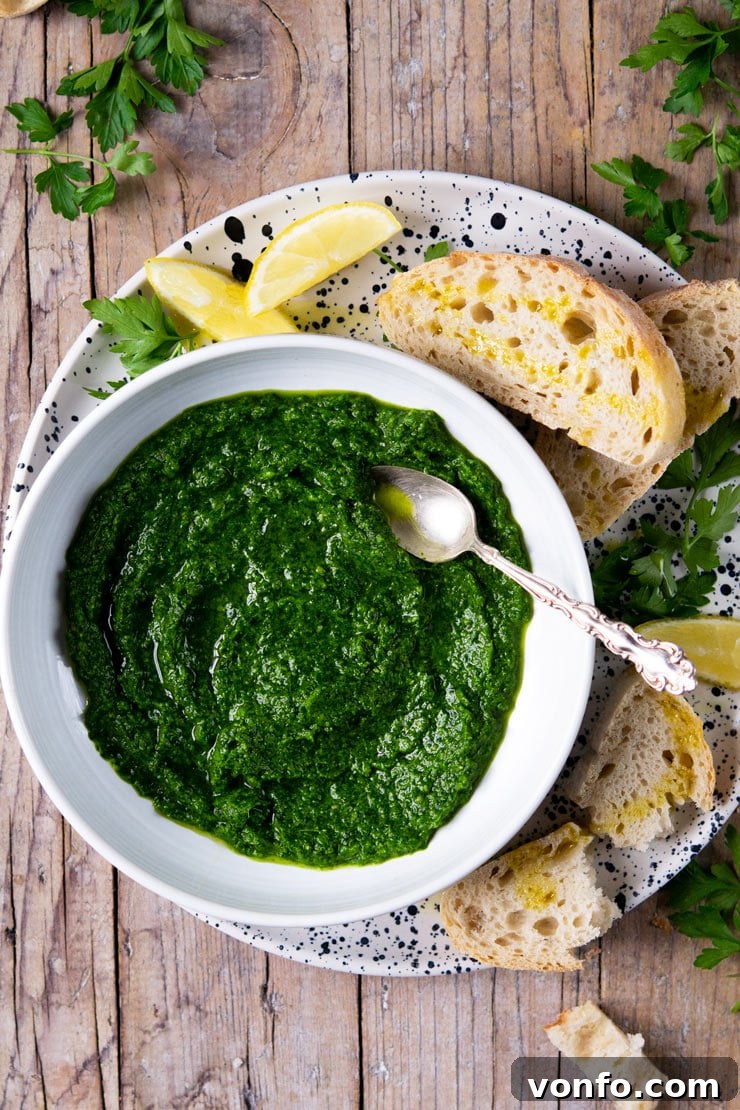
Why Parsley Pesto? Beyond the Basil Standard
While the classic basil pesto is a beloved staple in many kitchens—especially when homemade, as the jarred versions often fall short in flavor and freshness—parsley offers a delightful alternative that deserves its own spotlight. Many home cooks might not realize that the art of pesto extends far beyond basil. You can indeed create incredible pestos with a variety of fresh herbs, and parsley, with its clean, peppery, and slightly earthy notes, makes for a particularly outstanding and refreshing version.
This vibrant green sauce stands out not just for its unique taste but also for its incredible adaptability. While basil pesto shines with many traditional Italian dishes, parsley pesto brings a slightly different character, making it a fantastic complement to Mediterranean cuisine, grilled meats, and lighter fare. It’s an excellent way to introduce a fresh, herbaceous element without overpowering other flavors, making it a true workhorse in your culinary arsenal. Imagine the bright zing it adds to a simple piece of baked salmon or a hearty lentil soup!
Essential Ingredients for Your Perfect Parsley Pesto
Creating this delicious parsley pesto requires only a few core ingredients, each playing a crucial role in developing its signature flavor and creamy texture. The beauty of homemade pesto lies in the quality and freshness of these components. Here’s a detailed look at what you’ll need:
- Fresh Flat-Leaf Parsley: The star of our pesto! Flat-leaf parsley (Italian parsley) is preferred for its robust flavor and tender leaves, which blend into a smoother consistency than its curly counterpart. Choose vibrant, fresh bunches with no wilting.
- Lemon Juice: A squeeze of fresh lemon juice adds a crucial bright, acidic counterpoint to the richness of the oil and cheese. It also helps to preserve the vibrant green color of the parsley and enhances the overall fresh taste.
- Garlic: Fresh garlic cloves are non-negotiable for that essential pungent, aromatic kick. Just one clove delivers a powerful punch, but feel free to adjust to your personal taste.
- Parmesan Cheese: Finely grated Parmigiano Reggiano or Pecorino Romano adds a salty, umami depth that is characteristic of authentic pesto. Always opt for freshly grated cheese for the best flavor and texture.
- Pine Nuts: These small, buttery nuts contribute a subtle sweetness and a delightful creaminess when blended. Unlike some recipes, we recommend using them untoasted to maintain their delicate flavor and creamy consistency.
- Extra Virgin Olive Oil: A high-quality extra virgin olive oil is key to a smooth, rich, and flavorful pesto. It acts as the emulsifier, bringing all the ingredients together and carrying their flavors.
- Salt and Freshly Ground Black Pepper: Essential for seasoning to taste, balancing all the vibrant flavors.
How to Make Parsley Pesto – Step-by-Step Perfection
Making pesto might seem like a gourmet endeavor, but it’s surprisingly simple, especially with modern kitchen tools. There are two primary methods, each offering a slightly different experience in terms of texture and tradition:
The Traditional Mortar and Pestle Method
For purists and those who appreciate the subtle nuances achieved through manual effort, the mortar and pestle method is the way to go. This traditional technique gently bruises the herbs and ingredients, releasing their aromatic oils more slowly and intensely than a blade. Many Italians, particularly from Liguria (the birthplace of basil pesto), would argue that a pesto isn’t truly “pesto” unless it’s crafted in a mortar and pestle, as it yields a more rustic, textured, and deeply aromatic paste.
Steps for Mortar and Pestle:
- Begin by adding the garlic and pine nuts to the mortar. Pound them vigorously with the pestle until a coarse paste forms.
- Gradually add the fresh parsley leaves, a handful at a time. Continue to pound and grind, allowing the parsley to break down and release its vibrant green juices and aromas.
- Incorporate the grated Parmesan or Pecorino cheese, pounding until well combined.
- Slowly drizzle in the extra virgin olive oil while continuously grinding and stirring with the pestle. This creates a beautifully emulsified and thick sauce.
- Season with salt and freshly ground black pepper to taste. Continue to pound until your desired consistency is achieved.
The Quick and Easy Immersion Blender (or Food Processor) Method
For speed and convenience, the modern method using an immersion blender or a food processor is absolutely brilliant. This is my go-to technique when time is of the essence, delivering a smooth, thick pesto in mere moments. It’s perfect for busy weeknights or when you need a quick flavor boost.
Steps for Immersion Blender/Food Processor:
- Gather all your ingredients: fresh flat-leaf parsley, pine nuts, lemon juice, garlic clove, grated Parmesan cheese, and extra virgin olive oil.
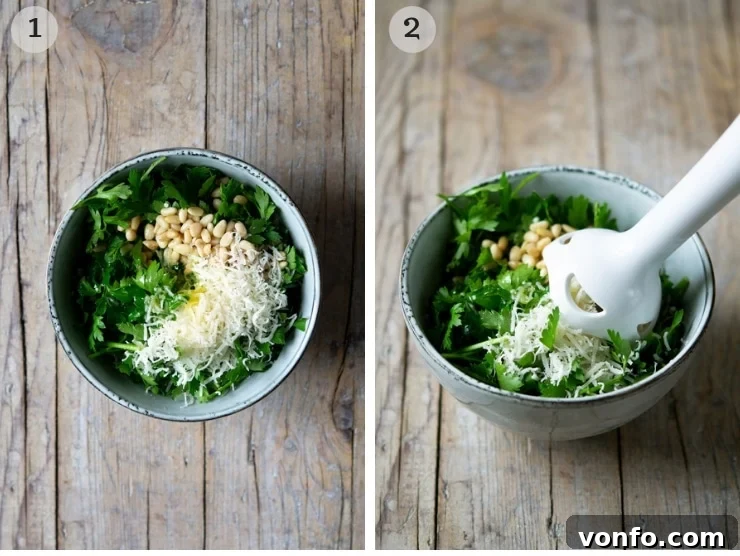
- Place all the ingredients (parsley, pine nuts, lemon juice, garlic, cheese, and olive oil) into a deep bowl or the bowl of your food processor.
- If using an immersion blender, insert the blender head into the mixture. Blend on a low to medium setting, moving the blender up and down, until all ingredients are finely chopped and a smooth, thick paste forms. Scrape down the sides of the bowl as needed to ensure everything is incorporated.
- If using a food processor, secure the lid and process until smooth. You might need to stop once or twice to scrape down the sides with a spatula.
- Taste the pesto and season with salt and freshly ground black pepper as desired. Continue blending for a few more seconds if you prefer an even smoother texture.
- Your fresh parsley pesto is now ready to be enjoyed!
Flat-Leaf Parsley Vs. Curly Parsley: The Definitive Choice
When it comes to making pesto, the choice of parsley truly makes a difference. While both varieties are technically edible, flat-leaf parsley, also known as Italian parsley, is overwhelmingly preferred for its superior flavor and texture. Curly parsley tends to be more coarse and its flavor can be slightly bitter or less pronounced, often relegated to garnishing rather than being a core ingredient.
Flat-leaf parsley, on the other hand, boasts a more robust, herbaceous, and slightly peppery flavor that truly shines in a pesto. Its tender leaves break down beautifully, yielding a smoother, more desirable consistency that is essential for a silky pesto. While you technically can use curly parsley if that’s all you have on hand, I strongly recommend sticking to flat-leaf parsley for this recipe. The difference in taste and texture will be immediately apparent, resulting in a far more delicious and consistently smooth pesto.
Expert Tips for Crafting the Best Parsley Pesto
To ensure your homemade parsley pesto is absolutely perfect every time, consider these invaluable tips:
- Freezing for Future Freshness: Pesto freezes beautifully! To preserve its fresh flavor for longer, transfer it into ice cube trays and freeze until solid. Once frozen, pop the cubes out and store them in airtight freezer bags for up to 6 months. This allows you to thaw just the right amount for a single serving, minimizing waste. Alternatively, store larger batches in small, airtight containers, ensuring a thin layer of olive oil on top to prevent discoloration.
- Pine Nuts: No Toasting Necessary! Many pesto recipes suggest toasting pine nuts, but for parsley pesto, I advise against it. Un-toasted pine nuts contribute a beautiful, delicate creaminess and a subtle sweetness that complements the parsley perfectly. Toasting can sometimes impart a stronger, nuttier flavor that might compete with the freshness of the parsley.
- Cheese Choices: Parmigiano Reggiano or Pecorino Romano: Both Parmigiano Reggiano and Pecorino Romano are excellent choices, each offering a distinct flavor profile. Parmigiano Reggiano provides a nutty, slightly sweet, and complex umami taste, while Pecorino Romano delivers a sharper, saltier, and more piquant flavor. Feel free to use either, or even a blend of both, depending on your preference for saltiness and pungency. Always use freshly grated cheese for the best results.
- Embrace the Garlic: Unless you have a specific dietary restriction, do not skip the garlic! It is a cornerstone of pesto, adding an incredible depth of pungent, aromatic flavor that truly brings the sauce to life. For a milder garlic flavor, you can briefly sauté the garlic clove in a tiny amount of olive oil before blending, or use roasted garlic. However, for that classic pesto zing, fresh raw garlic is key.
- Quality Olive Oil Matters: Since olive oil makes up a significant portion of your pesto, using a high-quality extra virgin olive oil will profoundly impact the final taste. A good EVOO offers fruity, peppery notes that enhance the overall flavor profile of the pesto.
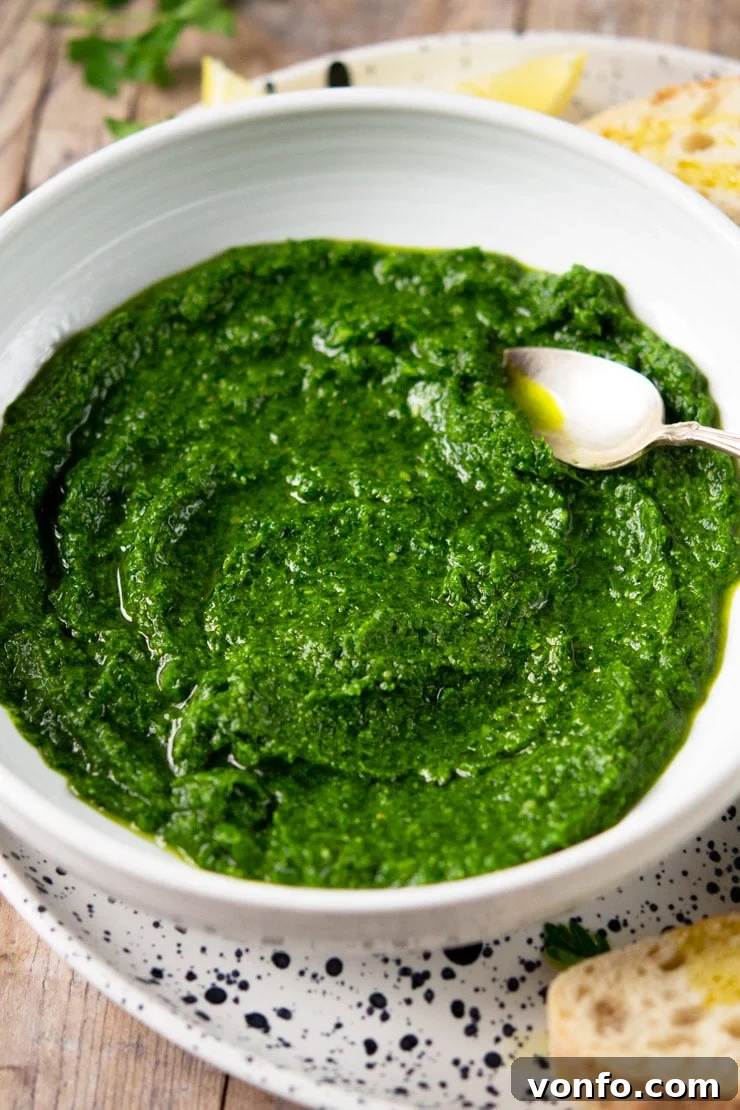
Unleash the Flavor: Versatile Ways to Enjoy Parsley Pesto
This easy parsley pesto is a true chameleon in the kitchen, capable of transforming a wide array of dishes with its fresh, herbaceous charm. Don’t limit yourself to just pasta; explore its full potential!
- Pasta Perfection: Toss your favorite cooked pasta—linguine, spaghetti, orecchiette, or even homemade gnocchi—with a generous spoonful of pesto. Add a splash of pasta cooking water to create a silky, emulsified sauce that coats every strand beautifully. Finish with extra grated cheese.
- Elevated Sandwiches & Wraps: Spread a thin layer of parsley pesto on the base of your ciabatta, baguette, or tortilla for an instant flavor upgrade. It pairs wonderfully with grilled chicken, roasted vegetables, fresh mozzarella, or even a simple turkey and provolone. Try it in this chicken pesto ciabatta!
- Vibrant Side Salads: Whisk pesto with a little extra olive oil and lemon juice to create a fantastic dressing for green salads. Or, simply toss a spoonful directly with fresh spinach, arugula, or mixed greens for a quick, flavorful side dish. It also brightens up grain salads like quinoa or farro.
- Flavorful Dressings for Any Salad: Beyond green salads, this pesto can be thinned out to dress potato salads, bean salads, or even used as a vibrant component in a Caprese salad with tomatoes and fresh mozzarella.
- Complements to Proteins: Serve a dollop alongside perfectly cooked roast chicken, grilled fish (especially salmon or cod), or pan-seared steak. The freshness of the parsley pesto cuts through the richness of the protein, creating a balanced and delightful bite.
- Scrumptious Dips & Spreads: Serve it as a sophisticated dip with crusty bread, toasted pita, or an assortment of fresh vegetable sticks. Mix it into cream cheese for an herby bagel spread or blend it into hummus for an extra layer of flavor.
- Boost Soups & Stews: Swirl a spoonful into hot vegetable soup, minestrone, or a hearty lentil stew just before serving. The heat will release its aromas, adding a fresh dimension to comforting dishes.
- Pizza & Flatbread Base: Use it as a flavorful alternative to tomato sauce on pizzas or flatbreads. Top with your favorite cheeses and vegetables for a unique twist.
Discover More Pesto Creations from Our Kitchen
If you’re as much of a pesto enthusiast as we are, you’ll love exploring other variations. Each offers a unique flavor profile to suit different dishes and cravings:
- Classic Basil Pesto: The beloved original, perfect for traditional Italian dishes.
- Sun-Dried Tomato Pesto with Ricotta: A rich, savory, and creamy red pesto bursting with Mediterranean flavors.
- Cavolo Nero Pesto: A healthier, earthy green pesto made with nutrient-rich Tuscan kale.
- Pesto alla Trapanese (Sicilian Pesto): A fresh, vibrant pesto from Sicily, featuring tomatoes, almonds, and basil.
We hope this comprehensive guide inspires you to create your own batch of this incredibly fresh and easy parsley pesto. If you’ve tried this Parsley Pesto recipe or any other on our blog, please let us know how it turned out in the comments below – we absolutely love hearing from you! You can also find more delicious food inspiration and connect with us on FACEBOOK, TWITTER, INSTAGRAM, and PINTEREST.
Step By Step Photos Above
Most of our recipes come with step by step photos, helpful tips and tricks to make it perfectly first time!
Easy Parsley Pesto
By Emily
2 mins
2 mins
1 cup (enough to serve 4 with pasta)
Ingredients
- 2 oz (60g) flat-leaf parsley (about 2 large handfuls)
- 1 heaped tbsp pine nuts
- 1 squeeze lemon juice (around 1 tsp)
- 1 clove garlic
- 1 tbsp Parmigiano Reggiano or Pecorino cheese, freshly grated
- 4 tbsp extra virgin olive oil
- Salt and freshly ground black pepper, to taste
Instructions
-
Place all ingredients (parsley, pine nuts, lemon juice, garlic, cheese, and olive oil) in a bowl. Using an immersion blender, blitz until smooth. Alternatively, use a food processor.
-
If using a mortar and pestle, add garlic and pine nuts first, pound until a paste. Then add parsley gradually, followed by cheese and finally drizzle in olive oil, pounding until smooth.
-
Season the pesto with salt and freshly ground black pepper to your taste. Use immediately or store as recommended.
Notes
- Freezing Pesto: Yes, you can freeze pesto! Transfer it into an ice cube tray or store it in small plastic containers and freeze for up to 6 months.
- Serving Suggestions: Toss with your favorite pasta or gnocchi.
- Spread on the base of a sandwich or wrap.
- Toss with fresh spinach and serve as a vibrant side.
- Mix with any salad for an extra burst of flavor.
- Serve alongside roast chicken or grilled fish for a delicious pairing.
Calories from Fat 522
Helpful Info for All Our Recipes
- We consistently use high-quality extra virgin olive oil in all our recipes unless specified otherwise.
- For canned or jarred tomatoes, we recommend Cirio or Mutti brands to achieve the best flavor and results.
- All vegetables are assumed to be medium-sized unless otherwise stated in the recipe.
- Our recipes are meticulously tested and developed using a fan (convection) oven.
- Find out more about how nutrition is calculated on our site.
- Explore our essential Italian Pantry Staples to stock your kitchen.
- Discover all our recommended Essential Kitchen Tools for Italian Cooking.
Nutrition
|
Carbohydrates: 5g
|
Protein: 3g
|
Fat: 58g
|
Saturated Fat: 8g
|
Cholesterol: 3mg
|
Sodium: 115mg
|
Potassium: 332mg
|
Fiber: 1g
|
Vitamin A: 5055IU
|
Vitamin C: 80.8mg
|
Calcium: 142mg
|
Iron: 4mg
Nutrition information is automatically calculated, so should only be used as an approximation.
Did you try this recipe?
Leave a comment below!