
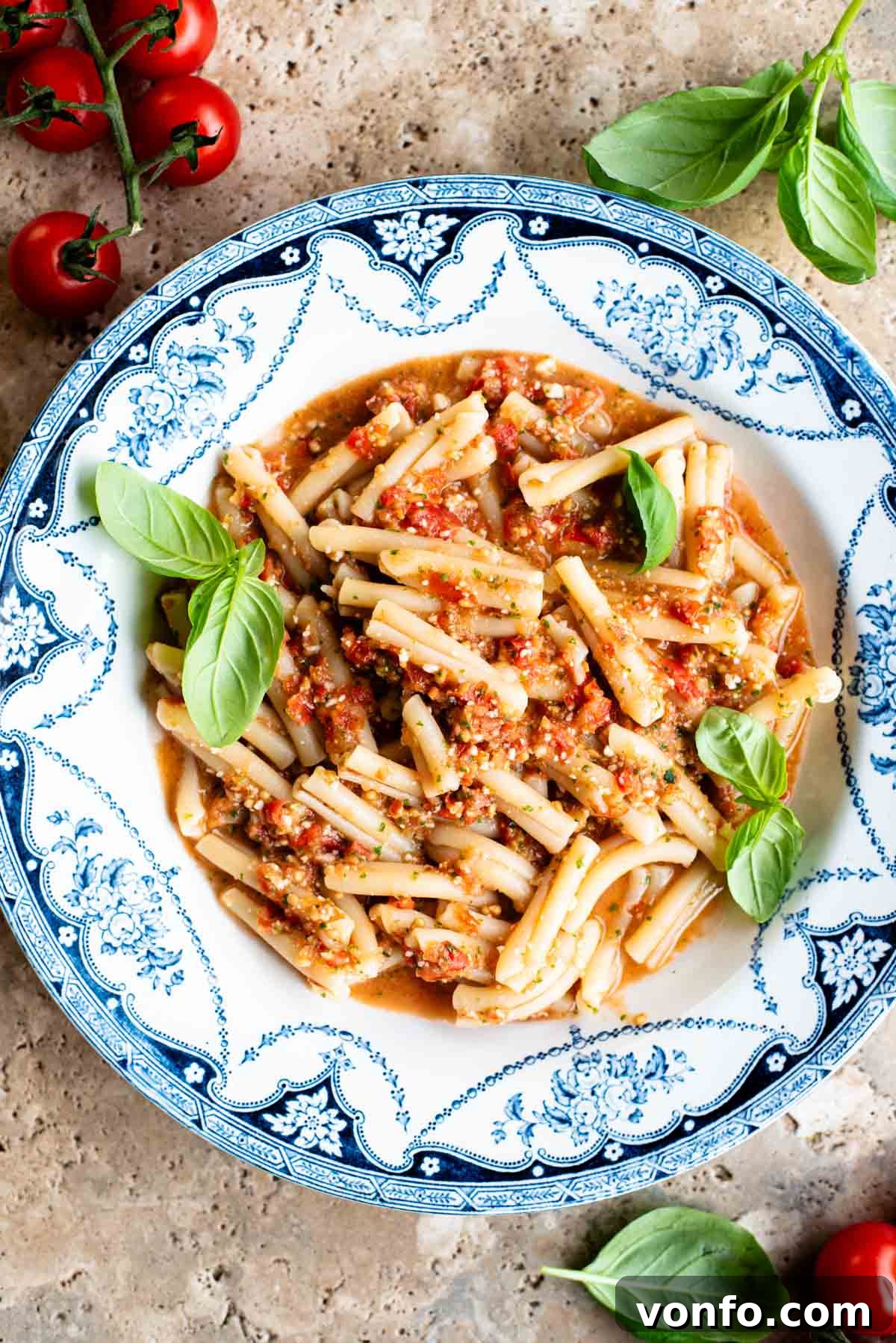
Say hello to your new summer obsession: an incredibly simple, yet bursting with flavor, no-cook tomato pasta sauce. This delightful recipe, requiring only four core ingredients, is so effortless that your sauce will be perfectly prepared by the time your pasta finishes cooking. It’s the ultimate solution for those scorching summer days when the thought of turning on the stove feels like a monumental task, promising a refreshing and satisfying meal that captures the true essence of the season.
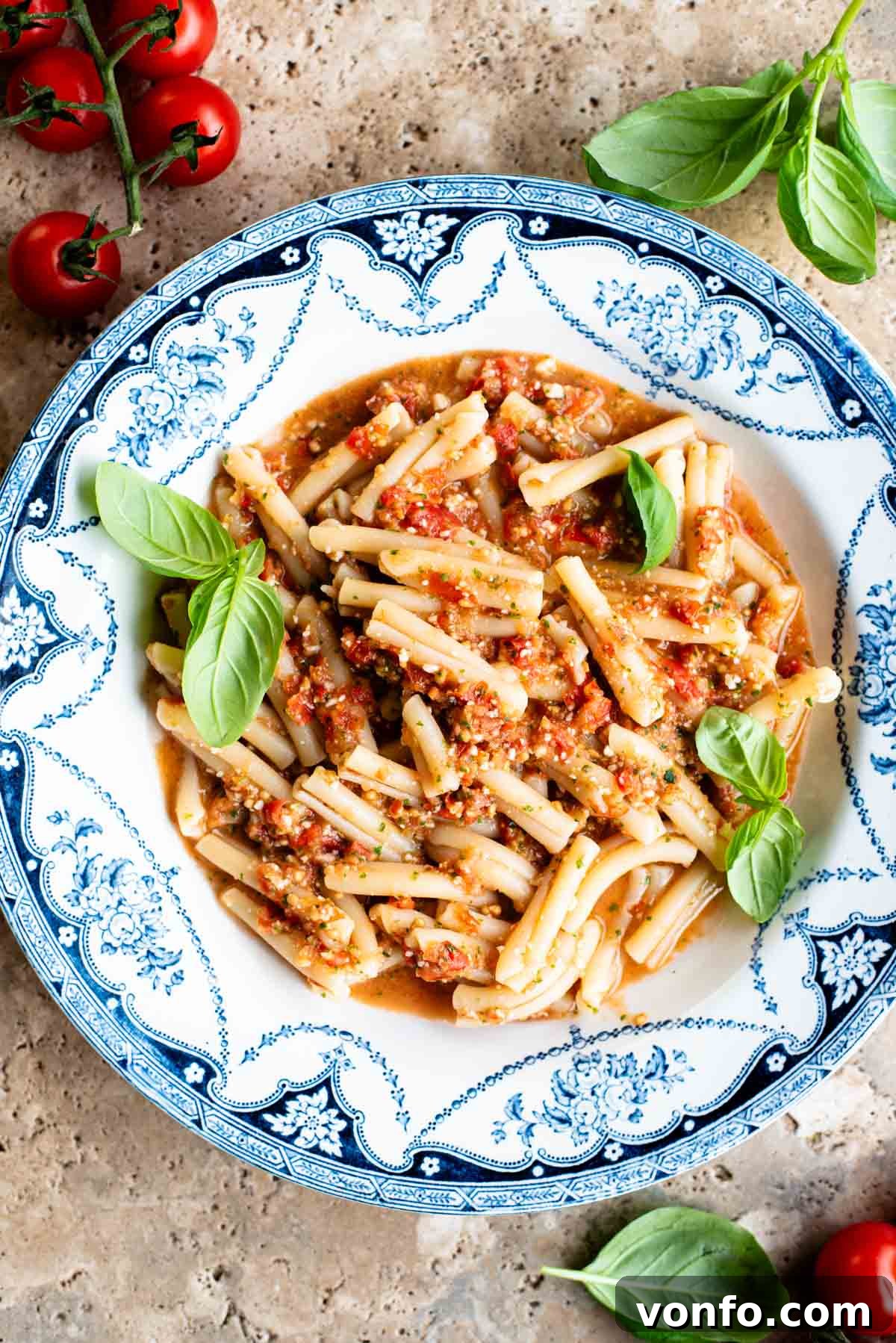
Effortless No-Cook Tomato Pasta Sauce: Your Ultimate Summer Recipe
Imagine the peak of summer: warm breezes, long evenings, and an abundance of sun-ripened tomatoes. This pasta dish is quite literally summer encapsulated in a bowl. It becomes your culinary hero when the heat makes cooking unbearable, and it truly shines when tomatoes are at their absolute best, offering unparalleled sweetness and juiciness. This recipe isn’t just easy; it’s a celebration of fresh, vibrant flavors that come alive without any heat.
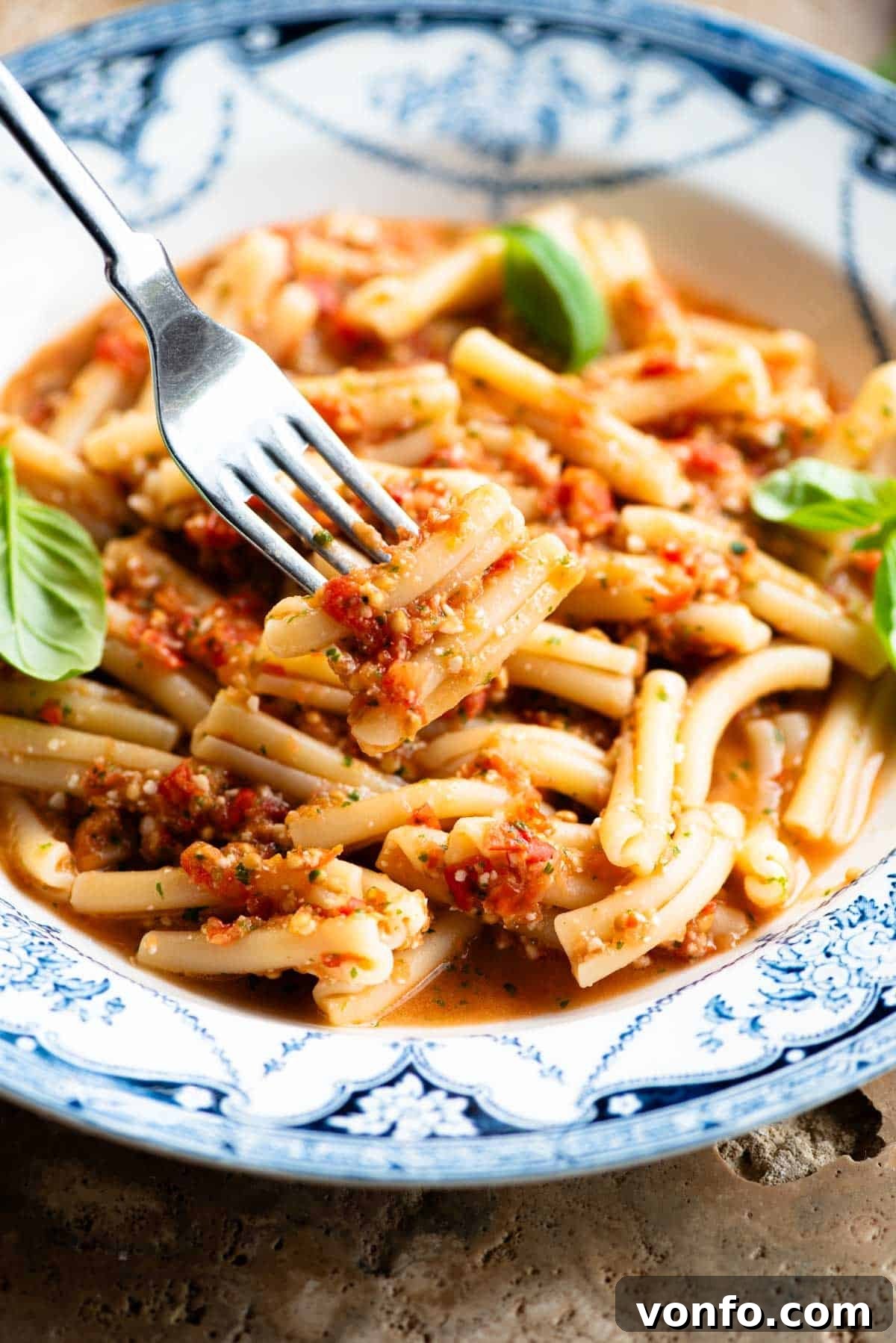
The sauce itself is a marvel of simplicity and exquisite taste, crafted from just four humble, high-quality ingredients that sing together in harmony: sweet cherry tomatoes, aromatic garlic, rich Parmigiano Reggiano, and fragrant fresh basil. The beauty lies in their raw, unadulterated state, allowing their natural flavors to dominate and create a truly refreshing experience.
One of the many charms of this versatile pasta is its adaptability. You can enjoy it warm, with your freshly cooked pasta tossed directly into the vibrant sauce, creating a comforting yet light meal. Or, for an even cooler sensation, let your pasta chill down to room temperature or refrigerate it, transforming it into a fantastic cold pasta dish. This cold option is absolutely perfect for packing up for a picnic in the park, a day at the beach, or as a make-ahead lunch for a busy week.
I genuinely adore the straightforward elegance of this sauce and find myself preparing it countless times throughout the summer months. It’s a testament to how incredible simple, fresh ingredients can be. Below, you’ll find the full recipe, along with a range of delicious variations to inspire your culinary creativity. Get ready to savor every bite – enjoy!
Essential Ingredient Notes for Your Perfect No-Cook Sauce
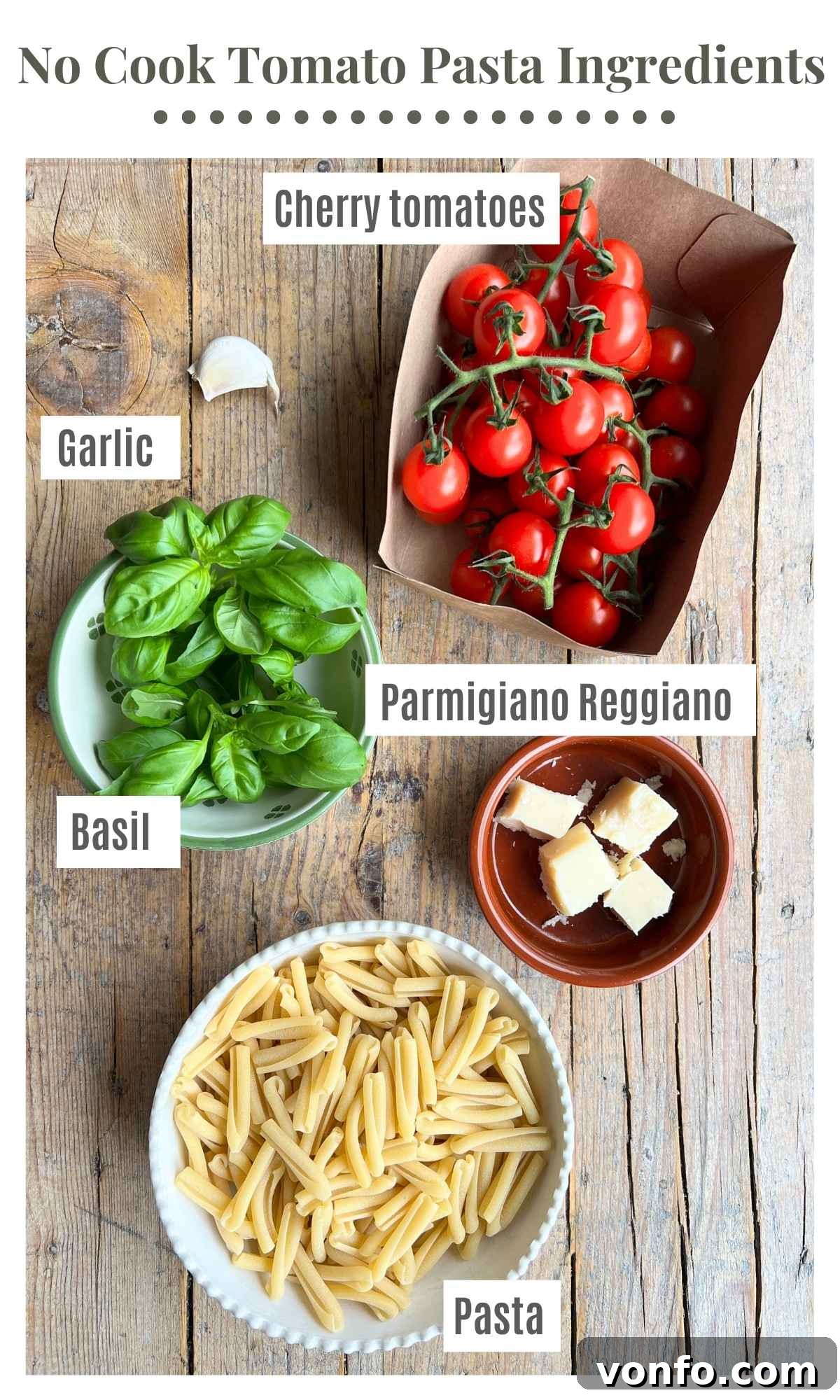
Crafting a truly exceptional no-cook sauce hinges entirely on the quality of your ingredients. Since there’s no heat involved to mellow or deepen flavors, each component must shine on its own. Here’s a detailed look at what to choose for the best results:
- Cherry Tomatoes: The Sweet Heart of the Sauce
The absolute cornerstone of this recipe is the quality of your tomatoes. Opt for good quality, perfectly ripe cherry tomatoes, ideally still on the vine, as they tend to retain more flavor. Cherry tomatoes are preferred for their inherent sweetness and delicate skins, which break down beautifully in the food processor. If you were to use larger varieties like plum or San Marzano style tomatoes, while delicious in cooked sauces, their flavor profile in a raw sauce would be distinctly different and potentially less sweet, possibly requiring additional balancing. Their higher water content might also result in a thinner sauce. Look for vibrant color and a firm, but yielding, texture. - Parmigiano Reggiano: The Salty, Umami Kick
Authentic Parmigiano Reggiano offers an unbeatable depth of salty, nutty, and umami flavors that are crucial for this simple sauce. Its firm texture is also key to achieving the right consistency when processed. While Parmigiano Reggiano is highly recommended for its superior flavor, you can substitute it with Pecorino Romano for a sharper, saltier kick (be mindful of adding extra salt) or Grana Padano for a slightly milder, sweeter note if Parmigiano is unavailable. Always choose a block of cheese and break it into chunks yourself, rather than using pre-grated varieties, which often lack flavor and can have an undesirable texture. - Fresh Garlic: Aromatic Brilliance
Just one clove of fresh garlic is all you need. In a no-cook sauce, raw garlic offers a pungent, bright aroma that complements the tomatoes and basil without overpowering them. Too much raw garlic can be quite intense, so stick to the recommended amount. Ensure your garlic clove is fresh and plump for the best flavor. - Fresh Basil: The Essence of Summer Herbs
Fresh basil is non-negotiable for this recipe. Its sweet, peppery, slightly minty notes are the quintessential flavor of Italian summer cooking. A large handful (about 1 cup, loosely packed) provides ample aroma and taste. Avoid dried basil; its flavor simply won’t compare in a fresh, raw sauce. The vibrant green leaves also add a beautiful visual appeal to the finished dish. - Pasta: The Perfect Canvas
I strongly recommend using a short pasta shape. The beauty of short pasta, such as casarecce (our favorite for this dish), fusilli, orecchiette, or even penne rigate, is its ability to “catch” and hold the sauce in every nook and cranny. These shapes ensure that each bite delivers a harmonious blend of pasta and the rich, fresh tomato sauce. Long pasta shapes can work, but short varieties really make this dish shine by maximizing sauce adhesion.
Expert Tips for a Flawless No-Cook Pasta Sauce
Achieving the perfect consistency and flavor for this simple sauce is easy with a few key techniques. These tips will help you get it right every time:
- The Art of Cheese Chunking: Don’t Grate Your Cheese
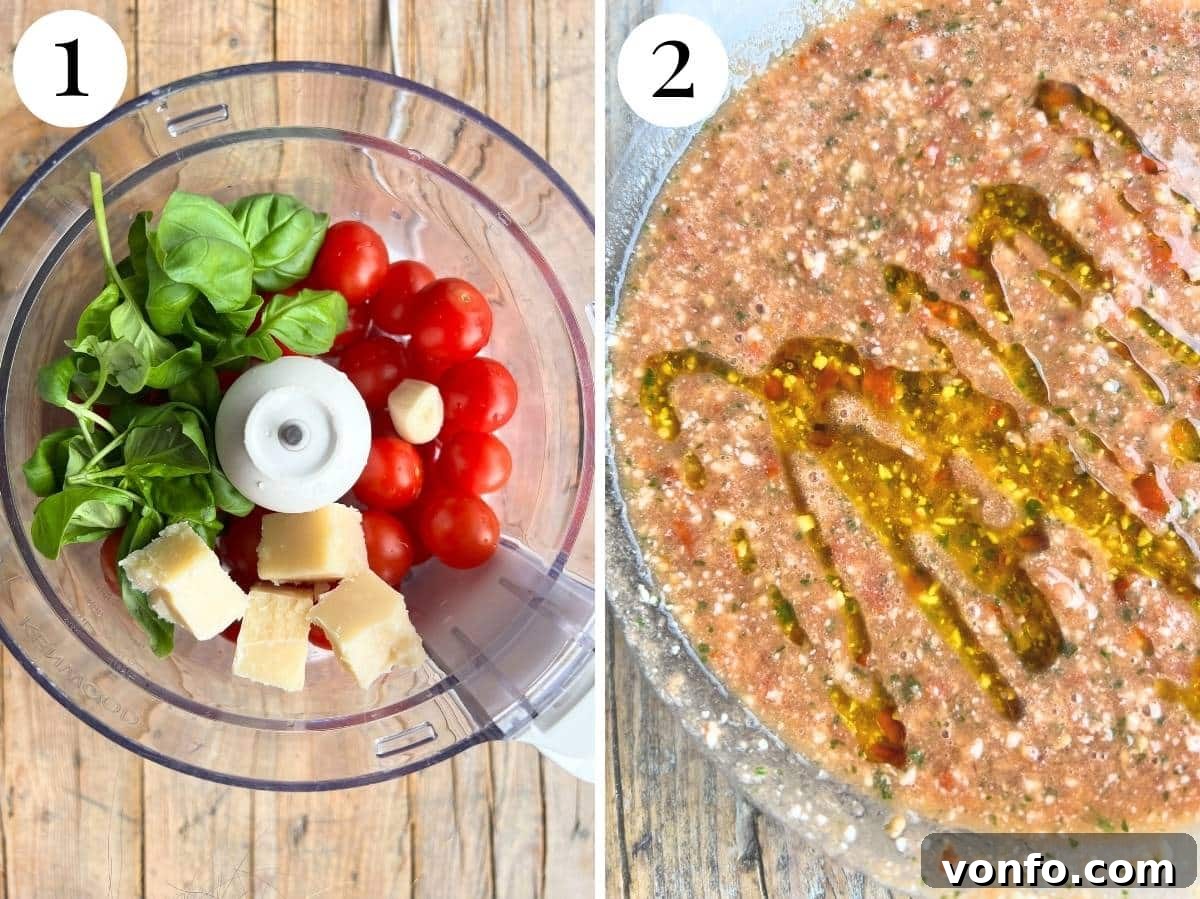
This might seem counterintuitive, but for this particular sauce, resist the urge to grate your Parmigiano Reggiano. Instead, purchase a block of high-quality cheese and break it into irregular, large chunks. When these chunks are processed in a food processor, they break down into fine, yet distinct, pieces that give the sauce a wonderful, slightly granular texture. This is far superior to finely grated cheese, which can sometimes clump or become paste-like, altering the desired mouthfeel of the sauce. The small pieces of cheese cling beautifully to the pasta, distributing its rich flavor evenly. - Sauce Consistency: The Ideal Blend
The goal for this no-cook sauce is a vibrant, fresh consistency that is saucy enough to coat the pasta thoroughly, yet still retains some texture. It should not be a completely smooth purée, nor should it be too chunky. After blending, you should see fine pieces of tomato, cheese, and herbs visibly distributed throughout the liquid. This slightly rustic texture is part of its charm and ensures a burst of fresh flavor with every bite. Refer to the “after” photo above for a visual guide. If your sauce is too thick, a tablespoon or two of the hot pasta water can help loosen it. If it seems too watery, ensure your tomatoes were not overly ripe or watery. - Taste for Seasoning: A Crucial Step
Before mixing with pasta, always taste your blitzed sauce! This is perhaps the most important tip. Tomatoes vary in sweetness and acidity, and cheese varies in saltiness. Start with a pinch of good quality sea salt flakes, stir well, and then taste again. Add more salt if needed, until the flavors pop. A dash of freshly cracked black pepper can also enhance the overall profile. Proper seasoning elevates a good sauce to a great one. - Serving Temperature: Hot or Cold, Your Choice
This pasta is wonderfully versatile in terms of serving temperature.- For a Warm Dish: As soon as your pasta is cooked al dente and drained, transfer it immediately to the bowl with the fresh sauce. The residual heat from the pasta will gently warm the sauce, releasing its aromas and allowing the flavors to meld beautifully. Toss well to ensure every strand or piece is coated.
- For a Chilled Delight: If you prefer a refreshing cold pasta, ideal for hot days or meal prep, simply cool your cooked pasta down first. You can rinse it under cold water to stop the cooking process and chill it quickly, or spread it out on a baking sheet to cool naturally before mixing with the sauce. This makes an excellent make-ahead option for lunch boxes, picnics, or beach trips, allowing the flavors to further deepen as it chills.
Exciting Variations to Elevate Your No-Cook Tomato Pasta
While the classic four-ingredient recipe is sublime, this no-cook tomato sauce is incredibly forgiving and adaptable. Don’t be afraid to experiment and customize it to your taste or what you have on hand. Here are some fantastic ideas to get you started:
- Make it Spicy: A Zesty Kick
For those who love a bit of heat, introduce a pinch of dried chilli flakes (red pepper flakes) directly into the food processor with the other ingredients, or sprinkle them over the finished dish. Adjust the amount to your preferred spice level. A finely minced fresh red chili can also add a brighter, fresher heat. - Herbaceous Twists: Beyond Basil
While basil is traditional and highly recommended, feel free to swap it out or combine it with other fresh herbs. Fresh parsley, with its clean, slightly peppery notes, makes a wonderful alternative. For a more Mediterranean touch, a small amount of dried oregano can be added, though fresh herbs are always superior for this raw sauce. Experiment with fresh mint for a surprisingly refreshing twist, or chives for a delicate oniony flavor. - Nutty Textures: Adding Crunch and Richness
To introduce an extra layer of texture and richness, consider adding a handful of nuts to the food processor. Pine nuts are a classic Italian pairing, offering a buttery flavor. Toasted almonds or walnuts can also provide a delightful crunch and depth. Lightly toasting them before adding can enhance their flavor significantly. - Pasta Salad Style: A Heartier Meal
Transform this simple pasta into a more substantial pasta salad by incorporating a variety of complementary ingredients. This is especially fantastic if you plan to serve it cold:- Proteins: Add cooked and cooled shrimp or prawns for a seafood touch, grilled chicken breast (shredded or diced), canned tuna (drained), or even some cannellini beans or chickpeas for a vegetarian protein boost.
- Marinated or Jarred Veggies: Sun-dried tomatoes (oil-packed, drained and chopped), briny olives (Kalamata or Castelvetrano), salty capers (rinsed), or marinated artichoke hearts can infuse the dish with complex flavors and textures.
- Fresh or Roasted Vegetables: Thinly sliced cucumbers, bell peppers (red, yellow, or orange for sweetness), or blanched green beans can add freshness and crunch. For deeper flavor, consider adding grilled or roasted vegetables like zucchini, eggplant, or more bell peppers, cooled and diced.
- More Cheese: Enhance the creaminess and flavor with fresh mozzarella balls (bocconcini or ciliegine), crumbled feta cheese for a tangy note, or even dollops of creamy burrata torn over the top just before serving.
More Inspiring Summer Dinner Ideas
If you’re loving the simplicity and freshness of this no-cook pasta, you’ll be thrilled to explore more of our summer-friendly recipes. These dishes are perfect for keeping cool in the kitchen while still enjoying incredible flavor.
Pasta
Summer Tuna Pasta Sauce
Pasta
Creamy Zucchini and Stracchino Pasta
Pasta
Paccheri alla Vittorio (Tomato Butter Sauce)
Pasta
Orecchiette alla Positanese (Sausage, Tomato and Burrata)
We hope you’ll give this sensational No-Cook Tomato Pasta Sauce recipe a try! If you do, or if you’ve enjoyed any other recipe from our blog, please don’t hesitate to rate it and share your thoughts in the comments section below. Your feedback means the world to us! To stay updated with more of our delicious food and culinary adventures, make sure to follow us on Facebook, Instagram, and Pinterest. You can also sign up for our Newsletter to get new recipes delivered straight to your inbox every week.
Step By Step Photos Above
Most of our recipes come with step by step photos, helpful tips and tricks to make it perfectly first time and even video!
No-Cook Tomato Pasta Sauce
By Emily
2 minutes
8 minutes
10 minutes
4
servings (small portions)
Pin
Ingredients
- ½ lb (225g) short pasta , (such as casarecce, fusilli, or orecchiette)
- 14 oz (400g) cherry tomatoes, sweet and ripe, washed and thoroughly dried
- 2 oz (50g) Parmigiano Reggiano, cut into large, irregular chunks (do not grate)
- 1 clove fresh garlic, peeled
- 1 large handful fresh basil, (approximately 1 cup, loosely packed)
- 1 tablespoon extra virgin olive oil
- Sea salt flakes, to taste
Instructions
-
Bring a large pot of water to a rolling boil. Add a generous amount of salt to the boiling water (it should taste like the sea). Once boiling vigorously, add your chosen short pasta and cook according to package directions until it is perfectly al dente.
-
While the pasta is cooking, prepare your no-cook sauce. Add the washed and dried cherry tomatoes, the chunks of Parmigiano Reggiano, the fresh basil leaves, and the peeled garlic clove to a food processor. Blitz the ingredients until they are well combined, creating a vibrant, saucy consistency. You’ll need to pause about halfway through and scrape down the sides of the food processor bowl to ensure everything is evenly processed. The final texture should be a smooth yet rustic sauce, with fine, discernible pieces of cheese, tomato, and basil throughout.
-
Carefully transfer the freshly blended sauce to a large mixing bowl. Add a sprinkling of sea salt flakes (remember to taste and adjust!) and 1 tablespoon of good quality extra virgin olive oil. Stir everything together thoroughly to combine all the flavors. Once your pasta is cooked al dente, drain it immediately (reserving a little pasta water if you like, for loosening the sauce if needed) and add it directly to the sauce. Toss well until every piece of pasta is beautifully coated. Serve immediately for a warm dish, or let it cool for a refreshing cold pasta.
Video
Notes
Helpful Info for All Our Recipes
- I always use extra virgin olive oil in all of my recipes unless stated otherwise, preferring high-quality Italian varieties for superior flavor.
- When using canned or jarred tomatoes of any kind, I consistently choose Cirio or Mutti brands. Their consistent quality ensures the best results and authentic Italian flavor in all our dishes.
- All vegetables are assumed to be medium-sized unless specifically stated otherwise in the recipe details.
- All recipes featured on our blog are meticulously tested and developed using a fan (convection) oven to ensure reliable and consistent results for your home cooking.
- Curious about the nutritional breakdown? Find out more about how nutrition is calculated for our recipes.
- Stock your kitchen like an Italian chef with our must-have Italian Pantry Staples.
- Equip yourself with the right gear by exploring our guide to all our Essential Kitchen Tools for Italian Cooking.
Nutrition
Carbohydrates: 47g |
Protein: 8g |
Fat: 15g |
Saturated Fat: 7g |
Polyunsaturated Fat: 1g |
Monounsaturated Fat: 5g |
Trans Fat: 0.4g |
Cholesterol: 27mg |
Sodium: 95mg |
Potassium: 349mg |
Fiber: 3g |
Sugar: 4g |
Vitamin A: 803IU |
Vitamin C: 23mg |
Calcium: 27mg |
Iron: 1mg
Nutrition information is automatically calculated, so should only be used as an approximation.
Did you try this recipe?
We’d love to hear your feedback! Leave a comment below!