
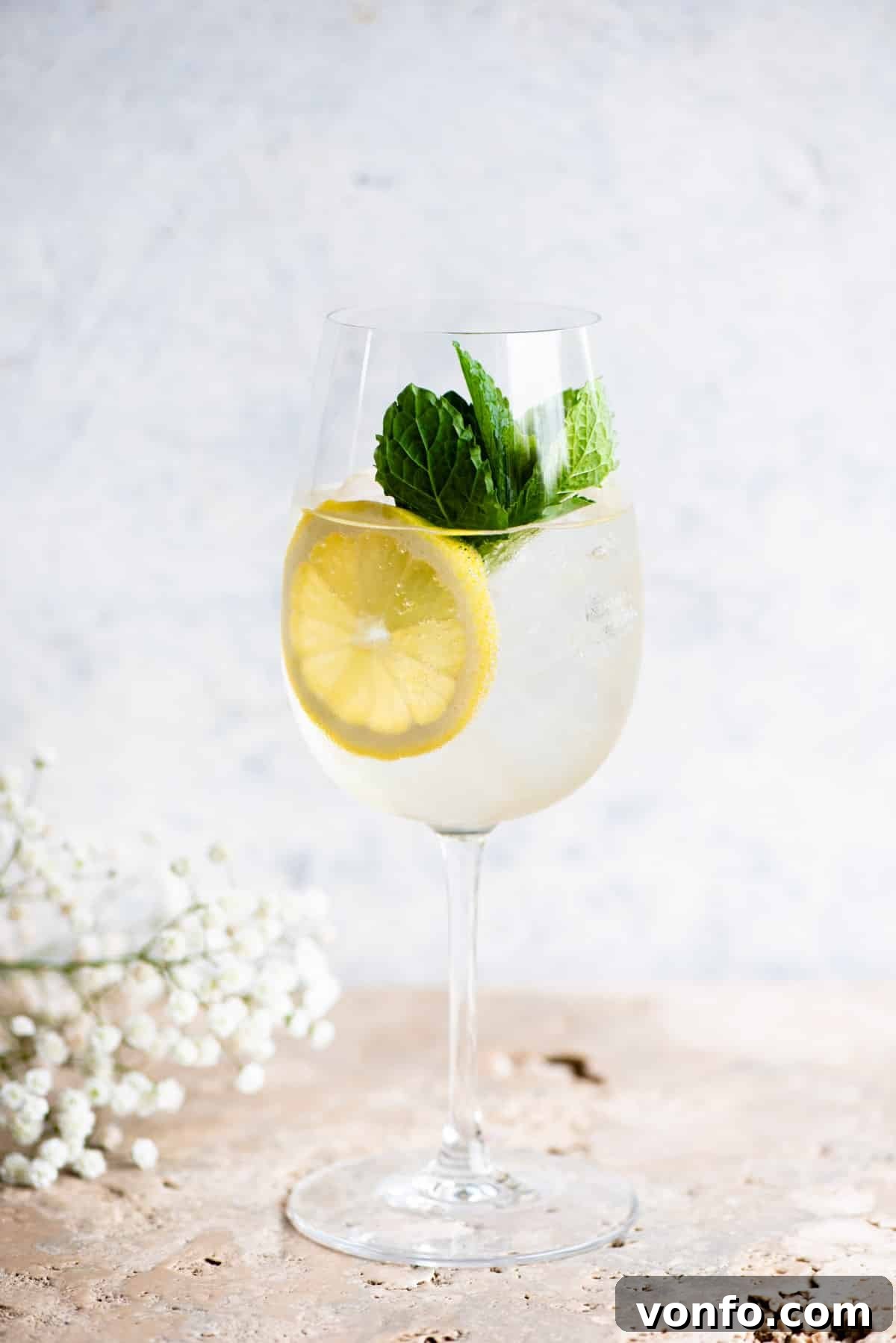
The Ultimate Hugo Spritz: Your Guide to Italy’s Freshest Aperitivo
Step into the vibrant world of Italian cocktails with the **Hugo Spritz**, a captivating and delightfully refreshing drink that has swept across Europe and beyond. Originating from the picturesque region of Trentino Alto-Adige in Northern Italy, this sparkling concoction offers a less bitter, yet equally sophisticated, alternative to its famous cousin, the Aperol Spritz. With its delicate blend of crisp Prosecco, fragrant elderflower liqueur, fresh mint leaves, and a bright slice of lemon, the Hugo Spritz is truly the quintessential drink for warm summer evenings and celebratory gatherings.
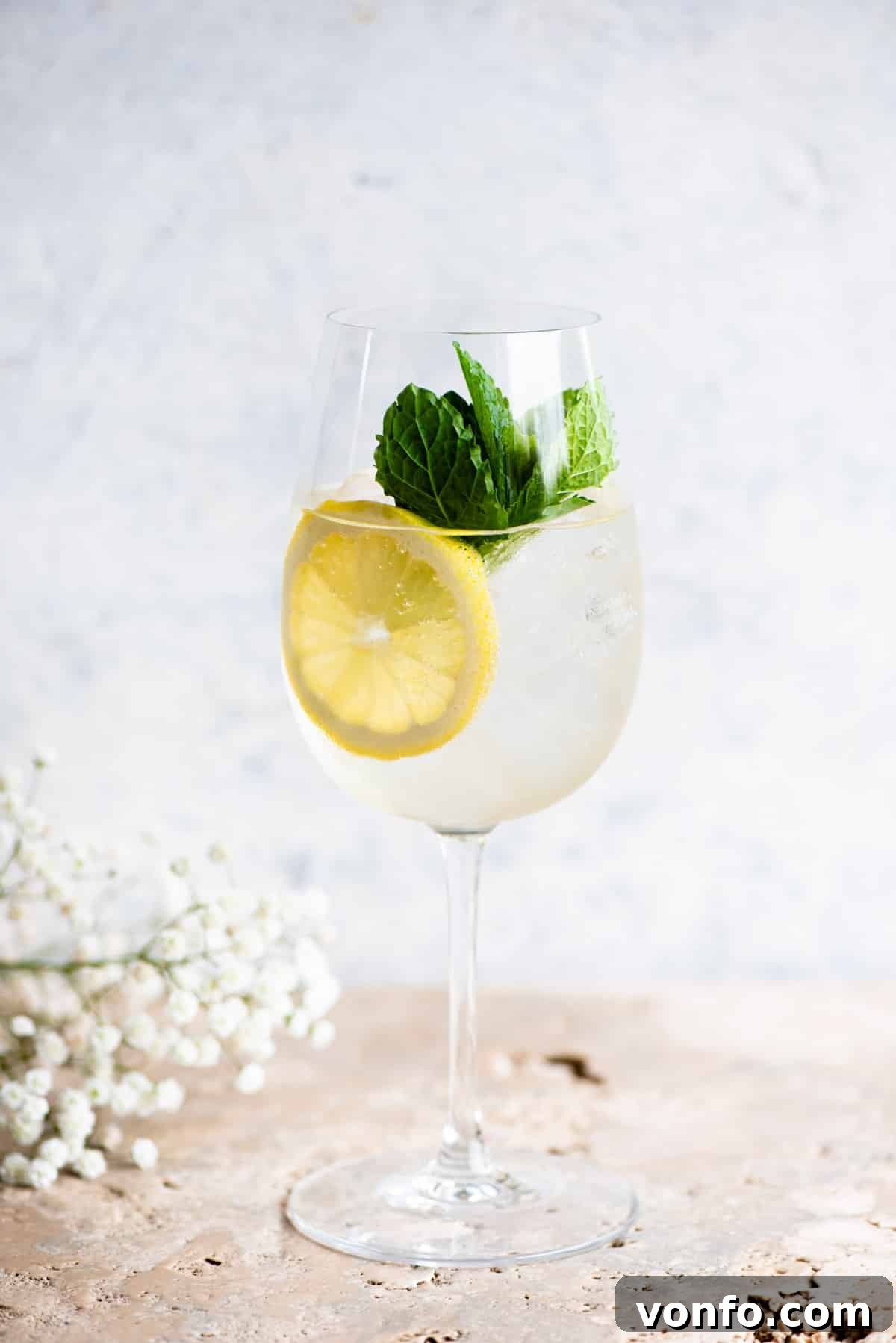
While the Hugo Spritz proudly hails from the stunning mountains of Trentino Alto-Adige, my personal introduction to this enchanting aperitivo came during a sun-drenched trip to the breathtaking Amalfi Coast. It was there, overlooking the sparkling Tyrrhenian Sea, that I savored my first glass, which was notably different from the classic version. Instead of the usual lemon wedges, my Hugo was generously adorned with slices of ripe, summery nectarines. This subtle yet impactful twist created an incredibly delicious and uniquely refreshing experience, perfectly complementing a long day of exploring ancient ruins and charming coastal towns. It instantly became a cherished memory, cementing the Hugo Spritz as a must-have in my cocktail repertoire.
For those who, like me, often gravitate towards the bolder, more bitter notes of an Aperol Spritz, the Hugo Spritz offers a delightful departure without sacrificing any of the Italian charm. Its distinctly floral and subtly sweet profile, brightened by citrus and fresh mint, truly “screams summer” in every sip. If you find bitter cocktails less appealing, or are simply looking for a lighter, more aromatic option, then the Hugo Spritz might just become your new favorite Italian aperitivo.
The Story Behind the Spritz: A Brief History of the Hugo
The Hugo Spritz is a relatively modern invention in the world of classic cocktails, a refreshing newcomer that quickly gained international acclaim. It was conceptualized in 2005 by Roland Gruber, a bartender from Naturno in South Tyrol, Italy (part of the Trentino Alto-Adige region). Gruber was looking for a fresh, local alternative to the popular Aperol Spritz, aiming for a drink that would highlight the region’s natural flavors.
He initially experimented with lemon balm syrup, but soon found that elderflower syrup (or liqueur) provided the perfect balance of sweetness and floral notes, harmonizing beautifully with Prosecco. The name “Hugo” was simply chosen at random, sounding pleasant and easy to remember. What started as a local specialty quickly spread through Northern Italy, Austria, and Germany, before captivating cocktail lovers across the globe. Its light, refreshing nature and elegant simplicity made it an instant hit, especially during the warmer months, embodying the effortless chic of Italian summer living.
Ingredients for Your Perfect Hugo Spritz
Crafting a Hugo Spritz is wonderfully simple, requiring just a handful of quality ingredients to achieve its signature light and refreshing taste. Each component plays a vital role in balancing the flavors, creating a harmonious and utterly delightful beverage.
Ingredient Notes and Substitutions: Elevating Your Cocktail
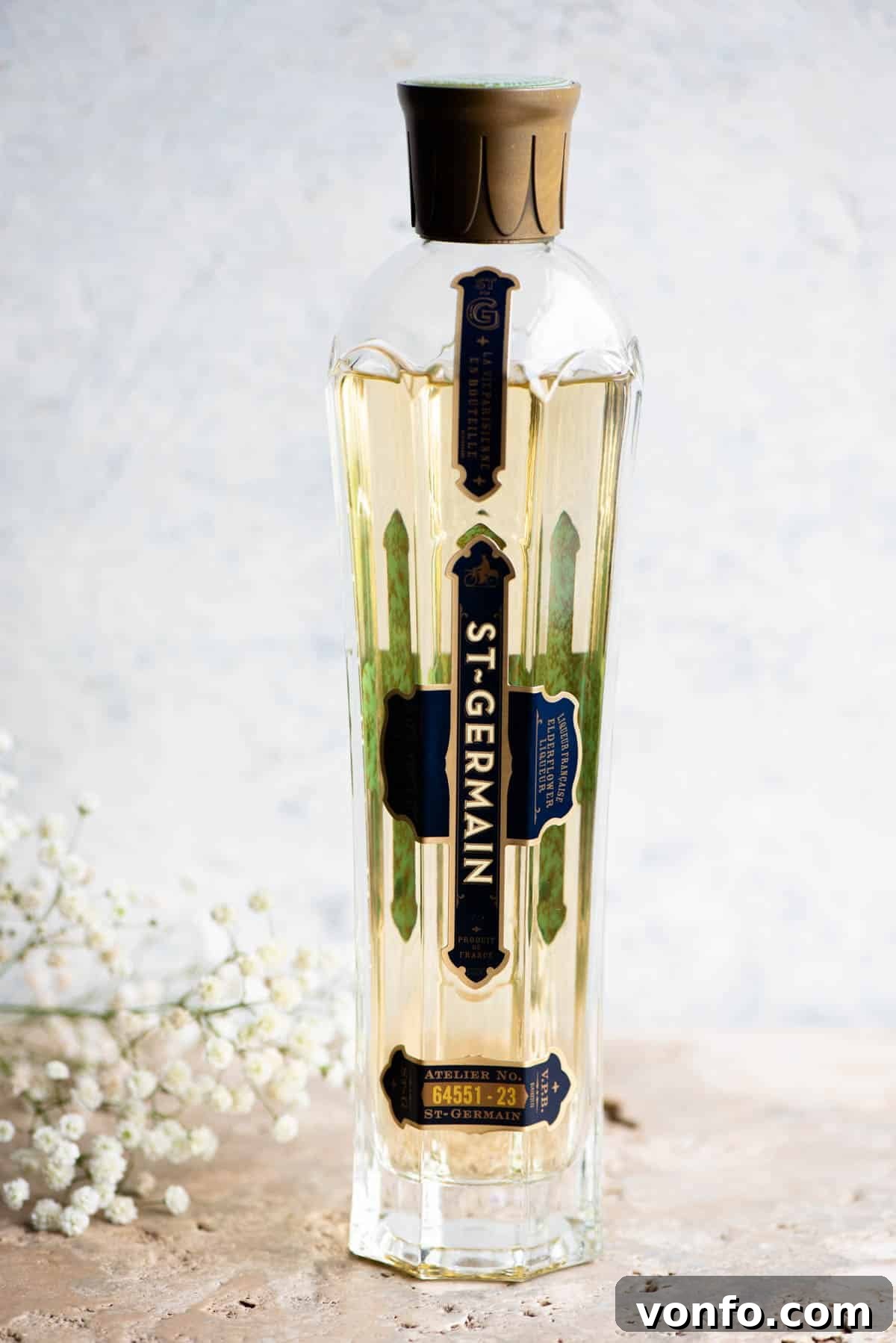
- Elderflower Liqueur: This is the heart and soul of the Hugo Spritz. The most widely recognized and commonly used liqueur is St-Germain (as pictured above), often referred to as “the bartender’s ketchup” due to its versatility and beautiful bottle. It imparts a delicate floral sweetness that is unmistakably Hugo. While St-Germain is highly recommended for its premium quality and accessibility, other elderflower liqueurs or even high-quality elderflower syrup can be used. Just adjust the sweetness to your liking.
- Prosecco: The bubbly base of our spritz! Prosecco, a sparkling wine from the Veneto region of Italy, is ideal for its light, crisp, and often fruity characteristics. Opt for a Prosecco DOC or DOCG, preferably a Brut or Extra Dry, which will provide enough dryness to balance the sweetness of the elderflower liqueur. While other sparkling wines like Cava or even Champagne could work in a pinch, Prosecco offers the authentic Italian taste and effervescence.
- Soda Water: A crucial splash to lighten the drink and mellow out the flavors. Any good quality sparkling water or club soda will do the trick. It helps to dilute the alcohol content slightly and adds extra fizz without altering the core taste profile too much.
- Fresh Mint Leaves: Far more than just a garnish, fresh mint leaves are essential for both their aromatic quality and visual appeal. When gently bruised, they release a refreshing, invigorating scent that beautifully complements the elderflower and lemon. Don’t skip them – they truly make a difference to the overall sensory experience.
- Lemon Slices: The indispensable citrus component. While lime is sometimes suggested, lemon slices are my preference as they provide a crisp acidity that expertly cuts through the sweetness of the elderflower, creating a perfectly balanced drink. Always use fresh lemon for the best flavor and aroma.
How to Make the Perfect Hugo Spritz: Step-by-Step
Creating this Italian masterpiece at home is incredibly straightforward. Follow these simple steps for a flawless Hugo Spritz every time:
Recipe Overview
Prep Time: 2 mins | Total Time: 2 mins | Servings: 1 cocktail
Ingredients
- 1 oz (30ml) Elderflower liqueur (e.g., St-Germain)
- 4 oz (120ml) Prosecco (chilled)
- 1 oz (30ml) Soda water (chilled)
- 1 sprig fresh mint leaves
- 1 slice of lemon
- Plenty of ice
Instructions
- Fill a large wine glass generously with ice. Using plenty of ice ensures your drink stays cold and prevents it from diluting too quickly.
- Add the elderflower liqueur to the glass, followed by the chilled Prosecco. Pour gently to preserve the bubbles.
- Top with a splash of soda water. Stir gently, just once or twice, to combine the ingredients without losing the effervescence.
- Garnish with a fresh sprig of mint and a vibrant lemon slice. Before adding the mint, gently clap it between your hands to release its aromatic oils. Serve immediately and enjoy!
Notes for Success
- Don’t skip the lemon and mint: These garnishes are crucial for cutting through the sweetness of the elderflower and adding a vital layer of freshness and aroma.
- Experiment with citrus: While lemon is traditional, you can certainly use lime for a slightly different tang. Or, for a truly unique twist, emulate my Amalfi Coast experience and add slices of ripe nectarines or peaches! Berries like raspberries or strawberries also make lovely additions.
- Adjust to taste: The beauty of a spritz is its adaptability. Feel free to add more elderflower liqueur for a sweeter, more floral drink, or more Prosecco for a subtle hint of elderflower.
- Chill everything: Ensure your Prosecco, elderflower liqueur, and soda water are all well-chilled before mixing. This minimizes ice melt and keeps your drink perfectly refreshing.
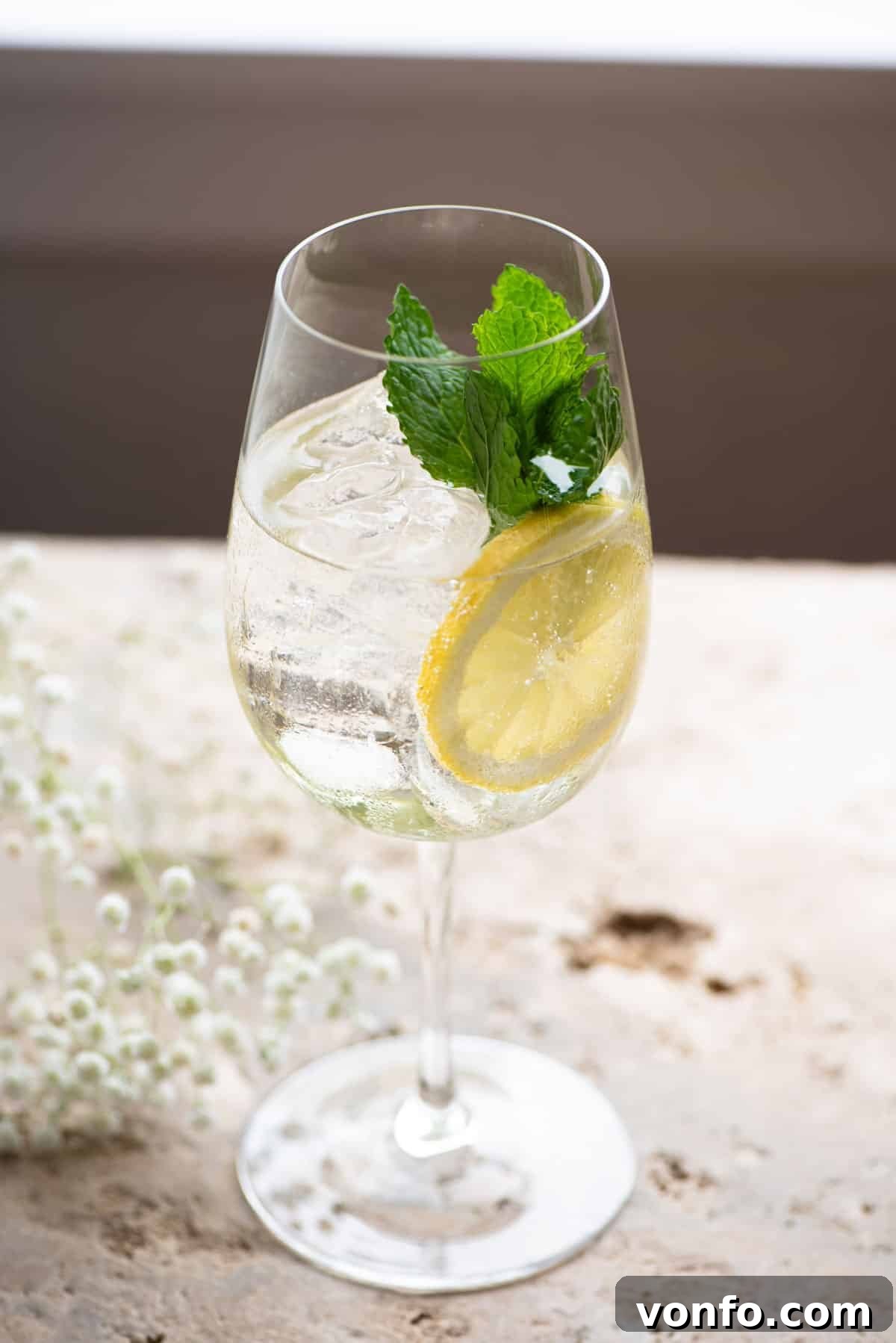
Make it an Aperitivo! Pairings for Your Hugo Spritz
In true Italian style, a delightful cocktail is rarely enjoyed in isolation. The Hugo Spritz, with its light and refreshing profile, is the perfect companion to a selection of small, savory bites – known in Italy as “aperitivo.” These little snacks are designed to whet the appetite and complement your drink, making for a truly authentic Italian experience. Here are some of our favorite light bites that pair wonderfully with a Hugo Spritz:
- Taralli Pugliesi (Crispy Italian Bread Snack): These ring-shaped, savory crackers from Puglia are perfect for crunching alongside your spritz.
- Easy Marinated Olives – Ready In 5 Minutes: A bowl of flavorful marinated olives is a classic aperitivo choice that never disappoints.
- Italian Tuna Stuffed Cherry Peppers: These sweet and tangy peppers, filled with a savory tuna mixture, offer a delightful burst of flavor.
- Pizza Pinwheels with Prosciutto and Gorgonzola: A more substantial bite, these savory pinwheels are always a crowd-pleaser.
- Fried Sage Leaves with Anchovies: For the more adventurous palate, these crispy sage leaves with salty anchovies provide a unique umami kick.
Consider serving your Hugo Spritz with a simple spread of cured meats, artisanal cheeses, grissini (breadsticks), and perhaps some bruschetta for a complete aperitivo spread that transports you straight to Italy.
Hugo Spritz FAQs
What does a Hugo Spritz taste like?
A Hugo Spritz tastes wonderfully light, floral, and subtly sweet, with a crisp, refreshing finish. The dominant flavor comes from elderflower, complemented by the effervescence of Prosecco, a hint of citrus from the lemon, and the fresh aroma of mint. It’s less bitter than an Aperol Spritz, making it a great option for those who prefer sweeter, gentler cocktails.
Is a Hugo Spritz alcoholic?
Yes, a Hugo Spritz is an alcoholic cocktail. It contains Prosecco, which is a sparkling wine, and elderflower liqueur, which is also an alcoholic spirit. The alcohol content will vary depending on the specific brands used and the proportions, but it’s generally considered a relatively light cocktail.
How do you pronounce Hugo?
The name “Hugo” is pronounced as “OO-go” in Italian. The “H” is silent.
What’s the difference between a Hugo Spritz and an Aperol Spritz?
The main difference lies in their flavor profiles and key ingredients. An Aperol Spritz uses Aperol, a bright orange Italian bitter apéritif, giving it a distinctive bittersweet and herbal taste. A Hugo Spritz, on the other hand, uses elderflower liqueur, resulting in a much sweeter, floral, and less bitter profile. Both are refreshing, bubbly, and use Prosecco and soda, but their core flavor characteristics are quite distinct.
Can I make a non-alcoholic Hugo Spritz?
Absolutely! To make a delightful non-alcoholic Hugo Spritz, simply substitute the elderflower liqueur with non-alcoholic elderflower syrup and replace the Prosecco with non-alcoholic sparkling wine or sparkling apple cider. Use soda water, fresh mint, and lemon slices as usual. It’s a fantastic mocktail option that still captures the essence of the original.
More Italian Cocktails to Explore
If you’ve fallen in love with the Hugo Spritz, there’s a whole world of Italian cocktails waiting for you. From vibrant classics to unique regional specialties, these drinks embody the spirit of Italian conviviality.
Drinks
Venetian Select Spritz
Drinks
Giostra d’Alcol (Italian Red Wine Spritz)
Drinks
Classic Negroni Cocktail
Drinks
Sparkling Limoncello Cocktail
Helpful Info for All Recipes
- I always use extra virgin olive oil in all of my recipes unless stated otherwise.
- When I use canned or jarred tomatoes of any kind, I always recommend Cirio or Mutti brands for the best results and flavor.
- All vegetables are medium sized unless stated otherwise.
- All recipes are tested and developed using a fan (convection) oven.
- Find out more about how nutrition is calculated.
- Check out our must-have Italian Pantry Staples.
- You can also find all our Essential Kitchen Tools for Italian Cooking.
Nutrition
Carbohydrates: 12g |
Protein: 0.1g |
Fat: 0.01g |
Polyunsaturated Fat: 0.01g |
Sodium: 14mg |
Potassium: 106mg |
Fiber: 0.1g |
Sugar: 12g |
Vitamin A: 42IU |
Vitamin C: 0.3mg |
Calcium: 14mg |
Iron: 1mg
Nutrition information is automatically calculated, so should only be used as an approximation.
Did you try this recipe?
We’d love to hear from you! Leave a comment below!
If you’ve tried this **Hugo Spritz Cocktail** or any other recipe on the blog, don’t forget to rate the recipe and let me know how you got on in the comments below. Your feedback is truly appreciated! You can also follow us on Facebook, Instagram, and Pinterest, or sign up for our Newsletter to discover more delicious Italian food and drink recipes.