

Table of Contents
- Introduction
- Regional Cuisine
- Daily Life and Eating Habits
- Family and Traditions
- A Recipe to Remember
Introduction
Can you tell us a bit about yourself? What town and region in Italy are you from?
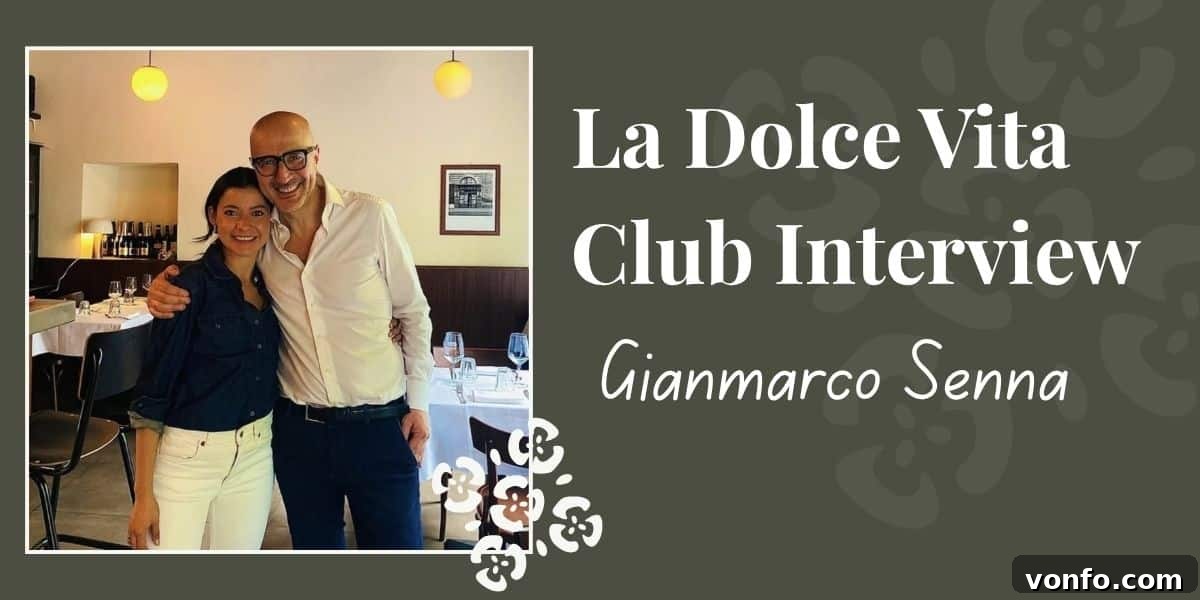
I’m from Milan, born in 1970. In May 2025 we opened Bela Tusa on Via Pietro Borsieri in the Isola neighbourhood. My partner Norma Galdamez manages the bar and brings a mixologist’s touch to our drinks while I focus on the kitchen.
Isola sits beside the modern Porta Nuova towers; our trattoria is on the ground floor a few metres from that development. Inside we cook the kind of food Milanese families used to make at home—simple, seasonal, and rooted in the city’s working-class traditions.
The walls of the trattoria display sixty years of Virgilio Carnisio’s photographs documenting working-class Milan: tenement courtyards, laundry hung to dry, old trattorie and disappearing trades. The images create the atmosphere of an older city preserved within a changing neighbourhood.
Note: the phrase “Si mangia dentro la città che non ce l’ha fatta” literally translates as “you eat inside the city that didn’t make it.” It captures the contrast between the new, modern Milan outside and the traditional, time-honoured food and memories inside the trattoria.
Regional Cuisine
What do the locals eat in your region? Are there specific dishes your region or town is known for?
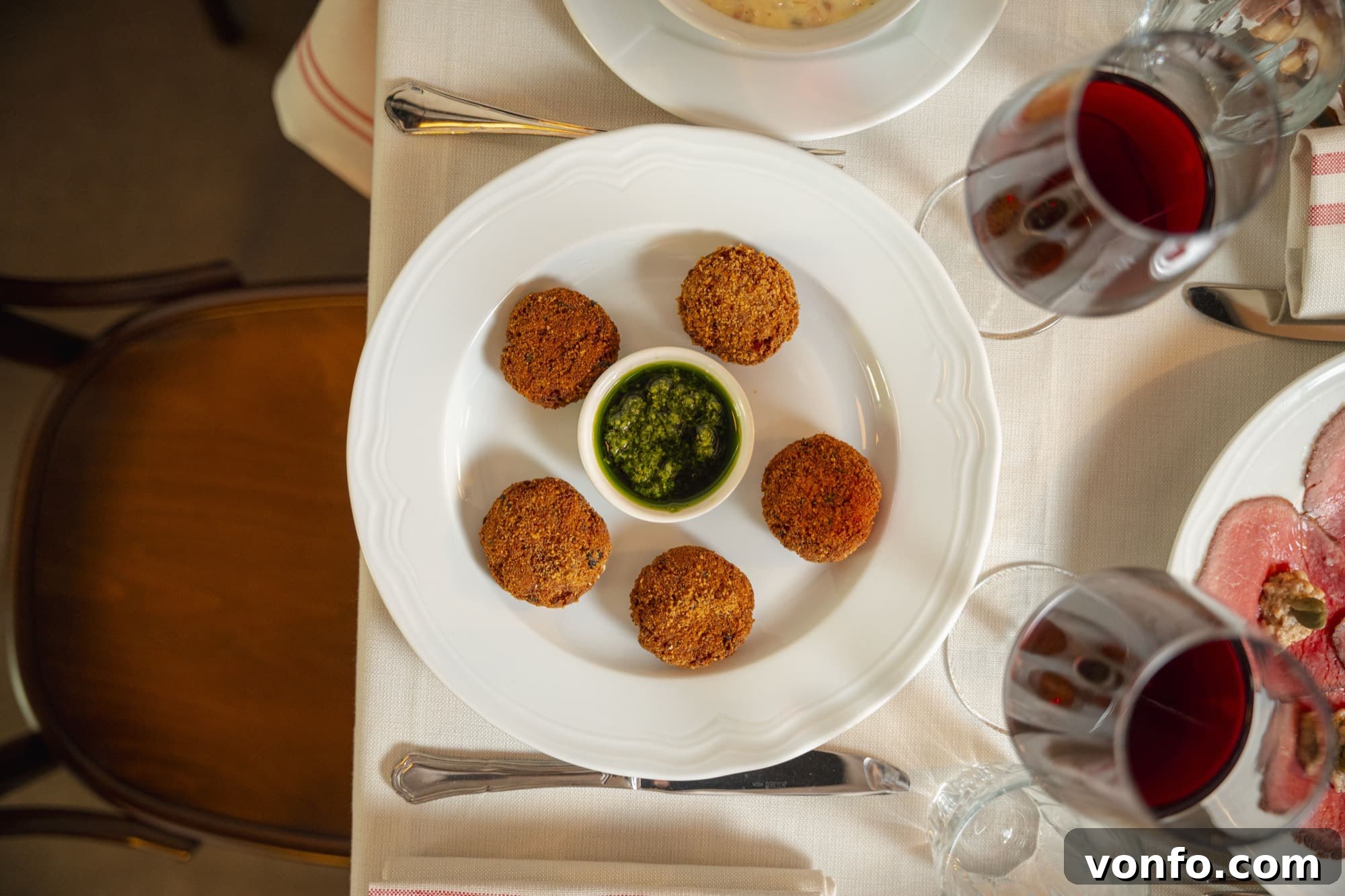
Milan is not primarily a city of pasta and tomato sauce; its cuisine is built on rice and butter. The surrounding rice fields and a tradition of using butter as a cooking fat shaped Milanese cooking for centuries. Signature dishes include saffron-yellow risotto with ossobuco, costoletta alla Milanese (bone-in cutlet), mondeghili (fried meatballs made from leftover boiled beef), cassoeula in winter, and rich preparations like beef cheek.
Mondeghili carry the city’s history in their name. The word comes from Spanish albóndiga, itself rooted in Arabic al-bunduqa, meaning small hazelnut. Milan’s long Spanish rule left linguistic traces in the cuisine, especially in the practical recipes of poorer households designed to avoid waste.
How does the cuisine change with the seasons?
Milanese food is defined by the plains and by winter. Autumn and winter are primary seasons: cassoeula, for example, relies on Savoy cabbage that improves after frost, and stews and rich risottos are common. In spring and summer the cuisine lightens: risotto remains central but adapts—recently we served risotto with figs, lemon zest and basil, a seasonal interpretation that proved popular.
Bread is also essential. The michetta, a hollow roll with a thin crust, must be bought early in the morning to be enjoyed the same day. In the Po Valley’s humidity, bread stales quickly, so the michetta was developed to be eaten fresh and local bakers still bake that way.
What should a first-time visitor try?
At the table: saffron risotto with ossobuco, mondeghili and costoletta—these are the emblematic Milanese dishes. Outside: visit a bakery before ten a.m. for a michetta and learn about the city’s culinary roots by visiting historic workers’ canteens such as the Cucine Economiche, which opened in December 1883 to feed labourers affordably. Milanese cuisine was born in places like that, not in restaurants.
Daily Life and Eating Habits
Can you share what you eat on a typical day?
I wake early and now start the day with orange juice instead of coffee. Lunch is my main meal and usually substantial; evenings are lighter so I don’t go to bed full. On non-working days I enjoy eating out and consider it a pleasure. I often eat alone at lunchtime and sometimes in the evening, preferring familiar places where I see friends and feel at home. At home my fridge typically holds fruit and dark chocolate.
Family and Traditions
What does Pranzo della Domenica (Sunday lunch) look like in your home?
Sunday lunch is a nostalgic memory. When I was a boy it was a large family gathering with my Nonna cooking. Since starting my work in restaurants, Sunday has often been a busy working day instead. When possible, family gatherings still take place in a trattoria rather than at home.
What dishes are typical at Christmas?
Classic Christmas dishes in Milan include ravioli in broth and capon, followed by Panettone for dessert. Panettone is Milanese by origin and we often serve it with a mascarpone cream called “la salsa mascherpa.” In Milan the main celebration takes place at lunch on December 25th, a regional difference from the south where the feast is often on Christmas Eve.
A Recipe to Remember
Gianmarco shared two recipes used in our trattoria, written by chef Luca Di Lorenzo. They reflect practical, traditional cooking—especially mondeghili, a recovery dish made from leftover boiled or braised meats such as ossobuco trimmings and beef cheeks. If you make them from meat purchased for the purpose, you will get a good meatball but not the historic flavour of a true mondeghilo.
MONDEGHILI (Deep Fried Meatballs)
Serves 5 to 6, about 28 meatballs
Ingredients and method: stale bread soaked in cold water; braised veal and beef passed through the mincer warm with mortadella and softened bread; lean minced beef, eggs, grated Grana Padano, salt, garlic powder, parsley and lemon gremolada, black pepper, breadcrumbs and seed oil for frying. Work the mixture until compact, shape and slightly flatten the meatballs, coat with breadcrumbs and fry at 180°C. Each raw meatball weighs about 52–53 g; a portion is five.
Tips
Key points: pass warm braised meat through the mincer so it breaks down properly; work the mixture firmly to prevent it falling apart; press out air to avoid cracking while cooking; flatten the meatballs to follow the traditional form, which cooks evenly whether pan-fried in butter or deep-fried as we do.
RUSUMADA (Red Wine Zabaglione)
Serves 2. A nostalgic Milanese preparation of egg yolks beaten with sugar, tempered with red wine and cream. Traditionally given to thin children or those recovering from illness, it is half medicine, half treat. Ingredients: egg yolks, sugar, red wine and single cream. Beat yolks and sugar until pale, add cream then wine, whisk smooth and serve cold. Use pasteurised or very fresh eggs since yolks are not cooked. Typical proportions by volume: red wine 59%, yolk 16%, cream 16%, sugar 8%.