
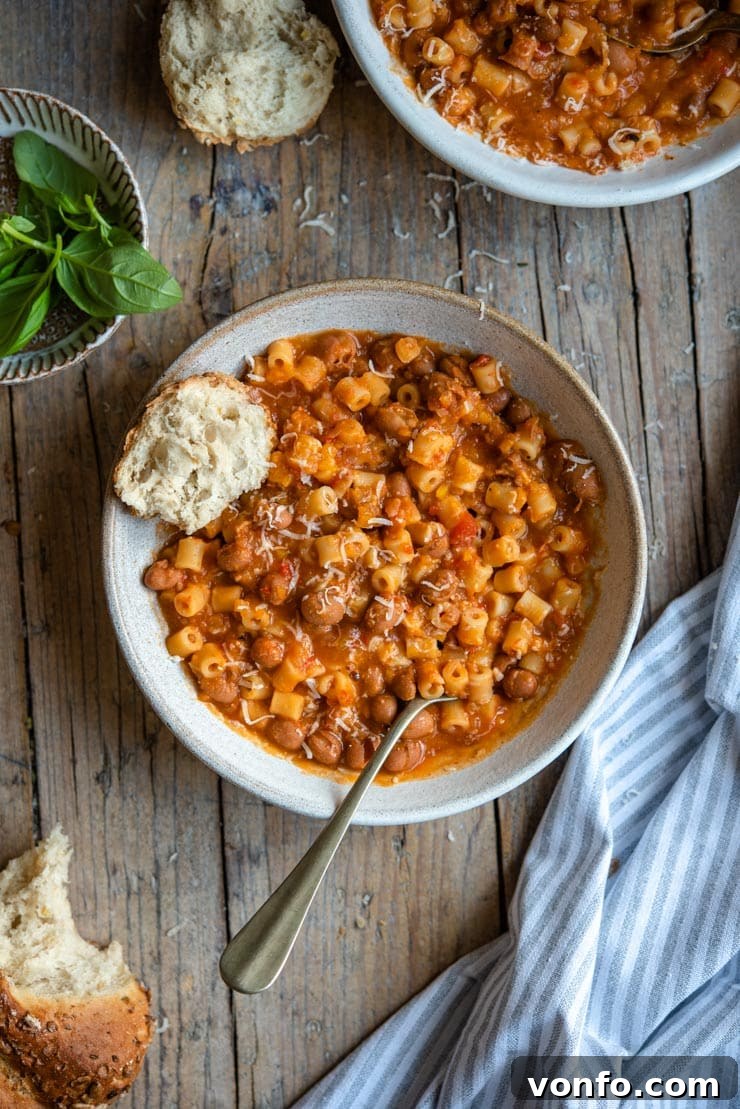
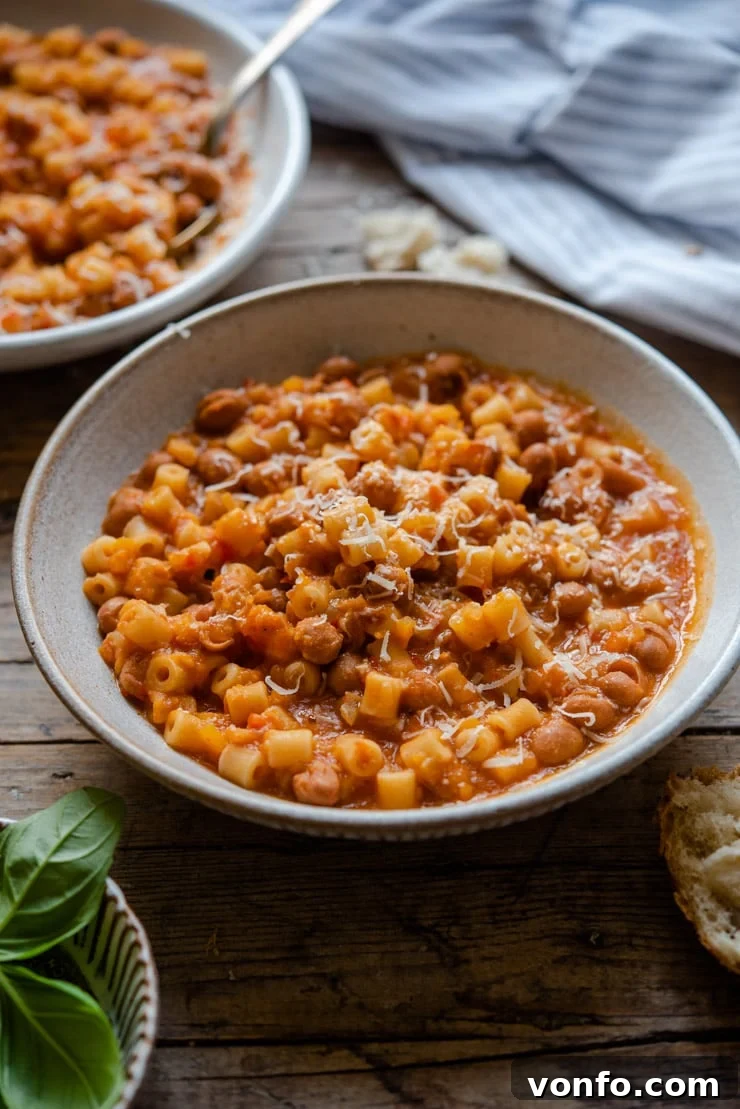
Indulge in the heartwarming embrace of the easiest and most authentic Pasta Fagioli Soup (Pasta e Fagioli). This beloved Italian classic is a symphony of sautéed vegetables, tender borlotti beans, rich tomato, and perfectly cooked pasta, all coming together in a bowl that’s both deeply comforting and incredibly flavorful. Whether you’re seeking a wholesome weeknight dinner or a soul-soothing meal on a chilly evening, this hearty Italian soup is your perfect companion. Serve it piping hot with a generous slice of crusty bread and, if you fancy, a glass of fine Italian vino for a truly memorable experience.
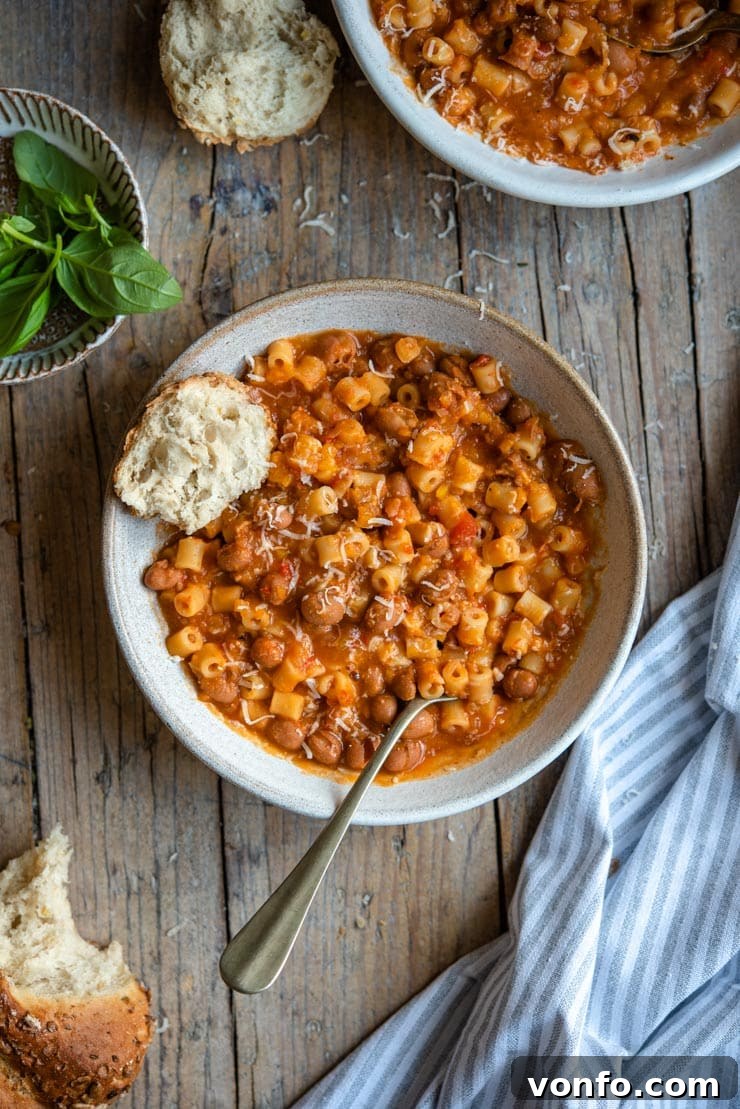
The Ultimate Guide to Authentic Pasta Fagioli Soup: A Heartwarming Italian Classic
Pasta Fagioli, or as it’s known in Italy, Pasta e Fagioli, is more than just a soup; it’s a culinary hug in a bowl. Much like other comforting Italian staples such as Tuscan Farro Soup with Beans or a rich Creamy Mushroom Risotto, this dish offers a profound sense of satisfaction. It’s robust, deeply satisfying, and brimming with layers of incredible, rustic flavor that transport you straight to the heart of Italy.
What makes authentic Pasta Fagioli particularly appealing is its remarkable simplicity and affordability. It embodies the essence of Italian home cooking – transforming humble, inexpensive ingredients into a masterpiece of taste. This recipe promises not only a delightful meal but also a remarkably straightforward cooking process, making it an ideal choice for busy weeknights or a relaxed weekend lunch. Prepare to discover your new favorite hearty Italian bean and pasta soup!
What Exactly is Pasta Fagioli? Unpacking the Italian Name and History
The name “Pasta e Fagioli” literally translates to “pasta and beans” in Italian, a wonderfully straightforward description for a dish that celebrates these two core ingredients. At its heart, this traditional Italian soup typically features small pasta shapes, most commonly ditali, ditalini, or tubetti, combined with hearty beans. While other bean varieties are sometimes used, borlotti beans (also known as cranberry beans) are almost universally considered the authentic choice for their creamy texture and distinctive flavor that beautifully complements the tomato base.
A Brief History of This Beloved Peasant Dish
Pasta Fagioli originated as a “cucina povera” dish, meaning “poor kitchen” cuisine. It was born out of necessity and ingenuity, making the most of readily available and inexpensive ingredients to create a nutritious and filling meal for Italian peasants. Beans, being a staple crop, provided essential protein, while pasta offered carbohydrates and satiety. Over centuries, this simple yet profoundly satisfying combination evolved, with regional variations emerging across Italy, each adding its unique touch while maintaining the core elements of pasta and beans. Today, it stands as a testament to the timeless appeal of wholesome, rustic cooking, cherished in homes and restaurants alike.
Regional Variations: A Tapestry of Italian Flavors
It’s important to note that just like many traditional Italian dishes, Pasta Fagioli is not a monolithic entity. Its preparation varies significantly from region to region, and even from household to household, reflecting the diverse culinary landscape of Italy. Some versions, particularly in the south, might be thicker, almost stew-like, with a richer, more concentrated broth, often incorporating pork products like pancetta or guanciale. Northern versions might be lighter and more “soupy,” sometimes featuring different herbs or less tomato. Our recipe leans towards a thick and chunky, yet still wonderfully soupy, consistency that offers the best of both worlds. However, the beauty of this hearty Italian soup lies in its adaptability; you can easily adjust the thickness by adding more stock or by reducing the amount of pasta to suit your personal preference.
Choosing the Right Beans for Authentic Flavor
For the most authentic and satisfying Pasta Fagioli, borlotti beans are truly paramount. Their unique texture and slightly nutty, earthy flavor are what give this soup its signature character. Borlotti beans, often sold as “cranberry beans” in North America, have a delicate flavor and a creamy interior that blends beautifully into the soup while still holding their shape. If borlotti beans are unavailable or if you’re looking for a quick substitute, cannellini (white kidney beans) can be used. Cannellini beans offer a similar creaminess but with a slightly milder flavor profile. We strongly advise against using other bean varieties, such as black beans or kidney beans, as they simply won’t yield the desired traditional taste and consistency that defines this incredible Italian bean soup.
Pasta e Fagioli vs. Minestrone Soup: Understanding the Key Differences
A common question arises: what distinguishes Pasta e Fagioli from Minestrone? While both are beloved Italian vegetable and pasta soups, they are fundamentally distinct in their composition and character. Understanding these differences enhances appreciation for each unique dish and helps clarify what makes each one special.
Minestrone: The Seasonal Vegetable Showcase
Minestrone is traditionally a celebration of seasonal vegetables. It’s an incredibly versatile soup, often packed with a wide array of ingredients that can change depending on what’s fresh and available in the garden or market. There are truly no strict rules or definitive “classic” recipes for minestrone; almost every Italian household boasts its own cherished version, often varying the vegetables, legumes (sometimes beans, sometimes not), and even the type of pasta used. Minestrone is generally lighter in broth and features more chunky, identifiable vegetable pieces, making it a garden-in-a-bowl experience.
Pasta Fagioli: Focused Flavor and Creamy Texture
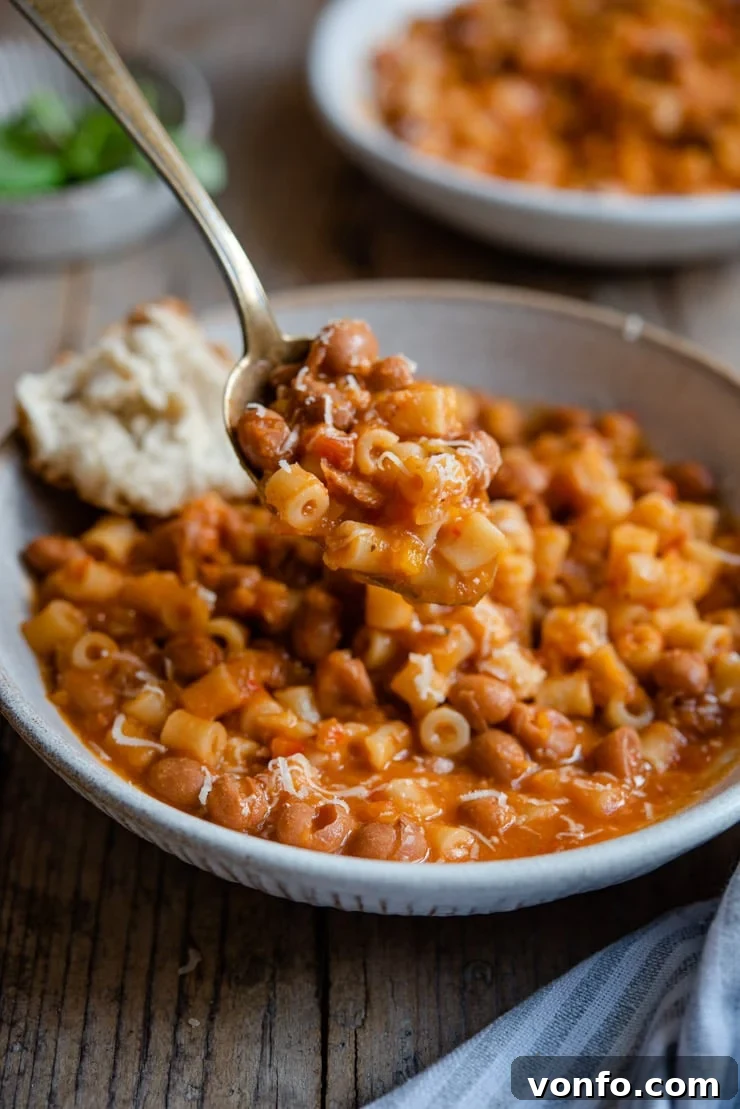
In contrast, Pasta Fagioli Soup adheres to a more defined structure and ingredient list. Its foundation rests on a classic Italian soffritto of finely chopped carrots, celery, and onion, combined with the star ingredients: beans and small pasta. While it possesses a thick and hearty texture, it typically lacks the large, chunky vegetable components often found in minestrone. The distinctive creamy and robust texture of Pasta Fagioli frequently comes from puréeing a portion of the beans and broth, creating a luxurious base that beautifully coats the small pasta shapes. This focus on a specific set of core ingredients results in a consistently rich, comforting, and deeply satisfying flavor profile that sets it apart from its more varied cousin.
How To Make The Best Pasta Fagioli Soup – Step-by-Step Guide
Crafting this delightful Pasta Fagioli is a straightforward process, built on fundamental Italian cooking techniques that ensure maximum flavor. Follow these steps for a perfect bowl of homemade Italian bean and pasta soup every time:
1. Prepare Your Soffritto (Aromatic Base)
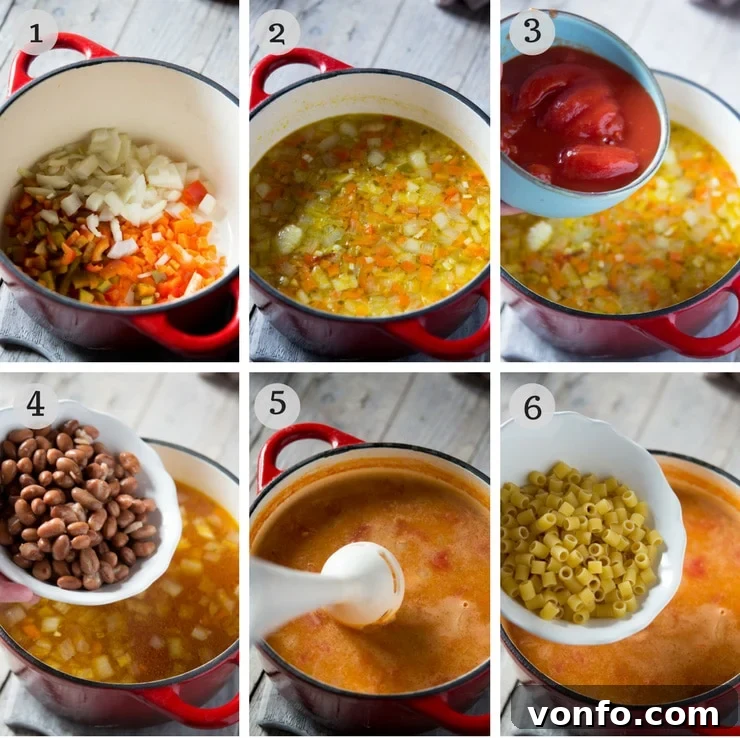
Begin by finely chopping your aromatic vegetables: carrot, celery, and onion. The smaller and more uniform the dice, the better they will “melt” into the soup, contributing to a smooth, flavorful base without overpowering chunks. In a large, heavy-bottomed pot or Dutch oven, heat a generous drizzle of good quality extra virgin olive oil over medium heat. Add the chopped vegetables and sauté them gently for 5-10 minutes, or until they are soft and translucent. This slow sautéing is crucial for developing their natural sweetness and building the foundational flavors of the soup. It’s important not to brown them, as we want to develop their inherent sweetness rather than a caramelized flavor. Once soft, add the minced garlic and sauté for another 1-2 minutes until fragrant, being careful not to burn it, which can make it bitter (see photo 1 in the original guide for visual reference of sautéing).
2. Build the Rich Broth Base
Once your vegetables are perfectly tender and aromatic, pour in the chicken or vegetable stock and the canned plum tomatoes. If using whole plum tomatoes, crushing them with your hands before adding them or using a spoon directly in the pot helps to break them down and release their full flavor into the broth. Bring the mixture to a rolling boil, then immediately reduce the heat to a gentle simmer. Allow it to simmer for at least 10 minutes to allow all the flavors to meld and deepen. This step is essential for creating a rich and aromatic foundation that will define the taste of your Pasta Fagioli (refer to photos 1-2 in the original guide for visual progression).
3. Introduce the Beans and Achieve Desired Texture
Drain and thoroughly rinse your borlotti beans (or cannellini beans) if using canned. Add about half of the beans to the simmering soup and let them cook for 1-2 minutes. This brief simmer allows them to absorb some of the rich broth’s flavor. Now comes a key step for creating the signature texture of Pasta Fagioli: using an immersion (hand-held) blender, carefully blend about half of the soup directly in the pot. This process creates a smoother, thicker, and slightly creamy consistency for the broth while still leaving plenty of whole beans for a delightful textural contrast. If you prefer a completely chunky soup with clearly distinct vegetables and beans, you can skip this blending step entirely. If you don’t have an immersion blender, carefully transfer about half of the soup to a regular blender and blend until smooth, then return it to the pot (see photos 4-5 in the original guide for blending process).
4. Cook the Pasta and Serve Immediately
Finally, add the remaining half of the borlotti beans and your chosen small pasta shape (ditali, ditalini, or tubetti) to the soup. Continue to simmer for another 7-8 minutes, or until the pasta is cooked al dente – tender with a slight bite, but not mushy. The pasta will absorb some of the liquid and further thicken the soup as it cooks. Taste and adjust seasoning generously with salt and freshly ground black pepper as needed. A final drizzle of olive oil or a sprinkle of fresh herbs can enhance the flavors. Once the pasta is perfectly cooked, your flavorful Pasta Fagioli is ready to be served immediately for the best texture and taste (refer to photo 6 in the original guide for the final cooking stage).
Expert Tips for Making the Best Pasta Fagioli Soup
Achieving the perfect Pasta Fagioli is simple with a few key considerations in mind. These expert tips will help you create a soup that’s not only delicious but also perfectly textured and ideal for enjoyment now or later.
- Optimal Pasta Timing for Texture: If you plan to enjoy this soup over several days or anticipate having leftovers, it’s crucial to cook the pasta separately or only add it to the portion you’re about to eat. Pasta, especially small shapes, will continue to absorb liquid and swell, becoming mushy and overly soft if left in the soup for extended periods. To maintain an ideal al dente texture, simply heat up your desired amount of soup and then cook a small handful of dried pasta directly in that portion until tender, just before serving.
- The Best Bean Alternatives: While borlotti beans are traditional and highly recommended for their authentic flavor and creamy texture, cannellini (white kidney) beans are an acceptable and delicious substitute if borlotti are unavailable. They offer a similar creaminess and mild flavor profile that integrates well into the soup. Avoid using other bean types like black beans or pinto beans, as their distinct flavors and textures will significantly alter the traditional taste and consistency of Pasta Fagioli.
- Controlling Your Preferred Soup Texture: This recipe suggests blending about half of the soup to create a thicker, smoother broth while retaining some whole beans for textural interest. This technique yields a satisfying balance. If you prefer a more rustic, chunkier soup, you can skip the blending step entirely. For those who do blend, an immersion blender is incredibly convenient for this task, allowing you to purée directly in the pot without the need for extra dishes or transferring hot liquid.
- Deepening the Flavor Profile: Don’t underestimate the power of seasoning. A pinch of red pepper flakes can add a subtle warmth without making the soup overtly spicy, while a parmesan rind (if you have one) simmered in the broth adds incredible umami depth. Always taste and adjust salt and freshly ground black pepper at the end of cooking, as flavors develop.
- Smart Storage and Freezing Guidelines: Leftover Pasta Fagioli (without pasta) can be stored in an airtight container in the fridge for 2-3 days. For longer storage, freeze the soup (again, *without* pasta) in suitable freezer-safe containers for up to 3 months. When reheating, thaw in the refrigerator overnight, then gently warm on the stovetop. You may need to add a splash of stock or water if needed to reach your desired consistency, and then cook fresh pasta directly in the reheated soup just before serving. This ensures the pasta is perfectly al dente.
Serving Suggestions for a Complete Italian Meal
Pasta Fagioli is a wonderfully hearty and substantial meal on its own, requiring very little in the way of accompaniment. Its rich flavors and satisfying textures make it a stand-alone star, but a few simple additions can elevate the experience even further, transforming it into a complete and authentic Italian meal.
- Crusty Italian Bread: This is a non-negotiable accompaniment! A large hunk of crusty artisan bread, such as ciabatta or a rustic country loaf, is absolutely essential for “fare la scarpetta” – the delightful Italian tradition of mopping up every last drop of that flavorful broth from your bowl.
- A Drizzle of High-Quality Extra Virgin Olive Oil: A final drizzle of your best extra virgin olive oil just before serving adds a beautiful sheen, a peppery note, and an extra layer of richness and fruity aroma to the soup.
- Freshly Grated Parmesan: A generous sprinkle of freshly grated Parmigiano Reggiano or Pecorino Romano cheese adds a salty, nutty, and umami kick that perfectly complements the robust flavors of the soup. It’s a classic pairing that shouldn’t be missed.
- Fresh Herbs for Garnish: A scattering of fresh parsley or basil, finely chopped, not only adds a vibrant pop of color but also brightens the overall flavor profile with its fresh, aromatic notes.
- A Glass of Italian Vino: For a truly authentic Italian dining experience, pair your Pasta Fagioli with a glass of wine. A light-to-medium bodied red such as Chianti, Sangiovese, or Valpolicella would be ideal. If you prefer white wine, a crisp Vermentino or Pinot Grigio can also complement the flavors beautifully.
- Simple Side Salad: If you desire a little freshness and contrast to cut through the richness of the soup, a simple green salad with mixed greens, a few cherry tomatoes, and a light vinaigrette makes an excellent and refreshing companion.
Creative Variations & Customizations for Your Pasta Fagioli
While the classic Pasta Fagioli recipe is perfect as is, it’s also wonderfully adaptable to various tastes and dietary needs. Here are some ideas to inspire your culinary creativity and switch things up, allowing you to personalize this comforting Italian classic.
- Add a Savory Kick with Pancetta or Bacon: For an extra layer of savory, smoky flavor, many traditional recipes incorporate cured pork. Start by frying diced pancetta or good quality bacon in the pot before adding your vegetables. Cook until crispy, then remove the pancetta, leaving the rendered fat in the pot to sauté your soffritto. Add the crispy pancetta back to the soup just before serving for an irresistible crunch and depth of flavor.
- Aromatic Herb Infusion: Incorporate fresh sprigs of rosemary or thyme when you add the stock and tomatoes. These woody herbs infuse the soup with a deep, fragrant aroma that pairs beautifully with beans and tomatoes. Remember to remove the sprigs before blending or serving. A bay leaf can also be added for an extra layer of complexity.
- Spice It Up: If you enjoy a bit of heat, add a pinch or two of red pepper flakes along with the garlic. This provides a subtle spicy kick that awakens the palate without overpowering the delicate flavors of the soup.
- Boost the Veggies: While traditional Pasta Fagioli doesn’t feature chunky vegetables like minestrone, you can certainly add some leafy greens for extra nutrition. Stir in fresh spinach or chopped kale during the last 5 minutes of cooking, allowing them to wilt into the hot soup. Small diced zucchini, finely chopped bell peppers of different colors, or even potatoes could also be added with the stock, cooked until tender.
- Vegan/Vegetarian Friendly: This recipe is incredibly easy to make vegetarian or vegan. Simply ensure you use vegetable stock instead of chicken stock, and omit any optional pancetta or cheese garnishes. The core ingredients – beans, pasta, and vegetables – already form a robust, satisfying, and naturally plant-based meal.
- Umami Boost with a Parmesan Rind: For an incredible depth of savory flavor, add a discarded rind of Parmigiano Reggiano to the soup while it simmers with the stock and tomatoes. It will slowly dissolve, infusing the broth with a subtle nutty, salty richness. Just remember to remove the softened rind before blending or serving.
The Nutritional Benefits of a Hearty Pasta Fagioli Soup
Beyond its incredible taste and comforting qualities, Pasta Fagioli is also a remarkably nutritious dish. It’s a testament to how simple, wholesome ingredients can create a meal that is both profoundly satisfying and beneficial for your health.
- Rich in Dietary Fiber: Beans are an excellent source of dietary fiber, which is crucial for digestive health, blood sugar regulation, and promoting a feeling of fullness, aiding in weight management.
- Good Source of Plant-Based Protein: The combination of beans and pasta provides a substantial amount of plant-based protein, essential for muscle repair and growth, and supporting overall bodily functions.
- Packed with Essential Vitamins and Minerals: The array of fresh vegetables – carrots, celery, onion, and tomatoes – contributes a wealth of vital nutrients, including vitamins like A and C, and essential minerals such as potassium and iron.
- Heart-Healthy Ingredients: Made with heart-healthy extra virgin olive oil and primarily plant-based ingredients, Pasta Fagioli aligns well with Mediterranean eating patterns, which are known for their cardiovascular benefits.
- Budget-Friendly and Sustainable: Utilizing pantry staples like canned beans and pasta, this soup is a fantastic option for nutritious eating without breaking the bank, making healthy meals accessible and sustainable.
Recipe: Classic Pasta Fagioli Soup
Pasta Fagioli Soup
By Emily
10 mins
30 mins
40 mins
4 people
Print Recipe
Ingredients
- 1 tbsp extra virgin olive oil
- 1 medium carrot, finely chopped
- 1 celery stalk, finely chopped
- 1 small red bell pepper, finely chopped (optional, for color and sweetness)
- 1 medium yellow (white) onion, finely chopped
- 2 cloves garlic, minced
- 28 oz (800g) borlotti beans (cranberry beans), canned or pre-cooked, drained and rinsed
- 1 cup (200g) small pasta shape, such as ditali, ditalini or tubetti
- 4 cups (1 liter) chicken stock (or vegetable stock for a vegetarian/vegan option)
- 14 oz (400g) canned plum tomatoes (preferably San Marzano), crushed
- Salt and freshly ground black pepper to taste
- Optional garnishes: fresh parsley or basil, grated Parmigiano Reggiano, extra virgin olive oil drizzle
Instructions
- Prepare the Soffritto: Finely chop the carrot, celery, red bell pepper (if using), and onion. In a large, heavy-bottomed pot, heat the olive oil over medium heat. Add the chopped vegetables and sauté for 5-10 minutes until they are soft and translucent, making sure not to brown them. Add the minced garlic and sauté for another 1-2 minutes until fragrant.
- Build the Broth: Once the vegetables are soft, pour in the chicken (or vegetable) stock and the crushed canned plum tomatoes. Bring the mixture to a boil, then reduce the heat to a gentle simmer. Let it simmer for 10 minutes to allow the flavors to meld and deepen.
- Add Beans and Adjust Texture: Add about half of the drained and rinsed borlotti beans to the simmering soup and cook for 1-2 minutes. For a smoother, thicker texture, use an immersion blender to blitz about half of the soup directly in the pot. If you prefer a completely chunky soup, you can skip this blending step.
- Cook Pasta and Serve: Next, add the remaining half of the borlotti beans and the small pasta shape. Continue to simmer the soup for another 7-8 minutes, or until the pasta is cooked al dente (tender with a slight bite) and the soup has thickened to your desired consistency. Taste and adjust seasoning with salt and freshly ground black pepper as needed. Serve immediately, garnished with fresh parsley, grated Parmesan, and a drizzle of olive oil, if desired.
Video
Notes
- Pasta for Leftovers: If you are not eating this soup straight away or plan for leftovers, it is highly recommended to cook the pasta separately or only add it to individual portions of reheated soup. Pasta will continue to absorb liquid and swell, becoming mushy and overly soft if left in the soup for too long.
- Bean Substitutions: While borlotti beans are traditional and recommended for their creamy texture and specific flavor, cannellini (white kidney) beans are a suitable and delicious alternative.
- Customizing Texture: Adjust the blending according to your preference. Blend about half of the soup for a thicker, slightly creamy consistency, or skip blending entirely if you prefer a more rustic, chunkier texture. An immersion blender is ideal for this task.
- Storage: Leftovers of Pasta Fagioli (without pasta) can be stored in an airtight container in the fridge for 2-3 days. For longer storage, freeze the soup (again, *without* pasta) in suitable freezer-safe containers for up to 3 months. Thaw in the refrigerator overnight and reheat gently, adding fresh pasta when serving.
Helpful Info for All Our Recipes
- I always use extra virgin olive oil in all of my recipes unless stated otherwise.
- When I use canned or jarred tomatoes of any kind, I always recommend Cirio or Mutti brands for the best results and authentic flavor.
- All vegetables are medium-sized unless stated otherwise.
- All recipes are tested and developed using a fan (convection) oven.
- Find out more about how nutrition is calculated on our site.
- Check out our must-have Italian Pantry Staples for stocking your kitchen.
- You can also find all our Essential Kitchen Tools for Italian Cooking.
Nutrition
Calories: 225kcal | Carbohydrates: 34g | Protein: 11g | Fat: 5g | Sodium: 404mg | Potassium: 808mg | Fiber: 10g | Sugar: 6g | Vitamin A: 4355IU | Vitamin C: 56.2mg | Calcium: 74mg | Iron: 2.7mg
Nutrition information is automatically calculated and should only be used as an approximation. It may vary based on specific ingredient brands and preparation methods.
Frequently Asked Questions About Pasta Fagioli
Here are some common questions to help you master this delightful Italian soup:
- Can I use dried beans instead of canned for Pasta Fagioli?
- Absolutely! If using dried borlotti or cannellini beans, you’ll need to soak them overnight (typically 8-12 hours) and then cook them until tender before adding them to the soup. This will extend the preparation time significantly but can offer a richer, more nuanced flavor. Make sure they are fully cooked but still hold their shape and are not mushy before incorporating them into the soup base.
- What if I don’t have the specific small pasta shapes like ditali or tubetti?
- While ditali, ditalini, or tubetti are traditional, you can certainly use other small pasta shapes. Good alternatives include elbow macaroni, orzo, small shells, or even broken spaghetti or fettuccine. The key is to use a pasta that is small enough to be easily eaten with a spoon and blends well with the beans and broth, preventing it from overpowering the other ingredients.
- Is Pasta Fagioli naturally gluten-free?
- No, traditional Pasta Fagioli contains wheat-based pasta. However, you can easily make it gluten-free by substituting with your favorite gluten-free small pasta shape. Ensure all other ingredients, especially your chosen stock, are also certified gluten-free to avoid cross-contamination.
- How can I make this soup thicker, or thinner, to my preference?
- To achieve a thicker consistency, you can blend a larger portion of the soup with an immersion blender. Another method is to mash some of the beans against the side of the pot with a spoon to release their starch, or simply allow the soup to simmer for a longer period (before adding pasta) to reduce the liquid, which will result in a more concentrated and robust broth. For a thinner soup, simply add more chicken or vegetable stock until it reaches your desired consistency.
- Can I add meat to this Pasta Fagioli recipe?
- Yes, many regional variations of Pasta Fagioli include meat for added richness. Diced pancetta, Italian sausage (removed from casing and crumbled), or even a small amount of ground beef or turkey can be browned in the pot before sautéing the vegetables. This adds a wonderful savory depth and can make the soup even more filling.
Concluding Thoughts on Your Authentic Pasta Fagioli Journey
There’s a reason why Pasta Fagioli has been a beloved Italian staple for centuries: it’s simple, soulful, and incredibly satisfying. This recipe invites you to bring a piece of authentic Italian comfort into your kitchen, transforming everyday ingredients into an extraordinary meal. Whether you’re a seasoned cook or just starting your culinary journey, this hearty pasta and bean soup is a rewarding dish to prepare and an absolute joy to savor. It’s a taste of Italy that warms both body and soul.
If you’ve tried this delightful Pasta Fagioli Soup or any other recipe on our blog, we’d love to hear from you! Don’t forget to rate the recipe and share your experience in the comments below, as your feedback truly inspires us! You can also connect with us on FACEBOOK, TWITTER, INSTAGRAM, and PINTEREST for more delicious recipes, Italian cooking tips, and daily kitchen inspiration.