
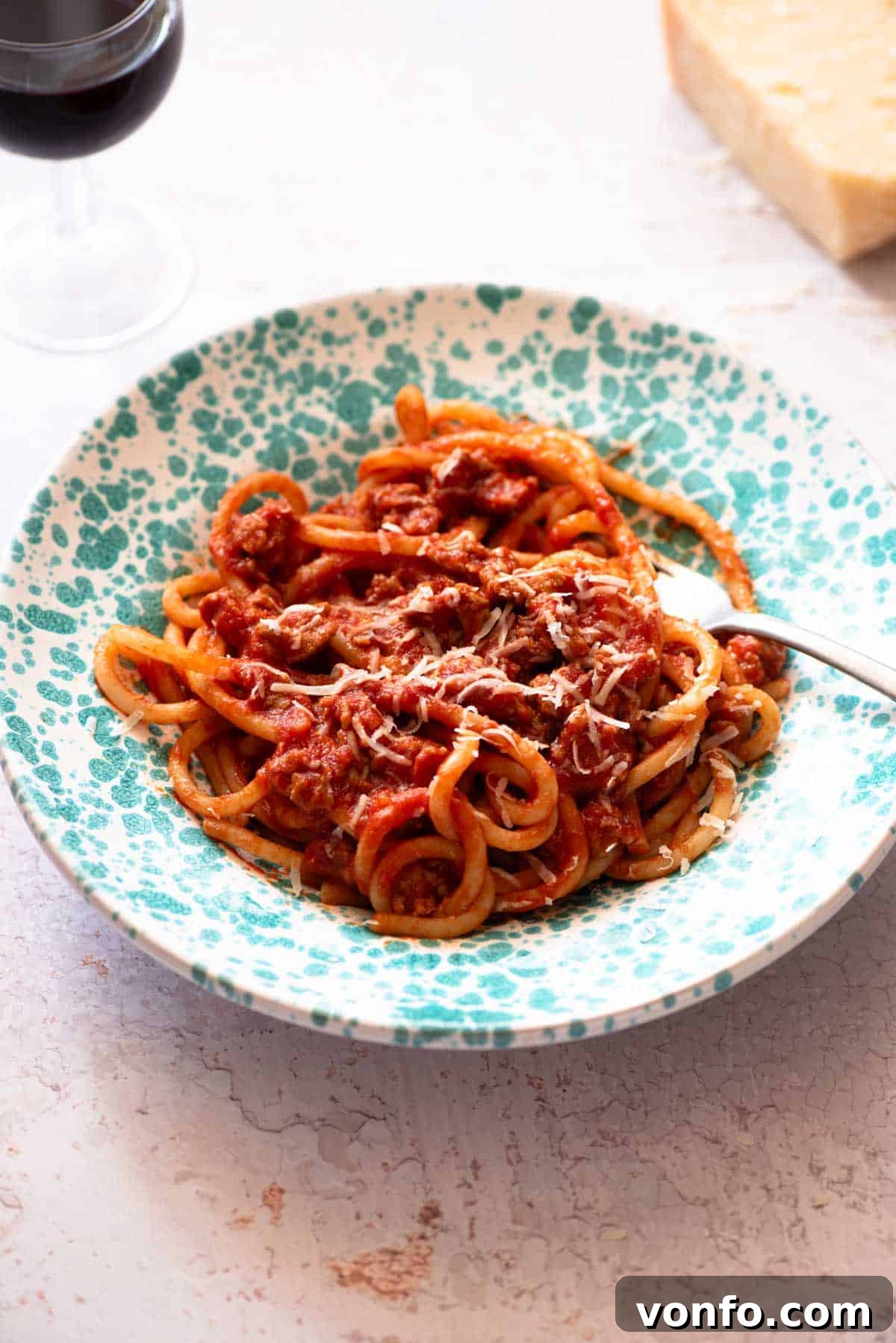
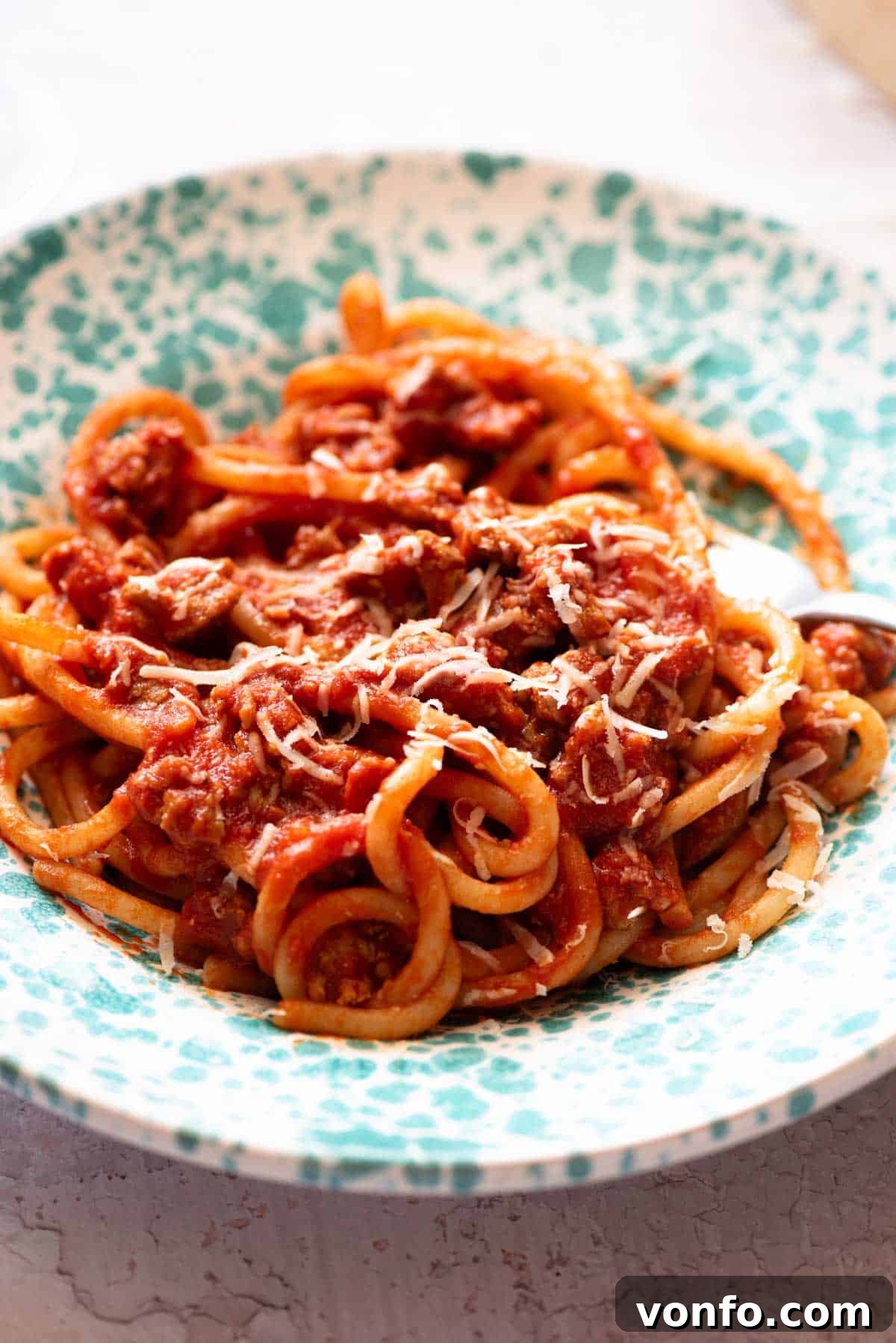
Indulge in the rustic charm and robust flavors of Italy with this incredibly rich and utterly delicious Tuscan Sausage Pasta. This classic dish features savory Tuscan sausages, infused with aromatic fennel seeds and garlic, simmered in a vibrant tomato and white wine sauce. It’s a remarkably easy recipe to prepare, ready to delight your palate in approximately 30 minutes, making it an ideal choice for a busy weeknight or a relaxed weekend meal. Serve it generously with plenty of crusty artisan bread, perfect for soaking up every last drop of the exquisite sauce.
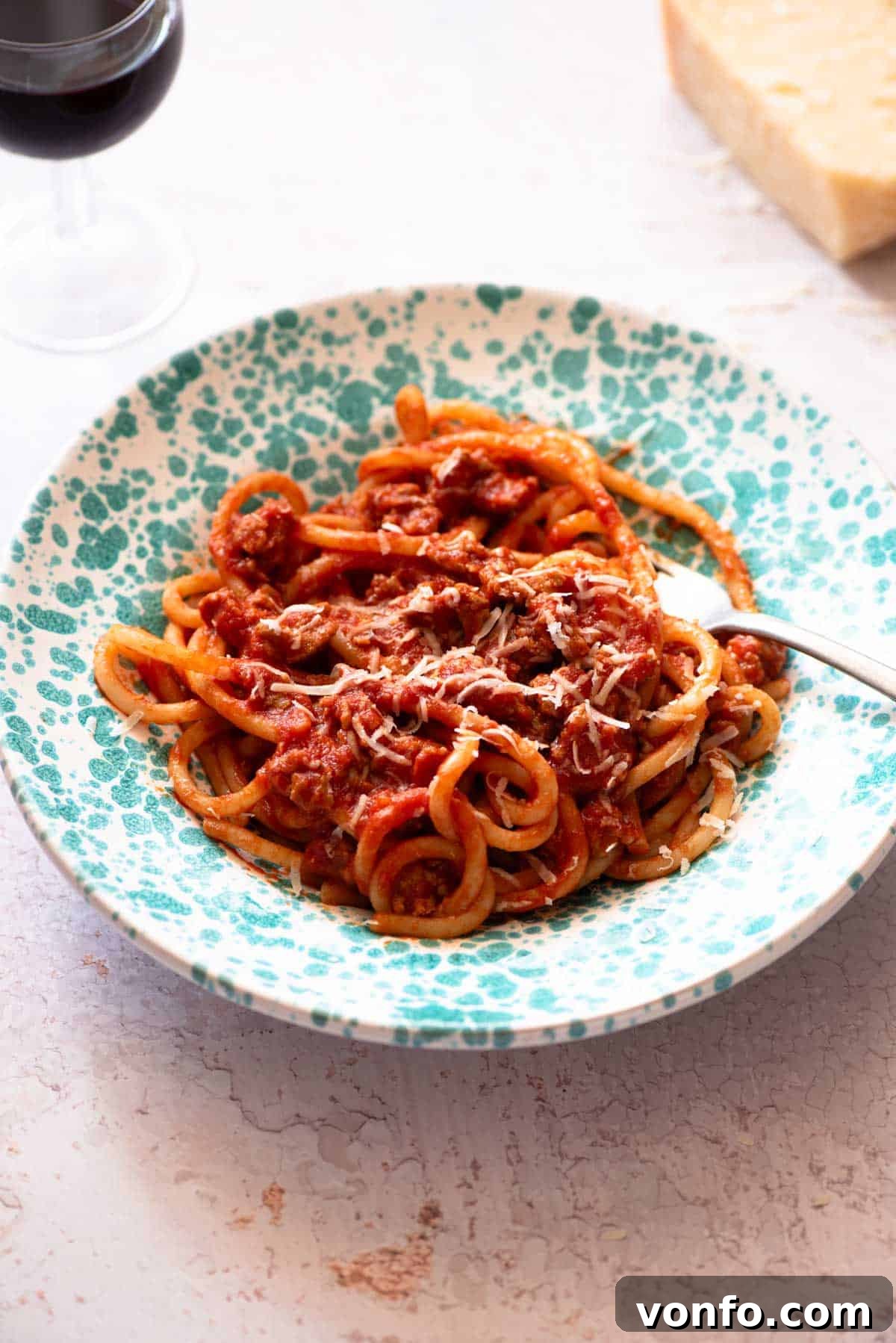
Experience the Heart of Tuscany with Every Bite
This Tuscan Sausage Pasta isn’t just a recipe; it’s a culinary journey to the rolling hills of Tuscany, a dish that embodies the simplicity and profound flavors of Italian home cooking. It’s a perennial favorite in our kitchen, a comforting classic we’ve perfected over many years, and one that never ceases to impress. The secret to its unparalleled depth of flavor lies unequivocally in the quality and character of the Tuscan sausages themselves.
Authentic Tuscan sausages are a gastronomic delight, meticulously crafted with a distinctive blend of red wine, fragrant garlic, and earthy fennel seeds. Their rich, complex flavor profile is further enhanced by generous seasoning, often with a robust amount of salt. This inherent saltiness is why we always recommend tasting the sauce before adding any additional salt, ensuring a perfectly balanced and harmonious dish.
When searching for genuine Tuscan sausages, your best bet is often an Italian supermarket or a specialty deli. However, it’s worth noting that not all Italian sausages are created equal. Regional variations abound, and true Tuscan sausages have a unique taste. We’ve found that Salcis fennel sausages come remarkably close to our ideal, delivering that authentic flavor we crave. If you ever find yourself strolling through Tuscany, be sure to visit a local Coop supermarket; their own-brand sausages are, without exaggeration, nothing short of incredible and an absolute must-try for any food enthusiast.
Why This Tuscan Sausage Pasta Will Become Your New Favorite
Beyond its incredible taste, this pasta dish offers several compelling reasons to earn a permanent spot in your recipe rotation:
- Speed and Simplicity: Despite its gourmet taste, this recipe is surprisingly straightforward and incredibly fast, coming together in about 30 minutes from start to finish.
- Rich and Robust Flavors: The combination of high-quality Tuscan sausage, savory tomato, aromatic fennel, and a hint of white wine creates a deeply satisfying and complex sauce.
- Versatile and Adaptable: While Pici pasta is traditional, this sauce pairs beautifully with various pasta shapes, making it easy to use what you have on hand.
- Comfort Food at its Best: It’s the kind of hearty, flavorful meal that warms you from the inside out, perfect for sharing with family and friends.
- Authentic Italian Experience: Using genuine Tuscan ingredients, or carefully selected alternatives, brings the true essence of Italian cuisine to your table.
Continue reading below for the complete recipe, including detailed notes on ingredients, step-by-step photos, expert tips, and delightful variations. For the full printable recipe card, please scroll to the bottom of the page.
Key Ingredients for Tuscan Sausage Pasta Perfection
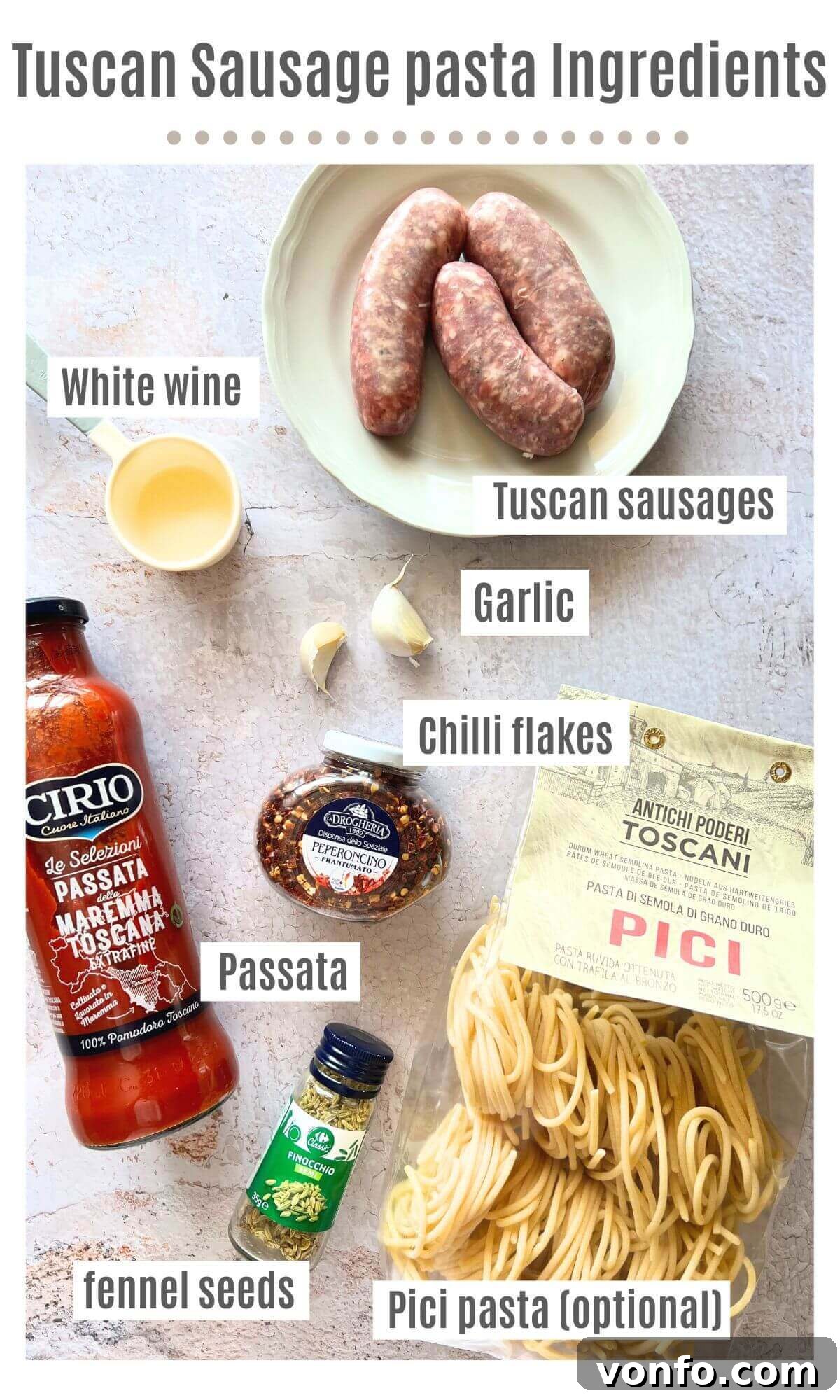
Crafting an authentic Tuscan Sausage Pasta begins with selecting the right ingredients. Below is a visual guide to everything you’ll need, along with essential notes to ensure the best possible flavor and texture.
Ingredient Notes and Expert Substitutions
Each ingredient plays a crucial role in developing the deep, layered flavors of this dish. Here’s what you need to know:
- Tuscan Sausages: These are the star of the show. True Tuscan sausages are typically characterized by a coarse grind, a savory and slightly sweet flavor profile, and the prominent inclusion of fennel seeds, garlic, and often a hint of red wine. If authentic Tuscan sausages are unavailable, opt for high-quality Italian sausages that specifically contain fennel and garlic. Sweet Italian sausage is generally a good substitute. Always choose fresh sausages from a reputable butcher.
- Garlic: Fresh garlic is an absolute non-negotiable for this recipe. Its pungent, aromatic qualities are fundamental to the sauce’s flavor. Do not substitute with dried garlic powder, as it lacks the vibrant punch of fresh cloves. Depending on your preference, 1-2 cloves should suffice, but feel free to adjust to your taste.
- Fennel Seeds & Chilli Flakes: This dynamic duo is a match made in culinary heaven. The fennel seeds echo the flavors in the sausage, adding a warm, anise-like aroma and subtle sweetness. Chilli flakes (or red pepper flakes) provide a gentle warmth, enhancing the overall depth without overpowering the dish. We aim for a subtle heat, but you can adjust the quantity to suit your spice tolerance. For an extra layer of flavor, lightly toast the fennel seeds in a dry pan for a minute before adding them.
- White Wine: A dry, crisp Italian white wine, such as Pecorino or Vermentino, works wonderfully here. The wine not only deglazes the pan, lifting all the flavorful browned bits (fond) from the bottom, but also adds a crucial layer of acidity and complexity to the tomato sauce. If you prefer, a light-bodied red wine can also be used, or for a non-alcoholic option, a good quality chicken or vegetable broth can be substituted, though the flavor profile will be slightly different.
- Passata: Known as tomato puree in the US, passata is a smooth, uncooked tomato product, typically made from strained, ripe tomatoes. The quality of your passata significantly impacts the final taste of the sauce. We highly recommend using premium brands like Cirio or Mutti, which are known for their sweet, rich, and consistent flavor. Avoid using tomato paste (which is much more concentrated) or diced canned tomatoes (which have a different texture) unless specified in a variation.
- Pici Pasta: Hailing from Tuscany, Pici is a thick, hand-rolled pasta, similar to fat spaghetti, celebrated for its wonderfully rustic texture that perfectly clings to rich sauces. While Pici can be challenging to find outside of Italy, it’s surprisingly easy and rewarding to make at home using a simple semolina pasta dough (no eggs required!). If Pici isn’t accessible, this versatile sauce pairs beautifully with other long pasta shapes like spaghetti or tagliatelle, or short, robust shapes such as rigatoni, penne, or trofie, all of which are excellent for catching and holding the thick, flavorful sauce.
- Olive Oil: Use a good quality extra virgin olive oil to start your sauce. Its fruity notes will enhance the overall flavor.
- Salt and Black Pepper: Essential for seasoning. Remember to taste the sauce before adding extra salt, as Tuscan sausages are typically well-seasoned.
- Parmigiano Reggiano: Freshly grated Parmigiano Reggiano is the perfect finishing touch, adding a salty, umami kick and a creamy texture when mixed into the hot pasta.
- Fresh Herbs (Optional): A sprinkle of fresh basil or parsley at the end can add brightness and a lovely aroma.
Step-by-Step Cooking Guide for Tuscan Sausage Pasta
Follow these clear, easy-to-understand steps to create a truly memorable Tuscan Sausage Pasta. Achieving perfection is simple when you know the key techniques.
- Prepare the Sausage: Heat 1 tablespoon of olive oil in a large frying pan or a Dutch oven over medium-high heat. Carefully remove the Tuscan sausages from their casings. Add the sausage meat to the hot pan and break it up vigorously with the side of a wooden spoon. Continue to cook, stirring occasionally, until the sausage is beautifully browned and crumbled. This step is crucial for developing deep, savory flavors.
- Sauté Aromatics and Deglaze: Once the sausage is browned, add the finely chopped fresh garlic, fennel seeds, and chilli flakes to the pan. Sauté for 1-2 minutes, stirring constantly, until the garlic becomes fragrant but takes care not to let it brown, which can make it bitter. Pour in the white wine and increase the heat slightly. Allow the wine to simmer and reduce by half, making sure to scrape up any delicious browned bits (fond) from the bottom of the pan with your wooden spoon; these bits add immense flavor to your sauce.
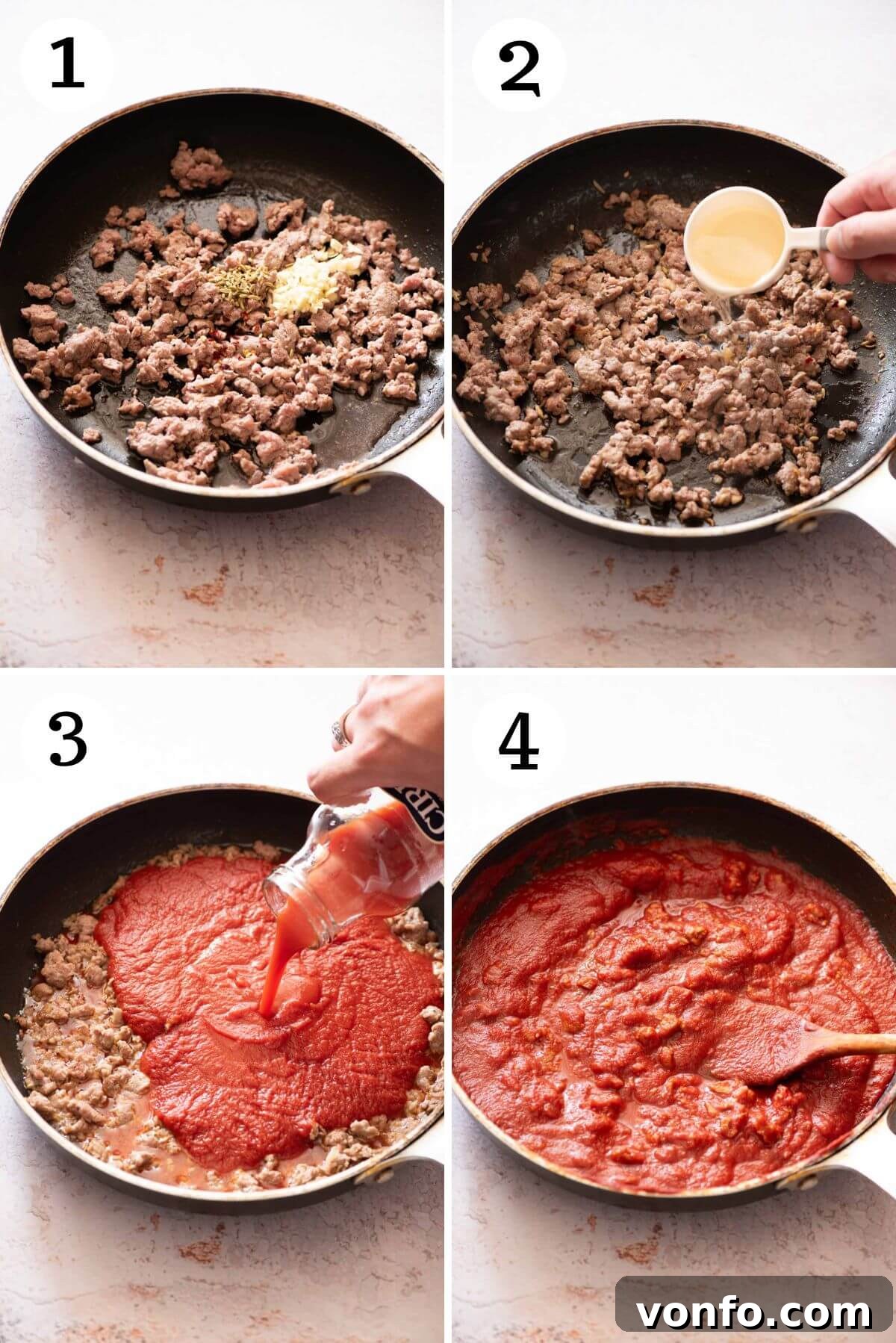
- Simmer the Sauce to Perfection: Introduce the passata (tomato puree) to the pan, stirring all the ingredients together until well combined. Reduce the heat to low, cover partially, and let the sauce gently simmer for 25-30 minutes. This slow simmer allows the flavors to meld beautifully and the sauce to thicken and reduce slightly, concentrating its delicious essence. Towards the end of the simmering time, taste the sauce for seasoning. Add salt and freshly ground black pepper to your preference, remembering that Tuscan sausages are often heavily seasoned.
- Cook and Combine the Pasta: Approximately 10 minutes before your sauce is ready, begin cooking your chosen pasta in a large pot of generously salted boiling water according to the package instructions, until it is perfectly al dente (firm to the bite). If using a long pasta shape, Pici is highly recommended for its texture, but spaghetti or tagliatelle also work well. For short pasta, consider rigatoni, penne, or trofie. Once cooked, drain the pasta, reserving about a cup of the starchy pasta water. Immediately transfer the pasta directly into the simmering sausage sauce. Toss everything together vigorously, ensuring the pasta is thoroughly coated with the rich sauce. If the sauce appears too thick, add a splash or two of the reserved pasta water to achieve your desired consistency.
- Serve and Enjoy: Divide the Tuscan Sausage Pasta among serving bowls. Garnish generously with freshly grated Parmigiano Reggiano cheese and, if desired, a sprinkle of fresh basil or parsley. Serve immediately with extra crusty bread for dipping.
Expert Tips & Frequently Asked Questions
Elevate your Tuscan Sausage Pasta from good to extraordinary with these helpful tips and answers to common queries.
- Embrace High-Quality Ingredients: The foundation of exceptional Italian cooking lies in using the best ingredients. This is especially true for the sausages and tomatoes in this recipe. Invest in premium Tuscan sausages and high-quality passata (Mutti or Cirio are consistently excellent). You’ll taste the difference!
- Always Taste Before Seasoning: As noted earlier, authentic Tuscan sausages are often quite salty due to their curing process. Therefore, it’s crucial to taste your sauce towards the end of cooking before adding any additional salt. You might find it perfectly seasoned already. Adjust with salt and freshly ground black pepper only if necessary.
- Choose Your Pasta Wisely: While Pici offers an unparalleled rustic experience, the sauce is incredibly versatile. For long pasta, consider other rustic options like hand-rolled fettuccine or a good quality spaghetti. For short pasta, shapes like rigatoni, penne, or trofie, with their grooves and crevices, are excellent for capturing every drop of the flavorful sauce. The goal is a pasta shape that complements the hearty texture of the sausage.
- Finish Pasta in the Sauce: This crucial Italian technique allows the pasta to absorb the sauce’s flavors, creating a more cohesive and delicious dish. The residual starch on the pasta also helps to emulsify the sauce, making it richer and silkier.
- Don’t Overcrowd the Pan: When browning the sausage, ensure you’re using a large enough pan. Overcrowding can steam the meat instead of browning it, preventing the development of those delicious caramelized flavors. Cook in batches if necessary.
- The Power of Pasta Water: Always reserve some starchy pasta water before draining. It’s liquid gold! Adding a splash to your sauce helps to adjust its consistency, making it silkier and helping the sauce cling better to the pasta.
Is Tuscan sausage the same as Italian sausage?
While Tuscan sausage is a type of Italian sausage, it’s important to understand that “Italian sausage” is a broad term encompassing numerous regional varieties across Italy. Each region, and even individual towns, often has its own unique sausage recipe. Tuscan sausages, specifically, are typically characterized by their coarse texture, sweet and savory flavor profile, and prominent seasoning with fennel seeds, garlic, and red wine. They tend to be saltier than some other Italian sausages. Other regions might feature different spices (like paprika in some southern Italian sausages), different types of wine, or a finer grind. When looking for a true Tuscan flavor, seek out sausages explicitly labeled as “Tuscan” or “fennel sausage” from Italy.
Can I make this recipe vegetarian?
Absolutely! To make a delicious vegetarian version, substitute the Tuscan sausage with a high-quality plant-based sausage that has a good texture and flavor, or use crumbled firm tofu seasoned with fennel seeds, garlic powder, and a touch of smoked paprika for a savory kick. You could also incorporate sautéed mushrooms or roasted eggplant for extra depth and texture.
How can I store leftovers and reheat them?
Leftover Tuscan Sausage Pasta sauce (without the pasta) stores beautifully in an airtight container in the refrigerator for 2-3 days. Reheat gently in a saucepan over medium-low heat, adding a splash of water or broth to loosen the sauce if needed. If you have leftover pasta already mixed with the sauce, it’s best to eat it within 1-2 days. For optimal freshness, we recommend storing the sauce and pasta separately if possible. The sauce also freezes exceptionally well for up to 4 months in freezer-safe containers.
Explore More Italian Sausage Recipes
If you love the hearty flavors of Italian sausage as much as we do, you’re in for a treat! Here are some other fantastic recipes from our collection that feature this versatile and delicious ingredient:
More Italian Sausage Delights
Pasta
Creamy Tomato Pasta with Italian Sausage
Pasta
Sausage Pasta Bake – Spicy and Creamy
Antipasti
Fried Sausage Stuffed Olives – Delicious And Crispy
Gnocchi
Easy Sausage Ragu With Ricotta Gnocchi
We hope this detailed guide helps you create a truly unforgettable Easy Tuscan Sausage Pasta. If you’ve tried this recipe or any other on our blog, we would be absolutely thrilled to hear from you! Please don’t hesitate to rate the recipe and share your experience in the comments section below. Your feedback and stories are invaluable to us! You can also follow us on Facebook, Instagram, and Pinterest for more culinary inspiration, or sign up for our Newsletter to receive our latest delicious recipes directly in your inbox.
Step By Step Photos Above
Most of our recipes come with step by step photos, helpful tips and tricks to make it perfectly first time!
Easy Tuscan Sausage Pasta
By Emily
5 mins
30 mins
35 mins
4 – 6 servings
Ingredients
- 1 tablespoon olive oil
- 3-4 large Tuscan sausages with fennel (400g), see notes
- 1 clove garlic, minced
- 2 ½ cups (700g) passata (tomato puree US)
- ¼ cup white or red wine (70ml)
- 1 teaspoon fennel seeds
- ½ teaspoon chilli flakes (red pepper flakes)
- 1 lb (500g) Pici pasta (dried or fresh), or other pasta of choice
- Salt and pepper to taste
- Freshly grated Parmigiano Reggiano, for serving (optional)
Instructions
- Heat the olive oil in a large frying pan. Remove the sausages from their casings and break them up with the side of a wooden spoon whilst frying until browned.
- Next, add the chopped garlic, fennel seeds and chilli flakes and sauté for 1-2 minutes until the garlic is fragrant but not browned. Add the white wine and let it reduce by half, scraping up any browned bits from the pan.
- Add the passata and stir everything together. Simmer for 25-30 minutes until the sauce has thickened and reduced slightly. Taste for seasoning and add salt and pepper to taste.
- 10 minutes before the sauce is ready, cook your pasta according to packet instructions until al dente (for long pasta we recommend using Pici or use a short pasta shape such as rigatoni, penne or trofie). Remember to always add your pasta straight into the sauce and toss until thoroughly coated before serving. Serve topped with freshly grated Parmigiano Reggiano.
Notes
- Tuscan sausages – Italian sausages vary significantly from region to region. Tuscan sausages are known for being sweet, heavily seasoned with salt, and include red wine, fennel, and garlic. Look for these specific characteristics or use high-quality Italian fennel sausages as a substitute.
- Use high-quality ingredients – The quality of your sausages and tomatoes makes a huge difference. For passata, we highly recommend trusted brands like Mutti or Cirio.
- Taste before seasoning – Tuscan sausages are inherently salty. Always taste the sauce at the end of cooking and adjust salt and pepper only as needed. You might not need to add any extra salt.
- Pasta – For an authentic experience, use Pici pasta (dried or homemade). If unavailable, other excellent choices for this hearty sauce include long shapes like spaghetti or tagliatelle, or short shapes like Trofie or Rigatoni.
- Storage – The sauce (without pasta) can be stored in an airtight container in the fridge for 2-3 days and reheated in a pan (add a little water to loosen if needed). It also freezes well for up to 4 months. If storing leftover pasta mixed with sauce, consume within 1-2 days.
- Serving Suggestions – This pasta is wonderful on its own, but also pairs beautifully with a simple green salad dressed with vinaigrette, or some steamed green beans. A robust red wine, like a Chianti or Sangiovese, would be an excellent pairing.
Helpful Info for All Recipes
- I always use extra virgin olive oil in all of my recipes unless stated otherwise.
- When I use canned or jarred tomatoes of any kind, I always use Cirio or Mutti brands for the best results and flavor.
- All vegetables are medium sized unless stated otherwise.
- All recipes are tested and developed using a fan (convection) oven.
- Find out more about how nutrition is calculated.
- Check out our must-have Italian Pantry Staples.
- You can also find all our Essential Kitchen Tools for Italian Cooking.
Nutrition
Carbohydrates: 73g |
Protein: 22g |
Fat: 25g |
Saturated Fat: 8g |
Polyunsaturated Fat: 4g |
Monounsaturated Fat: 11g |
Cholesterol: 51mg |
Sodium: 525mg |
Potassium: 830mg |
Fiber: 5g |
Sugar: 7g |
Vitamin A: 581IU |
Vitamin C: 13mg |
Calcium: 55mg |
Iron: 4mg
Nutrition information is automatically calculated, so should only be used as an approximation.