
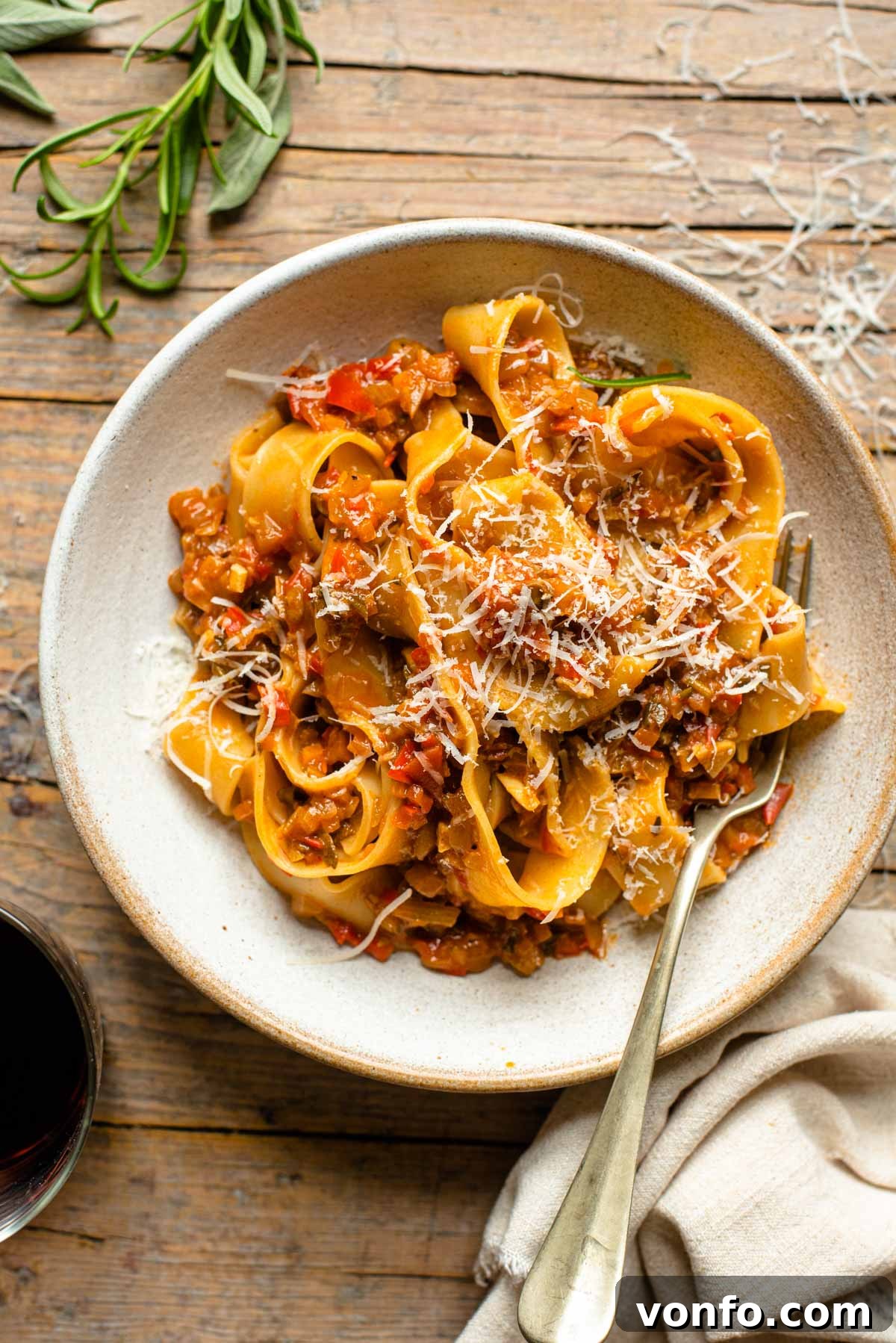
Experience an incredibly rich and deeply flavorful Vegetable Ragu – a delightful meat-free pasta sauce that will surprise even the most avid meat-eaters! Crafted from a blend of wholesome vegetables, aromatic fresh herbs, and savory garlic, this ragu boasts a texture and depth of flavor that rivals traditional meat-based sauces. Perfectly tossed with your favorite pasta and generously topped with freshly grated Parmesan cheese, it’s a dish that promises comforting deliciousness in every bite.
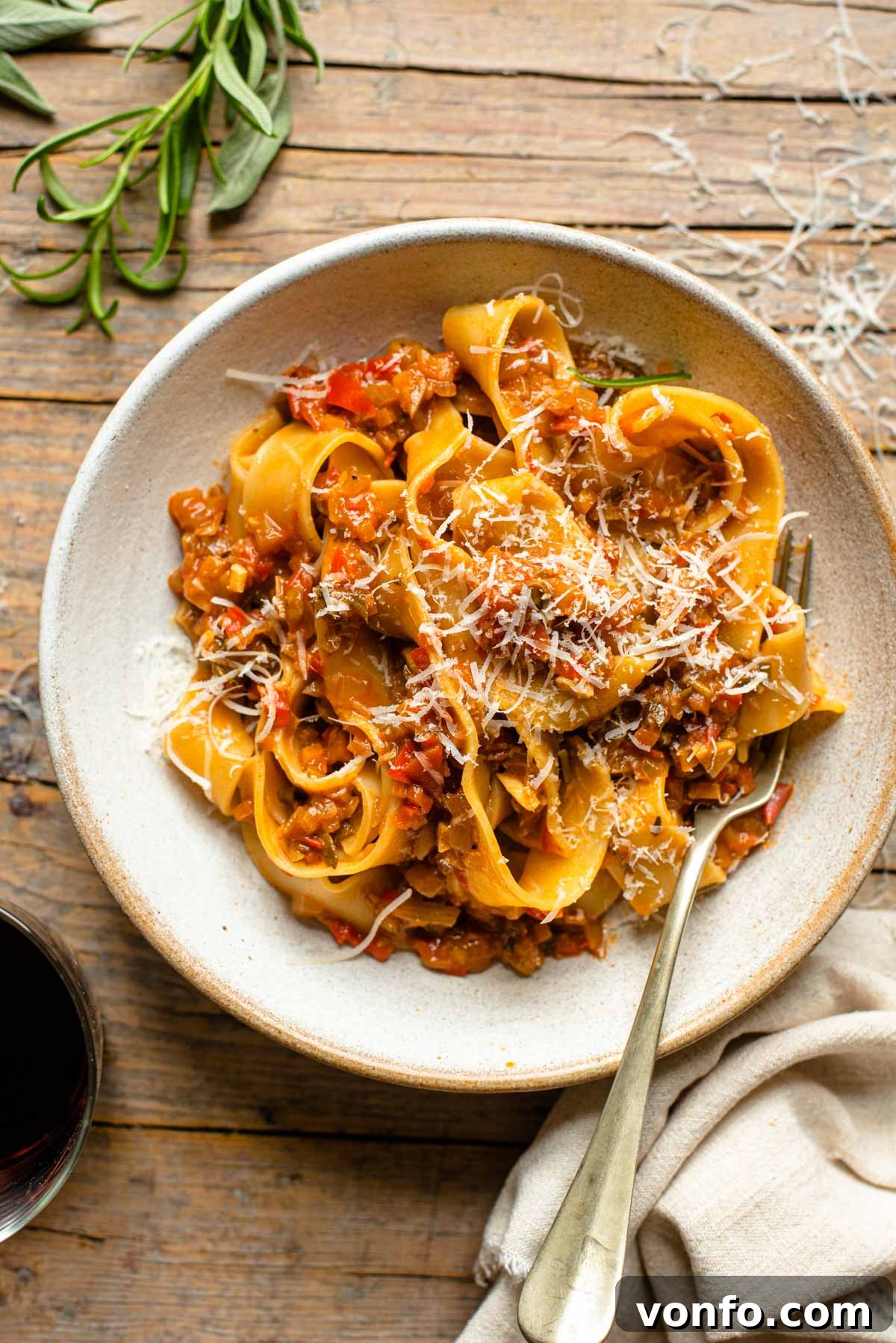
Incredible Vegetable Ragu: Your New Favorite Hearty Meat-Free Pasta Sauce
This Vegetable Ragu isn’t merely an alternative to its meatier counterpart; it stands as a culinary triumph designed to deliver profound satisfaction. With its rich depth of flavor and wonderfully hearty texture, many find it genuinely difficult to believe this sauce is entirely plant-based. The secret to its remarkable character lies in the careful selection of fresh ingredients and a patient, slow simmering process that allows all the flavors to intertwine and intensify. The result is an umami-rich experience, offering all the robustness of a traditional ragu without a trace of meat, making it a perfect choice for vegetarians and anyone looking to enjoy more plant-forward meals.
While the creation of this magnificent ragu requires a dedicated hour of simmering, this timeframe is absolutely crucial for the development of its complex and amazing flavors. Unlike many classic meat ragu recipes that demand several hours, sometimes even an entire afternoon, on the stovetop, this vegetarian version offers a significantly quicker path to a deeply satisfying and comforting meal. This makes it an ideal choice for both bustling weeknight dinners when you crave something special but don’t have all day, and for more relaxed weekend cooking, where its aromas can fill your kitchen.
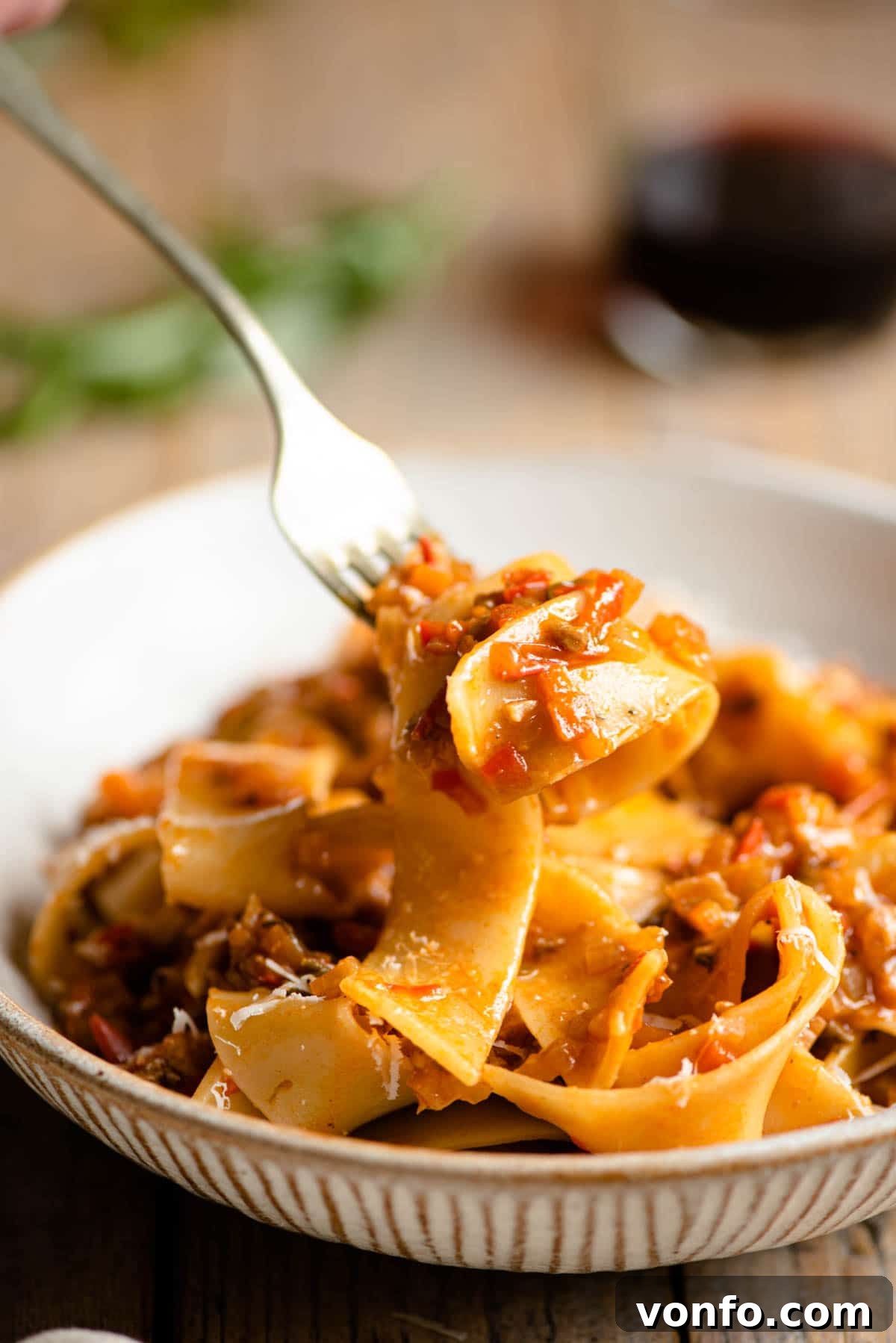
Imagine the delight of serving this exquisite ragu with your preferred pasta – perhaps wide, luscious pappardelle ribbons that are perfect for catching every bit of sauce, or sturdy rigatoni that cradles it beautifully. Generously adorned with freshly grated Parmesan cheese (or a vegan alternative), and accompanied by a side of warm, crusty bread, this meal becomes an unforgettable experience. That bread, by the way, is not just an accompaniment; it’s essential for mopping up every last, flavorful drop of sauce, ensuring absolutely nothing goes to waste and every mouthful is pure bliss.
Why This Vegetable Ragu Will Become a Beloved Staple in Your Kitchen
What sets this particular Vegetable Ragu recipe apart and makes it truly special? It transcends a simple mix of chopped vegetables and tomato sauce. This recipe is meticulously crafted to extract and amplify maximum flavor, creating a profoundly satisfying and memorable dining experience. We achieve this remarkable depth and richness through a combination of thoughtful ingredient choices and time-honored cooking techniques:
- The Unrivaled Power of Umami: Dried porcini mushrooms are the undeniable heroes here, infusing the ragu with an intense, earthy, and deeply savory umami that is often exclusively associated with meat dishes. When rehydrated, they release a magical liquid that becomes a backbone of flavor.
- Aromatic Soffritto Foundation: We start with the quintessential Italian aromatic base – a finely chopped blend of onion, carrot, and celery, known as soffritto. This, combined with a vibrant red bell pepper, slowly cooked down, creates a sweet and savory foundation upon which all other flavors are built.
- Fresh Herb Medley for Complexity: A generous hand with fresh herbs – rosemary, thyme, and sage – provides a fragrant bouquet that elevates the entire dish. These Mediterranean herbs add distinct layers of warmth, earthiness, and a slight peppery note that harmonizes beautifully with the vegetables.
- The Art of Slow Simmering: Patience is indeed a virtue in ragu making. Allowing the sauce to simmer gently for a full hour ensures that the vegetables break down, becoming incredibly tender and almost melting into the sauce, while their flavors become intensely concentrated and unified.
- Luxurious Richness from Butter and Wine: A strategic touch of butter, sautéed alongside olive oil, imparts a luxurious creaminess and exquisite mouthfeel, enhancing the overall richness. A splash of dry white wine introduces a sophisticated tang and complexity, expertly deglazing the pan and deepening the entire flavor profile.
This careful and deliberate combination of ingredients and techniques transforms humble vegetables into an extraordinary, restaurant-quality sauce that is guaranteed to impress everyone at your table, proving that meat is not essential for a truly hearty and flavorful ragu.
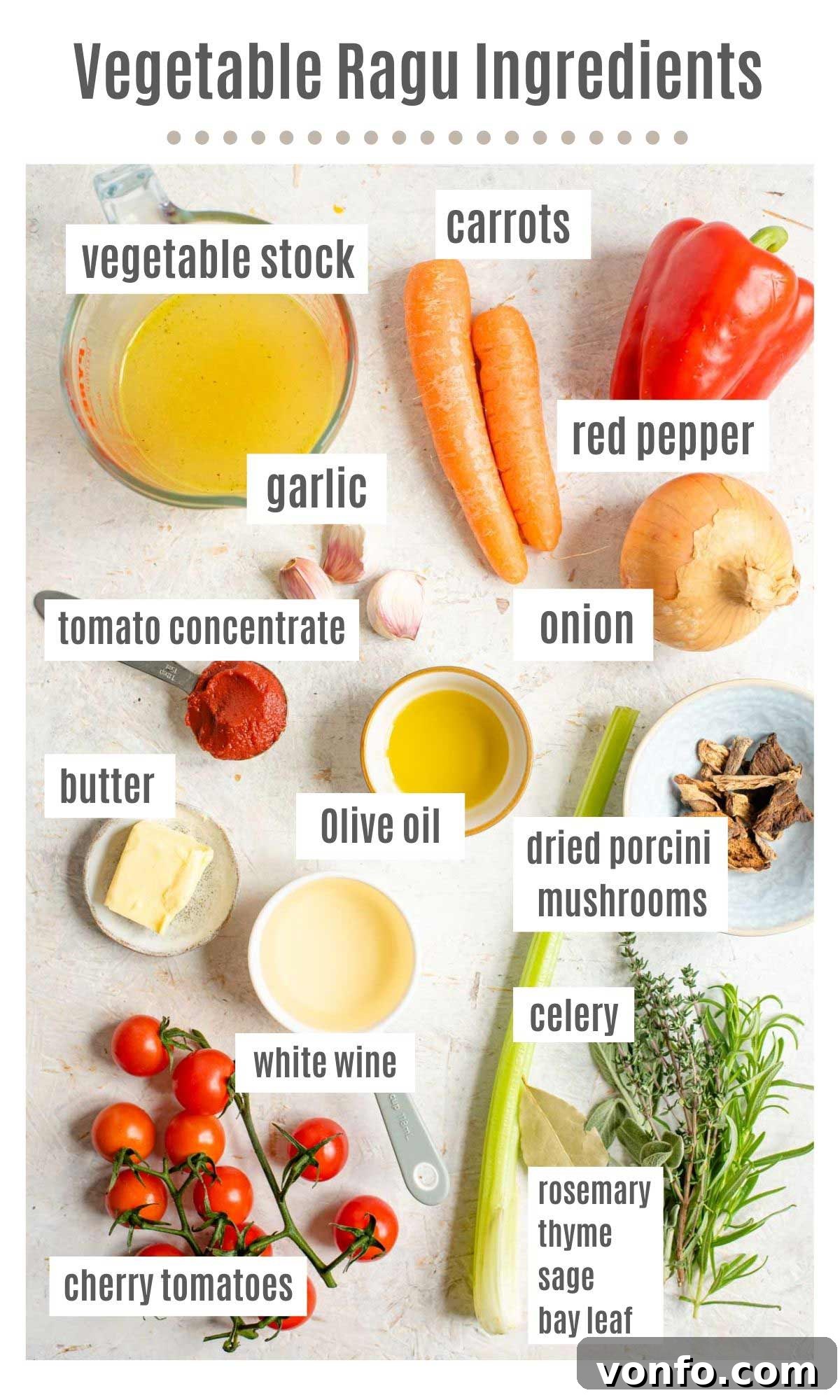
Essential Ingredients for Your Flavorful Vegetable Ragu
Crafting a truly remarkable Vegetable Ragu begins with selecting high-quality ingredients. Each component, no matter how small, plays a vital role in building the layered flavors that make this dish so incredibly irresistible. Paying attention to these details will ensure your ragu reaches its full potential. Here’s a closer look at what you’ll need to assemble:
- The Soffritto Trio: Onion, Carrot, Celery & Red Bell Pepper. This classic Italian aromatic base is absolutely fundamental for starting any exceptional ragu. Finely chopping these vegetables is key; smaller pieces ensure they break down beautifully during the slow sautéing process, releasing their sweet, savory, and earthy essences. The red bell pepper is a wonderful addition, lending a touch of natural sweetness and a vibrant color that brightens the overall sauce.
- Aromatic Fresh Herbs: Rosemary, Thyme, Sage & Bay Leaf. For the most authentic and robust flavor, fresh herbs are highly recommended. Rosemary and thyme contribute distinct earthy and slightly peppery notes, while fresh sage adds a unique, slightly pungent, and warm aroma that is characteristic of Italian cooking. A single bay leaf tucked into the simmering sauce provides a subtle, yet crucial, underlying depth and complexity that marries all the other flavors.
- Dried Porcini Mushrooms. Consider these your secret weapon for an unparalleled umami boost. When rehydrated, they transform into tender, flavorful morsels, but it’s their dark, savory soaking liquid that truly works magic. This liquid, carefully strained and added to the sauce, infuses the entire dish with a profound, earthy savoriness that mimics the depth found in meat-based sauces. They are paramount to achieving the ragu’s rich, satisfying character.
- Fresh Garlic. Always, always opt for fresh garlic, peeled and finely chopped or minced. Its pungent oils are released and mellow into a sweet, aromatic undertone as they cook. Pre-minced or jarred garlic simply cannot compare in terms of vibrant, fresh flavor and aroma.
- High-Quality Stock. A rich, good quality vegetable stock forms the liquid foundation of your ragu. Its flavor will be concentrated, so choose a brand you trust or make your own for the best results. A well-flavored stock enhances all the other ingredients. While vegetable stock maintains the vegetarian integrity of the dish, chicken stock can be used if strict vegetarianism is not a concern for you.
- Dry White Wine. A splash of dry white wine is transformative. Its acidity adds brightness, cuts through the richness, and layers in a sophisticated complexity that is hard to replicate. It also plays a crucial role in deglazing the pan, capturing all the flavorful browned bits from the sautéed vegetables. If you prefer, a light-bodied red wine can offer a deeper, more rustic note. For an alcohol-free version, simply substitute the wine with an equal amount of additional vegetable stock.
- Tomato Paste (Tomato Purée in the UK). This concentrated tomato product is absolutely essential. Its purpose isn’t to make the sauce overtly tomato-heavy, but rather to provide a profound, sweet, and savory depth of tomato flavor that enriches the entire ragu. A small amount goes a long way.
- Butter. Combined with olive oil, butter is an incredibly important ingredient. It helps the vegetables sauté beautifully without browning too quickly, contributing to their tenderness. More importantly, it bestows upon the ragu a luxurious, velvety, and creamy texture that makes each bite incredibly delicious and satisfying, adding a richness that is hard to achieve otherwise.
- Salt and Freshly Ground Black Pepper. These fundamental seasonings are vital for balancing and enhancing all the flavors. Remember to taste and adjust throughout the cooking process.
Step-by-Step Guide: Crafting Your Delicious and Hearty Vegetable Ragu
Follow these detailed instructions carefully to create a truly rich, flavorful, and satisfying Vegetable Ragu that will undoubtedly become a treasured recipe in your culinary repertoire. Each step is designed to build layers of flavor, so take your time and enjoy the process.
-
Initiate Stock & Porcini Preparation: Begin by preparing your high-quality vegetable stock according to its package instructions or warming your homemade stock. Simultaneously, gently rinse the dried porcini mushrooms under cold water to remove any potential grit. Place them in a small, heatproof bowl and pour a sufficient amount of the hot stock (or just hot water) over them to fully submerge. Allow them to rehydrate for a minimum of 10-15 minutes. This crucial step not only softens the mushrooms but also extracts their potent, earthy, and umami-rich flavors into the liquid. Set this aside; both the mushrooms and the strained liquid will be used later.
-
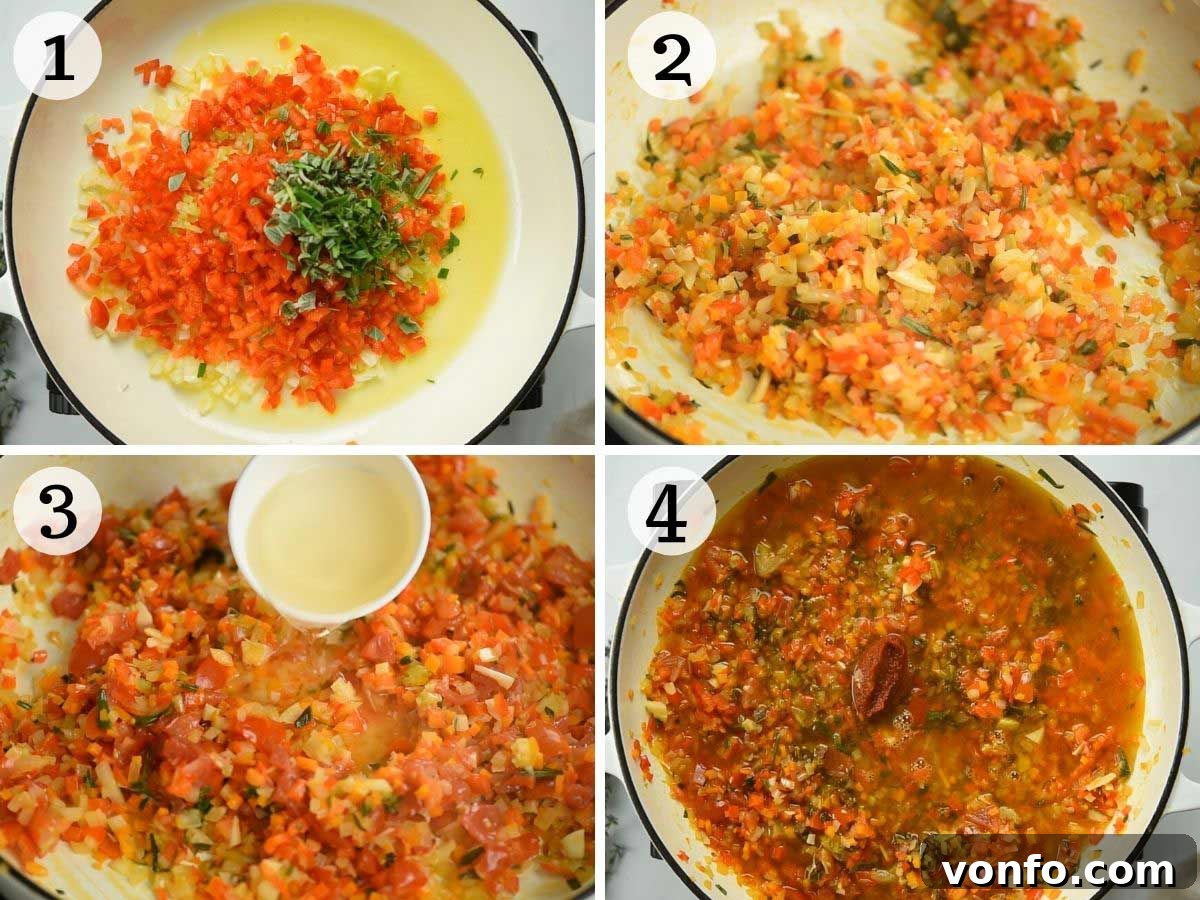
Slow Sauté the Soffritto & Herbs: In a large, heavy-bottomed, deep-sided pan or a sturdy Dutch oven (which helps retain heat evenly), add 1 tablespoon of olive oil and the butter. Heat this mixture over a gentle medium-low flame. Once the butter has melted and is shimmering, add your finely chopped carrot, celery, onion, red bell pepper, and the fresh chopped herbs (rosemary, thyme, and sage). Sauté this mixture slowly and patiently for 10-15 minutes, stirring occasionally. The key here is to soften the vegetables until they are tender and translucent, allowing their natural sugars to caramelize slightly and release their sweet, aromatic essences, but without allowing them to brown. This slow cooking process is fundamental for building the foundational flavors of your ragu. (Observe photo 1 & 2 for the ideal appearance of sautéed aromatics.)
-
Introduce Garlic, Tomatoes & Deglaze with Wine: Once your aromatic vegetables are beautifully softened and fragrant, add the minced fresh garlic to the pan. Continue to sauté for just 1 minute more, stirring constantly to prevent it from burning, as burnt garlic can impart a bitter taste to your sauce. Immediately after the garlic becomes fragrant, incorporate the quartered fresh cherry tomatoes and pour in the white wine. Increase the heat slightly to medium-high and bring the mixture to a simmer. Allow it to cook for 2-3 minutes, letting the wine reduce by about half. This step is vital; it cooks off the alcohol, concentrates the wine’s flavor, and helps to deglaze the bottom of the pan, lifting any flavorful browned bits into the sauce. (Refer to photo 3 for visual guidance during this reduction stage.)
-
Integrate Porcini & Final Liquid Base: Carefully remove the rehydrated porcini mushrooms from their soaking liquid. Give them a rough chop if they are still large; this enhances their texture and ensures even distribution. Add the chopped mushrooms directly to the simmering vegetables. Now, very carefully pour in the vegetable stock (making sure to include the porcini soaking liquid – first, strain it through a fine-mesh sieve or cheesecloth to ensure no grit enters your ragu). Add the bay leaf and the concentrated tomato paste. Stir all the ingredients together thoroughly until they are well combined, ensuring the tomato paste is fully dissolved into the liquid. (Photo 4 illustrates the ragu with all liquid ingredients added.)
-
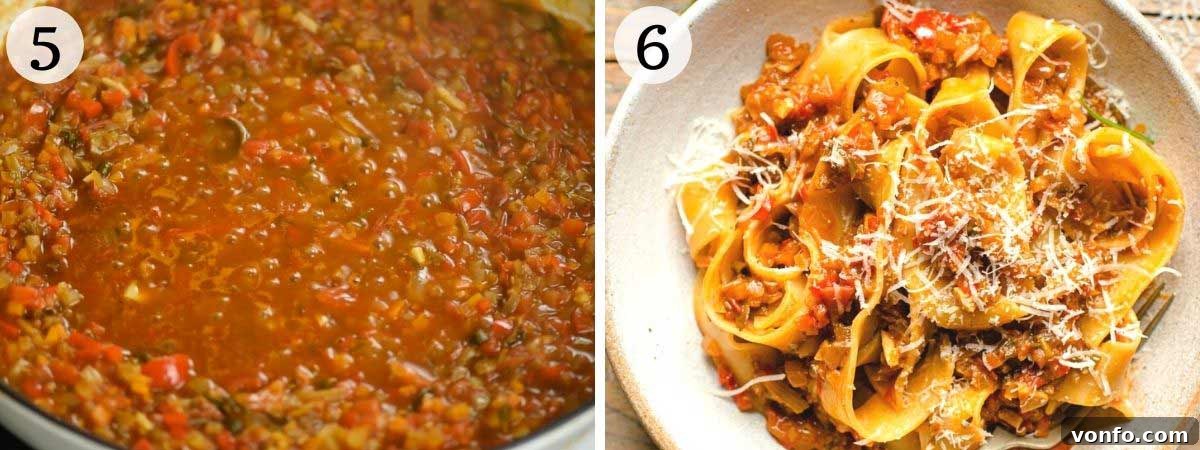
The Essential Slow Simmer: Bring the entire ragu mixture back to a gentle simmer. Once simmering, cover the pan tightly with a lid and reduce the heat to low. Let it cook gently for 30 minutes. This covered simmer allows the vegetables to become incredibly tender and their flavors to deepen and meld seamlessly. After this initial 30 minutes, remove the lid and continue to simmer, uncovered, for another 20 minutes. This final uncovered simmering period is crucial; it allows the sauce to reduce further, concentrating the flavors and thickening to that perfect, rich ragu consistency that will cling beautifully to your pasta. The vegetables should be exceedingly tender, almost melting into the sauce. (See photo 5 for the appearance of the fully cooked and reduced ragu.)
-
Pasta & Serving Perfection: While your ragu is completing its final simmer, prepare your favorite pasta. Cook it according to package instructions until it reaches an al dente texture – firm to the bite, usually around 8-10 minutes. Once the pasta is cooked, drain it, reserving a little pasta water if needed to adjust the ragu’s consistency. Toss the hot, drained pasta directly with the warm, rich vegetable ragu. Serve immediately in bowls, generously topped with a heap of freshly grated Parmesan cheese (or a suitable vegan alternative) and a final grind of black pepper. (Photo 6 showcases the beautifully plated finished dish.) This delicious ragu can also be stored for later enjoyment, often tasting even better the next day!
Expert Tips for the Best Vegetable Ragu and Common Questions Answered
To ensure your Vegetable Ragu turns out perfectly every single time, consider these expert tips and answers to frequently asked questions. These insights will help you master the recipe and achieve a truly outstanding dish.
- The Art of Finely Cutting Vegetables: The texture of your ragu heavily relies on how finely you chop your vegetables. For a truly authentic and cohesive sauce where the vegetables almost melt into the base, aim to cut your onion, carrot, celery, and bell pepper as finely and uniformly as possible. Smaller pieces ensure they break down more easily during the long simmering process, creating a smoother, more integrated sauce that coats pasta beautifully. Chunky vegetables will not only require significantly longer cooking times but can also result in a less refined and cohesive ragu. While a food processor can be a time-saver, use it with caution: pulse the vegetables gently and briefly to achieve a finely diced consistency, rather than over-processing them into a watery puree.
- Unlocking the Umami Power of Porcini: Dried porcini mushrooms are truly a game-changer for adding a profound umami flavor to this ragu. You can typically find them in the dried goods or international aisle of most well-stocked supermarkets. Before use, they absolutely need to be rehydrated. First, give them a quick rinse under cold running water to remove any potential grit or dust. Then, place them in a small, heatproof bowl and cover them generously with hot vegetable stock (or plain hot water if preferred) for at least 10-15 minutes. This process softens them and, more importantly, creates a deeply savory, dark soaking liquid. Remember to always strain this liquid through a fine-mesh sieve or cheesecloth before adding it to your ragu, along with the roughly chopped mushrooms, to ensure no undesirable grit ends up in your delicious sauce.
- The Indispensable Role of Butter: Do not underestimate the transformative power of butter in this recipe! While good quality olive oil provides a foundational flavor, the addition of butter contributes significantly to the ragu’s luxurious, velvety, and almost creamy mouthfeel. It adds a depth of richness that simply cannot be achieved with oil alone, making the sauce incredibly delicious, comforting, and satisfying. It helps in sautéing the vegetables gently without aggressive browning and coats them beautifully, contributing to the overall decadent texture. Try your best not to skip this ingredient.
- Fresh Herbs for Superior Aromatic Flavor: For the most vibrant and aromatic flavor profile in your ragu, fresh rosemary, thyme, and sage are highly recommended. Their essential oils are much more potent and complex than their dried counterparts. If you find yourself with only one or two of the suggested fresh herbs, don’t fret; using what you have will still impart wonderful flavor. As a general guideline, if you must substitute with dried herbs, use approximately one-third the amount of fresh herbs called for, as dried herbs are typically more concentrated.
- Seasoning to Perfection: The key to any great sauce is balanced seasoning. Make sure to taste and adjust your salt and freshly ground black pepper levels throughout the cooking process. It’s particularly important to taste after the wine has reduced and the stock has been added, and then again just before serving. Flavors will concentrate as the ragu simmers, so adding too much salt early on can make it overly salty later. A final taste test ensures perfect balance.
- Achieving the Ideal Consistency: Your finished ragu should be thick enough to beautifully cling to every strand or piece of your chosen pasta, but it shouldn’t be overly dry or pasty. If your ragu appears too thick after simmering, you can easily adjust it by adding a splash more hot vegetable stock or even some reserved pasta cooking water, stirring until it reaches your desired consistency. Conversely, if it seems too thin, simply let it simmer uncovered for a few additional minutes, allowing more liquid to evaporate and the sauce to reduce and thicken to perfection.
Frequently Asked Questions About Preparing Vegetable Ragu
This rich and hearty vegetable ragu is an absolute dream paired with pasta. Any shape or size of pasta will absorb its flavors wonderfully, but we particularly adore serving it with wide, flat pappardelle pasta. Its broad surface area is ideal for catching and holding onto all the incredible sauce. For a truly authentic Italian meal, ensure you have a generous amount of freshly grated Parmesan cheese and some warm, crusty bread on the side – perfect for soaking up every last drop of the exquisite sauce!
Absolutely! If you prefer to make this sauce completely alcohol-free, it’s a very simple substitution. Just replace the white wine with an equal amount of high-quality vegetable stock. The ragu will still develop an incredibly deep and satisfying flavor, maintaining its delicious character without the alcohol.
Yes, this vegetable ragu freezes exceptionally well, making it an excellent option for meal prepping and busy days. Once cooled completely, store it in airtight, freezer-safe containers or robust freezer bags for up to 3 months. When you’re ready to enjoy it, thaw the ragu completely in the refrigerator overnight. Reheat gently on the stovetop over low heat, stirring occasionally, or in the microwave until thoroughly warmed through. You might want to add a splash of water or stock if it appears too thick after reheating.
Complete Recipe: Vegetable Ragu with Pappardelle Pasta
This section provides a concise overview of the Vegetable Ragu recipe for quick reference. For more detailed instructions, in-depth explanations, and helpful cooking tips, please refer to the comprehensive sections above.
Quick Glance: Prep & Cook Times
- Prep Time: 15 minutes
- Cook Time: 1 hour
- Total Time: 1 hour 15 minutes
- Servings: 4 generous servings
Ingredients for Your Vegetable Ragu
- 1 large carrot, or 2 small carrots, peeled and finely chopped
- 1 stick celery, finely chopped
- 1 large onion, peeled and finely chopped
- 1 red bell pepper, finely chopped (seeds and stalk removed)
- 3 cloves garlic, peeled and finely minced
- 1 cup fresh cherry tomatoes, cut into quarters
- 1 tablespoon fresh rosemary, roughly chopped
- 1 tablespoon fresh thyme, roughly chopped
- 3-4 fresh sage leaves, roughly chopped
- 1 bay leaf
- ½ cup dry white wine (125ml)
- 2 cups good quality vegetable stock (500ml)
- 1 tablespoon tomato paste (known as tomato puree in the UK)
- 2 tablespoons dried porcini mushrooms
- 2 tablespoons extra virgin olive oil
- 2 tablespoons unsalted butter (approximately 30g)
- Salt and freshly ground black pepper, to taste
For Serving (Optional, but Recommended)
- 14 oz pappardelle pasta or your pasta of choice (400g)
- Freshly grated Parmesan cheese (or a suitable vegan alternative)
- Warm, crusty bread for dipping
Instructions: How to Make Vegetable Ragu
- Prepare Porcini & Stock: Rinse dried porcini mushrooms, then rehydrate in hot vegetable stock for 10-15 minutes. Set aside; strain liquid before use.
- Sauté Aromatics: In a large, deep pan, heat 1 tbsp olive oil and butter over medium-low heat. Add chopped carrot, celery, onion, bell pepper, and fresh herbs. Sauté for 10-15 minutes until softened but not browned.
- Add Garlic, Tomatoes & Wine: Stir in minced garlic for 1 minute until fragrant. Add quartered cherry tomatoes and white wine; simmer for 2-3 minutes until wine reduces slightly.
- Combine Porcini, Stock & Paste: Roughly chop rehydrated porcini and add to vegetables. Pour in strained vegetable stock (including porcini liquid), add bay leaf and tomato paste. Stir well to combine.
- Simmer to Perfection: Bring to a simmer, cover, and cook on low heat for 30 minutes. Uncover and simmer for another 20 minutes, allowing the sauce to reduce and thicken, and vegetables to become tender.
- Serve with Pasta: Cook your preferred pasta until al dente. Toss immediately with the warm ragu. Serve garnished with freshly grated Parmesan cheese.
Watch Our Step-by-Step Vegetable Ragu Recipe Video
Enhance your cooking experience by watching our detailed step-by-step video tutorial on how to prepare this incredible Vegetable Ragu. Visual guidance makes the process even easier, ensuring you achieve perfect results and a truly delicious meal every time!
Important Notes & Storage Information for Your Vegetable Ragu
- Vegetable Preparation: For the best consistency and cooking time, ensure all vegetables are cut as finely and uniformly as possible. This allows them to break down and blend seamlessly into the sauce. Avoid overly large chunks.
- Porcini Mushrooms: These dried fungi are vital for adding a deep, earthy umami flavor. Always rehydrate them thoroughly in hot liquid (stock or water) and strain the liquid before adding to the ragu to avoid any grit. Roughly chop the rehydrated mushrooms for texture.
- Butter is Key: The addition of butter, alongside olive oil, is crucial for developing a rich, creamy texture and profound depth of flavor in the ragu. It contributes a luxurious mouthfeel that enhances the overall experience.
- Herbs Matter: While the recipe recommends a mix of fresh rosemary, thyme, and sage for optimal flavor, don’t hesitate to use just one or two if that’s what you have. If substituting with dried herbs, remember to use only about one-third of the quantity, as their flavor is more concentrated.
- Storage Guidelines: Any leftover Vegetable Ragu can be stored safely in an airtight container in the refrigerator for 2-3 days. Its flavors often deepen and improve overnight!
- Freezing for Later: This ragu freezes exceptionally well, making it a fantastic option for meal prep. Transfer cooled ragu into freezer-safe containers or heavy-duty freezer bags. It will keep well for up to 3 months. Thaw completely in the refrigerator before gently reheating.
- Nutritional Disclaimer: The nutritional information provided in this article is automatically calculated and serves as an approximation only. It pertains to the ragu sauce itself and does not account for the addition of pasta, cheese, or any other accompaniments you may choose to serve with it.
Helpful Information & Our Kitchen Philosophy for All Recipes
- Unless explicitly stated otherwise, we always use high-quality extra virgin olive oil in all of our recipes for its superior flavor and health benefits.
- For canned or jarred tomato products (such as crushed tomatoes or paste), we consistently recommend using premium brands like Cirio or Mutti. Their consistent quality ensures the best possible results and authentic flavor in your dishes.
- Unless specific sizes are mentioned, all vegetables referenced in our recipes are assumed to be of medium size.
- All of our recipes are rigorously tested and developed using a fan (convection) oven, which may affect cooking times compared to conventional ovens.
- Gain a deeper understanding of how our nutrition information is calculated and its approximate nature.
- Discover our curated list of must-have Italian Pantry Staples to stock your kitchen for authentic cooking.
- Explore our recommendations for Essential Kitchen Tools for Italian Cooking to elevate your culinary endeavors.
Nutritional Breakdown (Per Serving of Ragu Sauce)
Please note: Nutritional information is automatically calculated and should only be used as an approximation. This calculation is for the sauce alone and does not include the pasta or any toppings.
- Calories: 227 kcal
- Carbohydrates: 19g
- Protein: 5g
- Fat: 14g
- Saturated Fat: 5g
- Cholesterol: 15mg
- Sodium: 148mg
- Potassium: 579mg
- Fiber: 4g
- Sugar: 6g
- Vitamin A: 4502 IU
- Vitamin C: 55mg
- Calcium: 41mg
- Iron: 1mg
More Delicious Italian Vegetarian Recipes You Might Enjoy
If you loved this Vegetable Ragu, be sure to explore more of our delightful Italian vegetarian dishes that are packed with flavor and easy to prepare:
- Lentil Ragu Lasagne: A wonderfully hearty and comforting twist on a beloved classic, perfect for a satisfying meat-free feast that everyone will enjoy.
- Penne Pomodoro (Tomato Basil Pasta): A testament to the beauty of simplicity, this dish is fresh, vibrant, and bursting with the sweet flavors of ripe tomatoes and fragrant basil.
- Spaghetti Aglio e Olio: Garlic & Oil Pasta: An incredibly simple yet profoundly satisfying pasta dish that masterfully highlights the humble pantry staples of garlic, chili, and olive oil.
- Ricotta Pasta Sauce: 2 Ways: Discover two delightful and easy-to-make variations of creamy, indulgent ricotta-based pasta sauces that elevate any weeknight meal.
- Cavatelli and Broccoli Pasta: A rustic and incredibly flavorful dish, perfectly combining chewy cavatelli pasta with tender, nutritious broccoli and savory garlic notes.
If you’ve tried this incredible Vegetable Ragu recipe or any other delicious dish from our blog, we would absolutely love to hear from you! Please take a moment to share your experience, feedback, or any creative adaptations in the comments section below – your thoughts and culinary creations genuinely inspire us! You can also FOLLOW US on FACEBOOK, INSTAGRAM, and PINTEREST to discover even more mouth-watering recipes, stay updated with our latest culinary adventures, and connect with our passionate community of food lovers.