
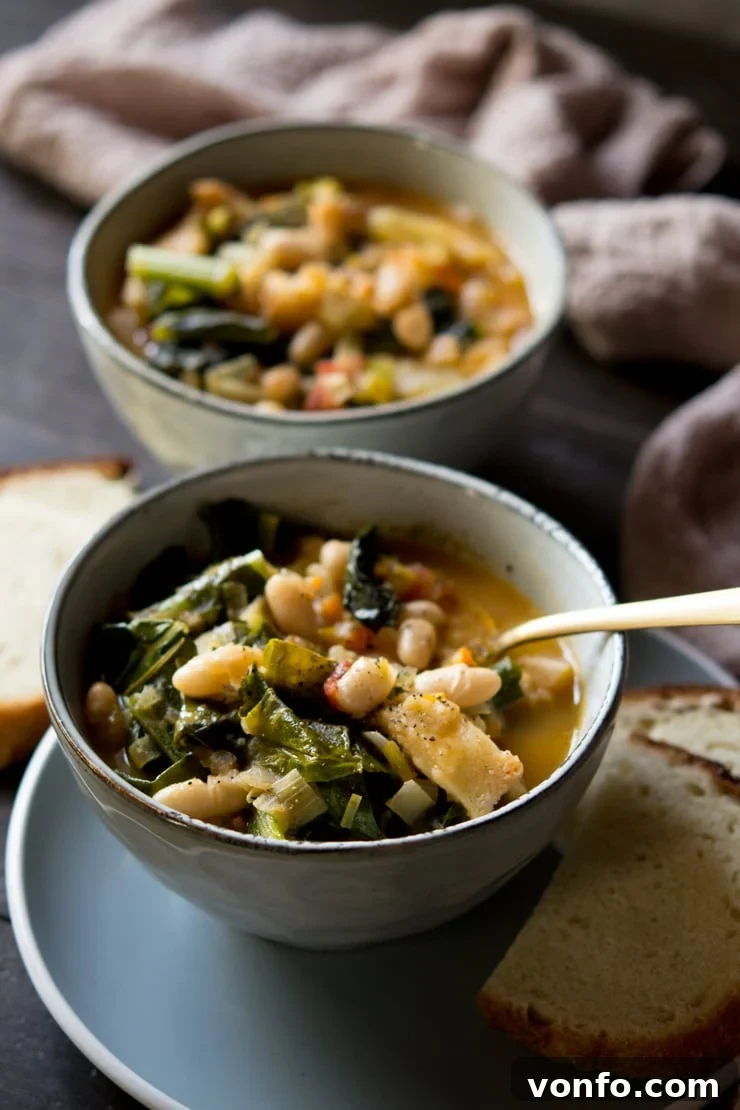
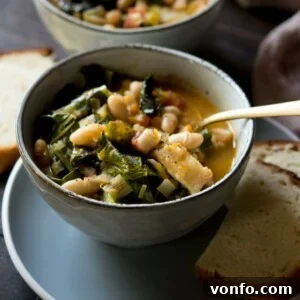
Ribollita, a hearty Tuscan vegetable soup made with cannellini beans, cavolo nero, bread, potatoes and garlic, is packed full of nutrition and flavor. It’s a great recipe for chilly winter evenings!
This traditional Tuscan vegetable soup is extremely popular during the colder months in Italy. It’s a very chunky and hearty stew-like soup that famously improves in flavor when reheated the next day, hence its name Ribollita (meaning “reboiled”).
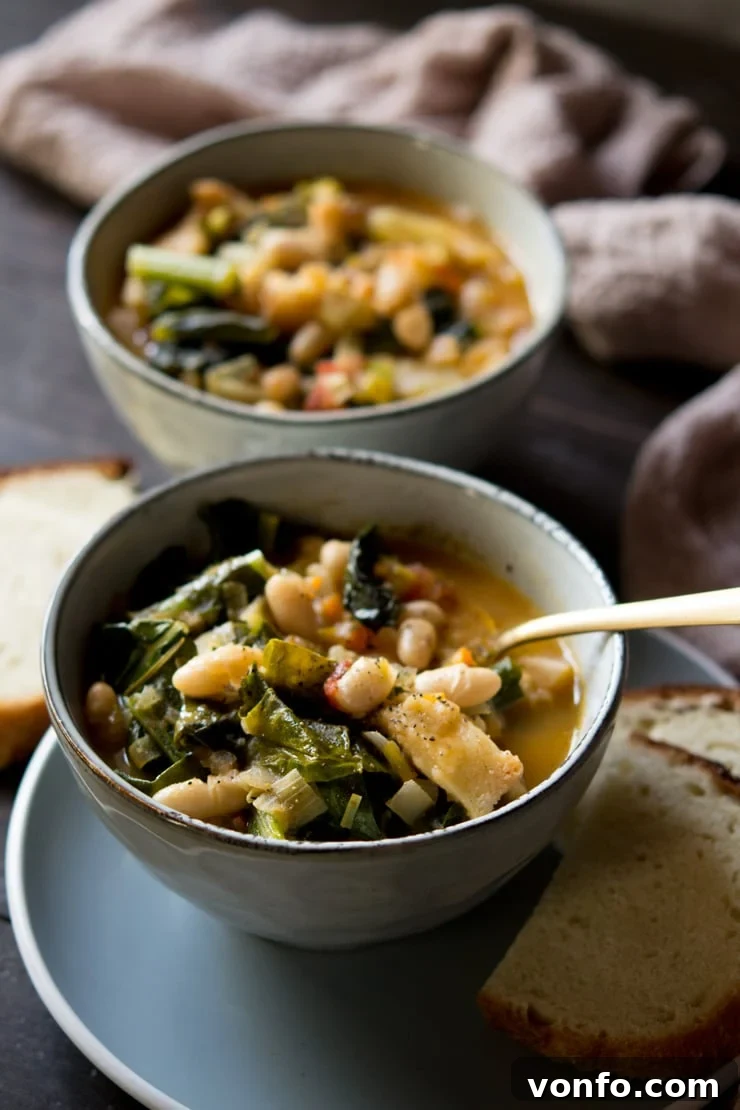
Ribollita: A Timeless Tuscan Comfort Food
Step into the heart of Tuscan culinary tradition with Ribollita, a rustic and deeply satisfying vegetable soup that embodies the essence of “cucina povera” – the art of transforming humble ingredients into extraordinary meals. Far more than just a soup, Ribollita is a wholesome, stew-like creation, brimming with nutrient-rich vegetables, tender cannellini beans, and substantial chunks of day-old bread. This iconic dish isn’t just about sustenance; it’s a celebration of seasonal produce, frugal ingenuity, and generations of Italian home cooking. Perfectly suited for crisp autumn days and chilly winter nights, Ribollita offers a warming embrace that nourishes both body and soul.
The beauty of Ribollita lies not only in its robust flavor but also in its preparation method. Traditionally, this soup is made by simmering a medley of vegetables and beans, then generously layering it with stale bread, and finally, “reboiling” it – a process that allows the flavors to meld beautifully and the bread to absorb the rich broth, creating a thick, comforting consistency. This “reboiled” aspect is precisely what gives Ribollita its unique character and its name, ensuring every spoonful is packed with depth and texture. It’s a culinary masterpiece born out of necessity, transforming simple, readily available ingredients into a dish that has captivated palates for centuries.
Whether you’re a seasoned chef or a home cook looking for a taste of authentic Italy, this comprehensive guide will walk you through the history, key ingredients, and step-by-step process of crafting the perfect Ribollita. We’ll explore the significance of each component and offer tips to ensure your homemade Tuscan soup is nothing short of spectacular. Get ready to transform simple ingredients into a dish that has graced Tuscan tables for generations, offering warmth, unparalleled flavor, and a true taste of Italian heritage.
The Humble Origins of Ribollita: A Culinary Journey Through Tuscany
Ribollita, literally meaning “reboiled,” traces its roots back to the medieval Tuscan countryside. It originated as a staple of peasant cuisine, reflecting the ethos of “cucina povera,” where no food was wasted and every ingredient was maximized for flavor and sustenance. Leftover minestrone or vegetable soup, often made days in advance, would be “reboiled” with stale bread added to stretch the meal further and provide a hearty, filling dish for hardworking families. This practice not only prevented waste but also deepened the flavors, as the bread absorbed the broth and contributed to the soup’s distinctive thick, stew-like consistency.
This tradition of improvisation and resourcefulness gave rise to countless variations of Ribollita across Tuscany, with local cooks utilizing whatever vegetables were abundant and in season. While specific ingredients might vary from one household to another, the core principle remains steadfast: a robust vegetable and bean base, enriched and thickened by the transformative power of day-old bread. It’s a testament to Tuscan ingenuity, demonstrating how simple, affordable ingredients, combined with time and careful preparation, can create something truly extraordinary and deeply satisfying.
The most common and beloved vegetables that typically find their way into an authentic Ribollita include:
- **Cavolo Nero (Tuscan Black Kale):** The undisputed star green of Ribollita, offering a slightly bitter, earthy flavor and a sturdy texture that holds up exceptionally well during simmering. Its deep green leaves are essential for both taste and visual appeal.
- **Savoy Cabbage:** Another popular choice, providing a sweeter, milder flavor and a softer, more delicate texture compared to cavolo nero. It complements the robust kale beautifully.
- **Carrots:** Providing natural sweetness and a vibrant color, carrots are a cornerstone of the aromatic base.
- **Onion:** An essential aromatic, critical for building the foundational flavor depth of the soup.
- **Celery:** Adds a fresh, slightly peppery, herbaceous note to the crucial soffritto base.
- **Potatoes:** Contribute significantly to the soup’s overall thickness and provide a comforting, starchy element that makes the dish even more filling.
- **Tomatoes:** Often in the form of canned chopped tomatoes, they add a vital touch of acidity, sweetness, and a rich umami depth to the broth, balancing the earthy flavors.
- **Cannellini Beans:** These creamy white beans are a fundamental protein source and are key to the soup’s hearty and satisfying nature. They provide a velvety texture when partially mashed.
Each ingredient plays a vital role, contributing to the complex layers of flavor and satisfying textures that make Ribollita such a cherished dish. It’s a true reflection of the Tuscan landscape, its agricultural bounty, and its timeless culinary heritage.
Crafting Authentic Tuscan Ribollita: A Step-by-Step Guide
Making Ribollita is a labor of love, but one that is incredibly rewarding. The process involves a few distinct stages, each contributing to the final masterpiece. While patience is key, especially when dealing with dried beans, the steps are straightforward and designed to build flavor layer by layer, ensuring a deeply satisfying result.
Preparing the Cannellini Beans: The Heart of Your Ribollita
The journey to an exquisite Ribollita begins with the cannellini beans. Using dried beans, soaked and cooked from scratch, imparts a superior flavor and texture that canned beans simply cannot match. This traditional approach also yields a rich, flavorful cooking liquid that becomes the foundational stock for your soup.
- **Soaking the Beans:** First, prepare your dried cannellini beans by placing them in a large bowl and covering them generously with cold water. Allow them to soak for at least 12 hours, though ideally 24 hours, changing the water once if soaking for an extended period. This crucial step rehydrates the beans, significantly reducing their cooking time and ensuring they cook evenly to a tender consistency. Before cooking, drain the soaked beans and rinse them thoroughly.
- **Gentle Simmering:** Transfer the drained beans to a large, heavy-bottomed pot. Add 3 peeled whole garlic cloves, two fresh sprigs of rosemary, and about 5 fresh sage leaves. These classic Tuscan aromatics will gently infuse the beans with a beautiful, herbaceous fragrance. Cover the beans generously with fresh cold water (approximately 4 cups or 1 liter is a good starting point, ensuring beans are fully submerged) and place the pot over a low heat. Bring to a very gentle simmer, then reduce the heat to maintain this low simmer, and cover the pot.
- **Cooking to Perfection:** Let the beans simmer gently, covered, for approximately 2 hours. The exact cooking time may vary slightly depending on the age and type of beans, so check for doneness; they should become tender and creamy but still hold their shape. Stir occasionally to prevent sticking.
- **Preserving the Liquid:** Once cooked, carefully remove the beans from the pot using a slotted spoon and set them aside in a separate bowl. Discard the rosemary and sage sprigs, as their purpose of flavoring the beans is complete. **Crucially, do not discard the bean cooking liquid.** This precious liquid, now deeply infused with the essence of the beans and herbs, will serve as your natural, deeply flavorful stock for the soup, adding unparalleled depth.
Chef’s Tip for Expediency: If time is a significant constraint, you can certainly bypass the soaking and cooking steps for dried beans. Instead, opt for two cans (approximately 15 ounces each) of high-quality pre-cooked cannellini beans. Ensure you rinse and drain them thoroughly before adding them towards the end of the soup’s cooking process. In this instance, replace the bean cooking liquid with an equal amount of good quality vegetable stock to maintain a rich and savory broth base.
Building the Flavor Base: The Art of Soffritto and Vegetable Medley
With the cannellini beans perfectly prepared, it’s time to construct the foundational flavors of your Ribollita with a classic Italian soffritto and a vibrant medley of fresh vegetables.
- **Creating the Soffritto:** In a large, heavy-bottomed pot or Dutch oven (the same one used for the beans, if desired, after cleaning), heat a generous tablespoon of good quality extra virgin olive oil over medium heat. Finely chop the carrot, onion, and celery – this harmonious trio forms the indispensable Italian “soffritto,” the aromatic base for countless Italian dishes. Add the chopped vegetables to the pot and sauté gently until they are softened, translucent, and fragrant, typically about 8-10 minutes. It’s important to avoid browning them; the goal is to coax out their natural sweetness without caramelization. For more insights into this essential Italian cooking technique and its significance, learn about il soffritto.
- **Adding the Heartier Vegetables:** Next, introduce the peeled and cubed potatoes and the sliced leek to the pot. Continue to cook, stirring occasionally, for another 5-7 minutes, until the leek has softened and the potatoes have begun to release some of their starch. This step allows the vegetables to begin releasing their complex flavors and soften slightly before the main liquid is added, ensuring a more cohesive texture in the final soup.
- **Simmering the Broth:** Carefully pour in the reserved bean cooking liquid, along with an additional 5 cups (1 liter) of vegetable stock and the canned chopped tomatoes. Season generously with a good pinch of salt and freshly ground black pepper. Bring the entire mixture to a gentle simmer, then immediately reduce the heat to low, cover the pot tightly, and let it cook for approximately 40 minutes. This extended simmering time is crucial for allowing all the vegetables to become wonderfully tender and for the diverse flavors to deepen, meld beautifully, and create a truly rich and harmonious broth.
Finishing Touches: Adding Kale, Beans, and Bread for the Classic Ribollita Texture
The final steps transform your flavorful vegetable broth into the thick, comforting, and utterly satisfying stew known as Ribollita.
- **Incorporating Greens and Beans:** Now, add the roughly chopped cavolo nero (or other chosen cabbage/greens, if using) and the cooked cannellini beans (or rinsed canned beans) to the pot. Stir well to ensure everything is thoroughly combined and submerged in the broth. Cover the pot again and continue to simmer gently for another 20 minutes. This allows the cavolo nero to soften to perfection and the beans to absorb even more of the rich, aromatic broth, intensifying their flavor.
- **The Signature Bread Element:** This is the defining moment for Ribollita. Finally, add the chopped crusty bread to the soup. Stir it in thoroughly, ensuring all the bread pieces get completely submerged and begin to soak up the luxurious liquid. Continue to simmer gently for just another 10 minutes. As it simmers, the stale bread will gradually begin to break down, releasing its starches and thickening the soup to its characteristic, rustic, stew-like consistency. Some prefer to gently mash a portion of the beans against the side of the pot during this stage for an even creamier texture.
- **Serve and Enjoy:** Ladle the hot Ribollita generously into individual bowls. For an authentic and elevated Tuscan experience, drizzle each serving generously with a stream of high-quality extra virgin olive oil and a sprinkle of fresh black pepper just before serving. The olive oil adds a vibrant, peppery finish that beautifully complements the earthy, rich flavors of the soup. While traditionally a meatless and dairy-free dish, some enthusiasts also enjoy a light grating of Pecorino or Parmesan cheese over the top for an extra layer of savory depth. Serve immediately and savor the taste of Tuscany!
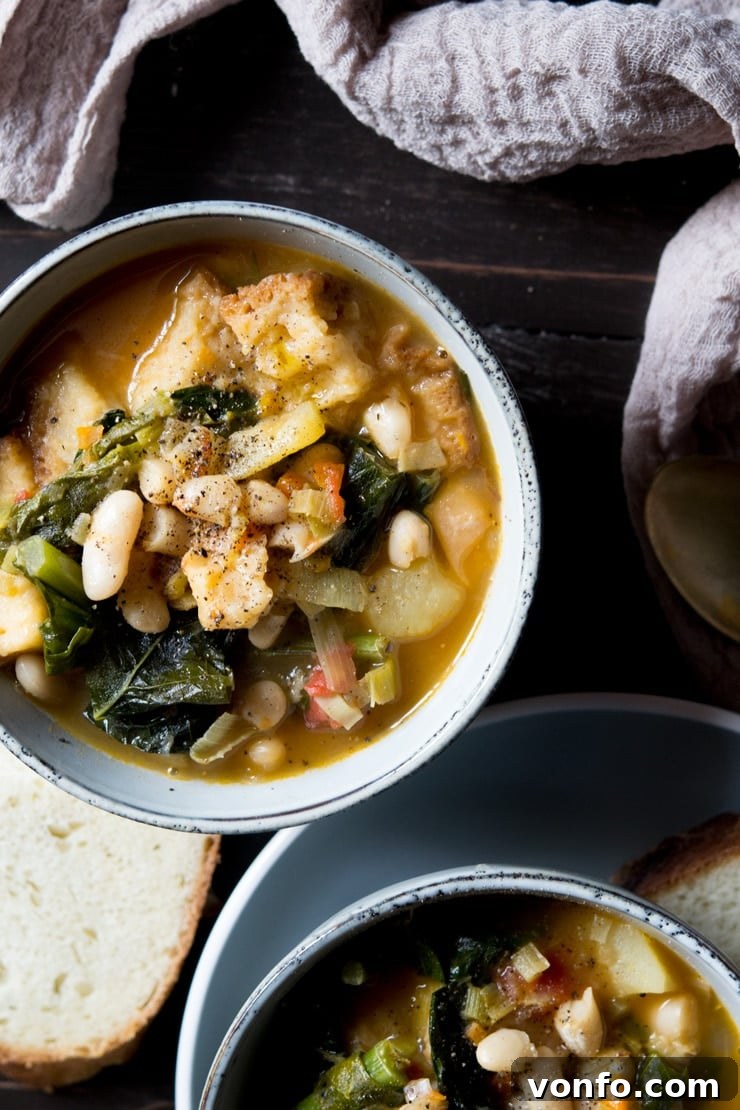
Why Ribollita is More Than Just a Soup: Nutritional Benefits & Perfect Pairings
Beyond its incredible comfort and delightful flavor, Ribollita stands out as a nutritional powerhouse, making it an excellent choice for a healthy and satisfying meal. Packed with a diverse array of garden-fresh vegetables, protein-rich cannellini beans, and wholesome day-old bread, it offers a balanced and nourishing profile. Cavolo nero, in particular, is a celebrated superfood, brimming with essential vitamins (K, A, and C), minerals, and powerful antioxidants, contributing significantly to overall well-being. The cannellini beans provide abundant dietary fiber and plant-based protein, promoting a feeling of fullness and aiding healthy digestion. This robust combination makes Ribollita an exceptional choice for a healthy, hearty dinner, especially during the colder months when warm, nourishing meals are most craved.
Serving Suggestions and Enjoying Leftovers
One of Ribollita’s most endearing qualities is its reputation for being even better the next day. As the soup “reboils” or simply rests, the flavors have more time to deepen and meld, and the bread continues to break down, creating an even thicker, more homogenous, and incredibly satisfying stew. This makes it an ideal dish for meal prepping. Store any leftovers in an airtight container in the refrigerator for up to 3-4 days. When reheating, do so gently on the stovetop over low heat, adding a splash of vegetable stock or water if the soup has become too thick to achieve your desired consistency.
Serve your Ribollita piping hot, preferably with an additional generous drizzle of good quality extra virgin olive oil over each bowl – this adds a fresh, vibrant, and peppery note that beautifully complements the rich, earthy flavors of the soup. A sprinkle of freshly ground black pepper is also highly recommended to enhance the savory profile. While traditionally a dairy-free dish reflecting its peasant origins, some modern enthusiasts choose to grate a little Pecorino Romano or Parmesan cheese over the top for an extra layer of savory depth and indulgence. Enjoy it with a simple side salad and a glass of robust red wine for a complete Tuscan experience.
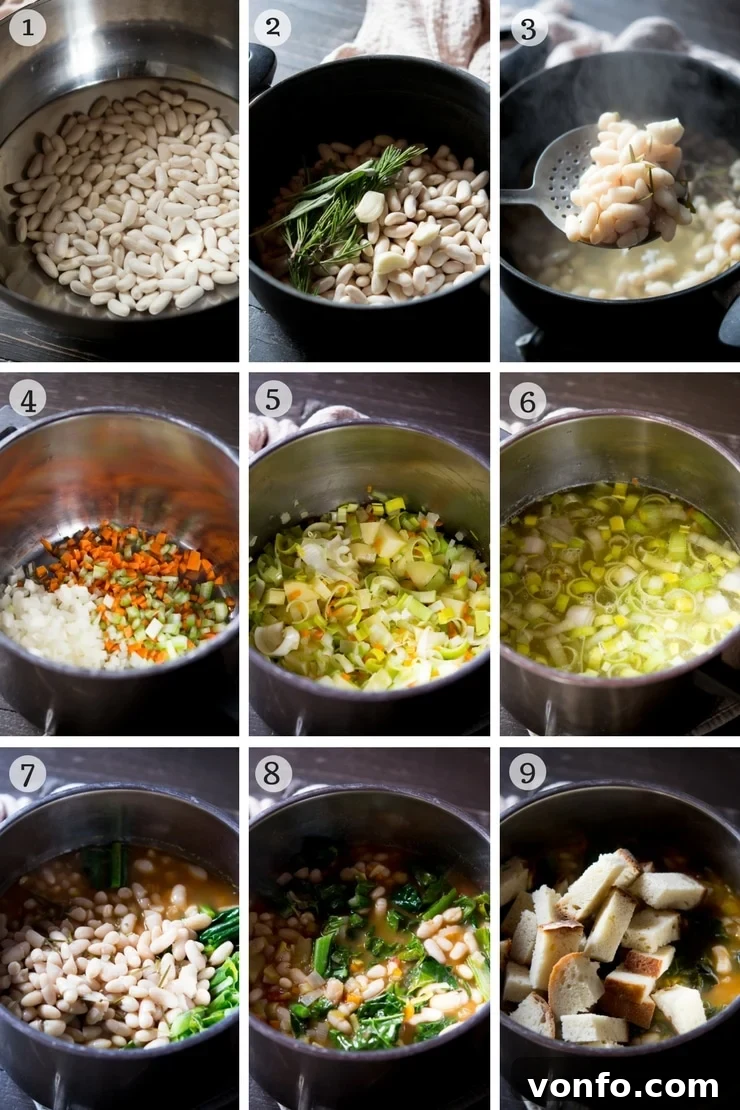
Step By Step Photos Above
Most of our recipes come with step by step photos, helpful tips and tricks to make it perfectly first time!
Ribollita – Tuscan Vegetable Soup
By Emily
Ingredients
For the Beans
- 1 1/2 cups (250g) dried cannellini beans
- 2 sprigs fresh rosemary
- 5 fresh sage leaves
- 3 cloves garlic, peeled
- Water, for soaking and cooking beans
For the Soup
- 1 medium carrot, finely chopped
- 1 medium white onion, finely chopped
- 1 stalk celery, finely chopped
- 1 large leek, white and light green parts, sliced
- 1 lb (500g) cavolo nero (Tuscan black kale), roughly chopped, tough stems removed
- 2 medium-sized potatoes, peeled and cut into 1/2-inch cubes (around 560g/oz)
- 1 cup (270g) canned chopped tomatoes
- 5 cups / 1 litre vegetable stock (plus more if needed)
- 1 tbsp extra virgin olive oil
- 7 oz (200g) crusty day-old bread (e.g., rustic Tuscan bread or sourdough), chopped into bite-sized pieces
- Salt and freshly ground black pepper, to taste
- Extra virgin olive oil, for drizzling before serving
Instructions
- **Prepare the Beans:** First, place the dried cannellini beans in a large bowl and cover them with cold water. Let them soak for at least 12 hours, or ideally 24 hours, changing the water once if soaking overnight. Drain and rinse the soaked beans.
- Transfer the drained beans to a large pot. Add 3 peeled garlic cloves, two sprigs of rosemary, and 5 sage leaves. Cover the beans with 4 cups / 1 litre of fresh cold water and place on a low heat, covered.
- Let the beans simmer gently for 2 hours until tender. Carefully remove the beans with a slotted spoon and place in a separate bowl. Discard the rosemary and sage. **Keep the bean cooking liquid**; this will be your flavorful stock for the soup.
- **Build the Soffritto:** In a large, heavy-bottomed pot or Dutch oven, heat 1 tbsp of olive oil over medium heat. Add the finely chopped carrot, onion, and celery. Sauté gently for 8-10 minutes until softened and translucent, without browning.
- Add the peeled and cubed potatoes and the sliced leek to the pot. Continue to cook, stirring occasionally, until the leek has softened, about 5-7 minutes.
- **Simmer the Soup Base:** Pour in the reserved bean cooking liquid, vegetable stock, and canned chopped tomatoes. Season with a good pinch of salt and freshly ground black pepper. Bring to a gentle simmer, then reduce the heat to low, cover the pot, and let it cook for 40 minutes, allowing flavors to deepen and vegetables to tenderize.
- **Add Greens and Beans:** Now, add the roughly chopped cavolo nero (or other cabbage) and the cooked cannellini beans to the pot. Stir well to combine. Simmer covered for another 20 minutes, or until the kale is tender.
- **Thicken with Bread:** Finally, add the chopped crusty bread to the soup. Stir it in, ensuring it’s submerged. Simmer gently for another 10 minutes. The bread will soften and begin to break down, thickening the soup to its characteristic rustic consistency.
- **Serve:** Ladle the hot Ribollita into bowls. Drizzle generously with good quality extra virgin olive oil and a sprinkle of fresh black pepper just before serving. Enjoy!
Notes
- If you’re pressed for time, skip the first 3 steps (soaking and cooking dried beans). Instead, use two 15-ounce cans of pre-cooked cannellini beans, rinsed and drained, and add them at step 8. Replace the bean cooking liquid with an additional 4 cups (1 liter) of vegetable stock.
- The overall preparation time listed above excludes the initial bean soaking time.
- Ribollita is famously known to taste even better the next day, as the flavors have more time to meld and the soup thickens further. Store leftovers in an airtight container in the refrigerator for up to 3-4 days.
Helpful Info for All Recipes
- I always use extra virgin olive oil in all of my recipes unless stated otherwise.
- When I use canned or jarred tomatoes of any kind, I always recommend Cirio or Mutti brands for the best results and flavor.
- All vegetables are medium sized unless stated otherwise.
- All recipes are tested and developed using a fan (convection) oven.
- Find out more about how nutrition is calculated.
- Check out our must-have Italian Pantry Staples.
- You can also find all our Essential Kitchen Tools for Italian Cooking.
Nutrition
Calories:
235
kcal
Nutrition information is automatically calculated and should only be used as an approximation.
Did you try this recipe?
Leave a comment below!
Connect With Us!
If you’ve tried this delightful Ribollita Tuscan vegetable soup or any other recipe from our collection, we’d absolutely love to hear from you! Don’t forget to rate the recipe and share your experience and any tips in the comments section below. Your feedback and culinary adventures truly inspire us to keep sharing more authentic Italian flavors and traditions with you!
You can also **FOLLOW US** on FACEBOOK, TWITTER, INSTAGRAM, and PINTEREST to discover more delicious food, behind-the-scenes glimpses, and stay updated with our latest culinary adventures and recipes. Join our community of food lovers!