
What do Italians eat for Christmas lunch? This seemingly simple question opens the door to a fascinating culinary journey across Italy, revealing a tapestry of diverse traditions. Just like any other time of the year, the answer varies significantly from one region to another. Join us as we explore each Italian region, uncovering the traditional foods that grace tables during the most wonderful and gastronomically rich time of the year!
Christmas in Italy: A Season of Celebration and Culinary Delights
Christmas, or Natale as it’s known in Italy, is unequivocally the most magical time of the year. Throughout the entire country, this holiday holds immense importance, transcending religious affiliations to become a deeply cherished cultural event. Cities and towns transform into enchanting landscapes, adorned with twinkling lights, intricate decorations, towering Christmas trees, and evocative nativity scenes (presepi).
In the majestic mountainous regions, vibrant Christmas markets enliven the main streets, offering local crafts, festive treats, and a heartwarming atmosphere. Adventurous torchlight processions illuminate the ski slopes, adding a unique spectacle to the winter wonderland. Meanwhile, in other parts of Italy, a plethora of religious events, spectacular fireworks displays, and captivating live nativity scenes further enrich the festive spirit. The traditional Italian Christmas is truly a time for family, reflection, and, of course, unparalleled feasting.
The Heart of Italian Christmas: Family, Food, and Festivities
At its core, Christmas in Italy is a profound celebration of family togetherness. Days are typically spent unwrapping presents, sharing laughter, and, crucially, indulging in long, hearty meals that often stretch for hours. These culinary extravaganzas are usually followed by lively sessions of card and board games, accompanied by spirited, often lengthy, family discussions and debates that are as much a part of the tradition as the food itself.
But the burning question remains: what traditional Italian dishes define the Christmas lunch?
As hinted, there’s no single, universal answer. Italy’s culinary landscape is famously diverse, and its Christmas menus are a testament to this regional individuality. However, certain common threads weave through these varied traditions. One almost universal custom is the adherence to a meatless Christmas Eve dinner (Vigilia di Natale). This tradition, deeply rooted in religious observance, typically features fish and vegetable-based dishes. Beyond this, dried fruit almost invariably makes an appearance, and pasta, in countless forms, always finds its way onto the festive table.
Another beloved, albeit divisive, tradition revolves around the quintessential Italian Christmas desserts: the light, brioche-like Panettone and the star-shaped, buttery Pandoro. The good-natured debate between their respective enthusiasts is as much a part of the holiday spirit as the cakes themselves!
Now, let’s embark on a delicious tour, exploring the traditional Italian Christmas food offerings, region by region.
Northern Italy: Rich Feasts for Chilly Winters
In Northern Italy, where winter temperatures often drop significantly, Christmas lunch tends to be particularly rich and substantial. Meats, hearty braises, and exquisite stuffed pasta dishes form the backbone of these festive meals, offering warmth and comfort.
Valle d’Aosta: Alpine Delights
In the Aosta Valley, a region renowned for its stunning alpine scenery and robust cuisine, Christmas appetizers often include delicious Crostini with honey and Mocetta. Mocetta is a distinctive cured meat, typically beef or chamois, flavored with aromatic mountain herbs, offering a taste of the region’s rugged landscape. The main course frequently features the traditional Carbonata – not to be confused with the Roman pasta dish, Carbonara. This hearty stew is prepared with succulent strips of beef, marinated in rich red wine and aromatic herbs, then slow-cooked to tender perfection and traditionally served with creamy polenta, a staple in this mountainous area.
Piedmont: Pasta Perfection and Elegant Desserts
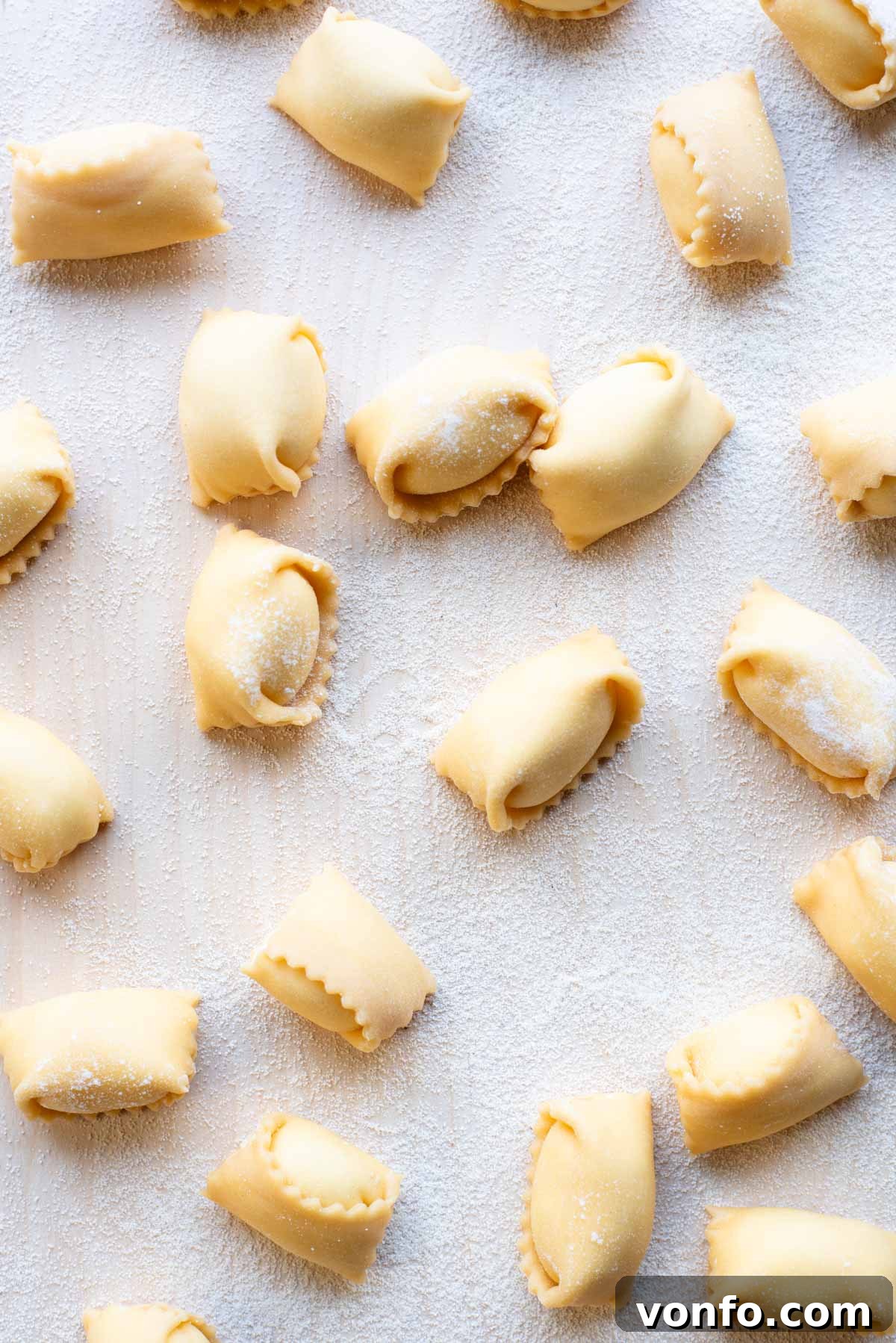
Piedmont, a region celebrated for its refined cuisine and prestigious wines, truly shines during Christmas. It’s simply not Christmas here without Agnolotti del Plin. These exquisite, tiny ravioli are traditionally filled with a delectable mix of roasted meats and vegetables, embodying the region’s culinary artistry. The term “Plin,” meaning “pinch” in the Piedmontese dialect, refers to the characteristic gesture of pinching the pasta dough to encase the savory filling, creating their unique shape. Beyond pasta, the festive menu often includes mixed boiled meats (bollito misto), a grand platter of various cuts of meat simmered to tender perfection. For dessert, the frothy, Marsala-infused custard cream, Zabaglione, is a must-have, often served with the region’s world-famous hazelnuts, adding a delightful crunch and nutty flavor.
Lombardy and Veneto: The Birthplace of Iconic Christmas Sweets
In Lombardy, one of the most traditional Christmas dishes is baked eel, a testament to the region’s historical connection to rivers and lakes. Stuffed capon, a richly flavored and tender chicken, is also incredibly popular, often roasted to golden perfection. Moving east to Veneto, Christmas lunch typically features hearty polenta, often served alongside flavorful cod (baccalà) or a selection of boiled meats. These two regions hold a particularly special place in Italian Christmas food traditions, as they are the proud birthplaces of Panettone and Pandoro, the two most famous and beloved Italian Christmas desserts. Their soft, buttery textures and exquisite flavors are synonymous with the holiday season throughout Italy and beyond.
Liguria: Coastal Flavors Meet Festive Fare
Liguria, with its dramatic coastline and vibrant culinary heritage, offers a Christmas menu that balances land and sea. Traditional choices include tender boiled capon or succulent stuffed guinea fowl. For dessert, the Genoese Panforte, a local variant of Panettone, provides a unique twist. Less buttery than its Lombard counterpart, this Panforte is richly packed with candied and dried fruits, nuts, and aromatic fennel seeds, offering a denser, more intensely flavored treat.
Friuli-Venezia Giulia: Robust and Hearty Traditions
In Friuli-Venezia Giulia, Christmas meals are decidedly robust and warming. The most traditional dish is Bravada and Muset, a hearty and comforting soup featuring fermented turnips (bravada) and Cotechino, a rich pork sausage, all served with the omnipresent polenta. Another popular choice is tripe prepared with a savory sauce and cheese, offering a deeply flavorful experience. To conclude the meal, Gubana is an absolute must: a fragrant, boozy, ring-shaped dessert generously filled with a decadent mixture of walnuts, almonds, raisins, honey, wine, and rum, making it a true festive indulgence.
Trentino-Alto Adige: Alpine Influences
In the Dolomites of Trentino-Alto Adige, Christmas lunch begins with a comforting plate of Canederli. These substantial dumplings are typically made from stale bread, flavorful speck (cured ham), flour, and cheese, often seasoned with spinach or earthy porcini mushrooms. Following this hearty start, roast venison, a specialty of the alpine region, takes center stage. The meal fittingly concludes with either the classic apple Strudel, a beloved dessert with Austrian influences, or Zelten, a dense, spiced fruit cake, reflecting the region’s unique cultural blend.
Central Italy: The Heart of Pasta and Roasts
Heading south into the heart of Italy, the culinary traditions shift, with pasta often taking a starring role, alongside classic roasted meats and regional specialties.
Emilia-Romagna: The Realm of Stuffed Pasta
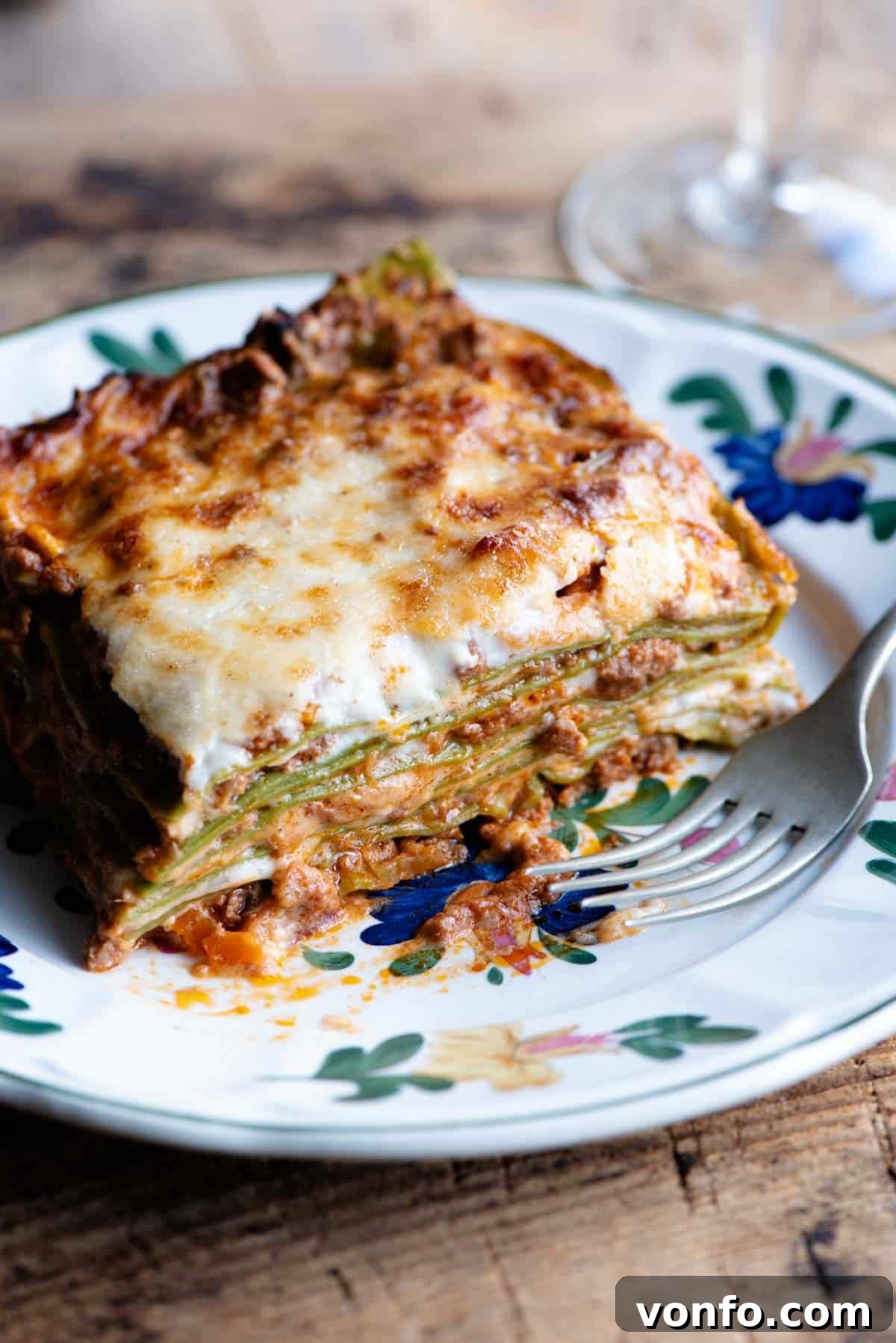
As we cross into Emilia-Romagna, arguably Italy’s culinary capital, Christmas Day unequivocally belongs to pasta – specifically, fresh, stuffed pasta. The choices are abundant and exquisitely varied: delicate Tortellini or Passatelli, traditionally served in a rich meat broth; broad and satisfying Tagliatelle often paired with a luxurious Bolognese sauce; layers of comforting Lasagne; or the regional specialty, pumpkin and aromatic herb Tortelli. Each dish is a testament to Emilia-Romagna’s unparalleled pasta-making heritage.
Tuscany: Rustic Elegance and Sienese Sweets
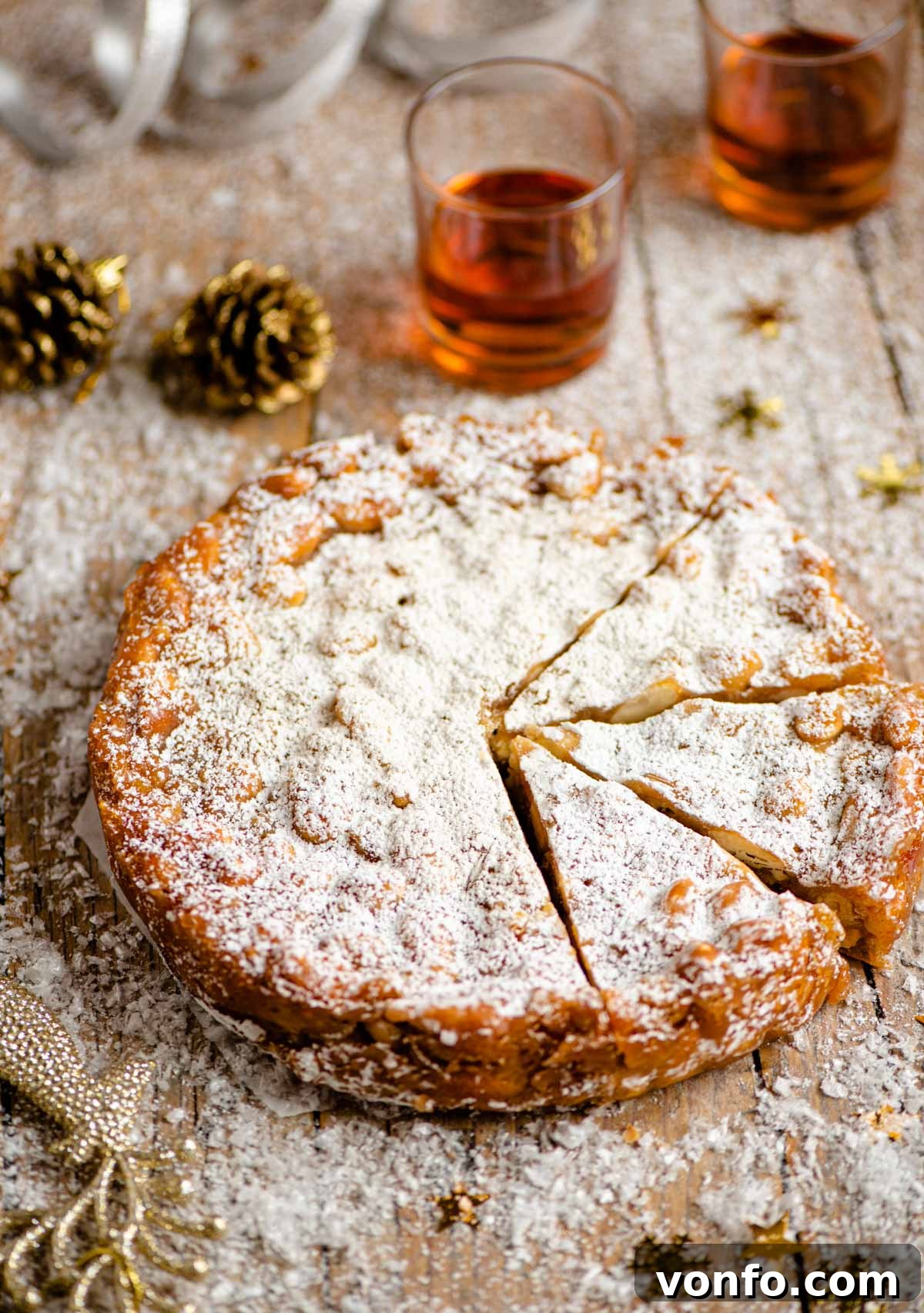
Tuscans, known for their appreciation of robust flavors and quality ingredients, often feature roast guinea fowl or elegantly stuffed capon as the main course for their Christmas lunch. The region’s typical desserts hail proudly from Siena, a city renowned for its confectionery. These include the classic Panforte, a dense, spiced fruit and nut cake with a long history, and the incredibly mouthwatering Ricciarelli, soft, chewy almond biscuits dusted with powdered sugar, offering a delicate and aromatic finish to the meal.
Lazio: Roman Christmas Traditions
In Lazio, and particularly in Rome, Christmas Eve dinner traditionally features an array of fried delicacies (fritti) and various cod dishes, adhering to the meatless tradition. For Christmas Day lunch, ancient peasant traditions still hold sway. Tables are laden with comforting Cappelletti in broth, tender boiled meat, and succulent roast lamb accompanied by crispy potatoes, a truly classic Roman holiday meal.
Molise: Hearty Soups and Flavorful Cod
The small region of Molise celebrates Christmas with warming soups, often based on cardoons (a thistle-like vegetable) or rich fish broth. These are typically followed by roasted cod, prepared with a fragrant crust of breadcrumbs, garlic, bay leaves, oregano, sweet raisins, pine nuts, and walnuts, creating a delightful blend of textures and flavors.
Marche, Umbria, and Abruzzo: Shared Flavors and Unique Twists
In the neighboring regions of the Marche, Umbria, and Abruzzo, a strong influence from nearby regions is evident in their Christmas menus. Common dishes include Cappelletti in broth, comforting Lasagne, tender capon, and succulent roast lamb. However, a truly special mention must go to the Vincigrassi of the Marche region. Literally translating to “beat the fat,” this traditional baked pasta from the Macerata area is a luxurious dish, distinguished by its numerous layers of rich cheese and a unique ragù prepared with various types of meat, making it an unforgettable centerpiece.
Southern Italy and Islands: Mediterranean Flavors and Seafood Focus
Moving further south, the Christmas Italian dishes begin to incorporate a greater abundance of vegetables and, particularly, fresh fish, reflecting the region’s Mediterranean climate and proximity to the sea.
Campania: Seafood on Christmas Eve, Capon on Christmas Day
In Naples and throughout Campania, culinary traditions are deeply rooted. Christmas Eve dinner is famously dedicated to fish, featuring dishes like spaghetti with clams and the emblematic Capitone. Capitone, a large female eel, holds symbolic religious significance, representing the victory of good over evil. For Christmas Day lunch, tender capon is an absolute must, often served roasted or in broth. To conclude the festive meal, it simply wouldn’t be Christmas without Struffoli, delightful fried honey balls adorned with colorful sprinkles, a sweet and joyous treat.
Basilicata and Calabria: Rustic Delights and Bold Flavors
In Basilicata, the Christmas menu often includes light vegetarian soups, comforting turkey broth, and various preparations of cod. In contrast, Calabria, known for its bold and intense flavors, presents a Christmas lunch centered around succulent roast goat meat. Another highlight is Pasta China, a rich baked pasta timbale filled with savory veal meatballs, spicy salami, sweet Provola, Caciocavallo, and Pecorino cheese, creating a symphony of robust tastes.
Puglia: Coastal Traditions and Unique Vegetables
In Puglia, the heel of Italy, Christmas tables feature classic pasta with turnip greens (orecchiette con le cime di rapa), a regional icon. Roast eel and crispy fried cod are traditional fish dishes. However, roast lamb served with Lampascioni, a local variety of slightly bitter wild onions, is also immensely popular, showcasing the region’s unique agricultural heritage.
Sardinia and Sicily: Island Specialties
On the island of Sardinia, the most classic Christmas dish is a special type of ravioli called Culurgiones de Casu. These exquisite pasta parcels are generously filled with potatoes, refreshing mint, and tangy Pecorino cheese, then typically served with a simple yet flavorful tomato sauce. Meanwhile, in sun-drenched Sicily, the Christmas menu often includes comforting chicken in broth, a vibrant herring and orange salad, and Sfincione, a thick, focaccia-like pizza topped with onions, tomatoes, and often anchovies. To finish any Sicilian Christmas meal, a good pistachio nougat or Cuccidati (fig cookies) are indispensable, offering a taste of the island’s rich dessert tradition.
Beyond Christmas Day: The Extended Italian Holiday Season
It’s important to remember that in Italy, the Christmas celebrations are not confined to a single day. The festive season joyously extends from Christmas Eve on December 24th all the way through to January 6th, the Feast of the Epiphany. As the popular Italian saying goes, the Epiphany is the day “which takes away all the festivities.”
On the night of January 5th, children eagerly anticipate the arrival of La Befana, the beloved Italian Christmas Witch. According to tradition, La Befana, a kindly old woman, flies through the night on her broomstick, delivering sweets and small gifts to all the good children who wake up the next morning to find their stockings full of delicious treats. Naughty children, however, might receive a lump of coal (traditionally made of sugar).
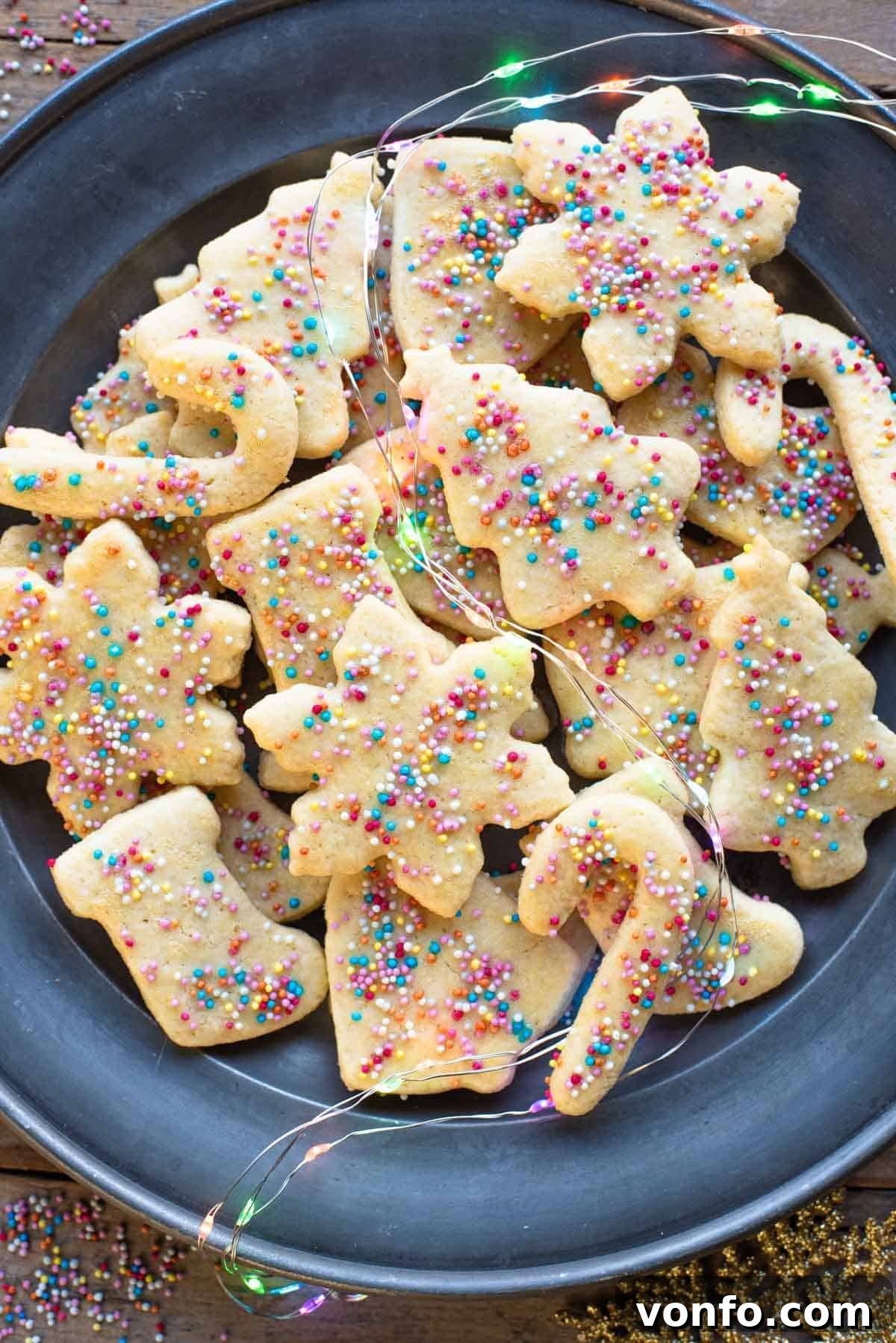
In Tuscany, to celebrate La Befana and to mark the sweet conclusion of the extended Christmas celebrations, Befanini cookies are traditionally baked. These festive shortbread cookies, often cut into various shapes and adorned with colorful sprinkles, are a delightful symbol of the holiday’s end.
Embracing Italy’s Diverse Christmas Culinary Heritage
The culinary landscape of Italian Christmas is truly vast and wonderfully diverse, extending far beyond the dishes named here. It would indeed be impossible to list every single beautiful Italian Christmas food! Each family and town often cherishes its own unique recipes and traditions, passed down through generations.
This regional guide offers a glimpse into the rich gastronomic heritage that defines Christmas in Italy. From the hearty, meat-centric meals of the north to the lighter, seafood-infused tables of the south and the unique delights of the islands, Italian Christmas food is a vibrant celebration of culture, family, and extraordinary flavors. We encourage you to explore further and perhaps even try making some of these authentic dishes yourself.
To discover more delicious foods to make this year and immerse yourself deeper into these traditions, be sure to check out our comprehensive Italian Christmas recipes collection. Buon Natale and happy cooking!