
Imagine effortlessly whipping up a delicious, authentic Italian meal, even on a busy weeknight. This dream becomes a reality when your pantry is stocked with the right foundational ingredients. Our guide to Italian Pantry Essentials unlocks the secrets to genuine Italian cooking, focusing on the must-have items that truly elevate simple dishes to extraordinary culinary experiences. These aren’t just staples; they are the heart and soul of my kitchen, allowing me to create incredible-tasting food week after week.
For years, I’ve immersed myself in Italy’s rich culinary traditions, living, working, and frankly, obsessing over its food culture. What I’ve learned is that the unparalleled quality of ingredients is the single most important factor. It’s the difference between an ordinary meal and one that truly transports your senses straight to the heart of Italy.
This comprehensive guide will walk you through everything from selecting the perfect olive oil, tomatoes, and pasta, to uncovering those crucial store-cupboard essentials that infuse even the simplest dishes with vibrant Italian flair. I’ll share the exact basic ingredients I always keep on hand in my pantry and fridge, ensuring you’re ever-ready to create something truly delicious and authentic. So, let’s embark on this flavorful journey together!
Table of Contents
- Olive Oil: The Liquid Gold of Italian Cuisine
- Salt and Black Pepper: The Foundation of Flavor
- High-Quality Tomatoes: The Soul of Italian Sauces
- Dried Pasta: Choosing Your Perfect Canvas
- Cheese: The Irresistible Umami Boost
- Flour, Rice, and Potatoes: Versatile Italian Staples
- Wine (Vino): Cooking with Flavor
- Vinegars: Tang and Brightness
- Gli Odori (Soffritto): The Aromatic Trinity
- Garlic: The Pungent Essential
- Herbs and Spices: Fragrance and Heat
- Other Store Cupboard Ingredients: Flavor Enhancers and Time Savers
Olive Oil: The Liquid Gold of Italian Cuisine
Extra virgin olive oil (EVOO) isn’t just an ingredient in Italian cuisine; it’s a way of life, integral to the Mediterranean diet for both its exceptional flavor and numerous health benefits. Choosing the right EVOO is paramount, as its quality can significantly impact your dishes.
Here are crucial tips for identifying and purchasing good quality extra virgin olive oil:
- Origin Matters: Look for 100% Italian. If a label states “EU” or “EU olives,” it signifies a blend from various European countries, not a single, traceable origin. True Italian olive oil comes from specific olive groves within Italy, offering superior flavor and authenticity.
- Packaging is Key: Dark Bottles or Tins. Exposure to sunlight is detrimental to olive oil, causing it to degrade and lose its beneficial properties and flavor. Always choose olive oil bottled in dark glass or metal tins to protect it from light.
- Avoid Decanting: Preserve Freshness. Olive oil reacts negatively to oxygen, which causes it to oxidize and deteriorate. Keep your EVOO in its original bottle or tin, ensuring the lid is always tightly sealed to minimize air exposure.
- Check the Harvest Date: Freshness is Paramount. Unlike wine, olive oil does not improve with age. Extra virgin olive oil is at its peak flavor and nutritional value within 12-18 months of its harvest date. Don’t hoard good oil; enjoy it while it’s fresh!
To be completely transparent, truly high-quality extra virgin olive oil, sourced directly from a single grove, is often expensive—and for good reason. The meticulous care, traditional methods, and hard work involved in producing exceptional oil warrant a higher price point. These are typically small, independent, family-run farms dedicated to crafting superior products. However, daily use of such premium oil can be financially challenging for many.
My approach balances quality with affordability:
I actively support a small, independent olive grove in Sicily by adopting an olive tree. This not only champions a small business but also ensures I receive an incredible quality olive oil shipment four times a year, including the coveted Olio Nuovo (liquid gold, the first pressed oil of the new season) at the end of each year. This method provides me with three 500ml cans of exceptional oil quarterly.
For everyday cooking and sautéing, I supplement this by purchasing 100% Italian olive oil from my local store, which is typically a blend of various Italian olives. The higher-quality, single-grove oil is reserved for delicate tasks like dressings, finishing dishes, crafting pesto, or making focaccia, where its nuanced flavor can truly shine. This two-tiered approach allows me to enjoy the taste and health benefits of excellent olive oil sustainably and affordably.
Deep Frying
While extra virgin olive oil can be safely used for deep frying, with a smoke point ranging from 190°C to 220°C (374°F-428°F) which is more than adequate for most applications, its cost makes it impractical for this purpose in my kitchen. For deep frying (a task I don’t undertake frequently), I opt for more economical alternatives like vegetable or sunflower oil (olio di semi), which is also the common practice in Italy. For shallow frying or sautéing, however, extra virgin olive oil remains my go-to choice, preserving its delightful flavor.
Salt and Black Pepper: The Foundation of Flavor
Salt (sale) is arguably one of the most critical ingredients in any kitchen. It’s not merely about making food salty; it’s about building and enhancing flavor throughout the cooking process. The key is to “taste as you go,” ensuring you integrate the salt’s power without overwhelming the dish. You want the salt to bring out the best in your food, not to be the star itself.
In Italy, you’ll commonly find Sale Grosso (large salt crystals) and Sale Fino (fine salt). Sale Grosso is traditionally used for salting pasta water, where its slower dissolution rate is ideal. Sale Fino is employed for virtually everything else. In my kitchen, I keep fine salt for pasta water and swear by Maldon sea salt flakes for general seasoning. Its delicate crunch and clean taste are incomparable.
It’s fascinating how accustomed you can become to a specific salt. Changing brands or textures can reveal subtle yet significant differences, as some salts are indeed “saltier” than others. This underscores the importance of adding salt incrementally and tasting until you familiarize yourself with its specific intensity.
With a young toddler, I’ve often had to adapt by cooking without salt and seasoning our portions individually. This experience has truly highlighted the impact of seasoning throughout the cooking process versus adding it all at the end. Building flavor with salt as you cook results in a more integrated, nuanced taste, whereas a large addition at the end can make food taste overtly “salty” rather than enhanced. Always season as you go for the best results.
Freshly ground black pepper is another indispensable component, gracing most of our dishes. I prefer to buy whole peppercorns and grind them fresh at the end of cooking or as a finishing touch, as the aroma and flavor are far superior to pre-ground varieties.
High-Quality Tomatoes: The Soul of Italian Sauces
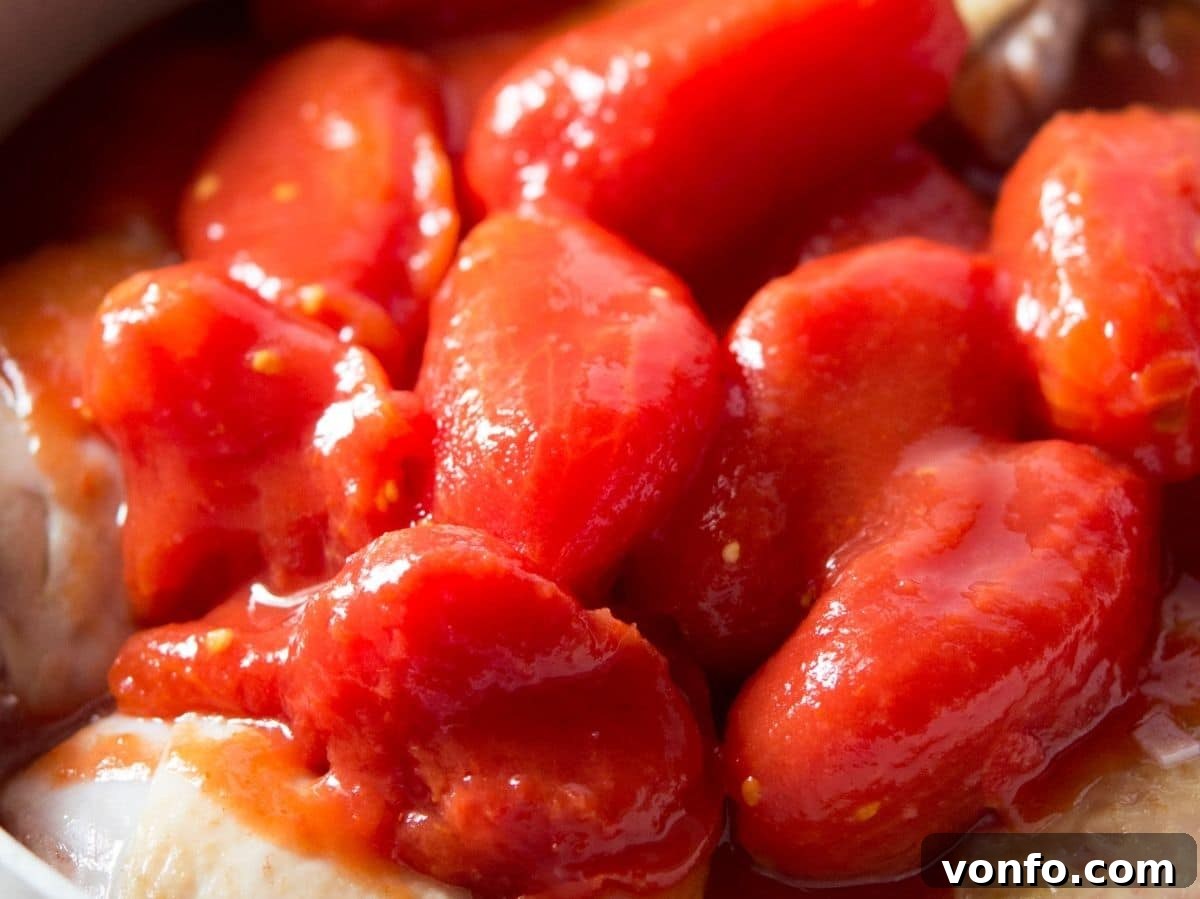
The quality of tomatoes in your kitchen is non-negotiable; they genuinely can make or break an Italian dish. And while San Marzano tomatoes are revered, they are not always a strict necessity (that’s a topic for another day). What truly matters is opting for high-quality alternatives.
So, what types of tomatoes should you stock?
Chopped or Crushed Tomatoes (Polpa)
Known as ‘polpa’ in Italy, these are finely chopped tomatoes canned in a thick, rich tomato juice. I always steer clear of canned tomatoes packed in water, as they dilute the essential tomato flavor.
Whole Peeled Plum Tomatoes (Pelati)
Canned whole peeled plum tomatoes are incredibly versatile. They are packed in a dense tomato juice and burst with flavor, provided you select a good brand. They can be easily broken up directly into sauces or crushed by hand. A crucial tip: avoid blitzing or blending whole tomatoes, as their seeds can impart a bitter taste to your sauce. Instead, use your hands or a potato masher for a perfectly textured sauce.
Passata (Tomato Purée in the US)
Passata consists of tomatoes that have been strained through a ‘Passaverdura’ or fine sieve, resulting in a thick, smooth consistency, typically free of skins and seeds. ‘Passata rustica’ offers a slightly pulpier texture for those who prefer it. I almost exclusively use classic smooth passata. It delivers a richer taste and thicker consistency than chopped or plum tomatoes, making it ideal for smooth sauces.
Tomato Paste (Concentrate)
Tomato paste is a highly concentrated form of tomato, usually sold in tubes or small cans. Its intense flavor means a little goes a long way. Just 1-2 tablespoons can add a profound depth of tomato flavor to stews, soups, risottos, and pasta sauces. Once opened, it keeps well in the fridge (always check packaging instructions for specific storage guidelines).
What brands to use?
Currently, Mutti is my go-to brand 99% of the time. Their quality is consistently excellent, they are readily available in most local stores, and they are quite affordable. While I used to frequently use Cirio tomatoes, I’ve noticed a decline in their quality recently, so I only use them if Mutti is unavailable. For those in the US, Cento is a highly recommended and accessible brand.
I cannot overstate the importance of using high-quality tomatoes. They allow you to create a truly delicious 10-minute pasta sauce that tastes like it’s been simmering for hours. The last thing you want is to invest time in cooking only to achieve an “okay” flavor. While there are incredibly fancy, gourmet tomato brands available, their price point is often not realistic or sustainable for regular use. My recommendations prioritize both superior quality and everyday affordability.
Here’s exactly what I have stocked in my pantry:
- 1-2 cans Mutti Polpa (Crushed Tomatoes): Perfect for quick sauces and bases.
- 1-2 cans Mutti Pelati (Whole Peeled Plum Tomatoes): Versatile for sauces where a richer, hand-crushed texture is desired.
- 1 jar Mutti Passata Classica (Smooth Tomato Purée US): While I usually keep 3-4 jars stocked, one is generally sufficient for a single meal.
- 1 tube Mutti Doppio Concentrato di Pomodoro (Tomato Concentrate/Paste): This essential lasts for ages in the fridge once opened, providing intense flavor boosts.
Easy recipes using tomatoes
- Penne al Pomodoro
- Super Quick Tomato Sauce
- Creamy Tomato Risotto
- Green Beans in Tomato Sauce
- Fagioli all’uccelletto (Beans in Tomato Sauce)
- Braciole (Stuffed Beef Rolls in Tomato Sauce)
Dried Pasta: Choosing Your Perfect Canvas
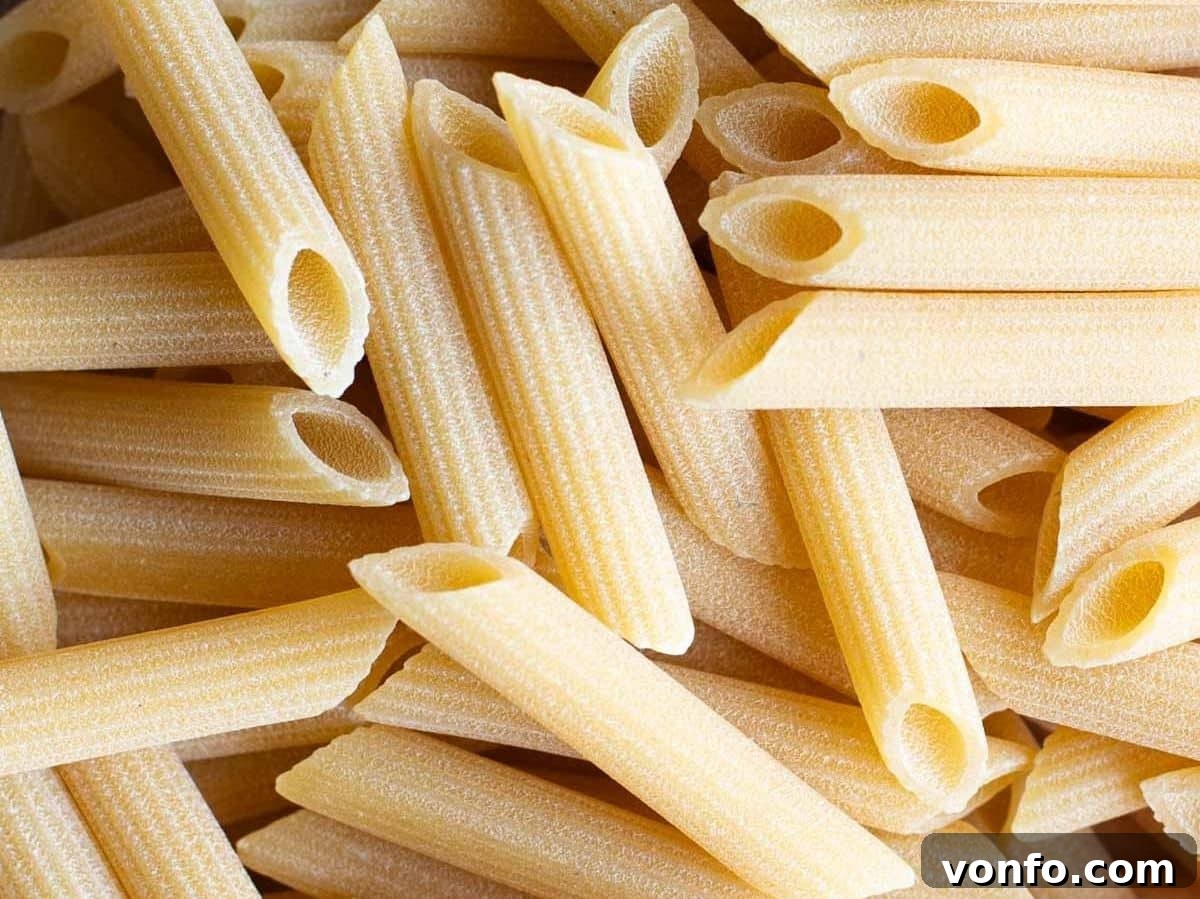
When it comes to dried pasta, selecting a high-quality brand makes an astonishing difference—it can quite literally make or break a simple dish. There are a few key indicators to look for before purchasing, ensuring your pasta truly performs as it should:
- Simple Ingredients: Durum Wheat Semolina and Water. Authentic Italian dried pasta should contain only two ingredients: Semola di Grano Duro (Durum Wheat Semolina) and Acqua (water). This specific type of wheat, with its high protein content, is crucial for pasta’s structural integrity, allowing it to hold its shape, maintain a delightful chewiness, and achieve that perfect “al dente” texture when cooked. Any other additives suggest a compromise in quality.
- Italian Wheat Origin: Look for 100% Italian Wheat. While sometimes challenging to locate on packaging, the origin of the wheat is important. Opting for pasta made with 100% Italian wheat often guarantees a superior product. Brands like La Molisana are excellent choices, consistently using only Italian-grown wheat, which contributes to a distinct flavor and texture.
- Texture and Color: Bronze-Cut and Slowly Dried. Observe the pasta’s appearance: it should have a rough, opaque texture and a natural, not overly bright, golden color. Look for labels indicating it has been “extruded using bronze dies” (trafilata al bronzo). Bronze dies create a coarse, porous surface that allows sauces to cling beautifully, enhancing every bite. Conversely, if the pasta is bright yellow and feels very smooth, it has likely been dried rapidly at high temperatures. This process not only strips away many nutrients but also results in brittle pasta that can turn chewy, gummy, and less flavorful upon cooking. Slow drying at low temperatures preserves the pasta’s integrity, ensuring a superior eating experience.
My go-to pasta shapes to keep stocked include:
- Rigatoni: Perfect for chunky meat sauces or baked pasta dishes, its ridged tubes capture flavor beautifully.
- Spaghetti: The quintessential long pasta, ideal for light tomato sauces, carbonara, or aglio e olio.
- Linguine: A slightly flattened spaghetti, excellent for seafood dishes where its broad surface can hold delicate sauces.
- Penne: Another versatile short, tubular pasta, great for robust sauces or pasta salads.
- Orzo: Tiny, rice-shaped pasta, wonderful in soups, salads, or as a side dish.
- Ditalini (or other small shapes): Essential for hearty Italian minestrone and other soups.
My husband, Nathan, has a fondness for Paccheri, whose large, wide tubes are fantastic with rich, hearty ragu sauces. I, on the other hand, adore Pappardelle, a broad, flat ribbon pasta, which I grab whenever I see it, or better yet, make fresh with my homemade pasta dough.
Cheese: The Irresistible Umami Boost
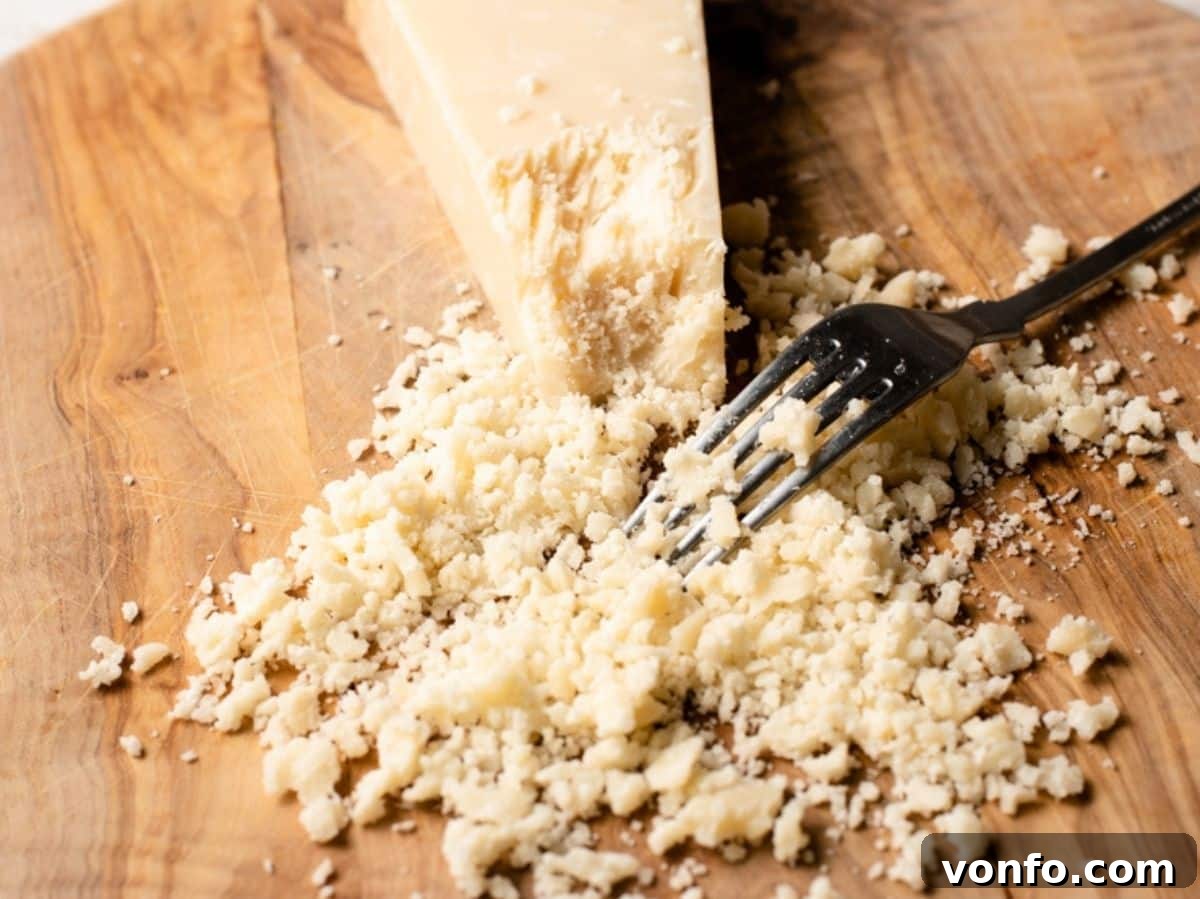
Parmigiano Reggiano is truly an indispensable ingredient in my kitchen, a staple I always ensure is well-stocked in my fridge. Beyond its role as a garnish for countless pasta dishes, where it imparts an incredible cheesy, salty, and umami-rich flavor, it has the remarkable ability to transform even the simplest preparations into culinary delights.
I recall a visit to Lake Como where we were served delicate ribbons of Malfalde pasta, simply tossed with coarsely grated Parmigiano and butter. It was comfort food heaven, an experience I can confidently say I’m not exaggerating. This dish has become my personal go-to when plans unravel, time is short, or I’m simply too exhausted to cook. Its elegant simplicity is profoundly satisfying.
Furthermore, I frequently shave thin pieces of Parmigiano Reggiano into salads, particularly those featuring peppery arugula (rocket). Drizzled with a good quality olive oil, a squeeze of fresh lemon juice, and a generous crack of freshly ground black pepper, it transforms into a simple yet exquisitely delicious side dish or salad base.
Tips for selecting and using Parmigiano Reggiano:
- Authenticity is Key: Look for DOP. Always ensure you buy Parmigiano Reggiano DOP (Denominazione di Origine Protetta). You’ll recognize the authentic product by the distinctive stamp embossed directly onto the rind of the cheese. This certification guarantees its origin and quality.
- Always Buy a Whole Piece. Avoid pre-grated or flaked cheese. Freshly grating your own Parmigiano Reggiano yields a far superior flavor and texture, enhancing your dishes tenfold. Pre-grated varieties often lack freshness and can contain anti-caking agents.
- Aging Matters for Flavor. The longer Parmigiano Reggiano has been aged, the more intense and complex its flavor profile becomes. You can find wheels aged anywhere from 12 to over 40 months. While our preferred cheese is typically aged 24 months, choose the aging period that best suits your taste preferences.
Clever Tip: Utilize the Rinds! Don’t discard those Parmigiano rinds! They are packed with flavor and can be added to soups, stews, and sauces to impart an incredible depth of umami. Just be sure to scrape any waxy surface off the rind before adding it. Freeze any rinds you don’t use right away so you always have a flavor booster on hand.
Recipes to try with Parmigiano Reggiano
- Parmigiano and Butter Pasta
- Arugula (Rocket) and Parmigiano Salad
Flour, Rice and Potatoes: Versatile Italian Staples
Italian 00 Flour (Tipo 00)
Tipo 00 flour is Italy’s answer to all-purpose flour, making it the go-to choice for a wide array of Italian baking—from light and airy pizzas and focaccias to silky homemade pasta and delicate cakes. This is an essential I always have plentifully stocked in my pantry due to its frequent use. While generic all-purpose flour can be a substitute in a pinch, it simply doesn’t deliver the same authentic results. In Italy, Tipo 0 (single zero) flour is often favored for pizza dough, but it’s considerably harder to source outside of Italy. Therefore, Tipo 00 serves admirably for most Italian baking, including our weekly pizzas and focaccias.
Semola Rimacinata
This is another flour that holds a permanent spot in my pantry. Semola Rimacinata is a super finely ground semolina flour, possessing a texture akin to flour but with a subtly grainier feel. It’s incredibly versatile: not only is it the primary ingredient for making eggless pasta (requiring only semola and water), but it’s also a game-changer for homemade pizza making, a cherished weekly ritual in our home. If you’re not a frequent pizza maker, you might not need to stock it, but for those who are, it’s invaluable. Use it to dust your pizza trays or pizza peel; its fine, grainy texture prevents sticking, making it significantly easier to slide pizzas in and out of the oven.
For those who find homemade pasta daunting, working with Semola Rimacinata is an excellent starting point. You can use it on its own with water, or blend it with Italian 00 flour. It imparts fantastic structure to the pasta and is remarkably easy to handle, perfect for shaping cavatelli, gnocchetti sardi, and many other delightful pasta forms.
Rice (Risotto Varieties)
Having risotto rice readily available in your pantry is extremely convenient. The three classic Italian risotto varieties are Arborio, Carnaroli, and Vialone Nano. These specific short-grain rices are prized for their ability to absorb liquids while releasing starch, creating the signature creamy texture of a perfectly cooked risotto. Risotto offers a hearty, filling, and delicious meal with endless flavor possibilities, making it an ideal choice when you need to whip up something substantial with limited ingredients on hand. Explore our risotto recipe category for inspiration and essential cooking tips!
Potatoes and/or Polenta
If you’re a fan of polenta and frequently incorporate it into your meals, it’s a wonderfully handy pantry item to keep stocked. You can choose between quick-cook polenta for speed or regular polenta (requiring about 40 minutes of cooking) which, when blended with milk, ample butter, and cheese, transforms into an incredible, comforting side dish.
I mention potatoes as “and/or” because, in our household, potatoes are utilized far more often as a versatile side dish than polenta. They are truly foundational for numerous Italian preparations. Potatoes are essential for crafting pillowy soft homemade gnocchi, making crispy Italian roast potatoes, and even adding body and flavor to pasta sauces (yes, it’s an authentic Italian thing, often used to create a creamy texture without cream or to stretch ingredients). Beyond these, they form the base for delightful side dishes and salads such as Patate alla Lucana and the refreshing Insalata Pantesca.
Wine (Vino): Cooking with Flavor
Wine is a frequent and crucial ingredient in Italian cooking, used in both red and white varieties across countless recipes. It serves multiple purposes: deglazing pans to capture flavorful browned bits, building the foundation of rich meat dishes, lending depth to risottos, and infusing pasta sauces with a complex aroma and taste.
For everyday cooking, we never resort to expensive wines unless it’s for a truly special occasion and a specific dish, such as a luxurious Brasato al Barolo. The wine we use for cooking is always a wine we would happily drink. I’ve never used “cooking wine” myself, and I strongly advise against it, as these products are typically of poor quality and can impart an undesirable flavor to your dishes. Always cook with wine you enjoy consuming.
Here’s a list of some of our go-to Italian wines, perfect for both cooking and enjoying with your meal:
White Wines
- Pecorino: A crisp, aromatic white with good acidity.
- Pinot Grigio: Light, dry, and widely available, excellent for delicate sauces.
- Vermentino: Often citrusy with a hint of salinity, great for seafood.
- Falanghina: A fuller-bodied white with floral and nutty notes.
- Grillo: A Sicilian grape offering tropical fruit and herbal undertones.
Red Wines
- Barbera d’Asti: Fruity with bright acidity, versatile for many dishes.
- Nero d’Avola: Sicily’s flagship red, offering rich dark fruit flavors.
- Nero di Troia: A lesser-known but robust Puglian grape with dark berry and spice notes.
- Barbera d’Alba: Similar to d’Asti but often with more structure.
- Sangiovese: The backbone of many Tuscan wines, with cherry and earthy notes.
- Chianti: A classic Tuscan Sangiovese blend, medium-bodied and food-friendly.
- Morellino di Scansano: Another Sangiovese-based wine from Tuscany, often softer and fruitier.
Vinegars: Tang and Brightness
My pantry typically contains both red and white wine vinegar, alongside a good quality balsamic vinegar. I primarily use them for crafting vibrant salad dressings, though I must admit they aren’t daily essentials, meaning a bottle lasts for a significant amount of time. When purchasing balsamic vinegar, a good rule of thumb for quality is to look for a small, perfume-like bottle clearly labeled Aceto Balsamico di Modena. The texture should be noticeably thick and viscous, rather than watery and thin. This thickness is an indicator of longer aging and a richer, more concentrated flavor, distinguishing true balsamic from cheaper, diluted alternatives.
Gli Odori (Soffritto): The Aromatic Trinity
The combination of carrot, celery, and onion is affectionately known as ‘il soffritto’ or ‘gli odori’ (the aromas) in Italy. This aromatic trinity forms the foundational flavor base for an incredible array of Italian dishes. When finely chopped and slowly sautéed for 10-15 minutes until they become soft and translucent—but crucially, not browned—these humble vegetables release their natural sweetness and complex flavors, adding an unparalleled depth to your cooking.
Whether you’re preparing rich pasta sauces, hearty ragus, comforting stews, or nourishing soups, soffritto is how you build flavor from the ground up, providing a savory backbone that defines authentic Italian taste. In Italy, you’ll often find ‘Gli Odori’ conveniently bundled together in supermarkets and local food markets. These bundles typically include carrot, celery, red or brown onion, and fresh parsley. Occasionally, fresh garlic, rosemary, or bay leaves are also included, further enriching the aromatic base.
Garlic: The Pungent Essential
In traditional Italian cooking, garlic is often used with a light hand. Typically, one clove is the norm, and it’s frequently kept whole, then removed from the pan after it has infused the oil with its delicate aroma. Of course, there are notable exceptions where a more generous amount of garlic is embraced, such as in the flavorful Bagna Cauda. One thing you’ll almost never find in an authentic Italian kitchen, or in our recipes, is garlic powder. The same goes for onion powder. To me, these powdered forms possess an artificial, overpowering flavor that simply cannot replicate the fresh, nuanced taste of the actual ingredient.
Herbs and Spices: Fragrance and Heat
Our approach to herbs and spices in Italian cooking leans towards a limited selection of dried varieties, balanced with an abundance of fresh herbs. Here’s a breakdown of what we keep stocked to impart authentic Italian flavor:
Dried Herbs and Spices
- Dried Oregano: Seek out Italian oregano, ideally sold dried in bunches. Often hailing from Sicily, this variety boasts an incredible depth of flavor and a beautiful, potent aroma. I use oregano extensively in tomato sauces and to season meats like chicken or pork.
- Chilli Flakes (Peperoncino): These are a fantastic pantry staple, featuring prominently in a myriad of Italian dishes. If you’re looking to add a gentle warmth or a fiery kick to your meal, a pinch of peperoncino flakes can be effortlessly incorporated.
- Fennel Seeds: I have an absolute love for fennel seeds and consider them indispensable. You’ll frequently find them in Italian sausages or salami, such as Finocchiona (my favorite salami, it’s utterly delicious!). Their distinct anise-like flavor is also wonderful in pasta sauces or rubbed onto roast meats.
And that’s it for my dried herbs and spices – emphatically, no dried onion or garlic powder is ever used.
Fresh Herbs and Spices
- Fresh Chili: While not an everyday permanent fixture in my kitchen, fresh chili is often used in Italian cuisine. If I purchase fresh chilies for a specific dish like Pasta all’Arrabiata, I’ll conveniently freeze any unused leftovers to prevent waste and ensure I have them on hand for future culinary adventures.
- Fresh Herbs: Basil, parsley, sage, and bay leaf (which can also be used dried) are my go-to fresh herbs. Basil is the primary fresh herb I always keep stocked due to its incredible versatility; homemade basil pesto, for example, is a quick and delicious savior for pasta when time is of the essence. Fresh herbs truly infuse dishes with a vibrant, aromatic quality that dried herbs simply can’t replicate.
Other Store Cupboard Ingredients: Flavor Enhancers and Time Savers
- Brodo (Stock): I keep chicken, vegetable, and beef stock (or bouillon cubes/pots) readily available for various dishes. My preference is always for low-sodium options. This allows me full control over the seasoning, as regular stocks can often be excessively salty; you can always add salt, but you can’t take it away.
- Anchovies: Don’t underestimate these small but mighty fish! Melting 2-3 anchovies in hot olive oil with some garlic creates an instant umami bomb for pasta sauces. They’re also fantastic on pizza, focaccia, or even on crusty bread with butter – if you haven’t tried this, you absolutely must!
- Capers: Another tiny ingredient that packs a massive punch of tangy, briny flavor. I love adding capers to sauces, pizzas, and salads. I typically use capers preserved in brine, as they are widely accessible and can be used straight from the jar.
- Olives: These add a delightful salty and savory note to countless dishes. They’re delicious tossed with pasta, scattered over pizza, incorporated into main courses like Carne alla Pizzaiola, or simply added to fresh salads.
- Beans and Pulses: My pantry staples include jars or cans of cannellini beans, chickpeas, and lentils. These are incredibly quick and easy additions to bulk up soups, stews, sauces, and salads, offering a healthy dose of protein and fiber.
- Sundried Tomatoes: Stored jarred in oil, these intensely flavored tomatoes are a brilliant ingredient to have on hand. Use them to craft an incredible sun-dried tomato pesto for pasta or crostini, or simply chop them and add to pasta sauces or fresh salads for a concentrated burst of Mediterranean taste.
- Dried Porcini Mushrooms: These dried mushrooms are flavor powerhouses, contributing a deep, earthy, and irresistible umami flavor to rich ragus, comforting soups, and complex sauces. A little goes a long way after rehydration.
- Breadcrumbs (Pangrattato): Italian breadcrumbs are typically fine and unseasoned, making them incredibly versatile. They are essential for breading meats, vegetables, making arancini, or creating a crispy topping for baked pasta. These are an absolute must-have in your pantry for when you need a quick textural element.
- Yeast: Having instant yeast readily available in our pantry is vital for our weekly bread, focaccia, and pizza-making sessions. We’re also currently experimenting with sourdough starters, so there’s often a bubbling starter at various stages of activity.
- Coffee: An absolute necessity in our house, as it is in almost every Italian home. We favor Lavazza 100% Arabica Espresso coffee for our machine, using it to craft invigorating cappuccinos in the morning and strong espressos in the afternoon. And of course, it’s a key ingredient for making delectable desserts like our best-ever Tiramisu!