
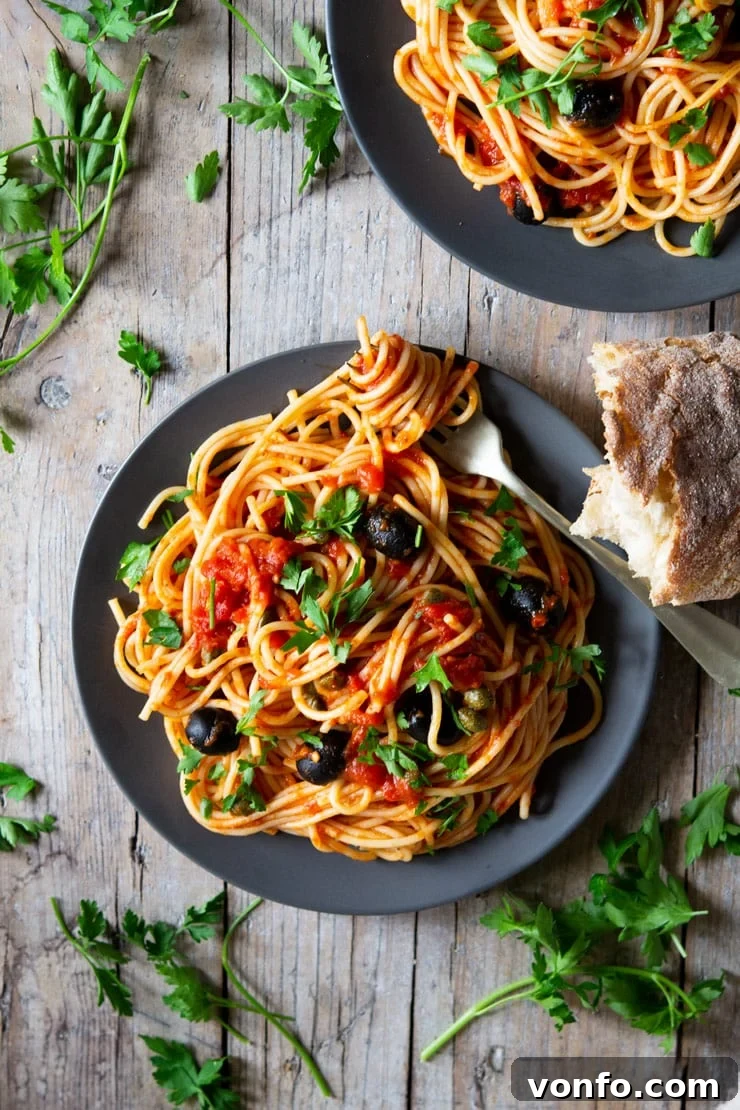
Spaghetti alla Puttanesca: A Quick, Flavorful & Authentic Italian Pasta Recipe
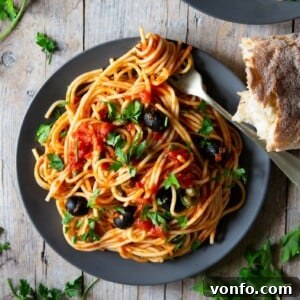
In the realm of quick, simple, and utterly delicious weeknight meals, Spaghetti alla Puttanesca stands out as a true Italian gem. This iconic pasta dish, celebrated for its bold and savory flavor profile, comes together in minutes, relying on a vibrant mix of pantry staples: briny olives, pungent capers, rich anchovies, and ripe tomatoes. Tossed with perfectly al dente spaghetti and a sprinkle of fresh parsley, it’s a culinary masterpiece that promises an authentic taste of Italy without the fuss. When you’re craving something hearty, flavorful, and incredibly satisfying, Puttanesca is a classic choice you simply can’t go wrong with.
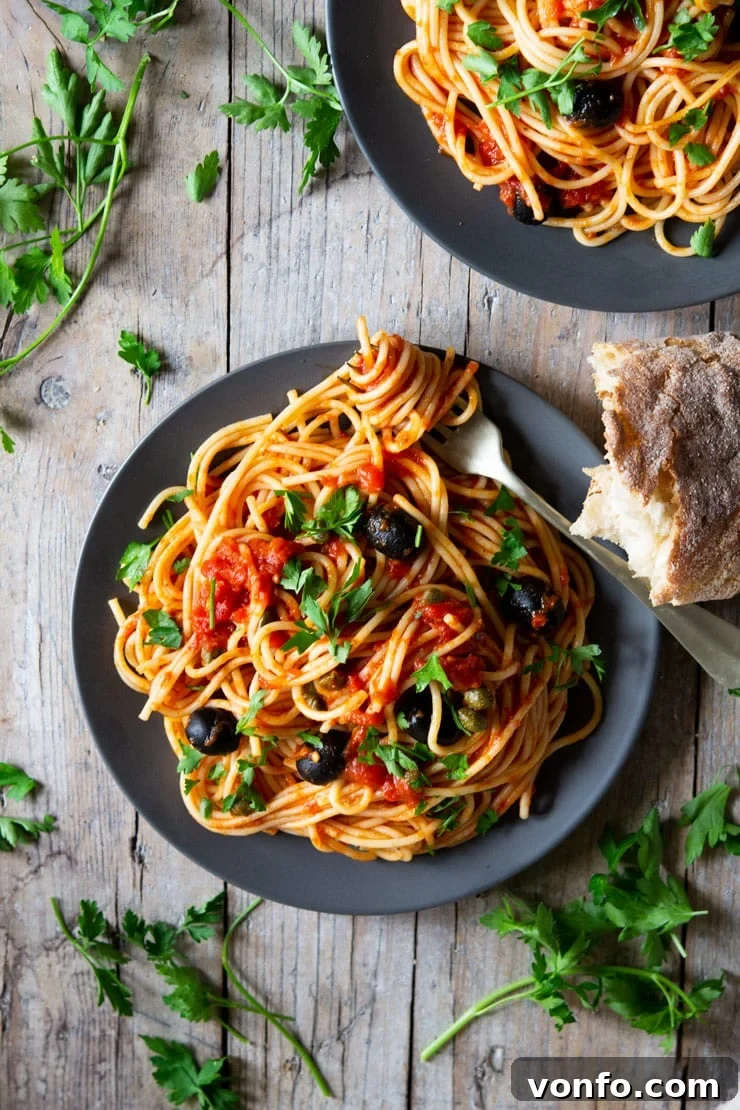
Spaghetti alla Puttanesca has long been my reliable go-to recipe when time is short, hunger strikes, and the budget is tight. It’s a testament to the magic of simple ingredients, proving that extraordinary flavor doesn’t require an extensive shopping list or hours in the kitchen. The beauty of this pasta sauce lies in its reliance on common store-cupboard ingredients—items I almost always have on hand, making it the ultimate impromptu meal solution. Its delightful simplicity and robust taste make it a staple for anyone looking for a quick and satisfying Italian fix.
The Intriguing Name: Why is it Called Puttanesca Sauce?
The name “Puttanesca” often sparks curiosity and a few chuckles. The word puttana, in Italian, translates to “prostitute” or “whore.” So, literally, the name “Spaghetti alla Puttanesca” means “spaghetti in the style of the prostitute” or “whore’s spaghetti.” While the name might seem scandalous for a dish, it hints at the sauce’s humble, yet robust, origins and its unpretentious, straightforward nature. Don’t let the name deter you; this is purely about the food, and its story is as rich as its flavor. The sauce itself is anything but scandalous, offering a burst of Mediterranean zest that has captivated palates for generations.
A Taste of History: The Origins of Puttanesca
The exact origin of Spaghetti alla Puttanesca is shrouded in a bit of mystery and folklore, with a couple of charming theories vying for recognition. My favorite narrative traces its invention back to the 1950s in a popular restaurant on the island of Ischia, near Naples. The story goes that a restaurant owner, faced with a dwindling kitchen supply late one evening, still had hungry patrons waiting. With limited ingredients on hand, the customers, reportedly weary and impatient, exclaimed, “Facci una puttanata qualsiasi!” which roughly translates to “Make any kind of garbage!” or “Whip up any old thing!” Resourceful, the owner gathered what he had—some ripe tomatoes, briny olives, and pungent capers—and created a quick, flavorful sauce. This impromptu creation was such a hit that it quickly earned a permanent spot on the menu and became an enduring classic.
Another popular, albeit more risqué, theory suggests that the sauce was a favorite among prostitutes in Naples, who would quickly prepare it for themselves or their clients. Its ease of preparation, quick cooking time, and use of readily available, inexpensive ingredients made it ideal for a profession where time and resources were often limited. This narrative also suggests that the strong aroma of the garlic, anchovies, and olives would waft from their windows, attracting customers. While both stories add to the colorful lore of this beloved dish, I personally lean towards the restaurant origin—it feels a bit more culinary romantic and less, shall we say, titillating. Regardless of its true beginnings, Puttanesca stands as a testament to Italian ingenuity in creating incredibly delicious meals from simple, wholesome components, proving that great food can come from unexpected places and circumstances.
Why You’ll Love This Authentic Puttanesca Recipe
There are countless reasons why Spaghetti alla Puttanesca has become a cherished staple in Italian households and kitchens worldwide. It’s more than just a meal; it’s a celebration of bold flavors and culinary convenience. Here’s why this recipe deserves a prime spot in your cooking repertoire:
- Unbeatable Speed: In just about 20-25 minutes, you can have a gourmet-tasting meal on the table. It’s faster than most takeout options and infinitely more satisfying, making it perfect for those busy weeknights.
- Pantry Powerhouse: All the core ingredients—canned tomatoes, olives, capers, anchovies, garlic, and dried chili flakes—are likely already in your pantry. This means no last-minute grocery runs, just spontaneous, delicious cooking!
- Explosion of Flavor: Despite its simplicity, Puttanesca delivers an incredibly complex and satisfying taste. The salty olives, tangy capers, umami-rich anchovies, sweet tomatoes, and a hint of spice create a harmonious symphony of flavors that excite the palate with every bite.
- Budget-Friendly: Made with inexpensive, readily available ingredients, this dish is a fantastic option for those looking to enjoy delicious food without breaking the bank. It’s proof that gourmet flavors don’t require an extravagant budget.
- Versatile & Adaptable: While classic, the sauce is wonderfully forgiving and can be adapted to your preferences. Add some fresh herbs, a splash of red wine, or even protein like tuna or shrimp for a personalized twist, catering to various tastes and dietary needs.
- Healthy & Wholesome: Packed with nutrient-rich ingredients like tomatoes (lycopene), olives (healthy fats), and garlic (antioxidants), it’s a meal you can feel good about eating. It aligns well with the principles of the Mediterranean diet.
Key Ingredients for an Authentic Puttanesca
The magic of Puttanesca lies in the quality and balance of its core ingredients. Each component plays a vital role in creating that signature robust flavor:
- Spaghetti: The classic choice for its ability to perfectly cradle the rich sauce. Always cook to al dente for the best texture; it should be tender yet still have a slight bite in the center.
- Canned Plum Tomatoes: These are the essential foundation of the sauce. Opt for high-quality San Marzano or similar canned whole peeled plum tomatoes. Their natural sweetness and rich, concentrated flavor make a huge difference in the final taste, providing a beautiful base for the other robust ingredients.
- Capers: These small, briny flower buds add a distinct salty, tangy kick that is absolutely essential to Puttanesca’s unique character. Their piquant flavor cuts through the richness of the tomatoes and anchovies.
- Black Olives: Traditionally, intensely flavored black olives like Kalamata or Gaeta are used. Their savory, slightly fruity, and salty notes complement the other intense flavors beautifully, adding depth and a pleasant chewiness to the sauce.
- Salted Anchovy Fillets: Don’t be intimidated by anchovies! When sautéed in good quality olive oil, they completely dissolve into the sauce, providing a deep, savory umami flavor rather than a prominent fishy taste. They act as a natural seasoning, enhancing all other ingredients and often reducing the need for additional salt.
- Chili Flakes: A touch of red pepper flakes adds a subtle warmth and gentle heat, balancing the richness of the other ingredients and adding a lively spark to the sauce. Adjust the quantity to your preferred spice level.
- Fresh Parsley: A final generous sprinkle of fresh, chopped parsley is crucial. It adds brightness, vibrant color, and a fresh herbaceous counterpoint to the savory sauce, lifting the entire dish.
- Garlic: Essential for aromatic depth. Whether you choose to keep the cloves whole and remove them for a subtle infusion or finely chop them for a stronger flavor, garlic is key to building the sauce’s foundation.
- Olive Oil: Use a good quality extra virgin olive oil to sauté the aromatics and build the base of the sauce. Its fruity notes are integral to the authentic Italian flavor.
Step-by-Step: Crafting Your Perfect Spaghetti with Puttanesca Sauce
Creating this flavorful pasta dish is incredibly straightforward and quick. Here’s how to bring it all together for an unforgettable meal, promising authentic Italian taste in under 30 minutes:
First, begin by preparing your aromatic base. Bring a large pot of heavily salted water to a rolling boil for the spaghetti. While the water heats, in a large pan or skillet, add a generous tablespoon of good quality extra virgin olive oil. Heat it over a medium flame until it’s shimmering. Once hot, add your salted anchovy fillets and whole (or lightly crushed) garlic cloves. Cook gently, stirring occasionally with a wooden spoon, until the anchovies completely dissolve into the oil, forming a fragrant, savory paste. This typically takes about 30-60 seconds. The garlic will infuse the oil without burning, and the anchovies will melt away, leaving behind pure umami flavor that forms the backbone of your sauce.
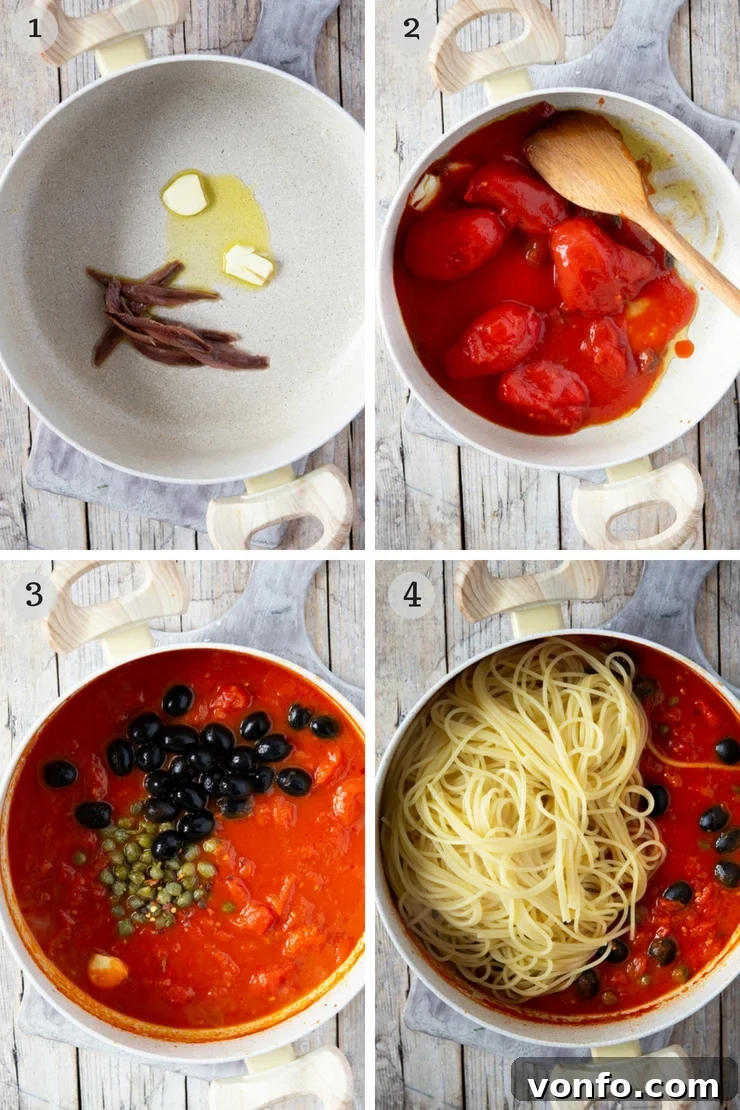
Next, it’s time to build the heart of your sauce. Pour in the canned peeled plum tomatoes, breaking them up with the back of a spoon or your hands directly in the pan as they cook. Add the capers, chili flakes, and black olives to the pan and stir everything together gently. Allow the sauce to come to a gentle simmer. While the puttanesca sauce is simmering and its flavors are melding, add the spaghetti to the pot of boiling water. Cook the spaghetti according to the packet instructions, aiming for a perfect al dente texture – it should be tender with a slight bite in the center. Remember, no one enjoys mushy pasta, so keep a close eye on it!
Continue to stir the tomato mixture occasionally as it simmers and starts to thicken. The flavors will deepen and meld beautifully. If the sauce reduces too much and becomes too thick, don’t worry; simply add a small splash of the pasta water you’re cooking the spaghetti in, and stir to achieve your desired consistency. This starchy pasta water is key to creating a glossy, emulsified sauce. Once the spaghetti is cooked to your liking, use a spaghetti spoon or tongs to lift it directly from the boiling water into the simmering puttanesca sauce. Do not drain the pasta completely; the residual starchy pasta water clinging to the spaghetti will further help to emulsify the sauce, making it cling beautifully to every strand and creating a wonderfully rich and cohesive dish. Toss everything together vigorously, allowing the pasta to absorb the incredible flavors of the sauce. Finally, stir in a generous amount of freshly chopped parsley. Serve immediately, perhaps with a drizzle of extra virgin olive oil and a final sprinkle of fresh parsley for garnish. This is a delicious, easy, and incredibly quick weeknight meal that everyone will undoubtedly enjoy and ask for again!
Tips for Success & Creative Variations
While the classic Puttanesca recipe is fantastic as is, there are several ways to tailor it to your taste and elevate your culinary experience. Here are some comprehensive tips and creative variations to consider for your next batch:
- Olive Choices: Traditionally, intensely flavored black olives such as Kalamata or Gaeta are favored for their robust, briny flavor and meaty texture. However, if you prefer, green olives can also be used. They offer a slightly different briny note and a brighter flavor profile, so feel free to experiment with what you enjoy most or what you have on hand.
- Anchovy Assurance: Many people are hesitant about anchovies due to their strong reputation, but in Puttanesca, they are absolutely crucial and undergo a magical transformation during the cooking process. When cooked gently in olive oil, they dissolve completely, infusing the sauce with a deep umami richness rather than a “fishy” taste. They serve as a natural seasoning, meaning you’ll often need less, if any, added salt. I strongly encourage you to use them! If you genuinely cannot tolerate them or have an allergy, you can omit them, but be sure to add a good pinch of salt and perhaps a dash of soy sauce or Worcestershire sauce to compensate for the missing savory depth.
- Tomato Quality Matters: The quality of your canned tomatoes significantly impacts the final flavor of your sauce. Invest in the best quality canned whole peeled plum tomatoes you can find, such as San Marzano or Cirio brands. Their superior sweetness, low acidity, and rich, concentrated tomato flavor make a huge difference to the end result, creating a more vibrant and delicious sauce.
- Fresh Tomato Alternative: For a fresh take, you can absolutely use fresh cherry tomatoes or ripe Roma tomatoes instead of canned. Use about 1 lb (450g) of cherry tomatoes, halved, or 2-3 large Roma tomatoes, chopped. Sauté them down with the garlic and anchovies until they burst and release their juices, then proceed with adding the capers and olives. You might need to add a splash of water or pasta water to achieve the desired sauce consistency, as fresh tomatoes contain more water.
- Garlic Intensity: For a more subtle garlic flavor, as suggested in this recipe, keep the garlic cloves whole and simply crush them lightly with the side of your knife. You can then remove them before serving, leaving just a gentle garlic essence. If you crave a more pronounced garlic punch, finely chop or mince the garlic before sautéing it.
- Adjusting the Spice: The amount of chili flakes in the traditional recipe offers a subtle background warmth, not an overpowering heat. If you’re a spice enthusiast, feel free to increase the amount of dried chili flakes or even add some fresh, thinly sliced red chilies for an extra kick. Conversely, if you’re sensitive to heat, reduce the amount or omit them entirely.
- Add a Protein Boost: A popular and delicious variation is to add canned tuna (packed in olive oil, drained) to the sauce during the last few minutes of cooking. It complements the existing flavors beautifully and adds a heartier, more substantial element to the dish. Cooked shrimp, mussels, or crumbled Italian sausage can also be delightful additions for those who enjoy seafood or meat with their pasta.
- Experiment with Pasta Shapes: While spaghetti is traditional, other long pasta shapes like linguine, bucatini, or even fettuccine can also work wonderfully, providing a different mouthfeel. For short pasta, penne, rigatoni, or orecchiette can hold the chunky sauce well.
- Fresh Herbs Beyond Parsley: While parsley is classic, a touch of fresh oregano or basil added at the very end can also introduce another layer of herbaceous freshness.
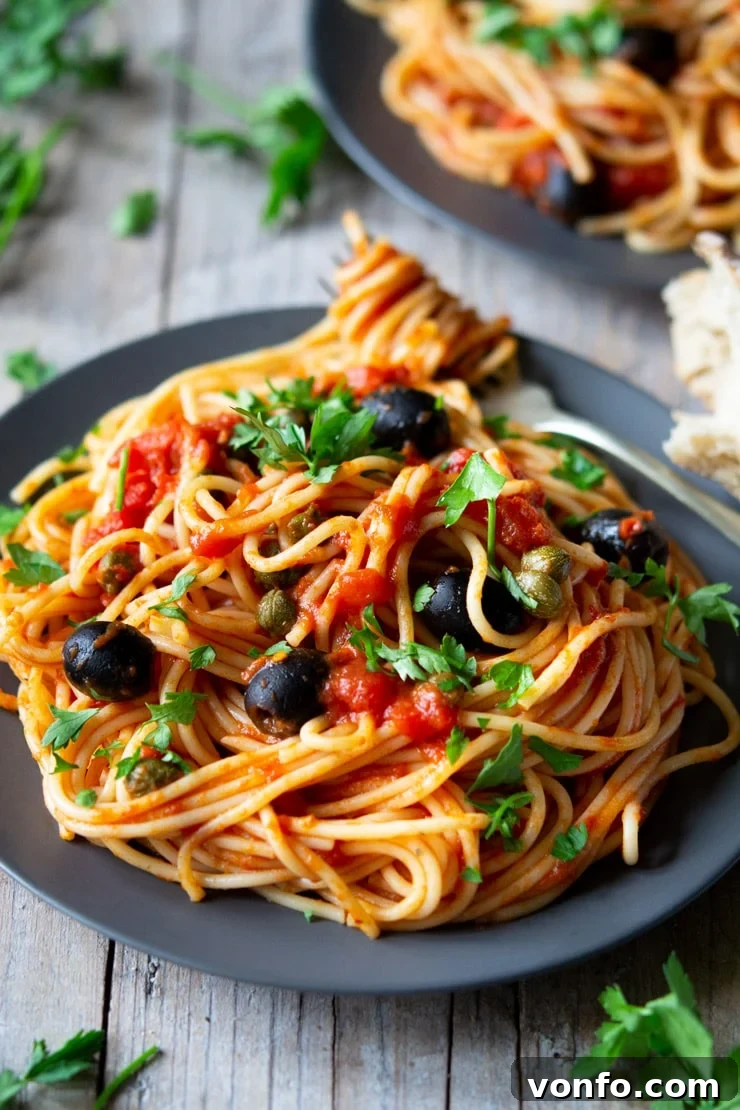
Serving Suggestions for Your Perfect Puttanesca
Spaghetti alla Puttanesca is a complete and satisfying meal on its own, with its rich flavors and substantial pasta. However, a few simple accompaniments can elevate the dining experience and balance the meal:
- Crusty Bread: A must-have for soaking up every last drop of that incredible, savory sauce. A good ciabatta loaf, sourdough, or even a simple baguette is perfect for mopping up the delicious juices.
- Simple Green Salad: A light, crisp green salad dressed with a simple vinaigrette (olive oil, vinegar, salt, pepper) provides a refreshing contrast to the rich and robust pasta, cleansing the palate between bites.
- Red Wine: A medium-bodied red wine, such as a Montepulciano d’Abruzzo, Sangiovese, Chianti, or even a robust rosé, pairs wonderfully with the bold, assertive flavors of Puttanesca, complementing its savory notes.
- Freshly Grated Pecorino Romano: While not traditionally Italian for this specific dish (which is often served without cheese to let the intense flavors of the ingredients shine), a touch of salty, sharp Pecorino Romano or even Parmesan can be a delicious addition for those who enjoy cheese with their pasta. Serve it on the side so guests can add it to their preference.
Make Ahead & Storage Tips
Puttanesca is best enjoyed fresh, when the pasta is perfectly al dente and the sauce is at its peak. However, leftovers are still incredibly delicious! Here’s how to manage them:
- Leftovers: Store any leftover spaghetti and sauce in an airtight container in the refrigerator for up to 3-4 days. The flavors may even deepen slightly overnight.
- Reheating: Gently reheat on the stovetop over low heat, adding a splash of water or vegetable broth to loosen the sauce if it has thickened too much during refrigeration. You can also reheat individual portions in the microwave, stirring occasionally.
Freezing: The sauce itself can be made ahead and frozen without the pasta. Allow it to cool completely, then transfer to a freezer-safe container or bag for up to 3 months. Thaw in the refrigerator overnight before reheating and tossing with freshly cooked spaghetti. This makes for an even quicker weeknight meal!
More Simple & Delicious Pasta Dishes To Try
If you loved this easy and flavorful Puttanesca, explore these other fantastic pasta recipes to expand your Italian culinary repertoire. Each offers a unique taste of Italy, perfect for any occasion:
- Penne with Ricotta, Pancetta and Tomato Sauce
- Creamy Tomato Pasta with Italian Sausage
- Creamy Butternut Squash Pasta
- Orecchiette with Radicchio, Peas and Smoked Pancetta
- Shrimp Linguine with Burst Tomatoes & Parsley
If you’ve tried this Spaghetti with Puttanesca Sauce or any other recipe from our blog, please let us know how you enjoyed it in the comments below – we love hearing from you! Your feedback helps us improve and inspires others to try these delicious recipes. You can also Follow us on Facebook, Instagram, and Pinterest to discover more delicious food and see what we’re cooking up next in our rustic kitchen.
Step-by-Step Photos Above
Most of our recipes come with step-by-step photos, helpful tips and tricks to make it perfectly the first time, and even video!
Spaghetti Alla Puttanesca Recipe
By Emily
5
20
25
4 people
Ingredients
- 13.4 oz (380g) spaghetti
- 14 oz (400g) canned plum tomatoes, high quality (e.g., Cirio or San Marzano)
- 2 tbsp capers
- 1 small handful (1.2 oz/90g) black olives
- 6 salted anchovy fillets
- 1/2 tsp chili flakes
- 1 small bunch parsley, for garnish
- 2 small or 1 large garlic clove, peeled and crushed with the back of a knife
- 1 tbsp olive oil
- 1 small bunch fresh parsley, chopped, for stirring into sauce
Instructions
-
Bring a large pot of salted water to the boil for the spaghetti. In a large pan, add one tablespoon of olive oil with the anchovy fillets and whole garlic clove. Fry over medium heat for 30-60 seconds until the anchovies start to dissolve.
-
Add the canned plum tomatoes (breaking them up), capers, chili flakes, and black olives to the pan and stir everything together. Meanwhile, add the spaghetti to the boiling water and cook according to packet instructions until al dente (around 8-10 minutes).
-
Stir the tomato mixture occasionally as it simmers and starts to thicken. If the sauce reduces too much, add a little splash of the pasta water and stir to maintain consistency.
-
Once the spaghetti is cooked, use a spaghetti spoon to lift it directly from the water into the sauce (this helps emulsify the sauce). Toss everything together vigorously, then stir in the chopped fresh parsley. Serve immediately.
Notes
Tips and Variations – How To Adapt Puttanesca Sauce
- Traditionally black olives are used but green would work fine.
- Don’t like anchovies? Trust me, you can’t taste them. The anchovies are used as a seasoning, which is why salt is often reduced or omitted, and they aren’t fishy in the slightest. I’d urge you to use them, but if you really can’t stand it, you’ll need a good pinch of salt to compensate for the missing umami.
- Use the best quality canned tomatoes possible (e.g., Cirio or San Marzano). It’s really worth the extra few pennies and makes a huge difference to the end result.
- You can use fresh cherry tomatoes instead of canned tomatoes. Use 1lb (450g) cut in half and stew them down with the garlic and anchovies, then add the rest of the ingredients. You might need to add a splash of water.
- I like to keep the garlic whole and then remove it at the end for a more subtle garlic flavor. If you want an extra garlic punch, finely chop or crush it into the sauce.
- The spice again is a subtle kick (nothing is meant to overpower here), but if you’re looking for something spicier, feel free to add more dried or fresh chili.
- Try adding tuna; it’s a popular variation and really delicious.
Calories from Fat 45
Helpful Info for All Recipes
- I always use extra virgin olive oil in all of my recipes unless stated otherwise.
- When I use canned or jarred tomatoes of any kind, I always use Cirio or Mutti brands for the best results and flavor.
- All vegetables are medium sized unless stated otherwise.
- All recipes are tested and developed using a fan (convection) oven.
- Find out more about how nutrition is calculated.
- Check out our must-have Italian Pantry Staples.
- You can also find all our Essential Kitchen Tools for Italian Cooking.
Nutrition (Approximate Per Serving)
Carbohydrates: 75g |
Protein: 14g |
Fat: 5g |
Cholesterol: 3mg |
Sodium: 144mg |
Potassium: 469mg |
Fiber: 4g |
Sugar: 5g |
Vitamin A: 920IU |
Vitamin C: 13.9mg |
Calcium: 39mg |
Iron: 1.8mg
Nutrition information is automatically calculated, so should only be used as an approximation.
Did you try this recipe?
Leave a comment below!