
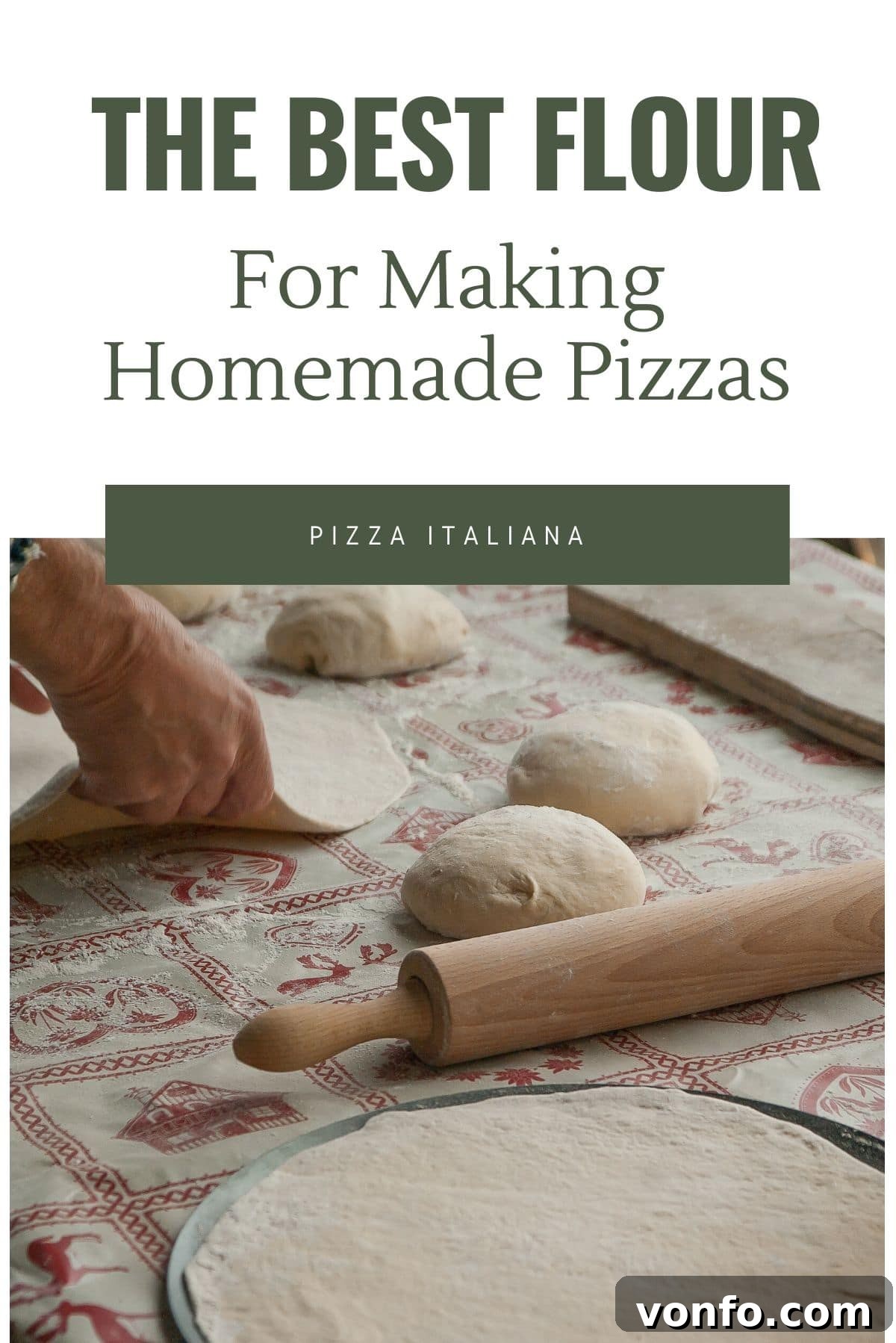
Are you striving for the ultimate homemade pizza experience? Do you dream of crafting a crust that rivals your favorite pizzeria? Whether you’re a seasoned home cook or just starting your pizza journey, selecting the right flour is the single most crucial step to achieving pizza perfection. This in-depth guide will demystify the world of pizza flours, breaking down the science behind each type and revealing our top recommendations. Get ready to transform your pizza nights and impress everyone with your culinary prowess!
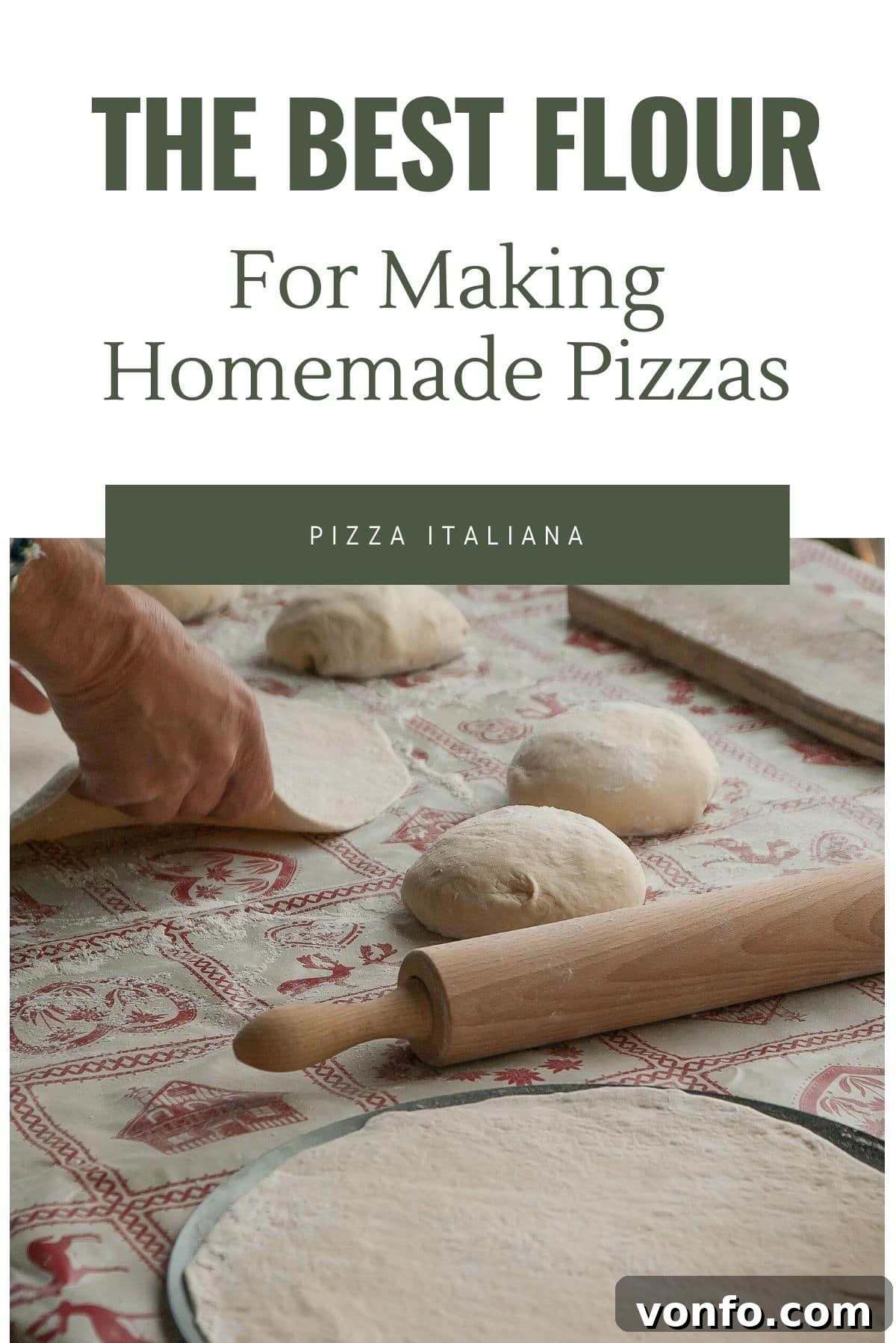
My own passion for pizza runs deep – it’s a staple in my kitchen, often made multiple times a month! But the quest for the “best” flour can be daunting. With so many options available, how do you choose the one that will yield that ideal balance of chewiness, crispness, and flavor?
This comprehensive guide is designed to answer that exact question. We’ll explore the various flours commonly used for pizza, delve into their unique characteristics, and explain how each impacts your final crust. By the end, you’ll have a clear understanding of which flour is best suited for your desired pizza style.
Beyond flour, if you’re looking to complete your pizza setup, don’t forget to check out our guide to essential pizza-making tools – spoiler: you don’t need anything overly fancy, just smart choices! Once you’re armed with the perfect flour and tools, explore our extensive collection of pizza dough recipes to start crafting your masterpiece!
Understanding Pizza Flour: Protein, Gluten, and Milling Grades
Before we dive into specific flour types, it’s helpful to understand a few key concepts that define how flour behaves: protein content, gluten development, and milling grades. These factors fundamentally influence the texture, rise, and overall quality of your pizza crust.
Protein Content: Flour protein content directly correlates with its gluten-forming potential. When flour mixes with water and is kneaded, proteins like glutenin and gliadin combine to form gluten – an elastic network that gives dough its structure and chewiness. Higher protein flour generally means more gluten, leading to a chewier, more robust crust that can trap more gas, resulting in a good rise.
Gluten Development: The elasticity and extensibility of gluten are crucial for pizza dough. You want a dough that can be stretched thinly without tearing, yet still has enough strength to hold its shape during baking. Proper gluten development through kneading creates this desirable texture, allowing for those characteristic air pockets and a satisfying “bite.”
Milling Grades: This refers to how finely the wheat berry is ground and how much of the bran and germ (the outer layers of the wheat kernel) has been removed. Finer milling (like Italian “00”) results in a smoother, whiter flour, while coarser milling or flours with more bran/germ (like wholemeal or Type 2) retain more nutrients and produce a denser texture.
Deep Dive: Exploring Different Flour Types for Pizza
Now, let’s explore the most common and recommended flours for making homemade pizza, evaluating each based on its characteristics and suitability.
All-Purpose Flour: The Versatile Starter
All-purpose (AP) or plain flour is undoubtedly the most common flour found in kitchens worldwide. As its name suggests, it’s designed to be versatile, suitable for a wide range of baked goods, from cookies to quick breads. AP flour is typically milled from a blend of hard and soft wheat, giving it a moderate protein content, usually ranging from 10-12%.
Why it’s “Okay” for Pizza: For beginners or those who only make pizza occasionally, AP flour is perfectly acceptable. It’s readily available, inexpensive, and will produce a decent crust. However, its moderate protein level means less gluten development compared to specialized flours. This results in a dough that absorbs liquid less efficiently and offers less structural integrity. Your pizza might lack the characteristic chewy texture and robust rise often associated with premium pizzeria-style crusts.
Best Uses: Everyday baking, light and tender baked goods. For pizza, it’s a good starting point if you have no other options, yielding a serviceable, somewhat softer crust.
Tip: If using all-purpose flour, opt for unbleached varieties whenever possible. Bleached AP flour is even softer due to chemical treatments, further compromising the dough’s structure.
Bread Flour: Building a Stronger Crust
Stepping up from all-purpose, we find bread flour, specifically designed for yeast-leavened products like bread and, you guessed it, pizza! Bread flour boasts a significantly higher protein content, typically ranging from 12-14%, and sometimes even higher. This increased protein directly translates to more gluten-forming potential.
Why it Excels for Pizza: The elevated protein and gluten in bread flour make a remarkable difference in pizza dough. It absorbs more liquid, creating a stronger, more elastic dough that is easier to handle and stretch. During fermentation and baking, this strong gluten network traps more gases, resulting in a higher rise and a wonderfully airy, chewy crumb. If you’re looking for a crust with good structure, a satisfying chew, and a noticeable rise, bread flour is an excellent choice and a definite upgrade from all-purpose.
Texture Impact: Pizzas made with bread flour will have a more substantial, chewier texture compared to those made with AP flour, holding their shape better and developing a crisp exterior with a soft interior.
Our Recommendation: Among standard supermarket flours, we strongly recommend bread flour over all-purpose for superior homemade pizza results. It offers a significant improvement in texture and structure.
Italian Farina Tipo 00: The Neapolitan Secret
Venturing into the world of authentic Italian pizza, we encounter flours graded by a different system. In Italy, flours are classified as Tipo 00, 0, 1, and 2, with the number indicating the fineness of the mill and the amount of bran and germ removed. Tipo 00 is the most finely milled, removing almost all bran and germ, resulting in an exceptionally soft, powdery white flour.
The Rise of Tipo 00: In recent years, Italian Tipo 00 (pronounced “double zero”) flour has gained immense popularity globally, particularly among enthusiasts of traditional Neapolitan pizza and homemade pasta. It’s now much easier to find, even in mainstream supermarkets, a testament to its widespread appeal.
Why Tipo 00 Shines: Despite its fine texture, Tipo 00 flour often has a moderate to high protein content (though it can vary by brand, so always check the label!). Its fine milling means it absorbs liquid rapidly and creates a very smooth, extensible dough that can be stretched incredibly thin without tearing. This characteristic is perfect for achieving the delicate, blistered crust of a Neapolitan pizza, which is soft and airy around the edges (the cornicione) yet thin and crisp at the base.
Texture Impact: Pizzas made with Tipo 00 flour develop a uniquely soft, yet slightly chewy crust with an excellent internal structure. It promotes a beautiful char in high-temperature ovens and contributes to a lighter, more tender bite than bread flour, while still providing satisfying chewiness. It’s an ideal choice for a classic, authentic Italian-style pizza.
Our Rating: We frequently use Tipo 00 flour for our homemade pizzas, and the results are consistently fantastic. We rate this as the second-best flour for making homemade pizzas, especially if you’re aiming for that iconic Neapolitan style.
Italian Farina Tipo 0: The Pizzeria’s Choice
Following Tipo 00, we have Farina Tipo 0 (pronounced “zero”) flour. This flour is slightly less refined than Tipo 00, meaning it retains a tiny bit more of the bran and germ. However, this subtle difference often translates to a flour with a slightly higher overall protein content and even stronger gluten-forming capabilities, depending on the specific wheat blend used by the mill.
Why Tipo 0 is Our Top Pick: The extra gluten and robust nature of Tipo 0 flour allow for the creation of a dough that is both incredibly soft and wonderfully elastic. This superior elasticity makes it easier to work with, stretch, and shape, providing excellent structural integrity for your pizza. It performs exceptionally well under various baking conditions, from home ovens to high-temperature pizza ovens, consistently producing a crust with a perfect balance of chewiness, crispness, and a delightful open crumb structure.
Authenticity and Availability: When we lived in Italy, Tipo 0 flour was incredibly easy to find, a standard in every supermarket, and widely recognized as the most common flour used in traditional Italian pizzerias. Its prevalence in Italy speaks volumes about its quality and suitability for authentic pizza. Outside of Italy, it can be a bit more challenging to source and might be unfamiliar to casual bakers. However, dedicated Italian delis or online specialty stores are increasingly stocking it.
While Tipo 00 is an excellent and more accessible alternative, our ultimate recommendation for making truly exceptional homemade pizzas is Farina Tipo 0! If you can find it, it’s worth every effort.
Your Next Pizza Project: Delicious Dough Recipes
Now that you’re well-versed in the nuances of different pizza flours, it’s time to put your knowledge into practice! Choosing the right flour is the first step; the next is finding a recipe that inspires you. Below, you’ll find a selection of our favorite pizza dough recipes, each with recommendations for the best flour to use, ensuring fantastic results every time. Get ready to bake!
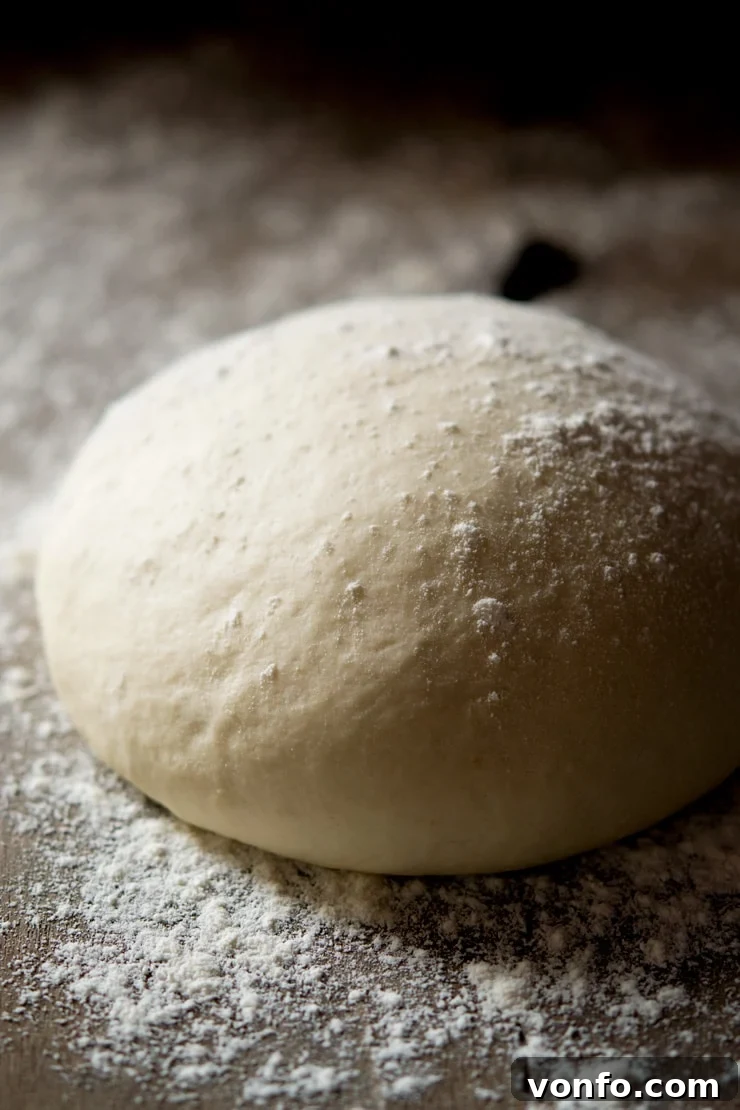
Basic Pizza Dough: Your Everyday Favorite
This easy-to-follow recipe is your perfect starting point for making versatile thin to medium-crust pizzas. It’s incredibly adaptable, working beautifully whether you’re baking in a regular oven with a baking tray, using a pizza stone, or even firing up a dedicated pizza oven. We provide a comprehensive step-by-step guide to ensure your success.
Flour Recommendation: While this dough is forgiving enough to work with any of the flours discussed above, for the best texture and flavor, we highly recommend using Italian Tipo 0 or Tipo 00 flour. Bread flour also yields excellent results, providing a chewier crust.
Sfincione (Sicilian Pizza): A Hearty, Spongy Delight
Sfincione is a beloved traditional Sicilian pizza bread, renowned for its luxurious thickness and incredibly spongy texture. Baked in a deep rectangular baking tray, it resembles a gourmet focaccia more than a typical thin-crust pizza. This unique style requires a slightly higher amount of olive oil in the dough, contributing to its rich flavor and tender crumb.
Flour Recommendation: To achieve Sfincione’s signature texture, we suggest using Italian Tipo 0, Tipo 00, or a high-quality bread flour. All three will provide the necessary structure and chewiness for this rustic, satisfying pizza.
Instant Pizza Dough: Quick Fix, Crave Control
Life happens, and sometimes you need homemade pizza, but simply don’t have hours to wait for dough to prove. We’ve all been there! That’s why we developed our lightning-fast instant pizza dough. This miraculous recipe is ready in just 10 minutes, requiring absolutely no yeast and zero rising time!
Understanding the Crust: This dough produces thin-crust pizzas, almost like a flatbread. While you won’t get the airy, fluffy rise of a yeast-leavened dough, it’s an incredibly satisfying compromise for a delicious, quick pizza fix. It’s perfect for busy weeknights or unexpected cravings.
Flour Recommendation: We’ve extensively tested this recipe with both Italian Tipo 00 flour (our personal favorite for this dough) and all-purpose flour, both yielding excellent results for a fast and flavorful pizza.
We hope this comprehensive guide has empowered you to make informed decisions about your pizza flour and elevated your homemade pizza game. Experiment with different flours and recipes to discover your perfect crust. Don’t forget to explore our essential pizza tools guide and browse our full collection of pizza recipes for even more inspiration!