
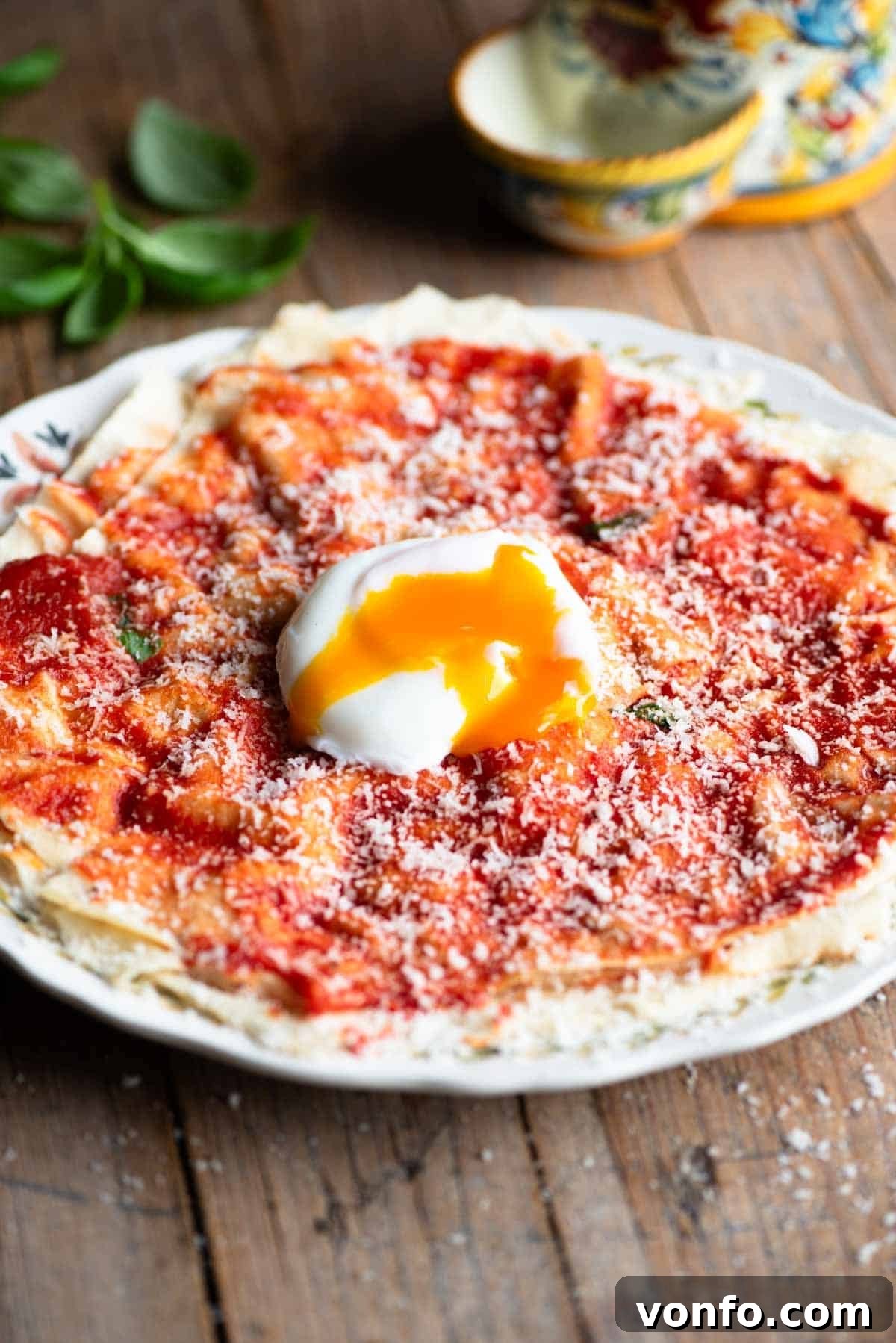
Pane Frattau: A Traditional Sardinian Culinary Gem
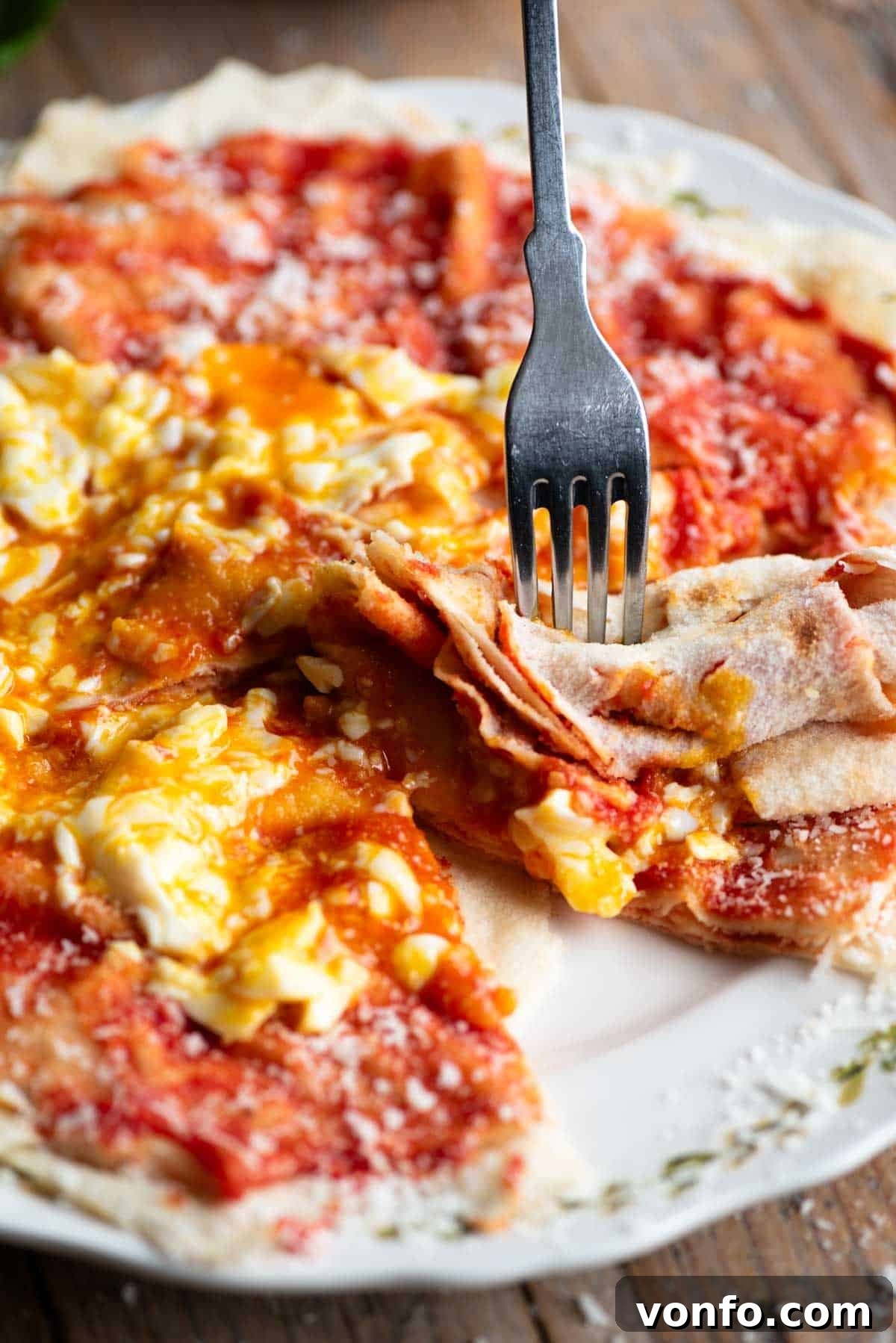
Pane Frattau is not merely a dish; it’s a profound culinary expression from the heart of Sardinia, an Italian island celebrated for its distinct traditions and exceptional flavors. This incredible, traditional Sardinian layered bread dish masterfully transforms humble ingredients into an unforgettable gastronomic experience. At its core, Pane Frattau features delicate layers of paper-thin, crispy bread, gently rehydrated in a warm, aromatic stock, then beautifully layered with a robust, homemade tomato sauce, generously sprinkled with authentic Pecorino cheese, and exquisitely crowned with a perfectly poached egg. It’s a symphony of textures and tastes – unbelievably delicious and versatile enough for a hearty breakfast, an elegant brunch, or a comforting, satisfying meal at any time of the day.
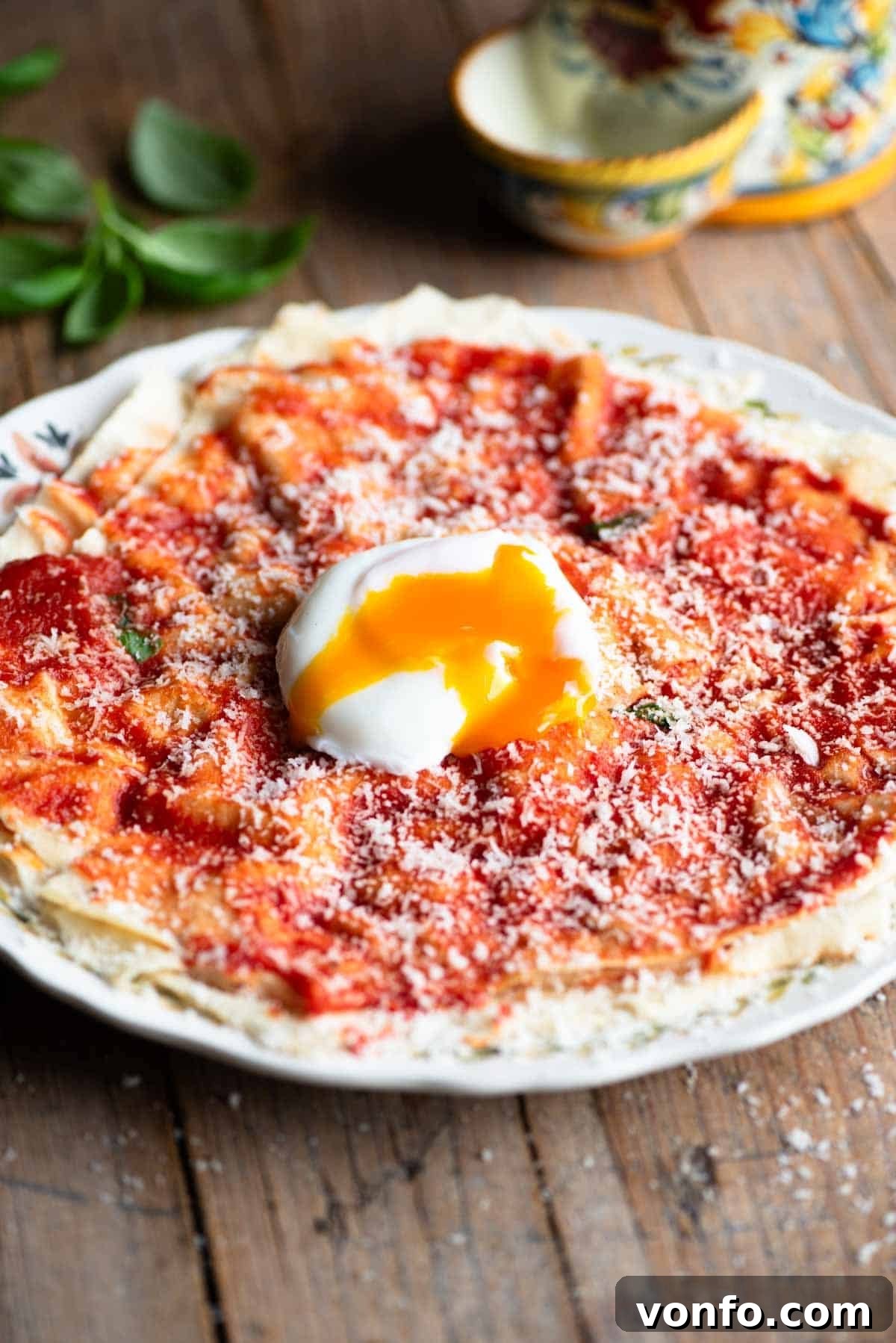
Delving deeper into the culinary treasures of Sardinia, Pane Frattau stands out as one of the most delightful and surprisingly simple dishes you can create. Its enduring allure lies in the harmonious blend of textures and the profound flavors drawn from fresh, quality ingredients, making it a truly authentic Italian comfort food. The preparation process, while straightforward, yields a dish that is both deeply satisfying and incredibly impressive, perfect for sharing with family and friends. This dish eloquently tells a story of the island’s pastoral heritage, embodying the resourcefulness and rich gastronomic traditions of its people.
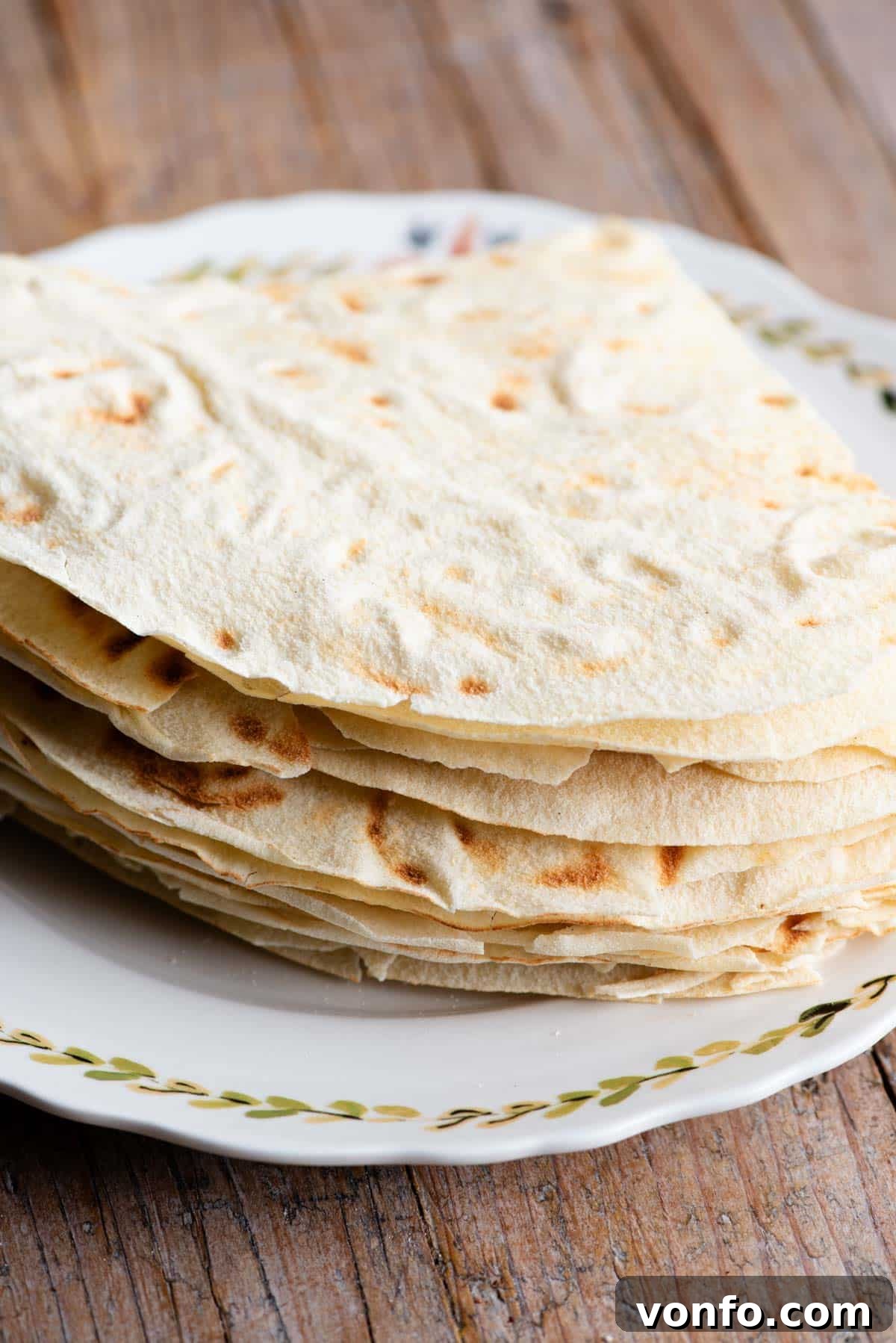
The cornerstone of this traditional Sardinian masterpiece is Pane Carasau, often affectionately referred to as “Carta di Musica” – sheets of music – a name inspired by its exquisite paper-thinness and delicate, crisp texture. This iconic bread, baked into large, round, almost transparent sheets, is a staple in Sardinian homes and has a history stretching back millennia, originally serving as a long-lasting food for shepherds on their arduous journeys. Its unique quality allows it to be stored for extended periods without spoiling, yet it instantly transforms when rehydrated, becoming pliable and absorbing the flavors of the dish it accompanies, creating a truly unique culinary foundation.
Sourcing genuine Pane Carasau is essential for crafting an authentic Pane Frattau. Fortunately, this distinctive bread is becoming increasingly available globally and can often be purchased online from specialty Italian food retailers or found in well-stocked Italian delis and gourmet supermarkets. The magic begins when these brittle sheets are briefly immersed in warm, rich stock – traditionally sheep or goat stock, known for its deep, earthy notes, but high-quality vegetable or chicken stock works beautifully for a broader appeal – allowing them to soften just enough to become pliable and tender without losing their slight structural integrity. These tenderized bread sheets then form the foundation for a vibrant, simple tomato sauce, creamy Pecorino cheese, and finally, a perfectly poached egg, creating a delectable tower of gastronomic delight.
The moment of truth arrives when the Pane Frattau is served. The golden yolk of the poached egg, still soft and wonderfully runny, is meant to be gently burst and spread over the warm, layered bread and sauce. This luscious addition enriches every bite, creating an exquisite fusion of flavors and textures that is truly irresistible. Each forkful offers a taste of Sardinian heritage, a dish that not only satisfies the palate but also connects you to a rich cultural past. It’s a culinary experience you’ll undoubtedly want to recreate and savor time and time again, testament to its simple elegance and profound deliciousness.
Ready to embark on this culinary adventure? Below, you’ll find the comprehensive recipe, complete with detailed notes on selecting the finest ingredients, step-by-step photographs guiding you through each stage, and expert tips to ensure your Pane Frattau is nothing short of perfect. For those who prefer a printable format or wish to jump straight to the full recipe card, simply scroll to the very bottom of this page or click on the recipe link provided.
Table of Contents
- Pane Frattau: A Traditional Sardinian Culinary Gem
- Ingredients: The Heart of Sardinian Flavor
- Visual Recipe Walk-Through: Step-by-Step Perfection
- Mastering Poached Eggs: Essential Tips
- Creative Variations and Customizations
- More Italian Recipes You’ll Love
- Full Printable Recipe Card
Ingredients: The Heart of Sardinian Flavor
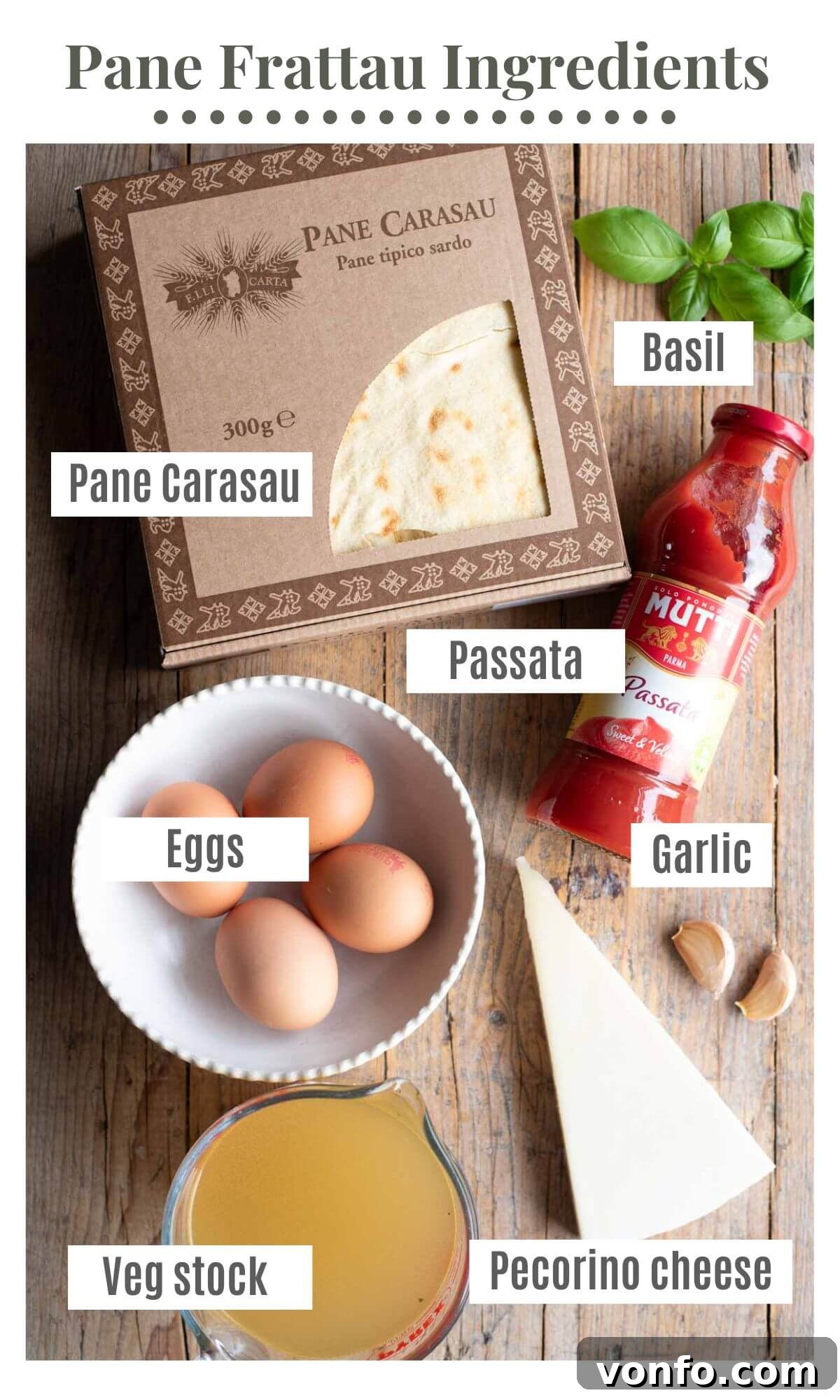
Crafting an authentic Pane Frattau begins with selecting high-quality ingredients. Each component plays a vital role in achieving the dish’s signature taste and texture, contributing to the rich, balanced flavor profile that defines this Sardinian delicacy. Here’s a detailed look at what you’ll need:
Ingredient Notes and Expert Substitutions
- Pane Carasau: As the undeniable star of the show, obtaining genuine Pane Carasau is highly recommended for an authentic experience. Look for it online at reputable specialty Italian food stores or inquire at your local Italian deli or gourmet market. Its unique crispness and remarkable ability to soften beautifully while retaining a slight chew are irreplaceable for the true texture of Pane Frattau.
- Stock: Traditionally, rich and flavorful sheep or goat stock is used in Sardinia, imparting a distinct, earthy depth. However, its availability can be limited outside the region. For an equally delicious and more accessible alternative, a high-quality vegetable or chicken stock works wonderfully. We personally find vegetable stock to be a fantastic choice, offering a clean, savory base that complements the other flavors without overpowering them, making the dish suitable for a wider audience.
- Pecorino Cheese: The pungent, salty, and slightly sharp flavor of Pecorino cheese is absolutely crucial to the character of Pane Frattau. Traditionally, Pecorino Sardo, originating directly from Sardinia, is the cheese of choice. However, if this is difficult to source, Pecorino Romano (as pictured in many Italian markets) is an excellent and widely available substitute. It offers a similar sharp, salty profile that melts perfectly over the warm bread and sauce, providing that essential tangy finish.
- Passata (Tomato Puree): A simple yet vibrantly flavorful tomato sauce is the backbone of this dish. We highly recommend using a premium quality passata (known as smooth tomato puree in the US) for the best results. Brands like Mutti or Cirio are consistently excellent, providing a smooth, naturally sweet, and vibrant tomato base that requires minimal seasoning to shine. Avoid overly acidic or watery passata, as it can detract from the overall balance of the dish.
- Fresh Eggs: The success of your perfectly poached eggs hinges significantly on their freshness. Always opt for the freshest eggs you can find, ideally from a local farm or a reputable source. Fresh eggs have a thicker white that holds together beautifully during poaching, resulting in a compact, aesthetically pleasing, and visually appealing egg. Older eggs tend to spread and feather excessively in the water, making them harder to manage and less attractive. Additionally, using room temperature eggs helps them poach more evenly and gently.
- Fresh Basil: A small handful of fresh basil, ideally torn (not chopped) to release its aromatic oils more effectively, is added towards the end of the sauce’s simmering. This bright, herbaceous note elevates the tomato sauce, providing a fresh and aromatic contrast to the rich cheese and egg.
- Good Quality Olive Oil: Essential for sautéing the garlic and adding a final drizzle over the finished dish for enhanced flavor and richness. Always opt for extra virgin olive oil for its superior taste and quality.
- Salt: A fundamental seasoning to balance and enhance the flavors of the tomato sauce. A tiny pinch is also recommended for the poached eggs just before serving.
Visual Recipe Walk-Through: Step-by-Step Perfection
Creating Pane Frattau is a rewarding process, made even easier with these clear, step-by-step instructions and visual guidance. Follow along to bring this traditional Sardinian dish to life in your kitchen, ensuring each component is prepared to perfection.
Phase 1: Crafting the Simple yet Flavorful Tomato Sauce
A vibrant, fresh tomato sauce is not just an accompaniment but an essential flavor component of Pane Frattau. This recipe focuses on simplicity and quality ingredients to allow the natural, sweet flavor of the tomatoes to truly shine.
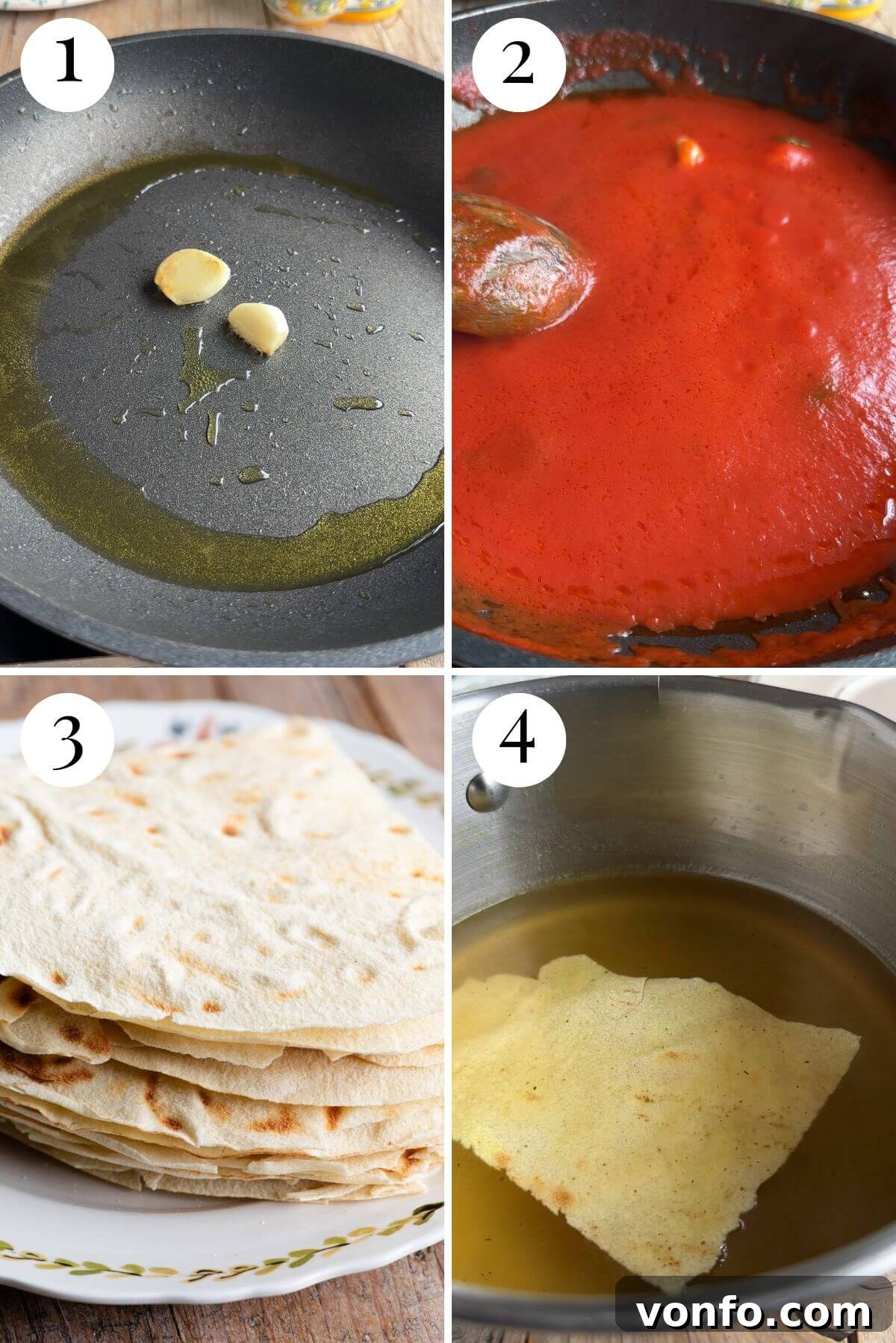
- Sauté the Garlic to Aromatic Perfection: Begin by heating a generous drizzle of good quality extra virgin olive oil in a medium pan over medium heat. Add the two whole, peeled garlic cloves. Sauté them gently for just a few seconds until they become wonderfully fragrant, releasing their inviting aroma into the oil. It’s crucial to be careful not to let them brown too much, as this can impart a bitter taste to your sauce. The goal is to infuse the oil with a subtle yet distinct garlic essence. Once fragrant, carefully pour in the passata (tomato puree) and add a pinch of salt to begin the seasoning process. This simple base sets the stage for a rich and comforting flavor profile. (Refer to Photo 1 for visual guidance).
- Simmer to Intensify Flavors: Reduce the heat to low and allow the tomato sauce to simmer gently for 15-20 minutes. This slow simmering process is absolutely crucial; it allows the sauce to reduce slightly, concentrating and intensifying its flavors, and achieving a desirable, rich thickness. Remember to stir occasionally to prevent any sticking to the bottom of the pan. About five minutes before the sauce is ready, gently tear the fresh basil leaves (tearing helps release more aromatic oils than chopping) and stir them into the sauce. The residual heat will activate their vibrant, herbaceous notes, infusing the sauce with a burst of freshness. Finally, taste the sauce for seasoning and adjust with more salt if needed, ensuring a perfect balance of flavors that will beautifully complement the bread and cheese. (Refer to Photo 2 for visual guidance).
Phase 2: Meticulously Assembling the Layers of Pane Frattau
The layering technique is central to Pane Frattau, creating a delightful interplay of textures and flavors that unfolds with every bite. This careful construction builds a dish that is both visually appealing and incredibly satisfying.
- Prepare and Maintain Warm Stock: In a separate, appropriately sized pot, gently heat your chosen stock (vegetable, chicken, or traditional sheep/goat) until it’s warm but critically, not boiling vigorously. Keep it at a gentle simmer or on very low heat to maintain its temperature consistently throughout the entire assembly process. This ensures that the Pane Carasau softens uniformly and effectively without becoming over-saturated or cold.
- Rehydrate and Form the Bread Layers: Take a piece of Pane Carasau. If the sheets are too large for your pot or your designated serving plate, gently break them into more manageable pieces that fit neatly. Quickly dunk each piece into the warm stock for just a second or two – precisely enough time to soften it and make it pliable without allowing it to become soggy or fall apart. Immediately lay the rehydrated bread flat on your serving plate. Continue this precise process with another 2 or 3 pieces, carefully arranging them to form a single, even layer of bread on the plate, ensuring full coverage and a sturdy base. (Refer to Photos 3 and 4 for visual guidance on rehydration and initial layering).
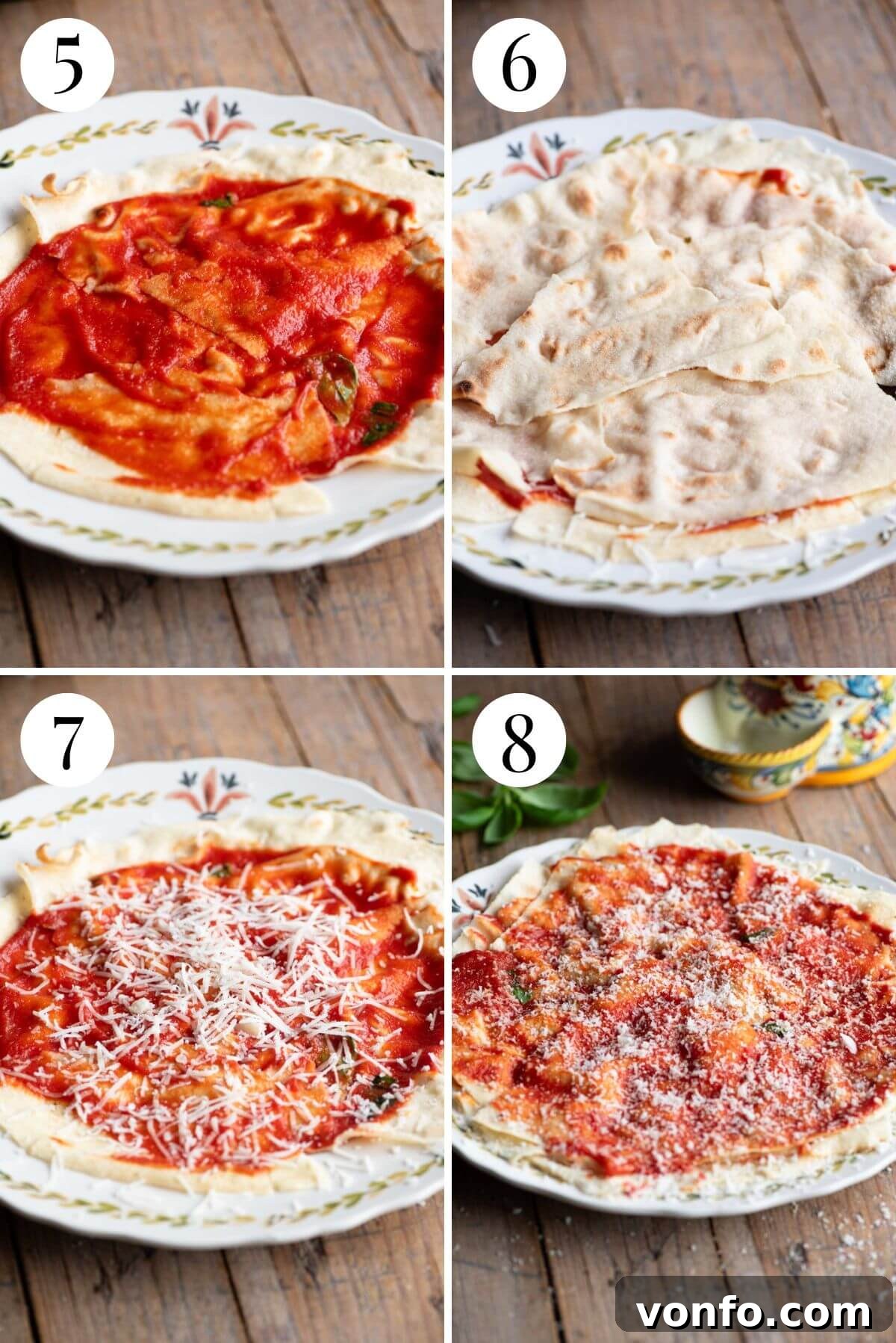
- Apply Sauce and Cheese Liberally: Generously spread 1-2 tablespoons of your freshly made, aromatic tomato sauce evenly over the first layer of rehydrated bread, ensuring every part is covered. Follow this with a liberal grating of Pecorino cheese. The warmth from the bread and sauce will begin to melt the cheese slightly, infusing the layer with its rich, salty, and tangy flavor. Repeat this entire process – rehydrating another layer of bread, carefully layering with more tomato sauce, and generously grating more Pecorino cheese – two more times, creating a total of three distinct and incredibly flavorful layers. Ensure each layer is evenly distributed for a balanced and harmonious bite in every mouthful. (Refer to Photos 5-8 for visual guidance on layering sauce and cheese).
Phase 3: Perfecting Your Poached Eggs (Fresh Eggs are Absolutely Key!)
A perfectly poached egg, with its firm white and beautifully runny yolk, is the glistening crown jewel of Pane Frattau. Achieving this requires attention to detail, and using the freshest eggs available is absolutely essential for success.
- Prepare for Precise Poaching: Bring a large pot of water to a rolling boil over high heat. While the water is heating, gently crack each egg into its own individual ramekin or small bowl. This seemingly small step is crucial, as it allows for a controlled and gentle entry into the water, significantly helping the egg to maintain its compact, desirable shape.
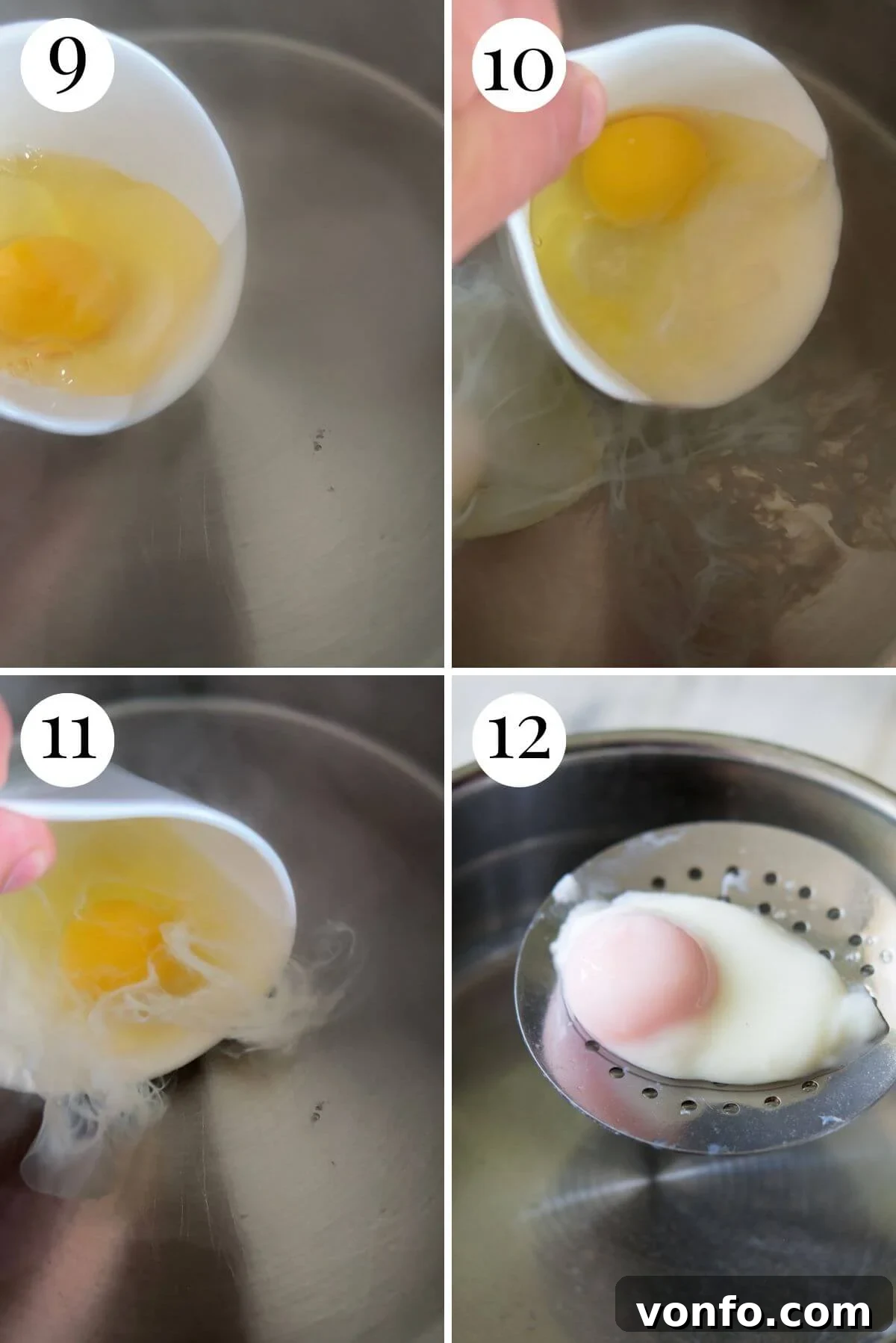
- Controlled Entry into Still Water: Once the water reaches a vigorous rolling boil, immediately turn off the heat completely. This is a crucial step for achieving perfectly tender, evenly cooked eggs. Carefully submerge one ramekin at a time to the edge of the hot, now-still water, then gently and deliberately pour the egg into the water. Repeat this gentle process with the second egg. It’s helpful to try and remember which egg was dropped in first, as this will assist you in timing their removal accurately. (Refer to Photos 9-11 for visual reference on egg preparation and their gentle entry into the water).
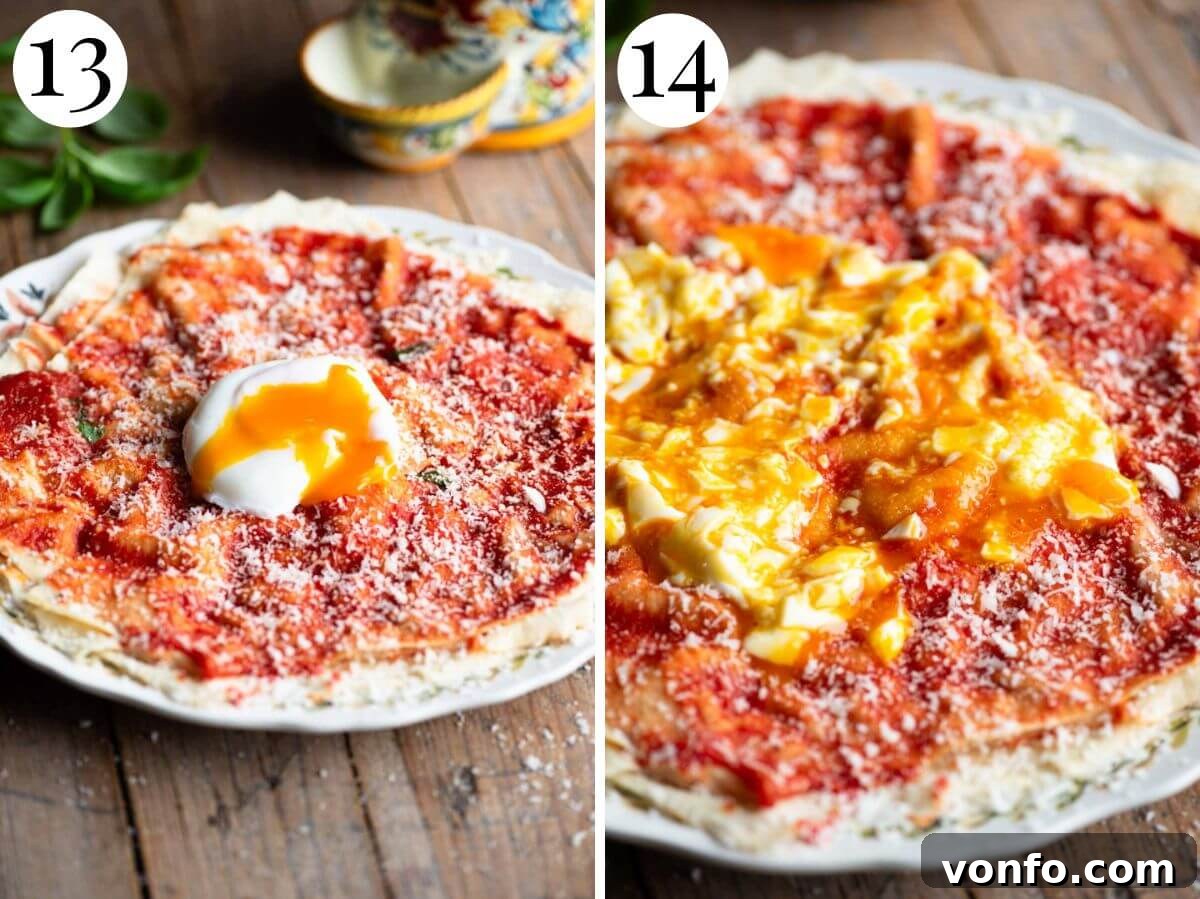
- Poach, Plate, and Present: Allow the eggs to poach undisturbed in the hot, still water for 4-5 minutes. This timing typically results in a beautifully firm white and a wonderfully runny, golden yolk – the ideal consistency for Pane Frattau. Using a slotted spoon, carefully remove the first egg from the water, allowing any excess water to drain away completely. Gently place this beautifully poached egg right in the center of your prepared, layered Pane Frattau. Repeat the process for the second egg. Sprinkle each poached egg with a tiny pinch of salt just before serving, which enhances its flavor. Traditionally, the golden yolk is gently burst and spread over the warm, savory layers of bread and sauce before you cut into it and enjoy. The creamy, rich yolk adds an incredible depth and binds all the flavors together in a truly harmonious way. (Refer to Photos 12-14 for visual guidance on removing and serving the poached eggs).
Mastering Poached Eggs: Essential Tips for Success
Poaching eggs can often seem daunting, but with a few simple techniques and a bit of practice, you’ll achieve perfect results every single time. These expert tips are invaluable for enhancing your Pane Frattau or any other dish requiring beautifully delicate poached eggs.
- Freshness and Room Temperature are Paramount: This is arguably the most crucial tip for flawless poached eggs. Always use the freshest eggs available. Fresh eggs possess a thick albumen (egg white) that holds its shape compactly and neatly around the yolk when gently introduced to water, critically preventing it from feathering out into wisps. Additionally, it’s highly recommended to bring your eggs to room temperature before poaching. Cold eggs tend to cook unevenly and can drop the water temperature too quickly, affecting the poaching process.
- Boil Vigorously, Then Turn Off the Heat: For the most tender, evenly cooked, and beautifully shaped poached eggs, bring a large pot of water to a rolling boil. As soon as it reaches a vigorous, bubbling boil, immediately turn the heat off completely. This creates a gentle, consistent cooking environment with minimal turbulence, which is key to preventing the egg white from breaking up or scattering. Contrary to popular belief, there’s no need to swirl the water or add vinegar – common myths that can sometimes affect the delicate flavor of the egg.
- Utilize Individual Ramekins for Control: Before the water is ready, gently crack each egg into its own individual ramekin or a small, shallow bowl. This preparatory step is vital as it allows you to gently slide the egg into the hot water with precision, rather than dropping it from a height, which often causes the white to separate or spread. Carefully lower the ramekin to the edge of the water until it’s slightly submerged, then gently tip the egg out.
- The Slotted Spoon: Your Indispensable Tool: A slotted spoon (like the one shown in Photo 12 of our recipe walk-through) is an indispensable tool for successfully removing poached eggs from the water. Its design allows the water to drain away effortlessly and cleanly, leaving you with a perfectly cooked egg ready for graceful transfer to your serving plate.
- Gently Dab Away Excess Water: Before transferring the poached egg to your Pane Frattau, consider gently dabbing it with a small piece of clean kitchen paper. This simple action removes any residual water clinging to the egg, ensuring your dish isn’t watered down and maintaining the integrity of the sauce. You can also wipe the bottom of your slotted spoon after removing the egg to prevent unsightly drips.
- Prepping in Advance (and Thoughtful Reheating): If you’re hosting a brunch, preparing for a larger group, or simply meal prepping, you can poach eggs in advance. Immediately after poaching, gently transfer them to a bowl of ice-cold water. This effectively stops the cooking process and is crucial for keeping the yolks perfectly runny. When you’re ready to serve, simply place the chilled poached eggs into a pot of hot (but not boiling) water for approximately 1 minute to gently warm them through without further cooking.
Creative Variations and Customizations for Your Pane Frattau
While the traditional Pane Frattau recipe is exquisite in its elegant simplicity, it also lends itself beautifully to creative variations and personal customizations. Feel free to adapt this classic dish to your specific taste preferences, dietary needs, or what seasonal ingredients you have available in your pantry.
- Scale Up for a Crowd: This base recipe is perfectly designed for two generous servings, making it ideal for a cozy breakfast or an intimate brunch for two. However, it’s incredibly easy to scale up for entertaining. Simply double all the ingredients to comfortably serve 4 people, or triple them if you’re looking to serve 6. The layering process remains consistently simple, regardless of quantity.
- Add a Spicy Kick: For those who truly appreciate a bit of heat and a vibrant flavor profile, infusing the tomato sauce with some spice is a fantastic idea. You can easily add a pinch of fresh chili flakes or a finely diced fresh red chili when you begin sautéing the garlic. For an even bolder, richer, and smoky kick, consider incorporating a small amount of spicy ‘Nduja salami, which will melt into the sauce, adding a complex depth of flavor.
- Introducing Onion for Enhanced Depth: Many traditional Italian tomato sauces (soffritto) begin with a base of gently cooked aromatics. Some authentic Pane Frattau recipes thoughtfully include finely chopped white or yellow onion, which is gently sautéed in olive oil until it becomes softened and translucent before the passata is added. This step adds an extra layer of sweetness, depth, and aromatic complexity to the tomato sauce.
- Herb Alternatives: While fresh basil is the quintessential herb for Italian tomato sauces, consider experimenting with other fresh herbs to offer a different aromatic dimension. A touch of fresh oregano, finely chopped parsley, or even a hint of marjoram can provide unique, complementary flavors to your tomato sauce.
- Cheese Variations: If the strong, salty profile of Pecorino is not to your liking or is unavailable, a milder, yet still flavorful, aged ricotta salata or even a good quality grated Parmesan cheese can be used as a substitute. However, it’s worth noting that the distinctive sharp tang and robust flavor of Pecorino are highly recommended for achieving the most authentic taste.
- Seasonal Vegetable Boost: For a more substantial and nutritious meal, consider adding finely diced seasonal vegetables to your tomato sauce. Vegetables such as zucchini, bell peppers (red or yellow for sweetness), or tender eggplant can be sautéed until tender before adding the passata. This adds texture, flavor, and an extra dose of nutrients.
- Meatier Option: While typically a vegetarian dish, a touch of crispy pancetta or guanciale, rendered and crumbled, could be added to the base of the tomato sauce for a richer, more savory profile.
More Italian Recipes You’ll Love
If you’ve thoroughly enjoyed the authentic flavors of Sardinia with this Pane Frattau recipe, we warmly invite you to explore more delightful Italian recipes that celebrate simple, rustic cooking and rich culinary heritage. Here are some hand-picked suggestions from our collection that share a similar spirit of deliciousness, comfort, and ease of preparation:
Breakfast
Sautéed Tomato Breakfast Crostini With Poached Eggs
Bread & Savory Bakes
La Piadina: Italian Flatbread
Antipasti
Italian Farinata Chickpea Flatbread (La Cecina Toscana)
Bread & Savory Bakes
Brustengo (Umbrian Flatbread)
We truly hope you enjoy creating and tasting this authentic Pane Frattau recipe, and that it transports you to the beautiful island of Sardinia. If you’ve tried this delightful dish or any other recipe from our blog, please don’t hesitate to share your experience! We encourage you to rate the recipe and leave a comment below to let us know how it turned out and what you thought. Your feedback is incredibly valuable to us, helping other home cooks and fueling our passion, and we absolutely love hearing from our culinary community! You can also follow us on Facebook, Instagram, and Pinterest for daily inspiration, behind-the-scenes glimpses, and beautiful food photography, or sign up for our Newsletter to receive weekly updates on our latest delicious food creations, seasonal recipes, and expert cooking tips directly to your inbox.
Step-by-step photos and detailed visual guidance for this recipe can be found in the sections above, ensuring you achieve perfect results on your first attempt!
Most of our recipes come with comprehensive step-by-step photos, helpful tips and tricks for guaranteed success, and often even a video demonstration to guide you through the process seamlessly.
Pane Frattau: Sardinian Layered Bread with Tomato and Poached Egg
By Emily
Print Recipe
Pane Frattau is a cherished, traditional Sardinian dish, a true testament to the island’s rich culinary heritage. It masterfully layers thin, incredibly crispy Pane Carasau bread, lovingly soaked in a flavorful stock, with a simple yet vibrant tomato sauce, generous sprinklings of sharp Pecorino cheese, and exquisitely crowned with a perfectly poached egg. This dish is not just delicious; it’s an experience, ideal for a hearty breakfast, an elegant brunch, or a comforting, satisfying meal any time of the day.
Ingredients
- 6.5 oz (180g) Pane Carasau, (approximately 90g/3oz per person for 2 servings)
- 1.5 cups (400g) Passata (smooth tomato puree, often labeled as tomato sauce in the US)
- 2 whole garlic cloves, peeled
- 1 small handful fresh basil leaves, torn
- 2 cups (500ml) vegetable stock (or traditional sheep/goat stock for authentic flavor)
- 2 large eggs, at room temperature (freshness is paramount for successful poaching)
- Pecorino Sardo or Pecorino Romano cheese, for generous grating
- Salt, to taste
- Extra Virgin Olive oil, for cooking and a final flavorful drizzle
Instructions
Step 1: Prepare the Simple Tomato Sauce
- Add a drizzle of extra virgin olive oil to a medium pan. Add the 2 whole, peeled garlic cloves and sauté them gently for a few seconds over medium heat until they become fragrant. Ensure they don’t burn to avoid bitterness. Pour in the passata (tomato puree) and add an initial pinch of salt.
- Reduce the heat to low and simmer the tomato sauce for 15-20 minutes, or until it has reduced slightly and its flavors have deepened and concentrated. Five minutes before the end of cooking, stir in the fresh torn basil leaves. Taste the sauce for seasoning and adjust with more salt if needed. Remove garlic cloves before serving if preferred, or leave them for a stronger infusion.
Step 2: Assemble the Pane Frattau Layers
- In a separate pot, gently heat your chosen stock (vegetable, chicken, or traditional sheep/goat) and keep it warm, but ensure it is not boiling vigorously.
- Take a piece of Pane Carasau. If necessary, gently break it into smaller pieces so it fits both your pot for dunking and your serving plate. Quickly dunk the bread into the warm stock for just a second or two until it softens slightly and becomes pliable. Immediately lay the rehydrated bread on your serving plate. Continue with another 2 or 3 pieces to create one even, full layer on the plate.
- Spread 1-2 tablespoons of the prepared tomato sauce evenly over the rehydrated bread layer. Generously grate some Pecorino cheese on top. Repeat this layering process two more times, so you have three distinct layers of bread, sauce, and cheese in total, building a delightful tower of flavor.
Step 3: Poach the Eggs and Serve
- Bring a large pot of water to a rolling boil over high heat. While the water is heating, crack each of your room temperature eggs into separate ramekins or small bowls.
- Once the water is vigorously boiling, immediately turn the heat off completely. Carefully lower each ramekin, one at a time, to the water’s surface and gently slide the egg into the hot, still water. Try to note which egg went in first to aid in accurate timing for removal.
- Allow the eggs to poach in the still, hot water for 4-5 minutes for a firm white and a beautifully runny yolk. Using a slotted spoon, carefully remove the first poached egg, allowing any excess water to drain. Place the egg gently in the middle of your assembled Pane Frattau.
- Repeat this process with the second egg. Sprinkle each poached egg with a tiny pinch of salt just before serving. Serve immediately. Traditionally, the golden yolk is gently burst and spread over the warm, layered bread and sauce before you cut into it and enjoy, allowing the creamy richness to meld with every savory bite. Buon appetito!
Recipe Notes and Pro Tips
- Optimal Eggs for Poaching: For the most visually appealing and perfectly cooked results, always use the freshest eggs you can find. Fresh eggs have a naturally tighter white that holds its shape much better during poaching. Furthermore, ensure your eggs are at room temperature before poaching for more even and gentle cooking.
- Poaching Eggs in Advance: If you need to prepare poached eggs ahead of time, immediately after poaching, transfer them to a bowl of ice-cold water. This critical step halts the cooking process, preserving their ideal runny yolk. When you’re ready to serve, simply place the chilled poached eggs into a pot of hot (but not boiling) water for approximately 1 minute to gently warm them through without overcooking.
- Adjusting Servings: This recipe is carefully calibrated to yield two generous servings. To accommodate more guests for brunch or dinner, simply double all ingredients for 4 servings, or triple them if you’re planning to serve 6. The layering and cooking processes remain consistent.
- Adding Onion for Enhanced Flavor: For an additional layer of aromatic depth and subtle sweetness, you can sauté finely chopped white or yellow onion in olive oil until translucent before adding the passata (tomato puree) in step 1 of the sauce preparation. This adds complexity to the base flavor.
- Customizing with Spice: If you enjoy a touch of heat, feel free to add some fresh chili flakes or a finely chopped fresh red chili to the tomato sauce while it simmers. For a deeper, smoky spice, a small amount of ‘Nduja salami can be stirred into the sauce, melting into it and infusing intense flavor.
Helpful Information for All Our Recipes
- We consistently use high-quality extra virgin olive oil in all our recipes unless stated otherwise, for its superior flavor profile and health benefits.
- When using canned or jarred tomatoes of any kind, including passata, we highly recommend opting for premium brands like Cirio or Mutti for the best possible flavor, color, and consistency in your finished dishes.
- Unless explicitly stated otherwise, all vegetables referred to in our recipes are assumed to be of medium size.
- All our recipes are meticulously tested and developed using a fan (convection) oven. Please note that adjustments to cooking times or temperatures may be necessary if you are using a conventional oven.
- Discover more about how nutrition information is calculated on our website, offering transparency about our recipes.
- Explore our comprehensive list of Must-Have Italian Pantry Staples to stock your kitchen with authentic ingredients.
- Find all our recommendations for Essential Kitchen Tools for Italian Cooking to equip yourself for culinary success.
Nutrition Information (Approximate per Serving)
Carbohydrates: 20g
Protein: 9g
Fat: 5g
Saturated Fat: 1g
Polyunsaturated Fat: 1g
Monounsaturated Fat: 2g
Trans Fat: 0.01g
Cholesterol: 164mg
Sodium: 1059mg
Potassium: 852mg
Fiber: 3g
Sugar: 11g
Vitamin A: 1657IU
Vitamin C: 20mg
Calcium: 62mg
Iron: 4mg
Nutrition information is automatically calculated based on the listed ingredients and typical serving sizes. It should be used as an approximation only, as exact values may vary depending on specific brands, ingredient quality, and precise preparation methods.
Did you try this recipe?
We’d love to hear your thoughts! Please leave a comment and a rating below!