
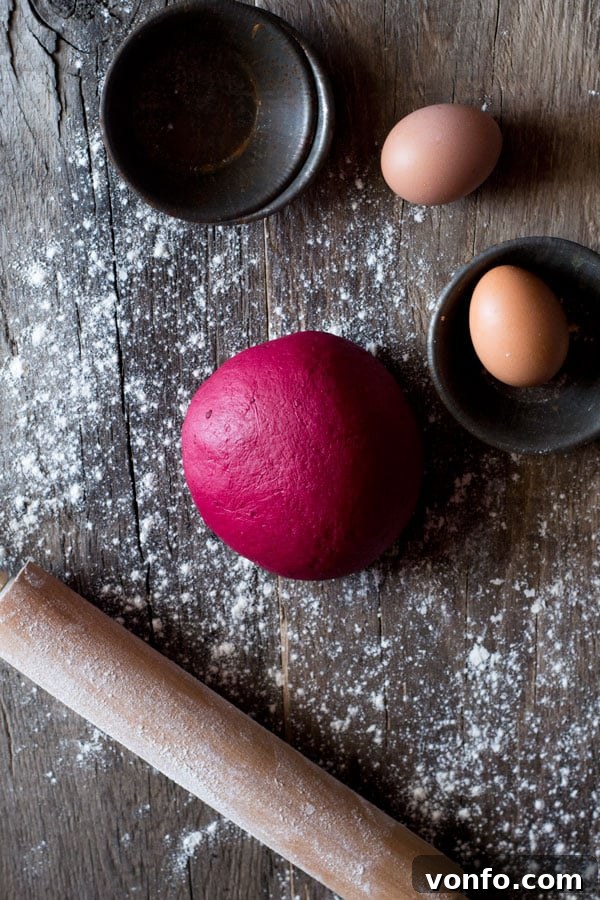
Welcome to the vibrant world of homemade pasta! Learn how to create stunning, bright pink beetroot pasta dough – a surprisingly simple yet incredibly rewarding culinary adventure. This versatile dough is perfect for crafting a variety of pasta shapes, from delicate tagliatelle and broad pappardelle to charming farfalle (bow ties) and more, adding a touch of playful elegance to any meal.
Mastering Homemade Beetroot Pasta Dough: A Vibrant Culinary Journey
Inject a delightful splash of color and fun into your pasta repertoire with this incredible beetroot pasta dough recipe. Far from being an intimidating task, making fresh pasta at home, especially with the added flair of natural color, is a straightforward and enjoyable process that anyone can master. Forget the notion that you absolutely need a fancy pasta machine; rolling out this dough by hand is surprisingly easy and doesn’t demand excessive time or effort. I often find myself preparing this beautiful pink pasta for special occasions like romantic date nights, Valentine’s Day celebrations, or even to brighten a regular weeknight dinner. The visual appeal alone is enough to bring a smile to anyone’s face!
The Magic of Beetroot: Color Without the Earthy Taste
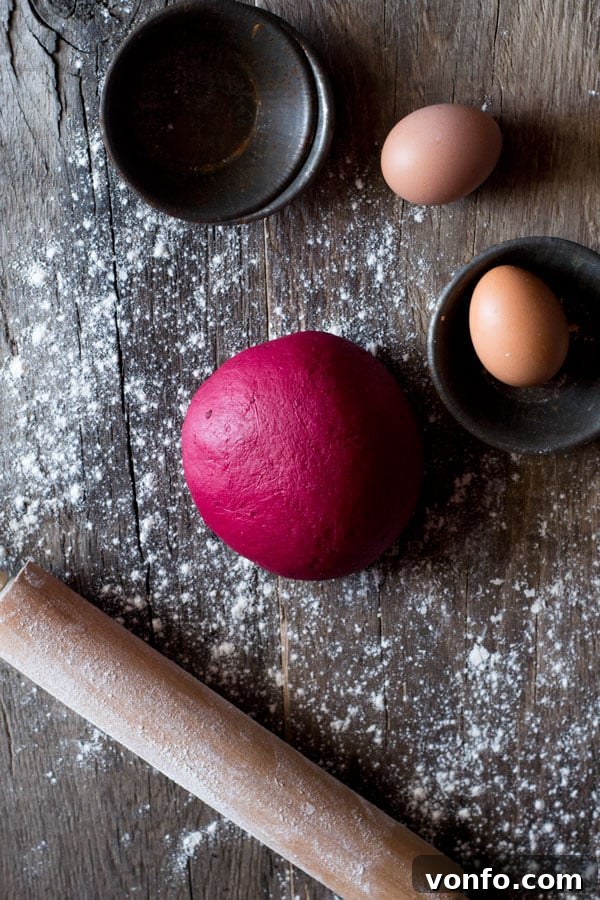
My recent culinary obsession has undoubtedly been beetroot pasta, primarily due to its captivating color and the sheer joy of creating something so visually striking and delicious. A common misconception, and one that often deters potential beetroot enthusiasts, is the worry about an overpowering earthy taste. Rest assured, in this pasta dough, the beetroot serves almost exclusively as a natural food coloring, imbuing the pasta with its signature bright pink hue without imparting a discernible beetroot flavor. So, even if you or your dining companions aren’t typically fans of beetroot, you can confidently indulge in this pasta, knowing it’s purely for the vibrant aesthetic.
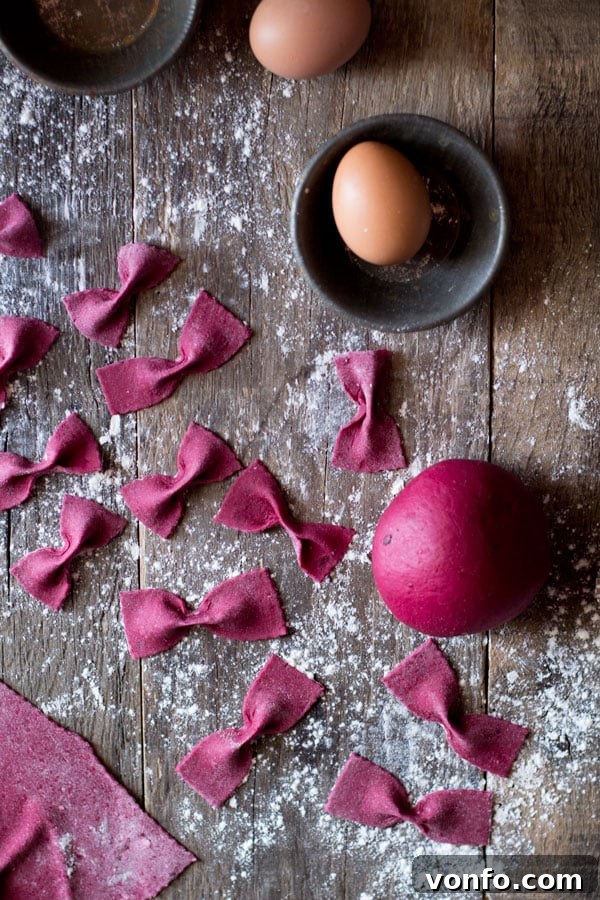
I frequently use this gorgeous dough to make farfalle, an Italian pasta shape whose name elegantly translates to “butterflies.” While not traditionally considered a fresh pasta shape in all regions of Italy, farfalle are undeniably one of the simplest and most enjoyable shapes to create by hand, resulting in incredibly pretty and charming pasta pieces. The process involves rolling out the thin dough, cutting it into small rectangles (often with a crimped pasta cutter for decorative edges), and then pinching the center to form the iconic butterfly or bow-tie shape.
Beyond Farfalle: Unleashing Your Pasta Creativity
While farfalle are a delightful choice, the beauty of this beetroot pasta dough lies in its versatility. It’s perfectly suited for a myriad of other classic fresh pasta shapes. Imagine long, elegant strands of **tagliatelle**, ideal for clinging to rich cream sauces, or broad, luxurious ribbons of **pappardelle**, which pair beautifully with hearty meat ragùs. You could even get adventurous and craft intricate shapes like ravioli or tortellini, filling them with complementary flavors to highlight the pasta’s striking color.
Tips for Perfect Pasta Rolling and Shaping
Whether you’re using a rolling pin or a pasta machine, achieving the right thickness is key to tender, delicious pasta. If you’re going the traditional rolling pin route, start by dividing your dough into manageable halves. Keep one half wrapped in cling film to prevent it from drying out while you work with the other. Gently flatten the dough into a rough rectangular shape before you begin rolling. The goal is to roll it out as thinly as possible without it becoming transparent or tearing. As you roll, turn the dough frequently, ensuring you work all edges evenly. Use a minimal amount of flour to prevent sticking, dusting lightly only when necessary. Excessive flour can make the pasta tough and alter its texture.
Once your dough sheet reaches the desired thinness, it’s time to cut it into your chosen shape. For tagliatelle or pappardelle, simply fold the sheet loosely and cut into strips of your preferred width. For farfalle, cut rectangles, then pinch the center firmly. Repeat this process with the remaining dough, always keeping any unused portions covered. Precision in rolling and cutting will ensure even cooking and a beautiful presentation.
Step-by-Step Guide: Crafting Your Beetroot Pasta Dough
Making this vibrant pasta starts with the star ingredient: beetroot. The preparation of the beetroot is a crucial first step that ensures a smooth puree and optimal color extraction.
Preparing the Beetroot Puree
Firstly, to ensure the beetroot is tender and easy to blend, I begin by roasting it. Wash your beetroot thoroughly, then drizzle it with a little olive oil and a pinch of salt. Wrap each beetroot (or a few together, depending on size) tightly in tin foil. Roasting in foil helps to steam the beetroot, making it incredibly tender and intensifying its natural sweetness. Place the foil-wrapped beetroot on a baking tray and roast in a preheated oven at 180°C/350F/Gas Mark 4 for approximately an hour, or until a knife can be easily inserted into the center. This tenderness is key for a smooth puree. Once roasted, allow the beetroot to cool completely. The skin will then peel away very easily, revealing the beautifully soft, vibrant flesh. Chop the cooled, peeled beetroot into quarters before transferring it to a bowl. Using a handheld blender or food processor, blitz the beetroot until you achieve a perfectly smooth, lump-free puree. This smooth consistency is vital for a silky pasta dough.
Mixing and Kneading the Dough
With your beetroot puree ready, it’s time to bring the pasta dough to life. In a large mixing bowl (or directly on a clean, spacious work surface if you prefer the traditional Italian method), combine the 00 flour and a pinch of salt. Make a generous well in the center of the flour. Into this well, crack one egg and add your prepared beetroot puree. Using a fork, gently beat the egg and beetroot puree, gradually incorporating the flour from the sides of the well. Continue mixing with the fork until the ingredients begin to come together and form a shaggy, cohesive mass.
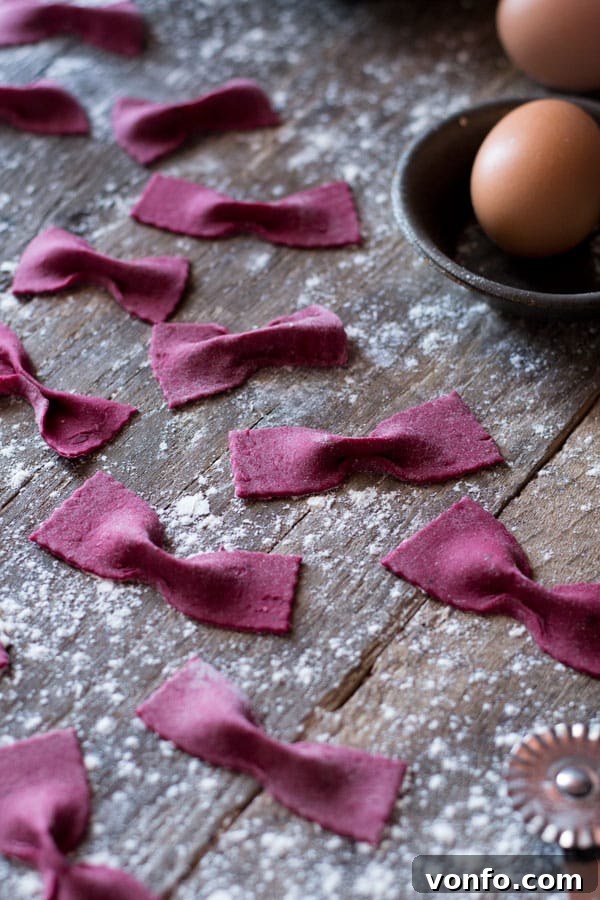
Once the dough has formed a rough ball, it’s time for the most important step: kneading. Transfer the dough to a lightly floured work surface and begin to knead vigorously for about 10 minutes. The kneading process develops the gluten in the flour, which is what gives pasta its characteristic chewiness and elasticity. As you knead, the dough will transform from a sticky, uneven mass into a smooth, supple, and elastic ball. Use as little additional flour as possible during kneading to avoid making the pasta tough. A good test for readiness is to cut the dough in half; if you see tiny air bubbles distributed throughout, it means the gluten has been properly developed, and your pasta dough is done. Reshape the dough back into a ball and wrap it tightly in cling film. This prevents it from drying out and allows the gluten to relax. Let the dough rest at room temperature for at least 30 minutes before using, or place it in the fridge if you plan to use it later.
Why Resting Your Pasta Dough is Essential
The resting period is a non-negotiable step in achieving perfect homemade pasta. After the intensive kneading, the gluten strands in the dough are tense and tight. Resting allows these gluten strands to relax, making the dough much easier to roll out thinly without it snapping back or tearing. It also helps to hydrate the flour more fully, resulting in a smoother, more pliable dough with a superior texture. Skipping this step often leads to frustration during rolling and a less tender final product.
Serving Suggestions for Your Pink Pasta
This beautiful beetroot pasta, with its delicate flavor and striking color, deserves simple yet complementary sauces that allow its vibrant hue to shine. Here are a few serving suggestions:
- **Brown Butter & Sage:** A classic and elegant choice. The nutty aroma of brown butter perfectly complements the subtle sweetness of the pasta, while fresh sage adds an aromatic depth.
- **Lemon & Ricotta:** A light and fresh option. Toss the pasta with creamy ricotta cheese, a squeeze of fresh lemon juice, lemon zest, and a drizzle of good quality olive oil. A sprinkle of fresh parsley or basil would be wonderful.
- **Garlic & Chili Oil:** For those who enjoy a little kick. Sauté garlic and red chili flakes in olive oil, then toss with the freshly cooked pasta. Simple, quick, and delicious.
- **Creamy Goat Cheese & Walnuts:** The tang of goat cheese beautifully contrasts with the pasta, and toasted walnuts add a lovely crunch and earthy note.
- **Asparagus & Parmesan:** In spring, a simple sauce of blanched asparagus tips, olive oil, and freshly grated Parmesan cheese makes for a fresh and satisfying meal.
Remember, the goal is to enhance, not overpower, the natural beauty of your pink pasta!
Storage Tips for Homemade Fresh Pasta
Making a batch of fresh pasta can be a rewarding experience, and knowing how to store it properly ensures you can enjoy it later. Here’s how:
- **Short-Term Storage (Refrigeration):** If you plan to cook the pasta within 1-2 days, lightly dust the shaped pasta with semolina flour or all-purpose flour to prevent sticking. Arrange it in a single layer on a baking sheet or tray, or form small nests of pasta. Cover loosely with cling film and refrigerate.
- **Long-Term Storage (Freezing):** Fresh pasta freezes exceptionally well. Again, dust the shaped pasta generously with semolina flour. Arrange it in a single layer on a parchment-lined baking sheet and freeze until solid (this prevents clumping). Once frozen solid, transfer the pasta to airtight freezer bags or containers. It will keep well for up to 1-2 months. Cook directly from frozen in boiling salted water; it may take an extra minute or two to cook.
Frequently Asked Questions About Beetroot Pasta
1. Does beetroot pasta taste like beetroot?
No, surprisingly! The roasting process and its integration into the dough primarily lend color. The beetroot flavor becomes very mild, almost undetectable, making it appealing even to those who aren’t fond of plain beetroot.
2. Can I use a food processor to make the dough?
Yes, you can! Combine the flour, salt, egg, and beetroot puree in a food processor fitted with the dough blade. Pulse until a shaggy ball forms, then continue to knead by hand on a floured surface for about 5-7 minutes until smooth and elastic. While the food processor helps initially, hand-kneading ensures proper gluten development.
3. What type of flour is best for homemade pasta?
00 flour (doppio zero) is ideal for fresh pasta. It’s a finely milled Italian flour with a lower protein content than bread flour, resulting in a silky, tender pasta texture. All-purpose flour can be used as a substitute, but the texture might be slightly chewier.
4. How long does fresh beetroot pasta take to cook?
Fresh pasta cooks much faster than dried pasta. Depending on the thickness and shape, it typically takes only 2-4 minutes in generously salted boiling water. Always taste a piece to check for al dente perfection.
5. Can I make this pasta vegan?
You can experiment with replacing the egg with a flax egg (1 tbsp ground flaxseed + 3 tbsp water, rested for 5 minutes) or a commercial egg replacer, along with a bit more beetroot puree or water to achieve the right dough consistency. However, the texture will likely be different from traditional egg pasta.
More Delicious Pasta Creations You Might Love
If you’ve enjoyed creating this vibrant beetroot pasta, be sure to explore more homemade pasta recipes and Italian culinary delights from our kitchen:
- Homemade Pasta Dough – How To Step By Step
- Spinach Pasta Dough (2 ingredient easy recipe)
- Farfalle pasta with pancetta, chili and garlic
- Penne pasta with ricotta, pancetta and tomato sauce
- Creamy butternut squash pasta
I genuinely love hearing about your culinary experiences! If you’ve tried this beetroot pasta recipe or any other delightful dish from the blog, please share your thoughts and successes in the comments below. Your feedback truly inspires me! You can also connect with me and discover more delicious food and kitchen adventures by **FOLLOWING ME** on FACEBOOK, TWITTER, INSTAGRAM, and PINTEREST.
Step-by-step photos are provided throughout this article. Many of our recipes also include helpful tips, tricks, and even video tutorials to ensure perfect results on your first attempt!
Beetroot Pasta Dough
Rating: 3.67 out of 5 stars from 3 votes
By Emily
20 mins
1 hr
1 hr 20 mins
6 people

Pin Recipe
Print Recipe
Discover how to prepare a vibrant, bright pink beetroot pasta dough that is both incredibly fun and surprisingly straightforward to create. This versatile dough is perfect for crafting a range of delightful pasta shapes, including tagliatelle, pappardelle, farfalle (bow ties), and many more, making it a fantastic addition to your homemade pasta repertoire.
Ingredients
- 7 oz (200g) beetroot
- 2 1/4 cups (350g) 00 flour
- 1 egg
- Pinch of salt
- 1 tsp olive oil (for roasting beetroot)
Instructions
- Preheat your oven to 180°C/350F/gas mark 4. Drizzle the beetroot with a little olive oil and sprinkle with a pinch of salt. Wrap the seasoned beetroot tightly in tin foil and place it on a baking tray. Roast in the oven for 1 hour, or until the beetroot is tender enough that a knife can be easily inserted. Remove from the oven, unwrap, and let cool. Once cooled, peel the skin, cut the beetroot into quarters, and transfer to a bowl. Using a handheld blender or food processor, blitz the beetroot until it forms a perfectly smooth puree.
- In a large mixing bowl (or on a clean work surface), combine the 00 flour and salt. Create a well in the center of the flour. Add the egg and the prepared beetroot puree into the well. Using a fork, gently beat the egg and beetroot puree, gradually incorporating the surrounding flour until a shaggy dough begins to form.
- Once the dough starts to come together into a rough mass, transfer it to a lightly floured work surface. Begin kneading the dough vigorously for about 10 minutes. During this process, use as little extra flour as possible to avoid drying out the dough. Continue kneading until the dough becomes smooth, elastic, and springy to the touch.
- To test if the dough is ready, cut it in half; if you observe tiny air bubbles within the dough, it indicates that the gluten has developed sufficiently. Reshape the dough back into a ball and wrap it tightly in cling film. Allow the dough to rest at room temperature for at least 30 minutes before you proceed with rolling and shaping. Alternatively, you can refrigerate it for later use.
Notes
Please note that this recipe was developed and tested using metric measurements; all imperial measurements provided are approximate. This recipe is designed to serve 4-6 people.
Helpful Info for All Recipes
- I always use extra virgin olive oil in all of my recipes unless specifically stated otherwise.
- For canned or jarred tomatoes of any kind, I consistently choose Cirio or Mutti brands to ensure the best flavor and results.
- Unless specified, all vegetables are assumed to be medium-sized.
- All recipes published here are thoroughly tested and developed using a fan (convection) oven.
- Find out more about how nutrition information is calculated on our website.
- Don’t miss our guide to must-have Italian Pantry Staples.
- Explore our recommendations for Essential Kitchen Tools for Italian Cooking.
Nutrition Information
Nutrition information is automatically calculated and should only be used as an approximation.
Did you try this recipe?
Leave a comment below and share your experience!