
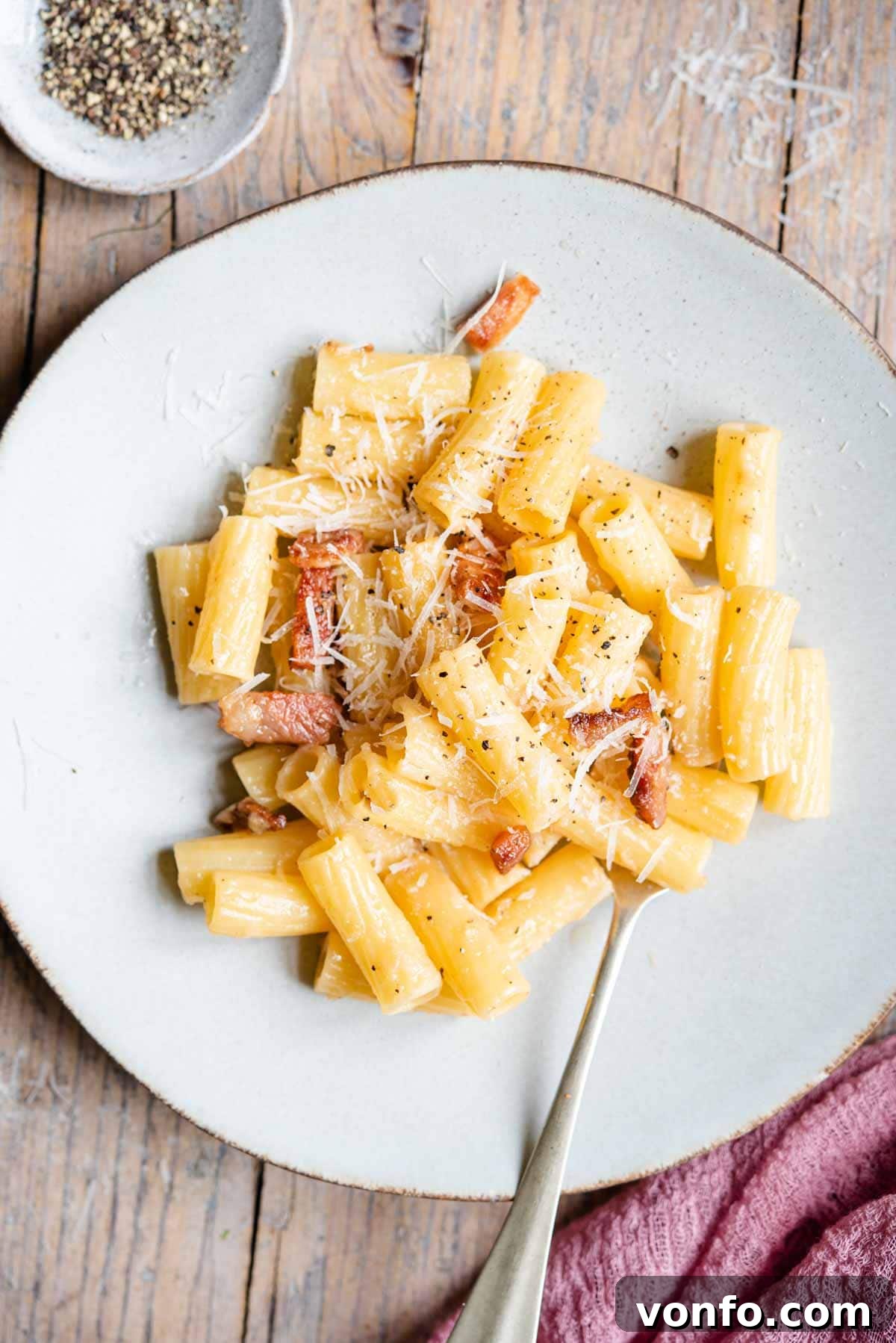
Pasta alla Gricia: The Authentic Roman “Aglio e Olio” with Guanciale
Welcome to the heart of Roman culinary tradition! Pasta alla Gricia is an incredibly simple yet profoundly flavorful classic pasta dish hailing from the Lazio region of Italy. Often dubbed “Aglio e Olio with meat,” Gricia is celebrated for its rich, satisfying taste, achieved with just four core ingredients. It’s the perfect authentic Italian comfort food to whip up on a busy weeknight, promising a gourmet experience without the fuss. Buon Appetito!
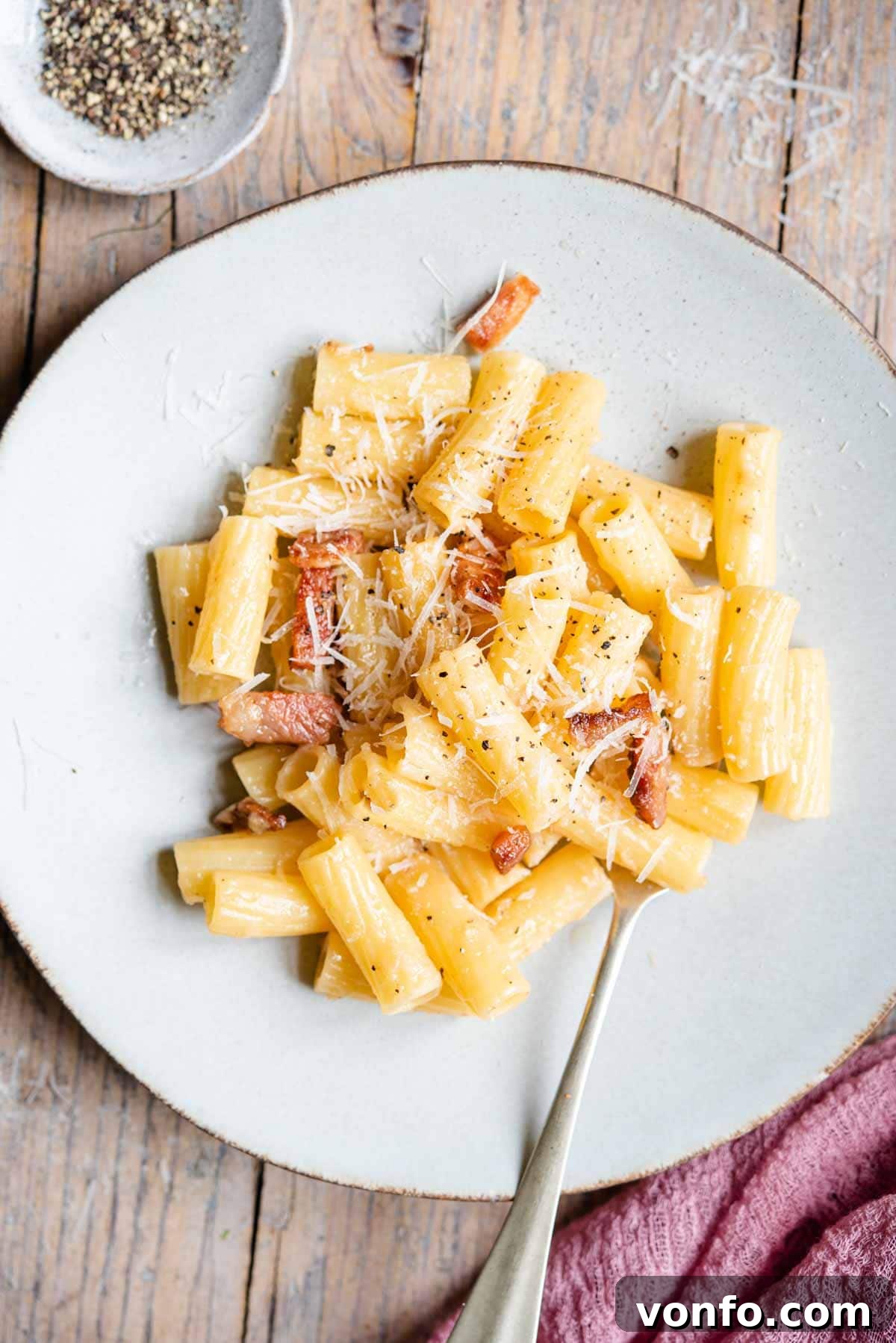
Before the introduction of tomatoes to Italian cuisine, Gricia was the original “white” pasta dish, serving as the foundational recipe for what would later become two other beloved Roman classics. Add fresh eggs, and you have the iconic Pasta Carbonara. Introduce sweet, ripe tomatoes and a splash of white wine, and it transforms into the robust Pasta all’Amatriciana. Understanding Gricia is truly understanding the roots of Roman pasta artistry.
Despite its minimalist ingredient list, Pasta alla Gricia delivers an explosion of savory flavor that has captivated palates for centuries. It’s a testament to how quality ingredients and simple techniques can create something truly extraordinary. This dish isn’t just easy; it’s a deep dive into authentic Italian flavors, perfect for those seeking a genuine taste of Rome at home.
The Rich History and Origin of Pasta alla Gricia
Pasta alla Gricia boasts a fascinating history rooted deeply in the culinary traditions of central Italy. It originates from the Lazio region, specifically believed to have been born in the small town of Amatrice, nestled in the Apennine mountains. This dish was originally a staple for shepherds and farmers who needed hearty, calorie-rich meals that could be prepared with non-perishable ingredients they carried with them.
The name “Gricia” itself is believed to come from “Grisciano,” a small village near Amatrice, or possibly from the “Grici,” bakers or vendors from Switzerland who settled in Rome and were known for their simple, hearty fare. Regardless of the exact etymology, its essence lies in its simplicity and the masterful use of local products.
Before the arrival of tomatoes in Italy and their subsequent integration into Roman cuisine in the 17th century, Gricia stood as the reigning “white” pasta. It’s essentially the precursor to Amatriciana, demonstrating how ingredients evolve and adapt over time while retaining the soul of a dish. This historical context only adds to its appeal, making it more than just a meal – it’s a piece of Italian culinary heritage that connects us directly to the rustic kitchens of ancient Rome.
Essential Ingredients for Authentic Pasta alla Gricia
Creating an authentic Pasta alla Gricia requires a meticulous selection of just four key ingredients. The beauty of this dish lies in the quality and interaction of each component. Here’s what you’ll need to unlock its full potential and truly capture the essence of Roman flavor:
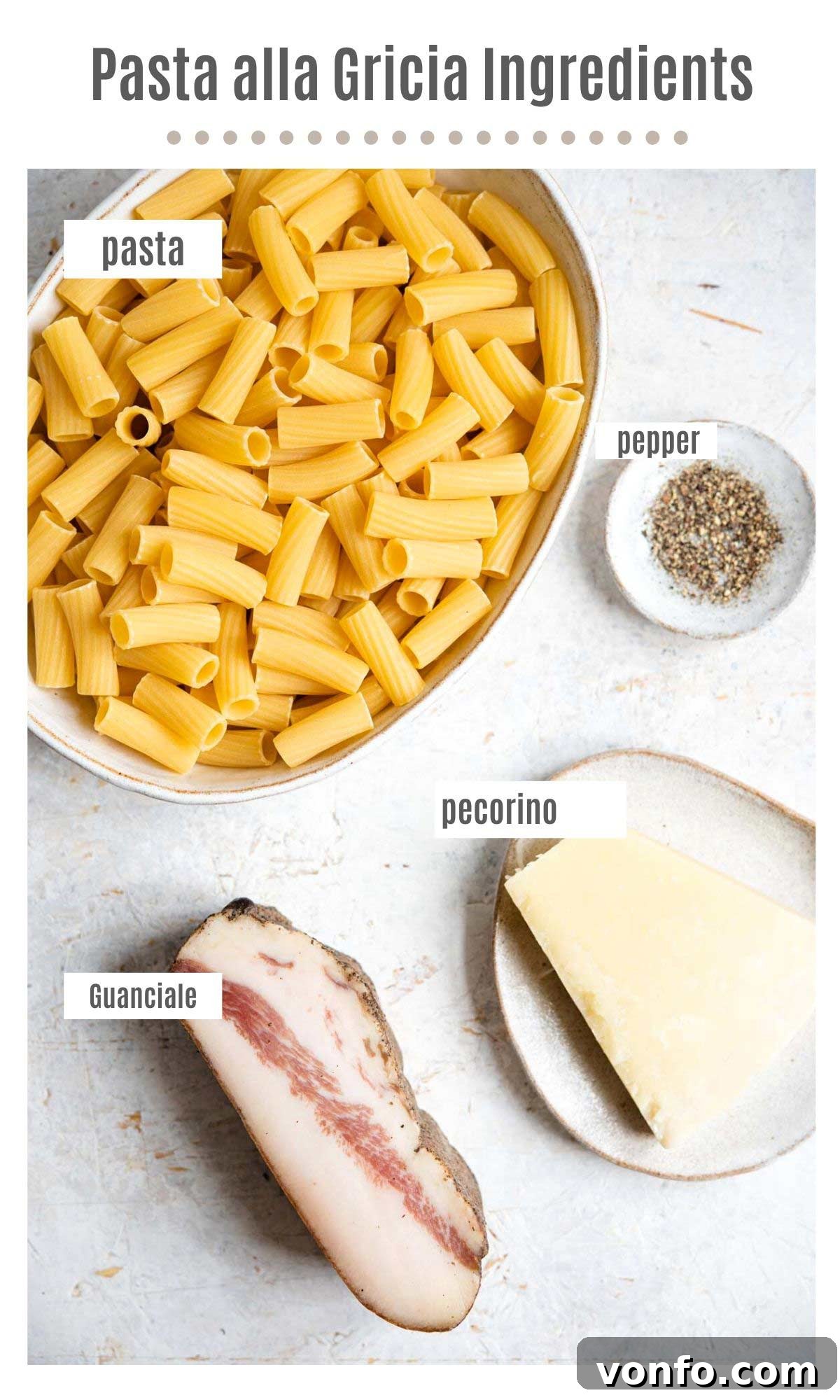
1. Guanciale (Italian Cured Pork Jowl)
This is arguably the most crucial ingredient, the very soul of Pasta alla Gricia. Guanciale is Italian cured pork jowl, distinct from pancetta (cured pork belly) or bacon (smoked pork belly). Its unique flavor profile is richer, deeper, and more intensely savory, with a higher fat content that renders beautifully into a fragrant, flavorful oil. This rendered fat forms the creamy, emulsified sauce base, coating the pasta in pure deliciousness and infusing it with an unparalleled depth of flavor. The crispy bits of guanciale, often called “ciccioli,” also add a delightful textural contrast.
Where to find Guanciale: You can typically find authentic guanciale at Italian specialty food stores, high-end butcher shops, or reputable online Italian delis. Due to its specific curing process and fat content, it’s highly recommended to seek out genuine guanciale for the best results. While pancetta or unsmoked bacon can be used as substitutes in a pinch, be aware that the final flavor will be milder, and the fat rendered might be less abundant, resulting in a less authentic taste and texture that lacks the characteristic richness of Gricia.
Tip for Substitutes: If using pancetta or bacon, opt for cuts that are as fatty as possible, and ensure they are unsmoked to mimic guanciale’s flavor profile more closely. Render them slowly to extract maximum flavor from their fat.
2. Pecorino Romano Cheese
Another non-negotiable component that contributes significantly to Gricia’s signature taste. Pecorino Romano is a hard, salty Italian cheese made exclusively from sheep’s milk. Its sharp, tangy, and intensely savory flavor perfectly complements the richness of the guanciale, creating a complex and well-balanced sauce. Always use freshly grated Pecorino Romano for the best taste and texture; pre-grated cheese often contains anti-caking agents that can hinder proper emulsification of the sauce, leading to a gritty rather than creamy result.
3. Freshly Cracked Black Pepper
Do not underestimate the power of freshly cracked black pepper in Gricia. It’s more than just a seasoning; it’s an integral flavor component. It provides a pungent, aromatic warmth that cuts through the richness of the guanciale and cheese, adding complexity, a subtle spicy kick, and a beautiful visual contrast. For maximum impact, use a good quality pepper mill and crack the peppercorns just before adding them to the dish.
4. Pasta
For authentic Roman dishes, the choice of pasta is crucial, as its shape and texture greatly influence how the sauce adheres and is enjoyed. Traditionally, Rigatoni or Spaghetti are the preferred shapes for Pasta alla Gricia. Rigatoni’s ridges and wide tubes are excellent for capturing the luscious, creamy sauce and the crispy bits of guanciale, ensuring every bite is flavorful. Spaghetti, with its long, slender strands, offers a classic, elegant twirl that allows the sauce to coat each strand evenly. However, you can certainly use other short, sturdy pasta shapes like bucatini, mezze maniche, or paccheri if those are your preference. Always cook your pasta al dente – firm to the bite – to prevent it from becoming mushy and to allow it to finish cooking in the pan with the sauce.
Step-by-Step Guide: How to Master Pasta alla Gricia
Making Pasta alla Gricia is surprisingly straightforward, relying on precise timing and technique to create a harmonious, emulsified sauce. Follow these steps for a perfectly authentic result that will transport your taste buds straight to Rome:
Step 1: Prepare the Pasta Water
Begin by bringing a large pot of water to a rolling boil. Season generously with salt – remember, the pasta water should “taste like the sea.” This is crucial for seasoning the pasta from within and also provides the necessary salinity for the sauce. Add your chosen pasta (rigatoni or spaghetti are traditional) and cook according to package instructions until al dente. This typically takes around 8-9 minutes. Just before draining, ensure you reserve about ¼ cup (60ml) of the starchy pasta water. This “liquid gold” is essential for emulsifying your sauce and creating that coveted creamy texture.
Step 2: Render the Guanciale to Crispy Perfection
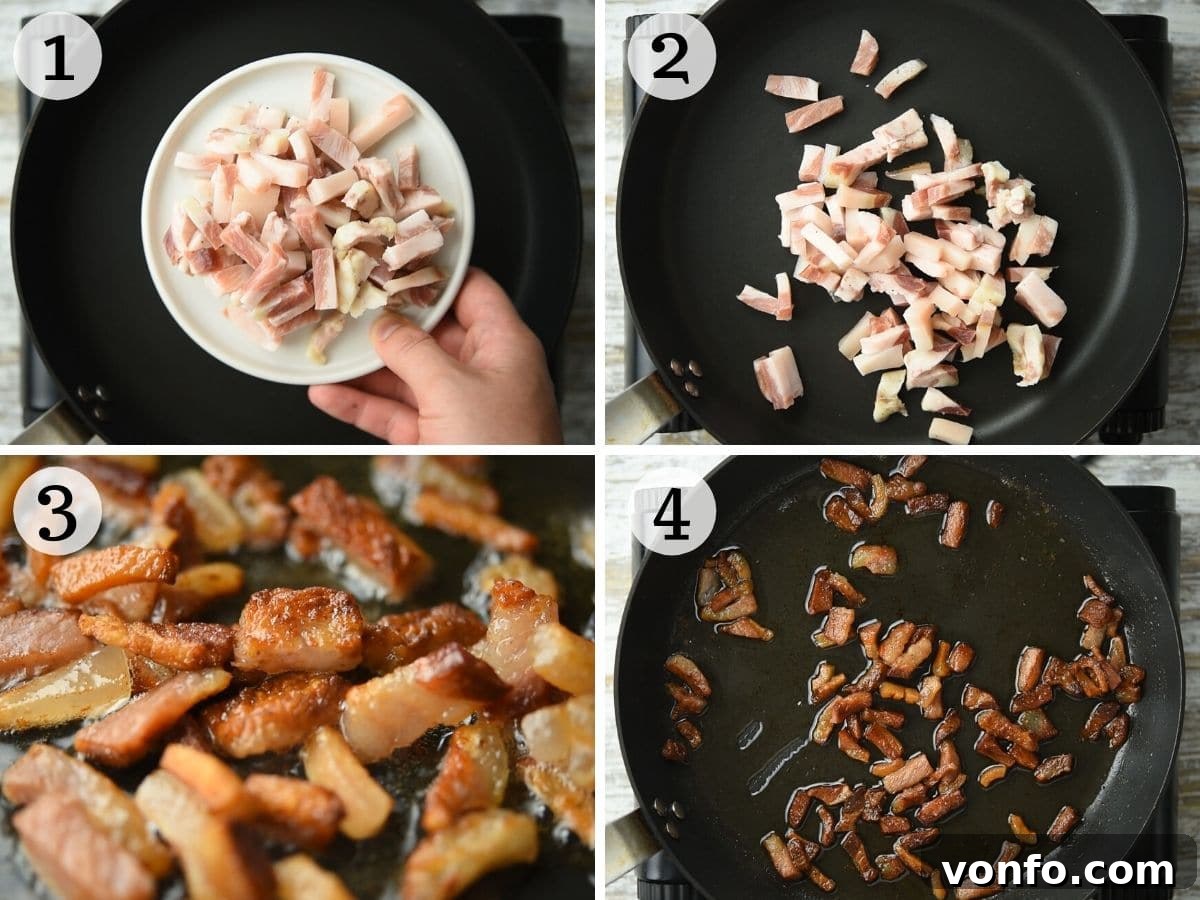
While the pasta cooks, heat a large skillet or frying pan over medium heat. Add the cubed guanciale to the dry pan. You won’t need any additional oil; the guanciale will render its own glorious fat as it cooks. Stir occasionally, allowing the fat to slowly melt out and the guanciale pieces to become beautifully crispy and golden brown. This process usually takes 5-7 minutes. Once crispy, remove the guanciale pieces with a slotted spoon and set aside on a paper towel-lined plate to drain, leaving the rendered fat in the pan. This richly flavored fat is the irreplaceable foundation of your Gricia sauce.
Step 3: Combine Pasta and Sauce Base
Once your pasta is perfectly al dente, drain it directly into the skillet with the rendered guanciale fat. Do not rinse the pasta. Immediately add the reserved pasta water, freshly grated Pecorino Romano cheese, and a generous amount of freshly cracked black pepper. Toss vigorously with tongs, stirring continuously. The goal is to create a creamy, emulsified sauce that perfectly coats every strand or piece of pasta. The starch from the pasta water, combined with the hot fat and melting cheese, will create a luxurious coating.
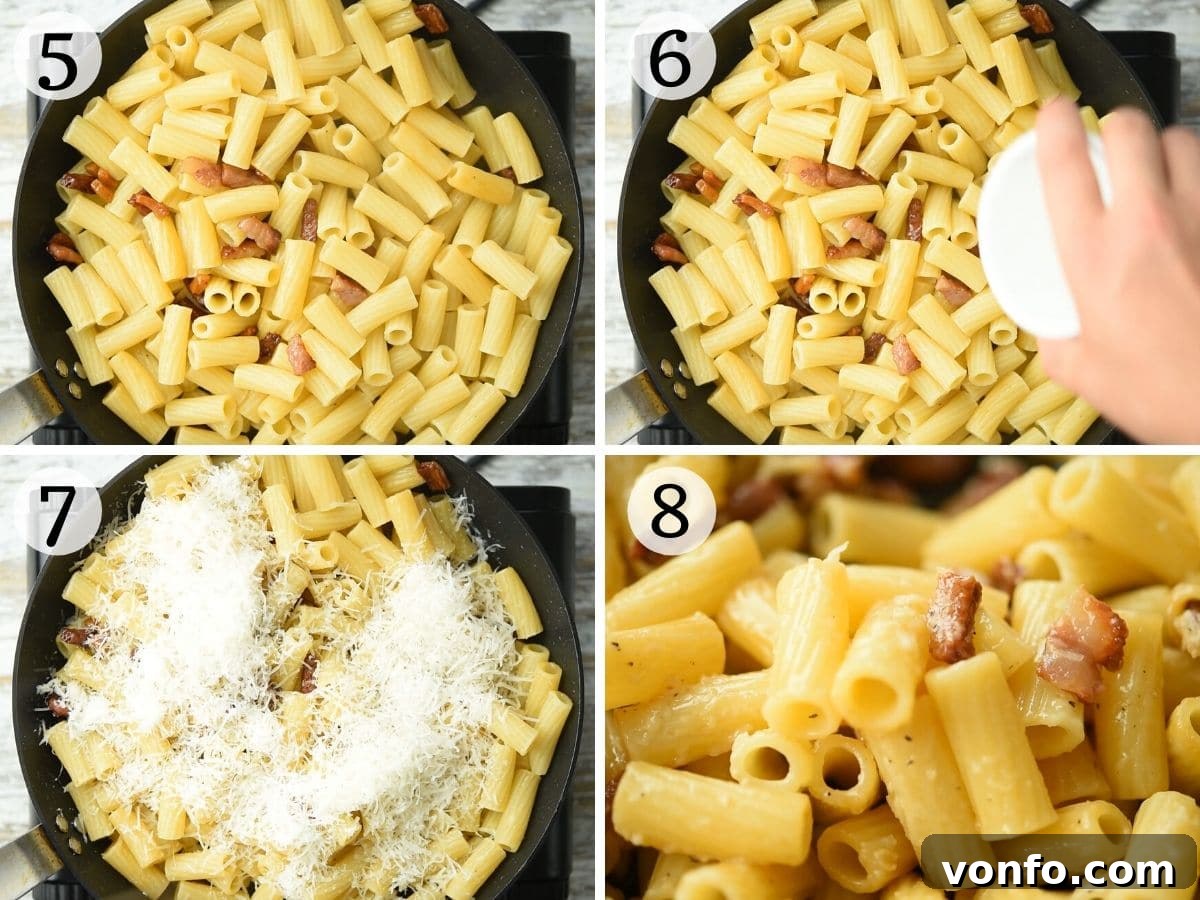
Step 4: Adjust and Serve
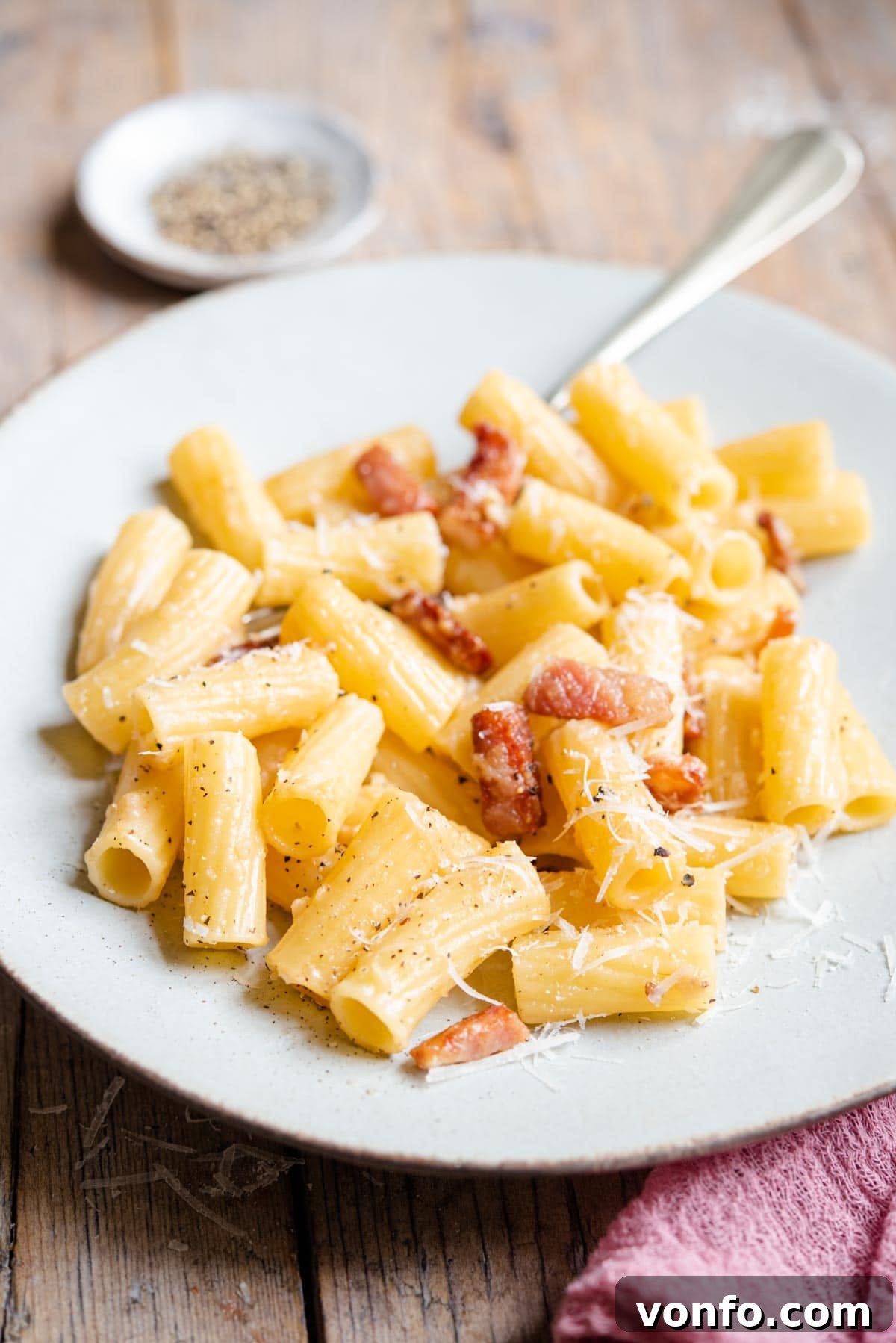
Continue tossing and stirring until the sauce reaches your desired consistency – it should be creamy and cling beautifully to the pasta, not watery or dry. If the sauce seems too dry (especially if you used a leaner substitute for guanciale), add another splash of pasta water, one tablespoon at a time, until it loosens up and achieves the perfect creaminess. Finally, stir back in the crispy guanciale pieces you set aside. Serve immediately in warm bowls, garnished with an additional dusting of freshly grated Pecorino Romano and a fresh grind of black pepper, if desired. The dish is best enjoyed piping hot, allowing the flavors to meld perfectly.
Expert Tips for the Perfect Pasta alla Gricia
Achieving a truly outstanding Pasta alla Gricia is all about technique and respecting the ingredients. Here are some expert tips to ensure your dish is nothing short of perfect:
- Emulsification is Key: The “sauce” in Gricia isn’t a traditional liquid sauce. It’s an emulsion of guanciale fat, starchy pasta water, and Pecorino Romano. The key to success is vigorous tossing and stirring of the pasta in the skillet over low heat until a creamy consistency forms. Don’t be shy with your tongs!
- Don’t Skimp on Salt for Pasta Water: The pasta absorbs salt as it cooks, which is vital for the overall flavor balance of the dish. A common Italian saying is that pasta water should “taste like the sea.” This ensures your pasta itself is flavorful, contributing to a more delicious final dish.
- Use Freshly Grated Pecorino: This cannot be stressed enough. Pre-grated cheese can contain cellulose and other anti-caking agents that prevent it from melting smoothly and emulsifying correctly. Freshly grated from a block of quality Pecorino Romano is always best for a truly creamy sauce.
- Reserve Enough Pasta Water: This starchy water is your secret weapon. It contains starches released from the pasta, which are crucial for binding the fat and cheese into a luscious sauce. Always save more than you think you’ll need; you can always add more if the sauce is too dry, but you can’t take it away if it’s too wet!
- Timing is Everything: Pasta alla Gricia comes together very quickly once the pasta is cooked. Have your guanciale rendered and your reserved pasta water ready and within arm’s reach as soon as the pasta is al dente. This ensures a seamless process and prevents the pasta from overcooking or cooling down too much.
- Medium Heat for Guanciale: Render the guanciale slowly over medium heat, not high. This allows the fat to melt out gently and the pork jowl to become crispy without burning.
Frequently Asked Questions About Pasta alla Gricia
The primary difference between these two classic Roman pasta dishes is the inclusion of egg. Pasta alla Gricia is made solely with guanciale, Pecorino Romano, freshly cracked black pepper, and pasta. Pasta Carbonara, on the other hand, adds freshly beaten eggs (or egg yolks) to create a richer, thicker, and even creamier sauce, which gently cooks with the heat of the pasta and rendered guanciale fat, without scrambling.
Pasta alla Gricia is often referred to as “Amatriciana Bianca” (white Amatriciana) because it is the original version of the dish before tomatoes were introduced to Italian cuisine. Amatriciana simply builds upon the Gricia recipe by adding tomato (often high-quality canned San Marzano tomatoes) and sometimes a splash of white wine to the guanciale and Pecorino base, creating a sauce with a distinct red hue and tangy sweetness. Gricia is truly the ancestor of Amatriciana.
Traditionally, Rigatoni or Spaghetti are the most common choices for Pasta alla Gricia in Rome. Rigatoni’s sturdy shape and ridges are excellent for catching the sauce and crispy bits of guanciale, while spaghetti provides a classic, satisfying mouthfeel. Other short, sturdy pasta shapes like bucatini, mezze maniche, or paccheri also work wonderfully, as they all have good surface area or hollows to hold the rich sauce.
Pasta alla Gricia is a dish that truly shines when enjoyed immediately after preparation. The beauty of its creamy sauce comes from the delicate emulsion of guanciale fat, Pecorino Romano, and hot, starchy pasta water, which can separate and lose its ideal texture upon cooling and reheating. While leftovers can be stored in an airtight container in the refrigerator for up to 1-2 days, the sauce may not retain its original creamy consistency and the guanciale will lose its crispness. For the best experience, it’s truly a dish meant to be savored fresh from the pan.
Other Classic Italian Pasta Recipes You’ll Love
If you’ve enjoyed the simplicity and robust flavors of Pasta alla Gricia, you’re sure to appreciate these other timeless Italian pasta dishes that celebrate authentic regional tastes:
- Spaghetti alla Carbonara: The richer, egg-inclusive cousin of Gricia, a Roman staple.
- Pasta Amatriciana: Gricia with the vibrant addition of a rich tomato sauce, another classic from Lazio.
- Spaghetti alla Puttanesca: A bold and savory pasta from Naples, packed with olives, capers, and anchovies.
- Penne all’Arrabbiata: A fiery and flavorful spicy tomato sauce that delivers a satisfying kick.
- Spaghetti Aglio e Olio: The ultimate minimalist pasta, celebrating the simple yet profound flavors of garlic and olive oil.
Recipe Card: Authentic Pasta alla Gricia
Pasta alla Gricia
By Emily
10 mins
10 mins
4 servings
Pin Recipe
Print Recipe
Pasta alla Gricia is a super easy and classic pasta dish from Lazio, Italy. Although simple there’s no compromise in flavour and it’s perfect for whipping up on a busy weeknight, Buon Appetitio!
Ingredients
- 4 cups rigatoni or other dried pasta (14 oz / 400g)
- 1 cup guanciale, cut into cubes (150g)
- ½ cup Pecorino Romano, freshly grated
- 1 tsp black pepper, freshly cracked
Instructions
- Bring a large pot of salted water to a boil and cook the pasta until al dente (around 8-9 minutes; check your packet instructions). Reserve ¼ cup (60ml) of pasta water before draining.
- Meanwhile, heat a large skillet or frying pan over medium heat. Add the cubed guanciale and cook for a few minutes until crispy and golden brown, rendering its fat. Remove the crispy guanciale bits and set aside, leaving the rendered fat in the pan.
- Add the drained pasta directly to the skillet with the guanciale fat. Add the reserved pasta water, freshly grated Pecorino Romano, and freshly cracked black pepper.
- Toss and stir vigorously with tongs until the pasta is completely coated in a creamy, emulsified sauce. The heat of the pasta will help the cheese melt and combine with the fat and starch.
- If the sauce appears too dry, add an extra splash of pasta water, one tablespoon at a time, until desired creaminess is achieved. Stir in the crispy guanciale pieces. Serve immediately with additional Pecorino and black pepper, if desired.
Notes
- Preparing in advance – This recipe is incredibly quick, taking no more than 10-15 minutes to prepare from start to finish. It’s best eaten immediately to enjoy the sauce at its peak creaminess.
- No guanciale? While guanciale is highly recommended for authentic flavor, you can use pancetta or even good quality unsmoked bacon as a substitute. Ensure they are fattier cuts to yield enough rendered fat for the sauce.
- Leftovers – Pasta alla Gricia is best consumed right away. The sauce, being an emulsion, tends to separate when cooled and reheated.
Helpful Information for All Our Recipes
- We exclusively use extra virgin olive oil in all our recipes unless otherwise specified.
- For canned or jarred tomatoes, we recommend premium brands like Cirio or Mutti for superior flavor and results.
- All vegetables are assumed to be medium-sized unless specifically noted.
- All recipes are meticulously tested and developed using a fan (convection) oven.
- Learn more about how our nutrition information is calculated.
- Explore our essential Italian Pantry Staples.
- Discover our recommended Essential Kitchen Tools for Italian Cooking.
Nutrition Information (per serving)
Calories: 540kcal | Carbohydrates: 46g | Protein: 16g | Fat: 32g | Saturated Fat: 13g | Cholesterol: 53mg | Sodium: 475mg | Potassium: 145mg | Fiber: 2g | Sugar: 2g | Vitamin A: 52IU | Calcium: 146mg | Iron: 1mg
Nutrition information is automatically calculated and should be used as an approximation.
If you tried this authentic Pasta alla Gricia recipe or any other recipes on our blog, please be sure to leave a comment below to let us know how you got on, we love hearing from you! You can also FOLLOW US on FACEBOOK, INSTAGRAM, and PINTEREST to see more delicious food and culinary adventures.