
Table of Contents
- Introduction: An Italian Journey Through Sound and Flavor
- Friuli Venezia Giulia: A Culinary Mosaic
- Daily Rhythms and Gastronomic Pleasures
- Echoes of the Past: Family, Food, and Cherished Traditions
- The Magic of Christmas: Seasonal Delights and Family Gatherings
- A Taste of Tradition: Jota Triestina Recipe
Introduction: An Italian Journey Through Sound and Flavor
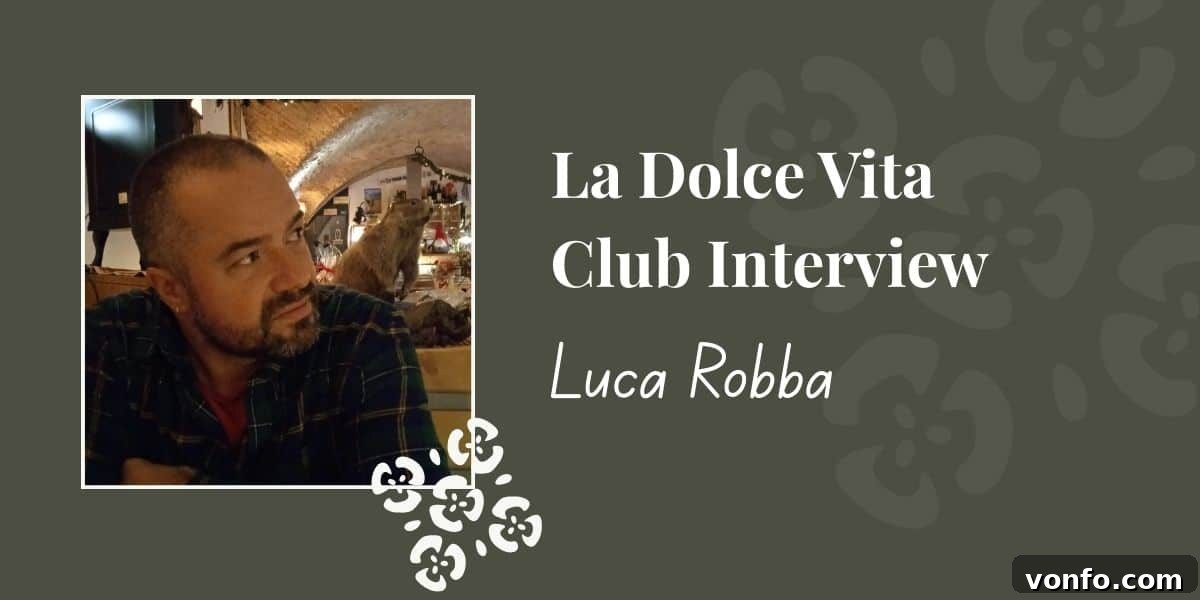
In the heart of Italy, where history whispers through ancient streets and vibrant culinary traditions thrive, we had the distinct pleasure of sitting down with Luca. A multifaceted individual whose life journey spans continents and creative disciplines, Luca offers a unique perspective on Italian culture, particularly through the lens of its diverse and exquisite cuisine. His story is one of passion, heritage, and the continuous discovery of flavor. We delve into his personal connection with food, his regional heritage, and the culinary tapestry that defines his daily life.
Luca, a spirited 51-year-old, introduces himself as a professional sound designer, a career that initially led him far from his roots. Hailing from the captivating city of Trieste in the region of Friuli Venezia Giulia, his journey took him to London for nearly two decades, where he honed his craft, graduating in sound art and design. This period abroad, while creatively enriching, undoubtedly deepened his appreciation for the rich traditions of his homeland. Currently, Luca has returned to Italy, making his home in the picturesque landscapes of Tuscany. Here, he has embraced a new chapter, dedicating his expertise to the accommodation and hospitality industry, allowing him to share the authentic Italian experience with visitors from around the globe. His move signifies a beautiful full circle, bringing his international perspective back to the very essence of Italian living and its renowned gastronomic heritage.
Friuli Venezia Giulia: A Culinary Mosaic
When discussing the culinary identity of Italy, it’s impossible to overlook the profound regional variations that exist. Each region boasts its own unique character, shaped by geography, history, and cultural influences. Luca’s home region, Friuli Venezia Giulia, stands out as a prime example of this fascinating diversity. Nestled between the majestic mountains and the serene Adriatic coast, it is a land where Austrian, Slavic, and Venetian traditions converge, creating a truly distinctive culinary landscape. This intricate historical backdrop has imbued its cuisine with a fascinating fusion of flavors and cooking techniques, making it a hidden gem for any food enthusiast seeking authentic Italian experiences.
Iconic Dishes: Savoring Friuli Venezia Giulia’s Specialties
Friuli Venezia Giulia’s gastronomic offerings are a testament to its complex heritage. Luca highlights several iconic dishes that perfectly encapsulate this unique blend:
- Jota: More than just a soup, Jota is a hearty, rich, and deeply satisfying dish, perfect for warding off the chill of autumn and winter. This peasant-origin stew typically features sour cabbage (sauerkraut), beans, potatoes, and often smoked pork, offering a robust flavor profile that is both comforting and profoundly traditional. It represents the warmth and resilience of Friulian cooking.
- Gnocchi di Susine (Plum Gnocchi): A delightful sweet and savory dish, these gnocchi are a surprising and beloved regional specialty. Soft potato dumplings are typically filled with fresh plums, then boiled and often tossed in butter and breadcrumbs, sometimes with a sprinkle of sugar. It’s a testament to the region’s resourceful use of seasonal fruits and its Austro-Hungarian influences.
- Presnitz: This traditional pastry is a rolled sweet bread, often adorned with intricate designs. Its rich filling typically includes nuts, dried fruit, chocolate, and rum, making it a festive and indulgent treat, especially popular during holidays. Presnitz embodies the sweet side of Friulian confectionery, often enjoyed with coffee or dessert wine.
- Brovada e Muset: A classic and robust winter dish, “Brovada” refers to turnips fermented in red grape marc, which gives them a distinctive tangy flavor. These are traditionally served alongside “Muset,” a flavorful local sausage similar to cotechino. This combination is a perfect illustration of rustic, hearty Friulian fare, rooted in agricultural traditions.
- Frico: Perhaps one of the most famous dishes from Friuli, Frico is a beloved cheese crisp or cake. It comes in various forms, from a thin, crispy wafer made purely of Montasio cheese to a thicker, softer version incorporating potatoes. It’s a versatile dish, often served as an appetizer or a side, showcasing the region’s excellent dairy products.
Unique Ingredients: The Essence of Friulian Flavor
What truly sets Friuli Venezia Giulia’s cuisine apart are its unique, locally sourced ingredients, many of which are rarely found outside the region. These ingredients are the soul of its dishes, offering distinctive flavors and textures:
- San Daniele Raw Ham: Widely celebrated, this exquisite cured ham is renowned for its delicate sweetness, tender texture, and fragrant aroma. Produced exclusively in the town of San Daniele del Friuli, its unique microclimate is crucial for its maturation, making it an irreplaceable regional treasure.
- Montasio Cheese: A versatile and protected designation of origin (PDO) cheese, Montasio is produced in the Julian Alps. It ranges from fresh (mild and soft) to aged (sharp and firm), making it suitable for grating, cooking, or enjoying on its own. It’s a cornerstone of many Friulian recipes, including Frico.
- Radic de Mont (Wild Radicchio): A rare and prized wild chicory that grows in the mountainous areas, particularly after the first frosts. It possesses a distinctive bitter yet refreshing flavor, often used in salads or lightly sautéed, adding a sophisticated touch to local dishes.
- Horseradish: A common condiment in the region, reflecting its Central European influences. Grated fresh, it offers a pungent, spicy kick that complements rich meats, especially cured hams and sausages, providing a vibrant contrast of flavors.
- Rosa di Gorizia: A visually stunning and highly sought-after radicchio from the Gorizia area. Its delicate rose-petal shape and vibrant red color, combined with a slightly bitter yet sweet flavor, make it a gourmet ingredient, often served simply with olive oil and vinegar to highlight its unique characteristics.
Seasonal Shifts: A Culinary Calendar
The cuisine of Friuli Venezia Giulia is deeply intertwined with the seasons, adapting to the bounty of each period. This adherence to seasonal eating ensures freshness, flavor, and sustainability, a core tenet of traditional Italian cooking.
- Autumn and Winter: As the weather turns colder, the regional diet shifts towards hearty, warming dishes. Meat and game become prominent, with wild boar and venison frequently gracing the tables. Muset, often served with turnip “Brovada,” is a classic winter staple. Mushroom-based dishes, utilizing the rich autumn harvest, also feature heavily, along with the aforementioned Jota soup, a true savior on the chilliest days, providing both sustenance and comfort.
- Spring and Summer: With the arrival of warmer months, the focus shifts to lighter, coastal-inspired fare. The Adriatic Sea provides an abundance of fresh fish and seafood. Dishes like Scampi alla Busara, featuring prawns cooked in a rich tomato sauce with white wine and breadcrumbs, or Brodetto di Grado, a flavorful fish stew from the coastal town of Grado, become popular. Fresh vegetables and herbs also play a more significant role, creating vibrant and refreshing meals.
First-Time Visitors: Unforgettable Culinary Experiences
For those embarking on their first culinary adventure in Friuli Venezia Giulia, Luca offers insightful recommendations that promise an authentic and memorable experience. To truly grasp the essence of this region’s gastronomy, visitors should not miss:
- Jota soup: Essential for understanding the rustic, comforting soul of Friulian cuisine.
- Capuzzi Garbi (Sauerkrauts) with Sausages: A perfect example of the region’s Central European influences, offering a delightful tangy and savory combination.
- Gnocchi di Susine: A unique sweet and savory revelation that showcases the region’s creativity with local ingredients.
- A visit to Carnia: Beyond specific dishes, exploring the mountain area of the province of Udine is a must. Carnia is celebrated for its deep-rooted food traditions, charming trattorias, and breathtaking natural beauty. Here, visitors can discover artisanal cheeses, traditional cured meats, and authentic mountain recipes passed down through generations, often enjoyed in quaint, family-run establishments that embody the spirit of Friulian hospitality.
Daily Rhythms and Gastronomic Pleasures
Italian daily life is intrinsically woven with the rhythm of meals, each serving a distinct purpose and offering its own set of pleasures. From the simplicity of breakfast to the leisurely evening aperitivo, food is not merely sustenance but a cherished ritual, a moment for connection, and a celebration of fresh, quality ingredients. Luca’s typical day provides a delightful glimpse into this culinary philosophy, reflecting a balance of tradition, personal preference, and the abundance of local produce.
A Day on Luca’s Plate: From Morning Coffee to Evening Delights
Luca begins his day with a quintessential Italian breakfast, a moment of gentle indulgence:
- Breakfast (Colazione): “At breakfast, I like to have a cappuccino with homemade biscuits.” This simple yet satisfying start is common across Italy, where breakfast is typically sweet and light. The emphasis on “homemade biscuits” underscores a commitment to quality and tradition, even in daily routines.
- Lunch (Pranzo): “The perfect lunch is pasta with any kind of veggies and Parmesan cheese, followed by some cheese and salad.” Lunch in Italy is often the most substantial meal of the day, a moment to refuel and enjoy fresh, seasonal ingredients. Pasta, a staple, is versatile, easily combined with local vegetables. The inclusion of Parmesan and a fresh salad highlights the importance of dairy and greens in a balanced Italian diet.
- Dinner (Cena): “For dinner, I love veggie soups in winter, salads in summer, bruschetta with fresh extra virgin olive oil (especially in autumn, after the harvest), homemade hummus, and bread snacks.” Dinner tends to be lighter than lunch, particularly in the summer months. Luca’s choices reflect a keen awareness of seasonality—hearty soups for warmth, crisp salads for refreshment. The mention of bruschetta with fresh extra virgin olive oil after the autumn harvest speaks to a direct connection with the land and its bounty, celebrating the freshest produce. Homemade hummus, while perhaps not traditionally Italian, shows a modern, health-conscious approach to eating, alongside simple bread snacks.
- Aperitivo: “When I have time for aperitif I like a glass of Prosecco with some olives and crisps.” The aperitivo is a cherished pre-dinner ritual, a moment to unwind and socialize. Prosecco, a sparkling wine from the Veneto region (close to Friuli Venezia Giulia), is a popular choice, accompanied by simple savory snacks like olives and crisps, setting the stage for the evening meal. This cultural practice underscores the Italian appreciation for slowing down and savoring life’s simple pleasures.
Echoes of the Past: Family, Food, and Cherished Traditions
In Italy, food is much more than mere sustenance; it is the very fabric of family life, a powerful conduit for memory, love, and tradition. Shared meals are sacred rituals, especially on Sundays and during holidays, where generations gather to celebrate their bonds and heritage. Luca’s reflections on his childhood and Sunday lunches beautifully illustrate this profound connection between food and family.
A Grandmother’s Legacy: Memories Steeped in Flavor
For many Italians, the kitchen of a grandmother is the true heart of the home, a place where culinary magic unfolds and indelible memories are forged. Luca fondly recalls his grandmother’s extraordinary cooking, highlighting her role in shaping his earliest food experiences:
“My grandmother was a great cook. For every special occasion, she used to prepare homemade amazing gnocchi with beef sauce, chicken with white wine, and roasted potatoes. And for dessert a homemade apple strudel which I went mad for.”
This recollection paints a vivid picture: the comforting aroma of slow-cooked beef sauce clinging to tender, handmade gnocchi; the savory delight of chicken cooked to perfection with white wine; the crispy, golden roasted potatoes. These are not just dishes; they are touchstones of childhood, evoking warmth, comfort, and the unparalleled taste of home-cooked goodness. The apple strudel, a sweet indulgence, further speaks to the culinary influences of the Friuli Venezia Giulia region, where Austro-Hungarian traditions often find their way into desserts, creating a unique sweet heritage that Luca clearly adored.
These memories underscore the foundational role grandmothers often play in preserving and passing down family recipes, imbuing them with love and history that makes them truly unforgettable.
Pranzo della Domenica: The Italian Sunday Lunch
Pranzo della Domenica, or Sunday lunch, is a cornerstone of Italian family life, often an elaborate, multi-course affair that can stretch for hours. It’s a time when families gather, reconnect, and indulge in food prepared with care and love. While Luca’s family dynamic is slightly different due to its smaller size, the essence of the Sunday meal remains the same: a special occasion for communal eating and quality time.
“I have a fairly small family with no siblings, so we have never had big Sunday lunches. We start eating at about 1 pm and end at around 2:30 pm. On Sundays we like to cook fresh fish (sole or sea bream) or lamb chops in red wine sauce. And we often drink a good bottle of wine such as Friulano or Refosco.”
Even with a smaller group, the Sunday lunch retains its significance. The timing—starting around 1 pm and concluding around 2:30 pm—reflects the leisurely pace typically associated with this meal, allowing ample time for conversation and enjoyment. The choice of dishes, such as fresh fish like sole or sea bream, or succulent lamb chops in red wine sauce, indicates a desire for something special and celebratory, distinct from everyday meals. The accompaniment of fine regional wines, like Friulano or Refosco, further elevates the experience, cementing the meal as a true gastronomic pleasure and a cherished family tradition.
This tradition, whether in a large extended family or a more intimate setting, reinforces the Italian value of slowing down, savoring delicious food, and nurturing familial bonds, making Sunday lunch a weekly highlight deeply ingrained in the cultural fabric.
The Magic of Christmas: Seasonal Delights and Family Gatherings
Christmas in Italy is a time of profound joy, marked by cherished traditions, gift-giving, and, of course, an abundance of exquisite food. The festive season brings families together around lavish tables, where regional specialties and time-honored recipes take center stage. For Friuli Venezia Giulia, Christmas is particularly sweet, thanks to its unique array of traditional desserts that blend local ingredients with historic influences.
Christmas Sweets: A Friulian Delicacy
The culinary landscape of Friuli Venezia Giulia truly shines during Christmas, especially with its iconic sweet treats. These desserts are not just confections; they are edible symbols of regional identity and festive celebration.
- Presnitz: As mentioned earlier, Presnitz is a star of the Friulian pastry world. Its elaborate spiral shape, rich filling of nuts, dried fruits, chocolate, and rum, makes it a luxurious and visually appealing dessert. It’s often enjoyed throughout the holiday season, a true representation of festive indulgence.
- Gubana: This is another magnificent spiral-shaped sweet bread, typically filled with walnuts, raisins, pine nuts, and sometimes grappa. Originating from the Natisone Valleys, Gubana is a symbol of hospitality and celebration, frequently served during Christmas and other special occasions. Its dense, aromatic texture and rich flavor make it a beloved regional specialty.
- Putizza: Similar in style to Gubana, Putizza (or Povitica in Slavic traditions) is a rolled cake or bread filled with a variety of ingredients, often nuts, honey, cinnamon, and dried fruits. Each family might have its own cherished version, passed down through generations, making it a truly personal and traditional Christmas treat.
These sweets are more than just desserts; they are an integral part of the Christmas narrative, each bite carrying the weight of history and the joy of shared moments.
Christmas Day Traditions: A Feast of Love and Community
Christmas Day is the culmination of the festive season, celebrated with warmth, generosity, and an elaborate meal that brings loved ones closer. Luca shares a glimpse into his family’s intimate Christmas celebration, highlighting the communal spirit of cooking and sharing.
“My family is very small. Usually there are about 6 of us. Everyone cooks something different. My mother makes homemade tortellini filled with ricotta and spinach. I usually make a huge lasagna with lamb, fresh tomatoes and Montasio cheese. And other close friends and relatives bring appetizers and desserts. My mother’s best friend, for example, always brings a mouth-watering homemade Putizza (a cake filled with walnuts, raisins, chocolate and apples).”
This description beautifully captures the essence of an Italian Christmas meal: it’s a collaborative effort, a “potluck” of exquisite homemade dishes, each prepared with love and shared with pride. Despite having a smaller family, the tradition of multiple courses and diverse contributions remains vibrant. His mother’s homemade tortellini, filled with ricotta and spinach, represent the delicate artistry of Italian pasta making, a true labor of love. Luca’s contribution, a “huge lasagna” with lamb, fresh tomatoes, and Montasio cheese, speaks to a hearty, flavorful main course, showcasing regional ingredients and a touch of personal flair. The involvement of friends and relatives, bringing appetizers and especially desserts like the “mouth-watering homemade Putizza,” reinforces the communal spirit of the holiday. This sharing of culinary talents transforms the meal into a mosaic of flavors, reflecting the collective love and effort that defines an Italian Christmas gathering. It’s a day not just for eating, but for creating lasting memories around a table laden with tradition and affection.
A Taste of Tradition: Jota Triestina Recipe
Among the myriad of traditional dishes from Friuli Venezia Giulia, Jota Triestina holds a special place, particularly for its ability to warm the body and soul during the colder months. This hearty soup, deeply rooted in peasant culinary traditions, exemplifies the resourcefulness and rich flavors characteristic of the region. Luca describes it perfectly: “Jota is a hearty and warm soup of peasant origin that I personally love in winter. It takes a bit of time to prepare, but the wait is definitely worth it! It is a panacea on the coldest winter days.” Its complex flavor profile, combining the tang of sour cabbage with the earthiness of beans and potatoes, makes it a truly unique and satisfying meal. While it requires patience, the reward is a bowl of comforting deliciousness that transports you straight to the heart of Trieste.
Jota Triestina: An Authentic Recipe
Follow these steps to recreate Luca’s beloved Jota Triestina, a perfect dish to bring the warmth of Friuli Venezia Giulia to your table.
Ingredients for 4 people:
- 700 g of sour/fermented cabbage (sauerkraut), homemade or ready-made
- 300 g of red-eyed or black-eyed peas (or borlotti beans)
- 4 medium potatoes
- 2 bay leaves
- 4 cloves of garlic
- 2-3 fresh smoked sausages (or 200g smoked pork ribs, or a cooked ham bone for flavor)
- 50 g of unsalted butter
- 2 tablespoons of corn flour (or all-purpose flour)
- Approximately 1.5 – 2 liters of vegetable stock (or water)
- Salt, freshly ground black pepper, and extra virgin olive oil to taste
Preparation Method:
- Prepare the Sour Cabbage: In a large, heavy-bottomed pot or Dutch oven, melt the 50g of butter over medium heat. Add 2 crushed garlic cloves. Sauté gently until the garlic is golden and fragrant, taking care not to burn it. Remove and discard the garlic cloves. Add the sour cabbage to the pot. Cover with warm water (just enough to cover the cabbage). Bring to a simmer, then reduce the heat to low, cover, and cook for about 30 minutes, allowing the flavors to meld and the cabbage to soften slightly.
- Cook the Beans and Potatoes: In a separate large pot, place the 300g of beans (previously soaked overnight if using dried beans, or rinsed if canned). Add the vegetable broth (or water) and the 2 bay leaves. Bring to a boil, then reduce heat and simmer for approximately 1 hour, or until the beans are tender. If using fresh smoked sausages or pork ribs, cut them into bite-sized pieces and add them to the simmering beans after 45 minutes, continuing to cook for another 15 minutes. If using a ham bone, add it at the beginning with the beans to infuse maximum flavor.
- Add Potatoes to Beans: While the beans and meat are cooking, peel and cut the 4 potatoes into 1-inch pieces. After the initial hour of bean cooking (and meat if applicable), add the potato pieces to the bean broth. Continue cooking for an additional 20 minutes, or until the potatoes are fork-tender.
- Combine and Blend: Once the potatoes are cooked, remove the pot from the heat. Carefully scoop out about half of the potato and bean mixture (leaving the other half with the cabbage). Using an immersion blender or a regular blender (be cautious with hot liquids), blend this portion until it forms a smooth, creamy soup. This step adds body and thickness to the Jota.
- Integrate the Components: Transfer the blended potato and bean mixture back into the pot with the remaining whole beans and potatoes. Then, add the cooked sour cabbage from its pot to this mixture. Stir everything together gently to combine all the delicious elements. Season with salt and pepper to taste.
- Prepare the Roux (Zapraška): In a smaller frying pan, heat a tablespoon or two of extra virgin olive oil over medium heat. Add the 2 tablespoons of corn flour (or all-purpose flour). Stir constantly with a whisk to avoid lumps, allowing the flour to toast slightly and turn a light golden color. This is a traditional Friulian ‘zapraška’ which thickens and enriches the soup.
- Final Touch and Serve: Carefully pour the toasted flour mixture into the large pot with the Jota, stirring vigorously to ensure it incorporates smoothly without lumps. Bring the soup back to a gentle simmer for another 5-10 minutes, allowing it to thicken and the flavors to fully meld. Serve the Jota Triestina piping hot, garnished with a drizzle of fresh extra virgin olive oil and a sprinkle of black pepper, if desired. Enjoy this comforting taste of Friuli Venezia Giulia!