Linguine alle Vongole, Pasta, plus Clams
- Makes 4 servings
- Prep 15 minutes
- Cook 10 minutes
- Total 25 minutes
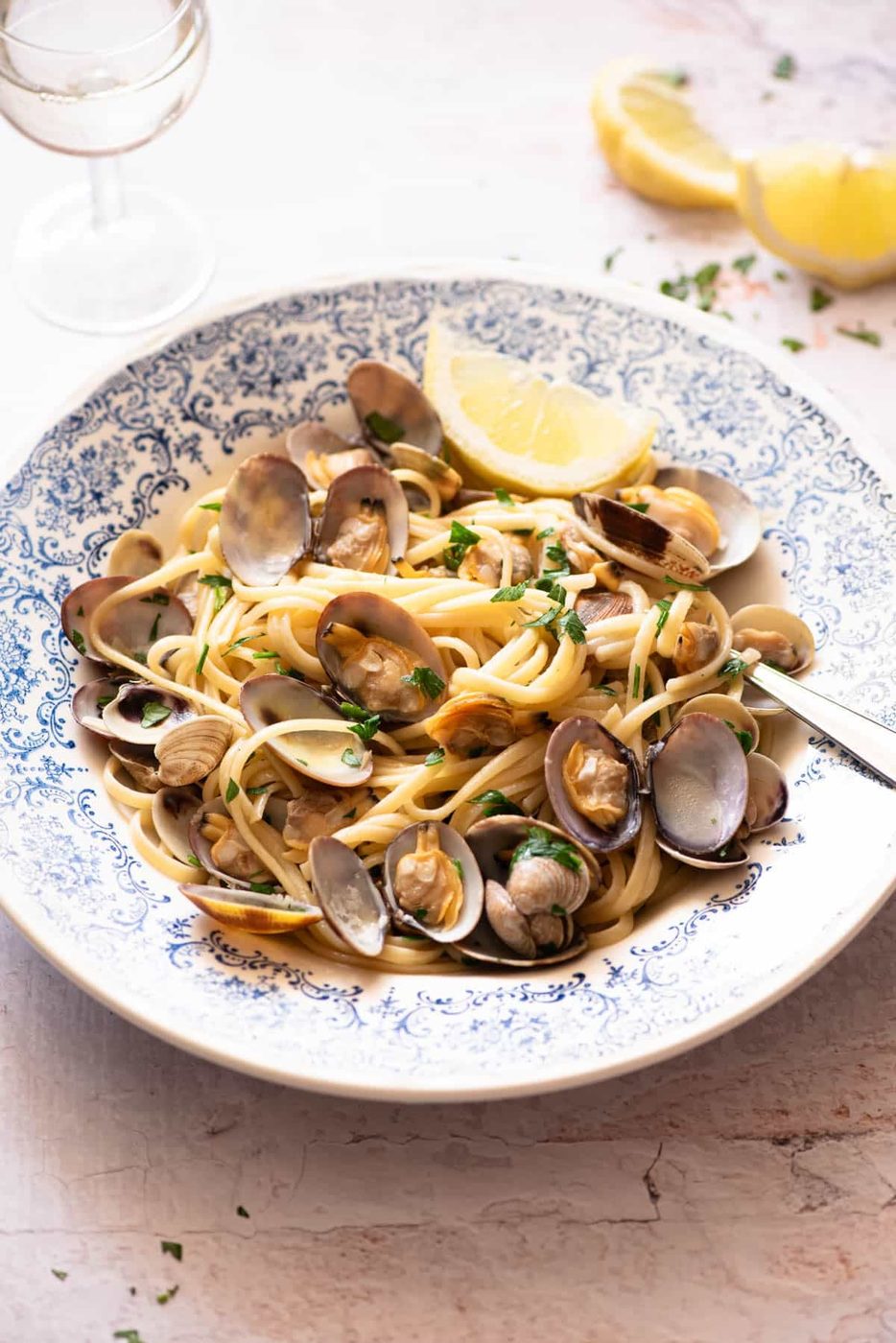
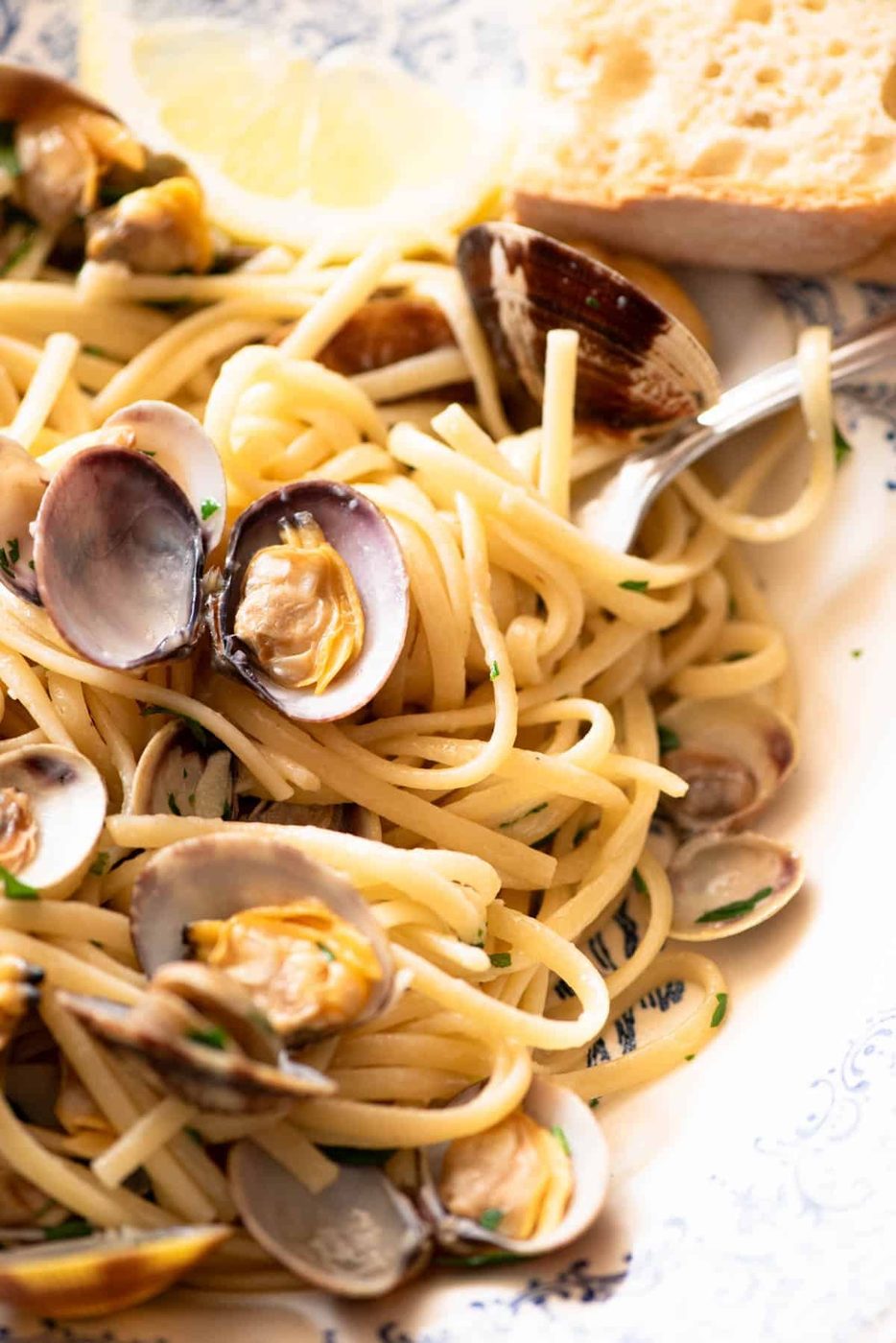
Linguine alle Vongole is a classic Italian seafood pasta made with fresh clams, garlic, white wine and lemon. This recipe is simple to make yet is packed full of good flavour, something you'll want to make again and again. Serve with a chilled glass of white wine and crusty bread.
One of our favourite seafood dishes has got to be Linguine alle Vongole. The clams are sweet, salty and good, there's lots of fresh garlic, zingy lemon, white wine and fresh parsley.
The flavours are a match made in heaven it's no wonder it's one of the most popular seafood dishes in Italy.
This recipe is simple and doesn't take long to make you need to follow a few simple tips to get it solid (more on that below).
See the recipe below including notes on ingredients, step by step photos, tips, and variations. For the full printable recipe scroll to the bottom or click the recipe link below.
See the photo below that shows you everything you need to make our Linguine alle Vongole recipe plus some important notes on ingredients.
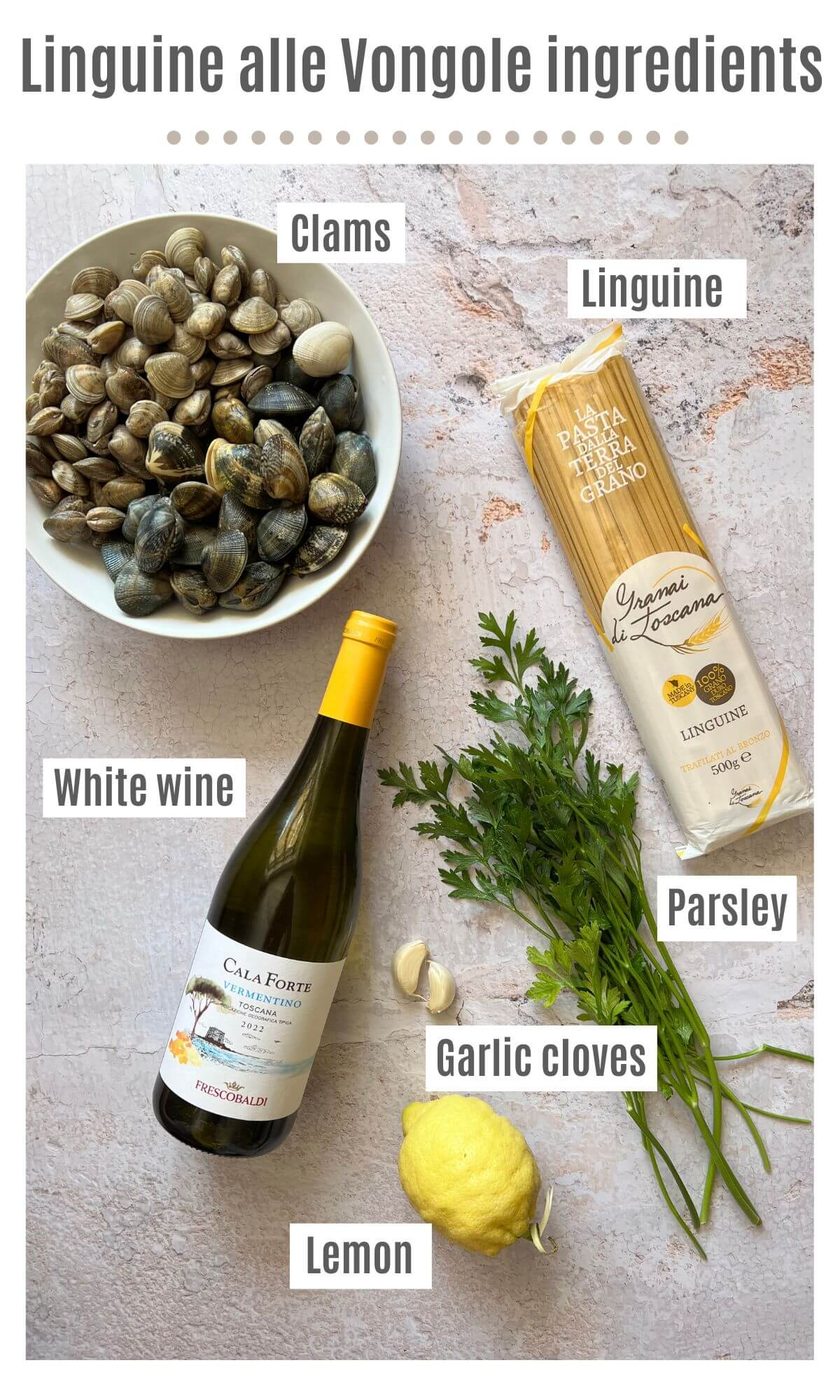
Ingredient notes and substitutions
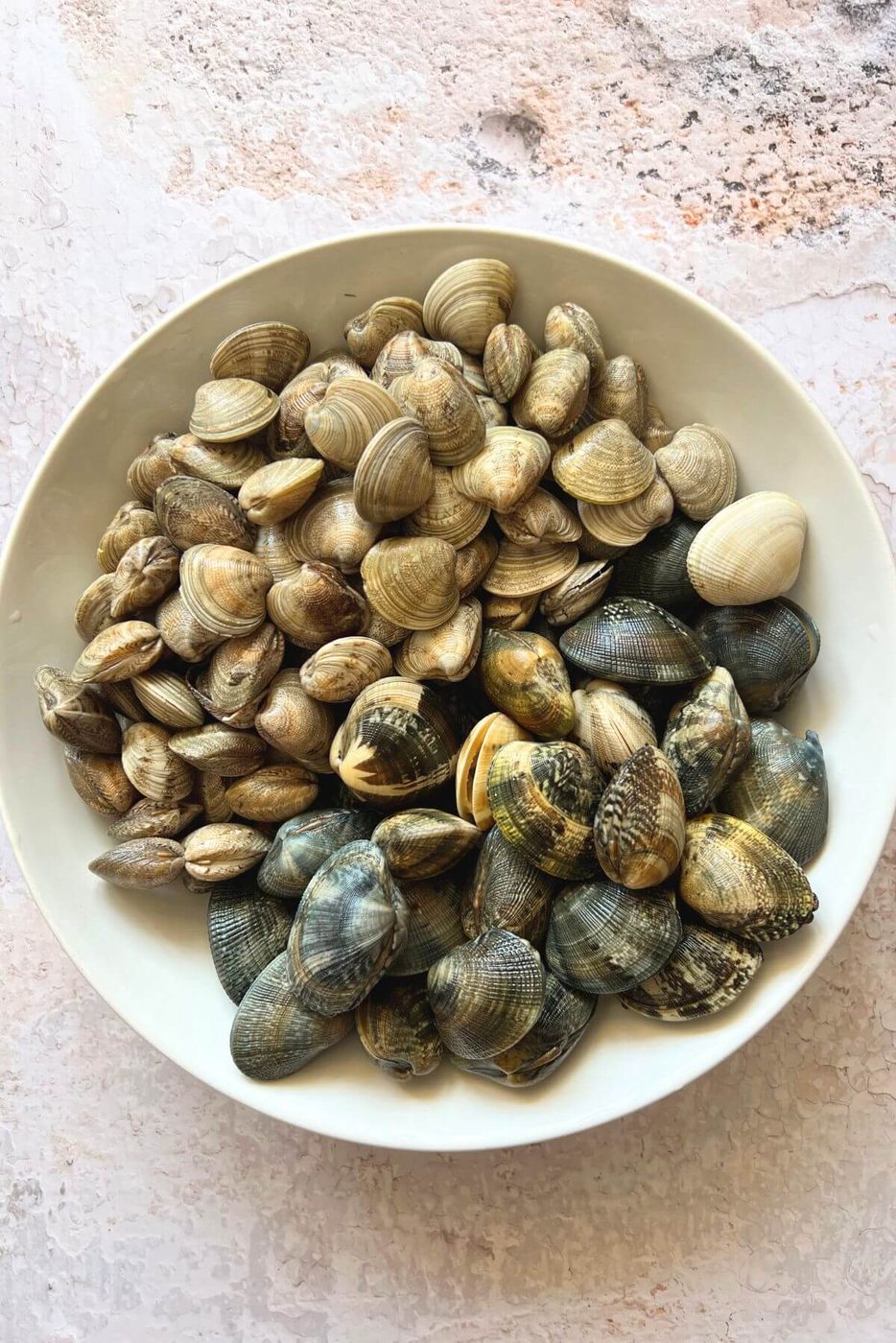
- Clams (Vongole) – The best clams for making Linguine alle Vongole are Vongole Veraci which are the larger ones you can see above. Vongole Veraci are good but can be expensive so we like to use a mix of Veraci and other clams (we used Lupini which are smaller and good). We don't recommend using canned clams they should always be fresh.
- White wine – Use a good Italian white wine (something you'll drink with the dish). We used Vermentino but other good options would be Pecorino, Pinot Grigio or Gavi.
- Garlic – We find 2 large cloves to be the right amount but you can add more (or less) to taste.
- Parsley – The parsley should always be fresh don't ever use dried.
- Pasta – We love using linguine when making pasta with clams but you could also use spaghetti or even freshly made Tonnarelli (Spaghetti alla Chitarra).
How to clean clams
- Scrub before cleaning – Depending on the type of clam and where you get them you may need to scrub them clean with a rough sponge or brush. Clams don't tend to need as much scrubbing
- Cleaning the clams – rinse the clams in cold running water to remove any dirt or sand. It's important to discard any broken clams and any clams that remain open after rinsing because this means the clam is dead.
- Clams after cooking – Another important note is to discard any clams that remain closed after cooking (it's fine if they end up on your plate discard them and do not force any clam shells open).
Step by step photos and instructions
Add the olive oil and chopped garlic to a pan. Saute for about a minute then add the clams and white wine (photos 1 & 2).
Put the lid on the pan, giving the clams a gentle shake every now and then until the clams have fully opened (photo 3).
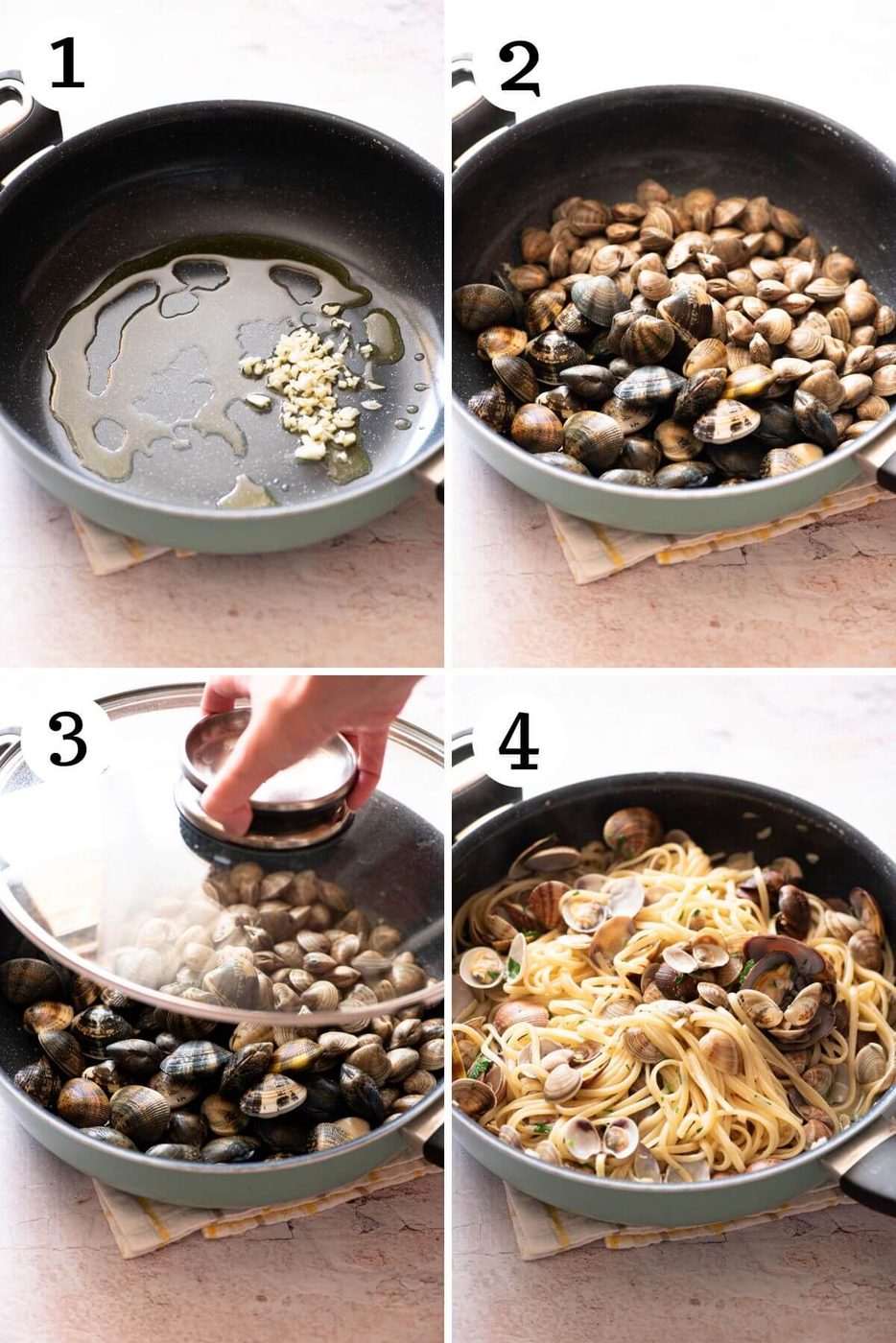
Once the clams have opened, turn the heat off and add the cooked pasta, fresh chopped parsley and lemon. Toss everything together so the pasta is fully coated in the juices and serve it straight away (photo 4).
Recipe tips
- Getting timings right – The clams take less than 10 minutes to cook so you need to get the pasta on first but have everything prepped and ready to go. Clams should be cleaned and rinsed and ready to go, garlic and parsley chopped. Start cooking the clams about 5 minutes before the pasta is ready.
- Cooking the pasta – Make sure the pasta is al dente (usually 1 minute less than packet instructions). The pasta will soak up the clam and wine juices and will continue to cook in the pan so try not to overcook it.
- Serving suggestion – Serve your Linguine alle Vongole with plenty of crusty bread for moping up all the good juices and a nice chilled glass of white wine (we recommend drinking what you use for the sauce).
Recipe FAQs
How long does it last?Linguine alle Vongole is best served immediately as leftovers don't keep well.
What other pasta can we use?Linguine is our go-to for this dish but spaghetti is also a popular choice. We wouldn't use a short pasta for this recipe.
Pasta
Shrimp Spaghetti with 'Nduja and Lemon
Salads
Tuna Panzanella – Italian Bread Salad
Pasta
Shrimp Linguine with Burst Tomatoes & Parsley
Fresh Pasta
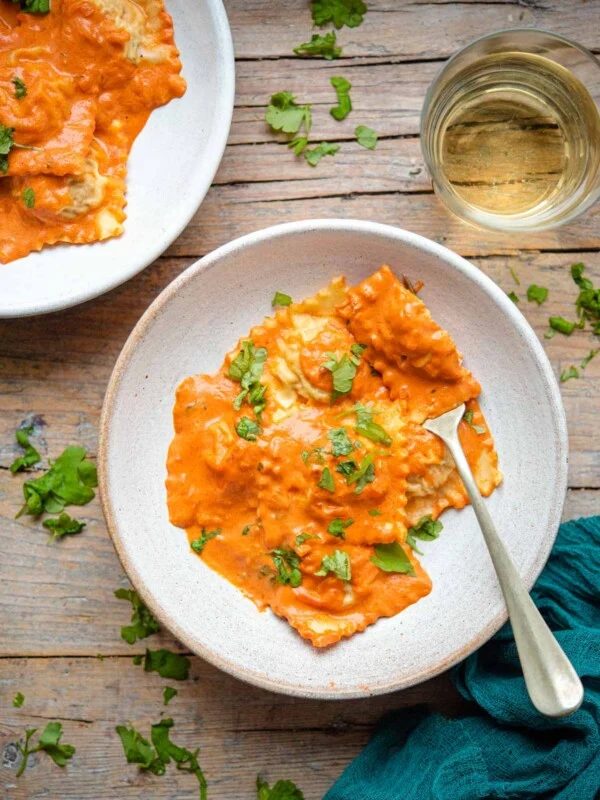
Lobster Ravioli with Vodka Cream Sauce
Ingredients
Makes 4 servings
- 14 oz linguine or spaghetti ((400g))
- 2.2 lbs Vongole (clams) ((1 kg) see note 1)
- 2 cloves garlic (finely chopped)
- ½ cup white wine ((120ml))
- 1 large bunch fresh parsley (finely chopped)
- 1 squeeze lemon juice
- Olive oil
Equipment
- Large saute pan with lid
Method
Bring a large pot of water to a boil and salt it well.
Meanwhile, rinse the clams in cold running water discarding any broken ones and any that remain open after rinsing *see note 1
Add the pasta to the boiling water and cook until al dente.
Finely chop the garlic, add it to a large saute pan and gently fry the garlic for about 30-60 seconds. Next, add the clams and add the white wine. Cover the pan with a lid and give the clams a gentle shake.
Keep the lid closed until the clams are all fully open (give the pan a gentle shake every so often until this happens).
Once the clams have opened, turn the heat off and add the cooked pasta, fresh chopped parsley and lemon. Toss everything together for another 1-2 minutes so the pasta absorbs some of the juices and serve straight away.
Kitchen notes
- What clams to use In Italy we use a mix of Vongole Veraci and Lupini. You can use whatever clams that are accessible to you make sure they are fresh.
- Scrubbing before cleaning Depending on the type of clam and where you get them you may need to scrub them clean with a rough sponge or brush. Clams don't tend to need as much scrubbing as mussels do but can still be a little dirty. The ones we got at our supermarket in Italy were pretty clean already.
- Cleaning the clams rinse the clams in cold running water to remove any dirt or sand. It's important to discard any broken clams. If there are any clams that are still open after rinsing give them a sharp tap and if they still don't close discard them.
- Clams after cooking Another important note is to discard any clams that remain closed after cooking (it's fine if they end up on your plate discard them and do not force any clam shells open).