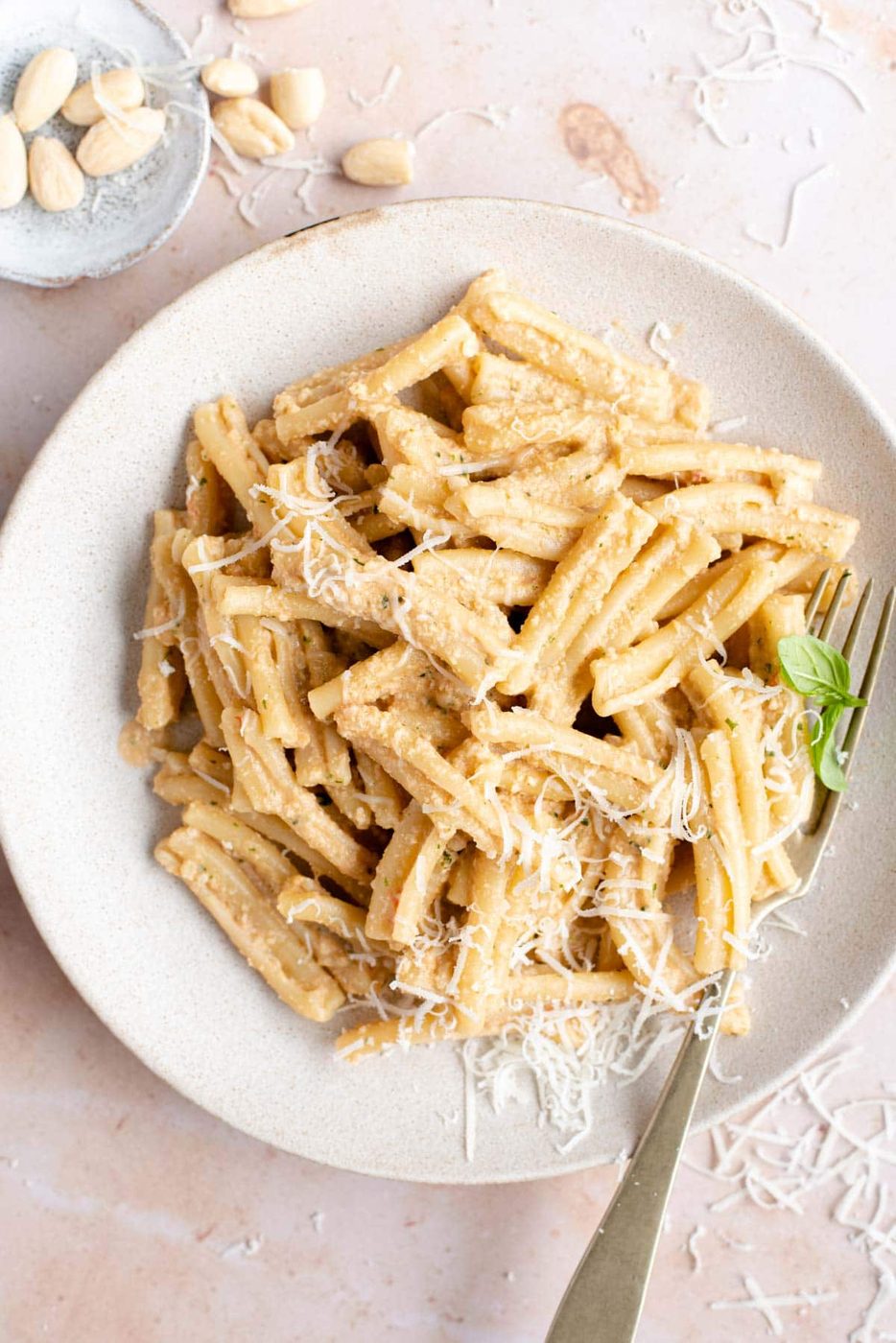
Malloreddus alla Campidanese, Sardinian Sausage and Saffron Ragu
- Makes 4 - 6 servings
- Prep 5 minutes
- Cook 40 minutes
- Total 45 minutes
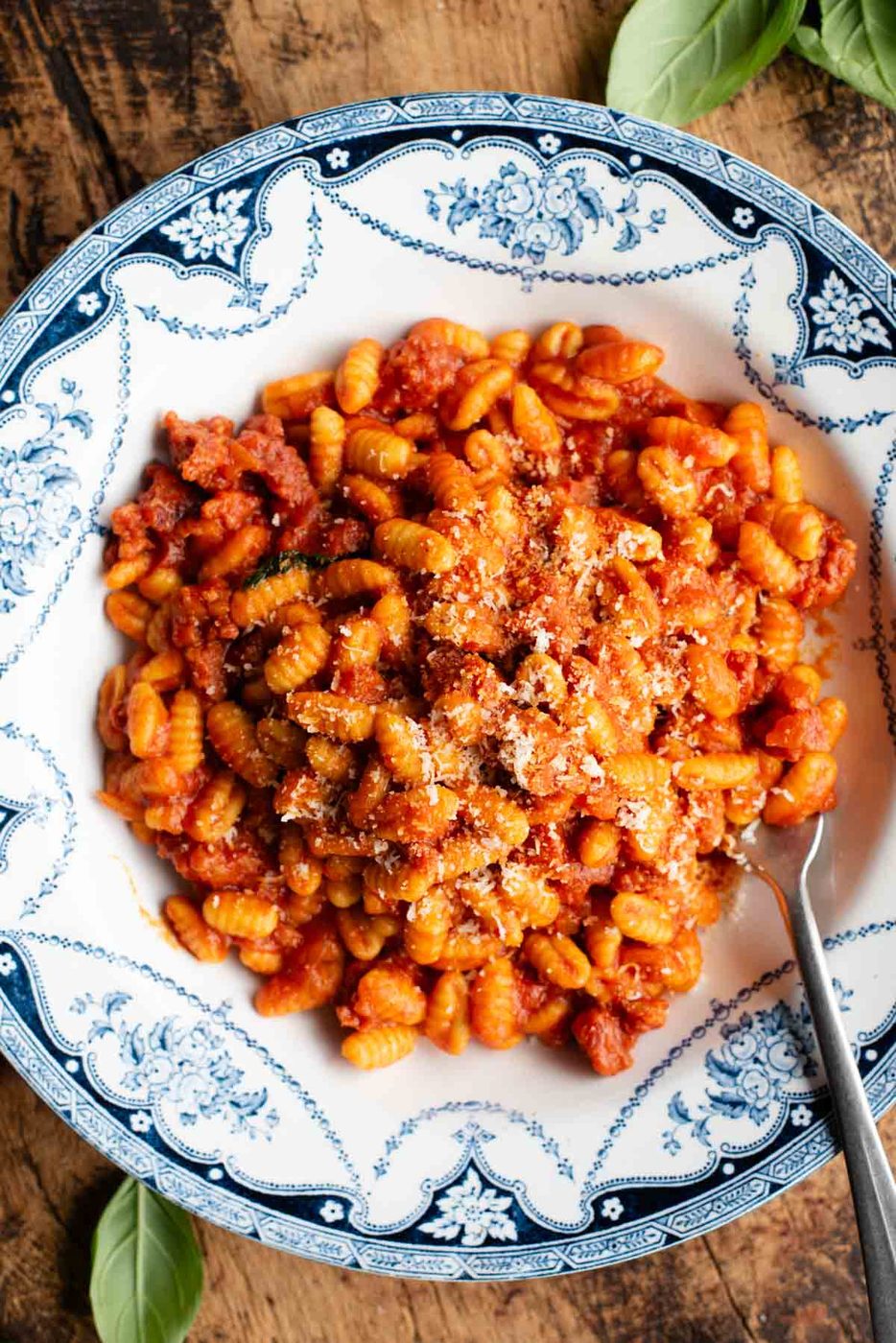
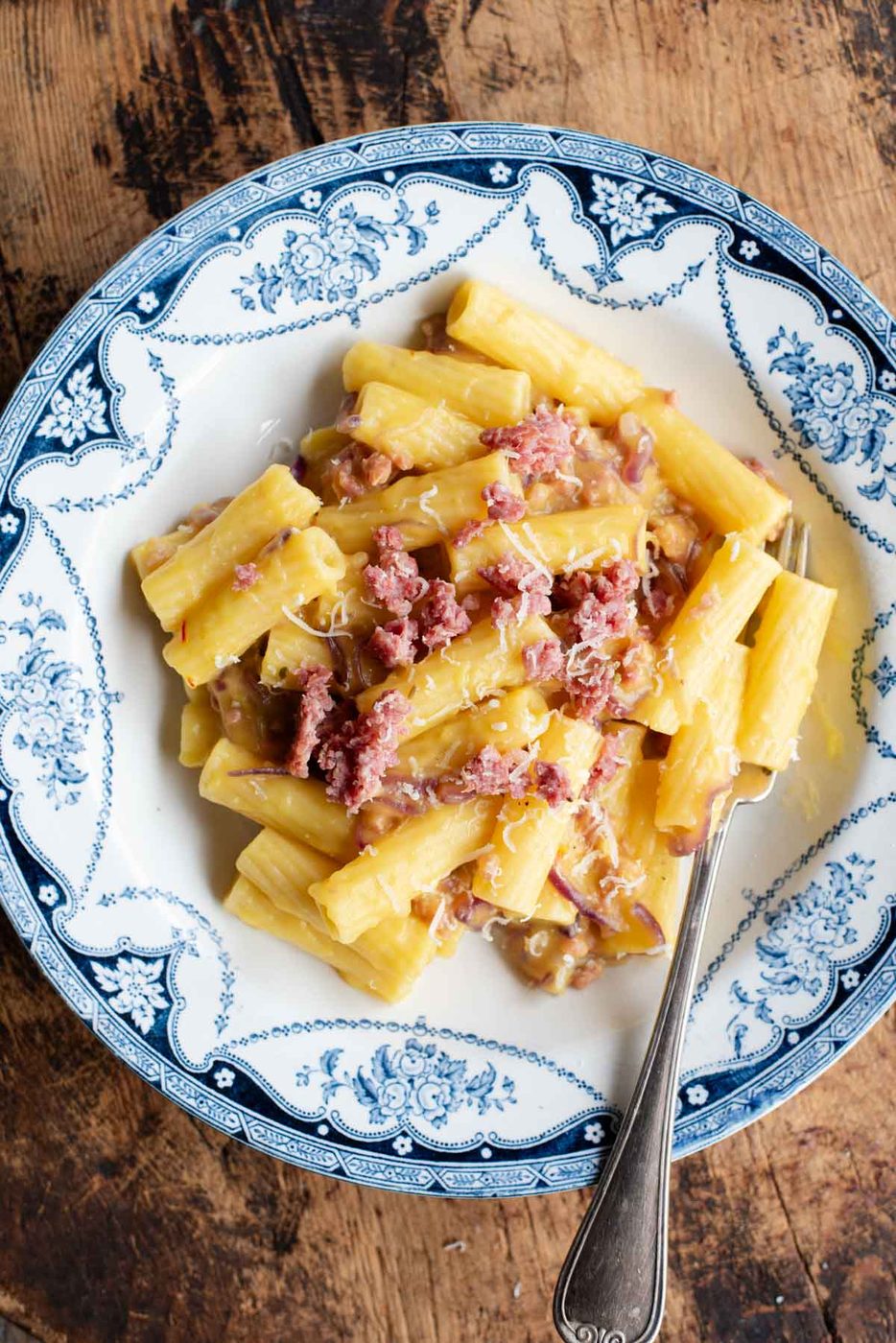
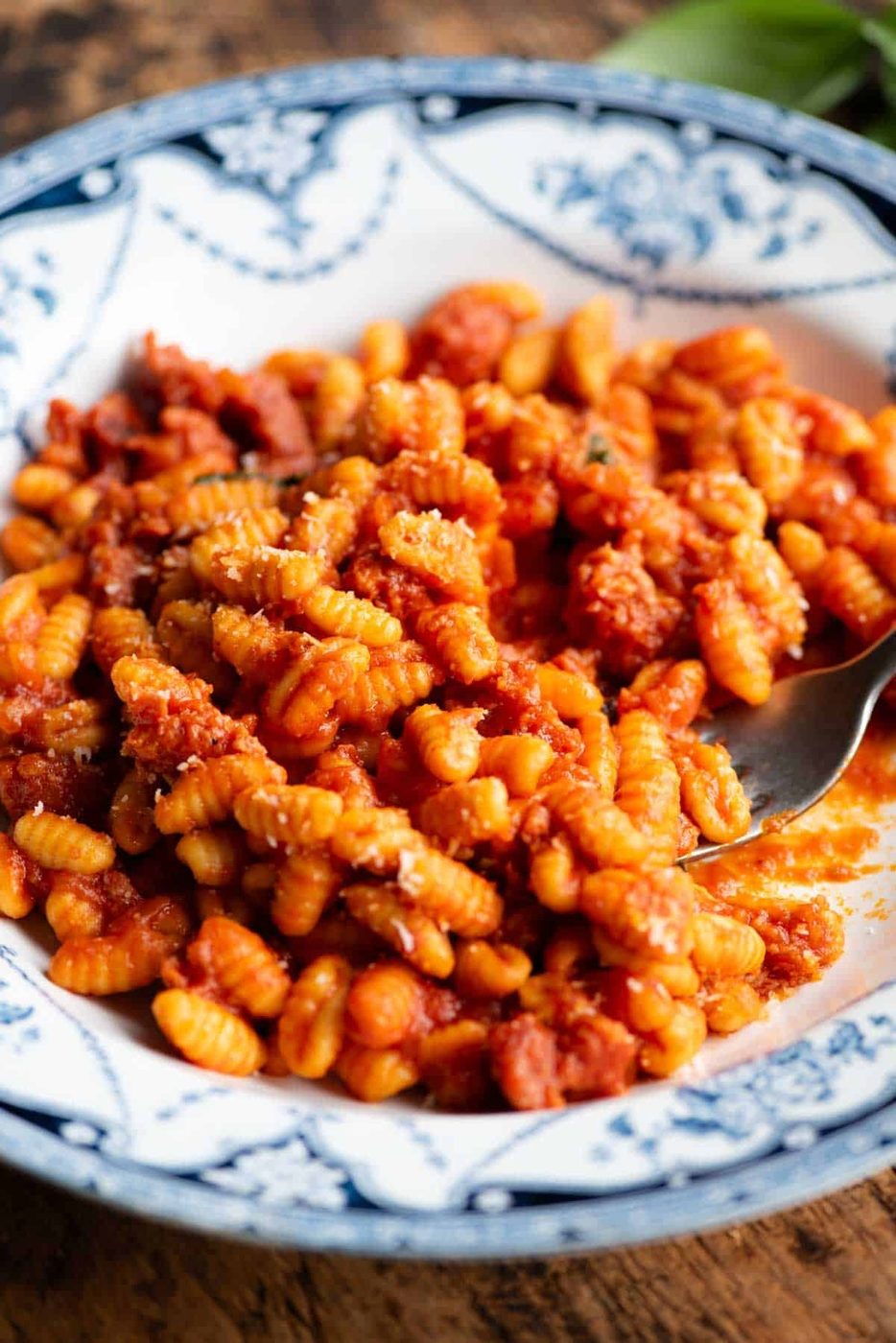
Malloreddus alla Campidanese is a beautiful traditional dish from Sardinia. It's made with Malloreddus pasta also known as Gnocchetti Sardi served with an good Italian sausage ragu with fennel seeds, saffron and Pecorino cheese.
This is such a special recipe, it's so different from other Italian sausage ragus we've tasted before and has so much good flavour.
Malloreddus or gnocchetti sardi are a small ridged pasta shape from Sardinia (Sardegna). They're made with semolina pasta dough which is so easy to work with and forgiving. We have a full step-by-step tutorial on how to make them at home with water and semolina.
The ragu is perfection and we cannot stop making it. It comes from the Campidano area in Sardinia and has such a unique flavour from the saffron fennel, bay and Pecorino.
It's suited to a cosy night in and special enough to serve at a dinner party.
We hope you enjoy this one as much as we do!
See our notes below on ingredients that are traditionally used vs what you can substitute them with.
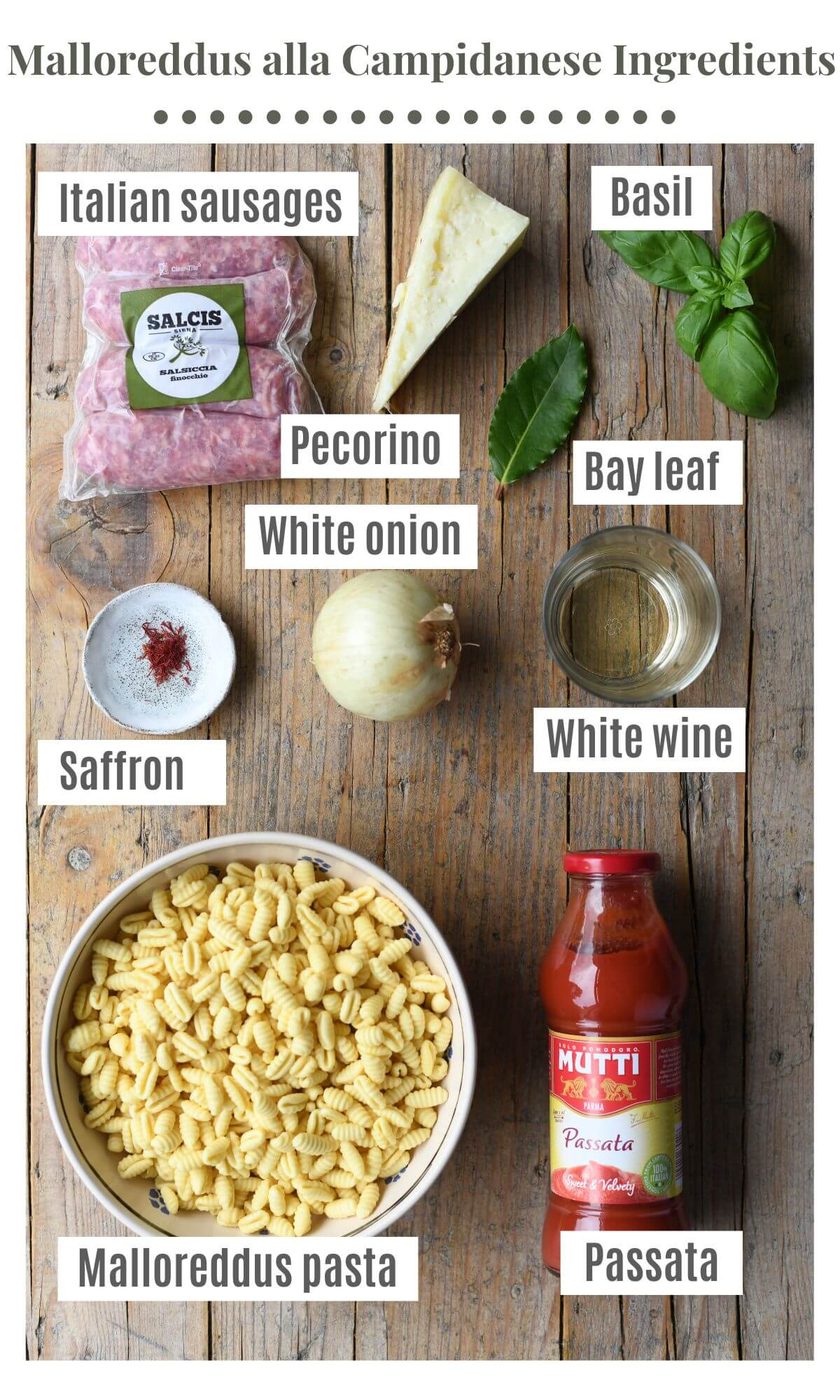
Ingredient notes and substitutions
- Malloreddus – these are so easy to make from scratch if you can't buy them. Alternatively, you can use another semolina pasta shape for the same chewy texture such as orecchiette (regular pasta or potato gnocchi can also be used).
- Sardinian sausages – the sausages traditionally used are made with fennel seeds. If you can't find those with fennel seeds you can use regular Italian sausages and add in 1 teaspoon of fennel seeds to the sauce.
- Saffron – saffron powder is used a lot in Italy but we find saffron threads easier to find. You can grind them into a powder using a mortar and pestle or steep them in a little hot water (what we do).
- Pecorino – traditionally Pecorino Sardo is used to make this dish but you can use Pecorino Romano instead which should be a lot easier to find.
Visual walk-through of the recipe
- Steep the saffron – add the saffron and a tablespoon of warm water to a small ramekin and let it steep until needed (photo 1).
- Saute the onion – Finely chop the onion and sauté it for a few minutes in 1-2 tablespoons of olive oil until softened and translucent (photo 2).
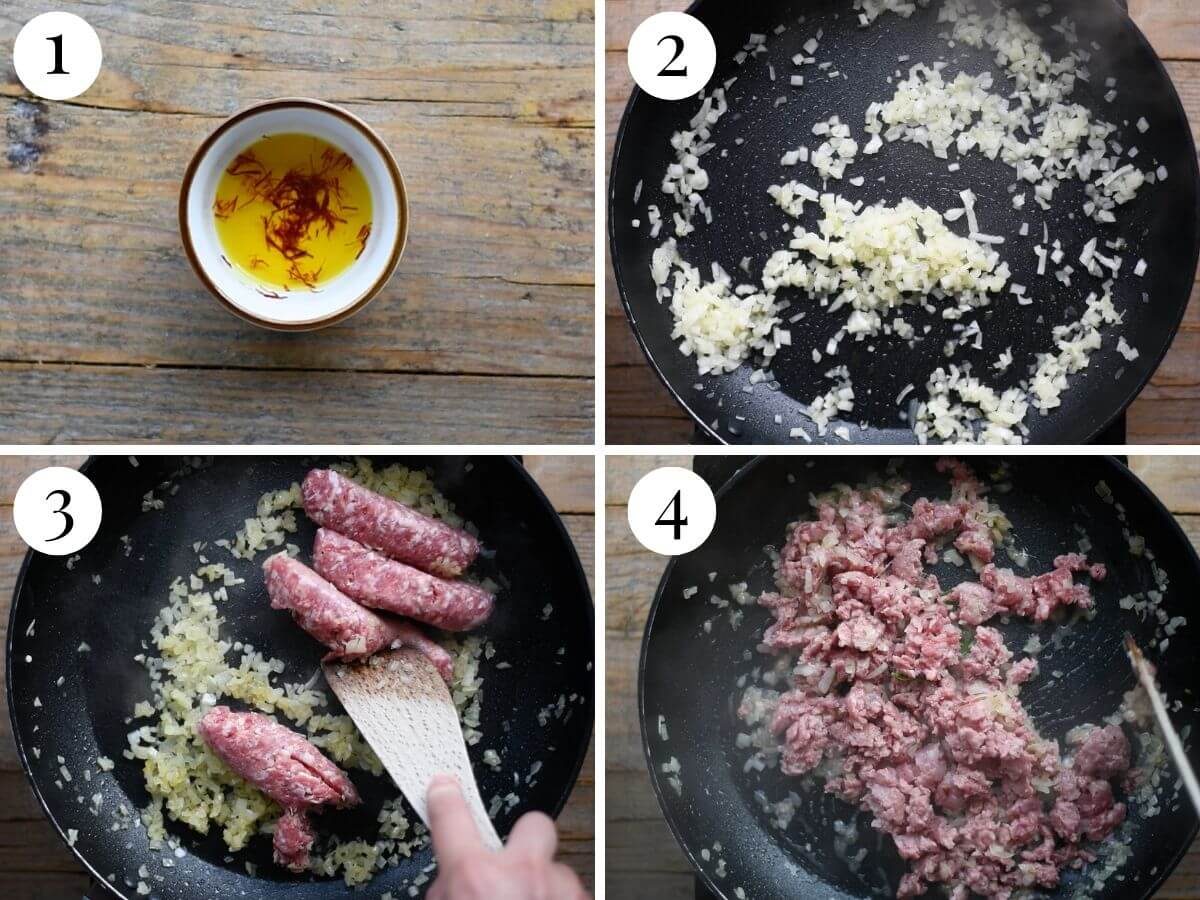
- Brown the sausage – Remove the sausages from their skins and add them to the onion alongside the bay leaf. Brown the sausage whilst breaking the meat up with a wooden spoon (photos 3 and 4).
- Add wine and saffron – Once browned, add the white wine and saffron and reduce for 1-2 minutes until you can no longer smell the alcohol (photos 5 and 6).
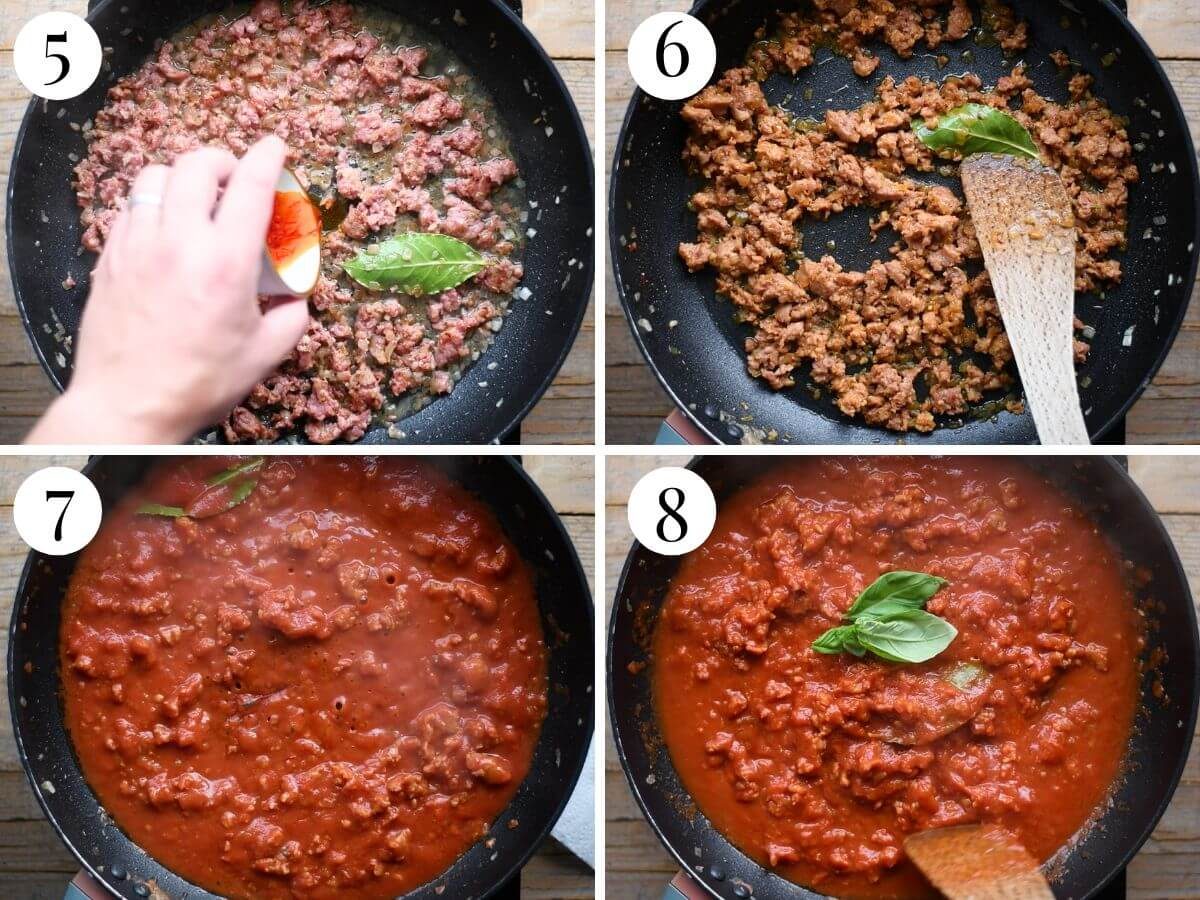
- Add the tomato – Add the passata (tomato puree) and a pinch of salt and pepper, stir to combine then cover and let it simmer for 20 minutes. Remove the lid, add the fresh basil and continue to simmer the sauce for another 10 minutes (photos 7 and 8).
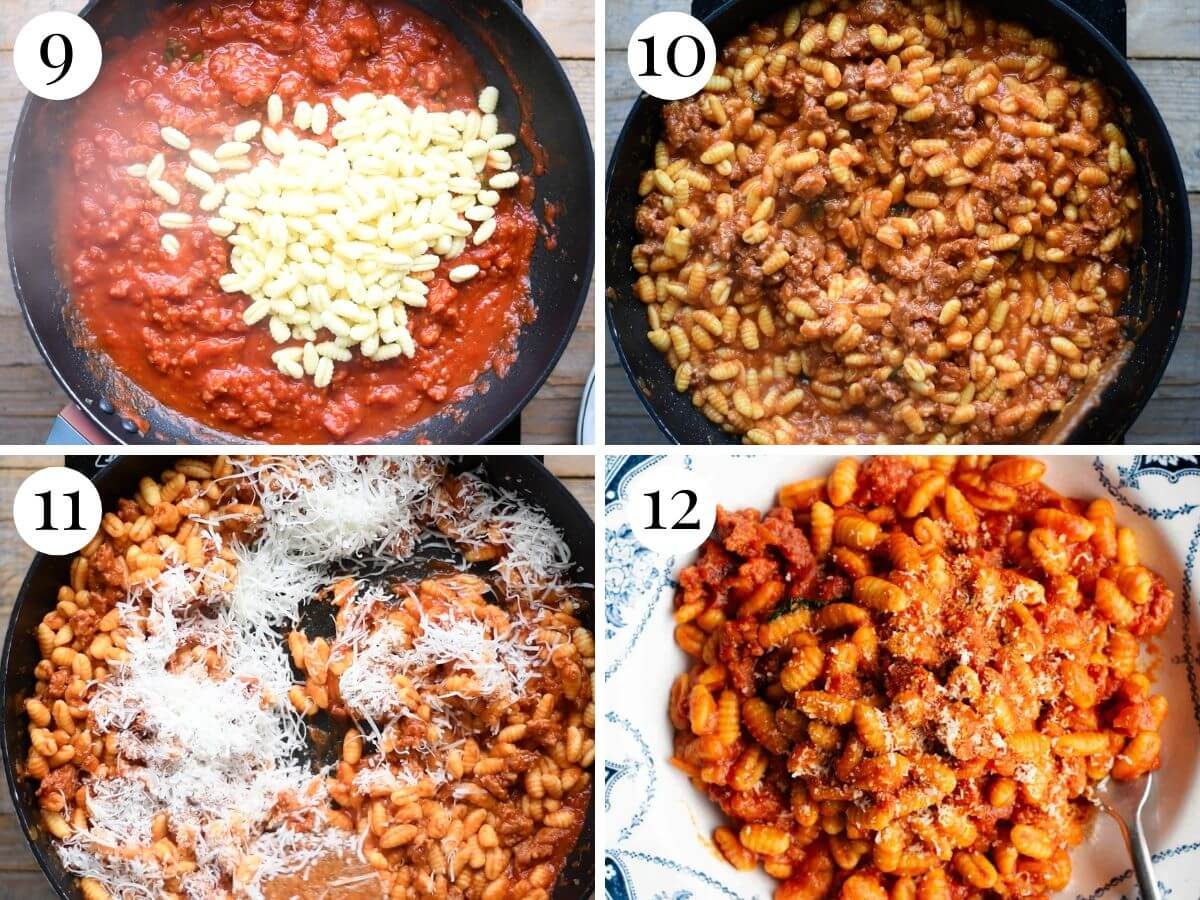
- Cook the pasta – In the last 10 minutes of cooking, add the pasta to the boiling water and cook until al dente (around 10 minutes for Malloreddus).
- Serve – Add the pasta to the sauce and stir until well coated. Add the grated Pecorino cheese and stir in until melted, serve (photos 9-12).
Recipe Tips
- High-quality tomatoes – the quality of the tomatoes make a huge difference to the overall flavour of the dish. We love using Mutti tomatoes which are high-quality and usually pretty easy to find. Our second favourite brand is Cirio.
- Reserve pasta water – if your sauce has reduced a little too much you can add a splash of pasta water to it, this will also add flavour!
- Leftovers and freezing – leftovers can be stored in the fridge for 2-3 days and can be reheated.
Yes, the ragu can be frozen in suitable freezer bags or containers for up to 3 months. If making the pasta from scratch you can freeze that (uncooked) separately.
What does Campidanese mean?Campidano is an area in Sardinia (Sardegna in Italian) where this traditional dish originates.
More good Italian ragus to try
Mains
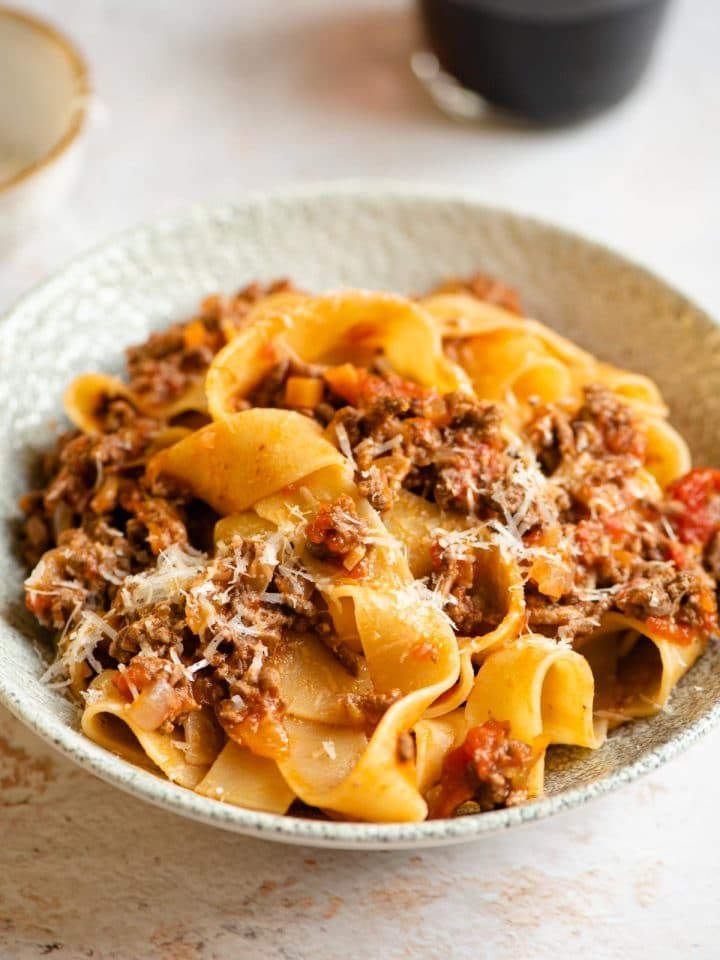
Italian Beef Ragu – A Classic Recipe
Mains
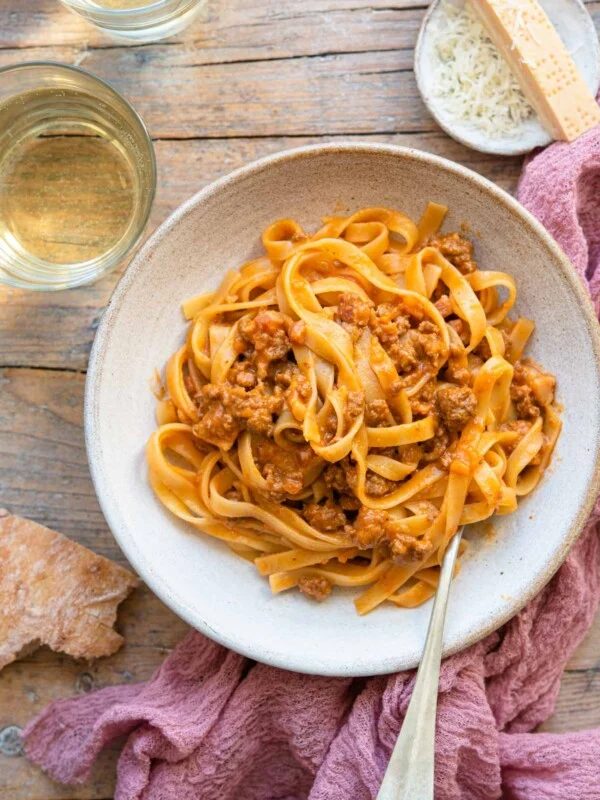
Italian Lamb Ragu (Ragu di Agnello)
Sauces & Dressings
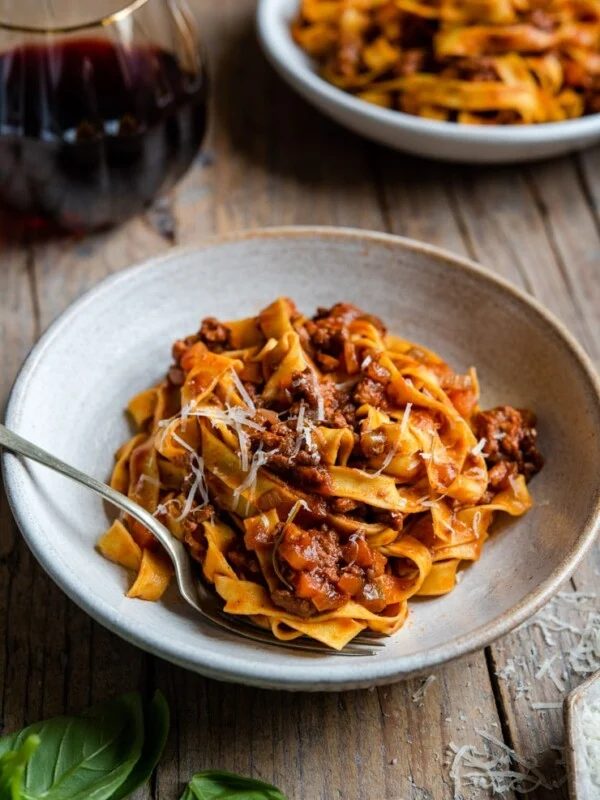
Authentic Bolognese Sauce (Ragu alla Bolongese)
Mains
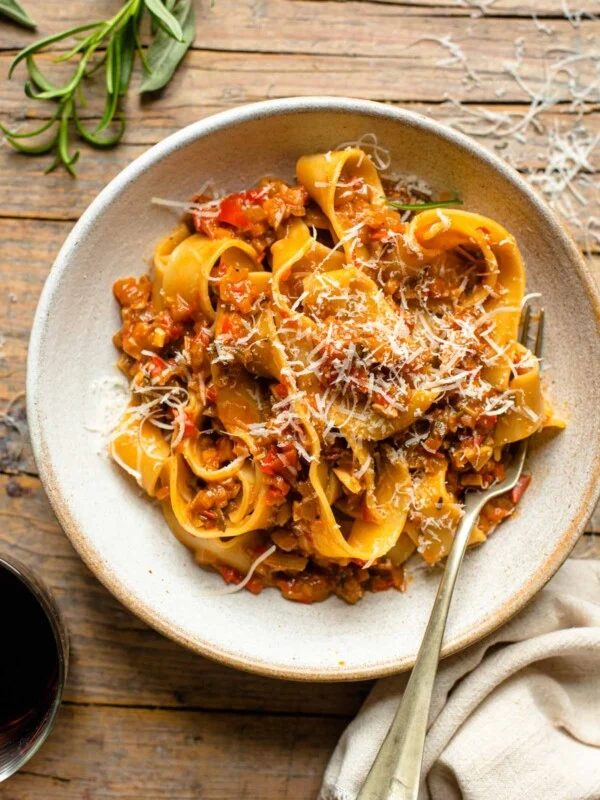
Vegetable Ragu with Pappardelle Pasta
Ingredients
Makes 4 - 6 servings
- 1 lb (450g) Malloreddus pasta (Gnocchetti Sardi) (see notes)
- 1 white onion
- 11.5 oz (325g) Italian sausages with fennel (about 4 medium-sized sausages) ((see notes))
- 1/4 cup (60ml) white wine
- 1 bay leaf
- 1 small pinch of saffron threads
- 1 lb (450g) tomato passata (tomato puree US)
- 1 small handful fresh basil ((about 4-5 leaves))
- 1 cup (80g) Pecorino Sardo or Romano (fresh grated)
- Olive oil
- Salt
Method
Add the saffron threads to a small ramekin with 1 tablespoon of hot water and leave to steep.
Finely chop the onion and sauté it for a few minutes in 1-2 tablespoons of olive oil until softened and translucent.
Remove the sausages from their skins and add them to the onion alongside the bay leaf. Brown the sausage whilst breaking the meat up with a wooden spoon.
Once browned, add the white wine and saffron and reduce for 1-2 minutes until you can no longer smell the alcohol.
Add the passata and a pinch of salt and pepper, stir to combine then cover and let it simmer on a medium-low heat for 20 minutes.
While the sauce is simmering, bring a large pot of water to a boil and salt it well.
After 20 minutes, remove the lid from the sauce, add the fresh basil and continue to simmer the sauce for another 5-7 minutes uncovered.
Add the pasta to the water and cook until al dente.
Once cooked, transfer the pasta to the sauce and stir until well coated. Add the grated Pecorino cheese and stir in until melted, serve.
Kitchen notes
- Fennel sausages if you can't get Italian fennel sausages you can add 1 teaspoon of fennel seeds to regular Italian sausages.
- What pasta to use you can make homemade Malloreddus pasta using our tutorial, it's easy. The next best thing would be a semolina pasta shape such as Orecchiette for the same chewy texture. You can also use regular short pasta or gnocchi.
- High-quality tomatoes the quality of the tomatoes make a huge difference to the overall flavour of the dish. We love using Mutti tomatoes which are high-quality and usually pretty easy to find. Our second favourite brand is Cirio.
- Leftovers and freezing leftovers can be stored in the fridge for 2-3 days and can be reheated.
- Reserve pasta water if your sauce has reduced a little too much you can add a splash of pasta water to it, this will also add flavour!