Pasta alla Gricia
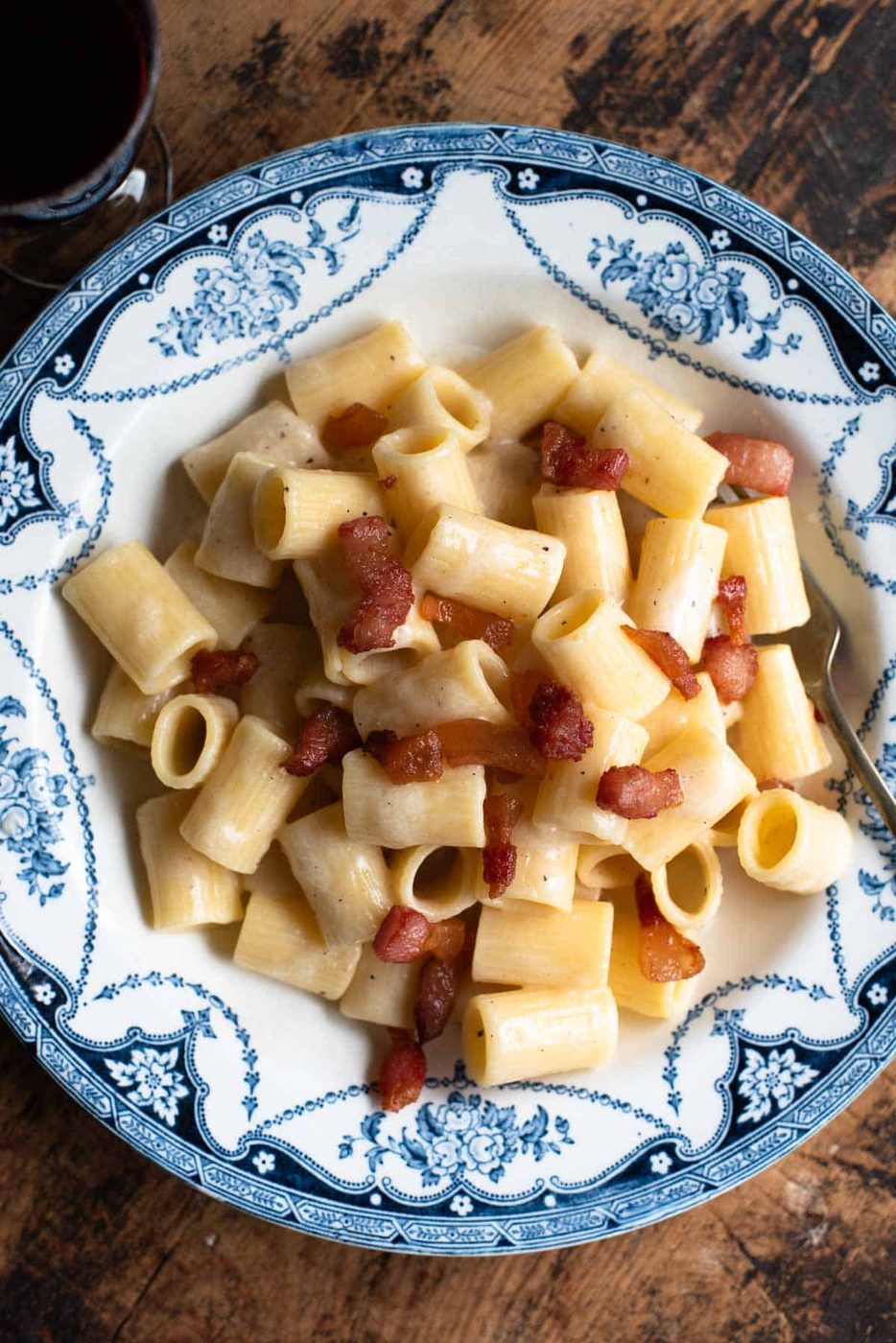
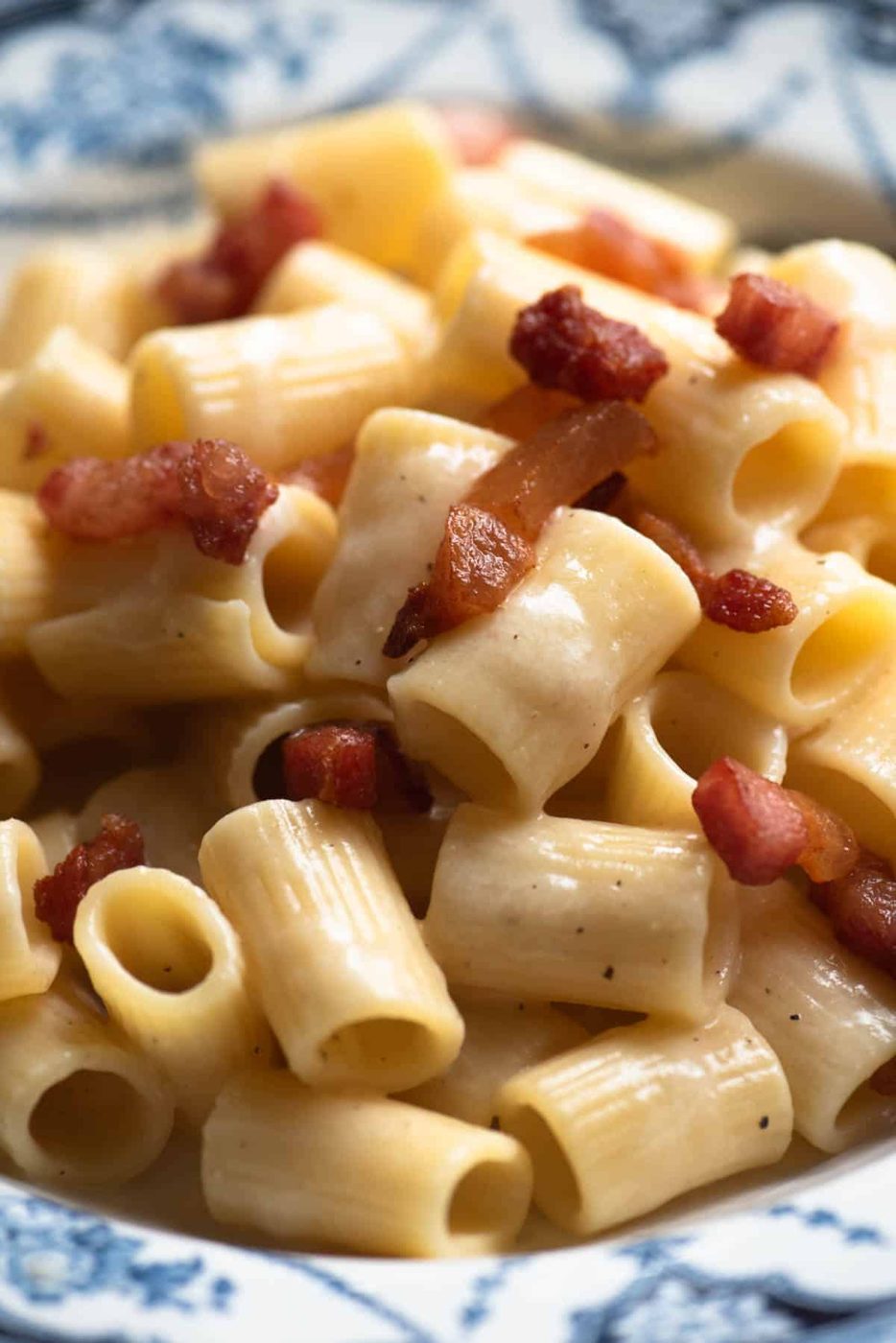
How to make an authentic Pasta alla Gricia, a Roman classic dish made with 4 ingredients: pasta, crispy guanciale, salty pecorino and black pepper. It's unbelievably good and comes together in under 30 minutes.
Quick recipe overview
- Flavour – It's rich, savoury and good, made with salty guanciale, tangy pecorino cheese and a kick of black pepper.
- Traditional dish – Pasta alla Gricia is a classic Roman dish from the Lazio region.
- Suited to – A quick, comfort food dinner that's ready in under 30 minutes.
Pasta alla Gricia is one of four famous Roman pasta dishes alongside Pasta alla CarbonaraCacio e Pepe and Pasta all'Amatriciana.
It's essentially cacio e pepe with guanciale added or carbonara without the eggs. Its salty, bold flavour is unbelievably good, and it's the solid meal when you're looking for some quick and easy comfort food.
What's even better is that it's made with 4 simple ingredients. See our notes below on what you need.
Ingredient notes
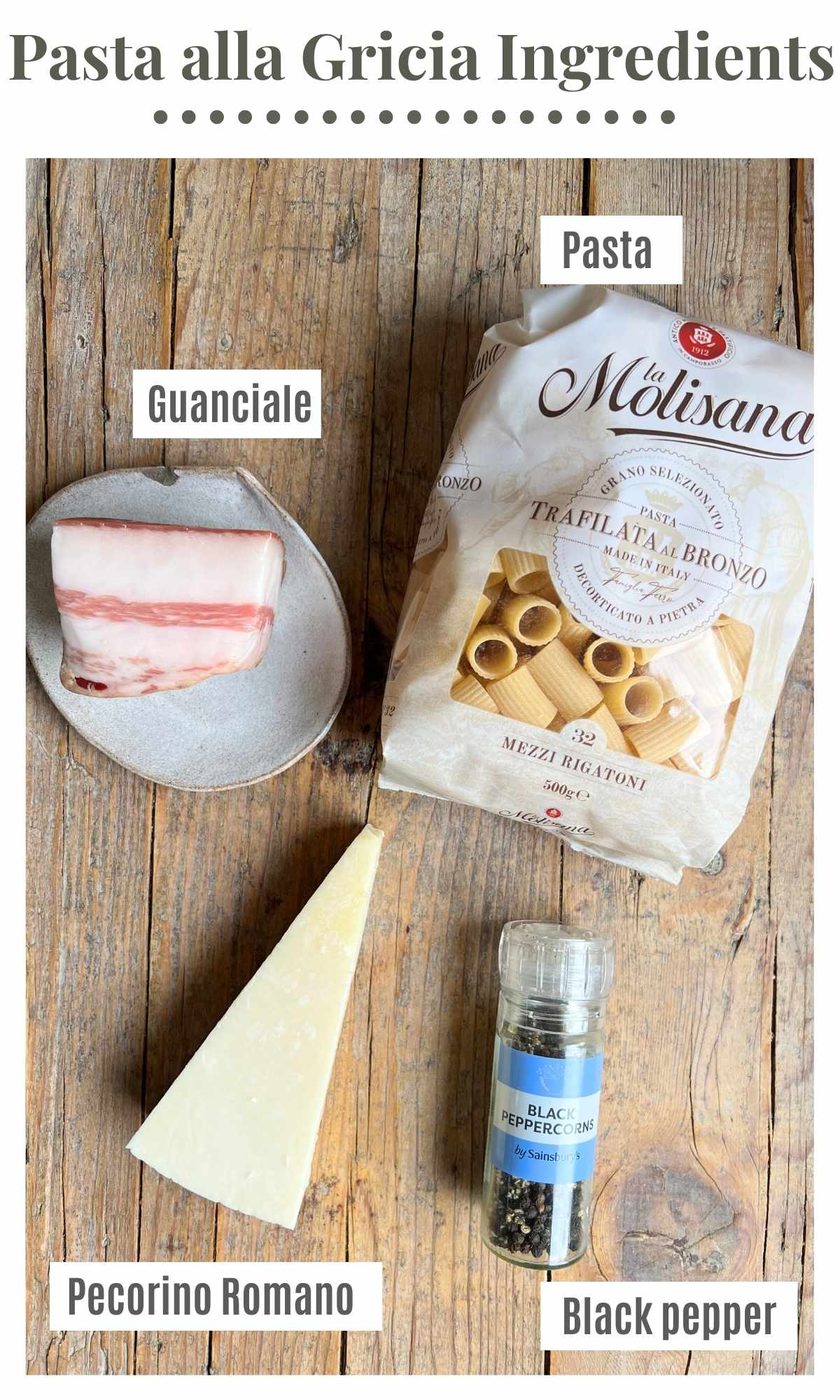
- Pasta – the most common pasta shapes used to make pasta alla gricia are spaghetti, rigatoni or mezze maniche (which is what we have used), but honestly, most pasta shapes will work well.
- Guanciale – This is an essential ingredient needed to make an authentic Pasta alla Gricia because it's the glorious fat that adds so much flavour and helps creates such a creamy and good pasta sauce. You should be able to find guanciale at any Italian speciality food store, but if not, you could use good quality pancetta with a good amount of fat. Bear in mind that pancetta or bacon will have a much milder flavour, so the end result won't quite be the same.
- Pecorino Romano – get your hands on Pecorino Romano DOP which usually has a black rind, although it can also have a colourless rind too (it'll have Pecorino Romano DOP stamped into it).
- Black pepper – We like to use a generous amount of black pepper, you can use it to taste and also add more at the end if needed.
Where does pasta alla Gricia get its name?
Since we love digging into the history of traditional Italian dishes We've come across a few different theories as to where the name gricia comes from.
One theory is that the name was derived from the old Romanesco word 'gricio' or 'grici', which were sellers of common foods. Pasta alla Gricia refers to a pasta you could make with ingredients found at your local gricio (pasta, guanciale, pecorino and black pepper).
It's also thought to be named after the grey (grigio in Italian) colour of the dish from the guanciale and black pepper mixed with cheese.
The third theory is that the pasta in fact comes from Grisciano in Lazio and was named after the town it was invented in.
Top tips and recipe FAQs
- Read the recipe before you start – like cacio e pepe and carbonara this recipe is quick and easy, but you need to know what you're doing in advance so you don't overcook the pasta and you're ready to add the cheese at the right time.
- Undercook the pasta – look at your pasta packet instructions and undercook the pasta by 2 minutes. You finish cooking the pasta in the pan and you want it to release some of that starch for a creamy texture.
- Reserve guanciale fat and pasta water – We like to keep around 2 tablespoons of guanciale fat in the pan and reserve the rest in a bowl in case it's needed later to emulsify the pasta. We recommend using a strainer spoon to transfer the pasta (or tongs for spaghetti) instead of draining the water, so you have plenty reserved for using.
- Keep stirring! – When you add the cheese, make sure the pan is off the heat and keep stirring with a wooden spoon until the cheese has melted. Once melted, it helps to toss the pasta in the pan to help bring it together. If you have tiny clumps that are not melting, you can turn the heat on low and stir for a few seconds, but don't let it get too hot or it can split/clump.
The difference between these two Italian pasta dishes is the egg. Carbonara is made with freshly beaten egg, and Gricia has no egg, everything else remains the same.
Can we prepare this in advance?No, the cheese starts to solidify pretty quickly so this is best prepared and eaten immediately. You can grate the cheese in advance but do not create the paste until a few minutes before using.
Can we use Parmigiano Reggiano instead?Some recipes suggest that Parmigiano Reggiano is a good substitute. We've never used it to make Gricia or Cacio e Pepe so we can't confirm if it works but we do know it will completely change the flavour.
Pasta
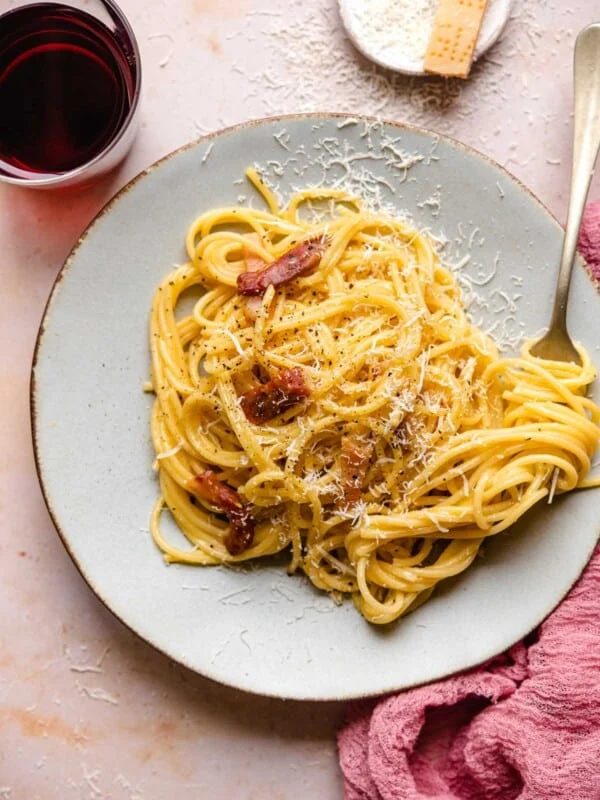
Spaghetti alla Carbonara (Authentic Recipe!)
Fresh Pasta
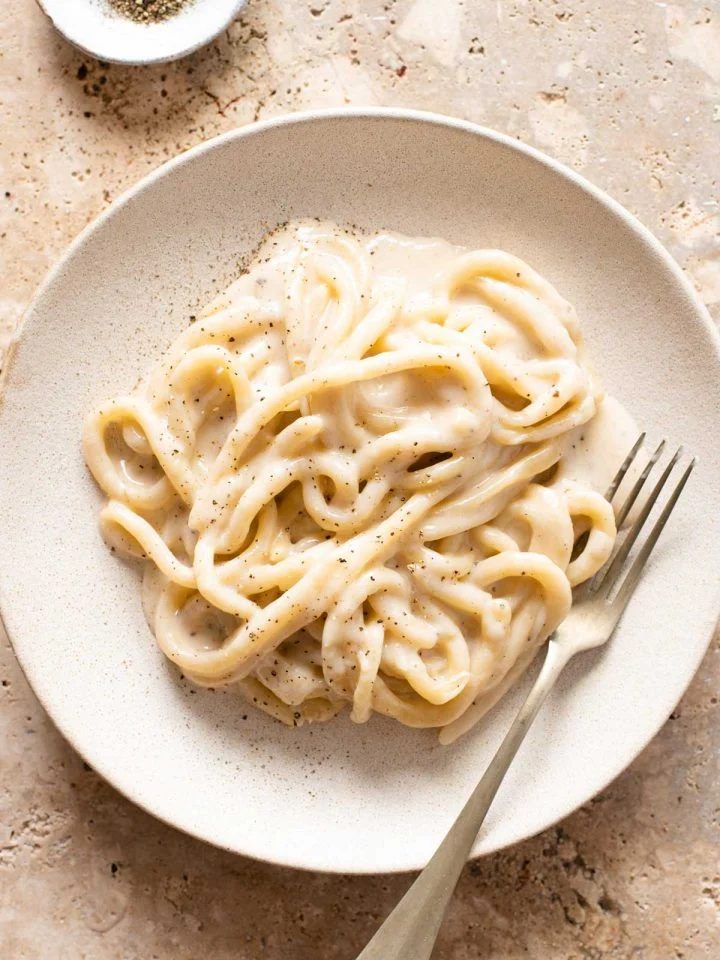
Pici, Cacio e Pepe (Authentic Recipe)
Pasta
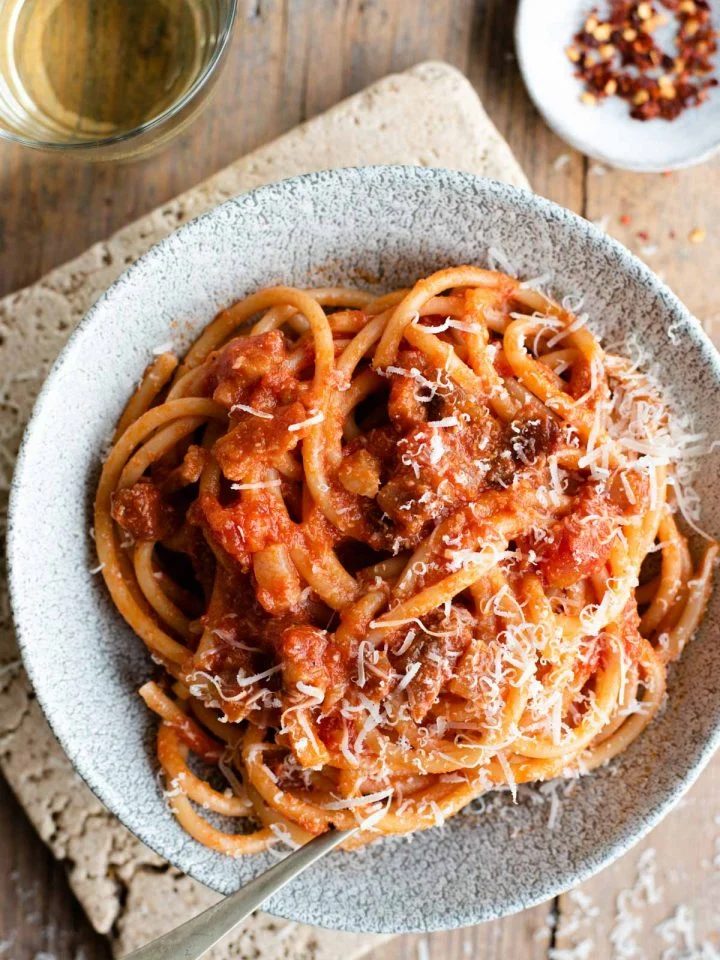
Bucatini all'Amatriciana
Classic Italian Recipes