
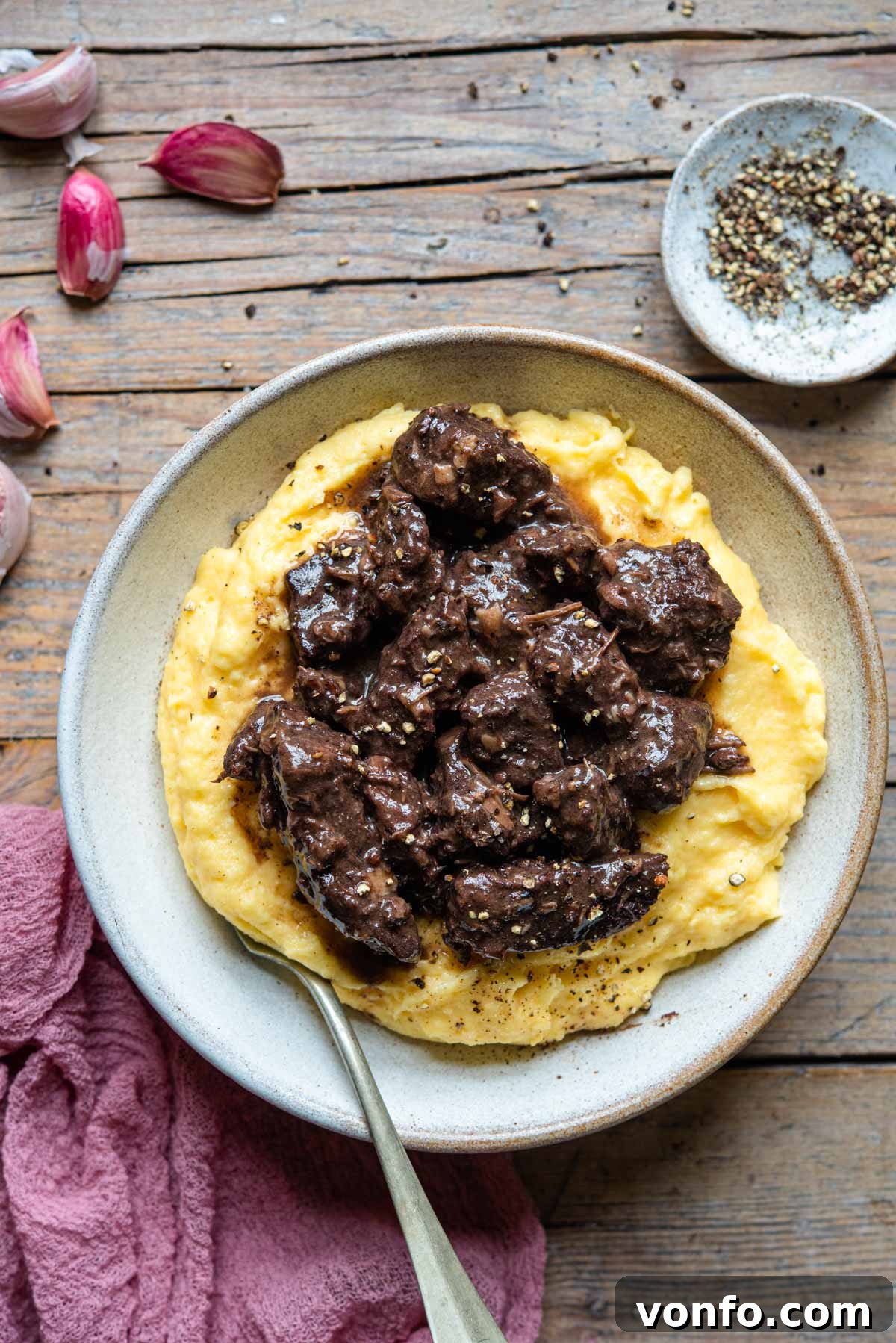
Authentic Peposo: The Simplest Tuscan Red Wine Beef Stew Recipe
Embark on a culinary journey to the heart of Tuscany with Peposo, a robust and surprisingly simple beef stew that whispers tales of ancient Florentine kitchens. Originating from the historic town of Impruneta, near Florence, this traditional dish is a testament to how a few high-quality ingredients, combined with patience, can create an explosion of flavor. Peposo, or “peppery” stew, lives up to its name, featuring tender beef, copious amounts of freshly ground black pepper, pungent garlic, and a generous pour of rich red wine. It’s a dish so profoundly satisfying, yet incredibly straightforward to prepare, making it a favorite for both seasoned chefs and enthusiastic home cooks alike. Forget complicated steps or lengthy ingredient lists; Peposo is about embracing the elegance of simplicity and allowing each core flavor to shine, truly transporting you straight to Florence with every bite.
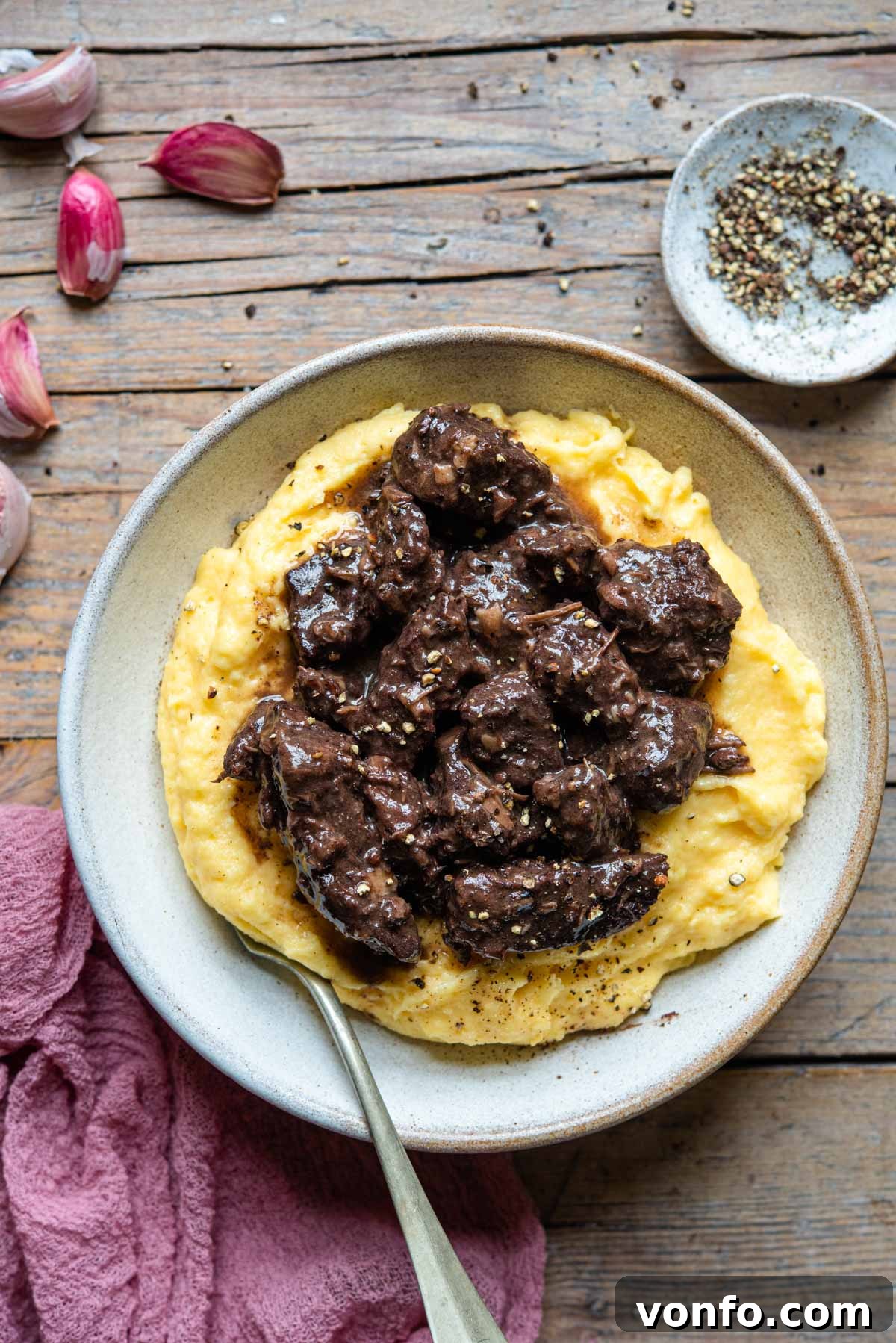
What is Peposo? The History Behind the Tuscan Delicacy
The origins of Peposo are deeply rooted in the working-class traditions of Tuscany, particularly among the kiln workers of Impruneta, renowned for their terracotta. These artisans, often spending long hours by scorching hot kilns, devised a method to cook their meals slowly and economically. They would place chunks of beef, garlic, and an abundance of black pepper into terracotta pots, which were then nestled into the cooling kilns overnight. The gentle, consistent heat slowly tenderized the meat, infusing it with deep flavors from the minimal yet powerful ingredients. Over time, the addition of local red wine, specifically Chianti or Sangiovese, further elevated the dish, making it the iconic Tuscan stew we know today. This historical method underscores the beauty of Peposo: a dish born out of necessity, transformed into a celebrated culinary masterpiece through its sheer simplicity and delicious depth. It’s a hearty Florentine dish that has stood the test of time, cherished for its authentic taste.
Why Peposo is Your Next Favorite Beef Stew
Many beef stews involve a myriad of vegetables, herbs, and thickeners, but Peposo stands apart. Its charm lies in its minimalist approach, proving that you don’t need dozens of ingredients to achieve extraordinary taste. This stew is a symphony of rich red wine, robust beef, sharp garlic, and the distinctive warmth of freshly ground black pepper. Each component plays a crucial role in creating a balanced yet intensely flavorful experience. The long, slow simmering process allows the tough cuts of beef to become incredibly tender, almost melt-in-your-mouth, while the red wine reduces into a velvety, aromatic sauce that coats every piece of meat. The generous amount of black pepper, initially surprising, mellows beautifully during cooking, leaving behind a delightful spicy kick that is both comforting and invigorating. It’s a hearty meal perfect for a cozy evening, effortlessly transporting your taste buds straight to the rustic charm of the Florentine countryside. You truly can’t go wrong with this incredibly simple and delicious recipe.
The Essential Ingredients for Authentic Peposo
The magic of Peposo is built on a foundation of just a few, yet incredibly impactful, ingredients. Each one plays a vital role in developing the stew’s signature robust flavor. Resisting the urge to add extraneous herbs or vegetables is key to truly experiencing this traditional Tuscan dish as it was meant to be enjoyed. Trust us, don’t be tempted to throw in anything extra until you’ve tried it the traditional way at least once.
Choosing the Right Beef for Your Tuscan Stew
For Peposo, a cut of beef that benefits from long, slow cooking is essential. Traditionally, beef shank (stincodi manzo) was used, known for its rich flavor and tenderness when braised. Beef chuck, with its good marbling and connective tissue, is an excellent and readily available alternative. When cooked slowly, the connective tissue breaks down, resulting in incredibly tender, succulent pieces of beef that hold their shape but are easily pulled apart. Cut your beef into roughly 1-inch (2.5 cm) cubes to ensure even cooking and ample surface area for browning. Good quality stewing beef is paramount for a flavorful and tender result.
Selecting the Perfect Red Wine
The wine is arguably the star of Peposo. It’s not just a cooking liquid; it’s a primary flavor component. This recipe calls for a whole bottle of red wine, so choose wisely. The best choices are dry, full-bodied Tuscan wines like Chianti or Sangiovese. These wines bring a complex acidity and fruitiness that transforms into a deep, savory, and slightly tangy sauce during the long cooking process. Whatever you do, avoid “cooking wine” – its inferior quality will compromise the entire dish. Use a good red wine that you would genuinely enjoy drinking!
The Bold Flavor of Garlic and Black Pepper
Garlic and black pepper are not mere seasonings in Peposo; they are cornerstone ingredients. You’ll use a generous amount of whole, peeled garlic cloves, which slowly soften and melt into the sauce, imparting a gentle, sweet garlic flavor without being overpowering. The “peposo” in the name comes from “pepe” (pepper), signifying the substantial quantity of freshly ground black pepper required. This isn’t the pre-ground dust found in supermarkets; you need freshly cracked peppercorns for their potent aroma and spicy bite. Don’t be shy with the pepper; its intensity mellows wonderfully during the long simmer, leaving a warm, spicy undertone that defines the stew. It truly gives the stew a delicious spicy kick.
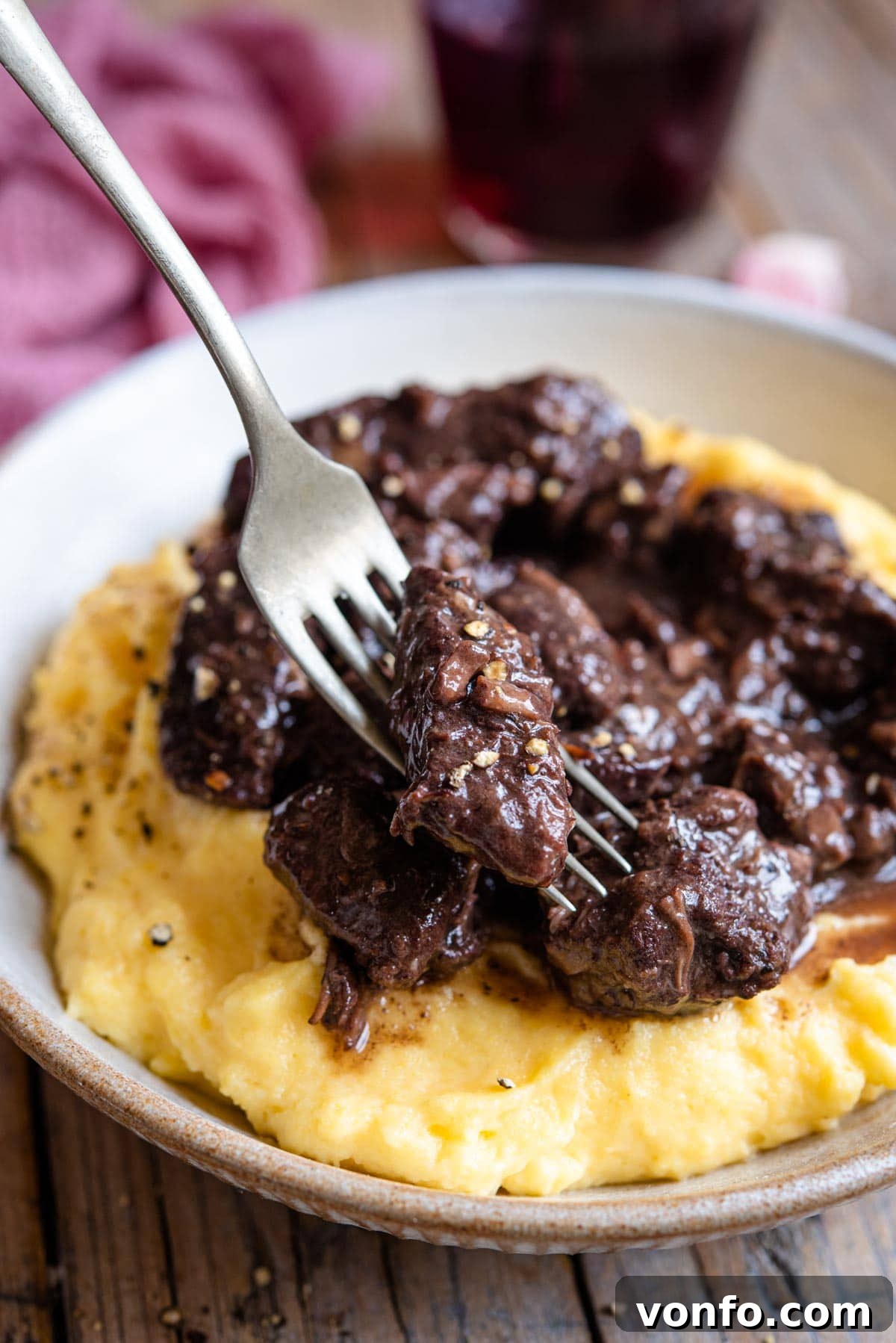
How to Make Peposo (Tuscan Beef Stew) – A Step-by-Step Guide
Creating this authentic Tuscan delight is surprisingly simple. Follow these steps for a perfect pot of Peposo:
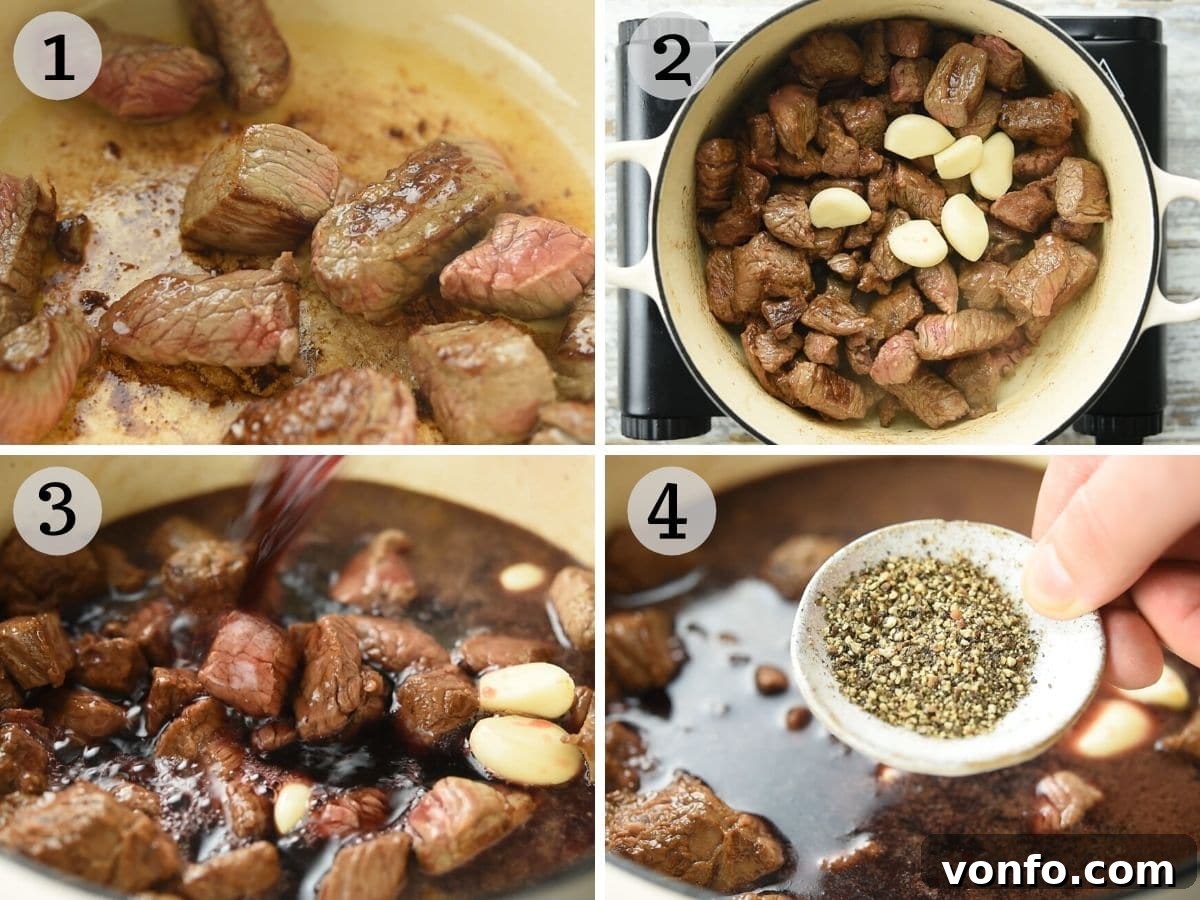
- Sear the Beef: Heat a tablespoon of olive oil in a large, heavy-bottomed pot or Dutch oven over medium-high heat. Brown the beef cubes on all sides for a minute or two until a beautiful crust forms. This step is crucial for developing deep flavor. If necessary, work in batches to avoid overcrowding the pot, which can steam the meat instead of searing it. Once browned, set the beef aside.
- Combine Ingredients: Return all the browned beef and any accumulated juices to the pot. Pour in the entire bottle of red wine, add the peeled whole garlic cloves, sea salt flakes (or kosher salt), and the generous tablespoon of freshly ground black pepper. Stir everything gently to combine.
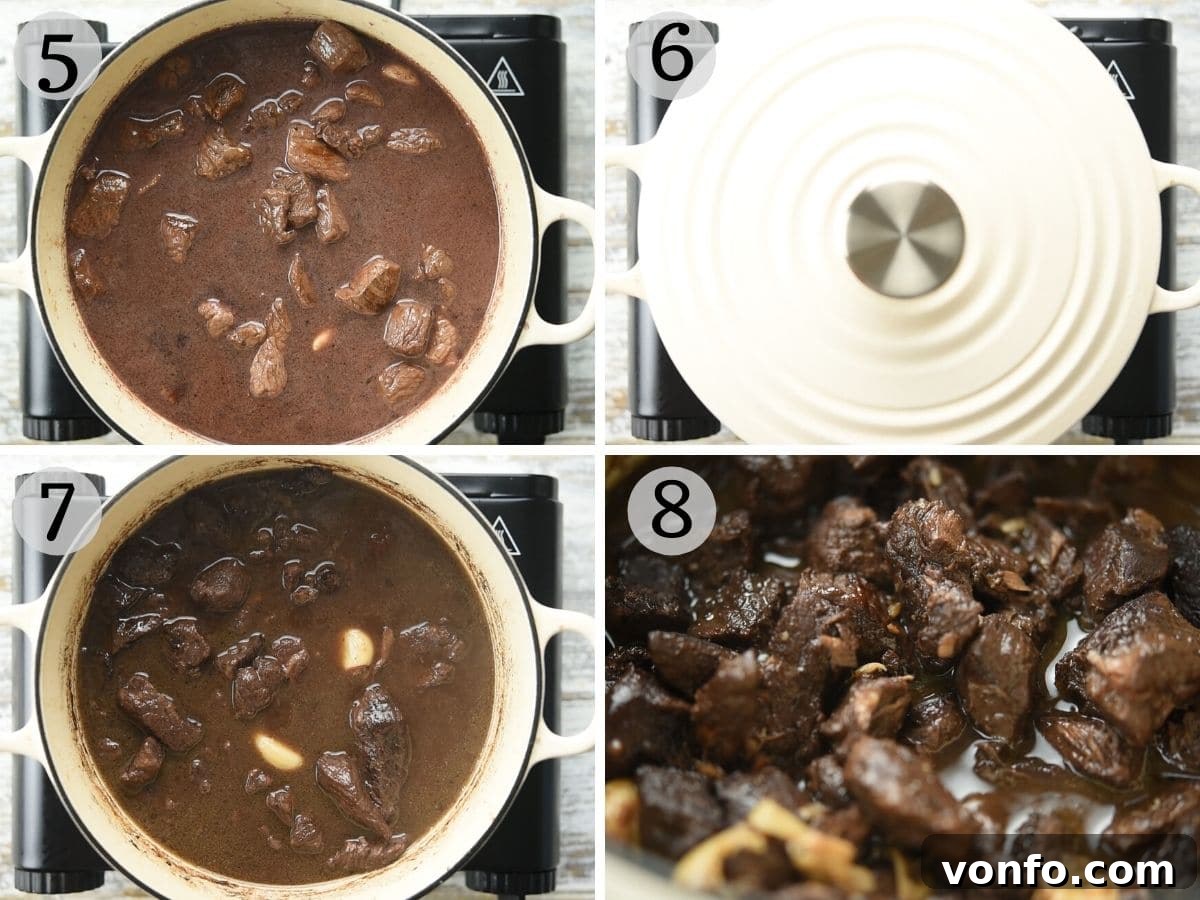
- Initial Simmer (Covered): Bring the mixture to a gentle simmer. Once simmering, reduce the heat to medium-low, cover the pot with a tight-fitting lid, and let it cook undisturbed for 1.5 hours. This initial phase allows the flavors to meld and the beef to begin tenderizing in the rich wine bath.
- Second Simmer (Uncovered): After 1.5 hours, remove the lid. Continue to simmer the stew for another 1.5 hours, or until the liquid has reduced slightly and thickened into a luscious sauce, and the beef is fork-tender. During this uncovered simmering phase, check the stew occasionally and give it a stir to prevent sticking and ensure the meat on top doesn’t dry out.
- Serve and Enjoy: The beef should be incredibly tender, but still hold its shape without completely falling apart. Serve your Peposo hot with traditional accompaniments like creamy polenta or crusty artisan bread to soak up every last drop of the exquisite sauce.
Serving Suggestions for Peposo
Peposo, with its rich and savory sauce, pairs wonderfully with simple sides that can absorb its incredible flavors. While traditionally enjoyed with just crusty bread, there are several delicious options to elevate your meal.
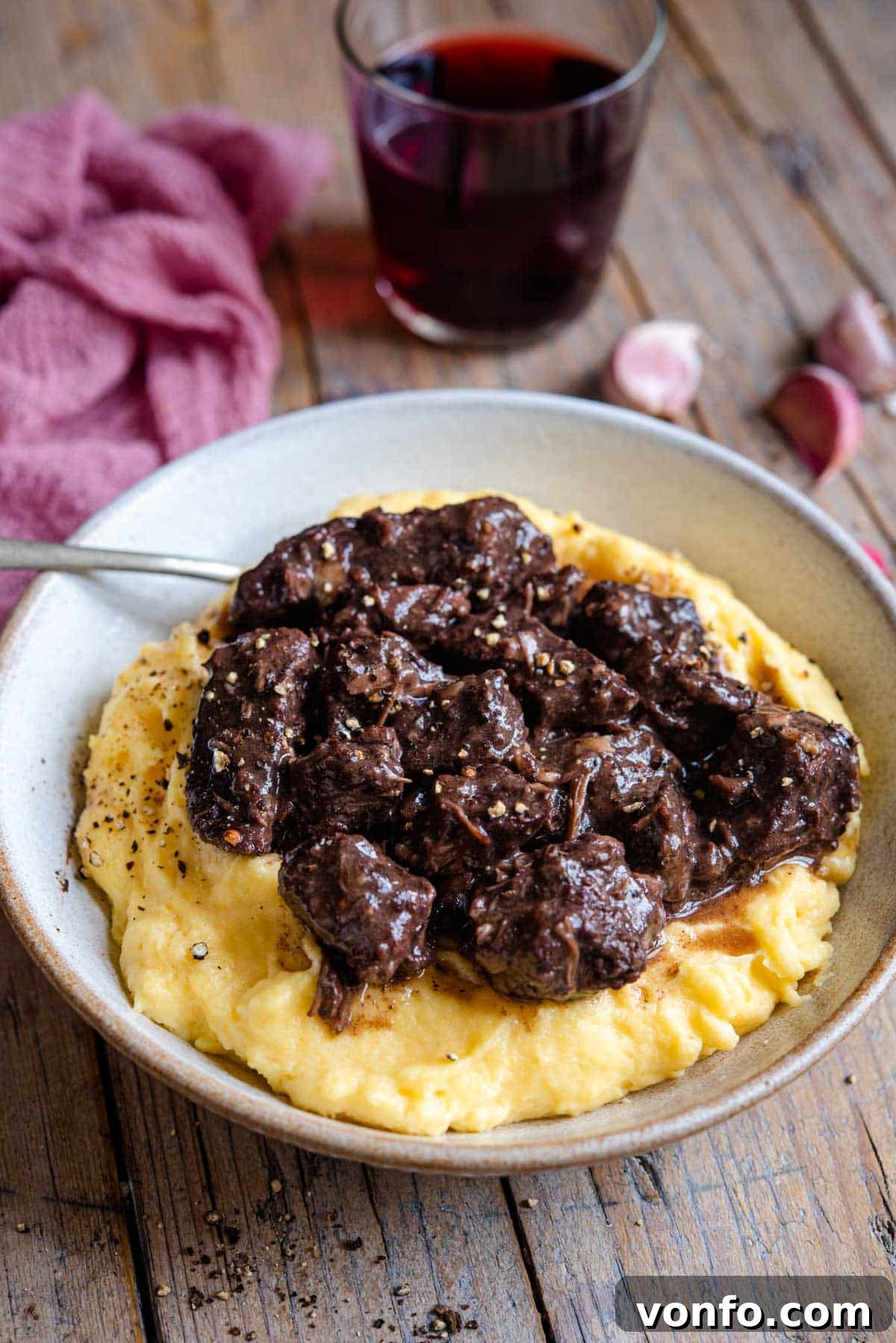
- Creamy Polenta: This is our absolute favorite pairing. A smooth, slow-cooked polenta (aim for a 30-minute cooking time rather than instant varieties) provides a velvety bed for the robust stew. Its creamy texture and mild corn flavor are the perfect foil for the intense flavors of the beef and wine sauce.
- Crusty Bread: A must-have! A good quality rustic bread, like a ciabatta or sourdough, is ideal for mopping up every drop of the delectable sauce.
- Roasted or Mashed Potatoes: For a heartier side, serve Peposo over a bed of fluffy mashed potatoes or alongside crispy roasted potatoes. The potatoes will soak up the sauce beautifully.
- Cannellini Beans: Warmed cannellini beans, either plain or lightly seasoned with olive oil and a pinch of salt, offer a traditional Italian accompaniment that complements the beef perfectly.
- Grilled or Baked Polenta: If you prefer a different texture, try serving slices of grilled or baked polenta. You can even follow our recipe for baked polenta fries and cut the polenta into bigger slices for a fun and flavorful side.
- Simple Green Salad: A light, fresh green salad with a simple vinaigrette can provide a refreshing contrast to the richness of the stew.
Top Tips for Making the Best Tuscan Pepper Beef Stew
- Sauce Consistency: Traditional Peposo has a relatively thin sauce, relying on the reduction of wine and beef juices for its body. If you prefer a thicker sauce, a simple trick is to whisk 1 tablespoon of cornstarch with 1-2 teaspoons of cold water until smooth. Stir this slurry into the simmering stew during the last 15-20 minutes of cooking, and it will thicken beautifully.
- The Right Pot: While historically cooked in terracotta, a heavy-bottomed Dutch oven is ideal for modern kitchens. Its excellent heat retention and tight-fitting lid are crucial for the long, even simmer that tenderizes the beef. Any large pot with a secure lid will work, but a Dutch oven provides optimal results.
- Quality Beef Matters: Don’t skimp on the beef. Cuts like beef chuck or shank are perfect as they become incredibly tender with slow cooking. Cut them into consistent 1-inch (2.5 cm) cubes for even browning and cooking.
- Freshly Ground Black Pepper is Key: This is a “pepper” stew, so the quality of your pepper is paramount. Always use freshly ground black peppercorns, not pre-ground supermarket pepper, which often lacks the vibrant aroma and pungent kick essential for Peposo.
- Choose a Drinkable Wine: The entire bottle of red wine contributes significantly to the stew’s flavor. Opt for a dry, medium-to-full-bodied red wine like Chianti or Sangiovese – one you’d be happy to drink on its own. Avoid any “cooking wine” as it contains additives and lacks the depth of flavor needed for this dish.
- Patience is a Virtue: Peposo is a slow-cooked dish. Resist the urge to rush the simmering process. The long cooking time is what breaks down the connective tissues in the beef and allows the flavors to deepen and meld.
- Taste and Adjust: While simplicity is key, always taste the stew before serving. Adjust salt and pepper if needed, remembering that the flavors will have concentrated during cooking.
Make Ahead and Storage
Peposo often tastes even better the next day, as the flavors have more time to fully develop and deepen. This makes it an excellent dish for meal prepping or entertaining.
Make Ahead
You can prepare Peposo a day or two in advance. Once cooked, allow it to cool completely before transferring it to an airtight container. Store in the refrigerator. When ready to serve, gently reheat it on the stovetop over low heat, adding a splash of water or red wine if the sauce has become too thick.
Storage
Leftovers can be stored in an airtight container in the refrigerator for up to 3-4 days. For longer storage, Peposo freezes exceptionally well. Allow the stew to cool completely, then transfer it to freezer-safe containers or bags. It will keep in the freezer for up to 3 months. Thaw overnight in the refrigerator before reheating gently on the stovetop or in the microwave.
Frequently Asked Questions About Peposo
- Is Peposo very spicy?
- While Peposo contains a significant amount of black pepper, the long simmering process mellows its heat considerably. It imparts a warm, peppery kick rather than an overwhelming spice, balancing beautifully with the richness of the beef and wine.
- Can I add vegetables to Peposo?
- Traditionally, Peposo is kept very simple with just beef, wine, garlic, and pepper. Adding other vegetables like carrots, celery, or onions would transform it into a different type of stew. For an authentic experience, we recommend trying it the traditional way first. If you absolutely wish to add vegetables, do so sparingly and consider adding them during the last hour of cooking to prevent them from becoming too mushy.
- What if I don’t have Chianti or Sangiovese?
- While Chianti or Sangiovese are ideal for their traditional Tuscan flavor, any dry, medium-to-full-bodied red wine you enjoy drinking will work. Options like Merlot, Cabernet Sauvignon, or a good Zinfandel can be suitable substitutes, offering a similar depth and acidity.
- Can I make Peposo in a slow cooker?
- Yes, Peposo can be adapted for a slow cooker. After searing the beef and combining all ingredients in the slow cooker, cook on low for 6-8 hours or on high for 3-4 hours, or until the beef is tender. You may want to simmer the sauce separately on the stovetop for a bit at the end to achieve the desired reduction and consistency, as slow cookers retain a lot of moisture.
More Italian Recipes You Might Like
- Pasta Al Forno (Baked Pasta)
- Italian Beef Ragu – A Classic Recipe
- Eggplant Parmigiana (Parmigiana di Melanzane)
- Walnut Sauce – Salsa di Noci
- Italian Slow Cooker Pulled Pork Shoulder
We hope this authentic Peposo recipe brings a taste of Florence to your home kitchen. Its simple ingredients and profound flavors are a true celebration of Tuscan culinary traditions. If you try this Peposo recipe or any other delicious dishes from our blog, please take a moment to leave a comment below and let us know how it turned out – we love hearing from you! Don’t forget to follow us on FACEBOOK, INSTAGRAM, and PINTEREST for more rustic kitchen inspiration and incredible Italian recipes.
Peposo – Authentic Tuscan Red Wine Beef Stew Recipe
This recipe provides step-by-step guidance to create a flavorful Peposo. Prepare for a rich, aromatic experience!
Prep time: 5 mins
Cook time: 3 hrs
Total time: 3 hrs 5 mins
Servings: 4 – 6 servings
Ingredients
- 2 lbs (1 kg) beef chuck, shank, or stewing beef, cut into 1-inch (2.5 cm) cubes
- 1 bottle (750ml) dry red wine (Chianti or Sangiovese recommended)
- 6 whole garlic cloves, peeled
- 1 tbsp freshly ground black pepper
- 1 tsp sea salt flakes or kosher salt
- 1 tbsp olive oil
Instructions
- Heat 1 tbsp of olive oil in a large, heavy-bottomed pot or Dutch oven over medium-high heat. Brown the beef cubes on all sides for 1-2 minutes until a crust forms. Work in batches if necessary to avoid overcrowding. Remove the beef and set aside.
- Return all the browned beef and any accumulated juices to the pot. Add the entire bottle of red wine, the 6 peeled whole garlic cloves, 1 tbsp of freshly ground black pepper, and 1 tsp of sea salt flakes. Stir well.
- Bring the stew to a gentle simmer. Once simmering, reduce the heat to medium-low, cover the pot with a tight-fitting lid, and cook for 1.5 hours.
- After 1.5 hours, remove the lid. Continue to simmer the stew for another 1.5 hours, or until the liquid has reduced slightly and the beef is fork-tender. Stir occasionally during this uncovered period to prevent sticking.
- Serve hot with creamy polenta and crusty bread.
Recipe Notes
- Sauce Thickness: The traditional sauce is thin. For a thicker sauce, whisk 1 tbsp cornstarch with 1-2 tsp water, then add to the stew during the final 15-20 minutes of cooking.
- Pot Choice: A Dutch oven or any large pot with a tight-fitting lid is perfect.
- Beef Quality: Use good quality stewing beef for best results.
- Pepper: Freshly ground black pepper is crucial for authentic flavor.
- Wine: Use a red wine you would enjoy drinking, like Chianti or Sangiovese, not cooking wine.
Helpful Info for All Recipes
- I always use extra virgin olive oil in all of my recipes unless stated otherwise.
- When I use canned or jarred tomatoes of any kind, I always use Cirio or Mutti brands for the best results and flavor.
- All vegetables are medium-sized unless stated otherwise.
- All recipes are tested and developed using a fan (convection) oven.
- Find out more about how nutrition is calculated.
- Check out our must-have Italian Pantry Staples.
- You can also find all our Essential Kitchen Tools for Italian Cooking.
Nutrition (Approximate per serving)
- Calories: 605 kcal
- Carbohydrates: 6 g
- Protein: 44 g
- Fat: 30 g
- Saturated Fat: 12 g
- Cholesterol: 156 mg
- Sodium: 773 mg
- Potassium: 1011 mg
- Fiber: 1 g
- Sugar: 1 g
- Vitamin A: 29 IU
- Vitamin C: 1 mg
- Calcium: 63 mg
- Iron: 6 mg
Nutrition information is automatically calculated, so should only be used as an approximation.