
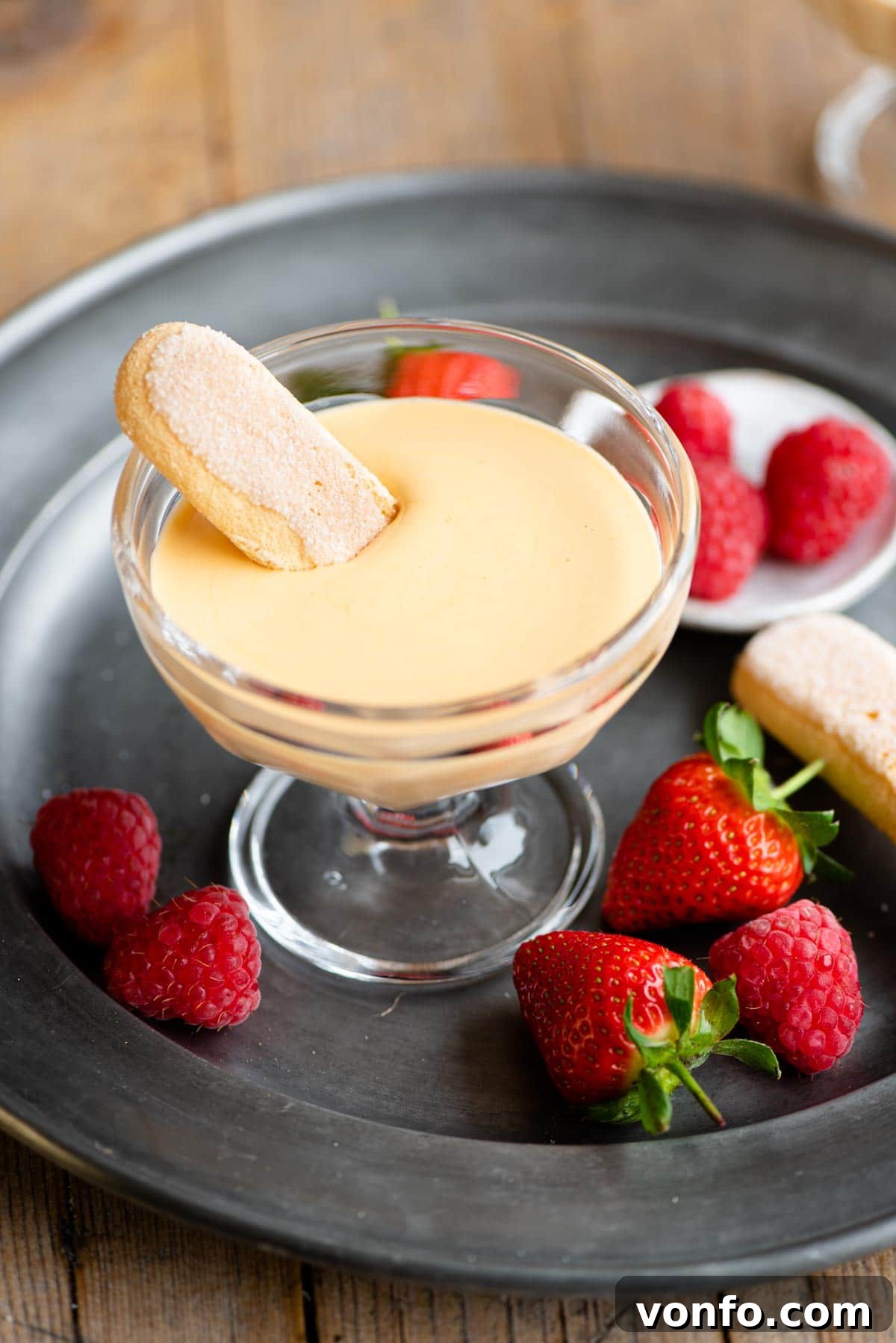
Authentic Italian Zabaglione: The Timeless, Creamy Marsala Custard
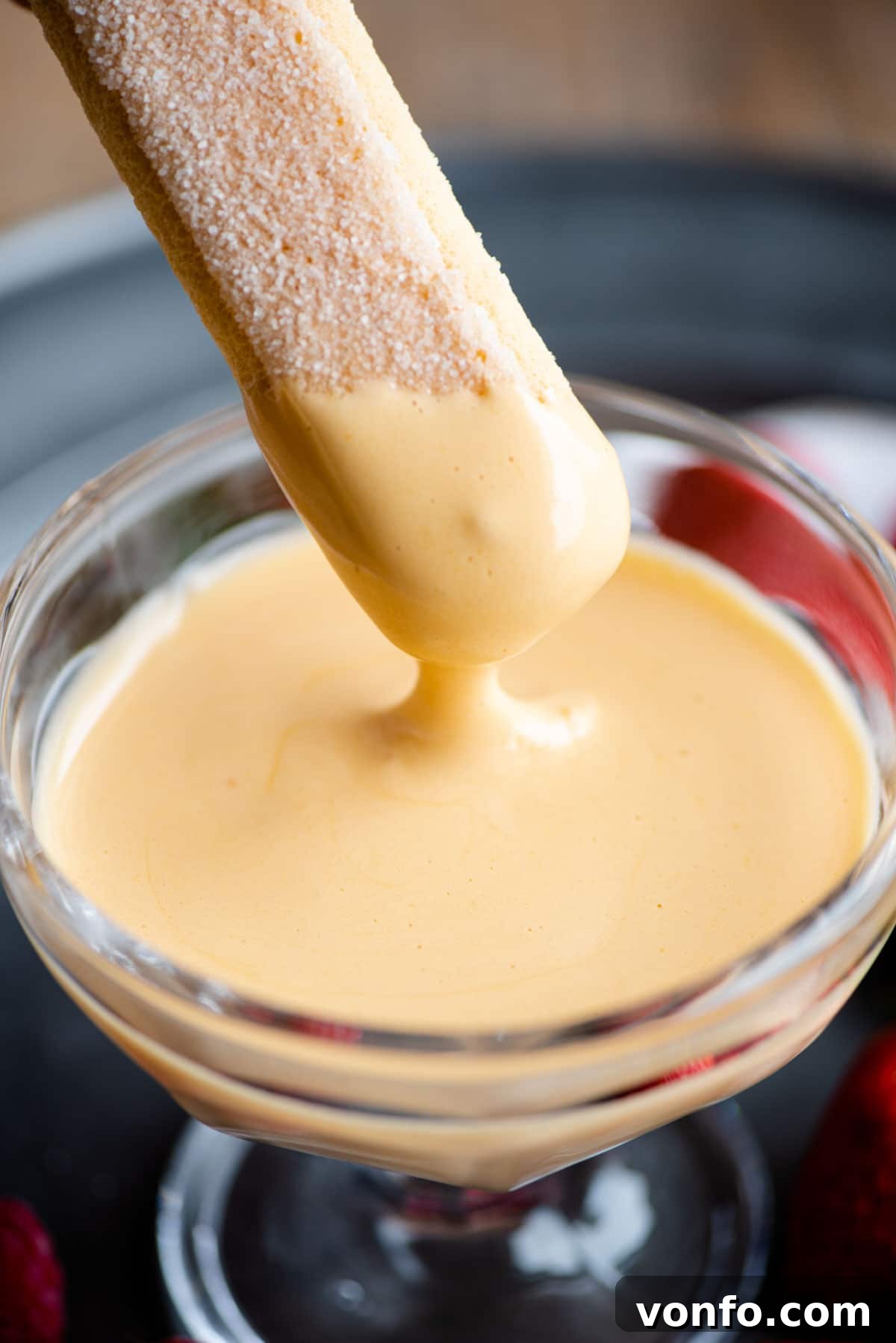
Prepare to fall in love with Zabaglione, a truly iconic Italian dessert that captivates with its exquisite balance of sweetness, luscious thickness, and unparalleled creamy texture. This incredibly delicious custard is a testament to Italian culinary simplicity, requiring just three core ingredients: rich egg yolks, fine granulated sugar, and fragrant Marsala wine. Whether you’re serving it warm and comforting or chilled and refreshing, Zabaglione is perfectly paired with delicate Savoiardi biscuits for dunking or vibrant fresh berries for a burst of contrast.
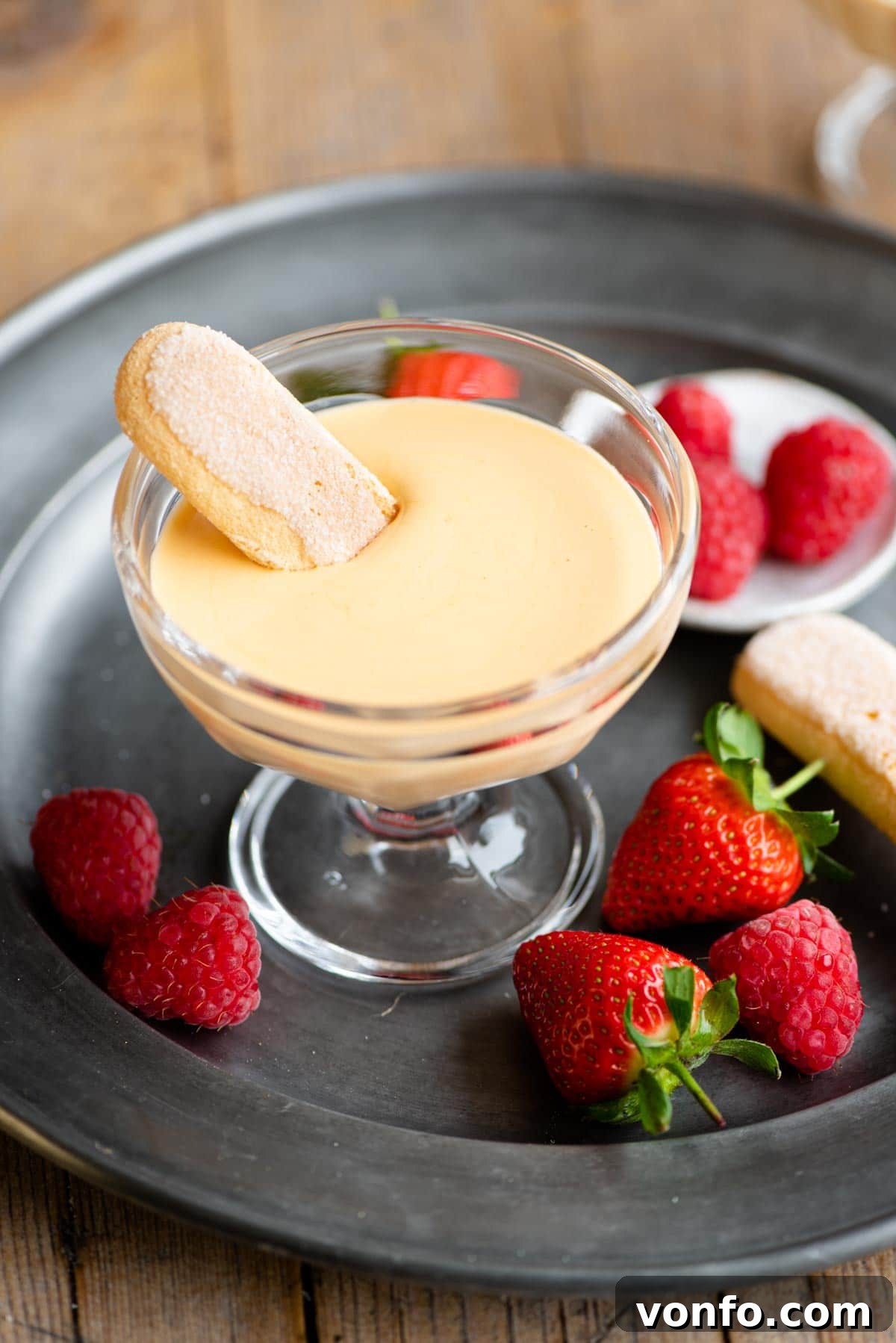
The Rich History and Enduring Appeal of Zabaglione
Zabaglione, also affectionately known as Zabaione, holds a special place in Italian tradition, far beyond its current status as a beloved dessert. Historically, this golden elixir was often prepared by Italian Nonnas (grandmothers) as a restorative tonic, particularly for those feeling under the weather. The nutrient-rich egg yolks were believed to impart energy and aid recovery, making it a comforting home remedy passed down through generations. While its medicinal reputation may have evolved, its comforting essence remains.
Today, Zabaglione has transcended its origins to become a celebrated classic Italian dessert, gracing tables in homes and trattorias alike. Its versatility is remarkable; it can be savored warm, offering a cozy embrace on a chilly evening, or chilled, providing a refreshing treat on a warm afternoon. This custard’s delicate sweetness and unique texture make it an elegant conclusion to any meal.
The beauty of Zabaglione lies not only in its taste but also in its deceptive simplicity. Crafted from just three humble ingredients – egg yolks, sugar, and the quintessential sweet Marsala wine – it’s a remarkably easy dessert to prepare. The result is a light, airy, and deliciously sweet custard that effortlessly elevates simple accompaniments. Imagine dipping crisp Savoiardi cookies into its silken depths or spooning it over a medley of fresh, seasonal berries. Every spoonful is a journey into authentic Italian flavor.
Mastering the Ingredients: What You Need for Perfect Zabaglione
Creating an exceptional Zabaglione starts with understanding and selecting the right ingredients. While the list is short, the quality and type of each component play a pivotal role in achieving that signature creamy, airy consistency and rich flavor. Let’s delve into the details.
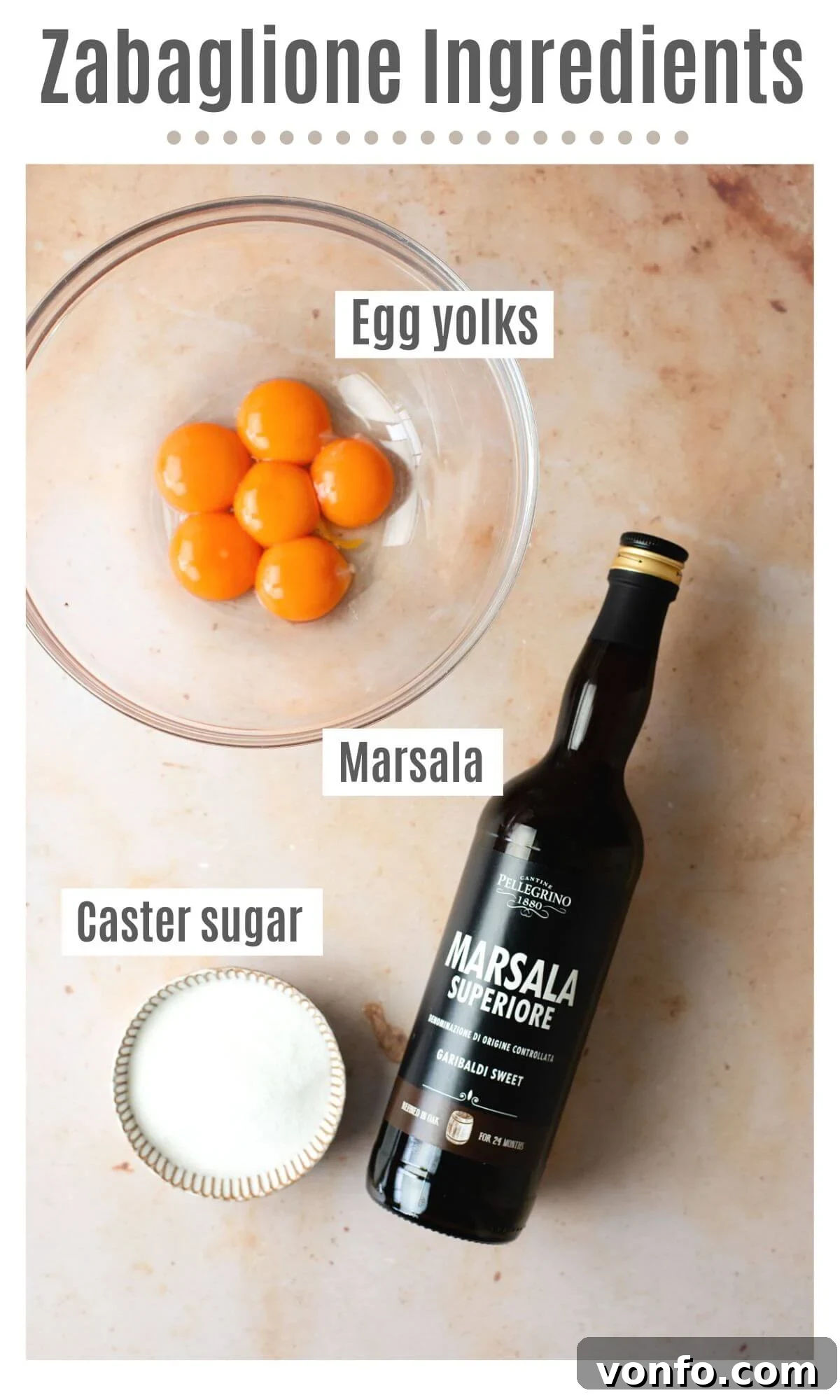
- Egg Yolks: The heart of your Zabaglione. For the best flavor and texture, always opt for fresh, high-quality eggs. Medium to large egg yolks are ideal for this recipe. Remember, separating eggs carefully is crucial to ensure no egg white contaminates the yolks, as this can affect the final consistency. Don’t let those egg whites go to waste! They can be used for a myriad of other delicious recipes like delicate meringues, fluffy omelets, or traditional Ricciarelli cookies.
- Sugar: Caster sugar, also known as superfine sugar, is highly recommended for Zabaglione. Its fine granules dissolve quickly and evenly into the egg yolks, contributing to a smooth, lump-free custard. Granulated sugar can also be used, but you might need to whisk the mixture slightly longer to ensure it’s fully dissolved before heating. The goal is a pale, creamy mixture before it even touches the heat.
- Marsala Wine: This fortified wine, originating from Sicily, is the soul of authentic Zabaglione. Its unique sweet, nutty, and sometimes caramelized notes are what give the custard its distinctive Italian character. For Zabaglione, a sweet or “dolce” Marsala is absolutely essential. Avoid dry Marsala, which is typically used for savory cooking. If Marsala is not available, or you wish to experiment, other sweet liqueurs like Vin Santo, Port wine, or even a good quality brandy can be used, though they will subtly alter the flavor profile. If using a less sweet liqueur, you may need to slightly increase the sugar by 2-3 tablespoons to maintain the desired sweetness and balance. For a non-alcoholic alternative, a shot of strong espresso coffee makes a surprisingly delicious substitution, offering a sophisticated bitter contrast, or you can use sweet grape juice with a touch of vanilla extract.
Crafting Italian Zabaglione: A Step-by-Step Guide
Making authentic Italian Zabaglione is a rewarding culinary experience. The process, while requiring a bit of attention, is straightforward and yields a remarkably elegant dessert. Here’s how to achieve that perfect, airy, and creamy consistency.
Essential Preparation Tips for Success!
- Set Up Your Double Boiler: The key to perfectly cooked Zabaglione is gentle, indirect heat. Fill a large saucepan about halfway with water. Bring the water to a gentle simmer, not a rolling boil. Your mixing bowl (which must be heatproof, ideally stainless steel or glass) should fit snugly on top of the pot without its bottom touching the simmering water. This creates a bain-marie, preventing the eggs from scrambling.
- Careful Egg Separation: Separate your eggs meticulously, ensuring absolutely no egg white accidentally slips into the yolks. Even a tiny amount of white can hinder the yolks from achieving the desired volume and texture when whisked. Place the yolks directly into your large heatproof mixing bowl. Store the egg whites in an airtight container in the fridge for another culinary adventure.
Once your mise en place is complete, the actual cooking process for Zabaglione is surprisingly simple. Begin by combining the prepared egg yolks and granulated sugar in your heatproof mixing bowl. Using an electric whisk (or a robust hand whisk and strong arm!), beat the mixture vigorously until it becomes pale yellow, thick, and wonderfully fluffy. This aeration is crucial for the final light texture. Next, gradually incorporate the Marsala wine into the egg mixture. Now, carefully place your mixing bowl over the pot of simmering water, ensuring it doesn’t touch the water’s surface. Continue to whisk continuously and vigorously. As the mixture heats, it will gradually thicken and increase in volume, forming beautiful, rich ribbons when lifted with the whisk. This process usually takes about 5-10 minutes, so be patient and keep whisking! (Refer to visual guide for step-by-step photos).
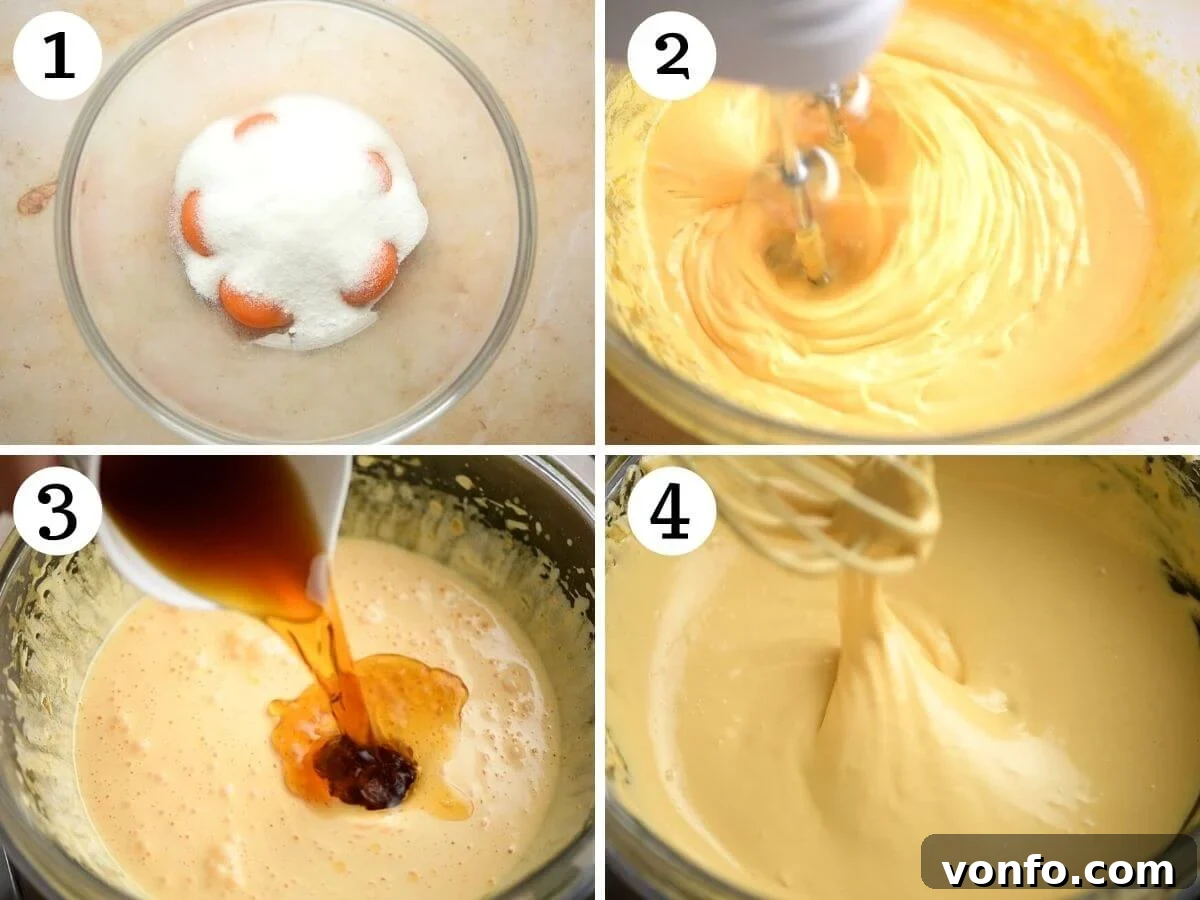
Once your Zabaglione has reached its ideal consistency – thick, foamy, and capable of forming ribbons – immediately remove the bowl from the heat to prevent overcooking. Pour the warm, fragrant custard into individual serving glasses. Serve it promptly with crisp Savoiardi (ladyfinger) cookies for dipping, or alongside a generous portion of fresh fruit. If you prefer a chilled dessert, simply cover the glasses and refrigerate until ready to serve. For an extra touch of decadence, consider adding a dollop of freshly whipped cream on top.
Expert Tips and Frequently Asked Questions for Perfect Zabaglione
While Zabaglione is straightforward, a few key tips and answers to common questions can ensure your dessert turns out perfectly every time. Avoid common pitfalls and impress your guests with this authentic Italian treat.
- Remember the Golden Ratio: This is a fundamental rule for Zabaglione. For every medium egg yolk you use, add 1 tablespoon of sugar and 1 tablespoon of Marsala wine. This simple 1:1:1 ratio ensures a balanced flavor and proper consistency. If you prefer a less alcoholic taste, you can reduce the Marsala to 1/2 tablespoon per egg yolk without significantly altering the texture.
- Use a Large, Heatproof Bowl: As the Zabaglione cooks, it will roughly double in volume as air is incorporated. Using a bowl that is sufficiently large and made of a heat-resistant material like stainless steel or borosilicate glass is crucial to prevent spills and ensure even cooking over the bain-marie.
- Avoid Direct Water Contact: It cannot be stressed enough: the bottom of your mixing bowl must not touch the simmering water in the pot below. If it does, the direct high heat will quickly scramble the egg yolks instead of gently cooking them into a smooth, creamy custard. Maintain a small gap between the water and the bowl.
- Continuous Whisking is Key: Once the bowl is over the simmering water, do not stop whisking. Constant agitation prevents the eggs from setting or curdling at the bottom of the bowl and helps incorporate air, creating that characteristic light and frothy texture. Whisking ensures even heat distribution throughout the mixture.
- How Do I Know Zabaglione Is Ready? The definitive test for Zabaglione is the “ribbon stage.” Lift your whisk from the mixture and let the custard fall back into the bowl. If it creates a thick ribbon or trail on the surface that holds its shape for a few seconds before slowly dissolving, your Zabaglione is ready. If it disappears immediately, continue whisking over the heat.
- What Can I Use Instead of Alcohol? For a non-alcoholic Zabaglione, a shot of strong espresso coffee is a fantastic and delicious alternative, imparting a rich, sophisticated flavor. Sweet grape juice or even a non-alcoholic sparkling cider could also be used, though they will yield a different, fruitier profile.
- Zabaglione Vs. Custard: What’s the Difference? While both are creamy egg-based preparations, the main differences lie in their ingredients and cooking methods. Traditional custard (like crème anglaise) typically uses milk or cream as its base and is often cooked directly in a saucepan or baked. Zabaglione, on the other hand, contains no milk or cream; its liquid component is solely wine (Marsala) or another liqueur, and it is almost exclusively cooked using the gentle, indirect heat of a double boiler (bain-marie) to achieve its unique airy, mousse-like texture.
How to Serve Your Exquisite Zabaglione
Zabaglione’s charm lies in its versatility. It can be enjoyed in numerous ways, adapting perfectly to different seasons and occasions. Here are some delightful suggestions to elevate your Zabaglione experience:
- Serve Warm and Traditional: The most classic way to enjoy Zabaglione is freshly made and still warm. Pour it into elegant small glasses or cups and present it with delicate Savoiardi biscuits (ladyfingers) on the side, perfect for dipping and soaking up the creamy goodness.
- Pair with Fresh Fruit: The rich sweetness of Zabaglione is wonderfully complemented by the freshness and slight tartness of fruits. Serve it warm or chilled over a vibrant medley of fresh berries such as strawberries, raspberries, or blueberries. Sliced peaches, figs, or even roasted pears also make fantastic accompaniments.
- Delightfully Chilled: For a refreshing dessert, chill your Zabaglione in the fridge until thoroughly cooled. Serve it simply as is, or with a dollop of freshly whipped cream on top for an added layer of indulgence.
- A Companion to Cakes and Pastries: Zabaglione can transform a simple cake into a gourmet experience. Drizzle it over a thick slice of Panettone or Pandoro during the Christmas holidays, or use it as a luxurious sauce for pound cake or sponge cake. You can also gently fold it with some whipped cream or Crema Pasticcera (Italian pastry cream) to create a light, flavorful filling for tarts, choux pastry, or layer cakes.
- Espresso Infusion: For a sophisticated twist, try mixing a shot of rich espresso coffee into your warm Zabaglione. This combination creates a delightful tiramisu-like flavor profile that is absolutely irresistible, offering a perfect balance of sweet and slightly bitter notes.
Recipe: Classic Italian Zabaglione
This recipe provides step-by-step instructions to create the perfect classic Italian Zabaglione. Enjoy the process and the delicious outcome!
Most of our recipes come with step by step photos, helpful tips and tricks to make it perfectly first time and even video!
Italian Zabaglione Recipe
By Emily
5
10
15
4 – 6 servings
Ingredients
- 6 medium egg yolks or 5 large egg yolks
- 6 tablespoons caster sugar, (90g) can also use granulated sugar
- 6 tablespoons Marsala, (90ml)
Instructions
-
Heat a large pot halfway with water. Your mixing bowl should be able to sit on top of it without touching the water.
-
Add the egg yolks and sugar to a large mixing bowl. Whisk together with an electric whisk until pale and thick.
-
Place the bowl on top of the pot of hot water making sure the bowl doesn’t touch the water.
-
Add the Marsala and continuously mix with a hand whisk until the mixture has doubled in size and thickened into a custard (this can take 5-10 minutes).
-
The Zabaglione is ready when you can draw a ribbon that holds its shape for a few seconds. If it disappears immediately it’s not ready, turn up the heat and keep whisking.
-
Once ready, pour into serving glasses and serve immediately with Savoiardi biscuits or fruit or chill in the fridge until ready to serve.
Notes
- Remember the ratio: for every medium egg yolk add 1 tablespoon of sugar and 1 tablespoon of Marsala. If you don’t want as much alcohol you can reduce it to 1/2 tablespoon.
- Use a large heatproof bowl: the mixture will double in size when heated so it’s important to use a bowl that will be big enough.
- Don’t let the bowl touch the water: the water will get very hot so don’t let the bowl touch the water or the eggs will overcook.
- Keep stirring: don’t let the egg mixture sit for more than a few seconds or the eggs will start to scramble.
- Add espresso: you can also add a shot of espresso as well as or instead of the Marsala for a delicious twist.
- Serve warm or chilled from the fridge. The Zabaglione will keep well in the fridge for up to 3 days.
Helpful Info for All Recipes
- I always use extra virgin olive oil in all of my recipes unless stated otherwise
- When I use canned or jarred tomatoes of any kind I always use Cirio or Mutti brands for the best results and flavour.
- All vegetables are medium sized unless stated otherwise
- All recipes are tested and developed using a fan (convection) oven
- Find out more about how nutrition is calculated.
- Check out our must have Italian Pantry Staples.
- You can also find all our Essential Kitchen Tools for Italian Cooking.
Nutrition
Carbohydrates: 22g |
Protein: 4g |
Fat: 7g |
Saturated Fat: 3g |
Polyunsaturated Fat: 1g |
Monounsaturated Fat: 3g |
Cholesterol: 292mg |
Sodium: 15mg |
Potassium: 50mg |
Sugar: 20g |
Vitamin A: 389IU |
Calcium: 37mg |
Iron: 1mg
Nutrition information is automatically calculated, so should only be used as an approximation.
Did you try this recipe?
Leave a comment below!
More Traditional Italian Dessert Inspirations
If you’ve enjoyed the classic elegance of Zabaglione, you’ll love exploring other authentic Italian sweet treats. Here are some more delightful recipes to expand your Italian dessert repertoire:
- Tiramisu – Authentic Recipe!
- Italian Crostata (Jam Tart)
- Italian Ricotta Doughnuts
- Chocolate Budino (Budino al Cioccolato)
- Torta Caprese (Flourless Italian Chocolate Cake)