
Table of Contents
- Introduction: A Taste of Tuscany
- Exploring Tuscany’s Unique Regional Cuisine
- Daily Rhythms: Eating Habits in an Italian Household
- Family Bonds: Cherished Food Traditions and Memories
- Celebratory Feasts: Festive Italian Meals and Desserts
- A Simple Recipe to Remember: My Nonna’s Orange Delight
Introduction: A Taste of Tuscany
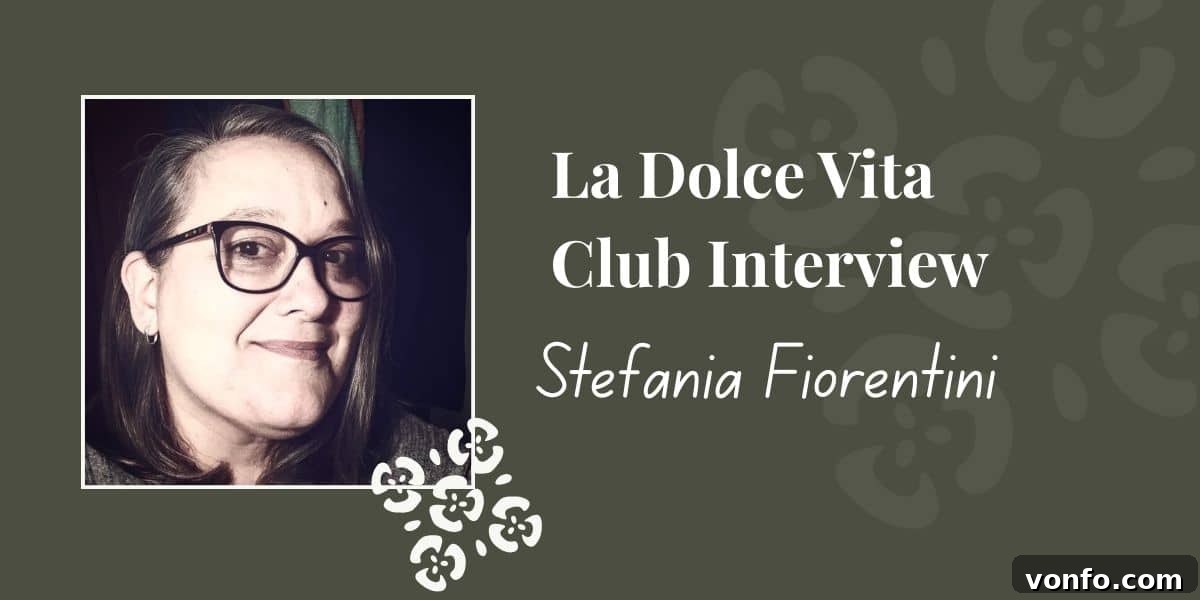
Step into the heart of Tuscany with us as we chat with a local who shares her insights into the authentic Italian lifestyle, deeply intertwined with food and family. Born and raised in the charming small town of Suvereto, a hidden gem nestled within the picturesque landscapes of Tuscany, our interviewee spent her formative years soaking in the rich culinary heritage of the region. After living there until the age of 31, she made a move to Piombino, a coastal town that, while larger than Suvereto, still maintains a strong connection to its Tuscan roots and traditions. This journey offers a unique perspective on how regional identity shapes daily meals and celebratory feasts, providing a truly local glimpse into the magic of Italian cooking and living. Join us as we uncover the delightful nuances of Tuscan gastronomy through her personal experiences and cherished memories.
Exploring Tuscany’s Unique Regional Cuisine
Tuscan cuisine is celebrated worldwide for its simplicity, quality ingredients, and incredible depth of flavor. However, to truly understand it, one must appreciate its diverse regional variations. Every province, and often even individual towns (or comuni), boasts its own distinct traditional recipes, reflecting local produce and historical influences. In my particular area, within the province of Livorno, the most representative dish is undoubtedly Cacciucco. This rich, flavorful fish stew, famous for its “five Cs” (referring to the traditional five types of fish it contains), is a true testament to our coastal heritage. While I personally don’t eat seafood, my family and friends passionately rave about it, assuring me it’s an absolute must-try for any visitor.
Beyond the sea, my heart belongs to the land, specifically to the glorious Tortelli Maremmani. These are the Tuscan equivalent of ravioli, generously filled with a creamy blend of spinach and ricotta cheese. They are traditionally served with a robust, often oily, meat ragù – a slow-cooked sauce that epitomizes comfort food in Tuscany. The combination of the delicate pasta, the savory filling, and the rich, slow-simmered meat sauce creates a dish that is both hearty and incredibly satisfying.
Tortelli Maremmani are a beloved Tuscan pasta dish, featuring large, square ravioli filled with spinach and ricotta, traditionally bathed in a slow-cooked, rich Tuscan meat ragù. This dish perfectly embodies the rustic elegance of Maremma’s culinary traditions.
When it comes to unique ingredients, one herb immediately springs to mind: Nepitella. I’m not entirely sure if it’s exclusive to Tuscany, but it holds a special place in my childhood memories. I used to forage for it during walks in the “macchia” (Mediterranean scrubland) with my Nonna. This aromatic herb is primarily used in preparing snails, adding a distinctive flavor. However, I find its earthy notes incredibly versatile, enhancing the taste of meat dishes and even adding a delightful twist to the filling of my beloved tortelli. Its presence truly elevates a dish, infusing it with a unique Tuscan essence.
Italy’s culinary landscape is deeply influenced by its abundant seasonal produce, and Tuscany is no exception. Our cuisine beautifully transforms with the changing seasons, showcasing the freshest ingredients available. In winter, hearty and warming dishes take center stage. You’ll often find zuppa, a robust vegetable soup thickened with toasted bread – sometimes garlic-infused for an extra kick – and often topped with raw onion for a piquant contrast. Wild boar, a prized game meat in Tuscany, also becomes very common. It’s typically served as a savory main course or atop slices of hot, creamy polenta, providing a comforting and rich meal.
Summer brings lighter, more refreshing options. Pasta salads are a staple for me, offering an easy and versatile solution. Anything left in the fridge becomes a potential ingredient for the dressing – mozzarella, eggs, sausage, salami, fresh vegetables, tuna, even wurstel. But the ultimate summer delight, in its pure simplicity, is Pane Fregato con il Pomodoro. This dish, which translates to “bread rubbed with tomato,” involves simply rubbing a ripe tomato onto toasted or stale bread, adding a generous splash of olive oil, a pinch of salt, and a fresh basil leaf. It’s an incredibly simple yet profoundly delicious treat, perfect as a main meal or a refreshing snack on the beach or at a gathering.
What do I look forward to most? The answer changes with the seasons, but the anticipation of specific seasonal treats is always there. In autumn, the arrival of porcini mushrooms and new olive oil is thrilling. In spring, the tender asparagus and fresh peas bring a renewed lightness to the table. Each season offers its own unique bounty, keeping our meals fresh and exciting throughout the year.
For first-time visitors to Tuscany, I have two unwavering recommendations that truly capture the essence of our regional flavors. First and foremost, you absolutely must indulge in our **charcuterie**. Every conceivable kind of cold cut available, from succulent pork to the wild boar specialties and the prized Cinta Senese ham, is a culinary experience not to be missed. The sheer variety and quality are exceptional, reflecting centuries of tradition in curing meats.
Secondly, do not, under any circumstances, forget the cheese! Specifically, the exquisite **Pecorino**. This sheep’s milk cheese comes in various ages and textures, from fresh and delicate to aged and sharp. Pair it with local honey, fresh fruit, or simply enjoy it on its own. It’s an essential part of the Tuscan gastronomic identity and a taste you’ll savor long after your visit.
Daily Rhythms: Eating Habits in an Italian Household
Life in Italy, particularly in Tuscany, revolves significantly around food, and our daily eating habits reflect a thoughtful balance of flavor and tradition. A typical day begins with breakfast, which for many is simply a strong coffee or cappuccino paired with a sweet croissant. However, I often opt for something savory, like a mini sandwich or a small savory pastry, to kickstart my day. We then aim to alternate between pasta and a second course for our main meals. For example, if we enjoy a hearty pasta dish for lunch, dinner will likely feature a lighter option such as meat or cold cuts. This approach ensures variety and prevents monotony in our daily diet.
While we don’t always indulge, the occasional aperitivo is a cherished ritual, and when we do partake, we approach it with professional dedication! An aperitivo in Tuscany is far more than just a drink; it’s a delightful array of small bites designed to whet the appetite. We often enjoy focaccia (which we call “schiaccia” in Tuscany), served plain or stuffed with delicious fillings, alongside miniature pizzas (pizzette), an assortment of cold cuts, a spoonful of rich zuppa, and a vibrant pasta salad. More often than not, an abundant aperitivo naturally transitions into a proper dinner, satisfying our appetites completely.
When an aperitivo doesn’t replace it, dinner is typically enjoyed around 8 PM. This later dining time allows for a relaxed transition from the workday and an opportunity for family or friends to gather and share the day’s events over a delicious meal.
As for dining out, I’d say we eat out less than once a week, though this frequency tends to increase slightly during the warmer summer months when evenings are longer and more inviting. My personal preference leans towards home cooking; I genuinely love being in my kitchen and experimenting with flavors and ingredients whenever I have the time. There’s a unique satisfaction that comes from preparing a meal from scratch, sharing it with loved ones, and enjoying the comforts of home-cooked food.
If I had to conjure up the perfect meal from start to finish, a truly ideal culinary experience, it would unfold beautifully with a selection of seasonal crudités – crisp, fresh vegetables served with a light dip – alongside a delectable assortment of cold cuts and some homemade giardiniera (pickled vegetables), offering a refreshing start. The first course would undoubtedly be my beloved Tortelli Maremmani, bathed in its rich ragù. For the main course, perfectly roasted chicken breast paired with crispy potatoes would hit the spot. Dessert would be a divine crema di mascarpone, studded with chocolate chips and accompanied by crunchy cookies, offering a sweet and luxurious finish. And to conclude this perfect symphony of flavors, an espresso macchiato freddo – a chilled espresso with a splash of milk – providing a refreshing yet potent end to the meal. This sequence of dishes would embody both comfort and elegance, a true reflection of Tuscan gastronomic delight.
Family Bonds: Cherished Food Traditions and Memories
My childhood is replete with cherished food-related memories and traditions that have shaped my understanding of Italian culture and family bonds. I vividly recall my Nonna, always in her immaculate apron, bustling around her small kitchen, preparing Sunday lunch for our entire family. She would playfully guard the freshly fried artichokes from our eager, thieving hands, jokingly threatening us with her wooden spoon. The air would be thick with the intoxicating aroma of ragù simmering slowly on the stove, a scent that still evokes warmth and nostalgia. Her culinary wisdom came with pronouncements like, “Don’t eat that bread, you’ll spoil your stomach!” followed almost immediately by, “Eat some bread with that meat, you’ll never be full otherwise!”—a testament to the often contradictory, yet always loving, advice from an Italian Nonna.
However, one particular memory holds an exceptionally special place in my heart: “Le Bracioline a Strisce” – the little striped cutlets. I’m 48 now, and I still sometimes recreate this simple dish. When my brother and I were children, we once stubbornly refused to eat the slices of meat my Nonna had prepared. Resourceful and clever, she simply cut them into strips, re-served them to us, and declared them a special dish called “Bracioline a Strisce.” We, of course, devoured them with gusto, savagely swearing they were the best she had ever cooked. From that day on, no cutlet was considered edible unless it was “striped,” a delightful tradition born from a child’s whim and a Nonna’s ingenuity.
Il Pranzo della Domenica, or Sunday lunch, is far more than just a meal; it’s the weekly “no-rules” feast, a cornerstone of Italian family life. It’s an occasion where time seems to slow down, allowing for extended conversations, laughter, and communal enjoyment. We typically begin this leisurely affair with an assortment of fine cheeses and a refreshing glass of Prosecco, easing into the culinary journey ahead. Following this, the “Primo” course takes center stage. This could be a decadent lasagna, rich cannelloni, or a fresh pasta all’uovo (egg pasta) generously coated in a classic ragù – a dish that embodies the very essence of Sunday. The “Secondo” course often features succulent roasted meat, perfectly paired with crispy potatoes or a fresh, vibrant salad, offering a comforting yet elegant main. Then comes dessert, and our collective hope is always for ice cream! If it’s not ice cream, we might find ourselves faced with one of my mum’s infamous cakes. She has a peculiar habit of baking without butter and with barely any sugar, resulting in cakes that are, shall we say, “as hard as iron and flavor-free.” Hence, the fervent hope for ice cream remains strong!
The exact start and end times for Sunday lunch can vary significantly depending on my work schedule. However, once we are seated at the table, the meal can effortlessly stretch into a delightful afternoon-long affair, filled with lively discussions, storytelling, and the simple joy of being together.
Celebratory Feasts: Festive Italian Meals and Desserts
Christmas in Tuscany, much like in the rest of Italy, is a time of abundant culinary delights, particularly when it comes to desserts. While there isn’t one singular “Christmas dish” that defines the entire region, our sweet traditions are incredibly rich and diverse. We boast an impressive array of festive treats that grace our tables during the holiday season. Among the most popular are Ricciarelli, delicate almond biscuits from Siena, known for their chewy texture and powdered sugar coating. Then there are Cantucci, the famous hard almond biscuits often enjoyed by dipping them in Vin Santo. We also have Stinchi di Morto, a rather morbidly named but delicious sweet, and, my personal favorite, the classic Panforte. Panforte is a dense, chewy cake packed with candied fruits, nuts, and spices – a true embodiment of Christmas flavors and a delightful centerpiece for any festive gathering.
Our Christmas Day traditions are a beautiful blend of family, food, and festivity. My day usually begins mid-morning, when I head to my mum’s house to lend a hand with setting the elaborate table and a bit of last-minute cleaning. Once all the cherished guests have arrived, the lively gift exchange commences. This is typically a joyous, if somewhat chaotic, fifteen-minute period filled with enthusiastic shouts of “thank you!” as everyone tries to secure their newly acquired treasures in a safe spot. Following this heartwarming ritual, we settle down for the main event: Christmas lunch. This monumental meal typically includes a delightful starter, two different first courses – often pasta dishes – followed by a generous spread of roasted meats, accompanied by four or five various side dishes. To cleanse the palate, fresh fruit is served before the grand finale of numerous Christmas desserts and cakes, an assortment of nuts, and dried fruits. The meal concludes with a well-deserved coffee.
What truly defines our Christmas Day is the relaxed continuation of the celebration. We love to leave the table set, taking our time to clear away the main dishes. However, we intentionally leave the glasses, fruits, and desserts in place. This allows us to continue “snacking” and sipping drinks throughout the entire afternoon while we chat, share jokes, and recount stories, fostering a warm and enduring communal atmosphere. It’s a day when the usual rules are suspended, and my family firmly believes in one golden rule: “FOOD HAS NO CALORIES ON CHRISTMAS DAY!” – a sentiment that perfectly captures the spirit of abundance and joy that defines our holiday celebrations.
A Simple Recipe to Remember: My Nonna’s Orange Delight
Among all the intricate dishes and elaborate meals, there’s one particular winter snack that always brings me back to the comforting presence of my Nonna. It’s incredibly simple, almost to the point of sounding trivial, yet it holds a profound depth of flavor and memory. My Nonna would take a perfectly ripe, organic orange – she always preferred the Tarocco variety for its exceptional juiciness and flavor – and cut it into thin, elegant slices. These slices would then be carefully arranged on a plate, sprinkled generously with sugar (the more sugar, the juicier and sweeter the final result), and finally, drizzled with a good amount of high-quality olive oil.
I know it sounds almost too simple to be true, perhaps even a bit peculiar, but I assure you, once you taste this combination, you will understand its magic. The vibrant sweetness of the orange, enhanced by the sugar, is beautifully balanced by the subtle, peppery notes of the olive oil. It’s a surprising harmony of flavors that is both refreshing and comforting, a delightful testament to how the simplest ingredients, prepared with love, can create an unforgettable culinary experience. This isn’t just a snack; it’s a taste of childhood, a whisper of Nonna’s kitchen, and a reminder that true culinary pleasure often lies in authenticity and simplicity.