

Dreaming of making restaurant-quality pizzas right in your own kitchen? It’s not just a dream! With the right tools, techniques, and a little know-how, you can transform your home into a pizzeria. This ultimate guide will walk you through everything you need to know to bake the perfect pizza, from achieving that coveted crispy crust to understanding which equipment truly makes a difference. Say goodbye to soggy bases and hello to delicious, homemade perfection!

There’s something uniquely satisfying about homemade pizza. From the tactile pleasure of kneading the pizza dough, the creative freedom of choosing fresh toppings, to the sheer joy of pulling a hot, bubbly pie from the oven – it’s an experience that captivates us. Over years of dedicated pizza making, we’ve discovered that the key to consistently excellent results hinges on a few critical elements: the quality of your ingredients, the precision in your dough preparation, and most importantly, the tools you employ to cook your masterpiece.
The Foundations of Great Homemade Pizza: Ingredients & Technique
Before diving into specific tools, let’s briefly touch upon what truly elevates a homemade pizza. It begins with the type of flour you choose, as it dictates the texture and chewiness of your crust. A high-quality ’00’ flour or strong bread flour provides the ideal gluten structure necessary for a good rise and chewy texture. Next, consider your toppings; while abundance might seem tempting, remember that less is often more. Overloading a pizza can lead to a soggy base and uneven cooking due to excess moisture. Focus on fresh, high-quality ingredients applied sparingly to allow each flavor to shine and ensure even heat distribution. Lastly, and the focus of this guide, are the tools. You don’t need a professional setup to achieve incredible results. Simple, everyday kitchen items, when used correctly, can unlock your pizza’s full potential and help you master the art of homemade pizza.
Do I Need a Dedicated Pizza Oven for Perfect Pizzas at Home?
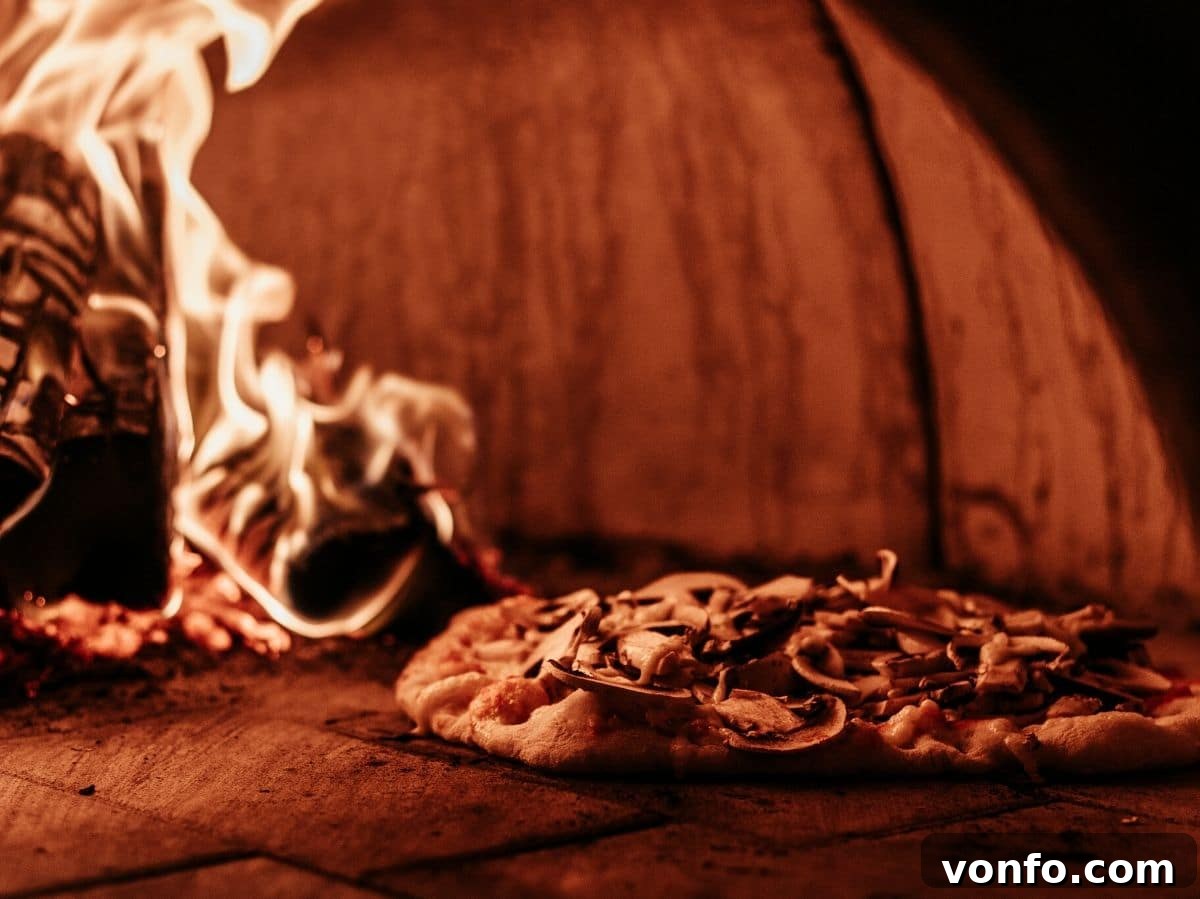
The allure of a traditional wood-fired pizza oven is undeniable. These culinary marvels can reach scorching temperatures of up to 500°C (930°F), allowing pizzas to cook in a mere 60-90 seconds. This intense, rapid heat is what creates that iconic blistered, airy crust and perfectly melted cheese without drying out the toppings. For many, owning such an oven is a dream, and while it certainly delivers unparalleled results, it’s far from a prerequisite for making fantastic pizza at home.
The reality is that most home ovens top out at around 250°C (480°F). This significant temperature difference means home-cooked pizzas will naturally take longer to cook, typically 8-15 minutes, depending on the thickness of the crust and the amount of toppings. However, with a few clever strategies, you can significantly bridge this gap and produce truly delicious pies. The fundamental principle remains: the hotter your oven and cooking surface, the better your pizza will be. Preheating your oven to its absolute maximum temperature for an extended period (at least 45 minutes to an hour) is crucial. This ensures not only the air in the oven is hot, but also that your chosen cooking surface is saturated with heat, ready to give your pizza that initial powerful blast needed for a crispy base and a good rise. A well-preheated oven is your secret weapon for amazing home-baked pizza.
Choosing Your Weapon: Different Pizza Tools, Different Results
The surface you bake your pizza on plays a monumental role in the final texture of your crust. Each tool offers distinct advantages and can help you achieve different styles of pizza, from thin and crispy to thick and airy. Let’s explore the most popular and effective options available for the dedicated home cook, empowering you to create the perfect pizza tailored to your preferences.
Regular Baking Trays: Your Everyday Pizza Solution
Good news for every home cook: you absolutely can make excellent pizzas using standard rectangular baking trays, which you undoubtedly already have in your kitchen. This makes them the most accessible and cost-effective option for your homemade pizza journey. However, to get the best results, a key technique is paramount: pre-heat your baking trays in the oven for at least 30-45 minutes before transferring your dough. This crucial step ensures the tray is scorching hot when the dough hits it, providing an immediate burst of heat to the base, which is essential for developing a nice, crispy crust and preventing sogginess.
Once your tray is piping hot, carefully remove it from the oven and make sure to generously sprinkle semolina flour or regular flour across the base. This acts as a non-stick barrier, preventing the dough from adhering to the tray and contributing to that desirable crispness. Then, swiftly transfer your rolled-out dough, add your toppings, and return it to the oven. One potential drawback of using regular baking trays is their tendency to cool down relatively quickly once removed from the oven. If you take too long to top your pizza, the tray might lose some of its initial heat. To mitigate this, opt for heavy and sturdy baking trays, as their increased mass allows them to retain heat for longer periods. Baking trays are incredibly versatile, allowing you to create anything from thin and crispy pizzas to thicker crust varieties, depending on how thinly you roll your dough. They are also perfect for making delicious pan pizzas or regional specialties like Sicilian Sfincione, a thick and airy pizza bread. For larger gatherings, baking multiple pizzas simultaneously on trays is far more efficient than single-pie methods, making them a practical choice for entertaining.
Pizza Stone: The Heat Retainer for Crispy Crusts
A pizza stone is a popular choice among home bakers looking to replicate the effects of a traditional pizza oven. Typically a circular or rectangular slab made from ceramic, cordierite, or clay, a pizza stone is designed to absorb and retain a significant amount of heat. You pre-heat the stone inside your oven for an extended period (usually an hour or more at max temperature) before carefully sliding your prepared pizza onto its surface. The intense, consistent heat radiating from the stone rapidly cooks the base of the pizza, creating a remarkably crispy, well-structured crust that often exhibits desirable charring and blistering, much like a professional oven.
The primary advantage of a pizza stone is its ability to penetrate heat directly into the dough, leading to superior crispness compared to baking trays. It creates a thermal shock that helps the crust puff up quickly. However, pizza stones do come with a few considerations. They can be quite heavy and awkward to handle and store, and they are also prone to cracking if subjected to sudden temperature changes or mishandling. While effective for single pizzas, if you’re entertaining a crowd, you’ll find yourself baking one pizza at a time, which can slow down the serving process considerably. Furthermore, good quality pizza stones can be a notable investment. For those serious about achieving an ultra-crispy base for single pizzas, a pizza stone is an excellent tool, but it requires patience and careful management to yield its best results.
Pizza Tray with Holes: The Airflow Advantage for Optimal Crispness
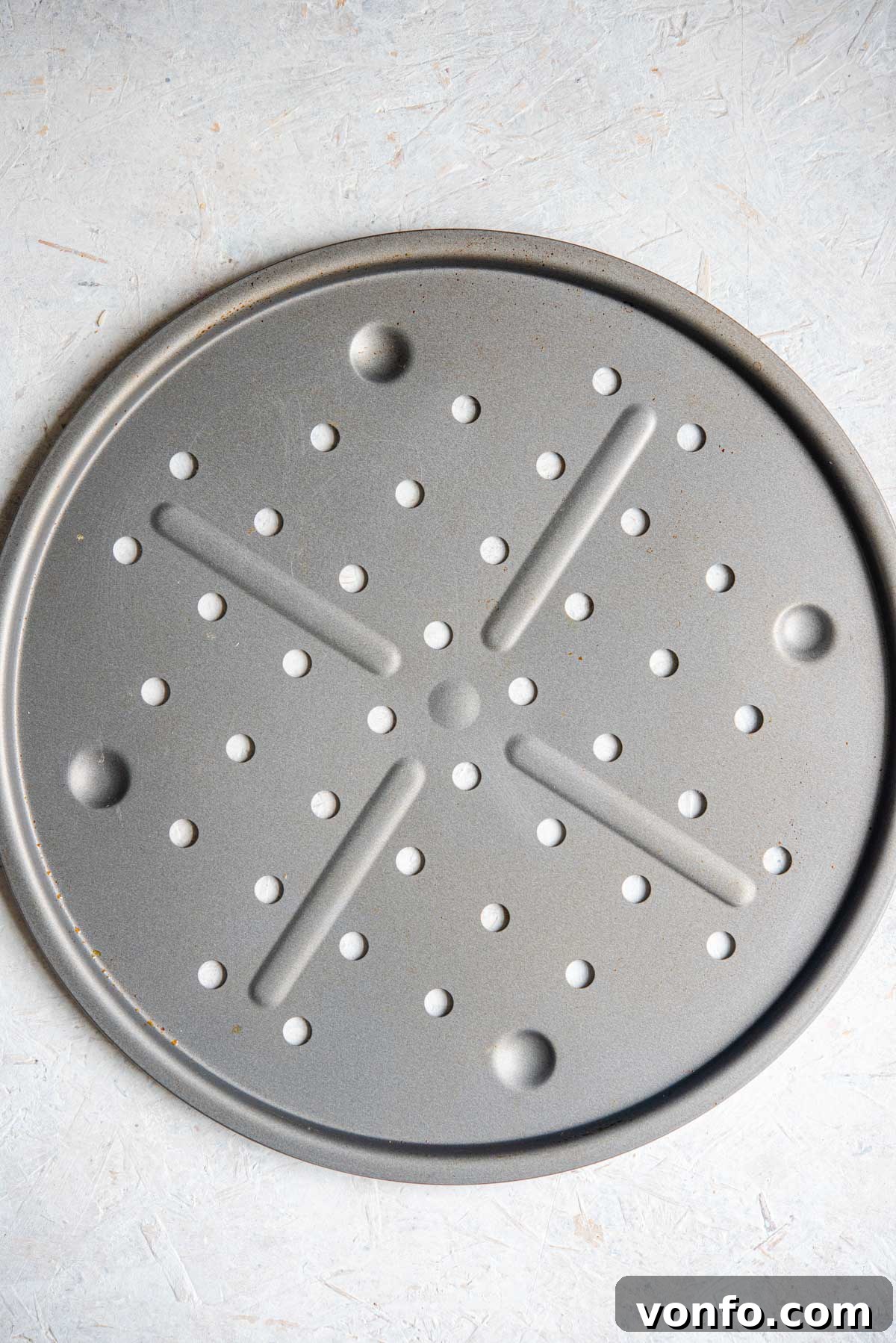
A specialized pizza tray, typically circular and featuring an array of small perforations or holes across its base, offers a fantastic balance of convenience, affordability, and excellent results. This design is ingeniously simple yet highly effective. The holes allow the hot air from the oven to circulate directly beneath the pizza dough, preventing steam from getting trapped and ensuring the base cooks more evenly and quickly. The result is a wonderfully crispy bottom crust that holds its structure beautifully when you pick up a slice, avoiding the dreaded “soggy middle” that can plague home-baked pizzas.
From a practical standpoint, pizza trays with holes are a personal favorite for many home pizza enthusiasts. They are significantly lighter and easier to handle than pizza stones, more affordable, and much simpler to store. They consistently deliver great results, making them ideal for everyday pizza making. This type of tray works exceptionally well with various doughs, from our traditional Italian pizza dough, which yields a beautiful, chewy crust, to our quicker Instant Pizza Dough (no rise, no yeast), perfect for when you need a speedy pizza fix. For optimal results, a light dusting of flour or a very thin brush of olive oil on the tray before adding the dough will help prevent sticking and enhance crispness. This tool is a strong contender for anyone seeking a reliable and effective way to achieve perfectly crispy homemade pizza bases without a hefty investment.
Cast Iron Skillet or Frying Pan: The Secret to Neapolitan-Style Home Pizza
If your goal is to recreate the distinctive characteristics of a Neapolitan-style pizza – a gloriously puffy, airy, and slightly charred outer crust with a thin, tender center – then the cast iron skillet method is an absolute game-changer. This technique involves a two-step cooking process that cleverly mimics the intense heat of a professional pizza oven, despite using a standard home oven and stovetop. It’s a method that has gained immense popularity for its incredible results and relative simplicity, even for beginners, and it’s a must-try for any pizza aficionado.
Here’s how it works: you first pre-heat your cast iron skillet (or a heavy-bottomed frying pan) on the stovetop over high heat until it’s smoking hot. This initial stovetop blast rapidly cooks the bottom of the dough, creating instant crispness and preventing it from becoming soggy. The direct heat on the stovetop also initiates the characteristic ‘cornicione’ (puffy rim) of Neapolitan pizza. Once the base is partially cooked and the edges begin to puff up, you quickly transfer the skillet to your preheated oven, ideally under the broiler (grill). The intense top-down heat from the broiler then cooks the toppings and rapidly blisters and chars the crust’s edges, giving it that beautiful leopard-spotted appearance characteristic of Neapolitan pizza. This dual-heat approach ensures a perfectly cooked base and a wonderfully airy, chewy crust that truly elevates the homemade pizza experience. It’s a versatile technique that often leaves not a single crust behind!
Essential Pizza Making Accessories for Your Kitchen
Beyond the primary cooking surfaces, a few key accessories can significantly streamline your pizza-making process and enhance the overall experience. While some might seem optional, they often make a big difference in convenience, safety, and results, helping you to achieve pizzeria-quality pies at home.
- Pizza Cutter: Slice with Precision
A good pizza cutter is an indispensable tool for anyone serious about homemade pizza. While a regular knife can work in a pinch, it often drags toppings, smears cheese, and makes it challenging to achieve clean, even slices. A sharp pizza wheel or a pizza rocker (a large, curved blade) cuts through crusts and toppings with ease, ensuring every slice looks as good as it tastes. This simple investment drastically improves the serving experience, making it quicker and cleaner. - Pizza Peel: The Transfer Master (Optional but Handy)
A pizza peel is a flat, shovel-like tool, traditionally made of wood or metal, designed to easily slide pizzas into and out of a hot oven. It’s certainly a classic pizza accessory, and for larger pizzas, very thin crusts, or higher hydration doughs that can be sticky, it can be quite helpful for a smooth transfer. However, we personally don’t consider it an absolute essential for home pizza making. If you adequately dust your cooking surface (whether it’s a baking tray or a pizza stone) with plenty of semolina or flour, your pizza dough will slide off effortlessly onto a cutting board. For many home cooks, learning to slide the pizza off a well-dusted tray directly is a perfectly viable and often preferred alternative, eliminating the need for an extra, sometimes bulky, piece of equipment. - Kitchen Scale: The Secret to Perfect Dough Consistency
In baking, precision is paramount, and nowhere is this more true than with pizza dough. While many recipes (including ours) provide measurements in cups, using a digital kitchen scale to weigh your ingredients, especially flour and water, guarantees unparalleled accuracy. Flour densities can vary significantly, meaning a “cup” of flour might be vastly different from one measuring session to the next. Weighing ensures you achieve the exact hydration level intended for the dough, leading to consistent, perfect results every time. If you want to eliminate guesswork and master your dough, a kitchen scale is a non-negotiable tool for consistent success. - Measuring Spoons: For Precision in Small Quantities
While a kitchen scale handles larger ingredients like flour and water, accurate measuring spoons are vital for smaller, yet critical, components like yeast, salt, and olive oil. Proper ratios of these ingredients are crucial for the dough’s rise, flavor development, and overall texture, ensuring your pizza is perfectly balanced.
Crafting Your Perfect Pizza at Home: Expert Recommendations and Tips
Now that you’re equipped with knowledge about various tools and accessories, here are our top recommendations to help you create your ideal homemade pizza. Remember, experimentation is part of the fun, and finding what works best with your oven and preferences is key to becoming a pizza master!
- For Thin & Crispy Pizzas with a Professional Crunch:
Opt for our traditional Italian pizza dough recipe for its excellent texture and flavor, or if time is short, our incredibly fast Instant Pizza Dough (no yeast, no rise). Pair either dough with a circular pizza tray with holes (as pictured above). The perforations are key to achieving that extra-crispy base by allowing maximum airflow and direct heat. Before baking, ensure you dust the tray generously with flour or semolina, or lightly brush it with olive oil, to prevent sticking and enhance browning. Always preheat the tray in the oven for at least 20 minutes before loading the pizza. - For Medium to Thick Crusts, Hearty Pan Pizzas, or Feeding a Crowd:
When you desire a more substantial crust or are preparing pizzas for a larger group, utilize our robust traditional pizza dough. This dough is also perfect for making classic tray-baked pizzas or indulgent Sicilian-style pizza, which demands a deeper tray. If speed is of the essence or you prefer a yeast-free option, our Instant Pizza Dough also adapts well to thicker crusts. Crucially, always pre-heat your heavy-duty baking trays for at least 45 minutes to an hour at your oven’s highest temperature. Dust the preheated tray generously with semolina or semola flour before adding the dough to guarantee a golden, crispy base that releases easily. Once baked, let your trusty pizza cutter work its magic, yielding perfect, uniform slices that are easy to serve. - For Authentic Neapolitan-Style Pizza with a Puffy, Charred Crust:
Embrace the cast iron skillet method. Use our traditional Italian pizza dough, rolled relatively thin, and follow the stovetop-then-broiler technique. This method is unrivalled for achieving that characteristic airy, charred crust and tender interior, closely mimicking the effects of a high-temperature pizza oven in a home kitchen setting.
General Tips for Pizza Perfection:
- Don’t Overload: Keep toppings minimal to ensure even cooking, prevent sogginess, and allow the crust to truly shine.
- Preheat, Preheat, Preheat: Always give your oven and cooking surface ample time (45-60 minutes) to reach and maintain its maximum temperature. This is the single most important factor for a crispy crust.
- Room Temperature Dough: Bring your dough to room temperature for at least 30 minutes before stretching. Cold dough is difficult to work with and can result in a tougher crust.
- Watch the Bake: Every oven is different. Keep a close eye on your pizza, especially towards the end, for optimal browning of the crust and perfectly melted, bubbly cheese.
- Rest Before Slicing: Let your pizza rest for 2-3 minutes after removing it from the oven. This allows the cheese to set and the juices to redistribute, preventing toppings from sliding off and ensuring cleaner slices.
We hope this comprehensive guide inspires you to create truly incredible homemade pizzas! Don’t forget to explore our detailed guide on choosing the best pizza flour and our extensive collection of pizza recipes for endless inspiration. We’d love to hear about your pizza-making adventures and which tools you find most effective in the comments below!