
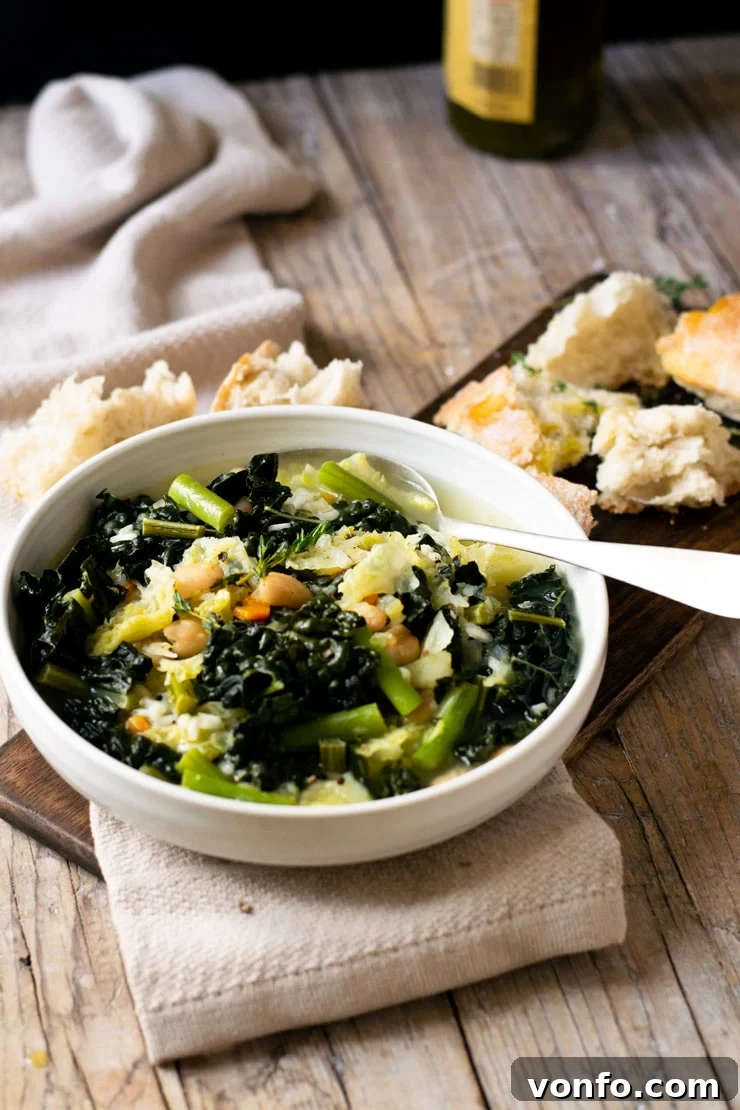
Hearty & Authentic Tuscan Minestrone Soup: Your Ultimate Comfort Bowl
As the days grow shorter and the air turns crisp, there’s nothing quite as inviting as a steaming bowl of hearty soup. Our Tuscan Minestrone Soup is the quintessential cold-weather companion, brimming with vibrant, fresh vegetables, nourishing beans, and wholesome rice. It’s more than just a meal; it’s a warm hug in a bowl, perfect for those chilly nights when all you crave is comfort. Plus, it’s an excellent way to make the most of your seasonal produce and any leftover veggies you might have on hand. So, grab a cozy blanket, settle in, and prepare to savor this incredibly delicious and easy-to-make Italian classic!
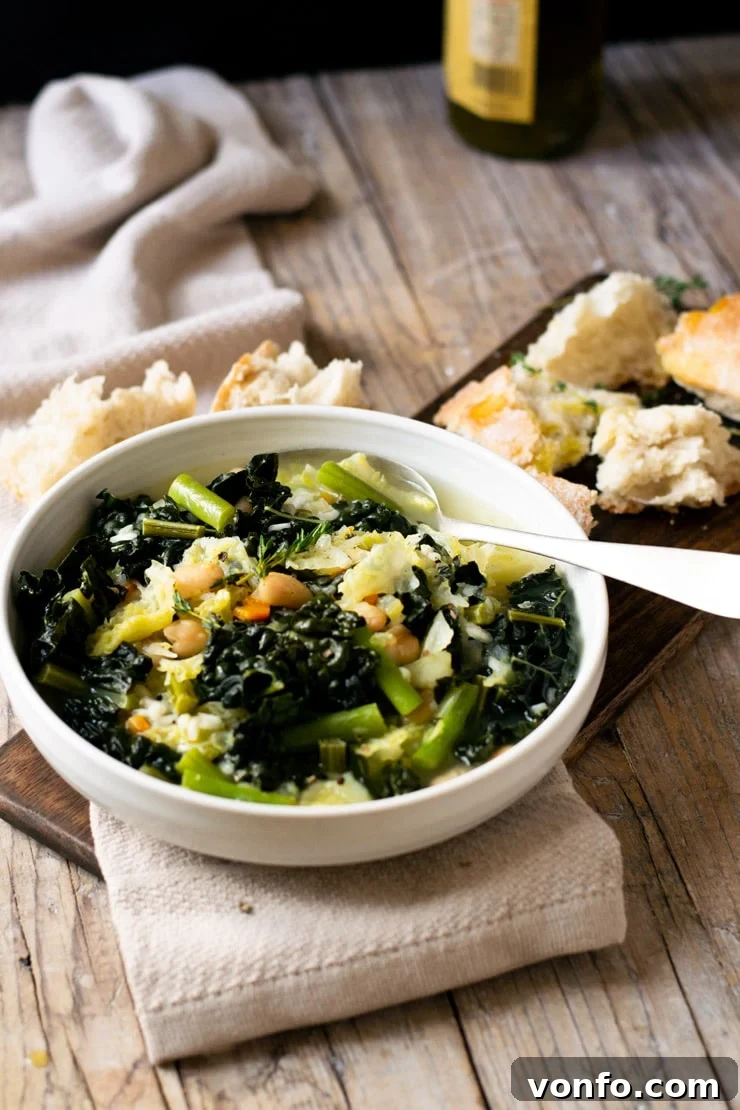
To be completely honest, for a long time, soup wasn’t my go-to dish. I often felt it was just a precursor, and I’d much rather dive into a rich, flavorful pasta ragu or a piping hot slice of pizza. However, a significant shift in perspective happened whenever a generous bowl of homemade soup, accompanied by a few slices of crusty bread, was placed before me. I quickly discovered the profound joy and satisfaction a well-crafted soup brings, instantly understanding why so many people adore it, especially during the colder months. And let’s be clear, this isn’t just “any” soup; this minestrone is so substantial, you’ll feel like you’ve truly *eaten* something wonderful!
Beyond its deliciousness, soup offers incredible advantages. It’s often incredibly economical, simple to prepare, and boasts an endless array of variations, ensuring there’s a perfect bowl for every palate and pantry. This versatility is truly at the heart of what makes minestrone so special.
The Soul of Minestrone: A Timeless Italian Tradition
When it comes to minestrone soup, a common misconception is that there’s one single, “traditional” recipe. In reality, minestrone embodies the true spirit of Italian home cooking: it’s a dish designed to utilize whatever fresh, seasonal vegetables are available. This fundamental principle means that a minestrone made in the vibrant summer months, bursting with ripe tomatoes and zucchini, will naturally differ from a comforting winter minestrone, featuring robust greens and root vegetables.
Throughout Italy, the specific ingredients and preparation methods also vary significantly by region, and even from one family kitchen to another. This beautiful adaptability is a hallmark of authentic Italian cuisine. You might be surprised to learn that while many associate minestrone with tomatoes, they are often omitted in traditional recipes. Furthermore, rice is a frequent addition, serving as a hearty alternative to pasta, a choice I’ve embraced in this Tuscan version, and one I absolutely love for its rich texture.
The golden rule for an exceptional minestrone is simple: use seasonal vegetables. When ingredients are in their prime, their flavor is unparalleled, making your soup 100 times more delicious. This recipe focuses on the bounty of winter produce, ensuring maximum flavor and comfort.
Embracing Winter’s Bounty: Essential Vegetables for Your Minestrone
Our Tuscan Minestrone celebrates the robust flavors of winter. Here’s a closer look at the key vegetables that make this soup so special, and why they’re perfect for the season:
- Cavolo Nero (Tuscan Kale): A personal favorite for this soup, cavolo nero adds a beautiful deep green color and a slightly bitter, earthy flavor that stands up well to simmering. Its sturdy texture makes it a fantastic addition to a hearty winter soup.
- Cabbage: Whether you opt for Savoy, green, or even red cabbage, this humble vegetable contributes a satisfying crunch and a subtle sweetness that rounds out the soup’s flavor profile. It’s incredibly versatile and nutritious.
- Onions, Carrots, Celery (Sofritto): This aromatic trio forms the foundational flavor base for many Italian dishes, including minestrone. Slowly sautéing these finely chopped vegetables creates a sweet, savory depth that is absolutely crucial for a truly flavorful soup. It’s the secret weapon of Italian cooking!
- Spinach: Added towards the end, spinach wilts beautifully, contributing a boost of nutrients and a fresh, vibrant green element. Think of it as your secret ingredient for Popeye-level strength!
- Green Beans: These provide a lovely textural contrast to the softer vegetables and beans, adding a fresh snap and a touch of sweetness.
- Leeks: If you’re looking for an alternative to onion or wish to add an extra layer of subtle, sweet oniony flavor, leeks are an excellent choice.
- Potatoes: Essential for a truly hearty minestrone, potatoes thicken the soup naturally as they cook and soften, contributing a creamy texture and making the dish wonderfully filling and satisfying.
While broccoli, cauliflower, turnips, and squash are also in season during winter, the vegetables listed above are traditionally more common in a classic Italian winter minestrone, especially in Tuscany. Feel free to experiment with what you love and what’s freshest at your local market!
Crafting Your Perfect Tuscan Minestrone: A Detailed Guide
Creating this flavorful Tuscan Minestrone is a rewarding experience. Follow these detailed steps to build layers of deliciousness, ensuring every spoonful is packed with authentic Italian taste:
First, begin by preparing your sofritto. In a large pot or Dutch oven, gently sauté equal amounts of finely chopped carrots, celery, and onion in a generous drizzle of olive oil. This initial step is paramount for developing the deep, savory base of your soup (refer to photo 1 for visual guidance).
Top Tip for Sofritto Perfection: This stage is arguably the most important and requires your full attention. The key is to sauté these vegetables *slowly* over low to medium heat for at least 10 minutes, or until they are completely soft and translucent, not browned. Resist the urge to rush this process by increasing the heat, as the flavors won’t properly develop, and you risk burning the vegetables, which would unfortunately impart a bitter taste and compromise the overall flavor of your exquisite soup.
Once your sofritto is beautifully softened and fragrant, introduce the chopped potatoes, fresh thyme sprigs, and finely chopped garlic to the pot. Sauté for another 1-2 minutes, allowing the garlic and thyme to become wonderfully aromatic, infusing the vegetables with their pungent and herbaceous notes. Immediately after, pour in the chicken stock (see photos 2-3).
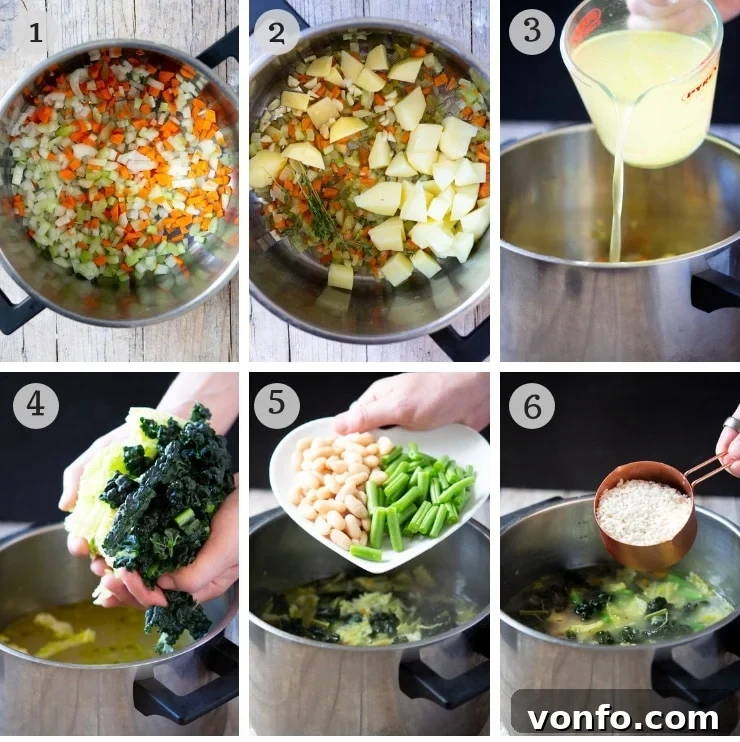
Bring the soup to a gentle boil, then reduce the heat to a simmer and cover the pot. Allow it to cook for a good 30 minutes, or until the potatoes are fork-tender. At this point, for added body and creaminess, use the side of a wooden spoon to lightly crush some of the cooked potatoes against the side of the pot. This releases their starch and naturally thickens the soup without needing any flour or cornstarch.
Next, add the chopped cavolo nero and savoy cabbage to the simmering soup. Cover the pot once more and continue to simmer for another 15 minutes, allowing these hearty greens to soften and integrate their flavors (photo 4).
For a richer, more velvety texture, take half of the cannellini beans and place them in a separate bowl with a spoonful or two of the hot soup liquid. Using an immersion blender (or a regular blender), blitz until you achieve a completely smooth, creamy puree. Add this pureed bean mixture back into the soup along with the remaining whole cannellini beans and the trimmed green beans (photo 5). The whole beans add texture, while the pureed beans provide a wonderful depth and creaminess.
Finally, stir in the arborio rice. Continue to simmer the soup for 10-15 minutes, or until the rice is cooked through to a tender, al dente consistency. Taste and adjust seasoning with salt as needed. Serve this magnificent Tuscan Minestrone piping hot with plenty of crusty bread for dipping (photo 6).
Regional Flair: Exploring Minestrone Variations Across Italy
While our focus is on a delicious Tuscan-style minestrone with its signature seasonal green vegetables and rice (preferably arborio rice for its creamy texture), the beauty of minestrone lies in its regional diversity. Italy’s culinary landscape offers a fascinating array of interpretations, each reflecting local produce and traditions:
- Ligurian Minestrone with Pesto: Venture north to the Liguria region, and you’ll find minestrone often served with a generous dollop of fresh basil pesto swirled in just before serving. This bright, herbaceous addition elevates the soup with a burst of fresh flavor and vibrant color – it’s truly delicious and absolutely worth trying!
- Milanese Minestrone with Tomato and Pasta: In Milan, the minestrone often takes on a richer, redder hue. Recipes from this region frequently include canned chopped tomatoes and a touch of tomato paste, adding a tangy sweetness. Instead of rice, small tubular pasta like Ditalini is often favored, making it equally comforting and delicious.
Don’t hesitate to adapt this recipe to your preferences. You can swap chicken stock for vegetable stock to make it vegetarian, or even add a parmesan rind to the simmering soup for an extra layer of umami flavor (just remember to remove it before serving!). The beauty of minestrone truly lies in its endless possibilities.
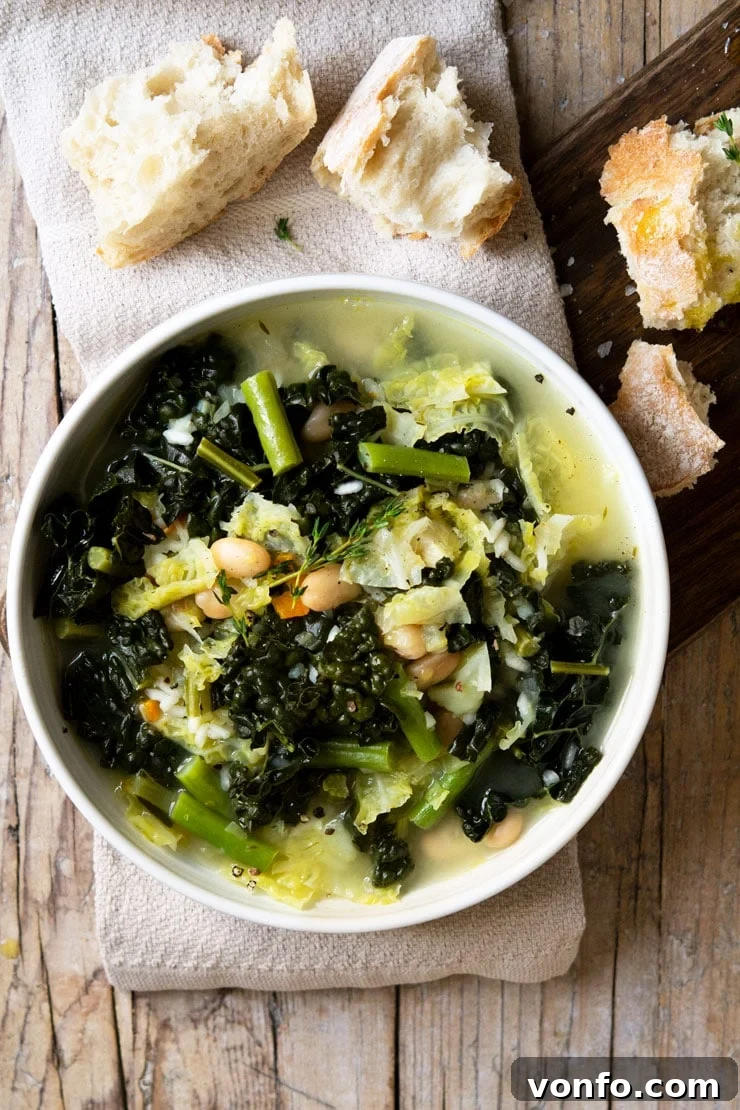
No matter which delightful variation you choose to prepare, the true essence of enjoying minestrone comes down to a simple ritual: finding your coziest spot, wrapping yourself in a warm blanket, and settling down with a great movie or a captivating book. It’s the perfect antidote to a rainy day – and yes, I genuinely love rainy days! Why do people always seem to be “hatin'” on the rain? For me, being comfortably snuggled indoors is one of life’s greatest pleasures, and a bowl of this minestrone simply makes it even better.
Expert Tips for a Flawless Minestrone Experience
To ensure your Tuscan Minestrone turns out perfectly every time, keep these helpful tips in mind:
- Prep Ahead: To make cooking faster and more enjoyable, chop all your vegetables in advance. A prepared mise en place makes the cooking process much smoother.
- Cabbage Size Matters: For ease of eating and to ensure it cooks evenly, cut your cabbage into small to medium-sized chunks. This allows it to soften beautifully without becoming mushy.
- Green Bean Prep: After trimming the tops and tails of your green beans, I recommend cutting them into three smaller pieces. This makes them easier to manage and ensures a good distribution throughout the soup.
- Making Ahead & Storage (Without Rice/Pasta): Minestrone is a fantastic soup for meal prepping. If you plan to make it in advance or store leftovers, follow all the steps as directed *except* for adding the rice. Only incorporate the rice (or pasta, if using) when you are reheating and ready to serve. This is crucial because both rice and pasta will continue to absorb liquid and become mushy if left sitting in the soup for too long, compromising the texture of your dish.
- Freezing Minestrone: This soup freezes beautifully! Just like with advance preparation, make sure to freeze it *before* adding the rice or pasta. Once defrosted and reheated, you can then cook fresh rice directly in the soup for 10-15 minutes, or add pre-cooked pasta.
- Serving Suggestions: Serve your minestrone with a drizzle of high-quality extra virgin olive oil, a sprinkle of freshly grated Parmesan cheese (or a vegan alternative), and plenty of crusty artisan bread for dipping. A simple side salad also complements its richness perfectly.
Frequently Asked Questions (FAQ) about Tuscan Minestrone Soup
Here are answers to some common questions about making and enjoying this delicious minestrone:
- Can I make this soup vegetarian or vegan? Absolutely! Simply substitute the chicken stock with a high-quality vegetable broth to make it vegetarian. For a vegan version, ensure your bread is dairy-free and omit any optional cheese garnishes.
- What if I don’t have Cavolo Nero? No problem! You can use other sturdy greens like regular kale, collard greens, or even more savoy cabbage. Just ensure they are chopped appropriately and given enough time to cook.
- Can I use pasta instead of rice? Yes, you can! Small pasta shapes like Ditalini, elbow macaroni, or small shells work wonderfully. Just add the pasta during the last 10-15 minutes of cooking, following the package directions, and remember the tip about adding it just before serving if making ahead.
- How long does Tuscan Minestrone last? Stored in an airtight container in the refrigerator (without rice/pasta), it will last for 3-4 days. In the freezer, it keeps well for up to 3 months.
- What’s the best way to reheat leftovers? Reheat gently on the stovetop over medium-low heat, stirring occasionally, until warmed through. If the soup has thickened too much, add a splash of water or broth to reach your desired consistency.
More Comforting Soup Recipes To Discover
If you’re a fan of comforting and wholesome soups, be sure to explore these other delicious recipes from our kitchen:
- Roasted Red Pepper Soup
- Tuscan Farro Soup with Beans
- Green Pea Soup with Leek and Zucchini
- Pappa al Pomodoro – Tomato Bread Soup
- Wild Mushroom Soup
- Roasted Tomato Soup – Creamy and Healthy
Tuscan Minestrone Soup
By Emily

This time of year just calls for hearty soups and this Tuscan minestrone soup is perfect for those chilly nights. It’s packed full of fresh vegetables, beans and rice plus it’s a great way to use up leftover veggies. Curl up with a blanket, a big bowl of soup and stay cosy!
Ingredients
- 1 large carrot, finely chopped
- 1 large celery stalk, finely chopped
- 1 onion, finely chopped
- 2 medium sized potatoes, cut into cubes
- 2 cloves garlic, finely chopped
- 8.5 cups (2 litres) chicken stock
- 2 sprigs thyme
- 1/2 small savoy cabbage, finely chopped
- 6 leaves cavolo nero, finely chopped
- 3.5 oz (100g) green beans, trimmed and cut into 3
- 14 oz (400g) cannellini beans, canned
- 3/4 cup (150g) arborio rice
- 1 tbsp olive oil
Instructions
- Saute equal amounts of finely chopped carrots, celery and onion with the olive oil on a low to medium heat until soft (around 10 minutes).
- Top Tip: This is an important part and the only part of the soup you need to pay extra attention with. You need to saute the veggies slowly for around 10 minutes until they are soft. Don’t be tempted to turn up the heat because the flavours won’t really develop and it’s more likely to burn which will ruin the flavour of the soup.
- Once the veggies are soft add the chopped potatoes, thyme and chopped garlic. Fry everything for 1-2 minutes until the garlic and thyme are fragrant then add the chicken stock.
- Bring the soup to a boil then turn down to simmer and cover for 30 minutes. The potatoes should be cooked through at this point. Using the side of a wooden spoon crush some of the potatoes against the side of the pot.
- Add the chopped cavolo nero and savoy cabbage, cover again and simmer for 15 minutes.
- Next, put half of the cannellini beans in a bowl with a spoonful of soup liquid and blitz until completely smooth using an immersion blender or use a regular blender, add to the soup along with the other half of cannellini beans and green beans.
- Finally, add the rice and simmer for 10-15 minutes, add salt if needed and serve with some crusty bread.
Notes
Extra Tips For Making This Minestrone Soup
- To speed things up prep all the veg in advance.
- Make sure to cut the cabbage into small to medium chunks so they are easier to eat.
- I cut the green beans into 3 after removing the top and tails.
- If you want to make this soup in advance follow all the steps apart from adding the rice. Only do this when serving as it will soak up a lot of moisture and turn mushy this goes for pasta too.
- You can store this soup in the fridge or freezer but again do this before adding the rice.
Calories from Fat 36
Helpful Info for All Recipes
- I always use extra virgin olive oil in all of my recipes unless stated otherwise.
- When I use canned or jarred tomatoes of any kind, I always recommend Cirio or Mutti brands for the best results and flavor.
- All vegetables are medium sized unless stated otherwise.
- All recipes are tested and developed using a fan (convection) oven.
- Find out more about how nutrition is calculated.
- Check out our must-have Italian Pantry Staples.
- You can also find all our Essential Kitchen Tools for Italian Cooking.
Nutrition
Calories: 252kcal | Carbohydrates: 42g | Protein: 13g | Fat: 4g | Saturated Fat: 1g | Sodium: 265mg | Potassium: 492mg | Fiber: 5g | Sugar: 2g | Vitamin A: 3280IU | Vitamin C: 18.2mg | Calcium: 88mg | Iron: 3.9mg
Nutrition information is automatically calculated, so should only be used as an approximation.
We hope you’ve enjoyed this journey into making an authentic and comforting Tuscan Minestrone Soup! Whether you’re a seasoned chef or a kitchen novice, this recipe is designed to bring warmth and flavor to your table.
If you’ve tried this Tuscan Minestrone Soup or any other recipe on the blog, please let us know how you got on in the comments below, we love hearing from you! You can also FOLLOW US on FACEBOOK, TWITTER, INSTAGRAM and PINTERESTto see more delicious food and what we’re getting up to.