Italian Pantry Essentials
How to stock a pantry with our Italian Pantry Essentials. These are all the must-have ingredients we have in our kitchen and would truly be lost without them. The fundamentals to good cooking and beautiful tasting food is using quality ingredients so we've broken it down to what we use and why!
Stocking your pantry with the right ingredients is like setting the stage for endless good possibilities. These ingredients aren't pantry staples, they're the foundation of authentic Italian cooking and what we use every week to create good-tasting meals.
After spending years discovering Italy, living and working there and pretty much obsessing over the food we can tell you that the quality of the ingredients makes all the difference. We're talking about the difference between an average-tasting meal to something that truly transports you to Italy.
From how to choose the right olive oil, tomatoes and pasta to store cupboard essentials for adding a burst of flavour to the simplest of dishes.
We're going to share the basic ingredients we always have stocked in our pantry and fridge so you always have ingredients on hand to create something good.
So let's get started.
You can read this post in its entirety or use the table of contents below to jump to a particular section you'd like to read about (there's a lot of info here). Once you have your pantry stocked, read about the kitchen tools we use the most too!
Olive oil
Extra virgin olive oil is an essential ingredient in Italian cuisine and the Mediterranean diet. It doesn't add flavour to dishes but it's good for you too.
Here are some tips for buying good quality extra virgin olive oil.
- Look for 100% Italian olive oil. If it's labelled EU or EU olives it means it's a blend of olive oil from countries within the EU and doesn't come from one specific country let alone olive grove.
- Make sure it's bottled in dark glass bottles or tins to avoid it getting damaged/spoiled by sunlight.
- Don't decant it – olive oil doesn't like oxygen which deteriorates the oil. Keep it in its original bottle or tin with the lid tightly on.
- Harvest date – extra virgin olive oil is best consumed within 12-18 months of the harvest date. Unlike wine, olive oil does not get better with age so don't keep good oil for too long.
To be completely transparent, high-quality extra virgin olive oil direct from a single grove is usually expensive and rightly so. There is so much work that goes into producing high-quality oil.
These are usually small, independent, family-run farms and they produce exceptional quality. The problem is not many people can afford to buy this quality and use it every day (we certainly can't)
So this is what we do.
We adopted an olive oil tree from a small independent olive grove in Sicily. Not only am we supporting a small business but we get good quality olive oil sent to us every quarter (4 times a year).
We get 3x 500ml cans sent to us each time including Olio Nuovo at the end of each year (liquid gold, first pressed oil of the new season).
We also buy 100% Italian olive oil from our local store which is often a blend of olives from Italy.
We use the higher quality oil for dressings, finishing dishes, adding to pesto, making focaccia and our cheaper oil for sauteing and general cooking.
We find this to be a sustainable way to enjoy the taste and benefits of good oil but it also be affordable for everyday cooking.
Deep frying
Although olive oil can be safely used for deep frying. It has a smoke point of 190C-220C (374F-428F) is more than adequate for most deep frying it's far too costly (for us).
We use vegetable or sunflower oil (olio di semi) for deep frying (not something we do often). This is also the norm in Italy.
We always shallow fry or saute with extra virgin olive oil.
Salt and black pepper
Salt (sale) is one of the most important ingredients to keep stocked in your kitchen. Seasoning your food with salt as you cook is how you build flavour. It's so important to taste as you go to avoid over-seasoning dishes. You don't want to taste the salt but enhance the flavour of the food.
In Italy, you'll find Sale Grosso and Sale Fino although you'll often see sea salt flakes sold in larger towns now too.
Sale Grosso which is large salt crystals is mainly used for salting pasta water and sale fino (fine salt) for everything else.
In our kitchen, we have sale fino (fine salt) which we use for pasta water and Maldon sea salt flakes for everything else.
It's funny but you can get so used to seasoning food with a particular salt that when you change brands or textures you notice the difference. It sounds strange but some salts can be 'saltier' than others so it's all about adding and tasting until you get familiar with the salt you are using.
Having a young toddler we've had to do a lot of cooking without salt. We'll often divide our meals when cooked and season our portions with salt.
If you don't season your food throughout the cooking process and wait until the end (like we have to sometimes) you can notice the difference. Adding the majority of salt at the end of cooking instead of building it up gives food more of a 'salty' flavour so always add as you go.
Black pepper is another ingredient that we add to most dishes. We like to buy it in a grinder and freshly grind a small amount in at the end of cooking or for topping some dishes.
High-Quality Tomatoes
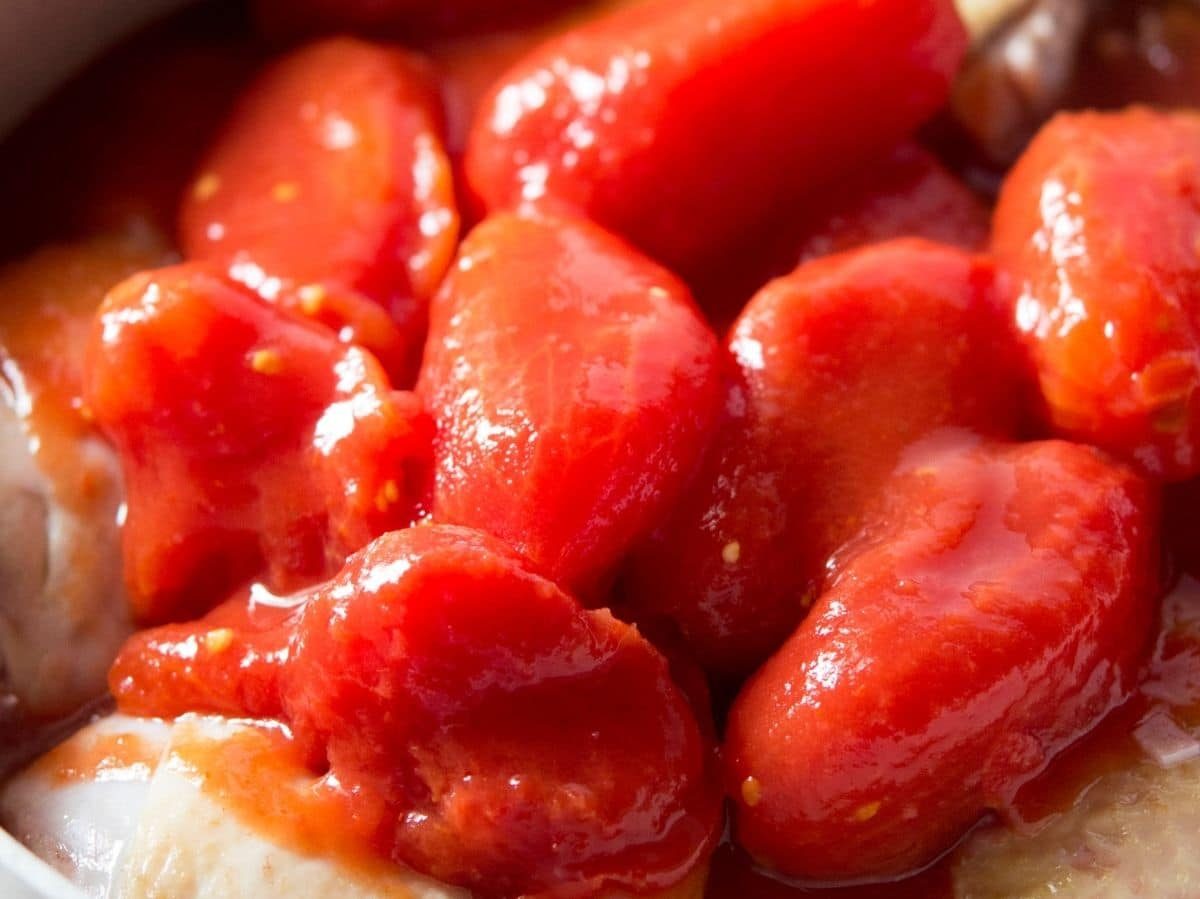
High-quality tomatoes are essential in our kitchen. They can make or break a dish and that does not mean you need to use San Marzano tomatoes (that's a whole other story).
So what type of tomatoes do you need?
Chopped or crushed tomatoes
Referred to as 'polpa' in Italy, these are chopped tomatoes canned with a thick tomato juice. We never buy canned tomatoes that are canned in water.
Plum tomatoes
Canned plum tomatoes are great because they contain whole tomatoes that have been peeled and are also canned in thick tomato juice.
Canned plum tomatoes are so versatile and have a lot of flavour (if you buy the right brand). Break them up into sauces or crush them with your hands.
Did you know if you blitz whole tomatoes the seeds can turn the sauce bitter? Try to avoid blitzing or blending whole tomatoes if possible. Instead, crush them by hand or use a potato masher.
Passata
Known as tomato puree in the US these are tomatoes that have been passed through a 'Passaverdura' or strainer. The tomatoes are strained into a thick consistency, usually smooth without any skins or seeds but there's also 'passata rustica' which is more of a pulp-consistent.
We almost always use a classic smooth passata. It can be used like chopped or plum tomatoes but will have a richer taste and thicker consistency.
Tomato paste (concentrate)
Tomato paste is usually sold in a tube or sometimes a small can. It's thick and highly concentrated so you don't need much when adding it to dishes.
You can use this to add a burst of tomato flavour to stews, soups, risotto and pasta sauces. We usually use 1-2 tablespoons. Once opened it will keep well in the fridge (check the packet instructions).
What brands to use?
Right now, we use Mutti 99% of the time. They're good quality, easy to find in our local stores and pretty affordable. We used to use Cirio tomatoes a lot but we've found the quality has gone downhill recently. We'll still use them if Mutti aren't available.
If you're in the US we've heard that Cento is a good brand and fairly accessible.
We cannot stress enough how important it is to use high-quality tomatoes. It means you can create a quick 10-minute pasta sauce that actually tastes good and the last thing you want to do is simmer a sauce, soup or stew away for hours for it to taste ok.
There are also fancy, good-tasting tomato brands out there but the price tag is not realistic or sustainable when you use tomatoes a lot so our recommendations are based on quality and affordability.
Here's exactly what we have stocked in our pantry
- 1-2 cans crushed tomatoes Mutti Polpa
- 1-2 cans Mutti plum tomatoes (Pelati)
- 1 jar Mutti Passata Classica (smooth tomato puree US). We usually have 3-4 jars stocked but you don't usually need more than 1 to make a meal.
- 1 tube Mutti Doppio Concentrato di Pomodoro (tomato concentrate/paste). Once opened we keep this stored in our fridge and it lasts for ages.
Recipes using tomatoes
- Penne al Pomodoro
- quick tomato sauce
- Creamy tomato risotto
- Green beans in tomato sauce
- Fagioli all'uccelletto
- Braciole
Dried Pasta
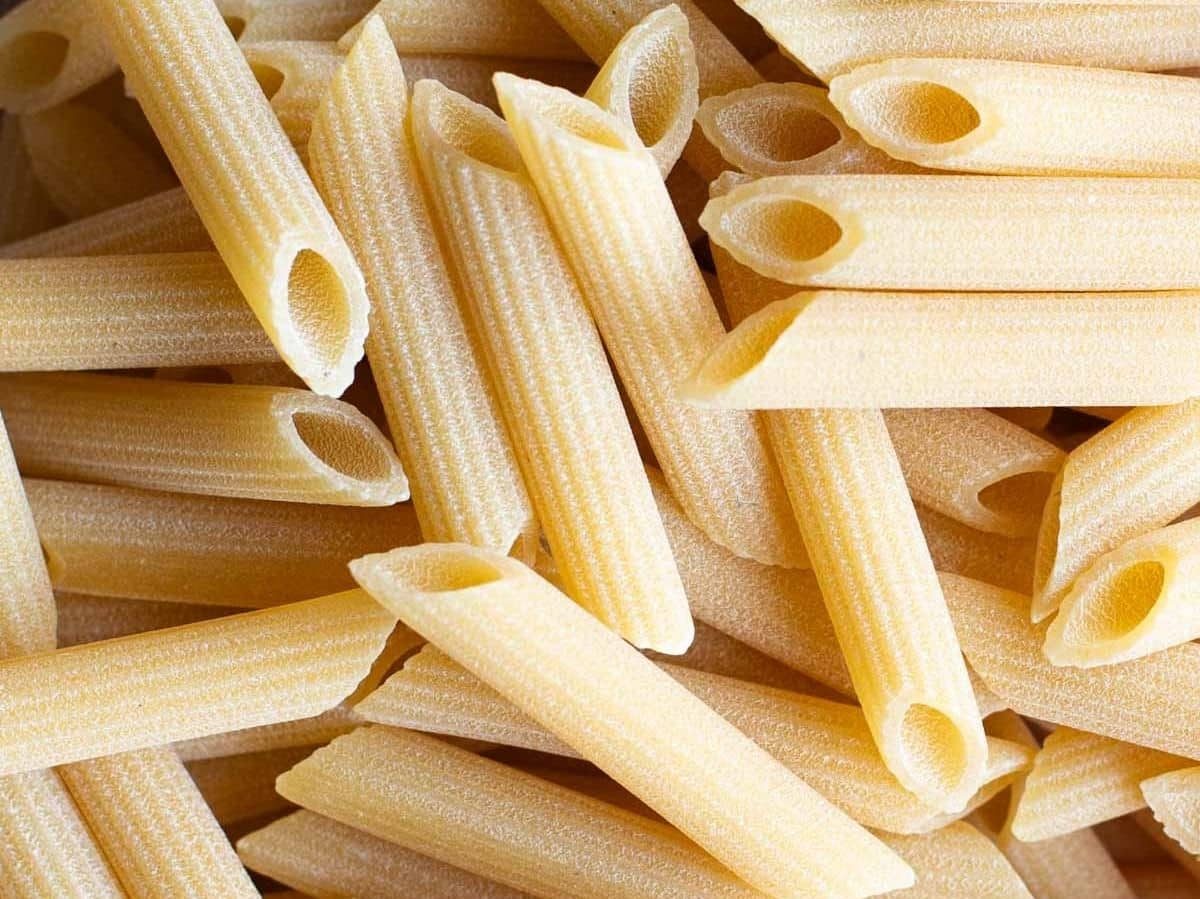
When it comes to dried pasta, choosing a high-quality brand makes all the difference. There are a few key tips you need to note before buying pasta which can make or break a simple dish.
- First, there should only be two ingredients: Durum Wheat Semolina (Semola di Grano Duro) and water (Acqua) is sometimes also listed.
- Secondly, look where the wheat is from which will be listed on the packet. This sadly, is not always easy to find but you want 100% Italian wheat. La Molisana is our favourite brand and always uses 100% Italian wheat.
- Look at the colour and texture. The pasta should have a rough, opaque texture and colour to it and should say it has been extruded using bronze dies (bronze cut). If the pasta is bright yellow and smooth it's been dried at high temperature, quickly which not only removes a lot of the nutrients but creates brittle pasta that's often chewy, gummy and not flavourful when cooked.
Pasta shapes we love to have stocked: Rigatoni, Spaghetti, Linguine (love this for fish dishes), Penne, orzo, and ditalini (or other small shapes for soups).
Our husband, loves Paccheri which is great for hearty ragu sauces and we love Pappardelle so grab that when we see it. We also love to make it fresh with homemade pasta dough.
Cheese
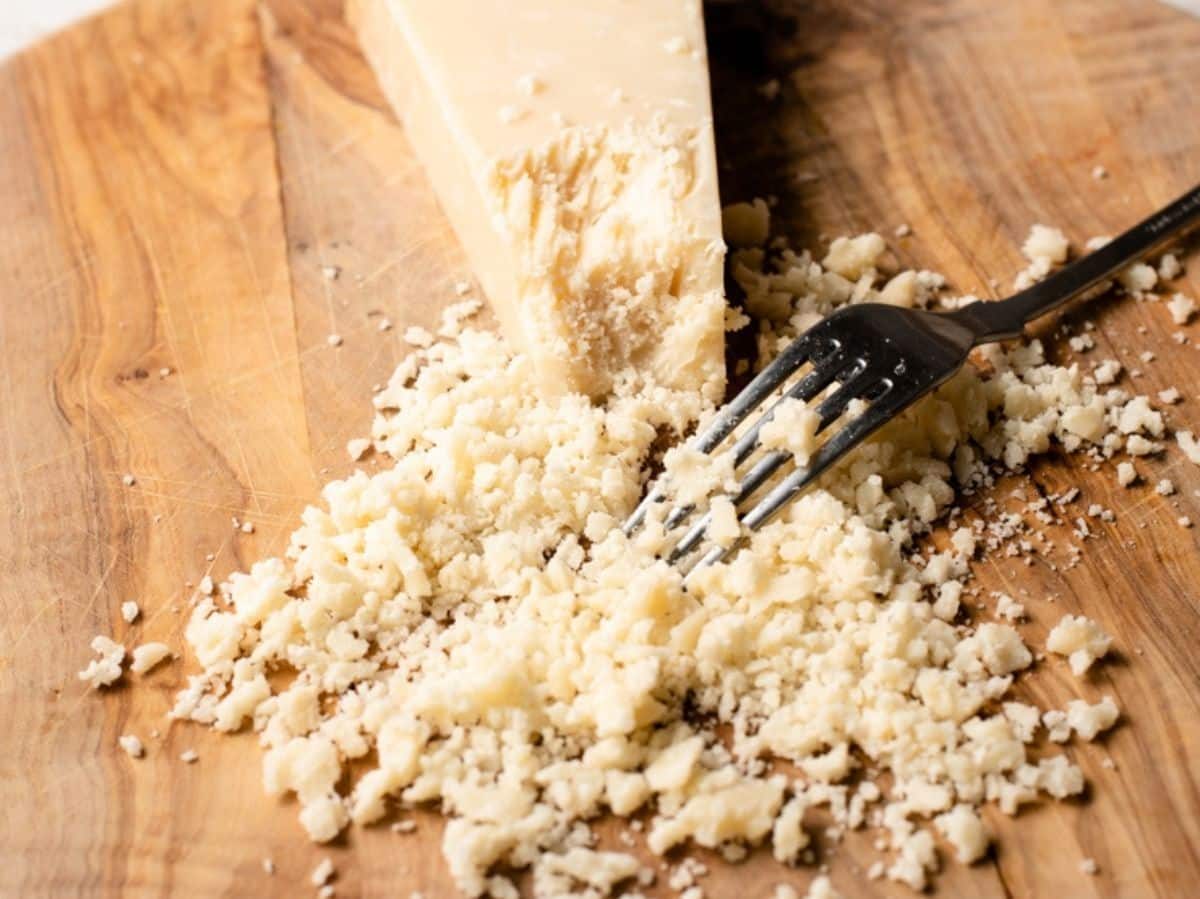
Parmigiano Reggiano is an essential ingredient in our kitchen and something we always have stocked in our fridge.
Not only is it used to top a lot of pasta dishes to add the most good cheesy, salty, umami flavour but it can create an good pasta dish all on its own.
During a visit to Lake Como, we were served ribbons of Malfalde pasta with coarsely grated Parmigiano and butter. When we tell you it's comfort food heaven we are not exaggerating and it's something we will reach to when the day doesn't go to plan and we're short on time or too exhausted to cook.
We also often shave Parmigiano Reggiano into salads, specifically arugula/rocket. Drizzle over some good olive oil, lemon juice and freshly ground black pepper for a simple and good side dish or salad base.
Buy Parmigiano Reggiano DOP. You'll know it's the real deal by the stamp that's on the rind of the cheese.
Always buy a whole piece and not pre-grated or flakes. Freshly grating your own cheese will always taste 10x better than pre-grated.
The longer the cheese has been aged the more intense the flavour will be. You'll find Parmigiano Reggiano aged from 12-40 months. The cheese we buy tends to be aged 24 months but choose what you prefer.
Tip: you can throw rinds into soups, stews and sauces for extra flavour. scrape the surface of the rind before you add it and freeze any rinds you don't use right away.
Recipe to try
Arugula (rocket) and Parmigiano Salad
Flour, Rice and Potatoes
Italian 00 flour
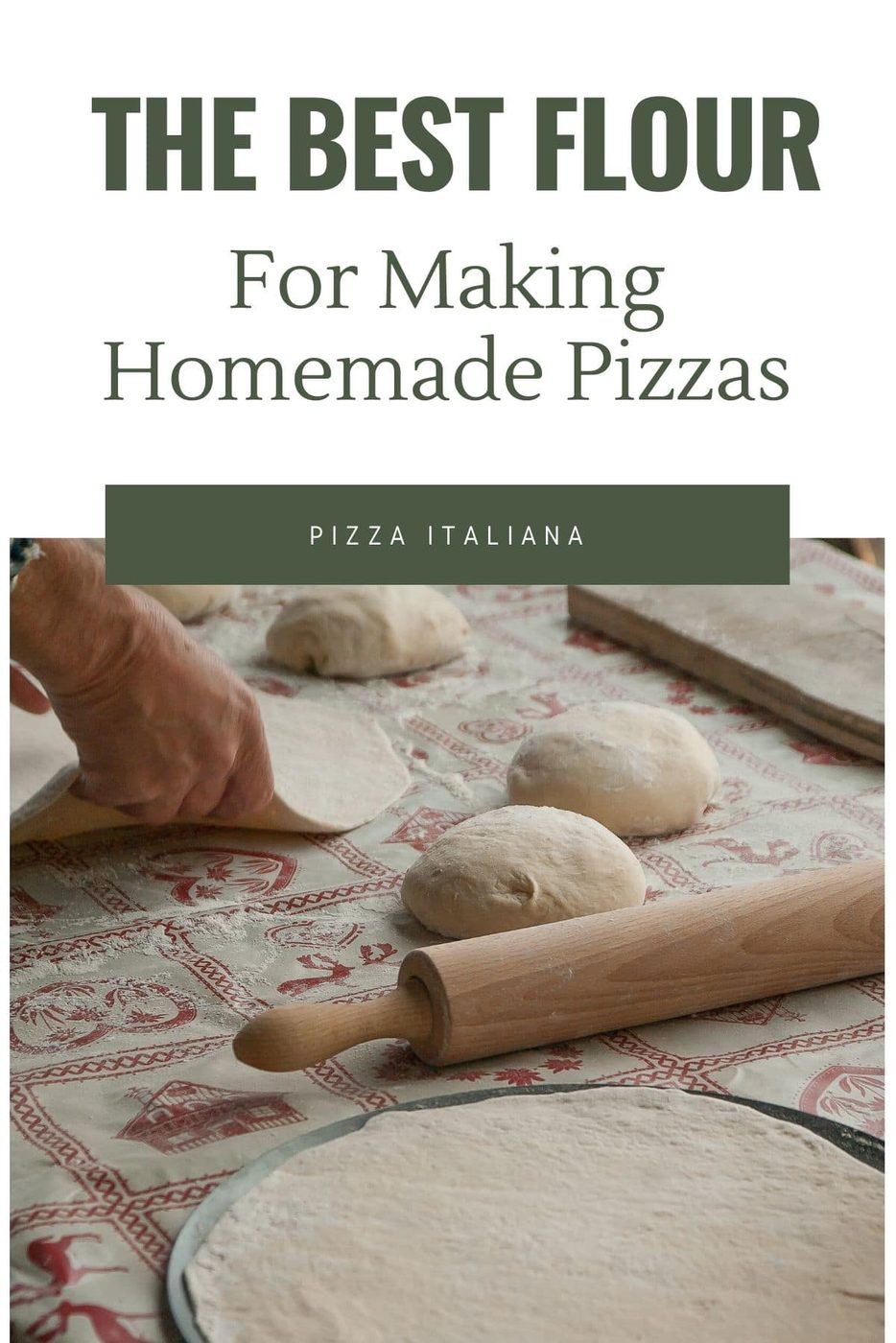
Tipo 00 is used as all-purpose flour in Italy so it's often the go-to flour for pizza, focaccia, pasta and cakes. It's a flour that we always have in our pantry and lots of it because we use it often. Although you could use all-purpose flour at a pinch it doesn't provide the same results.
In Italy, Tipo 0 (single zero) is used to make pizza but that's almost impossible to find outside of Italy. We use Tipo 00 for most Italian baking, focaccias and pizzas.
Semola Rimacinata
This is another flour that we always have stocked in our pantry. Not only can it be used to make pasta (semola and water is all you need) it's also useful for homemade pizza making which is a weekly occurrence in our house.
If you don't make pizzas often you probably don't need to keep this stocked but if you do it's a game changer.
Semola Rimacinata is finely ground semolina which has the texture of flour slightly more grainy. Use this to dust your pizza trays or pizza peel to make sliding your pizzas in and out of the oven so much easier.
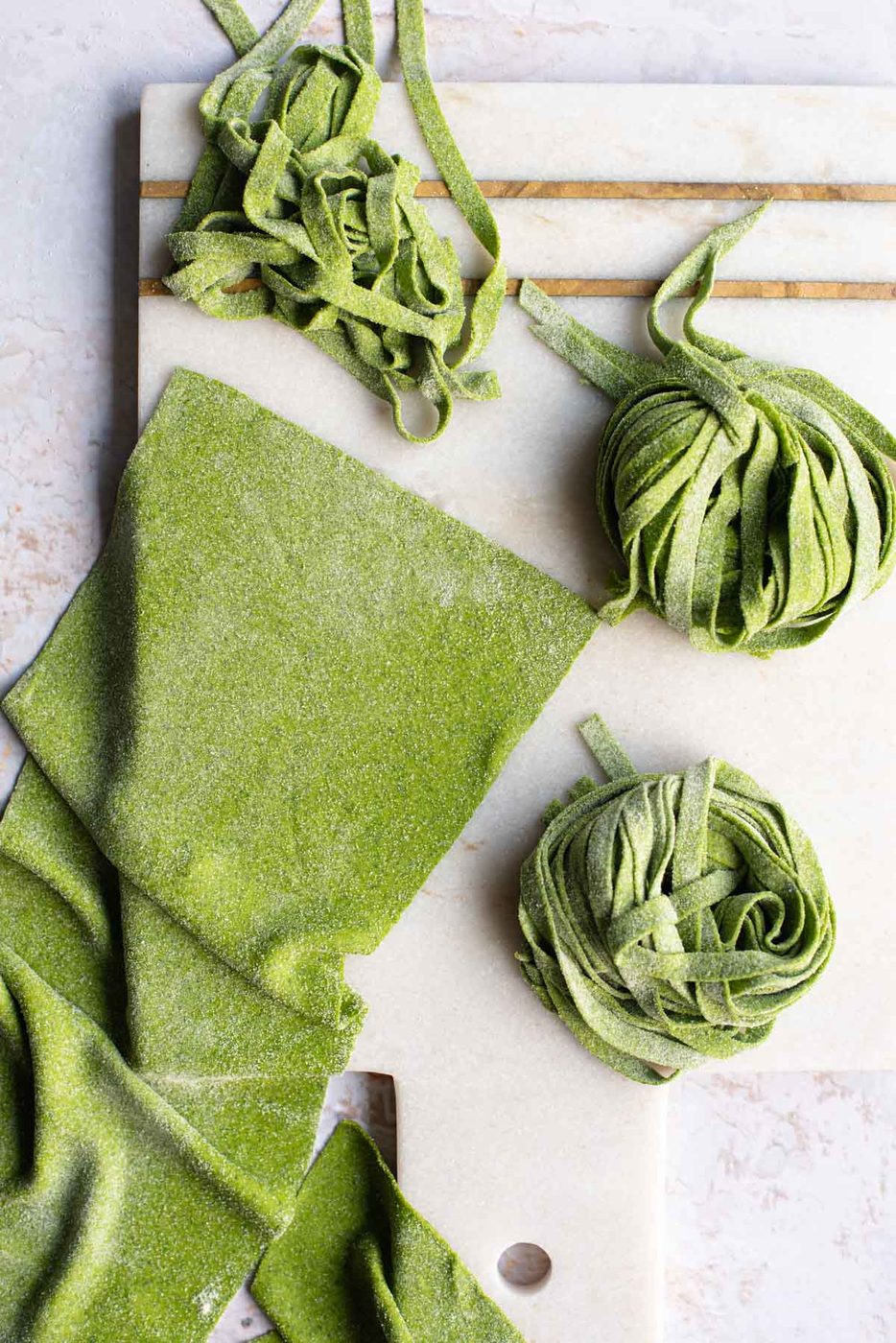
If you find homemade pasta making daunting then using Semola Rimacinata is the way to go. You can either use it on its own with water or mix it with Italian 00 flour.
It gives that pasta a lot of structure and is unbelievably easy to work with. It's great for making cavatelli, gnocchetti sardi and so much more.
Rice
Risotto rice is extremely handy to have stocked in your pantry. This could be arborio, carnaroli or Valone nano rice, the three classic risotto rice varieties.
Risotto is a filling, hearty and good meal with endless flavour combinations that you can whip up when you don't have much to hand.
See our risotto recipe category for some inspiration and risotto cooking tips!
Potatoes and/or Polenta
If you love polenta and eat it often it's a handy pantry item to keep stocked. You can use quick-cook polenta or regular polenta (40 minutes cooking time) mixed with milk and lots of butter and cheese for an good side dish.
We say and/or potatoes because we use potatoes way more often as a side dish than we do polenta.
They can be used to make pillowy soft homemade gnocchiItalian roast potatoespasta sauces (yep it's a thing) and the most good side dishes and salads such as Patate alla Lucana and Insalata Pantesca.
Wine (Vino)
Wine is used a lot in Italian cooking and in our recipes (both red and white). It's used to deglaze the pan and add flavour to meat dishes, make risotto, add to pasta sauces and so on.
We don't use expensive wine for cooking unless it is for a special dish like Brasato al Barolo and that's on a rare, special occasion. The wine we use for everyday dishes is always wine that we will drink. We have never actually used cooking wine before but we know it would be awful.
Here's a list of some of our go-to Italian wines.
White
- Pecorino
- Pinot Grigio
- Vermentino
- Falanghina
- Grillo
Red
- Barbera d'Asti
- Nero d'Avola
- Nero di Troia
- Barbera d'Alba
- Sangiovese
- Chianti
- Morellino di Scansano
Vinegars
We have both red and white wine vinegar stocked as well as balsamic. We like to use them for salad dressing mainly but have to admit we don't use them often so they last for a long time. Tip for buying good quality balsamic – the bottle should be small (like a perfume bottle), have Aceto Balsamico di Modena written on it and the texture should be thick and not watery and thin.
Gli Odori
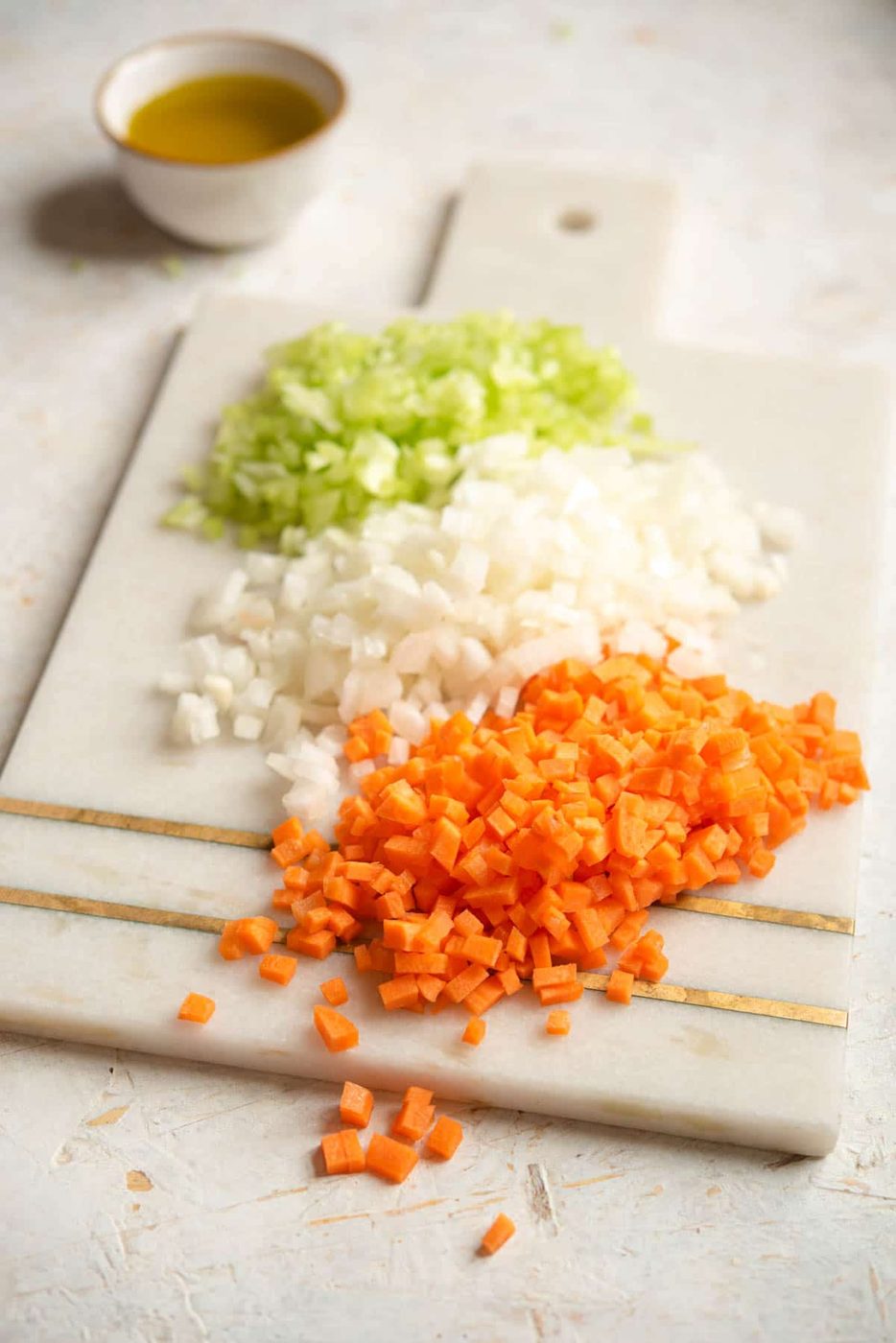
Carrot, celery and onion are known as 'il soffritto' or 'gli odori' in Italy. Finely chopped and sauteed slowly (10-15 minutes) until soft but not browned will add an good depth of flavour to all kinds of dishes.
Pasta sauces, ragus, stews, soups you name it, this is how you build flavour.
In Italy you'll find 'Gli Odori' bundled together in supermarkets and food markets. Carrot, celery, red or brown onion and fresh parsley. You'll sometimes also see fresh garlic and rosemary or bay leaf in there too.
Garlic
Garlic is often used sparingly in dishes, 1 clove is the norm and often it's kept whole and then removed at the end or after flavouring the oil. Of course, there are exceptions when a lot of garlic is used such as Bagna Cauda.
We have never seen garlic powder used in Italy and we never use it. This also goes for onion powder which to us has a fake, overpowering flavour and is nothing like using the fresh ingredient.
Herbs and Spices
We use a limited amount of dried herbs and spices and a lot of fresh. Here's a break down of what we keeps stocked.
Dried herbs and spices
Dried oregano
Look for Italian oregano that's been dried in bunches. It's usually from Sicily and has an good amount of flavour (the smell is also beautiful).
We use oregano in a lot of tomato sauce or to season meat such as chicken or pork.
Chilli flakes (Peperoncino) – chilli flakes are a great thing to have stocked in your pantry and they feature in a lot of Italian dishes. If you feel like adding a little heat to a dish you can throw them in.
Fennel seeds
We love fennel seeds and we're never without them. You'll often find fennel seeds added to Italian sausages or salami like Finnochiona (our favourite salami it's so good). They are good in pasta sauces or on roast meats.
That's it for our dried herbs and spices (no dried onion or garlic powder is ever used).
Fresh herbs and spices
Fresh chili
We don't have this stocked in our kitchen/pantry every day but it's something that's used often in Italian cuisine. If we buy fresh chilli for a dish like Pasta all'Arrabiata We'll freeze leftover chillies that we don't need.
Fresh herbs
Basil, parsley, sage, bay leaf (can also be dried). Basil is the main fresh herb we keep stocked but it's so versatile and homemade basil pesto is a go-to over pasta when time is short.
Other store cupboard ingredients
- Brodo – chicken, veg and beef stock. We keep all three stocked for various dishes and always go for a low-sodium stock. Remember you can always add salt but can't take it away and we find regular stock pots to be overly salted.
- Anchovies – melt 2-3 anchovies in oil with some garlic to make pasta sauce, add them to pizza, focaccia, on bread with butter (if you've not tried this you need to).
- Capers – another ingredient that packs a tonne of flavour. We love adding capers to sauces, pizza and salads. We tend to use capers in brine because they are easier to find for us and can be used straight from the jar.
- Olives – again these are good added to pasta, pizza, main dishes like carne alla pizzaiola or salads.
- Beans and pluses – Our go-to stock for these are jars of cannellini beans, chickpeas and lentils which are so quick and easy to add to soups, stews, sauces, salads etc.
- Sundried tomatoes – jarred in oil these are such a handy ingredient to have stocked. Use them to make an good sun-dried tomato pesto to toss through pasta or on crostini. They are also fantastic chopped up and added to pasta sauces or salads.
- Dried porcini mushrooms – these add good umami flavour to ragus, soups and sauces.
- Breadcrumbs (Pangrattato) – Italian breadcrumbs are fine unseasoned breadcrumbs and are used to bread meat, vegetables, arancini and so much more. These are so handy to have stocked in your pantry for when you need them.
- Yeast – we love to have instant yeast stored in our pantry so we can make breads, focaccia and pizzas (a weekly occurrence in our house). We're currently experimenting with sourdough starters so usually have a starter on the go too.
- Coffee – an absolute necessity in our house and we guarantee it's in almost every Italian house in Italy. We love to use Lavazza 100% arabica Espresso coffee for our coffee machine and use it to make cappuccinos in the morning and espresso in the afternoon. It's also used to make good desserts like Tiramisu!