
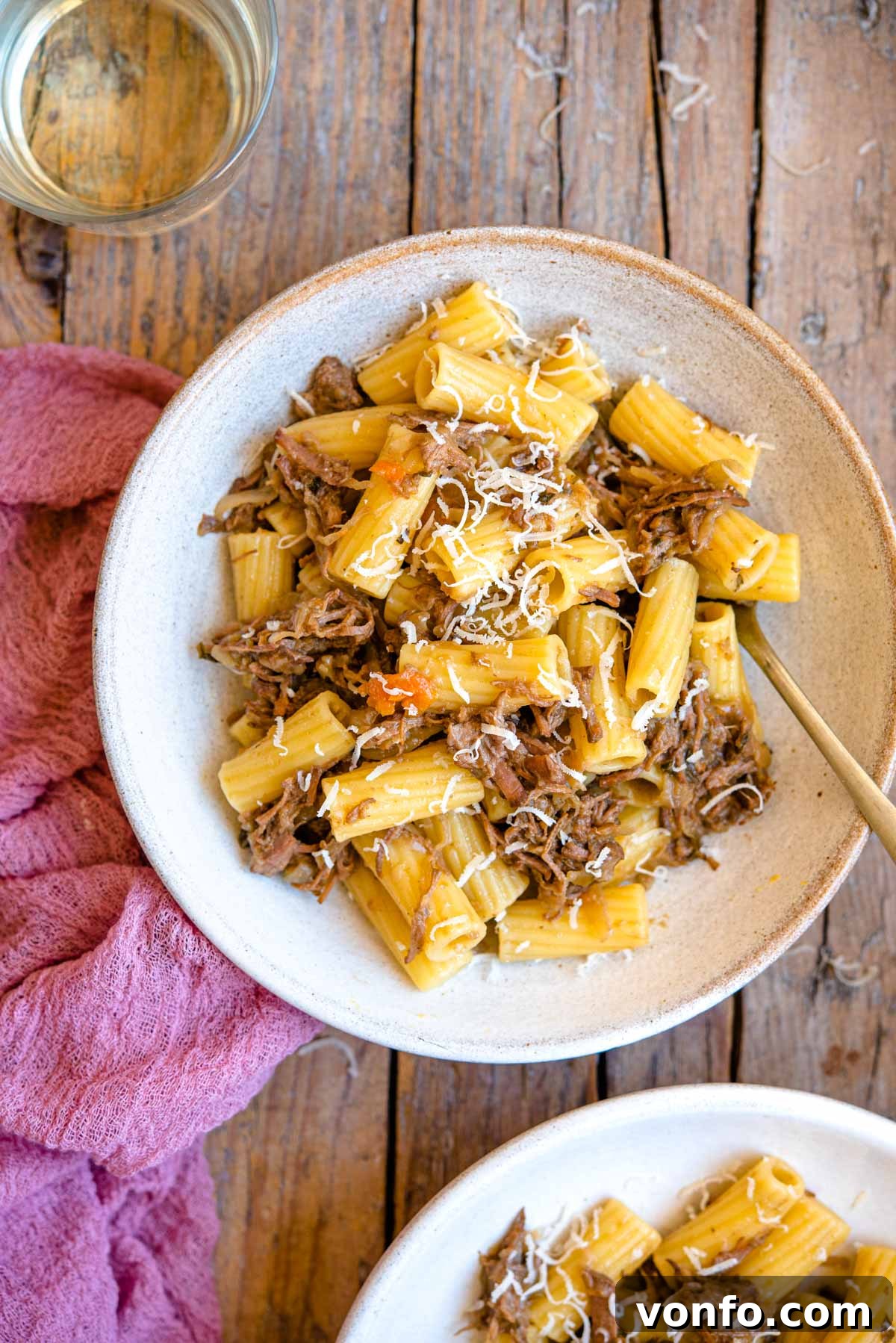
Genovese Sauce, also known as La Genovese Napoletana, is a truly remarkable and deeply flavorful pasta sauce that hails from Naples, Italy. This iconic Neapolitan ragu stands out with its incredibly rich texture and profound taste, achieved through the slow, gentle cooking of a generous amount of onions, tender beef, and a touch of white wine. While the preparation demands patience as it simmers to perfection, the actual hands-on effort is surprisingly minimal, making it an accessible yet gourmet dish for any home cook. Its luscious consistency and complex flavor profile promise a pasta experience unlike any other you’ve tasted.
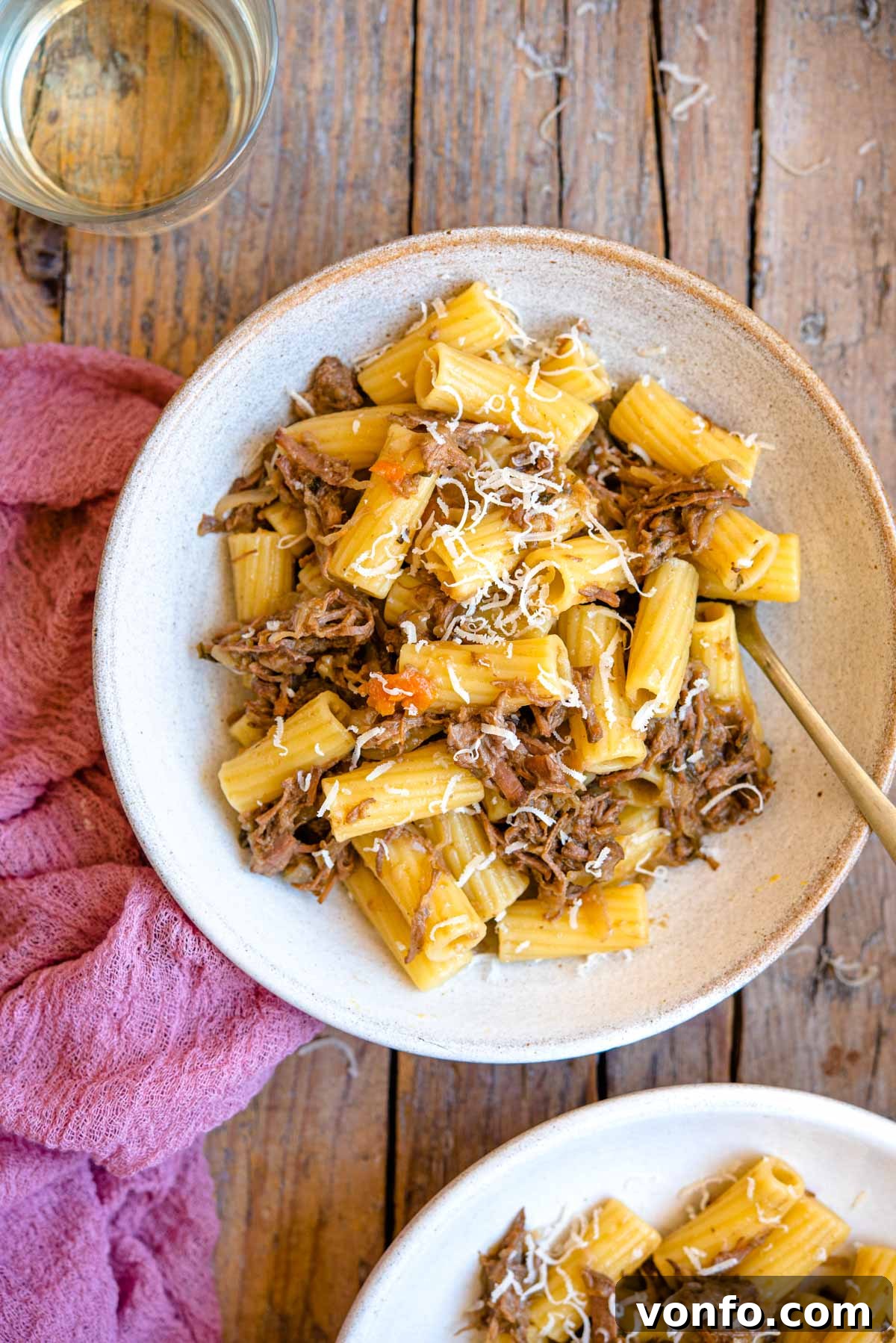
Genovese Sauce (La Genovese Napoletana): The Ultimate Slow-Cooked Onion & Beef Ragu
Dive into the heart of Neapolitan cuisine with Genovese Sauce, a culinary masterpiece that transforms simple ingredients into an extraordinary dining experience. This traditional Italian ragu, famous for its sweet, meltingly tender onions and succulent beef, is a testament to the power of slow cooking. Despite its name, which suggests an origin in Genoa, this beloved sauce is a proud staple of Naples, offering a unique flavor profile that sets it apart from other Italian pasta sauces. Prepare to embark on a culinary journey that will fill your kitchen with irresistible aromas and your plate with a truly authentic taste of Italy.
The Mysterious Origins of Genovese Sauce from Naples
The name “Genovese Sauce” is undeniably misleading, sparking curiosity and confusion among those unfamiliar with Italian culinary geography. One might naturally assume this exquisite sauce originated in Genoa, a prominent city in the Liguria region of Italy. However, contrary to what its name implies, La Genovese is unequivocally a signature dish of Naples, the vibrant capital of Campania, a region celebrated for its rich and diverse culinary traditions.
The true story behind its peculiar name is shrouded in historical whispers and delightful legends, adding an intriguing layer to its heritage. Some culinary historians propose that Genovese sailors, who frequently docked in the bustling port of Naples during the Renaissance period, introduced a similar onion-based stew to the local culture. These early influences might have been adapted and perfected by Neapolitan cooks, leading to the dish we know today. Others suggest the sauce was refined by a talented chef from Genoa who settled in Naples, skillfully blending his regional cooking style with local ingredients and tastes. What makes this culinary tale even more intriguing is the fact that a dish bearing the exact name “Genovese Sauce” does not, in fact, exist in Genoa itself. This historical paradox only adds to the allure and mystique of this remarkable Neapolitan creation, emphasizing its unique place in Italian gastronomy.
Regardless of its enigmatic past, what remains undeniable is the exceptional taste and profound historical significance of this ragu. It stands as one of Italy’s best-kept culinary secrets, a hidden gem rarely found on restaurant menus outside the Campania region. While you might struggle to spot it on a typical Italian restaurant menu in other parts of the country or abroad, experiencing it firsthand in Naples or recreating it in your own kitchen is a true culinary revelation. Once you taste its incredible depth, its natural sweetness from the perfectly caramelized onions, and the melting tenderness of the beef, it will undoubtedly become a cherished favorite, a dish you’ll eagerly prepare time and time again for its comforting and sophisticated flavors.
Quick Tip: If you’re looking for an authentic pesto pasta sauce that genuinely originates from Genoa, be sure to explore our delicious Basil Pesto Recipe for a taste of Ligurian tradition.
Key Ingredients for an Unforgettable Genovese Sauce
The magic of Genovese Sauce lies in the quality and meticulous preparation of its core ingredients. While deceptively simple in composition, each component plays a crucial role in developing the sauce’s signature nuanced flavor and luxurious, velvety texture.
Onions: The Heart of the Sauce
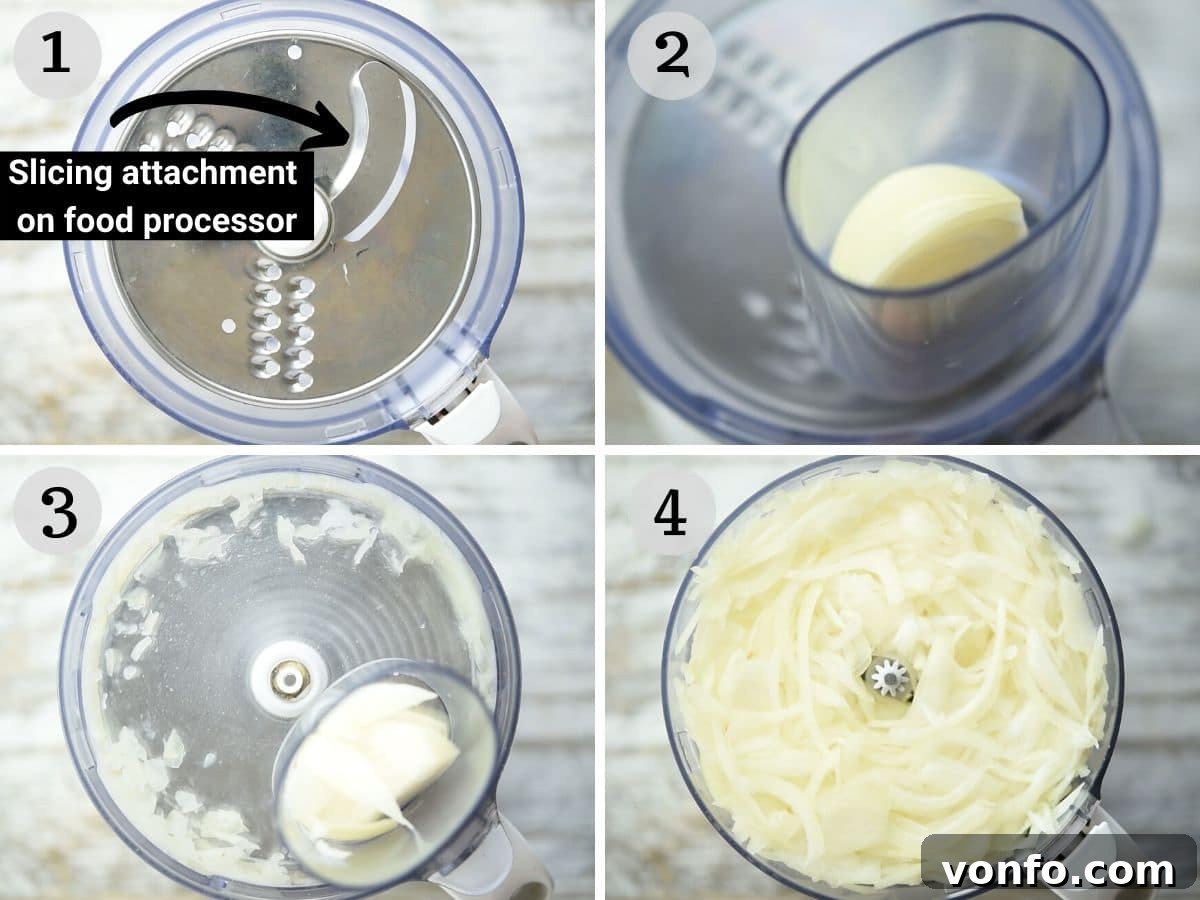
This recipe calls for a truly substantial amount of onions – far more than you’d typically find in a conventional traditional Italian ragu. We recommend using 1 kilogram (approximately 4 large) yellow onions. These aren’t merely an aromatic base; they are the very foundation and body of the sauce, undergoing a magical transformation as they slowly melt down over hours into a sweet, glossy, and incredibly rich consistency that forms the bulk of the ragu. The key to their metamorphosis is thin, uniform slicing, not rough chopping. Uniform, fine slices ensure that the onions cook down evenly and dissolve beautifully into the sauce, rather than remaining as distinct, chewy pieces. While slicing a kilo of onions by hand offers precision, it can be time-consuming and sometimes tear-inducing! For efficiency and perfectly consistent slices, consider utilizing a food processor equipped with a slicing attachment. This method not only speeds up the preparation but also spares your eyes. Just remember to use the slicing blade for delicate, fine strips, and avoid the shredding attachment, which would yield an undesirable texture.
Mirepoix: Carrot and Celery
A small but mighty addition to the flavor base is a classic Italian mirepoix, or soffritto. You’ll need just 1 finely chopped carrot and 1 finely chopped celery stalk. These humble vegetables contribute a subtle layer of sweetness and earthy notes that perfectly complement the onions and beef without ever overpowering their primary flavors. It’s crucial not to be tempted to add extra carrots beyond the recommended amount, as this can introduce excessive sweetness that would detract from the savory depth and balance that defines authentic Genovese sauce.
Beef: For Tenderness and Flavor
For this magnificent slow-cooked ragu, selecting the right cut of beef is paramount for achieving unparalleled tenderness and infusing the sauce with rich, savory flavors. We recommend using a whole piece or a few medium-sized chunks of stewing beef, such as beef chuck roast, gravy beef, or short rib. These cuts, while initially tough due to their high collagen and connective tissue content, break down beautifully during long, slow cooking. They become incredibly succulent, meltingly tender, and impart a profound meaty essence to the sauce, creating a truly satisfying experience. The initial decision of keeping the beef whole or cutting it into chunks offers delightful versatility in how you ultimately choose to serve this magnificent sauce, as detailed in our comprehensive serving suggestions below.
White Wine: A Touch of Acidity and Depth
A modest ½ cup (120ml) of good quality dry white wine is introduced towards the final stages of cooking, specifically once the pot is uncovered. This seemingly small addition serves several crucial purposes: it effectively deglazes the pot, lifting any precious caramelized bits from the bottom to add an extra layer of depth and complexity, and its crisp acidity brightens the rich sauce, perfectly balancing the inherent sweetness derived from the slow-cooked onions. Despite appearing to be a minimal amount of liquid for such a robust ragu, it’s precisely what’s needed. The onions themselves, in their large quantity, release a significant amount of natural liquid throughout the prolonged cooking process, which then reduces to create a naturally rich, thick, and creamy consistency without the necessity of additional broth or water. The resulting sauce is remarkably glossy, full-bodied, and deeply satisfying, a true testament to the transformative power of its well-chosen ingredients.
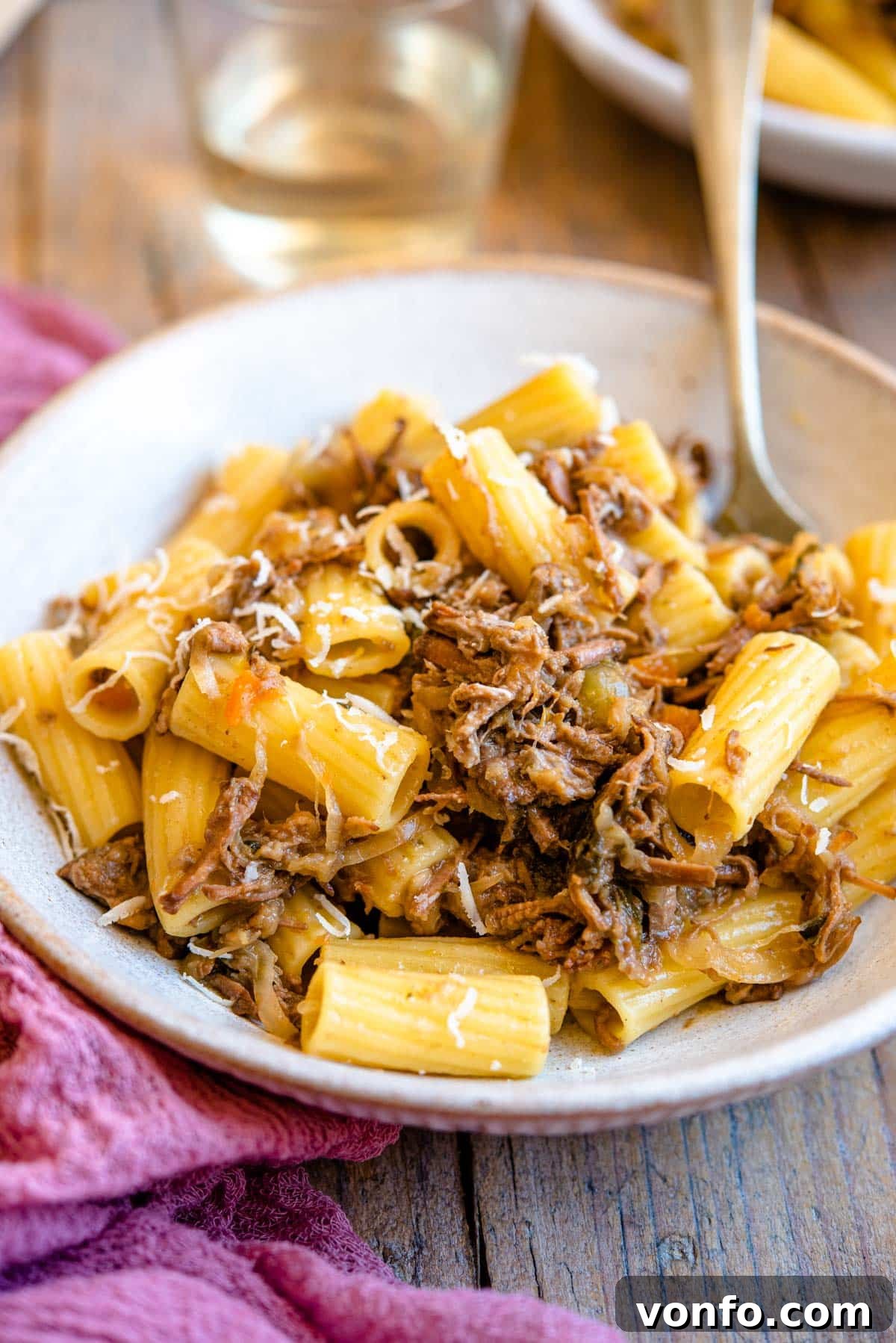
How to Make Authentic Genovese Sauce – A Step-by-Step Guide
Creating authentic Genovese Sauce is a true labor of love, but one that rewards your patience with an unparalleled depth of flavor and a rich culinary experience. Follow these detailed steps to prepare this iconic Neapolitan classic in your kitchen.
Step 1: Prepare the Onions and Aromatics
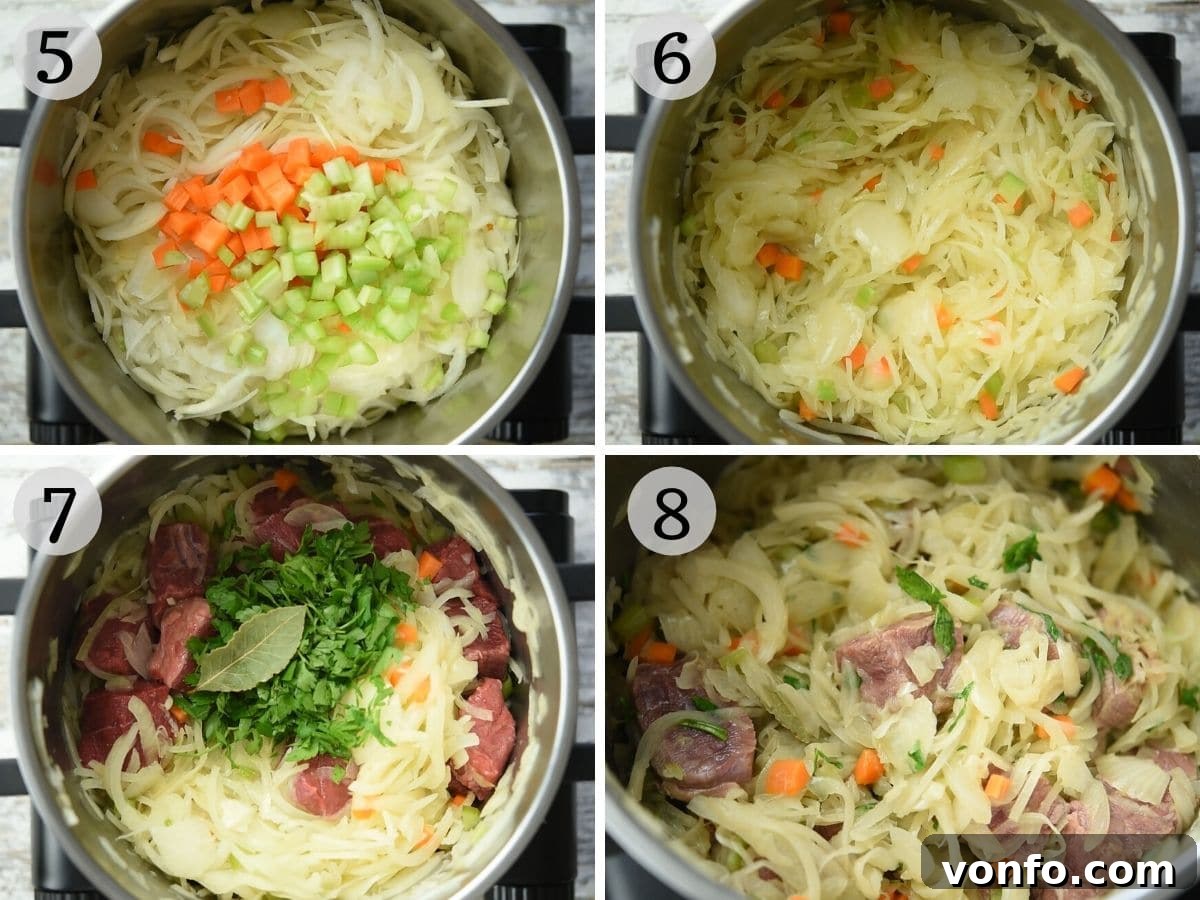
Begin by meticulously preparing your vegetables. The most crucial step here is the onion slicing; thin, uniform slices are absolutely paramount for the sauce’s texture. You can achieve this by hand, carefully cutting each onion into fine crescents, or more efficiently using a food processor with a slicing attachment for consistent results. Finely chop the single carrot and celery stalk. Lastly, generously season your beef (whether a whole piece or chunks) on all sides with salt and freshly ground black pepper.
Step 2: Sauté the Onions and Brown the Beef
Heat 1-2 tablespoons of high-quality extra virgin olive oil in a large, heavy-bottomed pot or Dutch oven over a medium-low heat. Add the thinly sliced onions, chopped carrot, and celery. Sauté these aromatics gently for about 10 minutes, ensuring the heat remains low enough that the onions soften and become translucent without browning. It’s vital to prevent them from caramelizing too quickly, as this would alter the desired delicate sweetness of the final sauce. Once the onions have softened, push them aside slightly within the pot and add the seasoned beef (whole or chunks), along with the bay leaf and fresh parsley. Allow the beef to brown thoroughly on all sides for a few minutes. This searing step is crucial for developing a rich, savory crust and locking in its magnificent flavor, contributing significantly to the ragu’s depth.
Step 3: The Slow Simmer – First Phase
Once the beef is beautifully browned, cover the pot tightly with a lid and reduce the heat to a very low setting. Let the sauce slowly simmer undisturbed for a full 3 hours. During this extensive period, the vast quantity of onions will gradually break down, releasing their moisture and inherent sweetness, while the beef becomes incredibly tender, slowly yielding its collagen. It’s important to check and stir the contents every 30-45 minutes to prevent any sticking to the bottom of the pot and to ensure even cooking. Absolutely resist the urge to add any extra liquid during this phase, as the onions will provide ample natural moisture, which is essential for the sauce’s characteristic richness.
Step 4: Uncover, Add Wine, and Finish the Sauce
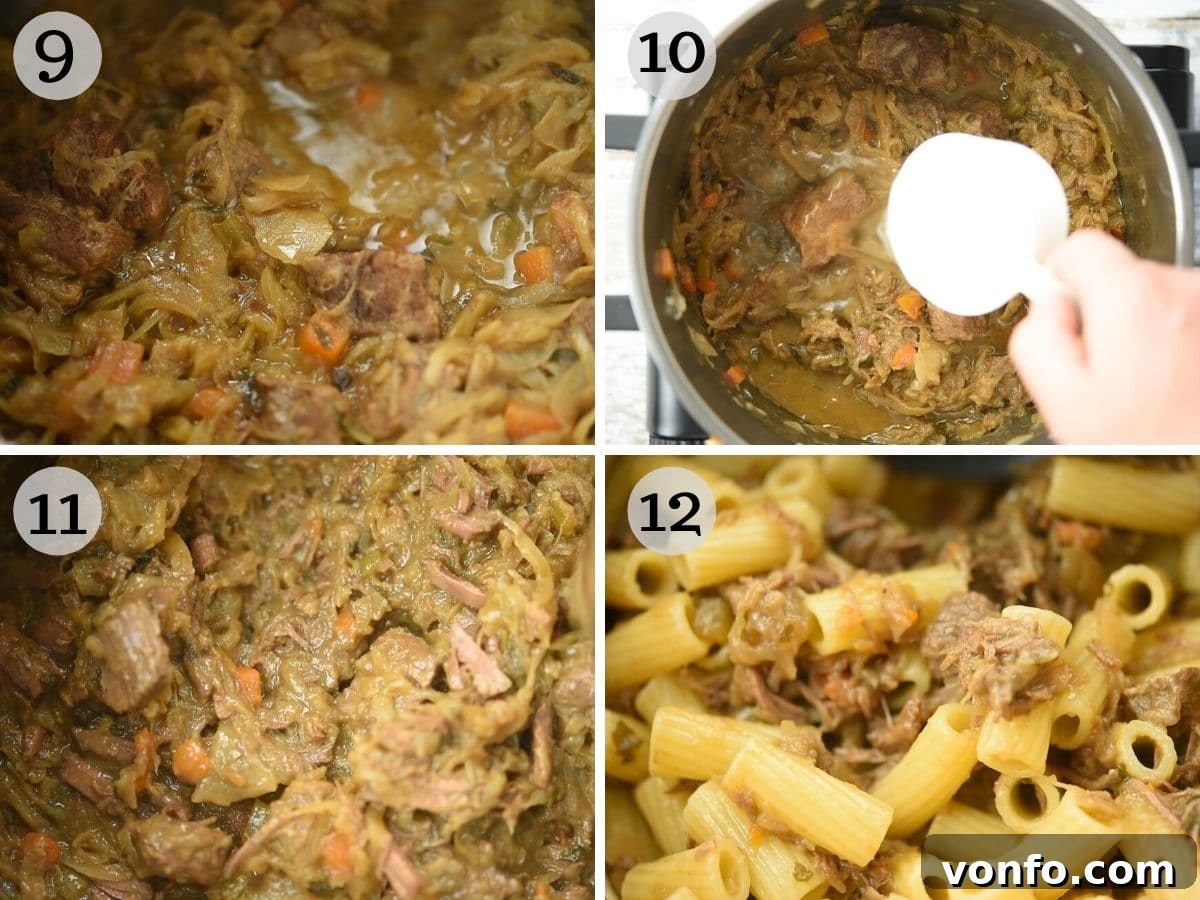
After the initial 3 hours of covered simmering, remove the lid from the pot. Add the ½ cup of dry white wine to the sauce, stirring gently to incorporate it fully. Continue to simmer the ragu, now uncovered, for another hour on medium-low heat. This crucial final hour allows the wine to cook down and evaporate, melding its nuanced flavors with the rich onion and beef base. Simultaneously, the sauce will thicken further, reducing to achieve its characteristic glossy, concentrated, and perfectly emulsified consistency. The incredible aromas filling your kitchen at this point will be simply irresistible!
Step 5: Cook Pasta and Serve
Once your Genovese sauce has achieved its desired richness, thickness, and glossy consistency, taste it and adjust the seasoning with additional salt and freshly ground black pepper if needed. Meanwhile, bring a large pot of salted water to a rolling boil and cook your preferred pasta shape according to package instructions until al dente. Traditional choices for Genovese sauce include robust pasta shapes like rigatoni, ziti, paccheri, or even a broad pappardelle, whose large, tubular or wide surfaces are perfect for capturing and holding the thick, luxurious sauce. Drain the pasta, reserving a small amount (about ½ cup) of the starchy pasta water. Transfer the drained pasta directly to the pot with the Genovese sauce. Toss everything thoroughly, adding a splash or two of the reserved pasta water if needed to create a perfectly emulsified, glossy coating that clings beautifully to every piece of pasta. Serve immediately, garnished generously with freshly grated Parmesan or Pecorino Romano cheese.
Serving Suggestions: Two Delicious Traditions
One of the beautiful aspects of Genovese Sauce is its versatility in serving, offering two distinct and equally delightful ways to enjoy this magnificent Neapolitan classic. Both methods highlight the exquisite flavors developed through slow cooking.
Option 1: Beef Shredded into the Sauce (A Complete Pasta Ragu)
In this popular and often preferred method, the beef is cooked until it is so incredibly tender that it effortlessly falls apart and integrates into the rich, sweet onion sauce. This approach results in a hearty, complete, and utterly satisfying pasta ragu where the succulent beef fibers become an integral textural component, intensifying the overall flavor profile of the sauce. When serving, simply toss the freshly cooked pasta directly with this incredible sauce, ensuring every strand and crevice is coated in its savory, glossy goodness. Garnish with a sprinkle of fresh parsley and a generous grating of Pecorino Romano or Parmesan cheese for an added layer of flavor.
Option 2: Beef as a Second Course (Primo e Secondo)
For a truly traditional Italian dining experience, particularly common in Naples and throughout Italy, Genovese sauce is often served in two distinct courses – a primo piatto (first course of pasta) followed by a secondo piatto (main course of meat). To follow this elegant tradition:
- Begin by browning a whole piece of beef (such as a chuck roast or a substantial beef shank) at the very start of the recipe, ensuring a beautiful sear on all sides.
- Once the initial 3 hours of covered cooking are complete and the whole beef piece is fork-tender, carefully remove it from the pot and set it aside to keep warm.
- Continue cooking the concentrated onion sauce, uncovered, with the white wine for the final hour as directed in the recipe. This ensures the sauce reaches its peak flavor and texture.
- Serve the rich onion pasta sauce as your exquisite primo piatto, tossed with your chosen pasta shape.
- For the secondo piatto, slice the tender, succulent beef into generous portions. Serve these magnificent slices alongside some of the intensely flavored, concentrated onion sauce that has cooked down, creating a magnificent and flavorful main course.
This traditional approach allows you to appreciate the nuanced, complex flavors of the pasta sauce and the exquisite tenderness of the beef independently, creating a multi-faceted culinary experience. Perfect accompaniments (Contorni) for the beef secondo include classic Italian sides such as Italian roasted potatoes, vibrant green beans in a light tomato sauce, or simply sautéed leafy greens like spinach or escarole. The combination makes for a truly grand, authentic, and unforgettable Italian meal, perfect for special occasions or a leisurely Sunday lunch.
Expert Tips for a Perfect Genovese Sauce
- Patience is Key: While the sauce cooks for a long time, it’s largely hands-off. The most important aspect is to maintain a consistent medium-low heat and stir occasionally (every 30-45 minutes) to ensure the onions don’t stick to the bottom of the pot. Do not rush the process; the slow, gentle cooking is what develops the unparalleled depth of flavor and the onions’ delicate sweetness.
- Resist Adding Extra Liquid: In the initial cooking stages, you might be tempted to add broth or water, especially given the large volume of onions. Don’t! The sheer quantity of onions will release plenty of natural liquid, which then reduces to create the thick, luscious sauce without any dilution or loss of flavor.
- Choose Your Pasta Wisely: Genovese sauce pairs beautifully with hearty, robust pasta shapes that can hold up to its rich, thick texture. Think rigatoni, ziti, paccheri, or even a broad, flat pappardelle. Ensure you toss the cooked pasta thoroughly with the sauce before serving to coat every piece evenly, allowing the pasta to absorb the sauce’s incredible flavors.
- Make Ahead & Freeze: Genovese sauce is an excellent make-ahead dish. In fact, its flavors often deepen and improve significantly the next day. Leftovers will keep perfectly in an airtight container in the fridge for 3-4 days. For longer storage, freeze individual portions in freezer-safe containers for up to 3 months. Thaw overnight in the refrigerator and gently reheat on the stovetop, adding a splash of water or broth if needed to loosen the sauce to your desired consistency.
- Fresh Ingredients Matter: While the recipe is deceptively simple, the quality of your ingredients significantly impacts the final taste. Always use fresh, firm onions, a good quality stewing beef cut, and a decent dry white wine that you would genuinely enjoy drinking. Fresh herbs also make a noticeable difference.
Explore More Italian Ragu Recipes
If you’ve fallen in love with the rich, slow-cooked flavors and comforting warmth of Genovese sauce, you might enjoy exploring other regional Italian ragu recipes that celebrate similar culinary traditions:
- Italian Beef Ragu – A Classic Recipe
- Venetian Duck Ragu with Pappardelle
- Pici and Tuscan Sausage Ragu
- Leftover Pulled Pork Ragu
We love hearing from you! If you tried this wonderful Genovese Sauce or any other recipes from our blog, please take a moment to leave a comment below and let us know how your culinary adventure turned out. Your feedback and experiences are incredibly valuable to us. You can also FOLLOW US on FACEBOOK, INSTAGRAM, and PINTEREST to discover more delicious food content, stay updated with our latest creations, and become part of our growing culinary community.
Genovese Sauce – La Genovese Napoletana
By Emily
10 mins
4 hrs
4 hrs 10 mins
6 – 8 servings
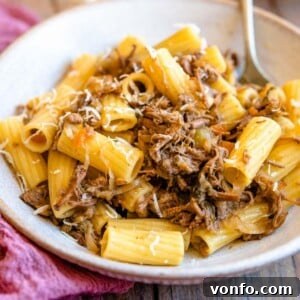
Genovese Sauce or La Genovese Napoletana is an incredibly delicious sauce made with a ton of slow cooked onions, beef and white wine. Although it takes time to simmer slowly into the most rich and luscious pasta sauce you’ll ever taste it doesn’t require much attention and is super simple to make!
Ingredients
- 4 large yellow onions, finely sliced (1 kg)
- 1 carrot, finely chopped
- 1 celery stick, finely chopped
- 1.3 lbs beef chuck roast or stewing beef, cut into medium-large chunks or left whole (600g)
- ½ cup white wine (120ml)
- 1 bay leaf
- ½ cup fresh parsley, roughly chopped (a small handful)
- 1-2 tbsp olive oil
- Salt and pepper, for seasoning
- Freshly grated Parmesan, for serving
Instructions
- Prepare all the vegetables (refer to notes on cutting the onions) and sprinkle the beef with salt and pepper.
- Add the olive oil to a large pot on a medium-low heat and add the onions, carrot, and celery. Sauté the onions for 10 minutes then add the beef, bay, and parsley.
- Let the beef brown on all sides, you’ll need to stir the mixture around slightly so the beef touches the bottom of the pot.
- Cover the pot and let it slowly cook for 3 hours, stirring every now and then to make sure it doesn’t stick.
- After 3 hours, remove the lid and add the white wine. Continue to simmer the ragu on a medium-low heat for another hour.
- Once done, taste and add more salt to taste then toss with cooked and drained pasta of choice.
Recipe Notes and Expert Tips
There are two primary ways to serve this sauce; one way is as directed above where the beef falls apart and becomes part of the sauce, or you can choose to keep the beef whole and serve that separately as a second course. For the second course option, follow these steps:
- Brown the whole piece of beef first on all sides then remove and set aside.
- Add the onions, carrot, and celery and sauté for 10 minutes.
- Add the beef back to the pot with herbs and cook covered for 3 hours, turning the beef halfway through.
- After 3 hours, remove the beef and keep warm.
- Add the wine to the onion mixture and cook uncovered for 1 hour, then serve the onion sauce with pasta.
- Slice the beef and serve as a second course with your choice of sides and a little onion sauce on top.
- Excellent side dishes include Italian roasted potatoes, green beans, or sautéed greens.
Additional Tips for Success:
- This sauce is largely self-sufficient after the initial preparation. The key is consistent medium-low heat and occasional stirring to prevent sticking.
- No extra liquid is needed in the initial phase; the onions will release ample moisture.
- Pair with any pasta shape you prefer, ensuring it’s thoroughly tossed with the sauce.
- Leftover sauce keeps well for 3-4 days in the fridge and freezes beautifully for up to 3 months.
Helpful Information for All Our Recipes
- We exclusively use extra virgin olive oil in all our recipes unless otherwise specified.
- For the best results and flavor, when using canned or jarred tomatoes, we always recommend Cirio or Mutti brands.
- All vegetables mentioned are typically medium-sized unless specified.
- All recipes are meticulously tested and developed using a fan (convection) oven.
- Discover more about how our nutrition information is calculated.
- Explore our essential Italian Pantry Staples.
- Find all our recommended Essential Kitchen Tools for Italian Cooking.
Nutrition Information (Approximate per serving)
Carbohydrates: 12g |
Protein: 23g |
Fat: 7g |
Saturated Fat: 2g |
Cholesterol: 61mg |
Sodium: 83mg |
Potassium: 609mg |
Fiber: 3g |
Sugar: 6g |
Vitamin A: 4015IU |
Vitamin C: 16mg |
Calcium: 60mg |
Iron: 3mg
Nutrition information is automatically calculated and should be used as an approximation only.
Did you try this recipe?
Leave a comment below!