
Authentic Homemade Ajvar: A Sweet and Smoky Spread Bridging Balkan and Italian Flavors
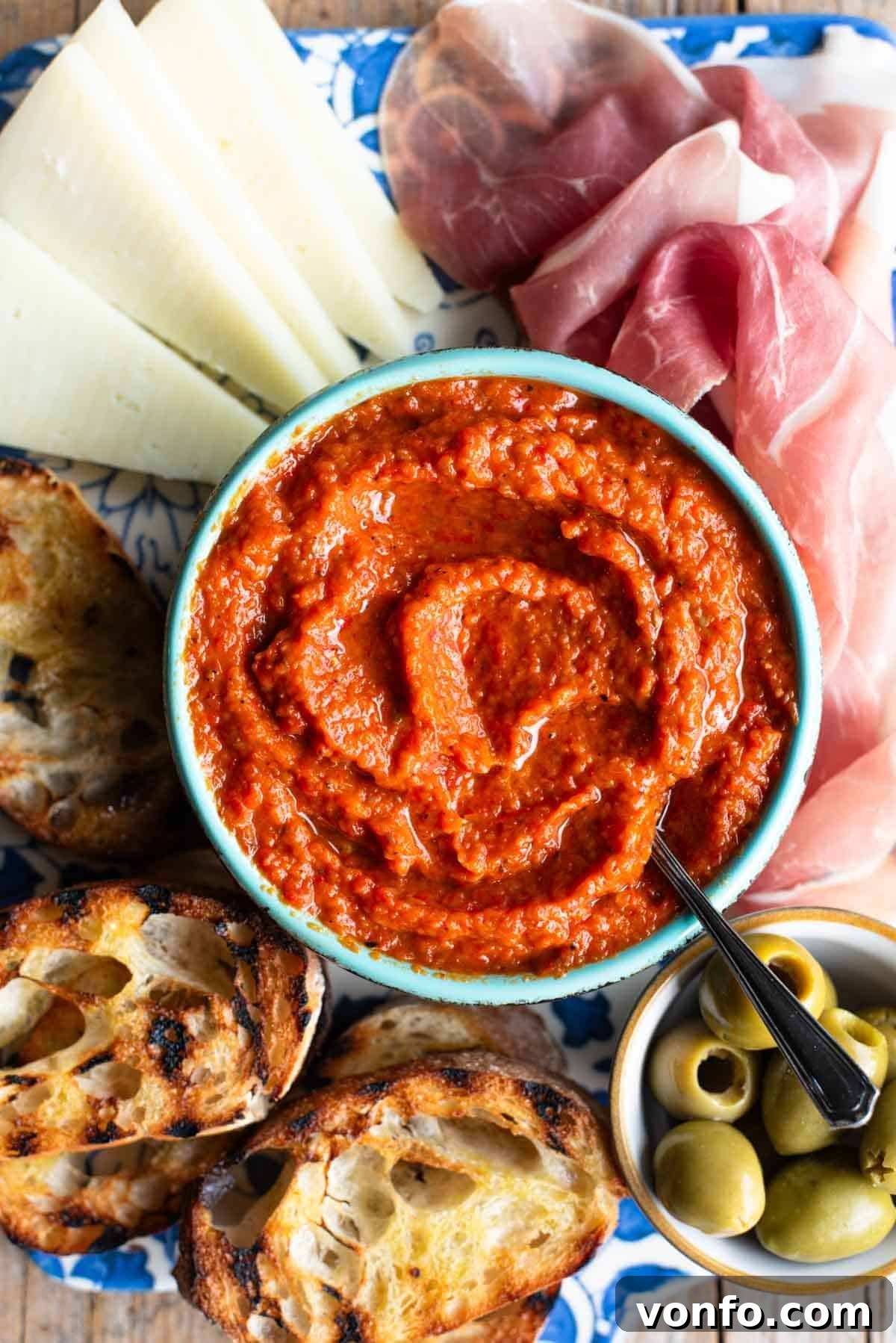
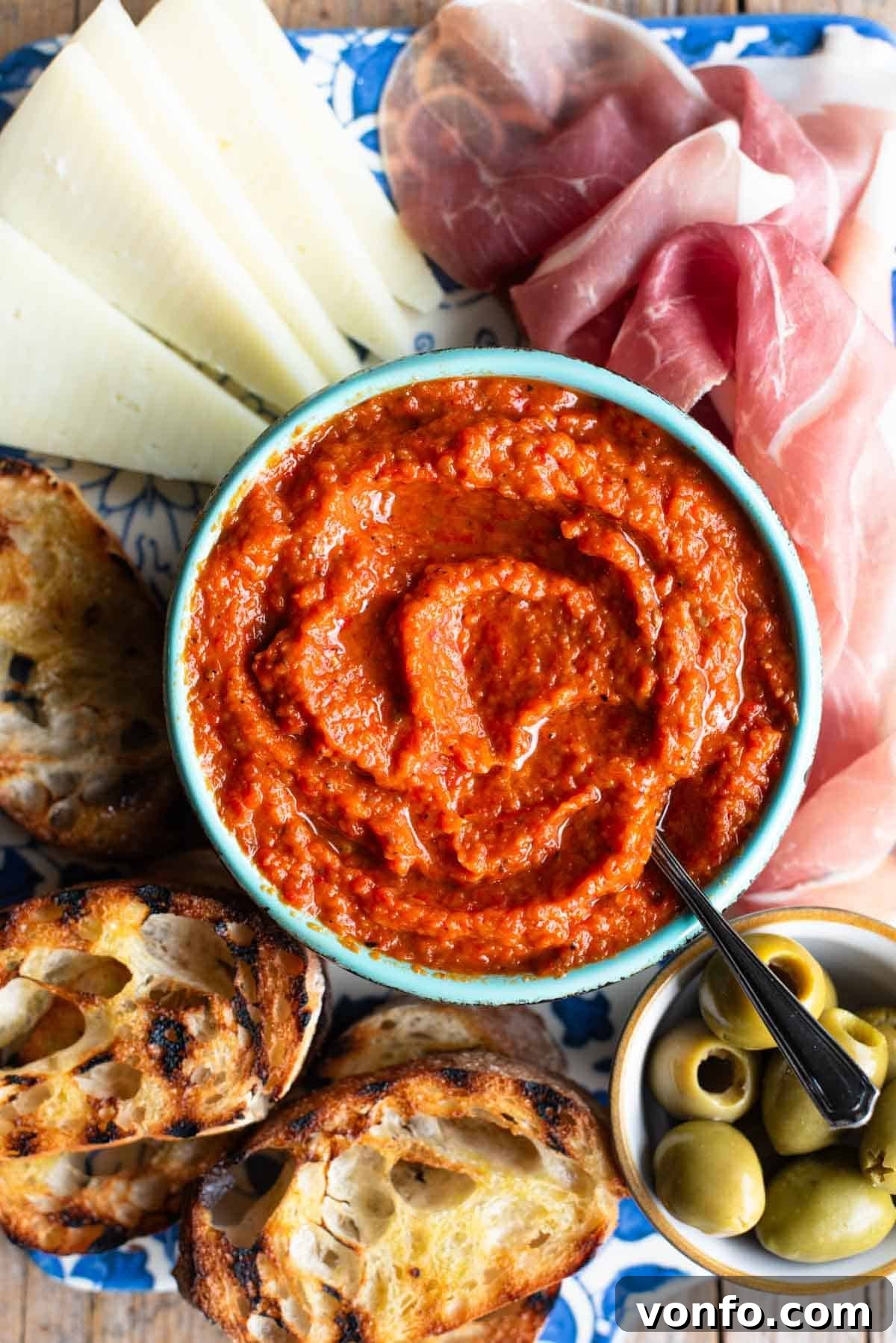
Delight your senses with Ajvar, a vibrant and utterly delicious condiment celebrated across the Balkans and deeply cherished in Italy’s northernmost region, Friuli-Venezia Giulia. This exquisite spread, crafted from expertly charred red peppers, tender eggplant, and fragrant garlic, boasts a uniquely sweet and smoky profile that makes it an unforgettable addition to any meal. Whether you serve it alongside succulent cured meats, an artisan cheese board, or sizzling sausages, Ajvar promises a culinary experience rich in tradition and flavor.
A Culinary Crossroads: Ajvar’s Presence in Friuli-Venezia Giulia
The picturesque region of Friuli-Venezia Giulia, nestled in Italy’s northeast, is a fascinating melting pot of cultures. Its culinary identity is profoundly shaped by the historical and geographical influences of its bordering neighbors: Austria, Slovenia, and Croatia. This unique position at the crossroads of Central Europe and the Mediterranean has gifted Friulian cuisine with a diverse range of flavors and traditions, making it distinctly different from many other Italian regions.
Within this rich tapestry of influences, Ajvar stands out as a beloved staple. While its true origins lie firmly in the heart of the Balkans, this versatile red pepper spread has found a welcoming home throughout Friuli-Venezia Giulia, seamlessly integrating into local kitchens and dining tables. Its presence here is a testament to the region’s openness to diverse culinary traditions and its appreciation for robust, comforting flavors.
The preparation of Ajvar involves a meticulous process of charring peppers and roasting eggplant, which unlocks their natural sweetness and imparts that characteristic smoky depth. These ingredients are then finely blitzed with garlic and a touch of white wine vinegar, creating a perfectly balanced condiment that is at once smoky, sweet, and savory. It’s more than just a dip; it’s a celebration of regional produce and time-honored cooking methods.
Ready to embark on this flavorful journey? Below you’ll find the full, step-by-step recipe, complete with essential notes on ingredients and expert tips to ensure your Ajvar is perfect every time. If you’re eager to explore more culinary treasures from Friuli-Venezia Giulia, we highly recommend trying our traditional Frico, a crispy cheese and potato dish, or our delectable Friulian Scallops Gratin.
Ingredients You’ll Need to Make Authentic Ajvar
Ingredient Notes and Expert Substitutions
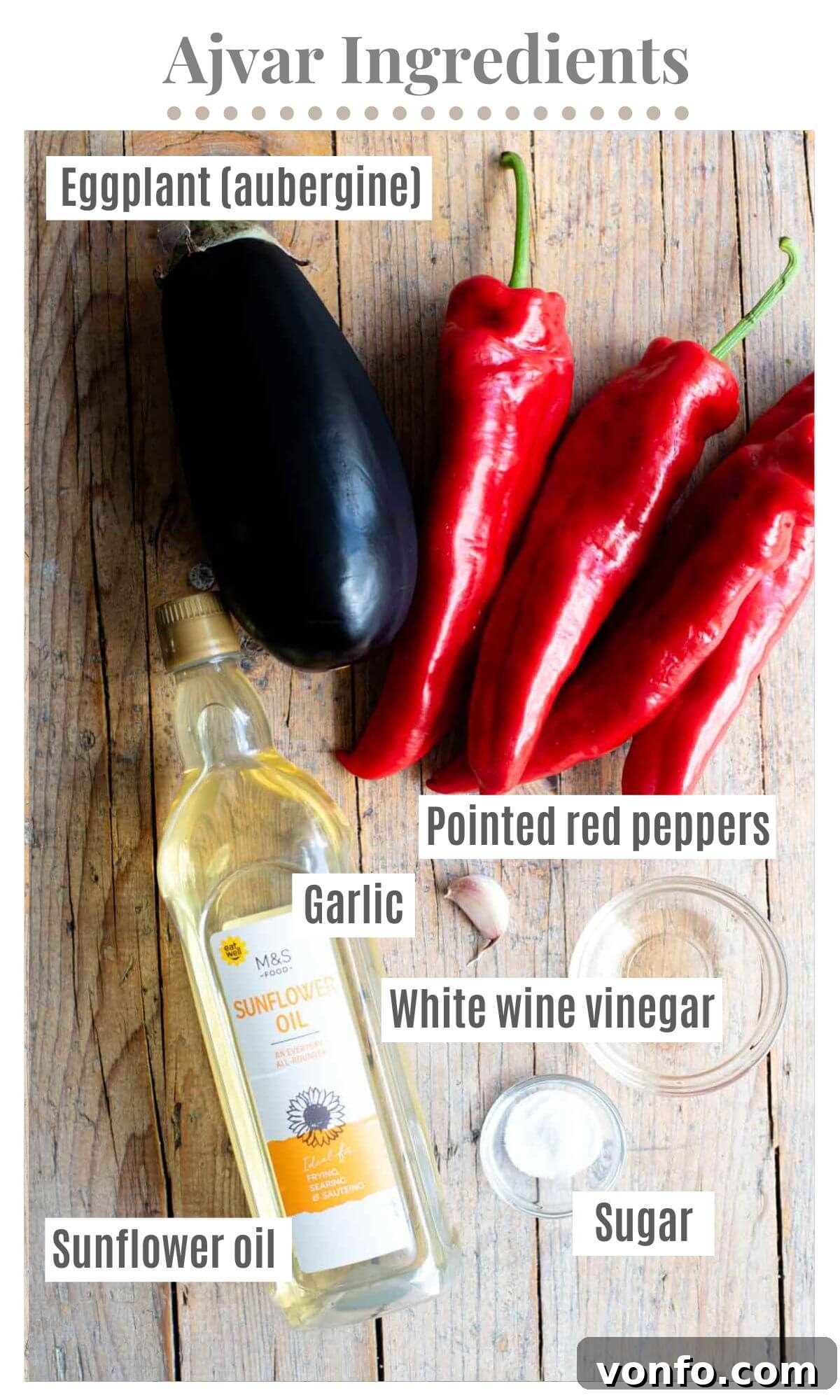
- Red Peppers: For the most authentic and flavorful Ajvar, we highly recommend using pointed peppers, also known as Romano peppers. Their elongated shape and thinner skin make them exceptionally easy to char and peel, which is a crucial step for achieving that signature smoky flavor and smooth texture. While regular bell peppers can be used as a substitute if Romano peppers are unavailable, be aware that their thicker skins may require a bit more effort and time during the charring and peeling process.
- Eggplant (Aubergine): You’ll need one large eggplant or two smaller ones to get the right amount of creamy flesh for the spread. When selecting eggplant, look for firm, plump varieties with smooth, glossy skins and no visible bruises or soft spots. A fresh eggplant will contribute significantly to the overall texture and richness of your Ajvar.
- Sunflower Oil: This recipe calls for sunflower oil due to its neutral flavor, which allows the vibrant taste of the peppers and eggplant to shine through without interference. If sunflower oil is not readily available, any other neutral-tasting oil, such as canola oil or light vegetable oil, can be used as a suitable substitute. Avoid strong-flavored oils like extra virgin olive oil for cooking the Ajvar itself, though it’s perfect for roasting the eggplant.
- Sugar and White Wine Vinegar: These two ingredients play a vital role in balancing the flavors of Ajvar, enhancing its natural sweetness and adding a pleasant tang. We suggest adhering to the quantities provided in our recipe as a starting point. However, feel free to adjust the measurements to your personal taste after the initial cooking, adding a little more sugar for sweetness or vinegar for acidity until you achieve your desired balance.
- Garlic: A single clove of garlic is typically enough to infuse the Ajvar with a subtle aromatic note without overpowering the main flavors. For a milder taste, you can roast the garlic along with the eggplant, which mellows its intensity. For a bolder flavor, you might consider adding a second small clove, or finely mincing it before adding to the food processor.
- Olive Oil: Used specifically for roasting the eggplant, a good quality olive oil helps tenderize the aubergine and adds a hint of fruity flavor during the initial cooking stage.
- Salt: Essential for seasoning, salt brings out and amplifies all the other flavors in the Ajvar. Start with a pinch as suggested and adjust to taste at the end.
Visual Walk-Through: Your Step-by-Step Guide to Crafting Ajvar
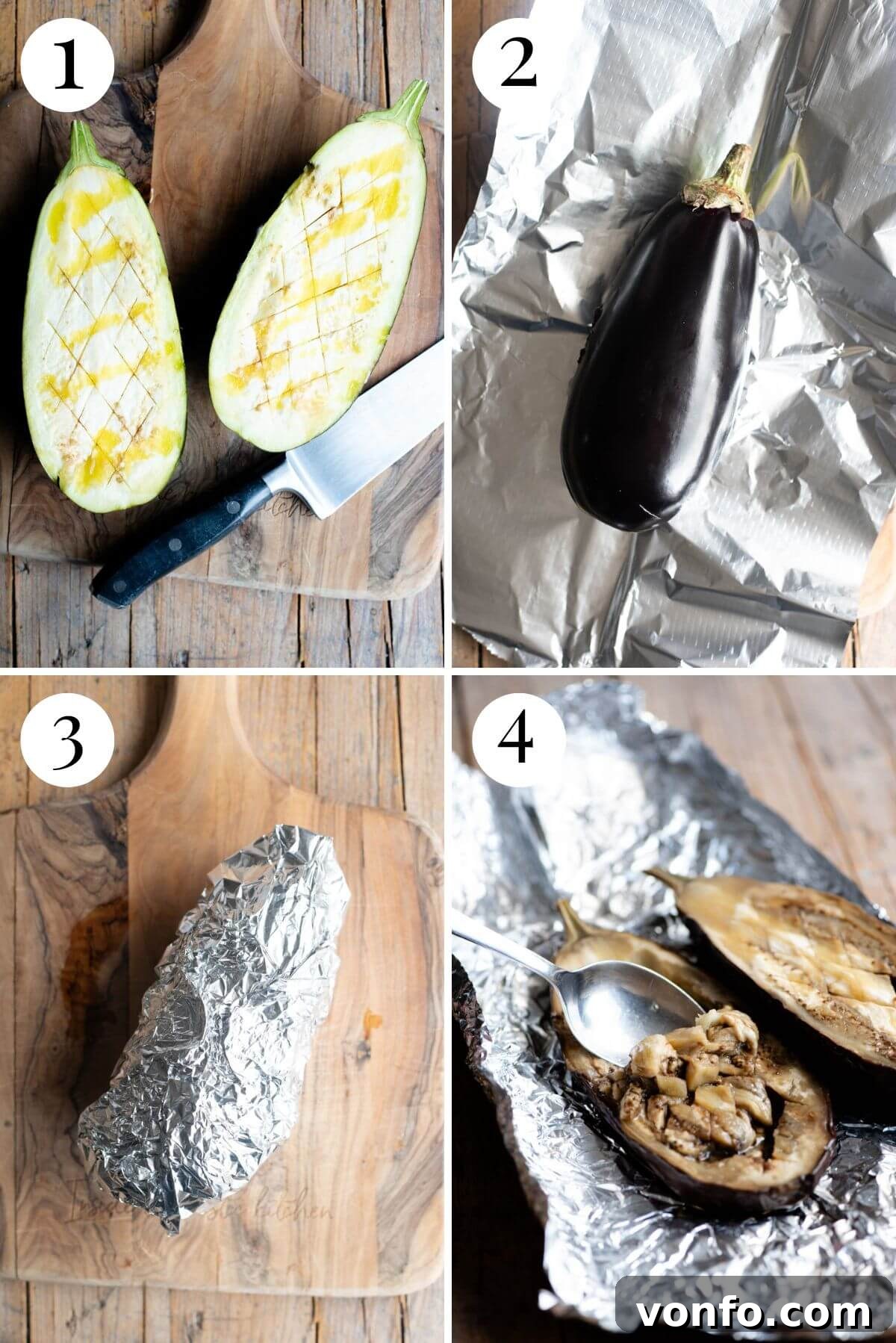
- Roast the Eggplant: Begin by preheating your oven to 180°C (350°F). Take your eggplant, cut it in half lengthwise, and carefully score the flesh in a crosshatch pattern. Drizzle generously with olive oil, then gently press the halves back together. Wrap the entire eggplant tightly in aluminum foil and roast in the preheated oven for approximately 1 hour to 1 hour and 15 minutes, or until it’s exceptionally soft and tender. This crucial step creates a creamy base for your Ajvar.
- Char the Peppers: The secret to Ajvar’s distinctive smoky flavor lies in charring the peppers. Place your pointed peppers directly over a naked flame on your stovetop (a gas hob works best). Using tongs, turn them frequently until their skins are completely blackened and blistered, and the peppers themselves are soft. This process should take about 5-10 minutes per pepper, depending on the flame intensity.
- Steam the Peppers: Immediately after charring, transfer the hot peppers to a deep dish or bowl. Cover the dish tightly with plastic wrap. Allow them to sit and steam for about 30 minutes to 1 hour. This steaming process helps loosen the charred skins, making them much easier to remove.
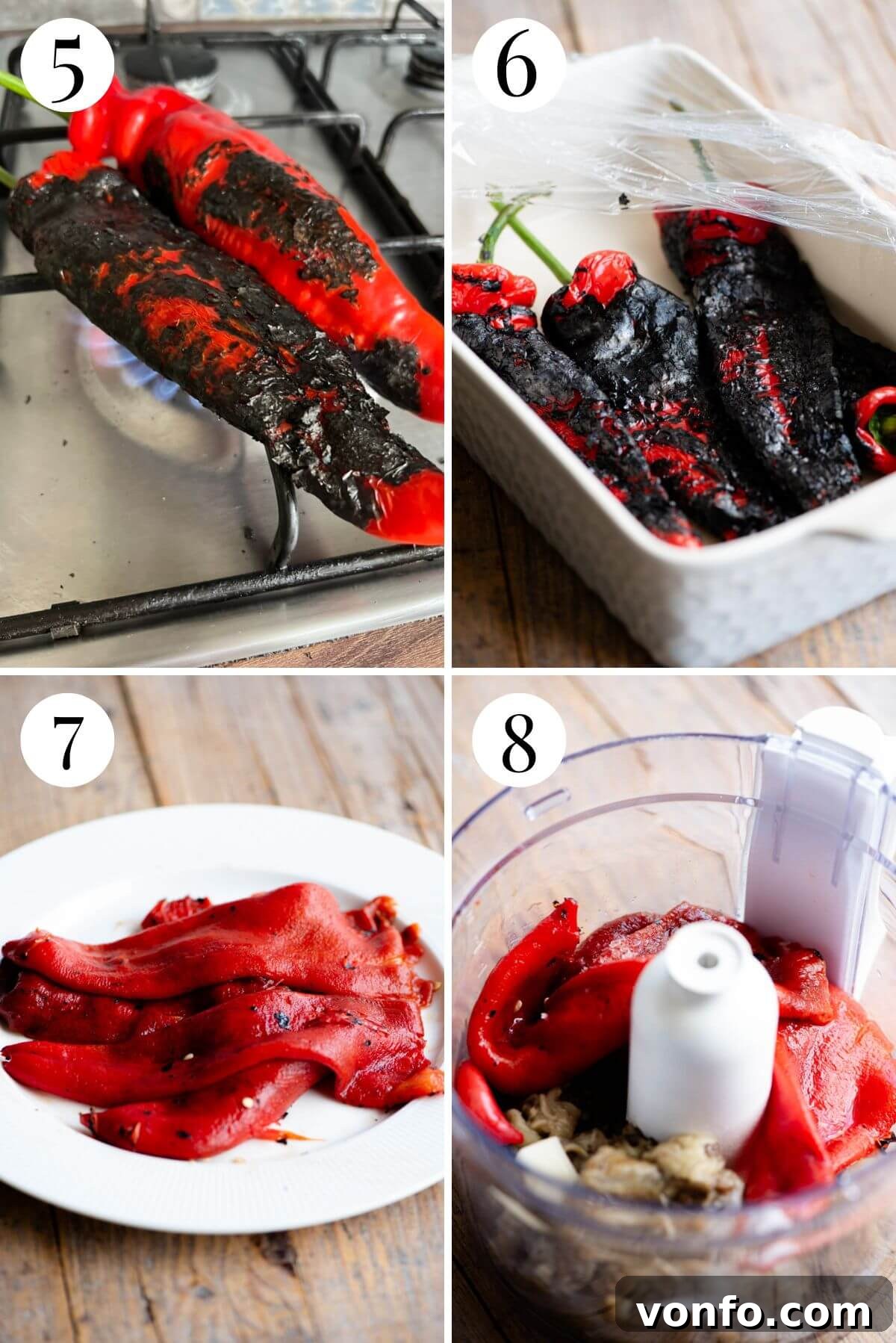
- Remove the Skins and Seeds: Once the peppers have cooled sufficiently, carefully peel away all the charred skin. Don’t worry if a few small black specks remain; these will only enhance the smoky flavor. Use a damp piece of kitchen paper to gently wipe off any stubborn bits of blackened skin. Then, remove the stems and seeds from inside the peppers. The goal is to obtain clean, tender roasted pepper flesh.
- Blitz to Perfection: Scoop out the soft, cooked flesh from the roasted eggplant and transfer it to a food processor. Add the peeled charred peppers, the garlic clove, sugar, and white wine vinegar. Season with a pinch of salt. Blitz all the ingredients together until you achieve a smooth, consistent spread. You can control the texture here – pulse for a chunkier Ajvar or blend longer for a silkier consistency.
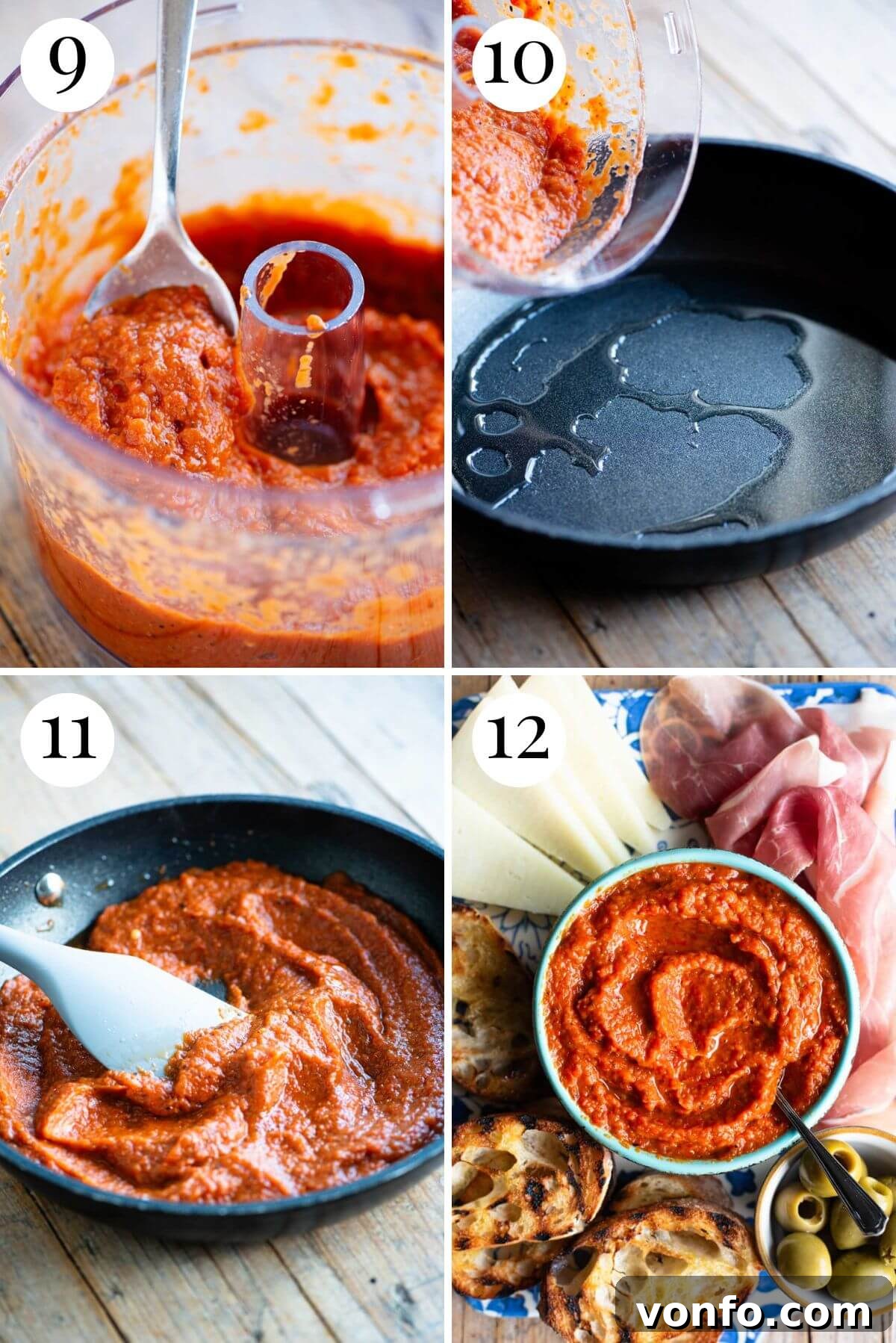
- Cook the Ajvar: Pour the sunflower oil into a frying pan and heat it over medium heat until it’s hot but not smoking. Add the blitzed Ajvar mixture to the pan and stir it thoroughly to combine with the oil. Simmer the Ajvar for 5-10 minutes on a medium-low heat. This crucial cooking step allows the flavors to meld and intensify, and it also helps to reduce any excess moisture, leading to a richer, more concentrated taste. Once cooked, remove from the heat and let it cool completely before serving. The Ajvar can be enjoyed as a vibrant sauce, a delectable dip, or a versatile condiment.
Creative and Delicious Ways to Enjoy Your Homemade Ajvar
Ajvar is incredibly versatile and can elevate a wide array of dishes. Here are some of our favorite ways to incorporate this delightful spread into your culinary repertoire:
- As a Side for Grilled Delights: Serve Ajvar generously alongside your favorite grilled meats, such as chicken, steak, pork chops, or various types of sausages. Its smoky sweetness perfectly complements the char of grilled proteins. It’s also fantastic with roasted vegetables.
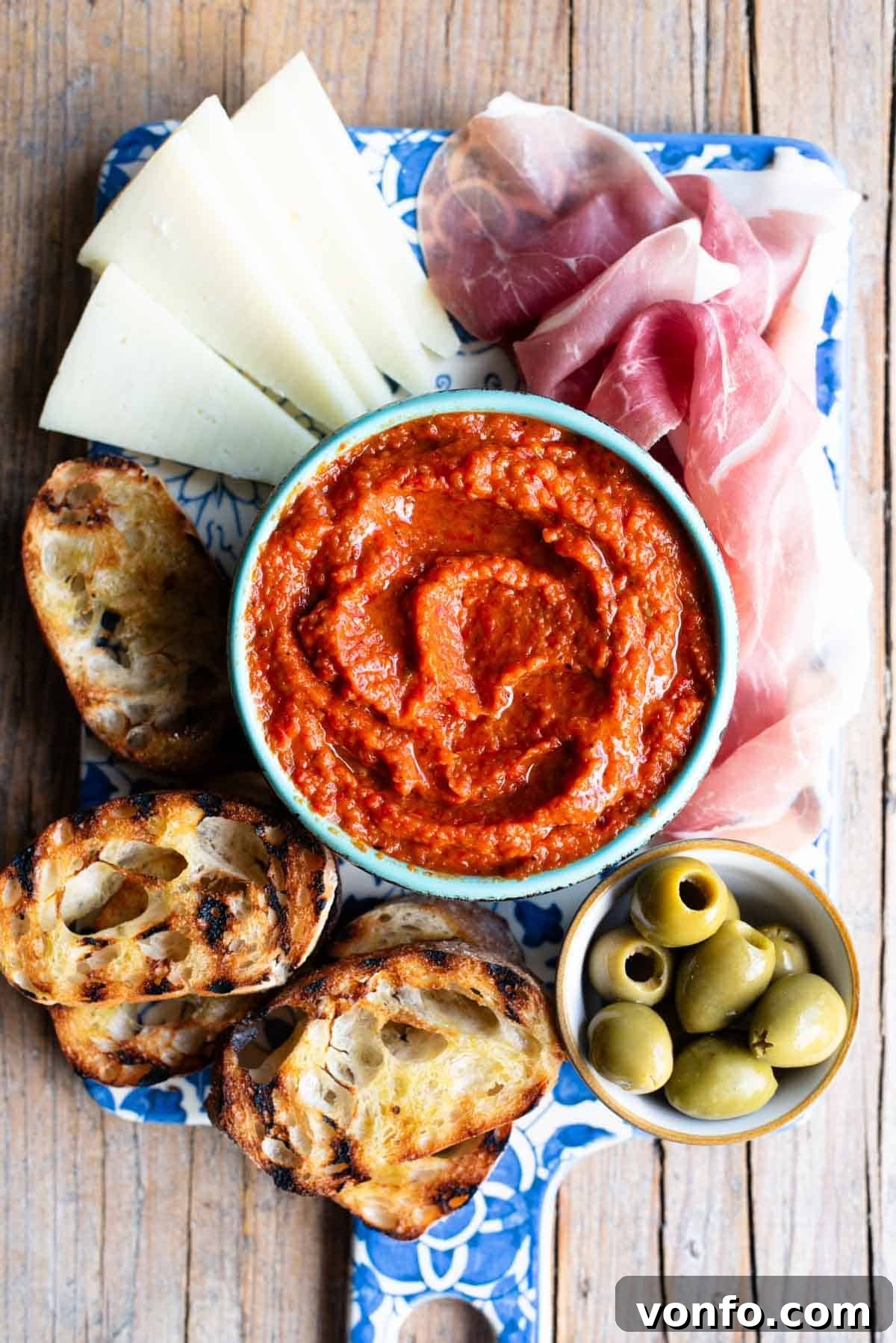
- The Ultimate Dip or Spread: Offer Ajvar as a vibrant spread or dip for your next appetizer platter. Pair it with toasted crostini, crusty ciabatta bread, an assortment of cured meats, and fine cheeses. It also makes a wonderful accompaniment to olives and other antipasti selections, adding a touch of Balkan flair to your Italian-inspired spread.
- Elevate Your Sandwiches and Wraps: Ditch the mayonnaise and spread a generous layer of Ajvar on your sandwiches and wraps. It adds an incredible depth of flavor. Top with grilled vegetables, fresh mozzarella, feta cheese, or your preferred fillings for a gourmet twist. It’s particularly good in vegetarian sandwiches.
- Pasta Sauce Base: For a quick and flavorful pasta sauce, thin Ajvar slightly with a little pasta water or vegetable broth, then toss with your favorite pasta. Add some fresh herbs and a sprinkle of Parmesan for a simple yet delicious meal.
- Marinade Enhancer: Mix Ajvar into your marinades for chicken, fish, or pork. Its smoky and sweet notes will infuse your proteins with irresistible flavor before grilling or roasting.
- Burger or Kebab Topping: Use Ajvar as a unique topping for burgers or kebabs. It provides a burst of flavor that’s more exciting than traditional condiments.
Expert Recipe Tips for Achieving the Perfect Ajvar
- Maximize Smoky Flavor: While this recipe calls for roasting the eggplant, traditionally, the eggplant can also be charred directly over an open flame, similar to the peppers. Opting for flame-charred eggplant will impart an even more intense, deeply smoky flavor to your Ajvar, adding another layer of authenticity.
- Managing Eggplant Moisture: After roasting, eggplant can sometimes retain a significant amount of moisture. If you notice your cooked eggplant flesh seems overly wet, you can easily remedy this before blitzing. Simply place the eggplant flesh in a fine-mesh sieve and gently press or squeeze out any excess liquid. This prevents your Ajvar from becoming too watery.
- Pointed Peppers vs. Bell Peppers: As mentioned, pointed peppers (Romano peppers) are ideal for this recipe due to their ease of peeling and excellent flavor. However, if bell peppers are all you have on hand, they will work. Be prepared that their thicker skins are generally more challenging to remove after charring, which means they will take a bit longer and require more patience.
- Adjusting Consistency: The desired consistency of Ajvar can vary from thick and chunky to smooth and spreadable. You have control over this! If you prefer a thinner Ajvar, gradually add a little more oil (sunflower or a light olive oil) during the blending process or while simmering. Conversely, if you desire a thicker, more concentrated spread, simply continue to cook it down on low heat for a few extra minutes to reduce its moisture content further.
- Seasoning to Taste: Remember to taste your Ajvar after blitzing and again after simmering. Adjust the salt, sugar, and white wine vinegar to achieve your perfect balance of sweet, smoky, and tangy flavors. A dash more vinegar can brighten the overall profile, while a pinch of sugar can mellow any sharpness.
- Making Ahead & Storage: Ajvar is a fantastic condiment to prepare in advance as its flavors deepen over time. Once cooled, store it in an airtight container in the refrigerator. It will keep beautifully for up to 3 days. It can be enjoyed warm, at room temperature, or chilled.
Frequently Asked Questions About Ajvar
Homemade Ajvar, when stored properly in an airtight container, will keep fresh and delicious in the refrigerator for up to 3 days. It’s best enjoyed within this timeframe to ensure optimal flavor and quality. You can serve it warm, at room temperature, or chilled, depending on your preference and how you plan to use it.
More Dips and Pestos to Try
Dips & Pestos
Pistachio Pesto (Pesto di Pistacchi)
Sauces & Dressings
Italian Salsa Verde (Green Sauce)
Dips & Pestos
Artichoke Pesto (Quick 5 Minute Recipe)
Antipasti
Whipped Ricotta Dip with Roasted Tomatoes
If you’ve had the pleasure of trying this Authentic Ajvar recipe or any other delightful recipe from our blog, please don’t hesitate to share your experience! We encourage you to rate the recipe and leave a comment below—we absolutely love hearing from you and learning about your culinary adventures! You can also stay connected with us and discover more delicious food by following us on Facebook, Instagram, and Pinterest, or by signing up for our Newsletter to receive weekly updates directly in your inbox.
Step By Step Photos Above
Most of our recipes come with step by step photos, helpful tips and tricks to make it perfectly first time and even video!
Ajvar (Red Pepper and Eggplant Spread)
By Emily
20 mins
1 hr 20 mins
1 hr 40 mins
1 cup (270g)
Print Recipe
You’ll find Ajvar in Friuli Venezia Giulia, the northern mountainous region of Italy. It’s made with charred red peppers, eggplant and garlic and has a delicious sweet and savoury flavour. Serve it with cured meats, cheese or sausages.
Ingredients
- 4 pointed peppers
- 1 large eggplant or 1.5 medium eggplants (see notes below)
- 1 garlic clove
- 1 teaspoon sugar
- 1 tablespoon white wine vinegar
- 1.5 tablespoons sunflower oil
- Olive oil (for roasting eggplant)
- Salt (to taste)
Instructions
- Pre-heat the oven to 180℃ (350℉). Cut eggplant (aubergine) in half and score the flesh, drizzle with olive oil then put back together and wrap in foil. Roast in the oven for 1hr to 1 hr 15 minutes.
- Char the pointed peppers over the naked flame of a hob until the skins are black. Transfer to a tray or bowl and cover with cling film to steam for 30 minutes to 1 hour.
- Once cooled, remove as much of the black charred skin as you can and remove the tops and seeds. Get the majority off with your hands then wipe the rest with damp kitchen paper.
- Scoop out the flesh from the eggplant and put in a food processor. Add the peppers, sugar, garlic clove and pinch of salt. Blitz until smooth.
- Add the sunflower oil to a small frying pan, once hot add the pepper mixture and stir to combine. Cook the Ajvar for 5-10 minutes on a medium-low heat to intensify the flavour.
- Let it cool then serve.
Notes
- Size of Eggplant: If you don’t have a large eggplant, we recommend roasting 2 medium ones and using the flesh from 1 and a half of them. The remaining half can be deliciously added to other dips, sauces, or soups.
- Moisture in Eggplant: If there seems to be a lot of excess moisture after roasting your eggplant (aubergine), you can squeeze this out before blitzing. Place the flesh in a sieve and gently press to remove the excess moisture.
- Pointed Peppers vs. Bell Peppers: You can use bell peppers instead of pointed peppers if that’s all you have available. However, be aware that their skin is typically a little more difficult to remove after charring, which means they will take longer to char and peel effectively.
- Consistency: You have full control over the final consistency of your Ajvar. To achieve a thinner consistency, you can adjust by adding a little more oil. If you prefer it thicker, simply cook it down longer on a low heat to reduce the moisture and thicken the spread.
- Get Extra Smoky Flavor: For an even deeper smoky flavor, consider charring the eggplant over an open flame as well, rather than just roasting it in the oven. This traditional method significantly intensifies the smoky notes in the final Ajvar.
- Storage: Homemade Ajvar will keep beautifully in an airtight container in the refrigerator for up to 3 days. It can be enjoyed warm, at room temperature, or chilled, making it a versatile condiment for various dishes.
Helpful Info for All Recipes
- I always use extra virgin olive oil in all of my recipes unless stated otherwise.
- When I use canned or jarred tomatoes of any kind I always use Cirio or Mutti brands for the best results and flavour.
- All vegetables are medium sized unless stated otherwise.
- All recipes are tested and developed using a fan (convection) oven.
- Find out more about how nutrition is calculated.
- Check out our must have Italian Pantry Staples.
- You can also find all our Essential Kitchen Tools for Italian Cooking.
Nutrition Information
Nutrition information is automatically calculated, so should only be used as an approximation.
- Calories: 324 kcal
- Carbohydrates: 32g
- Protein: 5g
- Fat: 22g
- Saturated Fat: 2g
- Polyunsaturated Fat: 1g
- Monounsaturated Fat: 18g
- Sodium: 11 mg
- Potassium: 1,075 mg
- Fiber: 14g
- Sugar: 20g
- Vitamin A: 231 IU
- Vitamin C: 16 mg
- Calcium: 48 mg
- Iron: 1 mg