
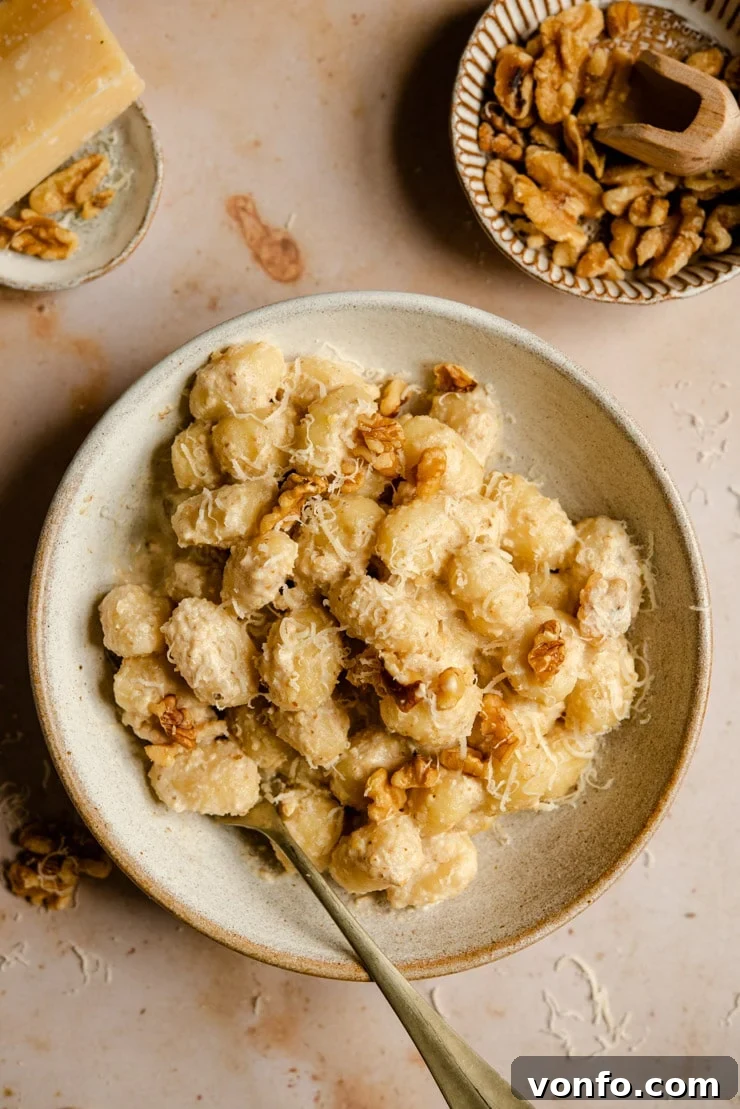
Walnut Sauce, also affectionately known as Salsa di Noci, stands as one of Italy’s most wonderfully understated culinary treasures. While its appearance might suggest simplicity, each spoonful delivers an explosion of rich, nutty flavor that truly captivates the palate. This exquisite sauce is a versatile delight, transforming humble pasta dishes or light, pillowy gnocchi into a super simple yet profoundly satisfying comfort food experience.
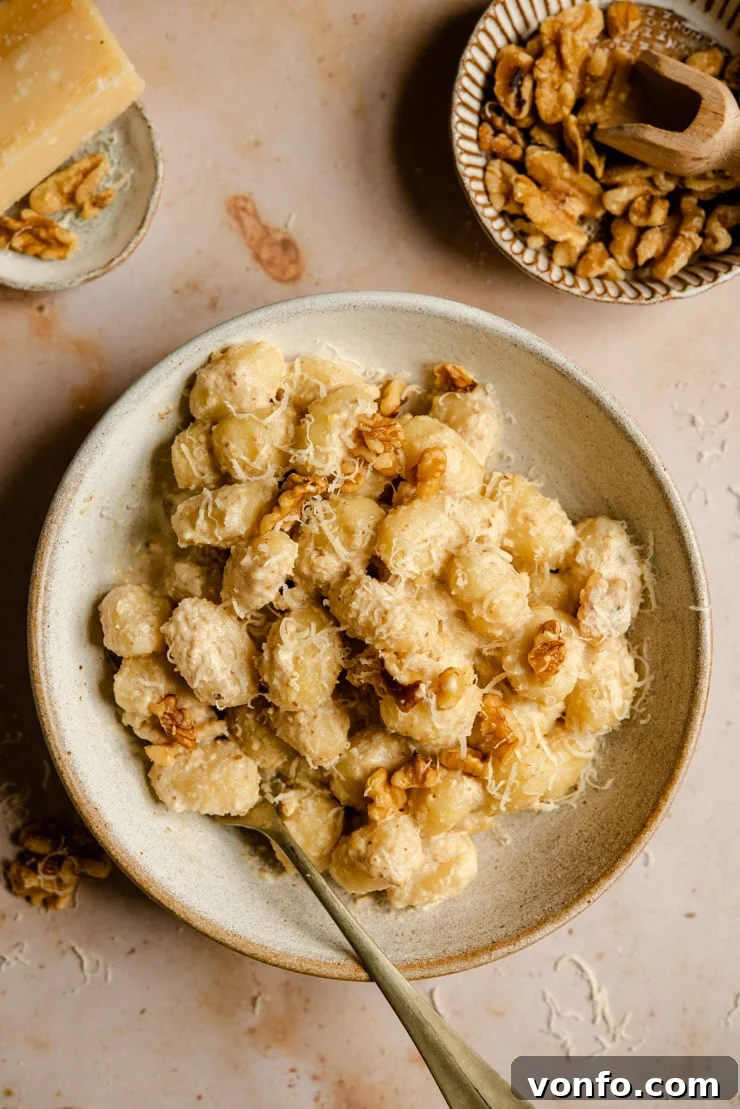
Unveiling the Magic of Salsa di Noci: Italy’s Secret Sauce
Salsa di Noci, or Italian walnut sauce, is an unbelievably delicious creation that often gets overshadowed by its more famous green cousin, basil pesto. However, if you’re a fan of rich, aromatic homemade pesto, prepare to fall head over heels for this exquisite alternative. Despite its less widespread recognition, Salsa di Noci is equally, if not more, addictive – the kind of sauce you’ll find yourself wanting to eat straight from the spoon!
What makes this walnut sauce even more appealing is its incredible ease of preparation. It’s primarily made in a food processor, requiring absolutely no cooking. This means you can whip up a batch of this luxurious, flavorful sauce in mere minutes, making it an ideal choice for busy weeknights or when you crave something gourmet without the fuss. Its swift creation process and profound taste profile make it a standout in the world of Italian sauces.
The Humble Origins of a Genoese Delight
Salsa di Noci hails from the picturesque region of Liguria, specifically the vibrant city of Genoa, which is also the birthplace of traditional basil pesto. In this coastal area, walnuts have historically been a significant crop, providing a hearty and nutritious ingredient for local cuisine. Unlike pesto, which relies on fresh basil, pine nuts, and Parmesan, Salsa di Noci showcases the deep, earthy flavors of walnuts, often complemented by a blend of garlic, Parmesan cheese, and a touch of bread soaked in milk to achieve its signature creamy texture. This sauce embodies the rustic charm and resourcefulness of Ligurian cooking, turning simple, local ingredients into a dish that is both elegant and deeply satisfying.
Essential Ingredients for Authentic Walnut Sauce
Crafting the perfect Salsa di Noci requires a handful of simple, high-quality ingredients that, when combined, create a symphony of flavors. Each component plays a vital role in achieving the sauce’s characteristic richness and velvety texture.
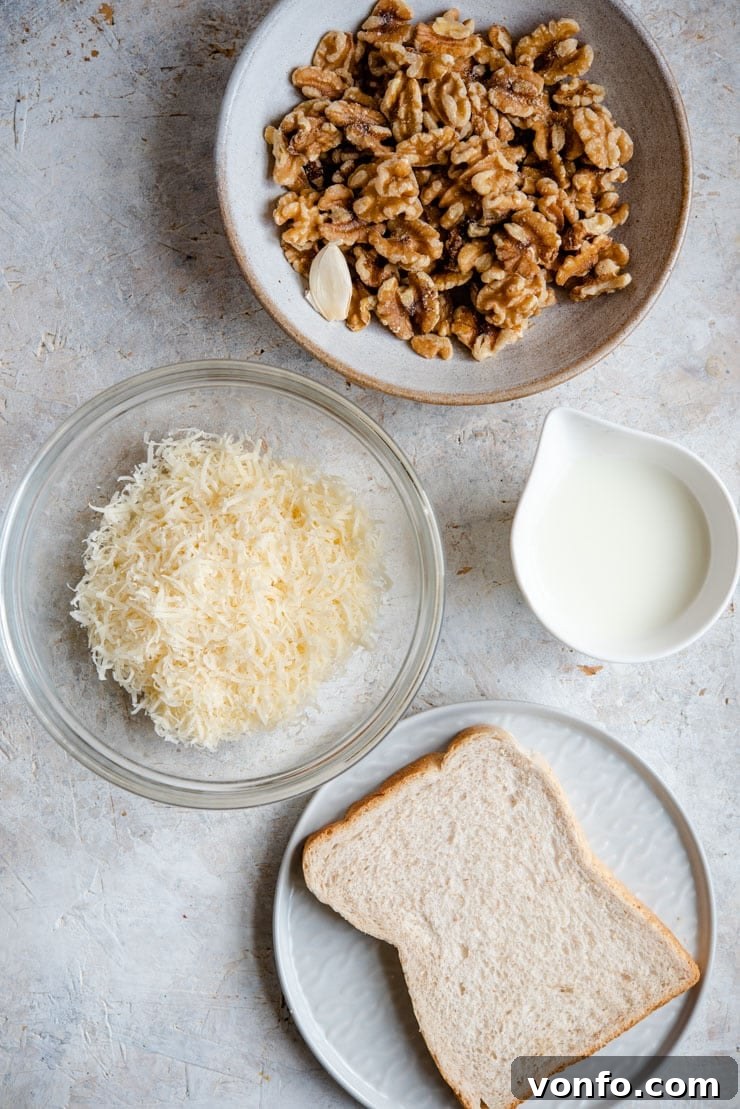
- Walnuts: The undisputed star of the show! You simply can’t have walnut sauce without high-quality walnuts. For the best flavor and texture, use fresh, shelled walnuts. You can lightly toast them before blending to deepen their flavor profile, adding another layer of nutty complexity to the sauce.
- White Bread: This might seem like an unconventional ingredient for a sauce, but it’s the secret weapon for achieving that irresistibly thick, extra-creamy consistency. Soaking the bread in milk softens it, allowing it to emulsify seamlessly into the sauce, binding all the flavors together without adding any heavy creams.
- Parmesan & Garlic: These two powerhouse ingredients are crucial for giving the walnut sauce its incredible depth and a serious umami kick. Freshly grated Parmesan cheese adds a salty, savory tang, while a single clove of garlic provides a pungent aromatic foundation that brightens the overall flavor without overpowering the delicate walnuts.
- Milk & Olive Oil: These liquids are essential for transforming the thick walnut and bread mixture into a smooth, luscious sauce. The milk contributes to the creaminess, while a good quality extra virgin olive oil not only aids in emulsification but also imparts its characteristic fruity, peppery notes, enriching the overall flavor and texture.
Crafting Your Own Salsa di Noci: A Simple Step-by-Step Guide
Making this delightful Italian walnut sauce is remarkably straightforward and requires minimal effort thanks to the magic of a food processor. Follow these simple steps to create a rich, creamy sauce that will impress everyone.
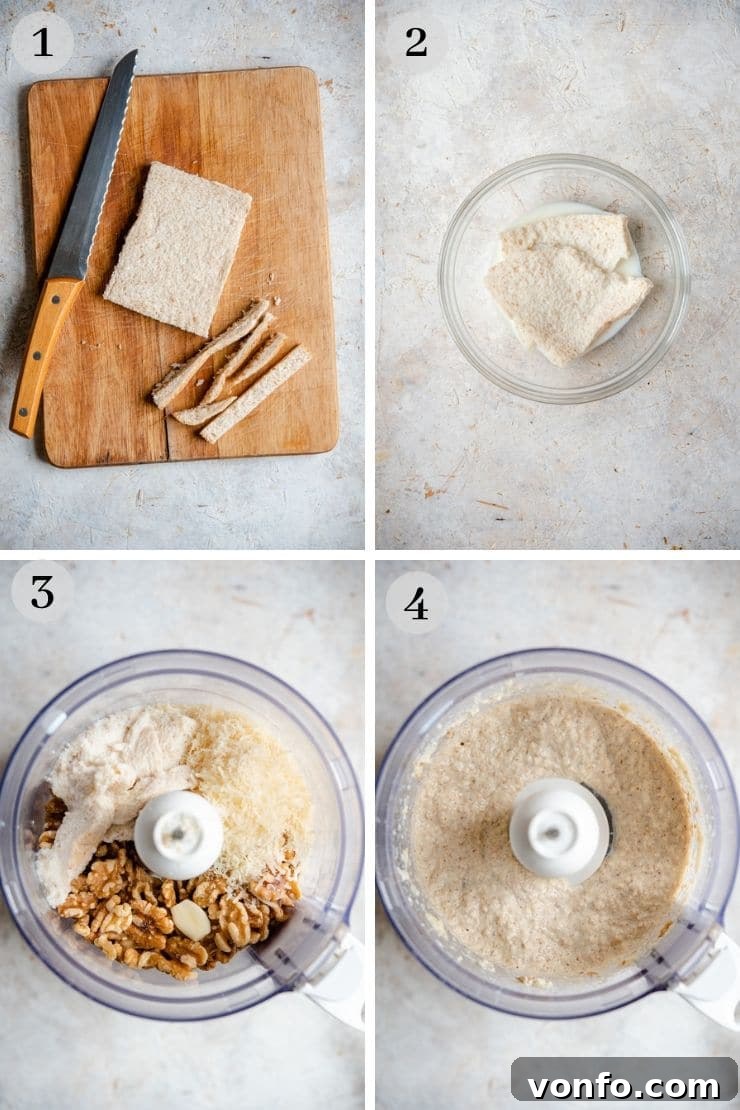
- Prepare the Bread: Begin by carefully cutting the crusts off your slice of white bread. Place the crustless bread into a small bowl and pour the milk over it. Allow it to soak for just a few seconds – it doesn’t need to be submerged for long, just enough to soften. This quick soak ensures the bread will blend smoothly into the sauce, creating its signature creamy texture.
- Combine Ingredients: While the bread soaks, add all the other ingredients – walnuts, freshly grated Parmesan, garlic, and olive oil – into the bowl of your food processor. Once the bread has softened (which should only take a moment), add the milk-soaked bread to the food processor with the rest of the ingredients.
- Blend to Perfection: Secure the lid on your food processor and blitz everything together. Pulse and process until the mixture transforms into a thick, yet perfectly smooth sauce. You might need to stop and scrape down the sides of the bowl a few times to ensure all ingredients are thoroughly incorporated. The goal is a velvety consistency without any large chunks of walnuts or garlic.
- Adjust Consistency: If your sauce appears too thick or paste-like after initial blending, don’t hesitate to add a little more milk, one tablespoon at a time, until you achieve your desired, spoonable consistency. Remember, you want it creamy and luxurious, not stiff.
- Prepare for Serving (Pasta/Gnocchi): If you plan on tossing your freshly made Salsa di Noci with pasta or gnocchi, it’s wise to reserve about 1 cup (240ml) of the starchy pasta cooking water just before draining. This pasta water is a chef’s secret weapon, as it helps to further emulsify and loosen the sauce, allowing it to beautifully cling to the pasta, while also adding extra flavor.
- Toss and Serve: Once your pasta is drained, return it to the pot. Add the desired amount of walnut sauce, then gradually add small splashes of the reserved pasta water as you toss everything together. You likely won’t need the entire cup of pasta water, so add it cautiously until the sauce reaches your preferred coating consistency. Serve immediately, perhaps with a garnish of extra chopped walnuts or fresh parsley for a touch of elegance and added texture.
Delightful Ways to Enjoy Your Walnut Sauce
Salsa di Noci is incredibly versatile and can elevate a variety of dishes beyond just pasta. Its rich, savory profile pairs wonderfully with many ingredients, making it a fantastic addition to your culinary repertoire.
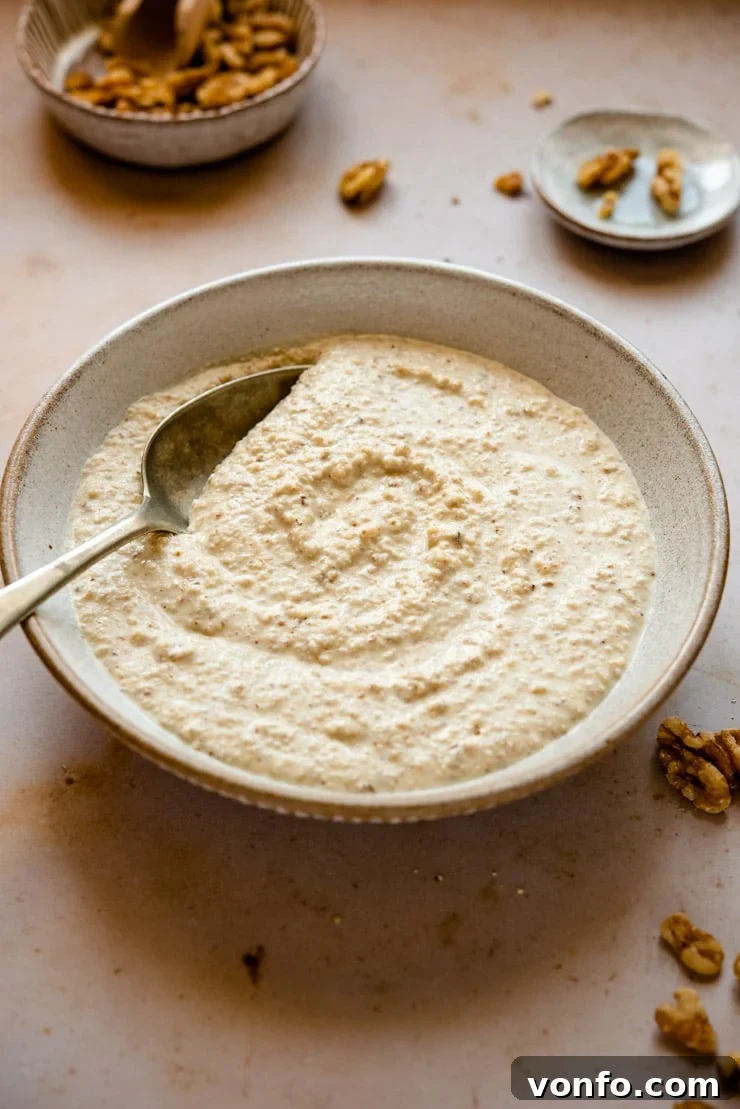
- Classic Pasta Pairing: The most traditional way to enjoy Salsa di Noci is by tossing it with your favorite pasta. It pairs beautifully with both long pasta shapes like tagliatelle or fettuccine, and short shapes such as penne or farfalle. The creamy texture clings perfectly to every strand and curve.
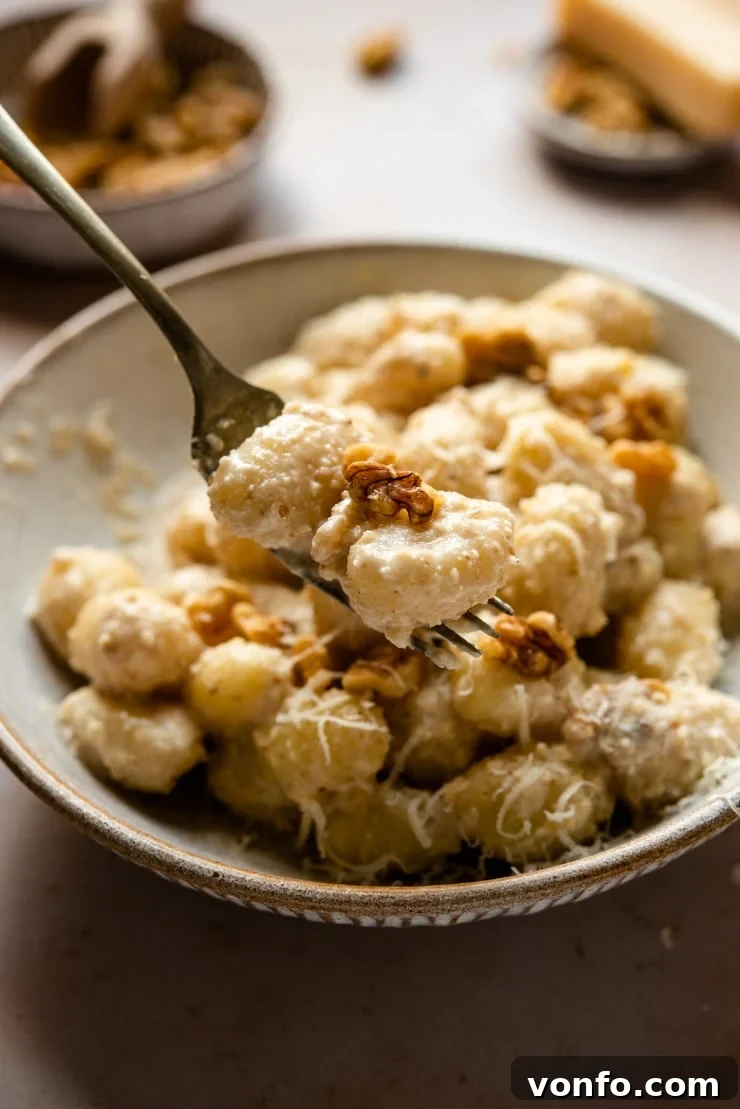
- Heavenly with Gnocchi: For a truly decadent experience, toss this sauce with light and pillowy gnocchi. The soft texture of the gnocchi combined with the rich, nutty sauce is an unparalleled comfort food sensation – often my favorite way to enjoy it!
- Elevate Ravioli: Imagine this luscious walnut sauce draped over our super popular mushroom ravioli. The earthy flavors of mushrooms would be perfectly complemented by the walnuts, creating a truly gourmet dish.
- A Perfect Companion for Poultry: Don’t limit this sauce to just pasta. It’s absolutely delicious served alongside roast chicken or pan-seared turkey. The richness of the walnuts adds a wonderful depth to poultry dishes.
- Gourmet Crostini Topping: Keep the sauce a little thicker and spread it generously on crispy crostini. It makes for an elegant appetizer, just like any other gourmet pesto spread.
- With Roasted Vegetables: Drizzle Salsa di Noci over roasted asparagus, broccoli, or bell peppers for an instant flavor upgrade. The nutty notes enhance the natural sweetness of the vegetables.
- As a Sandwich or Wrap Spread: Use it as a flavorful spread in sandwiches or wraps instead of mayonnaise for a Mediterranean twist.
Expert Tips for the Perfect Walnut Sauce
- You can make this sauce in advance! Prepare it up to 2-3 days ahead and store it in an airtight container in the fridge, covered with plastic wrap pressed directly onto the surface to prevent oxidation.
- If the sauce thickens slightly in the fridge, you can easily add a little more milk or even water to reach your desired consistency when reheating or serving.
- When tossing with pasta or gnocchi, always make sure to reserve some starchy pasta water. This miraculous liquid helps thin out the sauce, allowing it to coat the pasta beautifully, and adds a significant boost of flavor without diluting it.
- For an added textural contrast and a boost of fresh walnut flavor, I highly recommend topping your pasta or gnocchi with extra chopped walnuts before serving.
- To introduce a vibrant freshness, finish your dish with a sprinkle of freshly chopped parsley or basil.
- For a deeper, more pronounced nutty flavor, lightly toast your walnuts in a dry pan for a few minutes before blending. Be careful not to burn them!
Storage and Freezing Your Salsa di Noci
One of the great advantages of Salsa di Noci is its flexibility when it comes to storage. You can certainly make a larger batch to enjoy later, making meal prep a breeze.
Can you freeze this sauce? Yes, absolutely! You can freeze Salsa di Noci in suitable, airtight containers for up to 3 months. For convenience, consider freezing it in smaller portions, such as ice cube trays, then transfer the frozen cubes to a freezer bag. This way, you can thaw just the amount you need for a single serving. Just make sure to thaw the sauce completely in the refrigerator before using it. You may need to stir it vigorously or add a splash of milk or olive oil to restore its creamy consistency after thawing.
While freezing is a convenient option, many, including myself, prefer to eat this sauce fresh. Freezing can sometimes subtly dull the vibrant flavors and alter the texture slightly. If you prefer the freshest taste and don’t need a large quantity, you can easily half this recipe to make a smaller, perfectly fresh batch. This ensures every bite is as aromatic and rich as possible.
The Nutritional Power of Walnuts
Beyond its incredible taste, Salsa di Noci also offers some nutritional benefits, thanks primarily to its star ingredient: walnuts. Walnuts are a powerhouse of nutrition, packed with healthy fats, including omega-3 fatty acids, which are known for their anti-inflammatory properties and benefits for heart health. They are also a good source of protein, fiber, and various vitamins and minerals like magnesium, phosphorus, and B vitamins. Incorporating walnuts into your diet can contribute to overall well-being, making this delicious sauce a guilt-free indulgence.
More Italian Recipes You Might Love
If you’ve enjoyed the simplicity and flavor of this Walnut Sauce, you’re in for a treat with other traditional Italian dishes. Explore more culinary delights from our kitchen:
- Beetroot Ricotta Gnudi in Sage & Butter: A vibrant and delicate pasta dish.
- Cavatelli and Broccoli Pasta: A hearty and comforting vegetarian option.
- Pasta Fagioli Soup – Pasta & Beans: A classic Italian peasant soup, rich in flavor.
- Veal Saltimbocca with Prosciutto and Sage: An elegant and flavorful meat dish.
If you’ve tried this delightful Walnut Sauce (Salsa di Noci) or any other recipe from our blog, please don’t forget to rate the recipe and share your experience in the comments below. Your feedback truly inspires us! You can also connect with us on FACEBOOK, INSTAGRAM, and PINTEREST to discover more delicious food ideas and keep up with our latest culinary adventures.
Walnut Sauce – Salsa di Noci
By Emily
Prep Time: 10 mins
Total Time: 10 mins
Servings: 6 servings
Walnut Sauce AKA Salsa di Noci is the most understated Italian sauce there is. It may not look like much but it is like a flavour bomb in your mouth! Serve it with pasta or toss with light and pillowy gnocchi or a super simple comfort food meal!
Ingredients
- 1.5 cups walnuts (150g)
- ¾ cup milk (150ml)
- 1 slice white bread
- 1 clove garlic
- 1 cup parmesan, freshly grated (50g)
- 1 tbsp olive oil
Instructions
- First, cut the crusts off the white bread then place in a bowl with the milk. Allow to soak for a few seconds until softened.
- Put all other ingredients (walnuts, garlic, Parmesan, olive oil) in a food processor. Add the milk-soaked bread to the food processor.
- Blitz everything together until thick but smooth. If the sauce is too thick, add a little more milk, one tablespoon at a time, until you reach your desired creamy consistency.
- If tossing with pasta or gnocchi, reserve 1 cup (240ml) of the starchy pasta cooking water before draining the pasta.
- Once you’ve drained the pasta, add it back to the pot with the desired amount of walnut sauce. Loosen it with small splashes of reserved pasta water as you toss it with the pasta (you won’t need the whole cup).
- Serve with extra chopped walnuts and fresh parsley, if desired, for added crunch and freshness.
Notes
- You can make this in advance and store it in the fridge covered in plastic wrap.
- If the sauce is too thick, you can add more milk until you reach the desired consistency.
- If tossing with pasta or gnocchi, make sure to reserve some pasta water to thin out the sauce; it adds a ton of flavor and helps loosen the sauce without adding more milk.
- I love to top pasta or gnocchi with extra chopped walnuts for extra crunch.
- For freshness, top with fresh parsley.
Helpful Information for All Our Recipes
- I always use extra virgin olive oil in all of my recipes unless stated otherwise.
- When I use canned or jarred tomatoes of any kind, I always recommend using Cirio or Mutti brands for the best results and flavor.
- All vegetables are assumed to be medium-sized unless specified otherwise.
- All recipes are tested and developed using a fan (convection) oven.
- Find out more about how nutrition is calculated.
- Check out our must-have Italian Pantry Staples.
- You can also find all our Essential Kitchen Tools for Italian Cooking.
Nutrition Information (Approximate per serving)
Calories: 308 kcal | Carbohydrates: 8g | Protein: 12g | Fat: 27g | Saturated Fat: 5g | Cholesterol: 14mg | Sodium: 301mg | Potassium: 185mg | Fiber: 2g | Sugar: 3g | Vitamin A: 180IU | Vitamin C: 1mg | Calcium: 271mg | Iron: 1mg
Nutrition information is automatically calculated and should be used only as an approximation.