
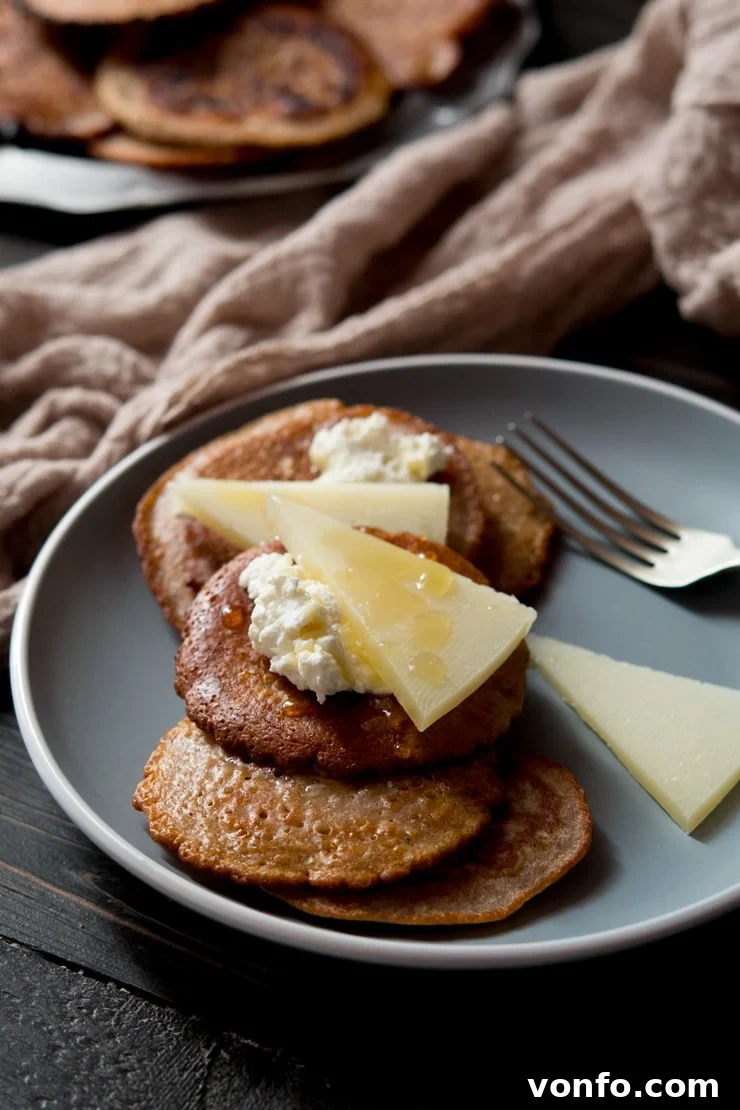
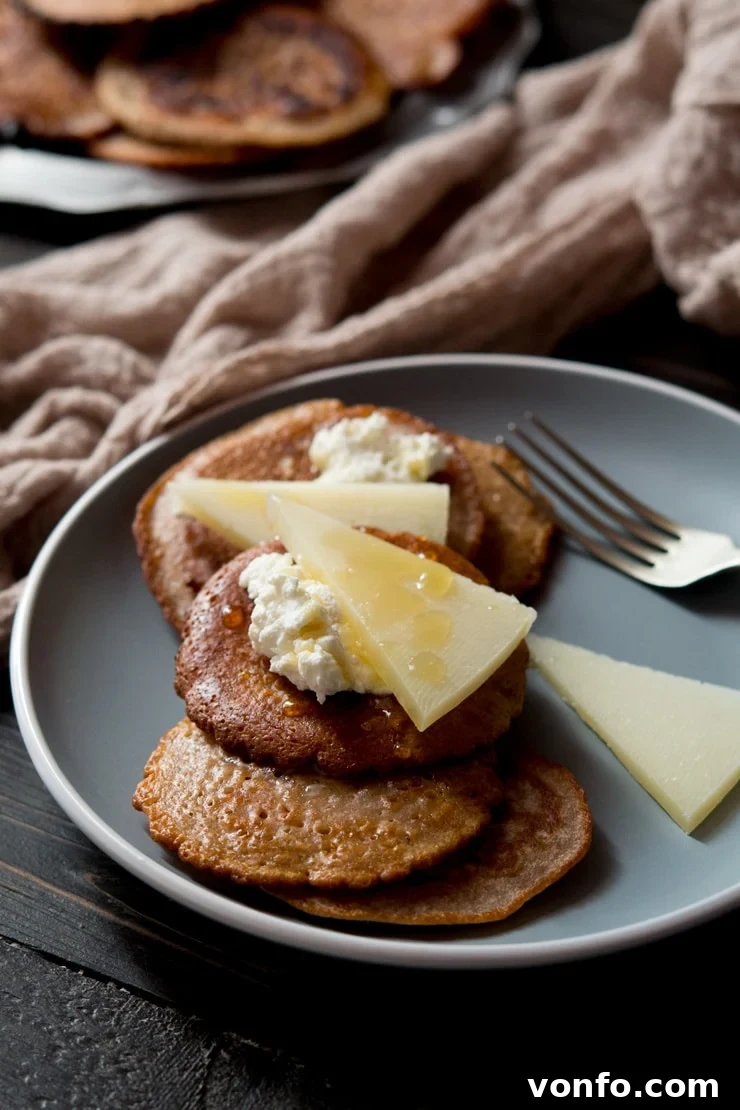
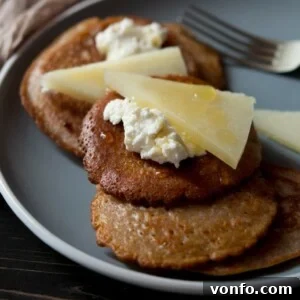
Experience the unparalleled charm of Tuscan cuisine with these incredibly simple, yet profoundly delicious, **Chestnut Fritters**. Crafted with just three core ingredients, these rustic bites are designed to be served warm, beautifully complemented by creamy ricotta, sharp pecorino cheese, and an exquisite drizzle of truffle honey. An absolutely essential autumn snack, they come together effortlessly in mere minutes, promising a taste of Italy right in your kitchen.
Naturally sweet and wonderfully satisfying, these chestnut fritters are a testament to the magic of simple ingredients. The delicate batter forms a perfect base for the rich, creamy texture of fresh ricotta, the salty tang of aged pecorino, and the earthy, aromatic sweetness of truffle honey. While truffle honey adds a sophisticated depth, feel free to substitute it with any high-quality floral honey if truffle isn’t to your liking. Pair these festive fritters with small glasses of red wine or a robust Italian coffee for an authentic culinary experience that transcends breakfast, brunch, or even dessert.
A Taste of Tuscany: My Unforgettable Introduction to Chestnut Fritters
My journey into the delightful world of chestnut fritters began six years ago, while I was immersed in the rolling hills and vibrant culture of Tuscany as a volunteer. It was during this unforgettable period that I had the immense fortune of meeting an Italian Nonna, whose kitchen was the heart of her home and whose greatest joy was feeding anyone who crossed her threshold. She was our welcoming neighbor, a true embodiment of Italian hospitality, and it was from her that I learned the simple elegance of these fritters.
I distinctly recall a chilly Tuscan morning when these very chestnut fritters, adorned with ricotta, pecorino, and honey, were served. To my surprise, they were accompanied by small glasses of robust red wine and fiery grappa – a breakfast pairing that, though unconventional, was absolutely perfect for the crisp air and the hearty company. We truly “scoffed” them down, savoring every rustic bite and the warmth they brought. This memory forever solidified my love for this humble, yet exquisite, dish and the rich culinary traditions of Italy.
The Magic of Chestnut Flour: A Gluten-Free Treasure
Have you ever had the pleasure of cooking with chestnut flour? If not, you’re in for a delightful discovery. This remarkable flour, ground from dried chestnuts, is a cornerstone of traditional Italian, especially Tuscan, cuisine. It’s incredibly versatile, finding its way into a diverse array of dishes, from savory gnocchi and delicate pasta to sweet cakes and classic pancakes. What makes it truly special is its inherent sweetness and unique slightly chalky texture, which imparts a distinctive character to any recipe it graces. When incorporating chestnut flour into your baking, remember its natural sweetness, often allowing you to reduce the amount of added sugar.
Beyond its wonderful flavor profile, chestnut flour also boasts impressive nutritional benefits. It is naturally gluten-free, making these fritters an excellent option for those with gluten sensitivities or celiac disease. Rich in fiber, it aids digestion and provides a sustained energy release. It also contains various vitamins and minerals, contributing to a wholesome diet. Sourcing quality chestnut flour is key; look for finely ground, pale brown flour from reputable Italian or European producers for the best results. Store it in an airtight container in a cool, dark place or even in the refrigerator to maintain its freshness and prevent it from going rancid.
The Essence of Simplicity: Only 3 Ingredients
The beauty of these chestnut fritters lies in their absolute simplicity. You need only three fundamental ingredients:
- Chestnut Flour: The star of the show, providing natural sweetness and a unique texture.
- Water: The binder that brings the batter together.
- Salt: A crucial seasoning that balances the sweetness and enhances all other flavors.
It truly is that simple! I’ve experimented with adding baking powder or bicarbonate of soda to the batter, but I found that these leavening agents tend to give the fritters a lighter, more pancake-like texture. While delicious in their own right, that’s not the authentic, rustic character we’re aiming for with this traditional Tuscan recipe. The pure combination of chestnut flour and water, seasoned with just a pinch of salt, creates these delightfully dense, subtly sweet, and wonderfully satisfying bites. They strike an exquisite balance between sweet and savory, making them incredibly versatile – equally perfect for a special breakfast, a quick snack, a delightful afternoon treat, or even a unique dessert course. Their humble origins belie their complex and comforting flavor.
Crafting Your Authentic Tuscan Chestnut Fritters: A Step-by-Step Guide
Making these chestnut fritters is a straightforward process that yields incredibly rewarding results. Follow these simple steps to bring a piece of Tuscany into your home.
Step 1: Preparing the Perfect Batter
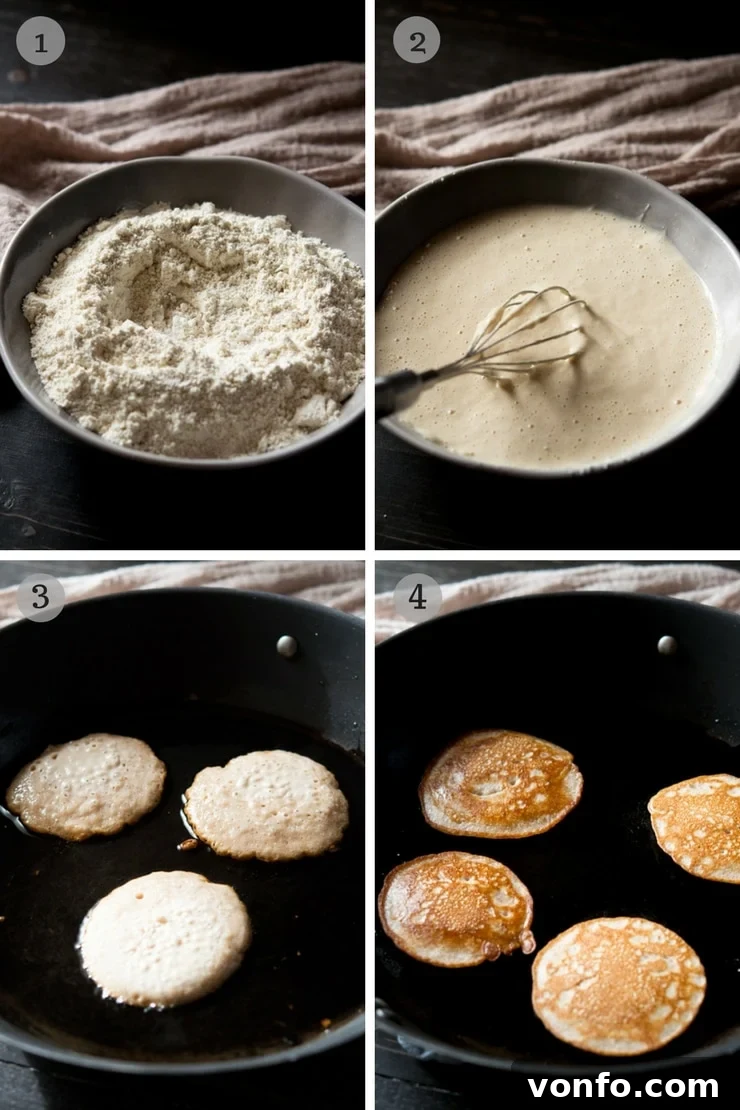
In a medium-sized mixing bowl, combine the chestnut flour, salt, and water. Whisk these ingredients together thoroughly until you achieve a smooth, lump-free batter. The consistency should be slightly thick, similar to a pancake batter, but with a bit more body. Ensure there are no dry pockets of flour. A smooth batter is essential for evenly cooked, appealing fritters. You can let the batter rest for 5-10 minutes if you have time; this allows the flour to fully hydrate, resulting in a slightly smoother texture, though it’s not strictly necessary.
Step 2: Frying for Golden Perfection
Heat approximately 3 tablespoons of a neutral-flavored oil, such as sunflower or vegetable oil, in a large, heavy-bottomed frying pan over medium heat. The oil should be hot enough to sizzle when a small drop of batter is added, but not smoking. Using a heaped tablespoon, carefully drop portions of the batter into the hot pan, leaving enough space between each fritter to prevent overcrowding. This allows them to cook evenly and develop a beautiful golden crust. Fry the fritters on one side for about one minute, or until they are golden brown and crispy at the edges. Then, using a spatula, carefully flip them over and fry for an additional few seconds until the other side is also lightly browned and cooked through. As you work in batches, you may need to add a little more oil to the pan between batches to ensure consistent frying. Once cooked, transfer the fritters to a plate lined with kitchen paper to drain any excess oil, keeping them warm while you cook the remaining batter.
Step 3: The Art of Serving with Complementary Toppings
The true magic of these chestnut fritters comes alive with their traditional accompaniments. Serve them immediately while still warm. Arrange the fritters on a plate and generously top each one with spoonfuls of fresh, creamy ricotta cheese, which provides a cooling contrast to the warm fritters. Add delicate slices or shavings of pecorino cheese; its sharp, salty notes beautifully cut through the sweetness of the chestnut flour. Finally, drizzle generously with truffle honey for an earthy, sweet aroma that elevates the entire dish. If truffle honey is unavailable or not to your taste, a rich wildflower honey or even a local chestnut honey would make a wonderful substitute.
Pro Tip for Frying: While you need enough oil to fry the fritters properly, avoid deep-frying. Around 3 tablespoons of oil in a large pan is usually sufficient for the first batch, creating a shallow layer. Don’t be shy about adding a little more oil (about 1-2 teaspoons) between batches if the pan looks dry; this ensures each fritter gets that desirable crispy exterior without soaking up too much grease.
Beyond the Basic: Variations and Pairing Suggestions
While the classic preparation of chestnut fritters with ricotta, pecorino, and truffle honey is undeniably perfect, there are many ways to customize and enjoy this versatile dish.
Sweet Variations:
- Powdered Sugar: A simple dusting of confectioners’ sugar is always a crowd-pleaser, highlighting the fritters’ natural sweetness.
- Chocolate Drizzle: A melted dark chocolate drizzle can transform them into a decadent dessert.
- Fruit Compote: Serve with a warm berry compote, caramelized apples, or poached pears for a fruity touch.
- Whipped Cream or Mascarpone: A dollop of lightly sweetened whipped cream or mascarpone adds extra richness.
Savory Variations:
- Herbs in Batter: Finely chopped fresh rosemary or sage can be added to the batter for an earthy, savory twist.
- Different Cheeses: Experiment with other Italian cheeses like gorgonzola (for a stronger flavor) or a mild, fresh goat cheese.
- Prosciutto or Pancetta: Crispy fried prosciutto or pancetta bits can add a salty, umami crunch.
- Savory Drizzles: Instead of honey, try a balsamic glaze or a savory herb-infused olive oil.
Beverage Pairings:
In Tuscany, these fritters are traditionally enjoyed with sips of red wine or grappa, even in the morning! For a similar authentic experience, consider a light-bodied red wine, perhaps a young Chianti, or a sweet dessert wine like Vin Santo. For non-alcoholic options, strong Italian coffee, an herbal tea, or even a glass of sparkling cider would be excellent companions, making these fritters suitable for any time of day or occasion.
Frequently Asked Questions About Chestnut Fritters
To help you master this delightful recipe, here are answers to some common questions:
- Are these chestnut fritters gluten-free? Yes, absolutely! Since they are made with chestnut flour, which is naturally gluten-free, these fritters are a wonderful option for those avoiding gluten. Always double-check your flour packaging for cross-contamination warnings if you have severe allergies.
- Can I prepare the batter ahead of time? You can certainly mix the batter a few hours in advance and store it covered in the refrigerator. Before frying, give it a good stir, and you might need to add a tiny splash more water if it has thickened too much.
- How should I store leftover fritters? Leftover fritters can be stored in an airtight container in the refrigerator for up to 2-3 days. Reheat them gently in a dry pan over medium-low heat or in a toaster oven until warmed through and crispy again.
- Can I bake these fritters instead of frying? While possible, baking will result in a different texture. Frying gives them the characteristic crispy exterior and slightly denser interior that is traditional for these rustic fritters. Baking might make them softer and more cake-like, losing some of their authentic charm.
- What kind of oil is best for frying? A neutral-flavored oil with a high smoke point, such as sunflower oil, vegetable oil, or grapeseed oil, is ideal. This ensures the fritters cook beautifully without imparting any unwanted flavors.
Why These Chestnut Fritters Are an Autumn Essential
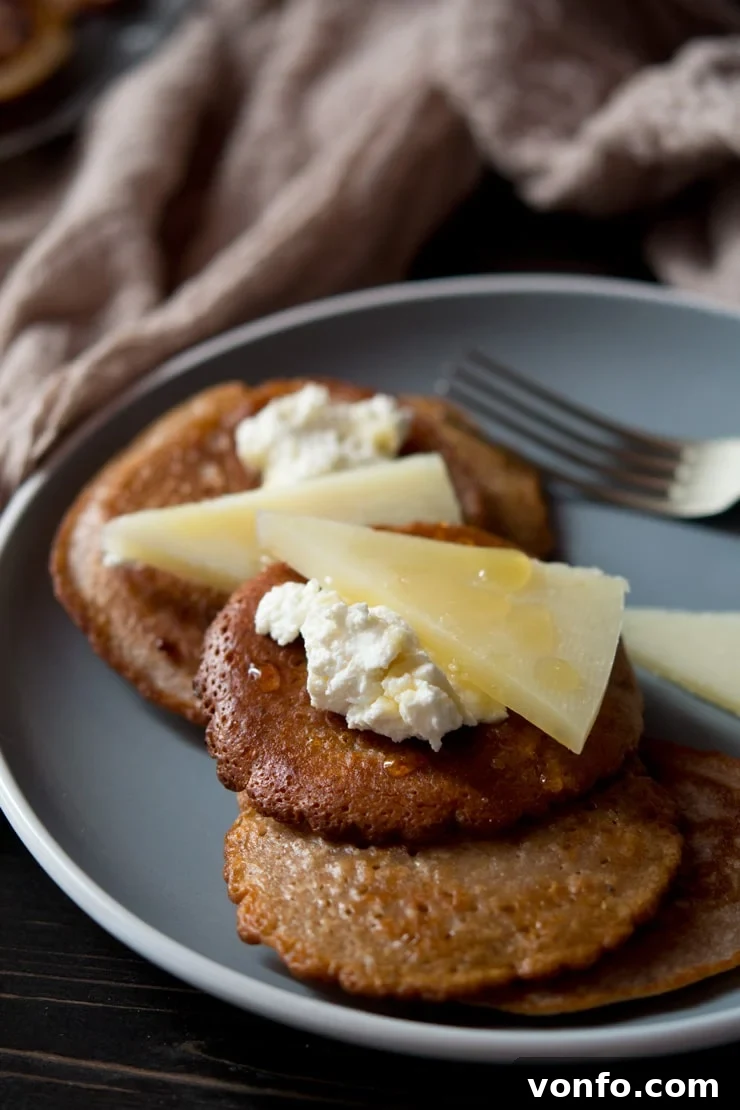
These authentic Tuscan chestnut fritters are more than just a recipe; they’re an experience. They embody the essence of Italian rustic cooking – simple ingredients transformed into something extraordinary. Easy to make, incredibly flavorful, and versatile enough for any occasion, they are truly a must-try, especially as the autumn season brings chestnuts into abundance. Whether you’re seeking a unique breakfast, a comforting snack, or a delightful dessert, these fritters deliver a taste of tradition and warmth. Share them with loved ones, just as that kind Nonna did, and create your own cherished culinary memories.
If you’ve tried this or any other recipe on the blog, don’t forget to rate the recipe and let me know how you got on in the comments below – I love hearing from you! You can also FOLLOW ME on FACEBOOK, TWITTER, INSTAGRAM and PINTEREST to see more delicious food and what I’m getting up to.
Step-by-Step Photos Included Above
Most of our recipes come with detailed step-by-step photos, helpful tips, and tricks to ensure perfect results on your first attempt!
Chestnut Fritters with Pecorino, Ricotta, and Truffle Honey
By Emily
5 minutes
10 minutes
15 minutes
15 fritters
Print Recipe
Ingredients
- 1 1/2 cups (150g) chestnut flour
- 2/3 + 1/4 cup (220ml) water
- 1 pinch of salt
- sunflower oil, for frying
- pecorino cheese, for serving, thinly sliced or shaved
- ricotta cheese, for serving, fresh and creamy
- truffle honey, or any floral honey, for drizzling
Instructions
-
In a medium bowl, thoroughly mix the chestnut flour, salt, and water until the batter is smooth and slightly thick in consistency. Ensure there are no lumps.
-
Heat about 3 tablespoons of sunflower oil in a large frying pan over medium heat. Drop heaped tablespoons of batter onto the hot pan, frying in batches to avoid overcrowding. Cook the fritters on one side until beautifully browned and crispy (approx. 1 minute), then flip and fry for a few more seconds until cooked through. You may need to add a little more oil between batches. Transfer cooked fritters to a plate lined with kitchen paper to drain excess oil.
-
Serve the chestnut fritters immediately while still warm. Garnish generously with fresh ricotta cheese, thin slices of pecorino cheese, and a delicate drizzle of truffle honey for the perfect balance of flavors.
Notes
- Please note this recipe was carefully tested and developed using metric measurements; all imperial measurements provided are approximate conversions.
- Approximate calories per fritter: 71 kcal (this is an estimation and should only be used as an approximation).
Helpful Info for All Recipes
- I always use extra virgin olive oil in all of my recipes unless otherwise specified.
- When using canned or jarred tomatoes of any kind, I recommend Cirio or Mutti brands for the best results and flavor.
- All vegetables are assumed to be medium-sized unless stated differently.
- All recipes published here are tested and developed using a fan (convection) oven.
- Find out more about how nutrition information is calculated.
- Check out our must-have Italian Pantry Staples for authentic cooking.
- You can also find all our Essential Kitchen Tools for Italian Cooking.
Nutrition
Nutrition information is automatically calculated, so it should only be used as an approximation.
More Easy Snacks to Try
- Bagna Cauda: Anchovy, Garlic & Butter Dip
- Cecina Toscana: Tuscan Chickpea Flatbread
- Artichoke Dip: Parmesan, Lemon, Garlic
- Mozzarella in Carrozza: Fried Mozzarella Sandwiches