
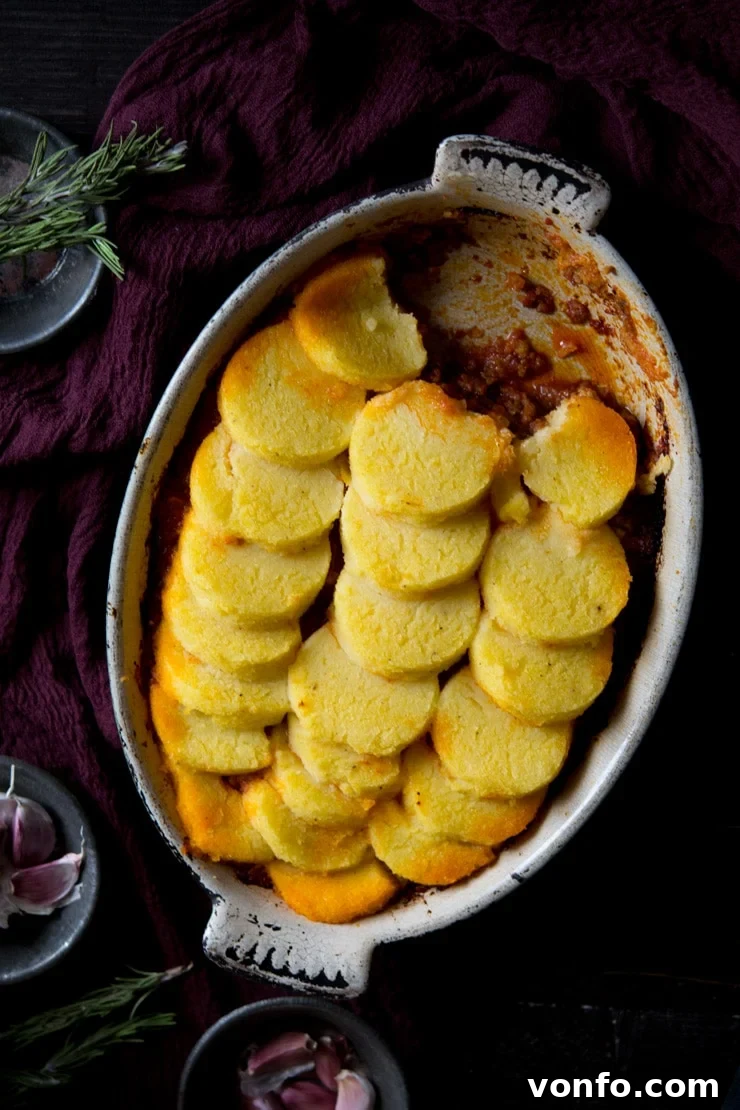
This baked polenta dish is made with a rich and flavourful beef and sausage ragu then is topped with creamy polenta and baked in the oven. A delicious comfort food dish to keep you warm this winter.
Baked Polenta with Beef and Sausage Ragu: The Ultimate Hearty Italian Comfort Food
As the crisp air of winter settles in and the festive season approaches, our cravings naturally turn towards dishes that offer warmth, nourishment, and a deep sense of comfort. There’s an undeniable magic in food that evokes coziness, and this Baked Polenta with Beef and Sausage Ragu is designed to do just that. It’s a testament to the power of slow cooking and simple, quality ingredients, delivering a meal that is both profoundly satisfying and incredibly inviting. This Italian-inspired creation combines a robust, slow-simmered meat sauce with velvety polenta, crowned with a golden, crisp layer, all baked together for an unforgettable experience.
Polenta, a staple in Northern Italian cuisine, is a testament to the fact that simple ingredients can yield extraordinary results. Made from finely ground cornmeal, it transforms into a creamy, smooth texture when cooked, serving as a versatile canvas for a myriad of flavors. It can be enjoyed soft, like a porridge, or left to cool and firm up, then grilled, fried, or, as in this delightful recipe, baked. Its gentle corn flavor pairs wonderfully with rich, savory sauces, making it a perfect alternative to traditional pasta or mashed potatoes, offering a unique texture and taste dimension to your meal.
Why This Hearty Baked Polenta with Ragu is a Must-Try
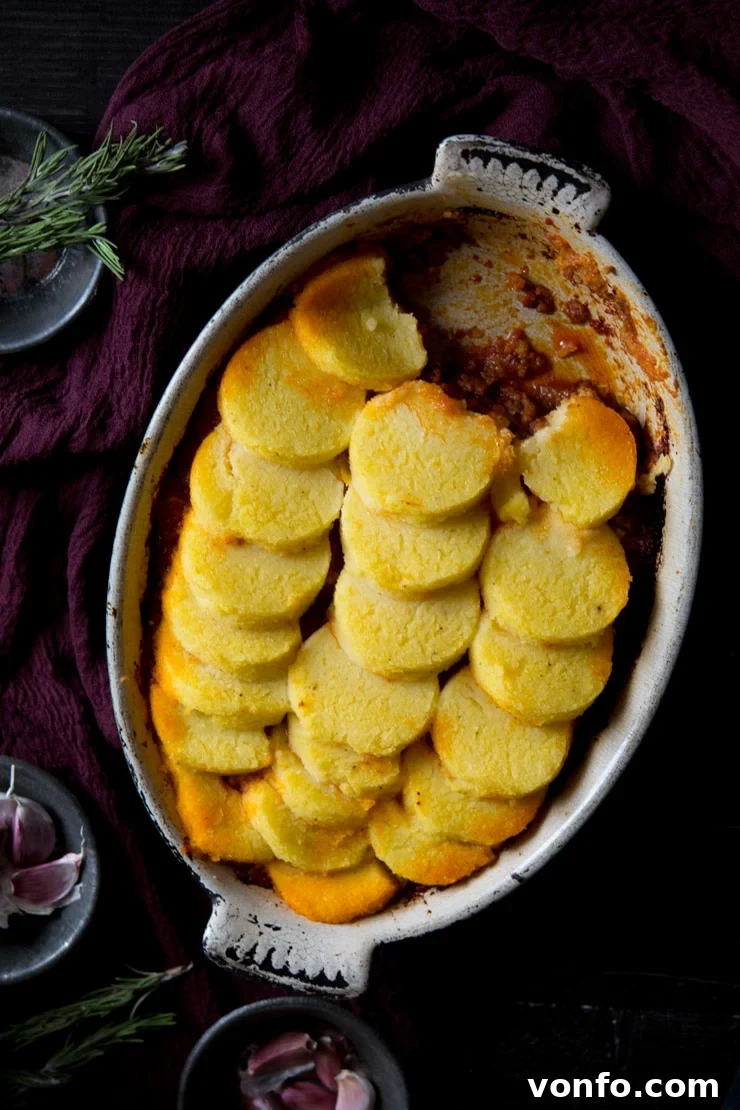
Imagine spooning into a generous serving of polenta, its creamy texture yielding to a wonderfully crisp, baked top, all while cradling a rich, deeply savory beef and sausage ragu. This dish isn’t just food; it’s an experience. It brings together the rustic charm of Italian home cooking with an elegance that makes it suitable for special occasions, yet simple enough for a weeknight family dinner. The polenta, enriched with generous amounts of butter and nutty Parmesan cheese, tastes like a dream, providing a luxurious counterpoint to the robust meat sauce.
What makes our baked polenta version stand out is the preparation method: we craft the creamy polenta, infuse it with Parmesan and butter, then allow it to cool and firm. This firm polenta is then cut into elegant rounds, which are artfully arranged atop an exquisitely flavorful beef and sausage ragu. The final bake in the oven performs culinary magic, creating a beautiful, slightly crunchy crust on the polenta’s surface, while the interior remains incredibly soft and yielding. Meanwhile, the rich, slow-cooked ragu bubbles up from beneath, its complex flavors intensifying with every minute in the heat. This harmonious blend of textures and deeply concentrated flavors makes for a truly unforgettable and satisfying meal.
The Art of a Perfect Beef and Sausage Ragu: A Journey in Flavor
A truly great ragu is a testament to patience and the power of slow cooking. It’s a foundational Italian sauce that builds layers of flavor, transforming simple ingredients into something profoundly complex and satisfying. Our beef and sausage ragu follows time-honored techniques, ensuring every spoonful is packed with rich, savory goodness.
Building the Foundation: The Soffritto
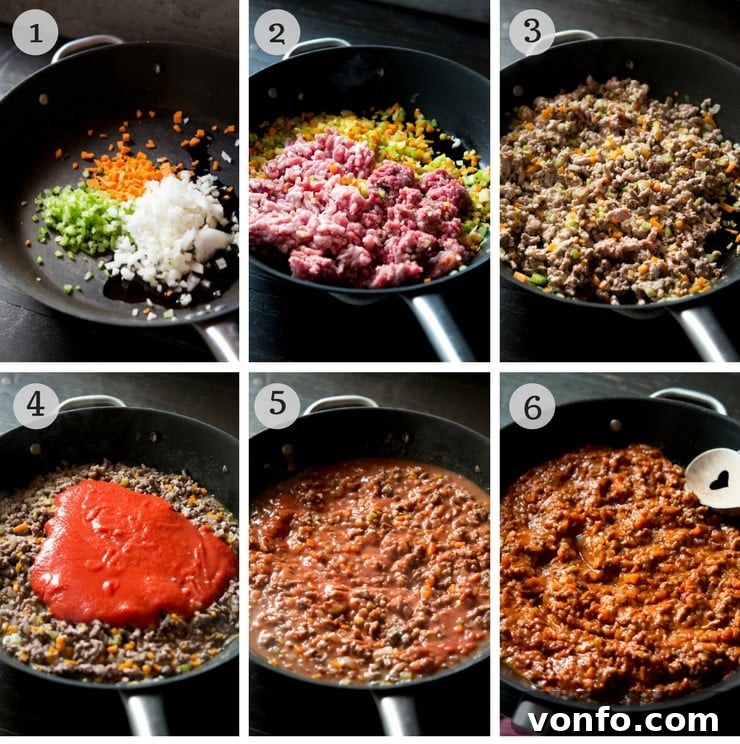
Every great Italian ragu begins with a perfect soffritto – the aromatic base that sets the stage for all subsequent flavors. For this recipe, finely chop one carrot, one onion, and a stalk of celery. These three vegetables, often referred to as the “holy trinity” of Italian cooking, provide a sweet and savory foundation. In a large, heavy-bottomed pan or Dutch oven, add a generous drizzle of good quality olive oil. Sauté the chopped carrot, onion, and celery gently for about 6-7 minutes. The key here is low and slow; you want the vegetables to soften and become translucent, releasing their natural sugars and aromas, but without browning. This gentle cooking extracts their full flavor potential.
The Heart of the Ragu: Browning the Meats
Once your soffritto is perfectly tender, it’s time to introduce the proteins. We use a combination of beef mince (ground beef) and Italian sausage meat for a rich and varied flavor profile. If using link sausages, remove the meat from their casings. Add both the beef and sausage meat, along with two minced garlic cloves, to the pan. Break up the meat with a wooden spoon and brown it thoroughly over medium-high heat. Browning is essential as it creates the Maillard reaction, developing deep, savory, umami flavors that are critical to the ragu’s richness. If the sausages release a significant amount of fat, you may spoon out some of the excess, leaving just enough to moisten the sauce.
Deglazing and Slow Simmering: Developing Depth
With the meats beautifully browned, it’s time for the magical step of deglazing. Pour in half a cup (125ml) of red wine. As the wine sizzles, use your spoon to scrape up all the flavorful browned bits stuck to the bottom of the pan. These “fond” bits are packed with flavor and will dissolve into the sauce, adding incredible depth. Allow the wine to simmer and reduce by about half, concentrating its flavor. Next, add 3 1/4 cups (750g) of passata (pureed tomatoes) along with a couple of tablespoons of water, and season generously with salt and freshly ground black pepper. Stir everything until well combined.
Now, the ragu enters its transformation phase. Cover the pan and let it simmer gently on low heat for a minimum of 1 and a half to 2 hours. This slow, patient cooking allows the flavors to fully meld, soften the meat, and thicken the sauce to a luscious consistency. Check on it periodically, stirring occasionally. If the sauce reduces too much and becomes too thick, simply top it up with a little more water or beef broth. The longer you let it simmer, the richer and more developed the flavors will become, making this ragu a true culinary delight. This extended cooking time is what differentiates a quick meat sauce from a genuine, deeply satisfying ragu.
Crafting Creamy Baked Polenta: A Versatile Delight
While your ragu is quietly simmering to perfection, it’s the ideal time to prepare the polenta. Polenta, made from ground cornmeal, is wonderfully adaptable and forms the perfect creamy counterpoint to the robust meat sauce. For this recipe, we’re utilizing “fast action” or instant polenta, which significantly cuts down on cooking time compared to traditional varieties, making this hearty meal more accessible for home cooks without sacrificing flavor or texture.
Achieving Perfect Creamy Polenta
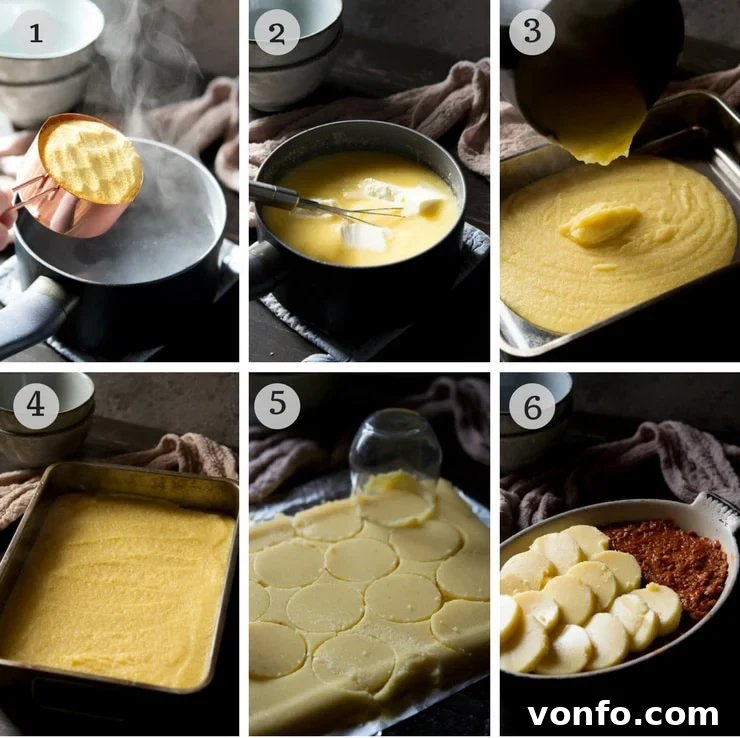
Begin by bringing 4 cups (1 liter) of water to a vigorous boil in a large, heavy-bottomed saucepan. It is absolutely crucial to season the water generously with a good pinch of salt at this stage. Seasoning the cooking liquid ensures the polenta itself is flavorful from the inside out, rather than tasting bland. Once the water is at a rolling boil, gradually pour the 1 cup (165g) of fast action polenta into the water in a slow, steady stream. As you pour, whisk or stir continuously and vigorously. This constant motion is vital for preventing lumps and achieving that signature smooth, creamy consistency.
After all the polenta has been added, reduce the heat to medium-low. Continue stirring, either with a whisk or a sturdy wooden spoon, for a few minutes. Fast action polenta will thicken quite rapidly. Keep stirring until the polenta transforms into a thick, smooth, and creamy porridge-like consistency. It should be soft and flowing but hold its shape slightly. Once you’ve achieved this texture, remove the saucepan from the heat.
Enriching, Setting, and Shaping the Polenta for Baking
Now, it’s time to infuse the polenta with richness and flavor. Add 1.7 oz (50g) of unsalted butter and 1 tablespoon of freshly grated Parmesan cheese. Stir these ingredients into the hot polenta until the butter has completely melted and the cheese is thoroughly incorporated, creating a wonderfully savory and luxurious texture. Taste the polenta and adjust the seasoning as needed with more salt or pepper; a well-seasoned polenta makes a world of difference to the final dish.
For the baked element of this dish, pour the prepared polenta onto a large baking tray or a shallow, oven-safe dish. Use an offset spatula or the back of a spoon to smooth it out into an even layer, aiming for a thickness of about ½ to ¾ inch (approximately 1.5-2 cm). Allow the polenta to cool completely at room temperature. Once cooled, transfer the tray to the refrigerator and chill thoroughly. This chilling step is essential as it firms up the polenta, making it easy to cut into neat rounds using a cookie cutter or the rim of a drinking glass, or simply into elegant strips with a knife. This firm polenta can be prepared several hours in advance or even the day before, making it a fantastic component for meal planning and reducing last-minute effort.
Bringing It All Together: Baking and Serving Your Italian Masterpiece
With your rich, flavorful ragu simmered to perfection and your creamy polenta chilled and ready for shaping, the final act is to unite these components and bake them into a golden, bubbling masterpiece. This step marries the deep flavors of the sauce with the satisfying texture of the polenta, creating a dish that is greater than the sum of its parts.
Assembly and the Grand Bake
First, preheat your oven to 180°C (350°F) / Gas Mark 4. This ensures your oven is at the optimal temperature for that desirable crispy polenta crust and bubbling ragu. Carefully transfer your slow-simmered ragu into a large, oven-safe baking dish, spreading it evenly across the bottom. Next, retrieve your firmed polenta from the refrigerator. Using a cookie cutter, a drinking glass, or a sharp knife, cut the polenta into neat rounds or strips, depending on your preference. Gently arrange these polenta pieces over the surface of the ragu. Don’t worry if they touch or slightly overlap; the goal is to create a delicious, savory blanket over the meat sauce.
Place the assembled dish into the preheated oven and bake for approximately 30 minutes. You’ll know it’s perfectly done when the polenta topping achieves a beautiful golden-brown color and a slightly crunchy texture, and the rich ragu beneath is visibly bubbling around the edges. The aroma filling your kitchen will be absolutely irresistible! Once baked, carefully remove the dish from the oven and allow it to cool for about 5 minutes before serving. This brief resting period allows the intense flavors to settle and prevents you from scalding your tongue on the piping hot ragu. Serve directly from the baking dish, perhaps with a final flourish of fresh parsley and an extra sprinkle of Parmesan cheese for an added touch of indulgence.
Storage and Reheating Tips for Enjoying Later
One of the many joys of this Baked Polenta with Beef and Sausage Ragu is how wonderfully it holds up as leftovers. In fact, many believe the flavors deepen and improve overnight! To store, ensure the dish has cooled completely to room temperature. Transfer any remaining portions into an airtight container and refrigerate for up to 3-4 days. This makes it an excellent candidate for meal prepping on a Sunday for delicious meals throughout the week.
When you’re ready to reheat, individual servings can be gently warmed in the microwave until heated through. For larger portions or to replicate the oven-baked experience, cover the baking dish with aluminum foil and reheat in a preheated oven at 160°C (325°F) for about 20-30 minutes, or until piping hot. If the ragu appears a little dry, stir in a splash of water or broth before reheating to restore its luscious consistency.
For longer storage, this dish freezes beautifully. Once completely cooled, divide the ragu and polenta into freezer-safe containers. It can be frozen for up to 3 months. To enjoy, thaw overnight in the refrigerator, then reheat using the methods described above. Having a batch of this comforting meal ready in the freezer is a true lifesaver on busy evenings.
More Comfort Food Meals To Try
- Pizzoccheri pasta with potatoes and cabbage
- Tuscan farro soup with beans
- Broccoli rabe ricotta gnudi with parmesan cream
- Parmigiana di melanzane (eggplant parmigiana)
- Tuscan bean stew with sausages
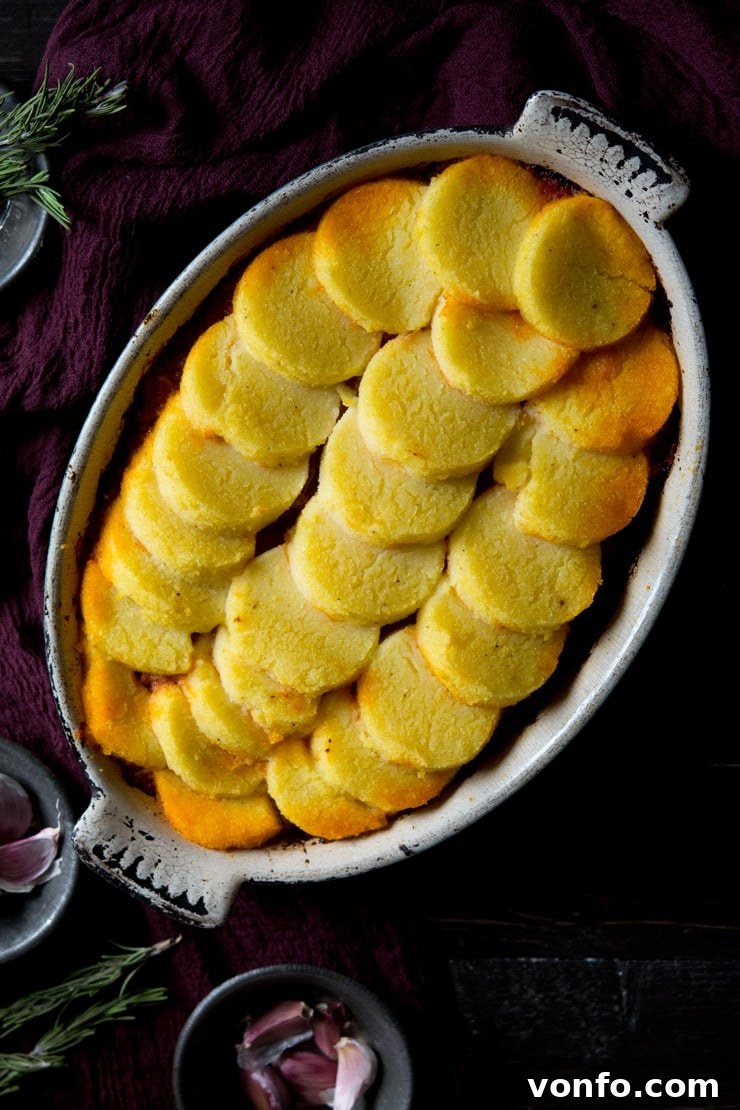
We truly hope you’ll embrace the warmth and rich flavors of this Baked Polenta with Beef and Sausage Ragu. It’s a dish that embodies the heart and soul of Italian comfort cooking, perfect for sharing with loved ones or enjoying on a quiet night in. If you’ve tried this recipe or explored any other culinary adventures on our blog, we would be absolutely delighted if you’d take a moment to rate the recipe and share your thoughts in the comments section below – your feedback means the world to us!
You can also FOLLOW US on FACEBOOK, TWITTER, INSTAGRAM, and PINTEREST to discover more delectable food ideas and stay updated with our latest culinary adventures.
Baked Polenta with Beef and Sausage Ragu
By Emily
Rating: 5 out of 5 stars (based on 2 community votes)
Cook Time: 2 hrs
Total Time: 2 hrs 20 mins
Servings: 4 – 6 people
A rich and flavourful beef and sausage ragu topped with creamy polenta and baked in the oven. This delicious comfort food dish is perfect for keeping you warm and satisfied during the colder months.
Pin Recipe |
Print Recipe
Ingredients
For the Ragu
- 1 medium carrot, finely chopped
- 1 medium onion, finely chopped
- 1 stalk celery, finely chopped
- 2 garlic cloves, minced
- 15 oz (430g) beef mince (ground beef)
- 2 Italian sausages, casings removed (choose mild or spicy to your preference)
- 3 1/4 cups (750g) pureed tomatoes / passata
- 1/2 cup (125ml) dry red wine (e.g., Chianti, Merlot)
- Salt and freshly ground black pepper, to season
- 1 tbsp extra virgin olive oil
For the Polenta
- 1 cup (165g) fast action polenta (quick-cooking cornmeal)
- 4 cups (1 liter) water
- Salt, to taste
- 1.7 oz (50g) unsalted butter
- 1 tbsp freshly grated Parmesan cheese, plus extra for serving
Instructions
- Prepare Soffritto: Finely chop the carrot, onion, celery, and garlic. In a large, heavy-bottomed pan or Dutch oven, heat the olive oil over medium-low heat. Add the carrot, onion, and celery (reserve garlic for later). Sauté gently for 6-7 minutes until the vegetables are soft and translucent, but not browned.
- Brown the Meats: Increase heat to medium-high. Add the beef mince, sausage meat (removed from casings), and minced garlic to the pan. Break up the meat with a wooden spoon and brown thoroughly for about 8-10 minutes. If excess fat renders from the sausages, carefully spoon some out.
- Deglaze and Add Tomatoes: Pour in the red wine and let it simmer, scraping any browned bits from the bottom of the pan, until the wine has reduced by half. Stir in the passata (pureed tomatoes) along with 2 tablespoons of water, and season generously with salt and pepper.
- Simmer the Ragu: Bring the ragu to a gentle simmer, then cover the pan, reduce heat to low, and let it cook for 1.5 to 2 hours. Stir occasionally. If the sauce becomes too thick, add a little water or broth to adjust consistency. The longer it simmers, the richer the flavor.
- Prepare Polenta Water: While the ragu simmers, prepare the polenta. In a large saucepan, bring 4 cups (1 liter) of water to a rolling boil. Add a good pinch of salt to the water.
- Cook Polenta: Gradually pour the fast action polenta into the boiling water in a slow, steady stream, whisking constantly to prevent lumps. Reduce the heat to medium-low and continue stirring until the polenta becomes thick and smooth, typically within a few minutes.
- Enrich Polenta: Remove the polenta from the heat. Stir in the butter and freshly grated Parmesan cheese until completely melted and incorporated. Taste and adjust seasoning with more salt or pepper if desired.
- Set Polenta: Pour the cooked polenta onto a large baking tray or shallow dish, smoothing it out to an even layer about ½ to ¾ inch (1.5-2 cm) thick. Let it cool completely at room temperature, then place it in the refrigerator to firm up until the ragu is ready (at least 30 minutes, or up to a day).
- Preheat Oven & Assemble: When the ragu is ready, preheat your oven to 180°C (350°F) / Gas Mark 4. Transfer the ragu into a large, oven-safe baking dish, spreading it evenly.
- Top with Polenta: Remove the firm polenta from the fridge. Use a cookie cutter or the rim of a glass to cut out rounds, or simply cut it into strips. Arrange the polenta pieces neatly over the surface of the ragu in the baking dish.
- Bake and Serve: Bake in the preheated oven for 30 minutes, or until the polenta topping is golden brown and slightly crunchy, and the ragu is bubbling invitingly. Remove from the oven, let it cool for 5 minutes, then serve directly from the dish, perhaps with a garnish of fresh parsley.
Helpful Info for All Our Recipes
- We always use extra virgin olive oil in all of our recipes unless stated otherwise.
- When using canned or jarred tomatoes of any kind, we recommend high-quality brands like Cirio or Mutti for the best results and flavor.
- All vegetables are assumed to be medium-sized unless specified otherwise in the ingredient list.
- All recipes on our blog are meticulously tested and developed using a fan (convection) oven.
- For more details, find out how nutrition information is calculated for our recipes.
- Explore our guide to Essential Italian Pantry Staples for stocking your kitchen.
- Discover our recommendations for Essential Kitchen Tools for Italian Cooking to enhance your culinary journey.
Nutrition (Approximate)
Calories: 400 kcal per serving
Nutrition information is automatically calculated and should only be used as an approximation. It can vary based on specific ingredients and preparation methods.
Did you try this recipe? We’d love to hear from you! Leave a comment below!