
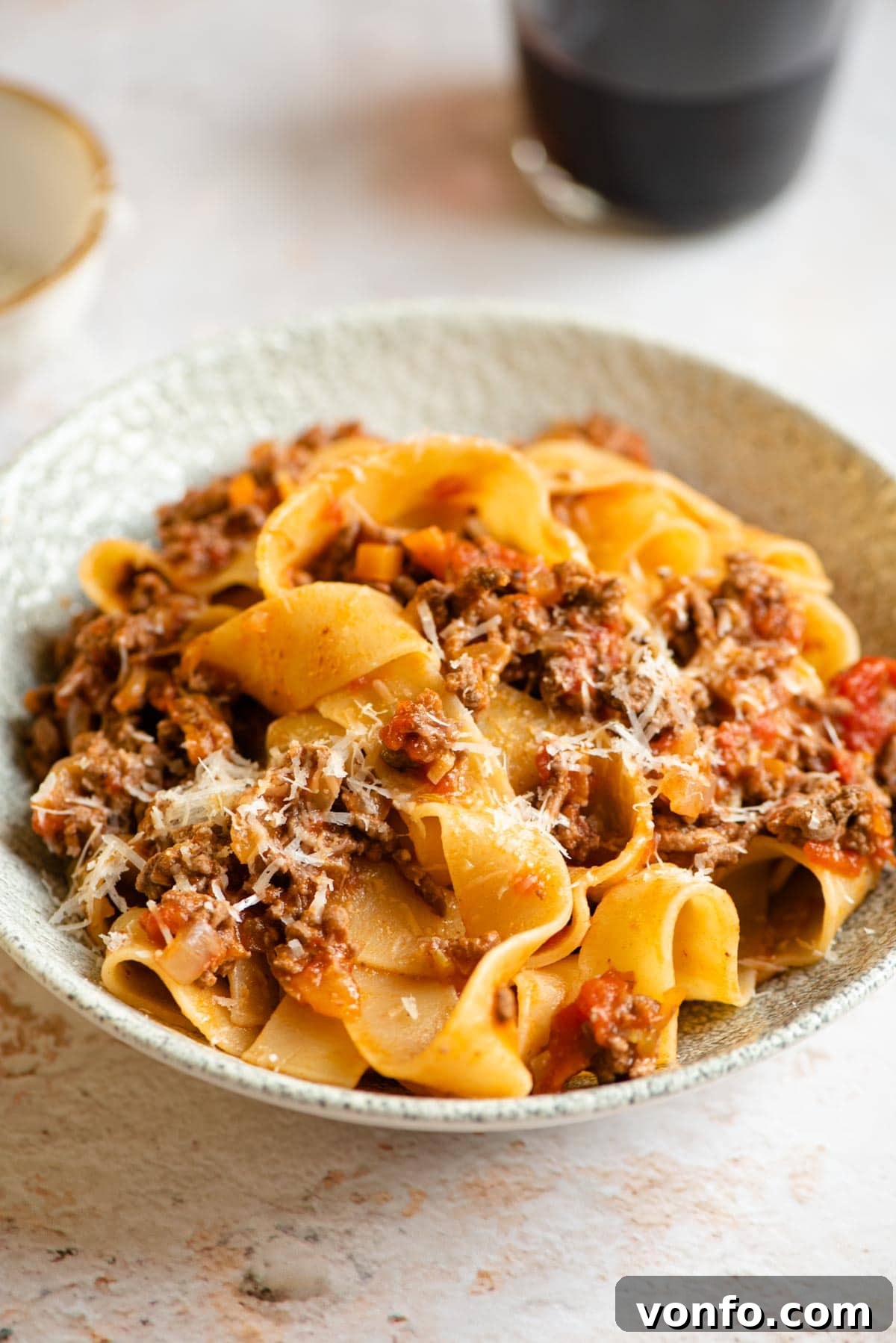
Embark on a culinary journey to Italy with our recipe for the most incredible Italian Lamb Ragu. This slow-cooked masterpiece, known in Italy as Ragu di Agnello, blends tender lamb with a rich medley of vegetables, aromatic red wine, and fragrant rosemary. It’s a dish that embodies comfort and tradition, making it perfect for a festive Easter celebration, a delightful spring gathering, or simply a heartwarming weekend family dinner. Prepare to impress your loved ones with a sauce that’s both easy to create and profoundly flavorful, ideally served with broad pappardelle pasta and delicate shavings of Pecorino cheese.
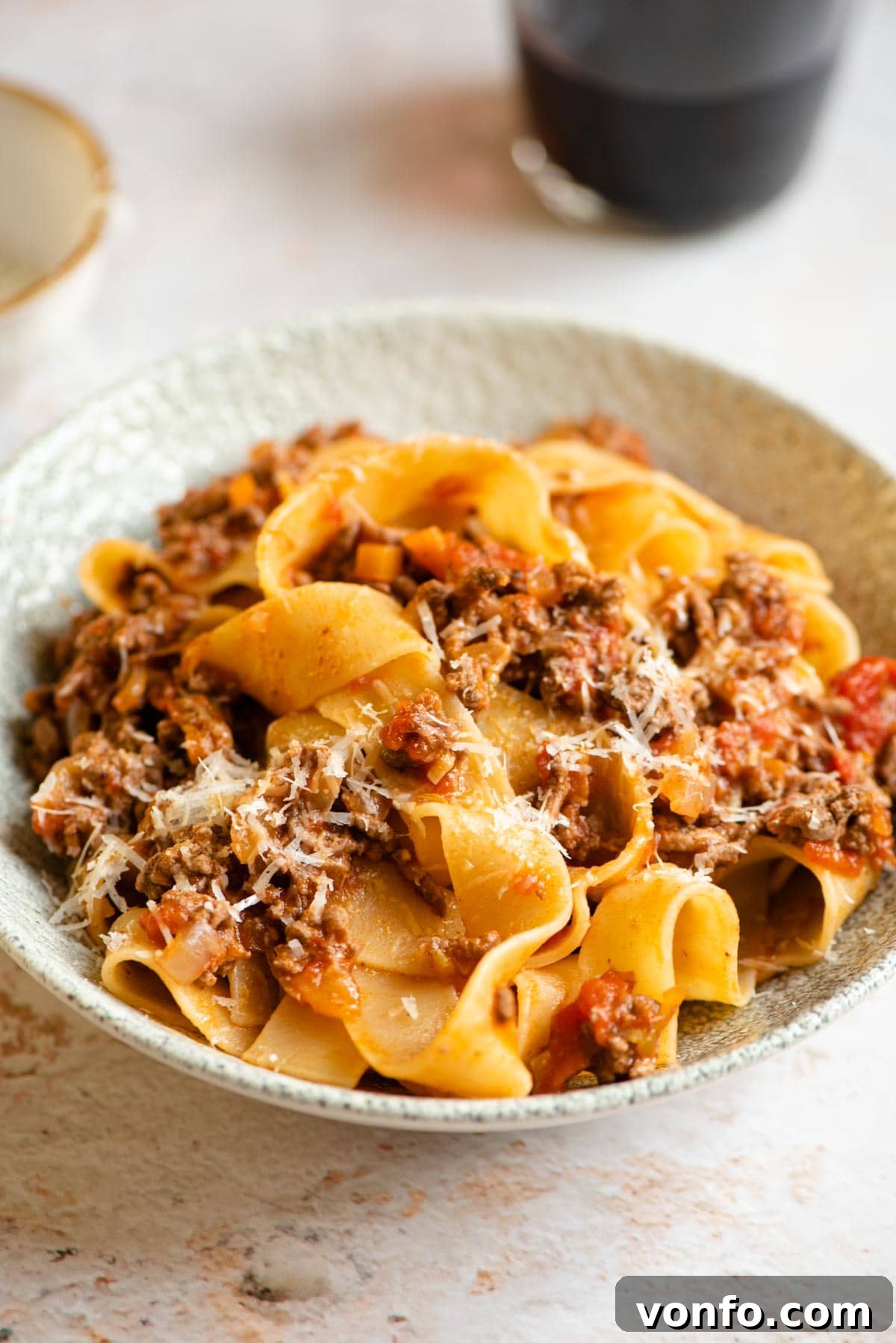
The Art of Italian Lamb Ragu (Ragu di Agnello)
Lamb ragu is more than just a pasta sauce; it’s a celebration of slow cooking and robust flavors that truly defines Italian comfort food. Originating from regions like Tuscany and Sardinia, where lamb is a staple, this dish transforms humble ingredients into a luxurious, deeply satisfying meal. The secret lies in the patient simmering, allowing all the rich flavors to meld together into a velvety, aromatic sauce that clings beautifully to pasta. Whether you’re marking a special occasion or simply craving authentic Italian warmth, Ragu di Agnello is a choice that never disappoints.
Our recipe guides you through creating a rich, slowly simmered sauce, expertly infused with ripe tomatoes, a robust red wine, and fresh rosemary. Once perfected, this versatile ragu can be elegantly tossed with silky pappardelle pasta or transformed into a hearty, layered lasagna, offering endless possibilities for delicious meals. And don’t forget the essential crusty bread – it’s perfect for mopping up every last drop of the incredible sauce, a delightful Italian tradition known as fare la scarpetta!
Why This Lamb Ragu Recipe Stands Out
This particular lamb ragu recipe is designed for both authenticity and ease, ensuring even novice cooks can achieve a restaurant-quality dish at home. We focus on foundational Italian techniques, such as the crucial slow sautéing of the soffritto, which lays the groundwork for unparalleled flavor. The combination of rich lamb with the bright acidity of tomatoes and the earthy notes of rosemary creates a perfectly balanced profile. Unlike quick sauces, our ragu benefits from a long, gentle simmer, which tenderizes the lamb and deepens the sauce’s complexity, resulting in a truly memorable meal that feels both gourmet and home-cooked.
Essential Ingredients for Your Perfect Lamb Ragu
Quality ingredients are the cornerstone of any great Italian dish. Below, you’ll find a detailed look at what you need to create this exquisite lamb ragu, along with important notes to guide your selection and preparation.
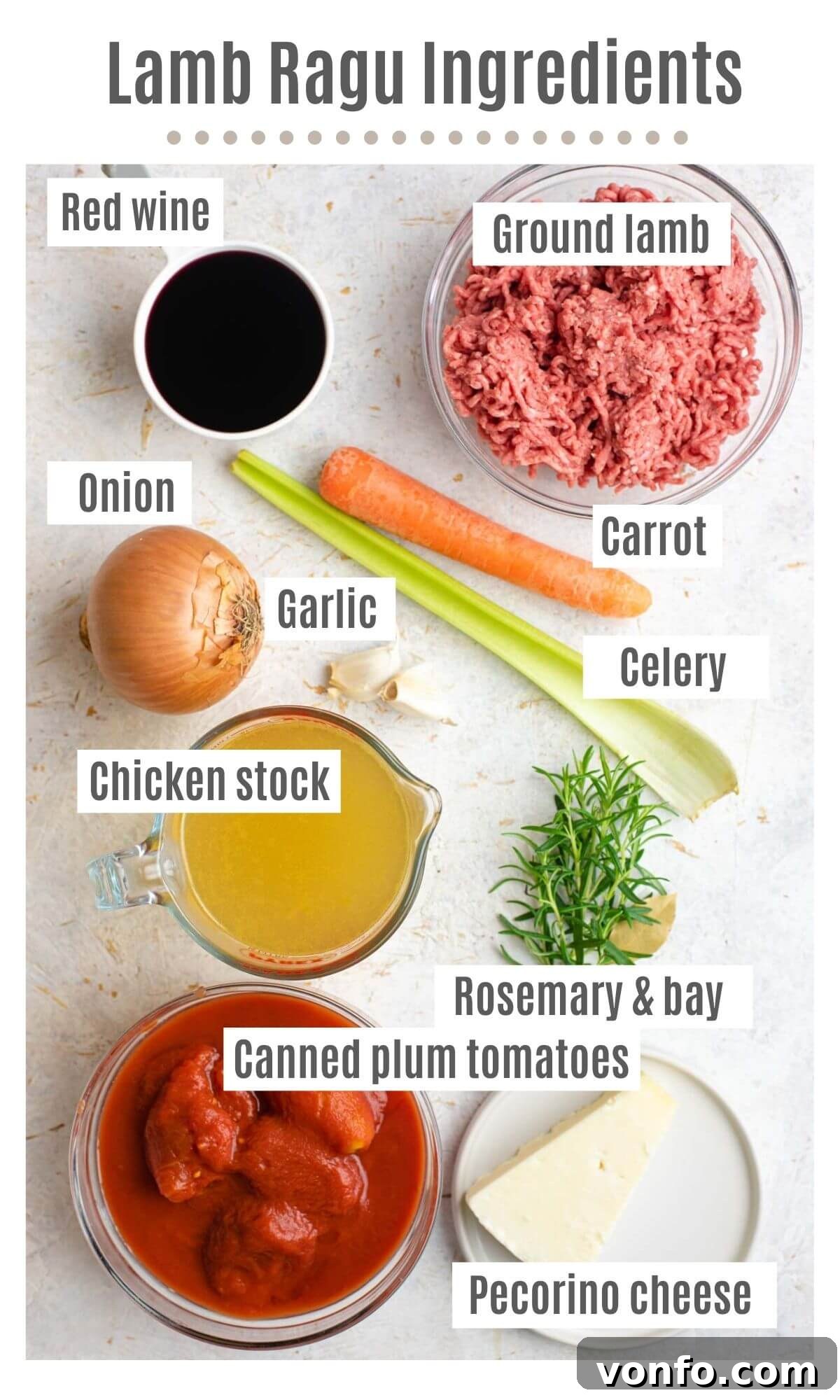
- Carrot, Celery & Onion (Soffritto): This classic trio of finely chopped vegetables forms the aromatic base of many Italian sauces. Known as soffritto, it’s crucial for building a deep, nuanced flavor in your ragu. Sautéing them slowly and gently until soft, without browning, allows their natural sweetness to develop, creating a rich foundation for the lamb.
- Garlic: While traditionally, Italian cuisine often favors either onion or garlic but not always both, in this hearty lamb ragu, garlic adds an extra layer of pungent depth that perfectly complements the rich flavor of the lamb. Use fresh garlic, finely chopped, for the best results.
- Lamb: We recommend using ground lamb (or lamb mince, as it’s known in the UK) with about 20% fat content for maximum flavor and moisture. If ground lamb isn’t available, lamb shoulder cut into 1-inch (2.5 cm) pieces works wonderfully; it will tenderize and break apart beautifully during the long simmering process.
- Tomatoes: The quality of your tomatoes significantly impacts the final taste. Opt for high-quality canned whole plum tomatoes, which offer a richer, sweeter flavor. Alternatively, chopped canned tomatoes or smooth passata can be used, but whole plum tomatoes broken down by hand or spoon tend to yield a superior texture and taste.
- Chicken Stock: Chicken stock adds savory depth to the ragu. If possible, choose a low-sodium variety to better control the overall seasoning of your dish.
- Red Wine: A dry red wine is essential for deglazing the pan and infusing the ragu with complex, robust flavors. A Merlot, Chianti, or Cabernet Sauvignon would be excellent choices. If you prefer, a dry white wine can also be used for a slightly lighter flavor profile.
- Rosemary and Bay Leaf: These herbs are the aromatic heart of this ragu. Always use fresh sprigs of rosemary for its vibrant, piney notes. Dried rosemary can be too potent and lacks the fresh aroma. A bay leaf adds another layer of subtle, earthy fragrance.
- Salt and Pepper: Proper seasoning is vital. Salt enhances all the flavors, while freshly ground black pepper adds a gentle warmth. Remember to taste and adjust the seasoning towards the end of cooking, adding more a little at a time until it’s perfect.
- Olive Oil: A good quality extra virgin olive oil is key for browning the lamb and slowly sautéing the soffritto, contributing to the authentic Mediterranean flavor.
Step-by-Step Guide to Crafting Delicious Lamb Ragu
Creating this magnificent lamb ragu is a labor of love that rewards patience with incredible flavor. Follow these detailed steps to achieve perfect results.
- Begin by adding 1-2 tablespoons of olive oil to a large Dutch oven or a heavy-bottomed pot over medium-high heat. Once hot, add the ground lamb and brown it thoroughly, breaking it up with a spoon as it cooks. This step is crucial for developing rich flavor. Once browned, carefully drain away any excess fat to prevent the ragu from becoming greasy, then transfer the lamb to a bowl and set aside.
- In the same pan, add another 1-2 tablespoons of olive oil. Reduce the heat to medium-low. Add the finely chopped carrot, celery, and onion (your soffritto). Sauté slowly and gently for about 10 minutes, or until the vegetables are very soft and translucent but not browned. This slow cooking extracts their sweetness and builds the essential flavor base.
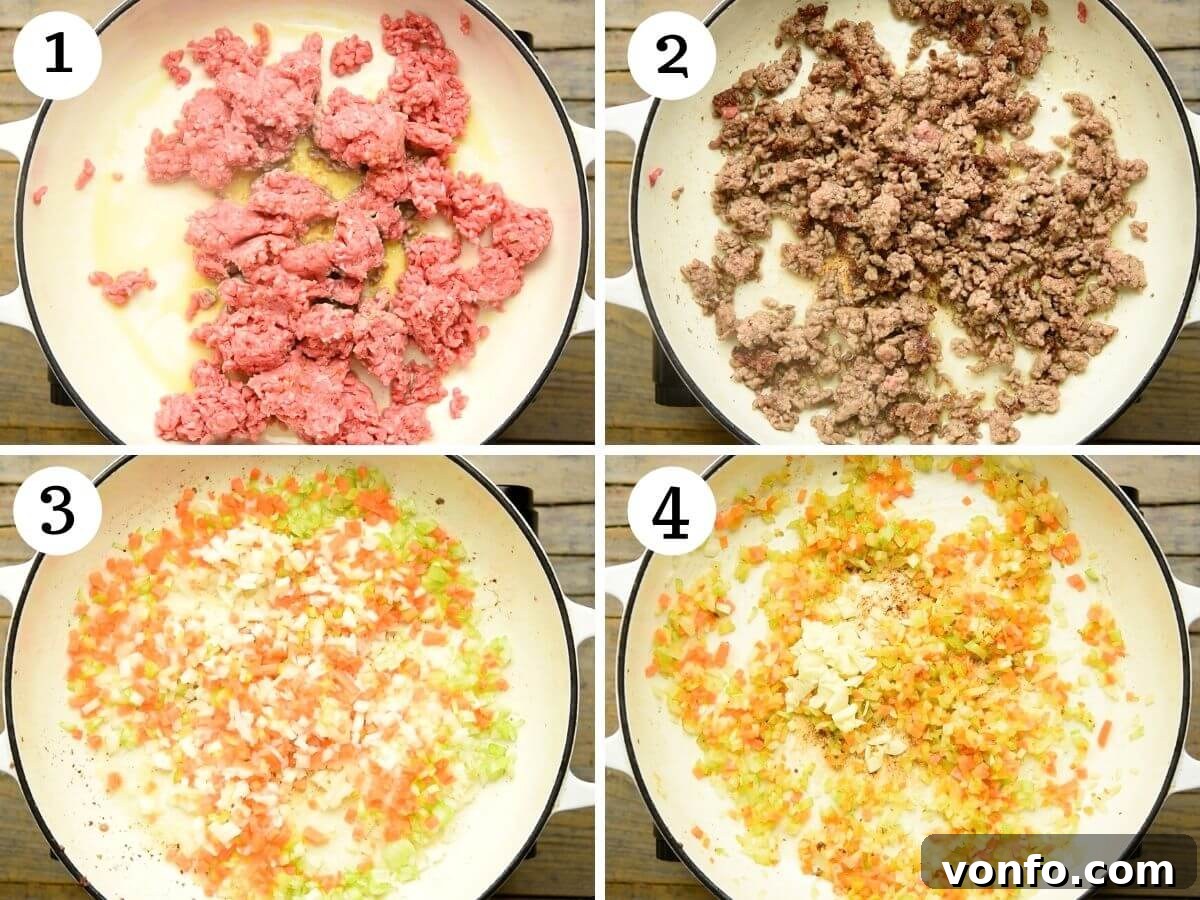
- Once the soffritto is perfectly soft, add the finely chopped garlic to the pan and sauté for another minute until fragrant, being careful not to burn it. Return the browned lamb to the pan and mix well with the vegetables. Pour in the red wine, increase the heat slightly, and bring it to a simmer, allowing the wine to reduce by half. This process deepens the flavor and burns off the alcohol.
- Once the wine has reduced, add the chicken stock and canned whole plum tomatoes. Use your spoon to break up the whole tomatoes directly in the pan, then stir everything to combine thoroughly. Add the fresh rosemary sprigs and the bay leaf, along with a good pinch of salt and freshly ground black pepper.
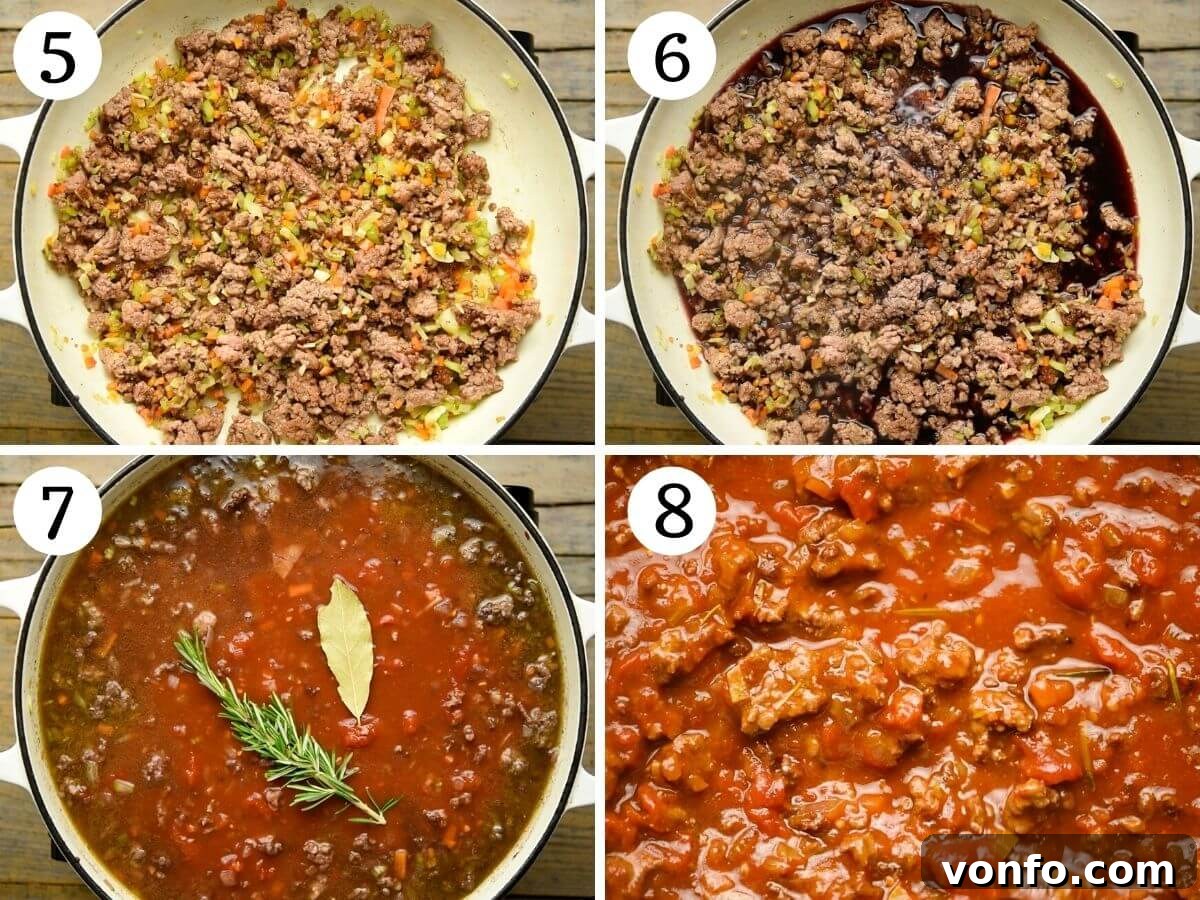
- Bring the ragu to a gentle simmer, then reduce the heat to low. Let it cook uncovered for at least 3 hours. A slow, steady simmer is key here; it allows the lamb to become incredibly tender and the flavors to meld beautifully. Stir occasionally to prevent sticking. If the ragu starts to dry out too much, add a little more water or chicken stock as needed to maintain a rich, saucy consistency.
- After 3 hours, the ragu should be thick, rich, and deeply flavored. Taste it and adjust the seasoning with more salt and pepper if necessary. While the ragu stays warm, bring a large pot of generously salted water to a rolling boil. Cook your preferred pasta until it is perfectly al dente, meaning it’s firm to the bite.
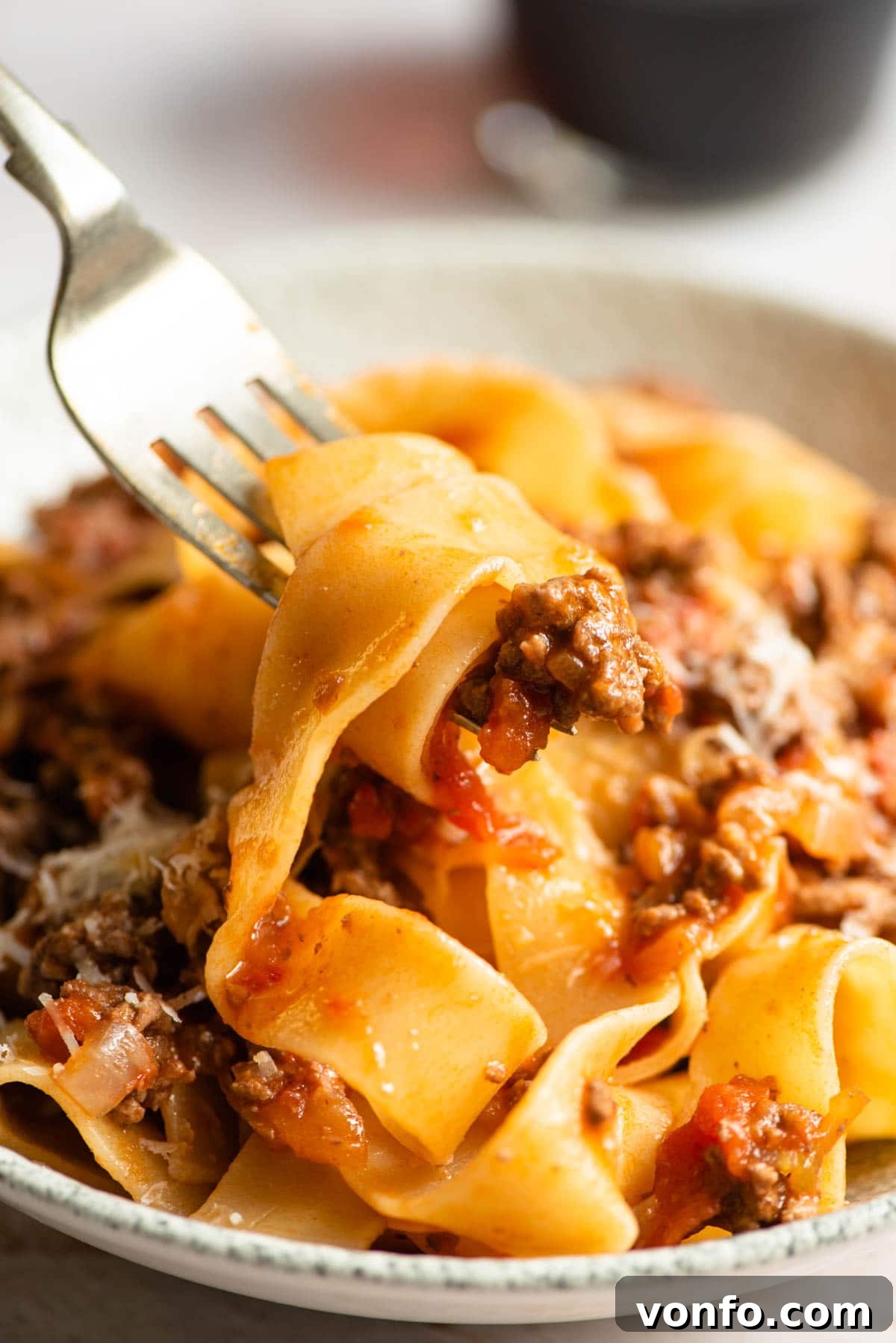
- Once the pasta is cooked, use tongs or a slotted spoon to transfer it directly into the ragu. Toss everything together until the pasta is completely coated in the glorious sauce. Serve immediately in warm bowls, topped generously with shavings of Pecorino cheese for an authentic Italian finish.
Pro Tips for an Unforgettable Lamb Ragu
Achieve an even more delicious and authentic lamb ragu with these expert tips and considerations:
- Drain the Fat: After browning the lamb, it’s essential to drain off any excess fat. This prevents your ragu from becoming overly greasy and ensures a cleaner, richer flavor profile.
- Adjust Stock as Needed: The simmering process will naturally reduce the sauce. Keep an eye on your ragu; if it appears to be drying out too quickly, don’t hesitate to add a splash more chicken stock or even water to maintain the perfect consistency.
- Pasta Pairing: While pappardelle pasta is our top recommendation for its broad surface that beautifully captures the hearty ragu, feel free to choose your favorite pasta shape. Tagliatelle, fettuccine, or even wide rigatoni would also be excellent choices. For a delightful alternative, consider serving it with soft gnocchi.
- Transform into Lasagna: This lamb ragu is wonderfully versatile! It makes an exceptional filling for lasagna. Simply follow our recipe for lasagne al forno, substituting the beef ragu with this rich lamb version for a truly comforting dish.
- Pecorino Cheese over Parmesan: For an authentic touch, we highly recommend grating fresh Pecorino Romano cheese over your finished ragu instead of Parmesan. Pecorino offers a sharper, saltier flavor that perfectly complements the robust lamb.
Storing and Freezing Your Lamb Ragu
This lamb ragu is perfect for meal prep, as its flavors only deepen with time. Store any leftovers in an airtight container in the refrigerator for 3-4 days. For longer storage, the ragu freezes beautifully. Allow it to cool completely, then transfer to freezer-safe containers or bags. It can be frozen for up to 3 months. Thaw completely in the refrigerator overnight before gently reheating on the stovetop, adding a splash of stock if needed to restore its consistency.
Frequently Asked Questions (FAQs) About Lamb Ragu
Absolutely! Lamb ragu tastes even better the next day as the flavors have more time to meld. You can prepare the ragu a day or two ahead and store it in the fridge, then gently reheat before serving with freshly cooked pasta.
Yes, lamb ragu freezes exceptionally well. Once cooled, transfer the ragu to airtight, freezer-safe containers and freeze for up to 3 months. When ready to use, thaw it completely in the refrigerator before reheating gently on the stove.
A dry red wine with good body is ideal. Opt for varietals like Merlot, Chianti, Sangiovese, or a Cabernet Sauvignon. The key is to choose a wine you’d enjoy drinking, as its flavor will concentrate in the sauce.
Yes, absolutely! If you prefer a chunkier ragu or can’t find ground lamb, cut lamb shoulder into 1-inch (2.5 cm) pieces. The long simmering time will tenderize the meat beautifully, and it will naturally break down somewhat, creating a wonderfully rustic texture.
More Authentic Italian Ragu Recipes to Explore
If you love the rich flavors of slow-cooked Italian sauces, be sure to try these other delicious ragu recipes:
- Hearty Italian Beef Ragu
- Authentic Bolognese Sauce (Ragu alla Bolognese)
- Rich Vegetable Ragu with Pappardelle Pasta
- Luxurious Venetian Duck Ragu with Pappardelle
Final Thoughts on Your Lamb Ragu Journey
Crafting this Italian Lamb Ragu is a truly rewarding experience, offering not just a meal but a taste of genuine Italian tradition. The depth of flavor developed through slow cooking is unmatched, making it a dish you’ll want to revisit again and again. We hope this comprehensive guide inspires you to create your own perfect Ragu di Agnello. If you’ve tried this Lamb Ragu or any other recipe from our collection, please don’t forget to rate it and share your thoughts in the comments below – we love hearing from you! You can also FOLLOW US on FACEBOOK, INSTAGRAM, and PINTEREST for more delicious recipes and culinary inspiration.
Lamb Ragu
By Emily
Prep Time: 10 mins
Cook Time: 3 hrs 20 mins
Total Time: 3 hrs 30 mins
Servings: 4 – 6 servings
Print Recipe
How to make the most incredible Italian Lamb Ragu with vegetables and red wine and rosemary. This ragu is super easy to make and is perfect for serving up for a weekend family dinner. Serve with pappardelle pasta and shavings of Pecorino cheese.
Ingredients
- 1 carrot
- 1 celery stalk
- 1 onion
- 2 cloves garlic
- 1 lb ground lamb (mince UK) (500g)
- 1 cup red wine (240ml)
- 28 oz canned whole plum tomatoes (800g)
- 2 cups chicken stock (500ml)
- 2-3 rosemary sprigs
- 1 bay leaf
- 3-4 tbsp olive oil
- Salt and pepper to taste
For serving (optional)
- 1.1 lbs Pappardelle pasta or pasta of choice (500g)
- Pecorino cheese, for grating
Instructions
- Add 1-2 tbsp of olive oil to a Dutch oven or large pan and brown the lamb. Drain away any excess fat and transfer the lamb to a bowl.
- Add another 1-2 tbsp of olive oil to the same pan and sauté the finely chopped carrot, celery, and onion slowly until soft but not browned (about 10 minutes).
- Once soft, add the finely chopped garlic and sauté until fragrant. Add the lamb back to the pan and mix to combine. Add the red wine and reduce by half.
- Once reduced, add the stock and canned tomatoes. Break up the tomatoes with your spoon and stir to combine. Add the rosemary and bay leaf and a good pinch of salt and pepper.
- Let the ragu simmer slowly on a medium-low heat, uncovered, for 3 hours. If it starts to dry out too much, add a little more water or stock.
- Once ready, taste and add more salt as needed. Bring a large pot of salted water to a boil and cook your pasta of choice until al dente while keeping the ragu warm.
- Once the pasta is cooked, transfer it to the ragu and toss until completely combined in the sauce. Serve in bowls topped with Pecorino cheese.
Video
A video for making Italian Lamb Ragu can be found here.

Notes
- Drain the fat – once you have browned the lamb, drain off any excess fat if there is any, or your ragu will be a little too greasy.
- Add more stock if needed – if your ragu reduces too much too quickly, you can add a little more stock as needed.
- Pasta to serve it with – we recommend serving your lamb ragu with pappardelle pasta, but you can choose your favorite! Gnocchi is also a great choice.
- Make it into lasagna – lasagna is such a great way to use up this ragu; follow our recipe for lasagne al forno but replace the beef ragu with this recipe.
- Pecorino cheese – I really recommend using Pecorino cheese to grate on top of your ragu instead of Parmesan.
- Storage – leftovers will keep well in the fridge for 3-4 days or can be frozen for up to 3 months. Defrost completely before reheating.
Helpful Info for All Recipes
- I always use extra virgin olive oil in all of my recipes unless stated otherwise.
- When I use canned or jarred tomatoes of any kind, I always use Cirio or Mutti brands for the best results and flavor.
- All vegetables are medium-sized unless stated otherwise.
- All recipes are tested and developed using a fan (convection) oven.
- Find out more about how nutrition is calculated.
- Check out our must-have Italian Pantry Staples.
- You can also find all our Essential Kitchen Tools for Italian Cooking.
Nutrition
Calories: 538 kcal | Carbohydrates: 16 g | Protein: 23 g | Fat: 38 g | Saturated Fat: 13 g | Cholesterol: 83 mg | Sodium: 411 mg | Potassium: 927 mg | Fiber: 3 g | Sugar: 7 g | Vitamin A: 2832 IU | Vitamin C: 22 mg | Calcium: 109 mg | Iron: 4 mg
Nutrition information is automatically calculated, so should only be used as an approximation.
Did you try this recipe? Leave a comment below!