
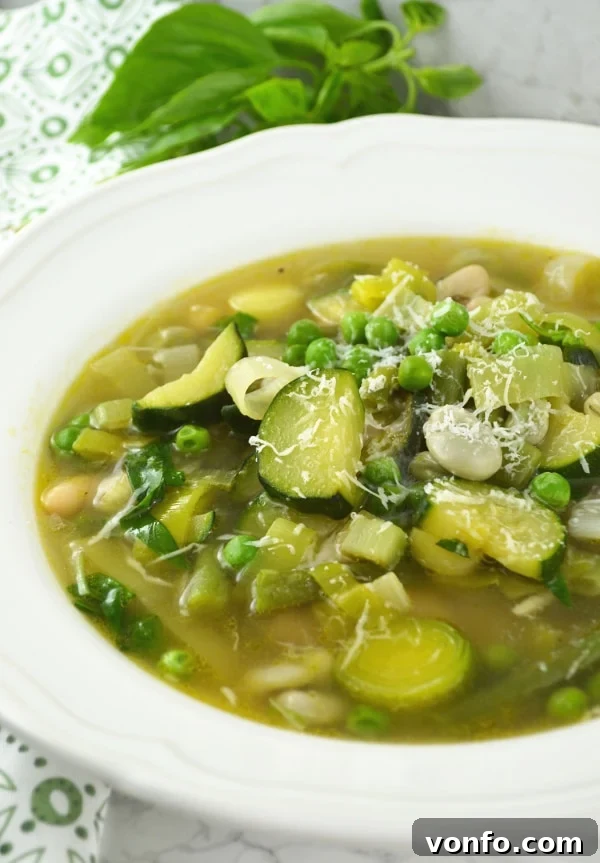
Minestrone Primavera: The Ultimate Healthy & Fresh Spring Vegetable Soup
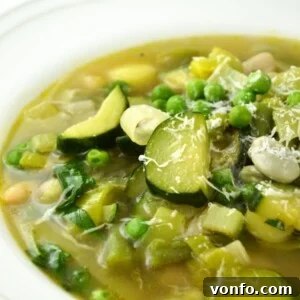
This Minestrone Primavera is a celebration of vibrant green goodness, packed with fresh, healthy ingredients and bursting with the delicious flavors of spring. It’s the perfect light yet satisfying meal to welcome warmer days.
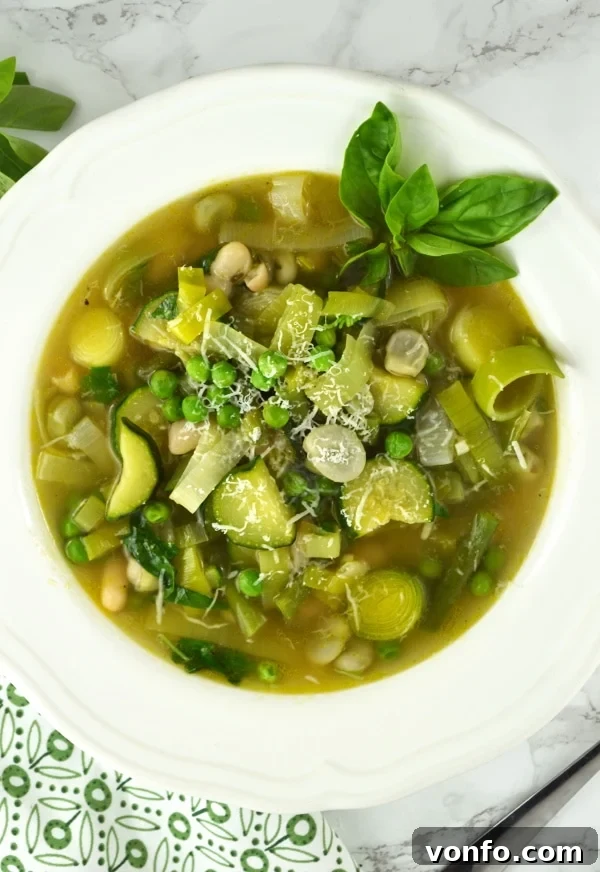
As Italy awakens from its winter slumber, the air fills with the promise of longer evenings and sun-drenched mornings. There’s a tangible shift in energy, and with it, a natural craving for lighter, more refreshing meals. Gone are the heavy stews and rich pasta dishes; my kitchen now buzzes with the excitement of an abundance of wonderful green vegetables.
Springtime offers a treasure trove of produce: sweet peas, tender broad beans, crisp asparagus, vibrant broccoli, and delicate zucchini. The challenge, and joy, lies in finding delicious ways to incorporate as many of these healthy gems into one harmonious dish. And what better way to do so than with a classic Italian soup? This Minestrone Primavera is not just a dish; it’s an ode to the season, incredibly easy to prepare, and ready to enjoy in hardly any time at all.
What Exactly is Minestrone Primavera?
Minestrone is a beloved classic in Italian cuisine, a hearty, thick soup known for its incredible versatility. The beauty of minestrone lies in its lack of a rigid recipe; it’s traditionally a “clean out the fridge” meal, designed to make the most of whatever seasonal vegetables are on hand. While some versions might include pasta, rice, or even small pieces of meat like chicken or ham, our Minestrone Primavera focuses purely on the fresh, delicate essence of spring.
The “Primavera” in its name literally means “spring” in Italian, signifying its dedication to the season’s bounty. We’re talking about a vibrant green medley that emphasizes freshness above all else. By opting for a meat and pasta-free rendition, this soup becomes wonderfully light, allowing the natural, sweet flavors of the vegetables to truly shine. It feels effortlessly healthy and profoundly satisfying without any heavy additions.
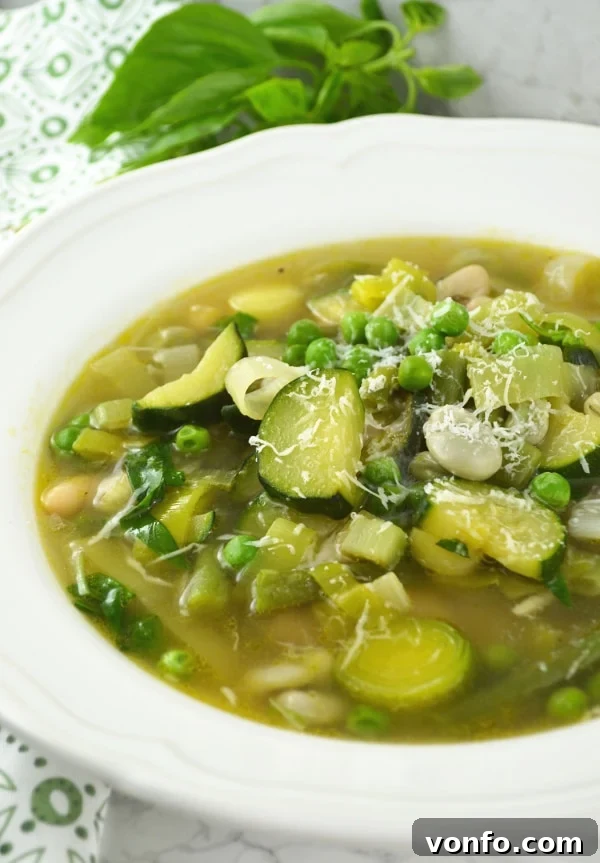
The Rich History and Enduring Philosophy of Minestrone
Minestrone’s roots trace back to ancient Rome, evolving from a simple vegetable porridge. Over centuries, it became a staple in Italian homes, especially among peasants who utilized whatever ingredients were available, making it a truly democratic dish. Its adaptability ensured its survival and popularity through various eras, reflecting regional agricultural practices and local culinary traditions.
The philosophy behind minestrone is deeply embedded in the principles of cucina povera, or “poor cooking,” which champions resourcefulness, seasonality, and making the most of simple, fresh ingredients. This approach not only prevents waste but also results in dishes that are profoundly flavorful and nourishing. Each bowl of minestrone, therefore, tells a story of tradition, sustainability, and the comforting essence of Italian home cooking.
While our Primavera version highlights spring, winter minestrones might feature root vegetables, squash, and heartier beans, often with a richer, tomato-based broth. This seasonal variation is precisely what makes minestrone such a cherished and endlessly creative dish.
Why Embrace Spring Vegetables?
Spring vegetables are not just beautiful to look at; they are powerhouses of nutrition and flavor. After a season of colder, heavier foods, these greens offer a refreshing burst of vitamins, minerals, and antioxidants. Here’s why the star ingredients in our Minestrone Primavera are so good for you:
- Broad Beans (Fava Beans): These tender legumes are rich in protein, fiber, and various vitamins (like folate and B vitamins), contributing to heart health and satiety.
- Peas: Small but mighty, peas are an excellent source of vitamin K, vitamin C, and fiber. Their natural sweetness adds a delightful pop to the soup.
- Green Beans: Providing vitamins A and C, fiber, and iron, green beans add a crisp-tender texture and mild, earthy flavor.
- Leek: A cousin to onions and garlic, leeks offer a milder, sweeter flavor profile along with essential vitamins and dietary fiber. They form a wonderful aromatic base.
- Zucchini (Courgette): Low in calories and high in water content, zucchini adds lightness and a delicate flavor. It’s also a good source of vitamin C and potassium.
- Cannellini Beans: These creamy white beans boost the soup’s protein and fiber content, making it more filling and adding a lovely texture contrast.
Incorporating these seasonal ingredients ensures you’re eating produce at its peak flavor and nutritional value, supporting local agriculture and enjoying nature’s rhythms.
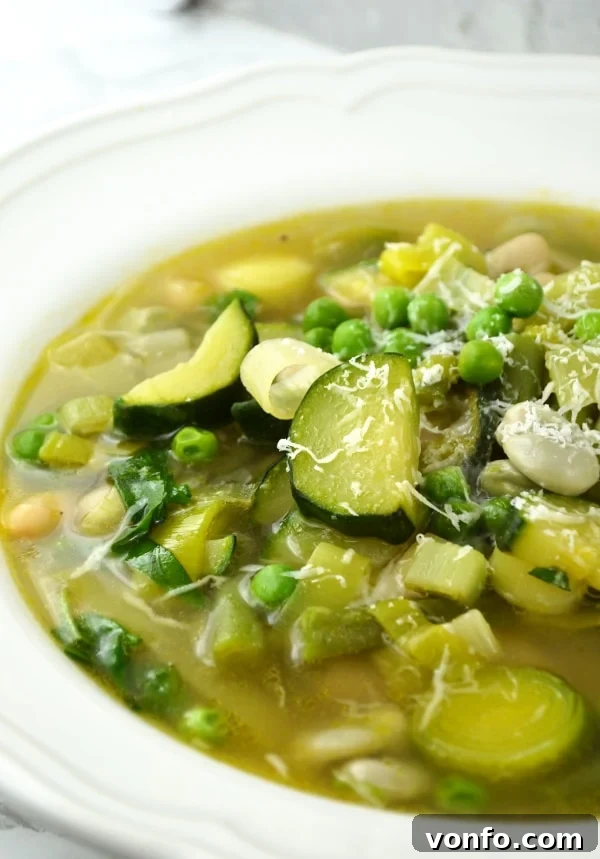
Crafting Your Perfect Minestrone Primavera: Key Tips
Creating this delicious spring minestrone is straightforward, but a few tips can elevate your soup from good to extraordinary:
- Aromatics First: Begin by sautéing the leek and garlic in olive oil. This step is crucial for building a flavorful base. Ensure the leek softens beautifully before adding the garlic to prevent it from burning.
- Layering Vegetables: Add vegetables in stages according to their cooking times. Harder vegetables like green beans go in first, followed by quicker-cooking ones like peas, broad beans, and zucchini. This ensures every vegetable is perfectly tender-crisp, not overcooked.
- Quality Stock: The broth is the soul of any soup. Use a good quality chicken stock for richness, or a vegetable stock for a truly vegetarian/vegan option. Homemade stock will always yield the best results.
- Fresh Herbs: Fresh basil is a game-changer in this recipe. Stir it in towards the end to preserve its vibrant flavor and aroma. Consider adding a sprinkle of fresh parsley or mint for an extra touch of spring freshness.
- Seasoning: Taste as you go! Season generously with salt and freshly ground black pepper. Remember, stock can vary in saltiness, so adjust accordingly.
Recipe: Minestrone Primavera
Step-by-step photos above
Most of our recipes come with step-by-step photos, helpful tips and tricks to make it perfectly first time and even video!
Minestrone Primavera
By Emily
5
20
25
4 people
Ingredients
- ~2.8 oz (80g) broad beans (fava beans)
- ~5/8 cup (90g) peas (frozen is fine)
- ~5.6 oz (160g) green beans, chopped
- 1 leek
- 2 cloves garlic, finely chopped
- 1 zucchini/courgette
- ~8.1 oz (230g) cannellini beans, canned (rinsed and drained) (link to product)
- 6 cups (1.5 litres) chicken stock (or vegetable stock for a vegetarian/vegan option) (link to product)
- 1 large handful fresh basil, chopped
- Pecorino cheese, for serving (optional, omit for vegan)
- 1 tbsp olive oil (link to product)
- Salt and pepper, to season
Instructions
- Heat the olive oil in a large pot or Dutch oven over medium-low heat.
- Prepare the vegetables: trim the ends off the leek, slice it, then wash thoroughly to remove any dirt. Halve the zucchini lengthwise and slice it into half-moons. Add the sliced leek and zucchini to the pot and sauté gently until they begin to soften, about 5-7 minutes. Add the finely chopped garlic and fry for another minute until fragrant, being careful not to burn it.
- Pour in the chicken stock and bring the mixture to a rolling boil. Once boiling, reduce the heat to a gentle simmer.
- Add the chopped green beans, peas, broad beans, and rinsed cannellini beans to the simmering broth. Stir in the chopped fresh basil and season with a pinch of salt and freshly ground black pepper to taste.
- Allow the soup to simmer for an additional 5-7 minutes, or until all the vegetables are tender-crisp and flavors have melded together. Do not overcook to maintain the vibrant freshness of the spring vegetables.
- Serve immediately, ladling the hot Minestrone Primavera into bowls. For an authentic touch, grate some Pecorino cheese over each serving, if desired. A drizzle of high-quality extra virgin olive oil can also enhance the flavors.
Notes
*Please note this recipe was tested and developed using metric measurements; all imperial measurements are an approximation. For best results, use fresh, in-season vegetables. Feel free to adjust vegetables based on availability – asparagus, spinach, or kale can be wonderful additions. If you prefer a heartier soup, a small amount of ditalini or other small pasta can be cooked separately and added just before serving.
Helpful Info for All Recipes
- I always use extra virgin olive oil in all of my recipes unless stated otherwise.
- When I use canned or jarred tomatoes of any kind I always use Cirio or Mutti brands for the best results and flavor.
- All vegetables are medium sized unless stated otherwise.
- All recipes are tested and developed using a fan (convection) oven.
- Find out more about how nutrition is calculated.
- Check out our must-have Italian Pantry Staples.
- You can also find all our Essential Kitchen Tools for Italian Cooking.
Nutrition
Calories:
215
kcal
Nutrition information is automatically calculated, so should only be used as an approximation. Actual values may vary based on specific ingredients and preparation methods.
Serving Suggestions and Customizations
Minestrone Primavera is delightful on its own, but it truly shines with a few thoughtful accompaniments. A generous grating of Pecorino Romano cheese adds a salty, tangy depth that complements the sweetness of the vegetables beautifully. If you’re opting for a vegan version, a sprinkle of nutritional yeast can offer a cheesy flavor substitute.
Don’t forget some crusty Italian bread on the side, perfect for dipping into the flavorful broth. A fresh green salad dressed with a simple vinaigrette would also make a wonderful pairing for a light lunch. For those who crave a bit more substance, you can boil a small amount of ditalini or other small pasta shapes separately and add them to individual bowls before serving. Alternatively, a handful of quinoa or farro could be cooked and stirred in for added texture and nutrients.
Feel free to experiment with other spring vegetables. Asparagus spears, spinach, or even some wild nettles (if you’re adventurous!) can be fantastic additions. A squeeze of fresh lemon juice just before serving can brighten all the flavors even further.
Health Benefits of This Vibrant Soup
Beyond its incredible taste, Minestrone Primavera is a nutritional powerhouse. It’s naturally low in calories and fat, while being incredibly rich in fiber, vitamins, and antioxidants. The abundance of fresh vegetables provides:
- High Fiber Content: Aids in digestion, promotes satiety, and helps regulate blood sugar levels.
- Essential Vitamins and Minerals: Loaded with Vitamin C (immune support), Vitamin K (bone health), Folate (cell function), and potassium (heart health).
- Antioxidants: Many spring vegetables contain powerful antioxidants that help combat oxidative stress and inflammation in the body.
- Hydration: The broth-based nature of the soup contributes to daily fluid intake.
It’s a meal that not only tastes good but makes you feel good from the inside out.
Storage and Reheating Tips
One of the many advantages of Minestrone Primavera is how well it stores. Leftovers are often even more flavorful as the ingredients have more time to meld.
- Storage: Allow the soup to cool completely before transferring it to an airtight container. It can be stored in the refrigerator for up to 3-4 days.
- Freezing: This soup freezes beautifully! Portion it into freezer-safe containers or bags, leaving a little headspace for expansion. It can be kept in the freezer for up to 3 months. Thaw overnight in the refrigerator before reheating.
- Reheating: Gently reheat the soup on the stovetop over medium-low heat, stirring occasionally, until it’s warmed through. If the soup has thickened too much in the fridge, you can add a splash of extra stock or water to reach your desired consistency. Avoid boiling vigorously when reheating to preserve the delicate texture of the vegetables.
Final Thoughts on Your Spring Culinary Adventure
This Minestrone Primavera truly embodies the spirit of spring – light, fresh, healthy, and full of life. It’s a versatile recipe that encourages creativity in the kitchen, allowing you to adapt it to your preferences and what’s freshest at your local market. Whether you’re a seasoned chef or a novice cook, this simple yet profoundly satisfying soup is a perfect addition to your springtime culinary repertoire.
I hope you enjoy making and savoring this delightful dish as much as I do. If you’ve tried this or any other recipe on the blog, please let me know how you got on in the comments below – I love hearing from you! You can also FOLLOW ME on FACEBOOK, TWITTER, INSTAGRAM and PINTEREST to see more delicious food and what I’m getting up to.
Did you try this recipe?
Leave a comment below!