
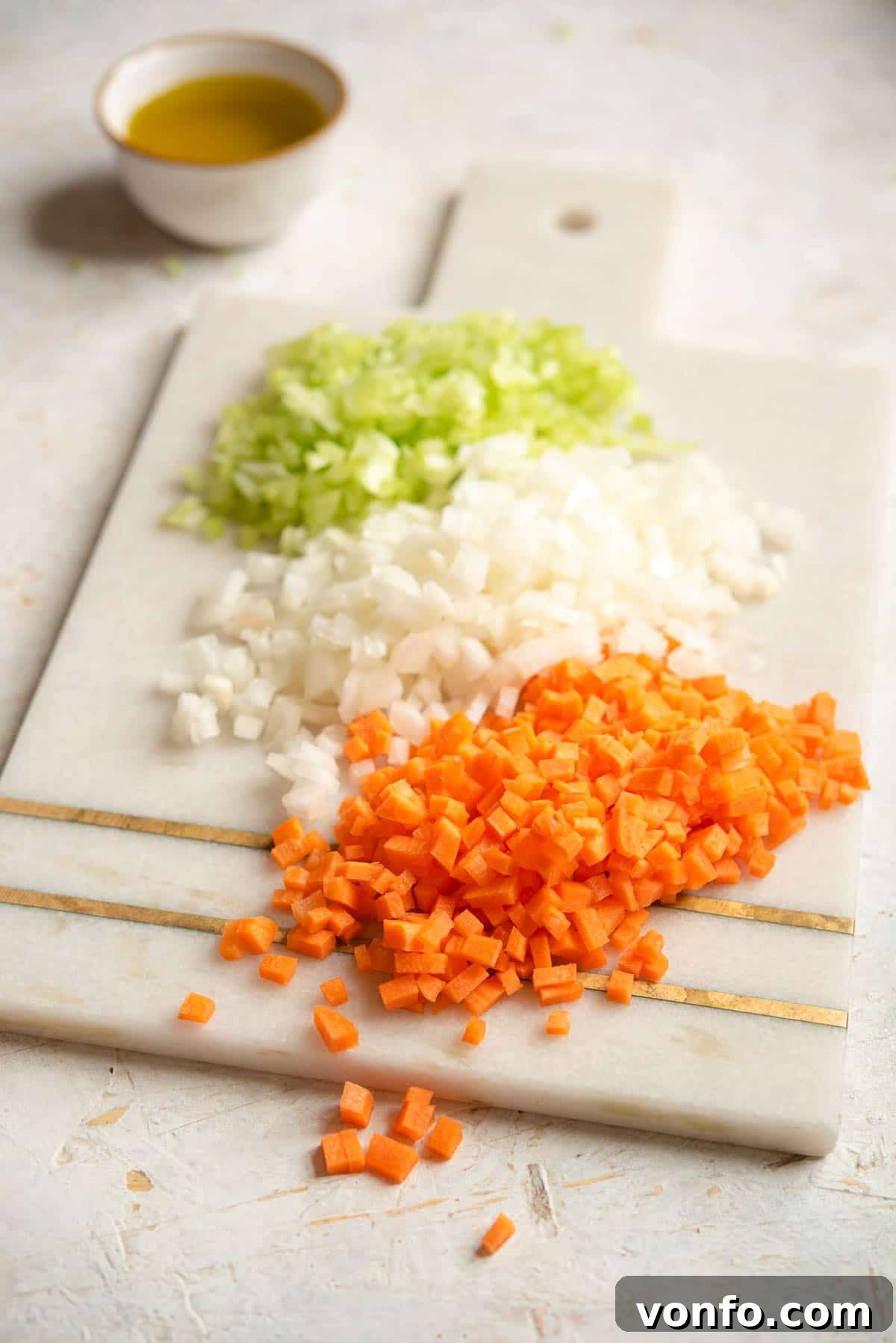
Unlock the secret to authentic Italian cuisine with homemade Soffritto. This fundamental flavor base, crafted from finely chopped carrots, celery, and onion, is lovingly known as the “holy trinity” of Italian cooking. By slowly sautéing these aromatic vegetables in olive oil, you create a foundation that imbues incredible depth and complexity into countless Italian dishes, from rich Bolognese sauces to hearty soups and comforting stews. Mastering soffritto is not just a technique; it’s an initiation into the heart of Italian culinary tradition.
What is Soffritto? The Heart of Italian Cooking
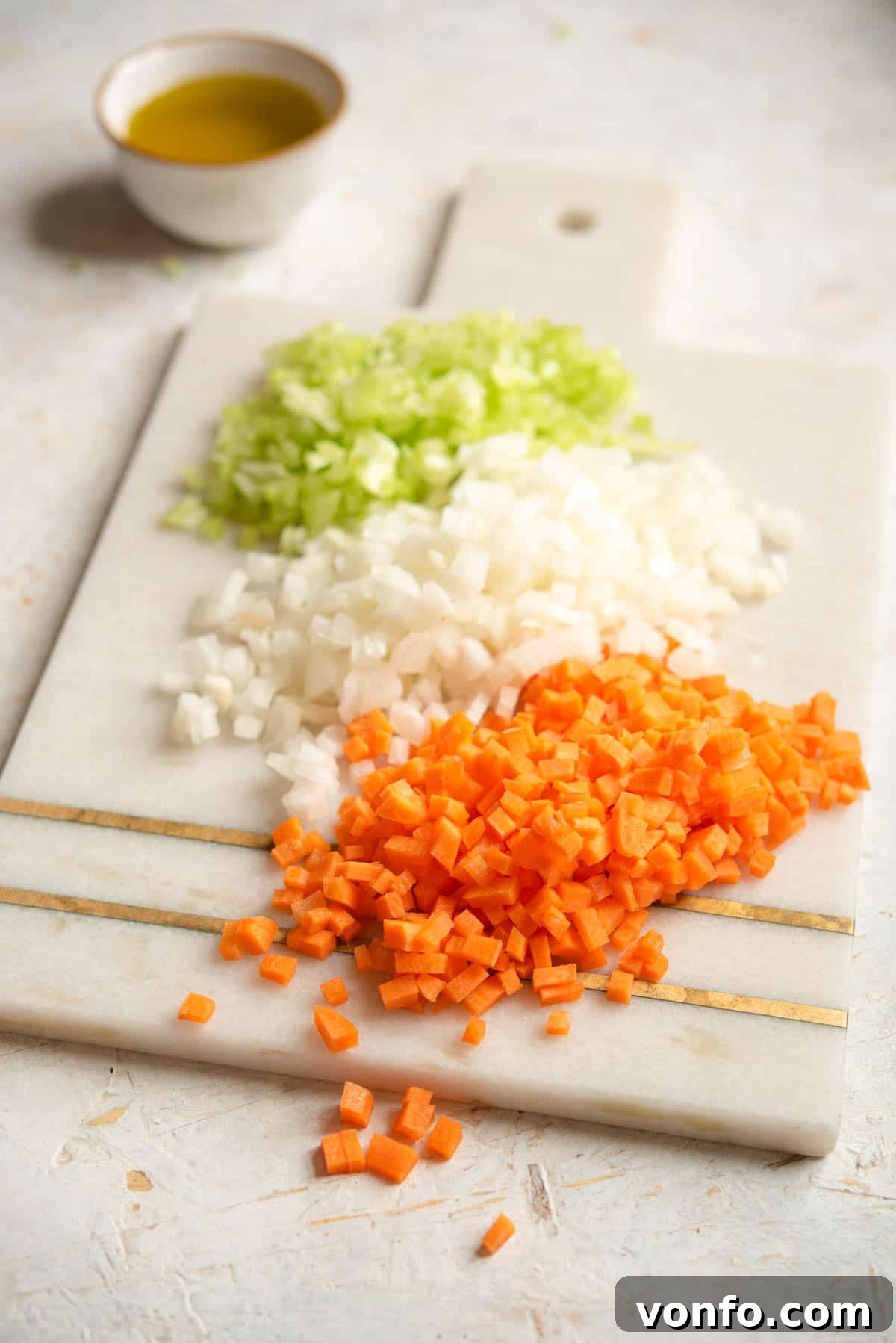
The term Soffritto derives from the Italian verb Soffriggere, which translates to “to slowly fry” or “to sauté gently.” This describes the exact method used to prepare this cornerstone ingredient. At its core, soffritto is a humble yet incredibly powerful combination of just three vegetables: onion, celery, and carrot. These aren’t just any vegetables; their unique flavors meld together when slow-cooked, creating a harmonious aromatic base that lifts the entire dish. It’s the silent hero behind many iconic Italian flavors, providing a sweet, savory, and aromatic foundation upon which the rest of a recipe is built.
Often referred to as the “holy trinity” in Italian culinary circles, these three ingredients are indispensable. Their collective contribution to flavor development is unmatched. Without a properly prepared soffritto, many classic Italian dishes would lack their characteristic richness and depth. Think of it as the culinary equivalent of laying a strong foundation before building a house – essential for stability and excellence.
Why the “Holy Trinity”? The Power of Onion, Celery, and Carrot
Each component of soffritto plays a vital role:
- Onion: Providing a sweet, pungent, and savory base, onions are the primary aromatic. When cooked slowly, their natural sugars caramelize gently (without browning), releasing a deep sweetness that balances the other ingredients.
- Celery: With its fresh, slightly peppery, and subtly bitter notes, celery adds an essential layer of herbaceousness and complexity. It contributes a refreshing aroma that brightens the overall flavor profile.
- Carrot: Carrots bring a natural sweetness and earthy undertone. Their vibrant color signals the beta-carotene within, which, when cooked, helps to create a beautiful, rich hue in sauces and stews, in addition to their distinct flavor contribution.
When these three vegetables are finely diced and gently cooked together in olive oil, their individual flavors transform, becoming something greater than the sum of their parts. This slow process allows their cellular walls to break down, releasing their aromatic compounds and forming a complex, savory base that forms the bedrock of traditional Italian cuisine.
Regional Variations and Cousins of Soffritto
While the classic soffritto adheres to the onion-celery-carrot trio, culinary traditions across Italy, and indeed the world, offer fascinating variations:
- Battuto: In Roman cooking, a soffritto base often transforms into Battuto. This richer variation typically includes the standard carrot, celery, and onion, but also incorporates fresh parsley, garlic, and sometimes even a touch of lard or pancetta. The addition of these ingredients adds a more robust and pungent character, suited to heartier meat dishes and specific regional recipes.
- Mirepoix: The French equivalent, Mirepoix, shares the same core vegetables (onion, celery, carrot) but traditionally uses butter for sautéing instead of olive oil. The cooking style is also generally more focused on sweating the vegetables until tender, often with less emphasis on the very slow, deep flavor development characteristic of Italian soffritto.
- Other Global “Holy Trinities”: Many cuisines around the world utilize similar aromatic bases. Cajun and Creole cooking, for instance, have their own “holy trinity” of onion, celery, and bell pepper, showcasing how fundamental this concept of a foundational flavor base is across diverse culinary traditions.
In Italy, recognizing the ubiquity and importance of soffritto, many supermarkets offer pre-packaged, ready-to-chop mixes of these essential vegetables, often humorously referred to as ‘gli odori’, which literally translates to “the smells” or “the aromas.” This convenience highlights how deeply ingrained this flavor base is in everyday Italian cooking.
Why Mastering Soffritto is a Game-Changer for Your Cooking
For anyone passionate about Italian cuisine, or simply looking to elevate their home cooking, learning to make a proper soffritto is an invaluable skill. It’s remarkably easy to master, yet the impact it has on the final dish is profound. A well-made soffritto adds a layer of nuanced flavor that cannot be replicated by simply adding raw vegetables or cooking them quickly. It provides a natural sweetness, depth, and aroma that forms the backbone of dishes like:
- Authentic Bolognese Sauce
- Hearty Pasta e Fagioli Soup
- Rustic Chicken Cacciatore
Investing a few extra minutes in preparing your soffritto slowly will yield dividends in flavor, transforming ordinary meals into extraordinary culinary experiences.
Essential Ingredients for Perfect Soffritto
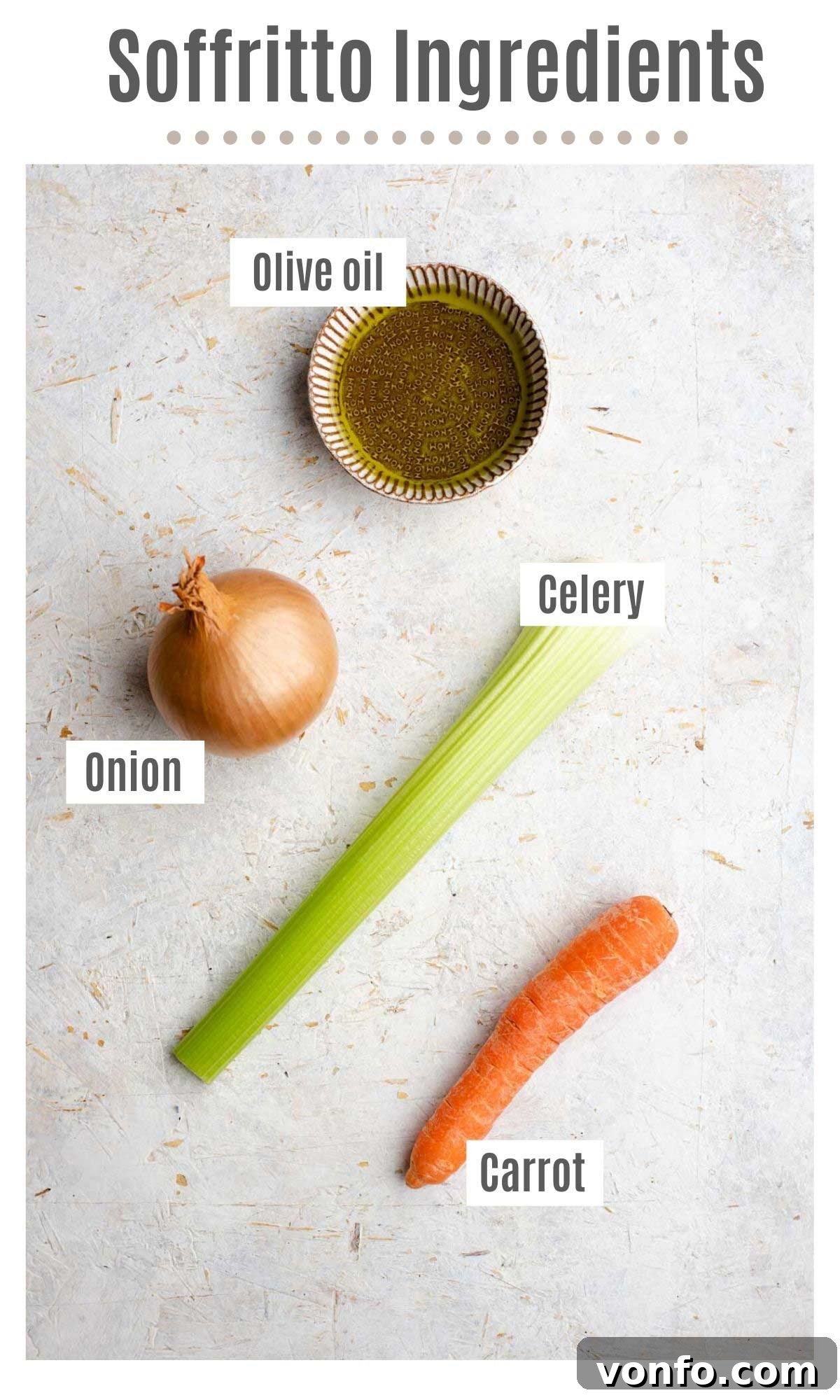
The beauty of soffritto lies in its simplicity. You only need a handful of fresh, quality ingredients:
- Carrots: Choose firm, bright orange carrots. Peel them to remove the tougher outer layer and any impurities.
- Celery: Select crisp, green celery stalks. Wash them thoroughly, removing any strings if desired, as these can be fibrous.
- Onion: A medium yellow or white onion is ideal. Peel off the papery outer layers before chopping.
- Extra Virgin Olive Oil: As the primary cooking fat, a good quality extra virgin olive oil is crucial. It not only facilitates the cooking process but also contributes its own fruity and peppery notes to the flavor base.
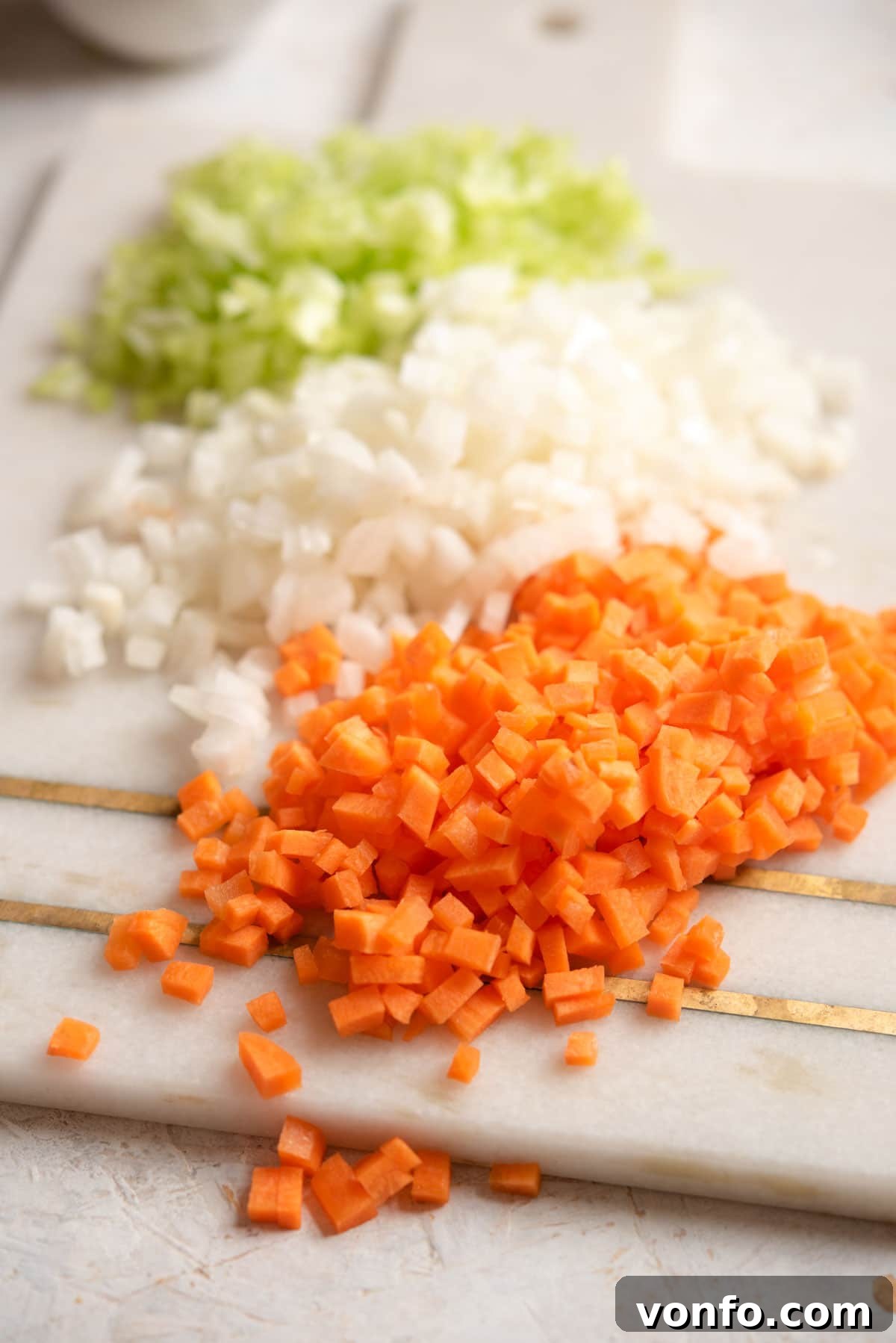
The key here is freshness. High-quality vegetables, combined with excellent olive oil, ensure the most vibrant and delicious soffritto. Always ensure your carrots and onions are peeled, and celery is thoroughly washed before you begin your preparation. Refer to the image below for a visual guide to the necessary ingredients.
Step-by-Step Guide to Making Italian Soffritto
Creating the perfect soffritto is a straightforward process, but it requires patience and attention to detail. Follow these steps for an impeccable flavor base:
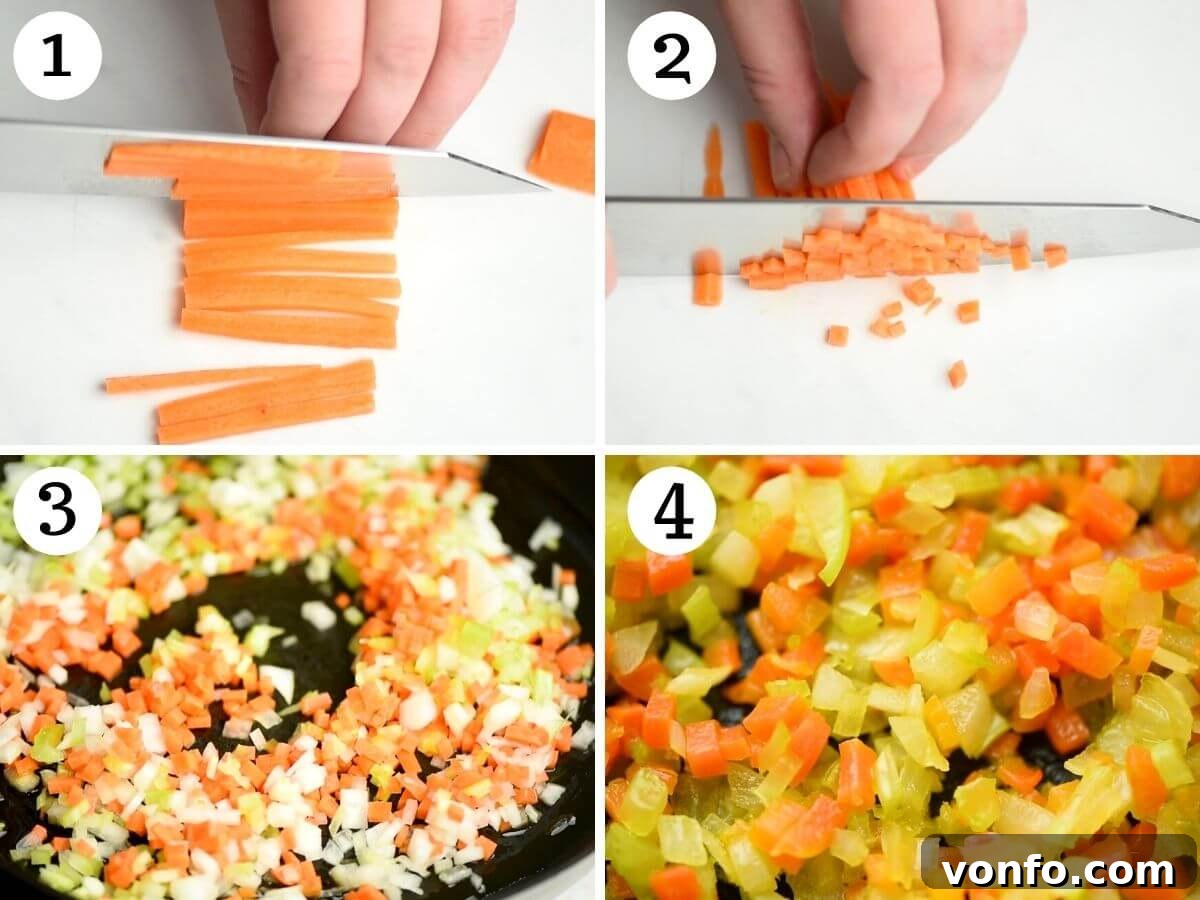
1. Prepare Your Vegetables: The Art of Fine Chopping
Finely dicing your vegetables is perhaps the most important step. Each piece of carrot, celery, and onion should be roughly the same small size – think uniform, tiny cubes (brunoise). This ensures they cook evenly and melt into the sauce rather than standing out as chunky pieces. The goal is for them to become almost indiscernible in the final dish, releasing all their flavor without adding texture. Aim for approximately equal amounts of each vegetable once chopped, balancing their contributions to the overall flavor profile.
2. Begin the Slow Sauté in Olive Oil
Choose a heavy-bottomed pot or Dutch oven, which distributes heat evenly and prevents scorching. Add a generous “glug” of high-quality extra virgin olive oil – usually about 2-3 tablespoons, but adjust based on the quantity of vegetables. Once the oil is shimmering gently (not smoking), add your finely chopped vegetables. The initial sizzle should be gentle, not aggressive. The key is to start on a medium-low heat and maintain it.
3. The Patience of Slow Cooking: Sweating, Not Browning
This is where the magic happens and patience is paramount. Sauté the vegetables slowly, stirring occasionally, until they become incredibly soft, translucent, and fragrant. The critical instruction here is: do not brown the vegetables. Browning, or caramelization, introduces a different, sometimes bitter, flavor that is not desired in traditional soffritto. You want to “sweat” the vegetables, allowing their natural moisture to evaporate and their sugars to slowly release without taking on color. This process allows the flavors to deepen and meld beautifully. If the pot seems dry, add a little more olive oil as needed.
This slow cooking can take anywhere from 10 to 15 minutes, or even longer for larger quantities. You’ll know it’s ready when the vegetables have almost melted into a fragrant, tender mass, losing their raw crunch and becoming wonderfully sweet and aromatic. The aroma filling your kitchen will be your best indicator.
Expert Tips and Frequently Asked Questions for Soffritto
Achieving Soffritto Perfection: Key Tips
- Embrace the Slow Cook – No Browning! The golden rule of soffritto is to cook it slowly until the vegetables are incredibly soft and translucent, but without any browning or caramelization. This gentle heat allows the natural sweetness and complex aromatics to develop without introducing bitter or burnt notes that would overpower the delicate flavors of your Italian dish. Resist the urge to rush this step; it’s an investment in flavor.
- Temperature Control is Crucial: Keep your heat on a steady medium-low setting. If the heat is too high, the vegetables will brown quickly on the outside before softening sufficiently on the inside, and their flavors won’t release properly. A lower temperature ensures a uniform, slow sweat that maximizes flavor extraction.
- The Right Tool for the Job: For finely chopped vegetables, a sharp chef’s knife is your best friend. Precision is key for even cooking. Alternatively, a traditional Italian Mezzaluna – a curved, double-handled knife – is excellent for finely mincing vegetables and herbs with a rocking motion, making quick work of your soffritto prep.
- Maintain Equal Proportions: While the quantity of soffritto depends on your recipe, the ratio of ingredients is important. Aim for roughly equal amounts of chopped carrot, celery, and onion. This balance ensures no single vegetable overpowers the others, creating a harmonious and well-rounded flavor base.
- Beyond the Basics: Flavor Enhancements: Once you’ve mastered the classic soffritto, feel free to experiment with regional Italian variations. Adding a clove or two of minced garlic in the last few minutes of cooking, a sprinkle of fresh parsley, or even a small amount of finely diced pancetta or guanciale (cooked until crispy, then removed before adding vegetables, using its rendered fat) can introduce wonderful new dimensions of flavor.
Frequently Asked Questions (FAQs) About Soffritto
For recipes serving 4-6 people, a common guideline is to use one medium-sized carrot, one medium celery stalk, and one medium onion. However, always refer to your specific recipe for precise quantities. Some dishes might call for a more intense flavor, requiring a slightly larger soffritto base.
Both soffritto and mirepoix use the “holy trinity” of carrot, celery, and onion. The primary distinction lies in the cooking fat and philosophy: Italian soffritto traditionally uses olive oil and is cooked very slowly until translucent, emphasizing sweetness and deep aroma without browning. French mirepoix often uses butter (or a mix of butter and oil) and can be cooked to various degrees, sometimes slightly browned for a richer, nuttier flavor, depending on the dish.
Absolutely! Soffritto is excellent for meal prep. You can finely chop a larger batch of raw vegetables than you need, mix them, and store them in an airtight container in the refrigerator for up to 3-4 days. For longer storage, spread the raw chopped mixture onto a baking sheet, freeze until solid, then transfer to freezer bags. This prevents clumping. You can also cook a batch of soffritto and then freeze it in portions. Both raw and cooked frozen soffritto can be used straight from the freezer in most recipes, with no need to defrost first.
Recipes That Sing with Soffritto
Now that you’ve mastered the art of making this foundational flavor base, you’re ready to create truly exceptional Italian dishes. Soffritto is the essential starting point for so many beloved recipes. Explore some of our favorites below and experience the profound difference a well-made soffritto can make:
- Hearty Italian Lentil Soup (Zuppa di Lenticchie)
- Classic Lasagne al Forno (Italian Beef Lasagna)
- Rich Vegetable Ragu with Pappardelle Pasta
- The Ultimate Authentic Bolognese Sauce (Ragu alla Bolognese)
- Slow-Cooked Italian Beef Ragu – A Classic Recipe
- Traditional Ribollita – Tuscan Bread and Vegetable Soup
- Rustic Tuscan Farro Soup with Beans
- Comforting Pasta Fagioli Soup – Pasta & Beans
If you’ve tried making this Authentic Italian Soffritto or any other recipe from our collection, we would love to hear from you! Please don’t forget to rate the recipe and share your experience in the comments section below. Your feedback helps us grow and inspires other home cooks. You can also FOLLOW US on FACEBOOK, INSTAGRAM, and PINTEREST for more delicious Italian food inspiration and updates!
Step By Step Photos Above
Most of our recipes come with step by step photos, helpful tips and tricks to make it perfectly first time and even video!
Soffritto
★★★★★
By Emily
10 mins
10 mins
20 mins
1 batch
Pin
Ingredients
- 1 carrot
- 1 celery stalk
- 1 onion
- Olive oil, to saute
Instructions
-
Finely chop the vegetables to roughly the same size. You should have equal amounts of each vegetable.
-
Add a good glug of olive oil to a pot (about 2-3 tbsp) and add the vegetables. Sauté on a medium-low heat until the vegetables are soft but not browned. Add more olive oil if needed.
-
Don’t turn up the heat, keep sautéing the vegetables slowly to release all the flavours. This can take up to 10-15 minutes.
Video
Notes
- Do not brown the vegetables – you need to cook the soffritto slowly until soft so all the flavours are released but without browning, caramelizing or burning the vegetables which will totally change or add unwanted flavour.
- Don’t turn up the heat – if you turn up the heat to saute the vegetables more quickly they won’t release the same amount of flavour and are more likely to burn.
- What knife to use – you’ll need to use a sharp knife to cut the vegetables as finely as you can, a chef’s knife is great for this, or a Mezzaluna which is a curved, double handled Italian knife. You can cut vegetables and herbs easily with this but using a rocking motion.
- Use equal amounts – there is no rule on how much or little you use it all depends on what you are cooking. What is important however is to have roughly equal amounts of each vegetable once chopped. You don’t want one vegetable to overpower the rest.
- Build more flavour – if you fancy being experimental with cooking you can build on the flavour by adding fresh herbs, garlic or even pancetta or lard. Italian food is very regional and sometimes additional flavours are added to the base. Choose your favourites and get cooking!
- Storage – the uncooked soffritto can be stored in the fridge for 3-4 days or can be frozen for up to 3 months. You can use it straight from frozen.
Helpful Info for All Recipes
- I always use extra virgin olive oil in all of my recipes unless stated otherwise.
- When I use canned or jarred tomatoes of any kind I always use Cirio or Mutti brands for the best results and flavor.
- All vegetables are medium sized unless stated otherwise.
- All recipes are tested and developed using a fan (convection) oven.
- Find out more about how nutrition is calculated.
- Check out our must-have Italian Pantry Staples.
- You can also find all our Essential Kitchen Tools for Italian Cooking.
Nutrition Information (Approximate)
This nutrition information is an approximation. Values can vary based on specific ingredients and preparation methods.
- Calories: 323kcal
- Carbohydrates: 17g
- Protein: 2g
- Fat: 28g
- Saturated Fat: 4g
- Sodium: 79mg
- Potassium: 460mg
- Fiber: 4g
- Sugar: 8g
- Vitamin A: 10372IU
- Vitamin C: 13mg
- Calcium: 62mg
- Iron: 1mg
Nutrition information is automatically calculated, so should only be used as an approximation.
Did you try this recipe?
Leave a comment below!