
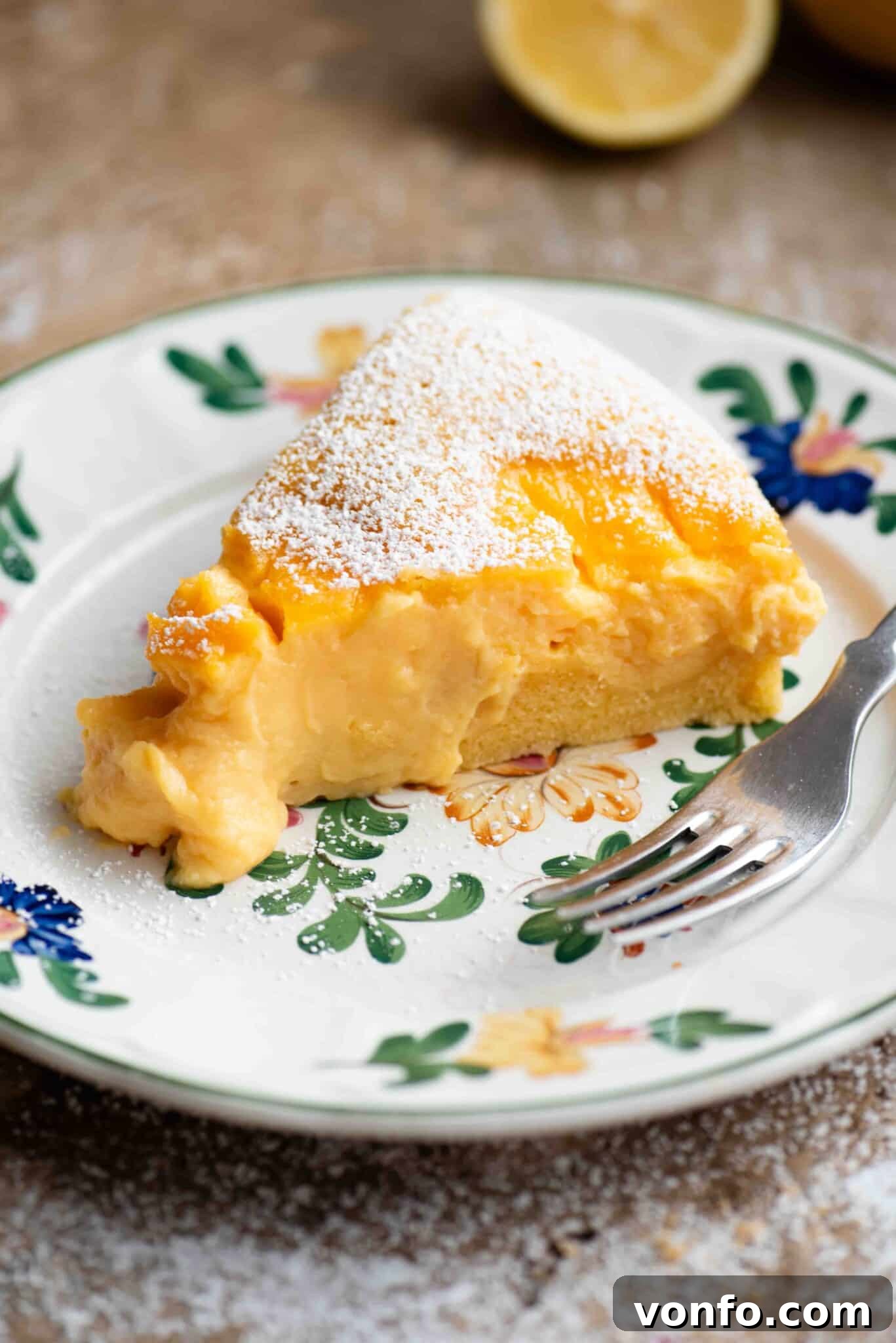
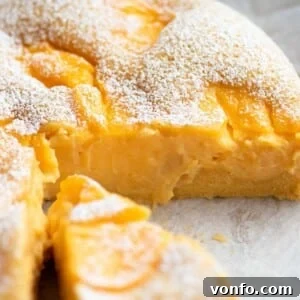
Torta Nua is a classic Italian breakfast cake made from a lemon-scented sponge and filled with a silky vanilla-lemon pastry cream. The result is tender, creamy and perfectly balanced — ideal for breakfast, brunch or a light dessert.
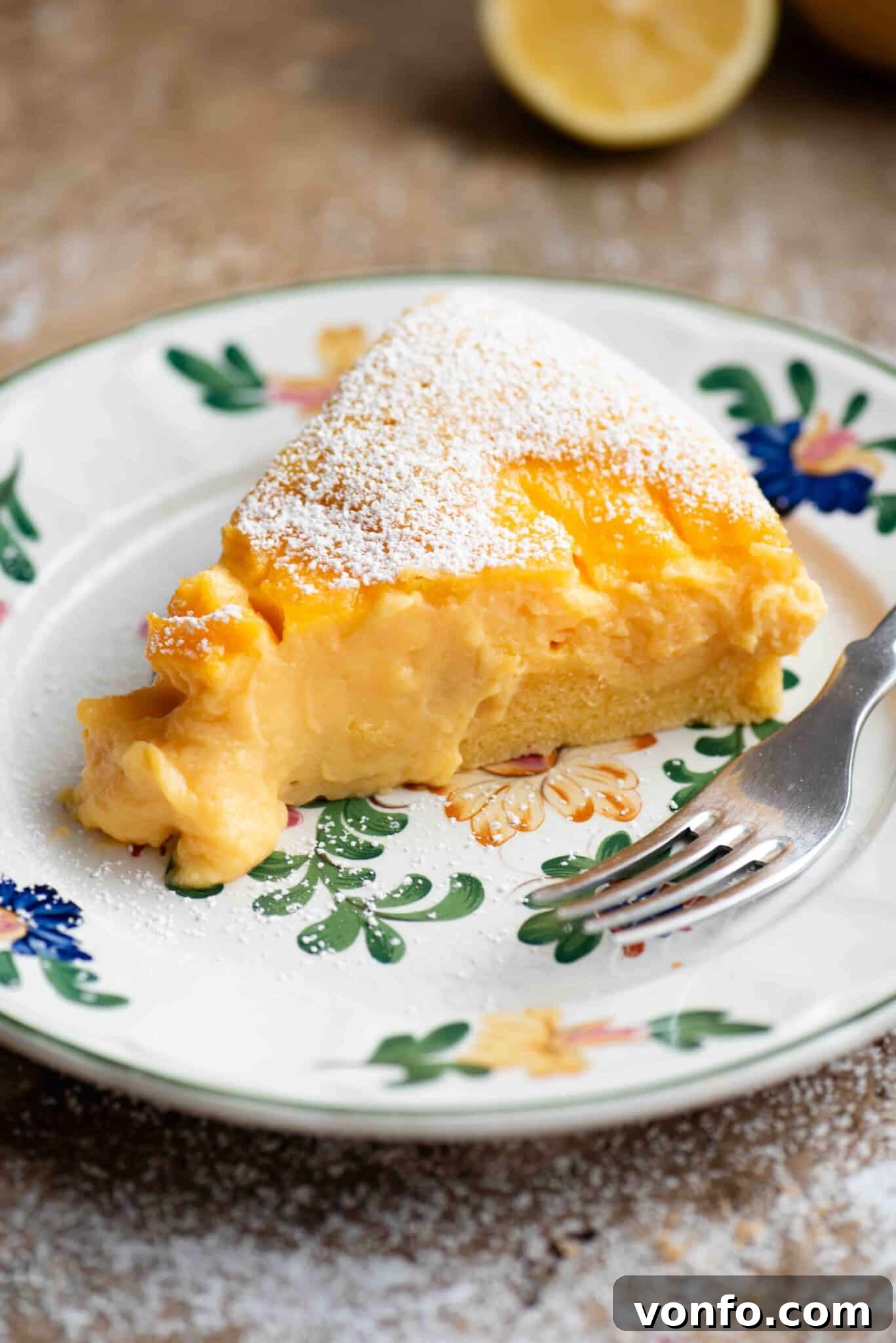
Although Torta Nua has a rustic, time-honoured appearance, it is a relatively modern creation that gained popularity online in recent years. It spread quickly across baking blogs and social media, and bakers now enjoy many variations — from chocolate and Nutella to ricotta-filled versions — while the core concept remains the same: a simple sponge dotted with generous spoonfuls of pastry cream that stay soft after baking.
The cake batter is essentially a light Italian-style sponge flavoured with lemon zest and vanilla. Dollops of lemon pastry cream are placed on the raw batter before baking; during the oven time the cream sets just enough to remain luscious and creamy inside each bite. The contrast between the airy cake and the rich crema pasticcera is what makes Torta Nua so delightful.
I tested this version multiple times to refine texture and balance. Below you’ll find ingredient notes, practical tips and a clear step-by-step method to help you reproduce this cake successfully at home. Follow the advice closely — particularly on batter aeration and pan size — for the best results.
Ingredient notes
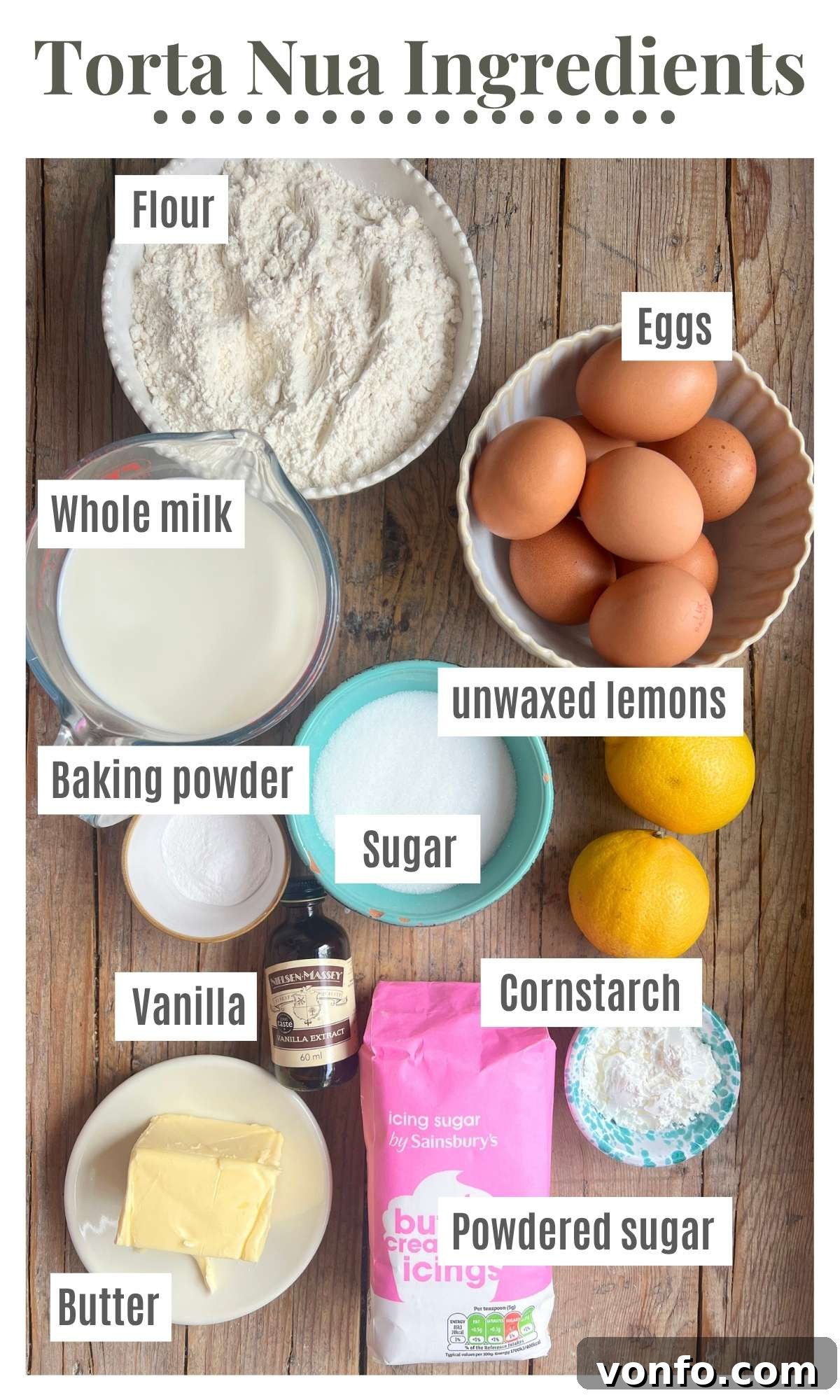
- Flour: Italian 00 flour works beautifully for a fine crumb, but plain all-purpose flour is an easy substitute.
- Eggs: Using eggs with deep yellow yolks will make the pastry cream appear richer, but ordinary eggs are perfectly fine. Save leftover egg whites for other recipes or freeze them for later use.
- Sugar: Caster (superfine) sugar provides quick dissolution and a lighter texture, though regular granulated sugar will also work.
- Lemons: We use only the zest, so choose unwaxed lemons or scrub the peel well before zesting.
- Vanilla: Quality vanilla extract adds perfume; vanilla bean paste or a scraped vanilla pod are suitable alternatives.
- Whole milk: Full-fat milk is essential for a creamy pastry cream. Avoid low-fat milks here.
Top tips for success
Whip the batter well: Give the eggs and sugar plenty of whisking to incorporate air and build structure. A minimum of two minutes of beating at the start is important, followed by careful mixing of the dry ingredients so the batter remains light and lump-free.
Line and grease the pan: Even with non-stick pans, butter the pan and line the bottom with parchment paper for easiest removal and an even bake.
Use the right pan size: This recipe was developed for a 9-inch (23 cm) springform pan. A smaller pan will produce a taller cake and may require a longer bake time; the distribution of pastry cream will also differ.
More Italian desserts to try
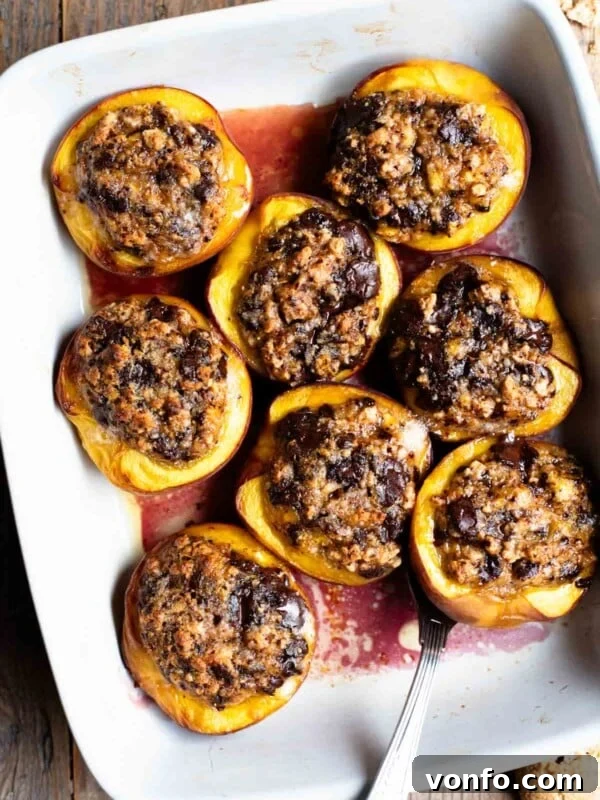
Italian Desserts
Italian Baked Peaches (Pesche Ripiene alla Piemontese)
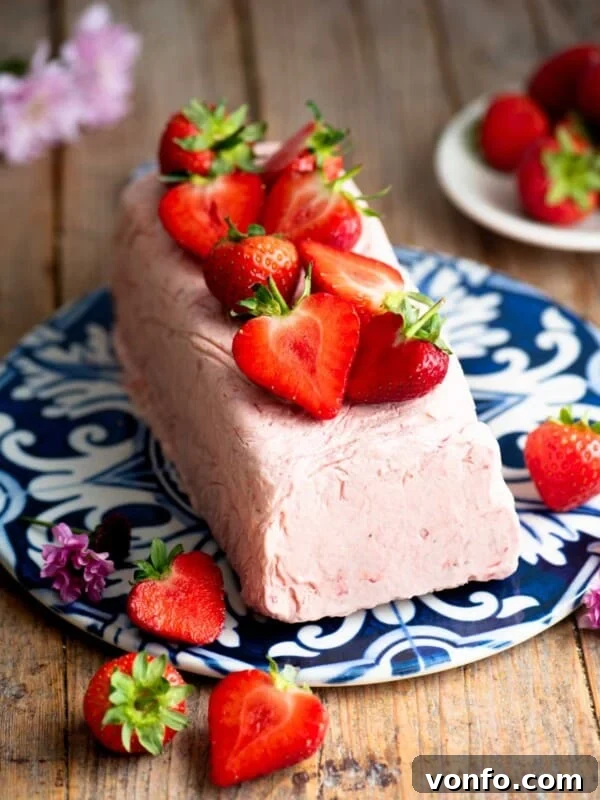
Italian Desserts
Strawberry Semifreddo with Strawberry Sauce
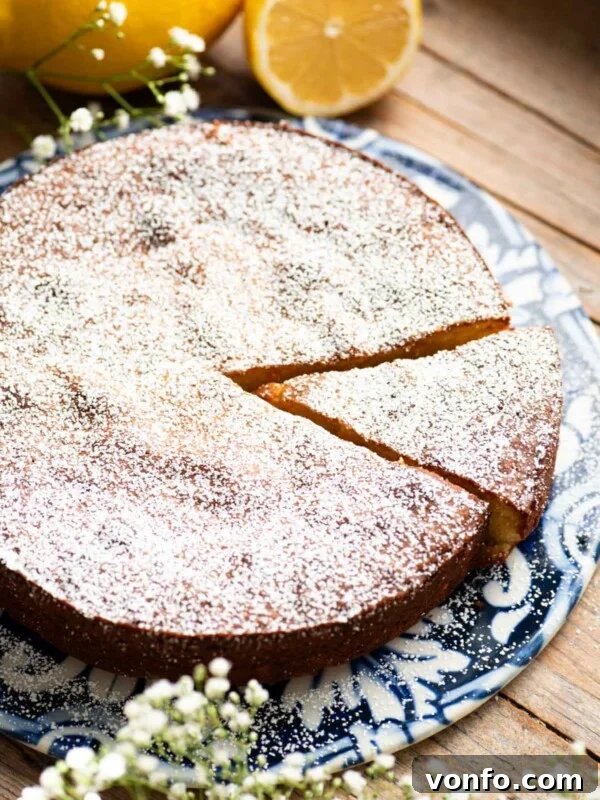
Italian Desserts
Torta Caprese Bianca (Lemon Caprese Cake)
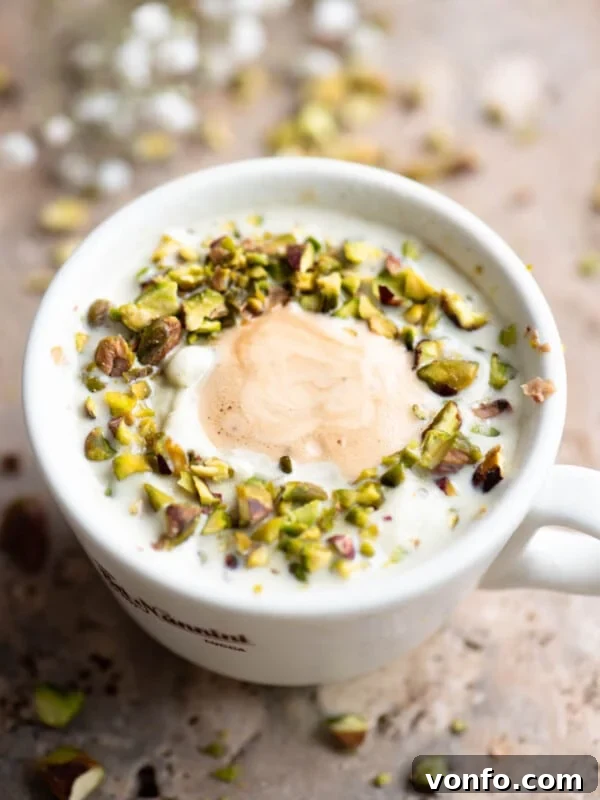
Italian Desserts
Pistachio Affogato
Step by step photos above
Full instructions, tips and photos accompany this recipe to help you succeed on the first try.
Torta Nua (Italian Cake with Pastry Cream)
By Emily
Equipment
- 9-inch loose-bottom springform cake pan
- Baking parchment
- Fine sieve
- Stand mixer or electric hand whisk
- Plastic wrap (cling film)
Ingredients
For the crema pasticcera
- 3 large egg yolks (deep yolks make a more yellow cream but are not required)
- 355 ml (1.5 cups) whole milk
- Peel of 1 lemon
- 30 g (1/4 cup) cornstarch
- 50 g (1/4 cup) sugar
- 1 teaspoon vanilla extract
For the cake
- 280 g (2 cups) Italian 00 flour or all-purpose flour
- 115 g (1 stick) unsalted butter, melted
- 2 teaspoons baking powder
- 4 large eggs
- 180 g (3/4 cup plus 2 Tbsp) caster/superfine sugar (or granulated)
- Zest of 1 lemon
- 120 ml (1/2 cup) whole milk
- Powdered/icing sugar for dusting
Instructions
To make the pastry cream
-
Use a vegetable peeler to remove the lemon peel in wide strips. Put the peel, milk and vanilla in a saucepan and heat until just simmering, then remove from the heat immediately.
-
In a bowl, whisk together the egg yolks, sugar and cornstarch until smooth and pale.
-
Temper the egg mixture by whisking in a small splash of the hot milk. Set a sieve over the bowl, then pour the remaining milk through the sieve to remove the lemon peel and whisk until fully combined.
-
Return the mixture to the saucepan and cook over medium–low heat, stirring constantly. The cream will begin to thicken; start with a wooden spoon and switch to a whisk as it thickens to eliminate lumps. If it is slow to thicken after several minutes, increase the heat slightly and continue whisking until very thick.
-
Transfer the pastry cream to a clean bowl and press plastic wrap directly onto its surface to prevent a skin forming. Allow it to cool for 20–30 minutes before using.
To make the cake
-
Preheat the oven to 180°C (350°F) conventional. Grease a 9-inch springform pan with butter and line the bottom with parchment paper. Place the pan on a baking tray and set aside.
-
Melt the butter and let it cool until warm. Warm the milk so it is not cold from the fridge; it should be tepid.
-
Whisk the flour and baking powder together to aerate and remove lumps.
-
In the bowl of a stand mixer or a large mixing bowl, combine the eggs, sugar and lemon zest. Beat on medium speed until the mixture is frothy, continuing for about two minutes.
-
With the mixer running on low, add the melted butter, then the warm milk, mixing to incorporate.
-
Add the flour and baking powder a spoonful at a time while whisking, scraping the bowl as needed until the batter is smooth and uniform.
-
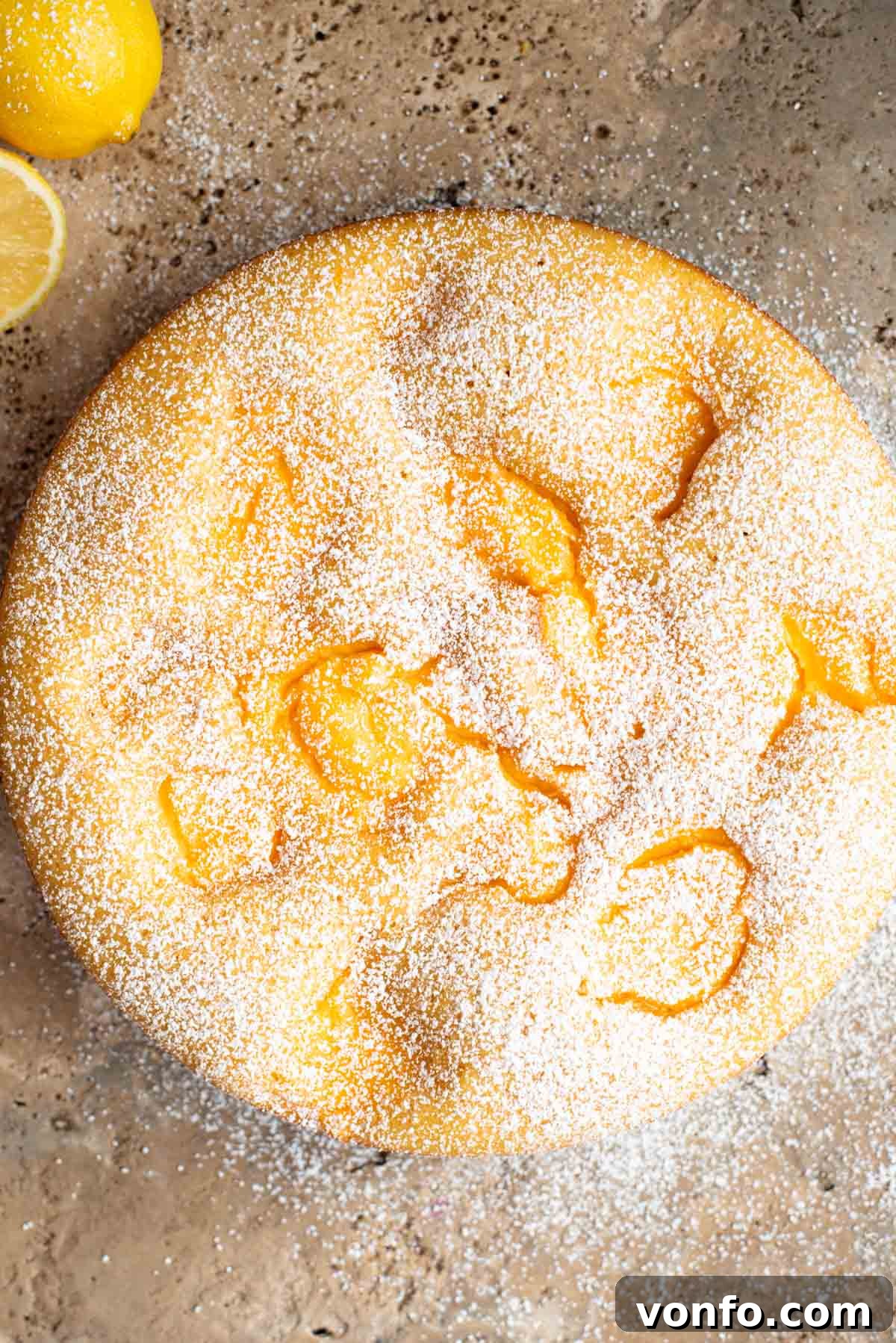
Pour the batter into the prepared pan. Spoon rounded tablespoons of cooled pastry cream around the perimeter and in the centre; roughly two tablespoons per dollop works well.
-
Bake for about 35 minutes. Test with a skewer inserted into the sponge — it should come out mostly clean. Remove from the oven and let rest for 10 minutes before removing the springform ring.
-
Allow the cake to cool completely. Dust with powdered sugar just before serving. Slice and enjoy.
Notes
- Use a kitchen scale: Cup measures are provided, but a scale ensures consistent results for this recipe, which benefits from accurate measurements.
- Temperature of liquids: Both the melted butter and the milk added to the cake should be warm or room temperature, not hot. Hot liquids can deflate the batter.
- Cooling the pastry cream: The pastry cream should be cool or just slightly warm before you dollop it on the batter. Very hot cream can cause the batter to break down and affect baking.
- Storage: Keep the cake in a cool place out of direct sunlight for up to two days; afterwards refrigerate. Note that refrigeration can dry cakes, so it is best eaten within the first two days.
- Freezing: Freezing is not recommended for this cake because the texture of the pastry cream and sponge will change.
Helpful info for all recipes
- Extra virgin olive oil is used in many savoury recipes unless otherwise specified.
- When using canned tomatoes, many cooks prefer established Italian brands for consistent flavour.
- Unless stated, vegetable sizes are medium.
- Recipes are tested using a fan (convection) oven unless noted.
- Nutrition information is provided as an approximation.
Nutrition
Carbohydrates: 37 g |
Protein: 8 g |
Fat: 7 g |
Saturated Fat: 3 g |
Sugar: 21 g
Nutrition information is automatically calculated and should be used as an estimate only.