
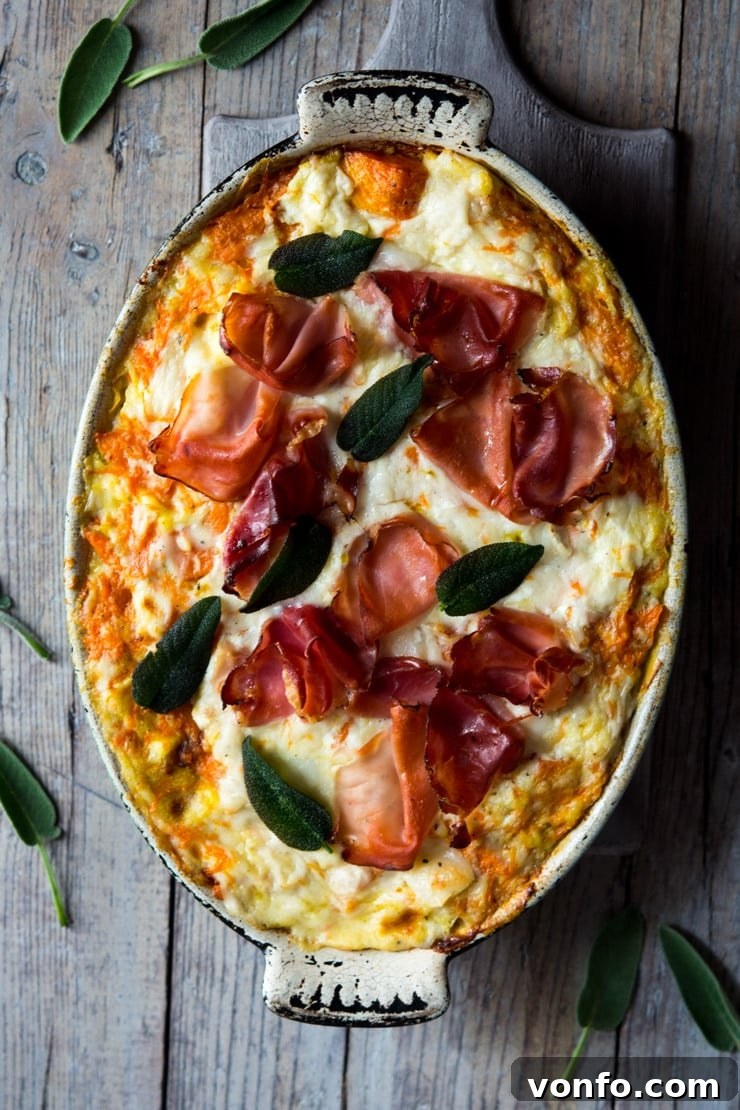
Prepare for an extraordinary culinary journey with this **Butternut Squash Lasagna** – a truly indulgent and soul-warming dish that masterfully blends the sweetness of roasted butternut squash with the salty bite of prosciutto, the creamy tang of goat cheese and ricotta, and the fragrant crunch of crispy sage leaves. This is not just any lasagna; it’s a rich, white lasagna experience, designed to wrap you in comfort and flavor on even the chilliest of evenings. It’s been heralded as a winter favorite for a reason, promising a satisfyingly decadent meal that’s impossible to resist.
Forget your “healthy January” resolutions for a moment, because some dishes are simply too delicious to pass up. While others might be reaching for salads, this opulent butternut squash lasagna is calling your name. And honestly, can you blame anyone for succumbing to its charm?
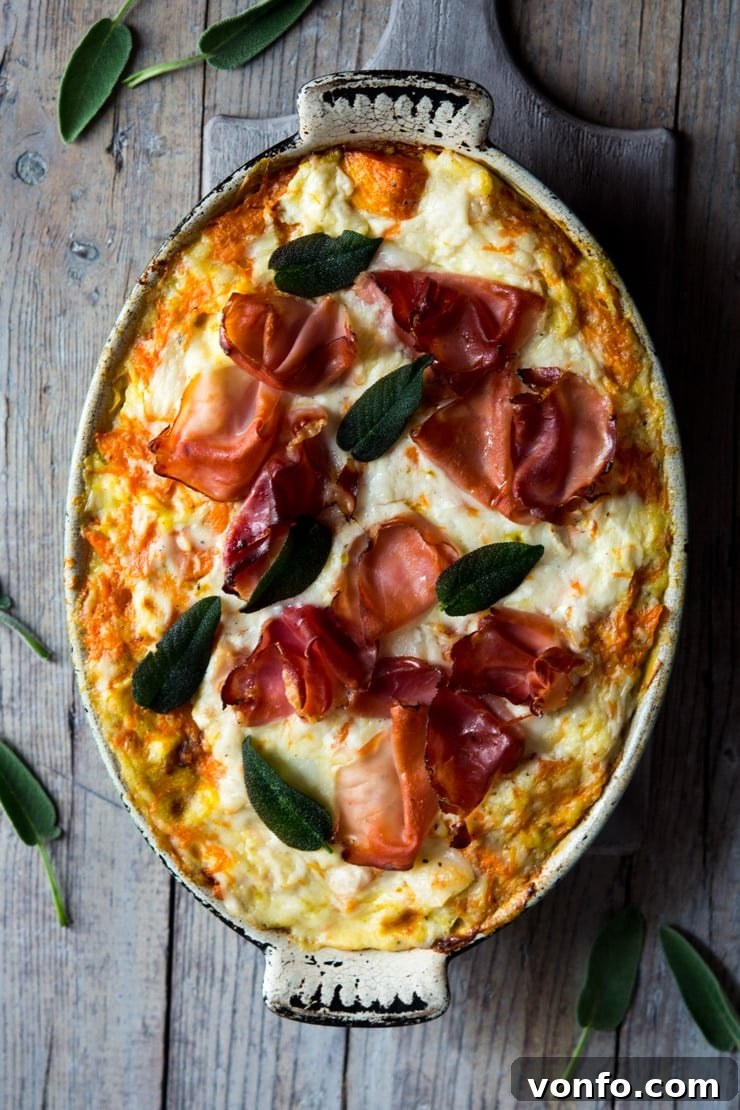
The Irresistible Allure of Lasagna: A Timeless Comfort Classic
Lasagna, or lasagne depending on your preference for singular or plural, holds a special place in the hearts of comfort food aficionados worldwide. Its magic lies in the harmonious layering of fresh pasta, rich sauces, and an abundance of cheese, baked to bubbling perfection. Whether it’s a robust classic beef ragu lasagna, a hearty vegetarian lentil lasagna, or this vibrant Butternut Squash Lasagna, each variation offers a unique embrace of flavor and texture. It’s a dish that transcends mere sustenance, becoming an experience – a true culinary heaven that many find themselves happily addicted to.
This particular rendition takes classic lasagna to new heights, infusing it with seasonal warmth and sophisticated flavors. The roasted butternut squash provides a sweet, earthy foundation, beautifully complemented by the rich, salty notes of prosciutto and the creamy, slightly tart essence of goat cheese. It’s a sophisticated twist on a beloved classic that delivers unparalleled satisfaction.

The Perfect Harmony: Sage and Prosciutto
The combination of fresh sage and delicate prosciutto is a match made in culinary heaven, and it truly shines in this butternut squash lasagna recipe. The earthy, slightly peppery notes of sage cut through the richness of the cheese and squash, while the crispy prosciutto adds a depth of savory flavor and a delightful textural contrast. If you’re a fan of this exquisite pairing, you might also enjoy exploring other dishes that highlight these ingredients, such as prosciutto chicken involtini with spinach and ricotta for a lighter, yet equally flavorful, option.
Crafting Your Lasagna: Essential Tips for Success
Homemade vs. Store-Bought Pasta Sheets
While making fresh pasta from scratch can add an extra layer of love and authenticity to your lasagna, it’s perfectly understandable if time isn’t on your side. Store-bought fresh lasagna sheets are a fantastic convenience and yield excellent results. There’s absolutely no shame in opting for them – in fact, they’re a staple in many busy kitchens. However, if you do have an extra half hour and a passion for pasta making, rolling your own fresh sheets offers a noticeable difference in texture and flavor that truly elevates the dish. The silky, tender quality of homemade pasta absorbs the sauces beautifully, creating a more cohesive and exquisite final product. It’s a labor of love that is undoubtedly worth the effort for those special occasions.
Building the Perfect Lasagna: The Importance of Layers
A common pitfall when making lasagna is not using enough layers. A lasagna with just three or four thick layers of filling might seem generous, but it often leads to a messy, collapsed dish when served, with an imbalance of sauce and minimal pasta. For a truly magnificent and structurally sound lasagna, aim for **6 to 7 layers of pasta**. Don’t feel the need to overload each layer with a massive amount of filling; instead, focus on an even distribution to achieve a harmonious balance between the pasta and the rich butternut squash mixture. Remember a crucial tip: always reserve a generous amount of bechamel sauce for the final top layer. This ensures the pasta stays moist during baking, preventing it from drying out, and creates that irresistible golden, bubbling crust everyone loves straight from the oven.
How To Make Butternut Squash Lasagna – Step By Step Guide
Creating this delicious butternut squash lasagna is a rewarding experience. Follow these detailed steps for a perfect outcome:
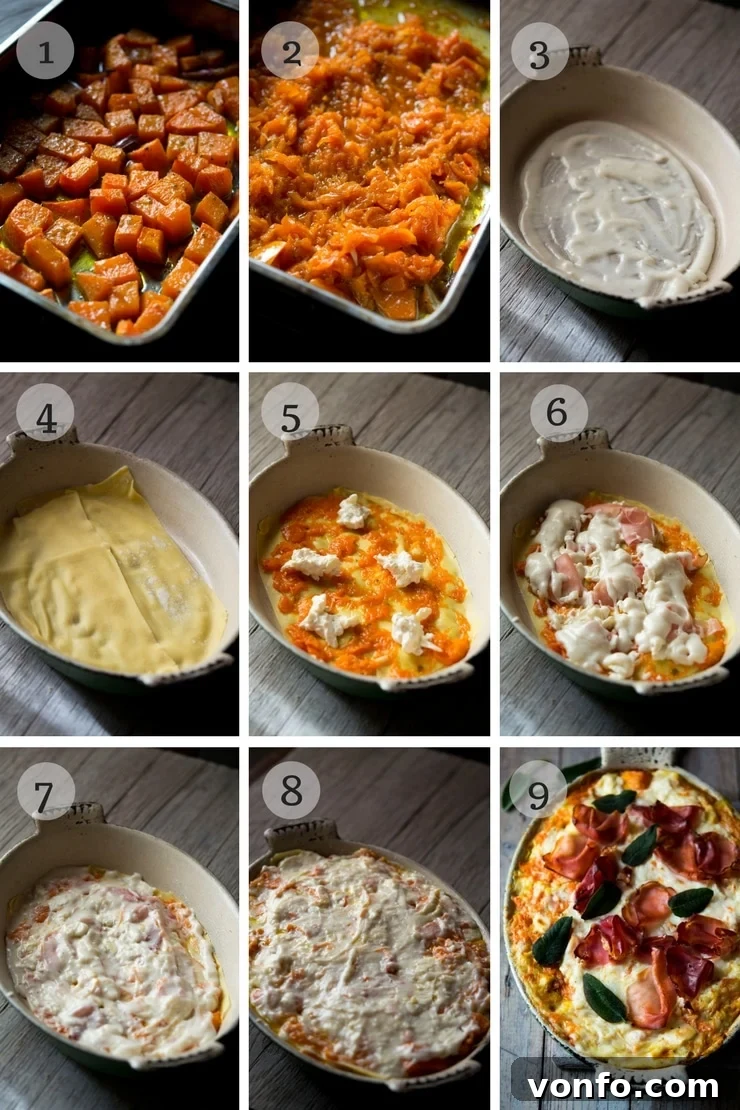
1. Prepare the Roasted Butternut Squash Filling
- Preheat your oven to 180°C/350F/gas mark 4.
- Carefully remove the skin from the butternut squash using a sharp knife. Roughly chop the squash into medium-sized chunks, aiming for pieces that are roughly uniform for even roasting.
- Place the chopped squash onto a large baking tray. Add the garlic cloves (keep their skins on, as they’ll roast and become sweet and soft inside).
- Sprinkle generously with dried oregano, a pinch of salt and pepper, and drizzle with 1 tablespoon of olive oil. Toss everything together until the squash is lightly coated.
- Roast in the preheated oven for 30-35 minutes, or until the squash is tender and cooked through. It should be easily pierced with a fork.
- Once roasted, remove the squash from the oven and allow it to cool for about 5 minutes.
- Carefully squeeze the softened garlic out of its skins and add it to the roasted squash. Mash the garlic and squash together with a fork until mostly smooth but still with some texture. If there’s any excess liquid, try to drain it as much as possible to prevent a watery lasagna.
2. Prepare the Ricotta Cheese Mixture
- While the squash is cooling, grate your chosen melting cheese (fontal, fontina, gruyere, or cheddar all work wonderfully).
- In a medium bowl, combine the grated cheese with the ricotta cheese.
- Add half a teaspoon of nutmeg and a generous pinch of salt and freshly ground black pepper. Mix everything well until thoroughly combined. Set this mixture aside.
3. Craft the Velvety Bechamel Sauce
The bechamel sauce is the creamy backbone of this white lasagna. Follow these steps for a perfectly smooth sauce:
- In a medium saucepan, melt the butter over a medium heat.
- Once the butter has completely melted, add the flour, stirring continuously with a whisk to form a smooth paste, known as a roux. Cook the roux for about 1 minute, stirring constantly to prevent it from burning, which helps cook out the raw flour taste.
- Gradually pour in half of the milk, whisking vigorously the entire time to ensure no lumps form. Continue to whisk as the sauce thickens.
- Once the sauce begins to thicken, add the remaining milk and continue whisking until the bechamel is thick, smooth, and creamy.
- Stir in 1 tablespoon of freshly grated Parmesan cheese, the remaining half teaspoon of nutmeg, and season with salt and pepper to taste.
- Once the Parmesan has melted into the sauce, remove the pan from the heat and set aside. For a more detailed guide on making bechamel, including an olive oil alternative, refer to this recipe.
4. Preparing Fresh Pasta (Optional but Recommended)
If you’re opting for homemade pasta, now is the time to roll it out. If using store-bought, simply ensure your sheets are ready and cut to fit your baking dish.
- **For Homemade Pasta:** On a large clean work surface or in a large mixing bowl, create a well in the center of the 00 flour (or all-purpose flour). Crack the eggs into the well.
- Using a fork, gently whisk the eggs, gradually incorporating the flour from the edges of the well until a shaggy dough forms.
- Begin kneading the dough with your hands for 8-10 minutes until it is very smooth and elastic. Dust your work surface with extra flour as needed to prevent sticking. To test for readiness, cut the dough in half; if you see tiny air bubbles, it’s ready. If not, continue kneading.
- Wrap the pasta dough tightly in cling film and let it rest for at least 30 minutes at room temperature.
- **Rolling the Pasta:** Divide the rested dough into three equal pieces. If using a pasta machine, set the dial to the widest setting (usually 0). Feed one piece of dough through the machine. Fold the dough into thirds and feed it through again. Repeat this folding and feeding 2-3 times.
- Then, gradually decrease the machine setting, feeding the dough through each number until you reach setting 7 or 8. The pasta sheets should be thin and translucent enough to see your hand through. Repeat with the remaining dough pieces.
- Lay the fresh pasta sheets on a lightly floured surface, ready for assembly.
5. Assemble Your Butternut Squash Lasagna
Now, it’s time to build your masterpiece! Aim for 6-7 layers for the best results.
- Lightly grease the bottom of an oven-proof baking dish. Add a couple of generous spoonfuls of the bechamel (white sauce) to the bottom of the dish and spread it evenly to coat. This prevents the first layer of pasta from sticking.
- Carefully lay a layer of pasta sheets over the sauce, trimming to fit if necessary.
- Spoon a thin, even layer of the mashed butternut squash filling over the pasta.
- Dot spoonfuls of the ricotta mixture over the squash.
- Crumble small pieces of goat cheese evenly over the layer.
- Tear pieces of prosciutto crudo and scatter them over the cheese and squash.
- Drizzle a little more white sauce over the toppings and gently spread it out.
- Repeat these layers until all your ingredients are used up, ensuring you have at least 5 or 6 substantial layers. Always reserve a good amount of bechamel sauce for the very top layer.
- **Pro Tip for a Beautiful Finish:** I like to save a few pieces of prosciutto to add to the very top layer during the second half of baking. This ensures they get wonderfully crispy and look aesthetically pleasing when the lasagna emerges from the oven. If you choose to do this, scatter the reserved prosciutto when you remove the foil for the final baking stage.
6. Bake the Lasagna to Golden Perfection
- Once assembled, cover the baking dish tightly with tin foil.
- Bake in the preheated oven for 20 minutes. The foil helps steam the pasta and cook the layers evenly.
- After 20 minutes, remove the foil and continue baking for another 10-15 minutes, or until the top is golden brown and bubbly. If you saved prosciutto, now is the time to add it.
- Remove the lasagna from the oven and let it rest for 5-10 minutes before serving. This crucial resting period allows the layers to set, preventing a sloppy presentation when sliced.
7. Garnish and Serve
- While the lasagna is resting, heat 1 tablespoon of olive oil in a small pan over medium heat.
- Add the fresh sage leaves and fry for a few seconds until they become crisp and fragrant. Be careful as they can burn quickly.
- Carefully remove the crispy sage leaves and drain them on kitchen paper to absorb any excess oil.
- Garnish the rested butternut squash lasagna with the crispy sage leaves and serve immediately. Enjoy your deeply satisfying and flavorful meal!
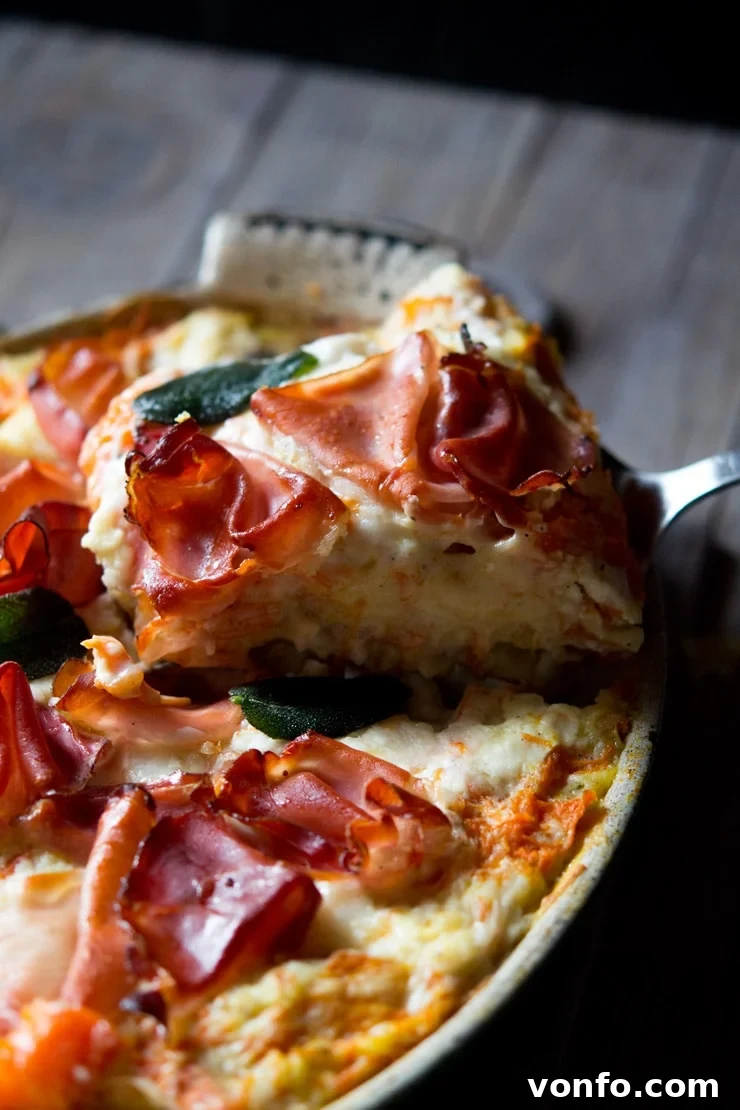
More Comfort Food Recipes to Try
If you’re a fan of hearty, comforting meals, be sure to explore these other delicious recipes from our kitchen:
- Parmigiana di Melanzane (Aubergine Parmigiana)
- Broccoli Rabe Ricotta Gnudi With Parmesan Cream
- Pizzoccheri Pasta with Potatoes and Cabbage
- Mozzarella in Carrozza – Fried Mozzarella Sandwiches
- Baked Polenta with Beef and Sausage Ragu
We hope you thoroughly enjoy this Butternut Squash Lasagna recipe! If you’ve tried it, or any other recipe from our blog, please don’t forget to rate it and share your thoughts in the comments below – we absolutely love hearing from you! You can also **FOLLOW US** on FACEBOOK, TWITTER, INSTAGRAM, and PINTEREST for more delicious food inspiration and behind-the-scenes glimpses.
Is there a particular meal you’re dreaming of seeing on Inside The Rustic Kitchen? Let us know in the comments or send us an email using the contact form. Your suggestions help us create content you’ll love!
Butternut Squash Lasagna Recipe
By Emily
Butternut squash lasagna made with roasted butternut squash, prosciutto, goat cheese, ricotta, and crispy sage leaves. A wintery, indulgent comfort food dish that’ll keep you cozy all evening.
Prep Time:
40 mins
Cook Time:
1 hr 10 mins
Total Time:
1 hr 50 mins
Servings:
4-6 people
Ingredients
Main Lasagna Components:
- 2.2 lbs (1 kg) butternut squash
- 5-6 garlic cloves
- 1/2 tbsp dried oregano
- 1 tbsp olive oil
- 5.2 oz (150g) fontal, or a good melting cheese such as fontina, gruyere, or cheddar
- 8.8 oz (250g) good quality ricotta cheese
- 1.7 oz (50g) butter
- 1 heaped tbsp (30g) flour
- 2.5 cups (600 ml) milk
- 1/2 tsp nutmeg
- Salt and pepper, to taste
- 1 tbsp freshly grated Parmesan cheese
- 3.5 oz (100g) crumbly goat cheese (not soft)
- 3.5 oz (100g) prosciutto crudo
- 5-6 sage leaves
- Store-bought fresh lasagna sheets (enough for 6-7 layers) OR homemade pasta (see below)
To Make Fresh Pasta (Optional):
- 1 1/3 cup + 1 tbsp (200g) Italian 00 flour or all-purpose flour
- 2 large eggs
Instructions
- Preheat the oven to 180°C/350F/gas mark 4.
- Remove the skin from the squash with a knife and roughly chop it into medium-sized chunks. Add it to a large baking tray with the garlic cloves (skins still on). Sprinkle over the oregano with a little salt and pepper and 1 tbsp of olive oil. Roast in the oven for 30-35 minutes until soft and cooked through.
- **Making Fresh Pasta (Optional):** Meanwhile, make the pasta or skip this step if using store-bought fresh lasagna sheets. To make pasta, add flour to a large mixing bowl or a clean work surface and make a well. Crack eggs into the well and whisk with a fork, slowly incorporating flour. Once dough comes together, knead with hands for 8-10 minutes until smooth. Cut dough in half; if tiny air bubbles are inside, it’s ready. Wrap dough in cling film and set aside.
- Remove the squash from the oven and let it cool for 5 minutes. Squeeze garlic from skins and mash garlic and squash together with a fork. (Drain excess liquid if present).
- Grate the fontal or melting cheese and mix it with ricotta in a bowl with half the nutmeg, salt, and pepper. Set aside.
- **Make The White Sauce:** Add butter to a saucepan under medium heat. Once melted, add flour and stir into a paste. Cook for 1 minute, stirring, then add half the milk while whisking constantly to avoid lumps.
- Once sauce thickens, add the other half of the milk and whisk until thick and creamy. Add Parmesan, a pinch of nutmeg, salt, and pepper, and stir. Turn off heat once Parmesan has melted and set aside.
- **Roll Out Pasta (if homemade):** If using fresh homemade pasta, roll it out now. You want sheets long enough to fit your baking dish. Using a pasta machine: set dial to widest point. Cut dough into 3 and feed first piece through, fold into thirds, and feed again 2-3 times. Then feed through each number until you reach 7 or 8 (dough should be thin). Repeat with all 3 pieces.
- **Assemble The Lasagna:** Add a couple of spoonfuls of white sauce to the bottom of an oven-proof baking dish and spread evenly. Add a layer of pasta (freshly made or store-bought, cut to size). Add a spoonful of squash and spread over the pasta.
- Dot over some ricotta mixture, crumble a little goat cheese, and tear over pieces of prosciutto. Finally, drizzle over some more white sauce and spread it over the toppings. Repeat until all ingredients are used, aiming for at least 5-6 layers. Make sure to keep extra white sauce for the final layer.
- Cover the lasagna with tin foil and bake for 20 minutes. Remove the foil and bake for another 10-15 minutes, or until golden and bubbly. Remove from the oven and let it rest for 5-10 minutes.
- Finally, fry the sage leaves in 1 tbsp of olive oil for a few seconds until crispy. Drain on kitchen paper then garnish the lasagna and serve.
Notes
- I like to save a little extra prosciutto for the very top because it looks pretty when it comes out of the oven and gives some texture. If you’re doing this then add the prosciutto when the foil comes off the lasagna and it goes in for the second bake.
Helpful Info for All Recipes
- I always use extra virgin olive oil in all of my recipes unless stated otherwise.
- When I use canned or jarred tomatoes of any kind, I always use Cirio or Mutti brands for the best results and flavor.
- All vegetables are medium-sized unless stated otherwise.
- All recipes are tested and developed using a fan (convection) oven.
- Find out more about how nutrition is calculated.
- Check out our must-have Italian Pantry Staples.
- You can also find all our Essential Kitchen Tools for Italian Cooking.
Nutrition
Nutrition information is automatically calculated, so should only be used as an approximation.
- Calories: 587kcal
- Carbohydrates: 41g
- Protein: 35g
- Fat: 55g
- Saturated Fat: 29g
- Cholesterol: 225mg
- Sodium: 813mg
- Potassium: 1256mg
- Fiber: 5g
- Sugar: 14g
- Vitamin A: 28050IU
- Vitamin C: 53.5mg
- Calcium: 699mg
- Iron: 3.3mg